Navigating meal times can become challenging when chewing is difficult, whether due to recent oral surgery, dental procedures, swallowing difficulties, or age-related issues. A soft food diet becomes a necessity, offering comfort and crucial nutrition without discomfort. This comprehensive guide explores over 30 nourishing and delicious soft food ideas, complete with practical tips and recipe suggestions, to ensure your diet remains diverse and satisfying.
What is a Soft Food Diet?
A soft food diet, often referred to as a mechanical soft diet, is specifically designed for individuals who struggle with chewing or swallowing conventional solid foods. This dietary approach focuses on foods that are naturally soft, easily mashed, pureed, or cut into very small, manageable pieces. It eliminates anything hard, crunchy, sticky, or fibrous that could irritate sensitive oral tissues, dislodge blood clots post-surgery, or pose a choking hazard for those with dysphagia (swallowing difficulties).
This diet is commonly recommended after various dental procedures, such as wisdom tooth extraction, root canals, dental implants, or jaw surgery. Beyond surgery, it’s also a vital nutritional strategy for elderly individuals with compromised dentition, those recovering from strokes, or people with certain gastrointestinal issues that benefit from easily digestible foods. The primary goal is to provide adequate nutrition and hydration while minimizing oral discomfort and promoting healing.
Benefits of a Soft Food Diet
Adopting a soft food diet offers numerous benefits, particularly during recovery or for individuals with ongoing chewing and swallowing challenges. Firstly, it significantly reduces pain and discomfort associated with chewing, allowing the mouth and digestive system to rest and heal. For post-oral surgery patients, it prevents irritation to surgical sites and helps avoid complications like dry socket. Secondly, it ensures consistent nutrient intake, which is crucial for healing, energy levels, and overall well-being, especially when appetite may be diminished.
Moreover, soft foods are typically easier to digest, reducing strain on the gastrointestinal tract, which can be beneficial for individuals with sensitive stomachs or digestive conditions. For the elderly or those with dysphagia, a soft diet minimizes the risk of choking and aspiration, making meals safer and more enjoyable. By thoughtfully selecting a variety of soft foods, it’s entirely possible to maintain a balanced, flavorful, and satisfying diet without compromising health.
Essential Tips for a Soft Food Diet
Following a soft food diet effectively requires a few key considerations to ensure both safety and satisfaction. Always remember these crucial guidelines:
- Temperature Control: If you’ve had oral surgery, avoid extremely hot or cold foods. Lukewarm is best to prevent irritating surgical sites or dislodging blood clots.
- Hydration is Key: Drink plenty of water and other fluids throughout the day. Dehydration can hinder healing and cause discomfort.
- Small, Frequent Meals: Eating smaller portions more frequently can be easier to manage than large meals, especially if your appetite is reduced.
- Avoid Straws (Post-Surgery): After oral surgery, especially tooth extractions, using a straw can create suction that dislodges blood clots, leading to painful dry sockets. Sip liquids directly from a cup or use a spoon for thicker consistency drinks.
- Nutrient Density: Focus on nutrient-rich foods that provide essential vitamins, minerals, and protein to support healing and maintain energy. Protein, in particular, is vital for tissue repair.
- Listen to Your Body: If a food causes any discomfort, avoid it. Everyone’s recovery and tolerance levels are different.
- Consult Your Healthcare Provider: Always follow the specific dietary recommendations given by your dentist, oral surgeon, or doctor. They can provide personalized advice based on your individual condition and recovery needs.
Diverse Soft Foods List
Embarking on a soft food diet doesn’t mean sacrificing variety or flavor. Here’s a comprehensive list of excellent soft food options, ranging from comforting classics to versatile ingredients, many of which can be customized with various seasonings and additions to prevent mealtime boredom. Further down, you’ll find detailed recipes and preparation tips for many of these items!
- Soups or Broth
- Eggs
- Mashed Potatoes
- Oatmeal & Hot Cereals
- Smoothies
- Tofu
- Hummus
- Meatloaf
- Canned Tuna & Salmon
- Soft Deli Meats
- Avocados
- Cooked Fish
- Well-Cooked Pasta
- Popsicles
- Ice Cream & Frozen Yogurt
- Cottage Cheese
- Pudding & Custards
- Well-Cooked Carrots
- Ripe Bananas
- Commercial & Homemade Baby Food
- Guacamole
- Refried Beans
- Sweet Potatoes
- Baked Beans
- Ripe Mango
- Soft Bread (Crust Removed)
- Bone Broth
- Soft Fruit Purees (e.g., Mashed Bananas, Strawberries)
- Mashed Peas
- Soft Cheeses (e.g., Goat Cheese, Cream Cheese)
- Jello
Delicious Soft Food Recipes
1. Soups & Broths
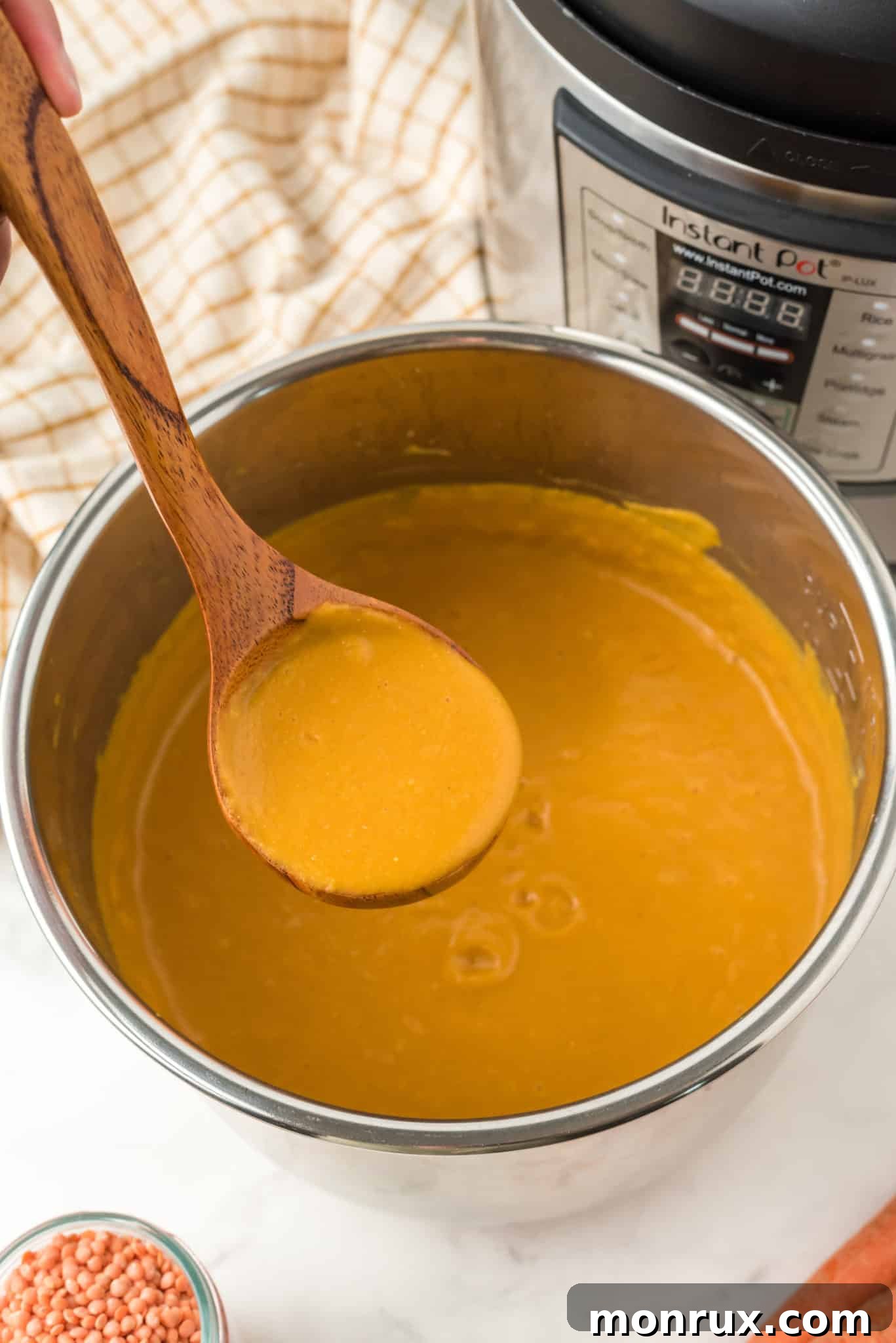
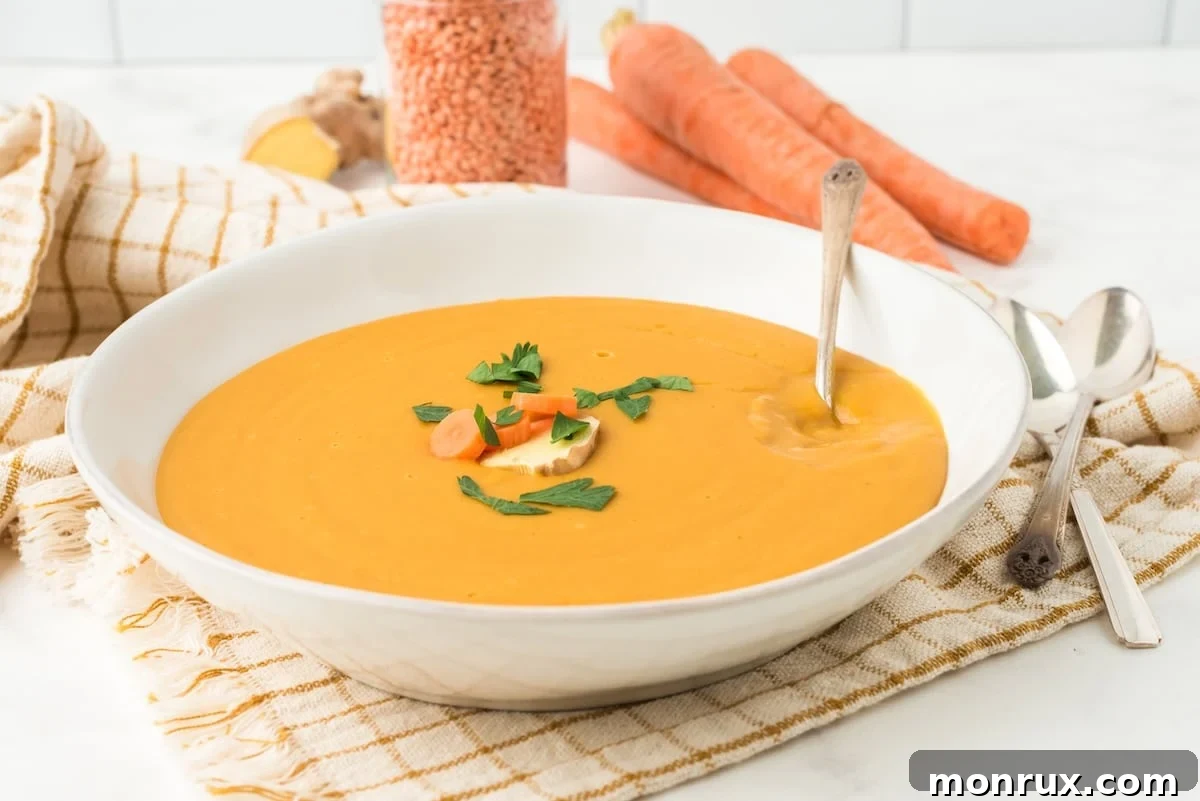
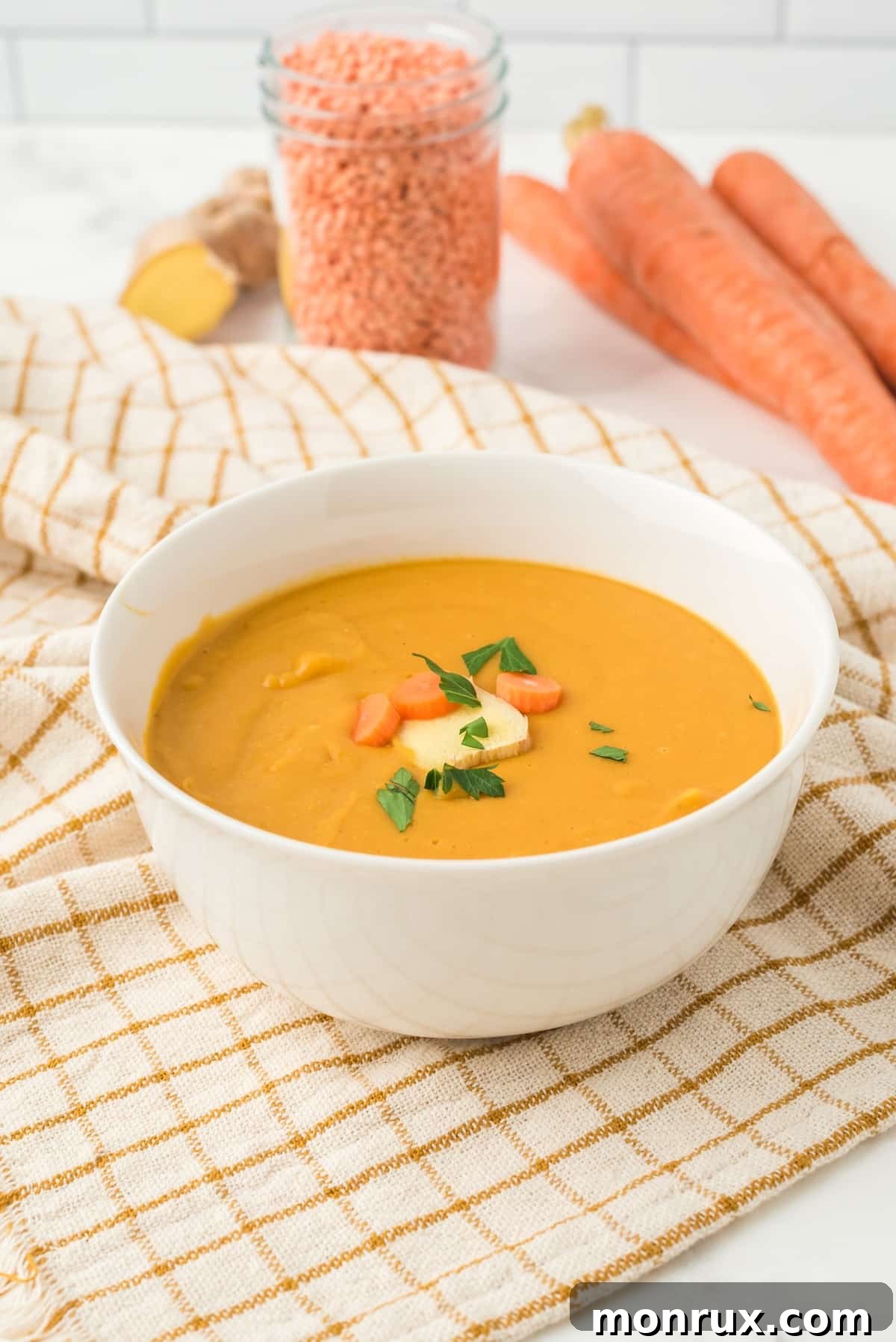
Soups are the quintessential soft food, offering warmth, hydration, and an easy way to consume a wide range of nutrients. Most vegetables and even some meats can be pureed into smooth, chew-free soups. From creamy vegetable purees to hearty broths, the possibilities are endless. Just remember to allow hot soups to cool to a lukewarm temperature, especially if you’re recovering from oral surgery, as excessive heat can irritate sensitive areas or dislodge blood clots.
Consider blending nutrient-dense ingredients like squash, carrots, potatoes, or lentils with savory broths and gentle seasonings. Homemade soups are often superior in nutrient content and can be incredibly satisfying. Experiment with flavor profiles like ginger-carrot, butternut squash, or even a dairy-free potato soup for a comforting meal. These provide essential liquids and electrolytes, which are crucial for hydration during recovery.
Try these healthy soft food soup recipes: Instant Pot Carrot Ginger Soup, 3-Ingredient Butternut Squash Soup, or Dairy-Free Potato Soup. Always ensure your soup is smooth and lump-free for ease of consumption.
2. Eggs
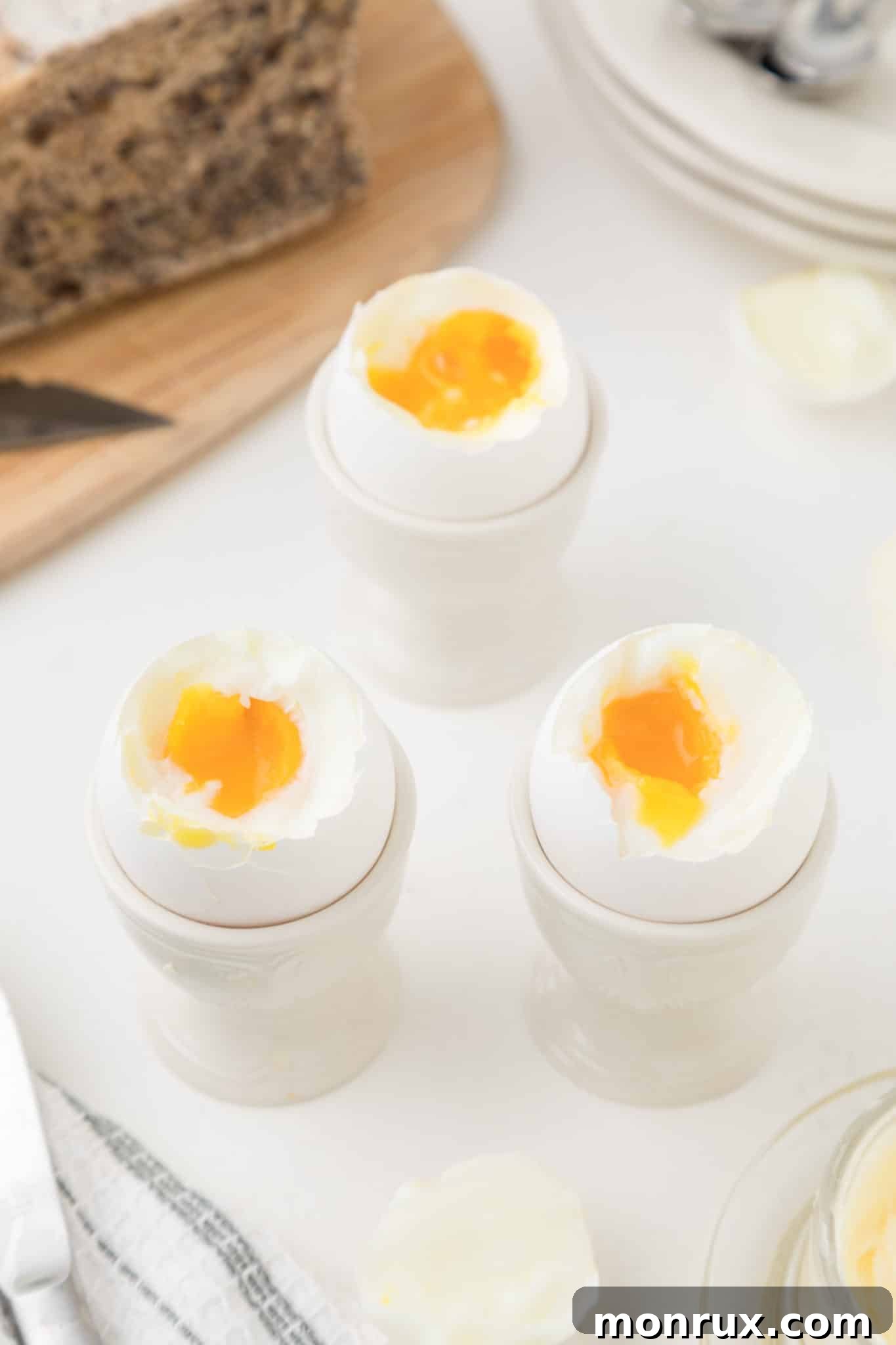
Eggs are a versatile and excellent source of high-quality protein, which is vital for healing and muscle maintenance. Their naturally soft texture makes them ideal for a soft food diet, and they can be prepared in numerous ways to keep meals interesting. Scrambled eggs, poached eggs, or soft-boiled eggs are fantastic options, requiring minimal to no chewing.
You can enhance the flavor and nutrition of eggs by incorporating soft cheeses, finely minced cooked vegetables (like spinach pureed into a scramble), or herbs. For those seeking extra creaminess, a touch of milk (dairy or non-dairy) can make scrambled eggs even softer. If opting for over-medium or over-easy eggs, ensure they are cut into very small pieces to avoid excessive chewing. Eggs are also a wonderful way to feel full and satisfied without putting strain on your mouth.
Try making Over Medium Eggs (cut into small bites) or my personal favorite, Air Fryer Soft Boiled Eggs, for a quick and easy protein boost.
3. Mashed Potatoes
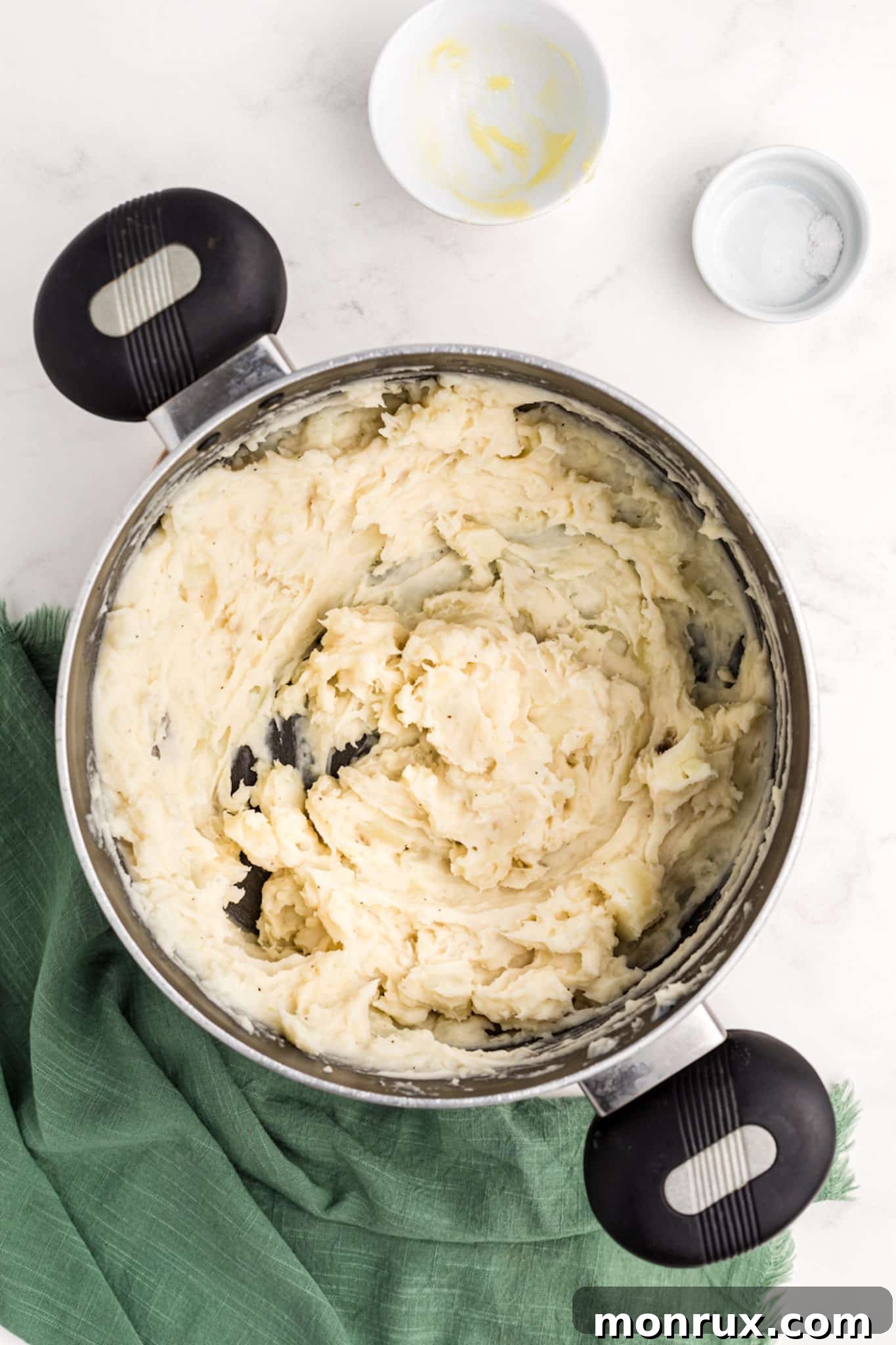
Mashed potatoes are the epitome of comfort food and a cornerstone of any soft food diet. They are nutritious, easy to prepare, and incredibly versatile. The key is to achieve a creamy, lump-free consistency that requires no chewing. Using a potato ricer or a food processor can help create perfectly smooth mashed potatoes. Enrich them with a little butter, milk, cream, or dairy-free alternatives to enhance flavor and texture.
To boost their appeal and nutritional profile, consider stirring in grated soft cheese, mild pesto, or finely pureed roasted garlic. You can also incorporate other soft, cooked vegetables like cauliflower or parsnips into your mash for added vitamins and minerals. While baked potatoes are also soft, ensure the skin is removed if chewing is very difficult. Potato salad, when prepared with thoroughly cooked potatoes and a creamy dressing, can also be a suitable soft food, as long as crunchy ingredients are omitted.
Explore these satisfying recipes: Whole30 Mashed Potatoes, Instant Pot Mashed Potatoes, or Instant Pot Mashed Sweet Potatoes for delightful variations.
4. Oatmeal & Hot Cereals
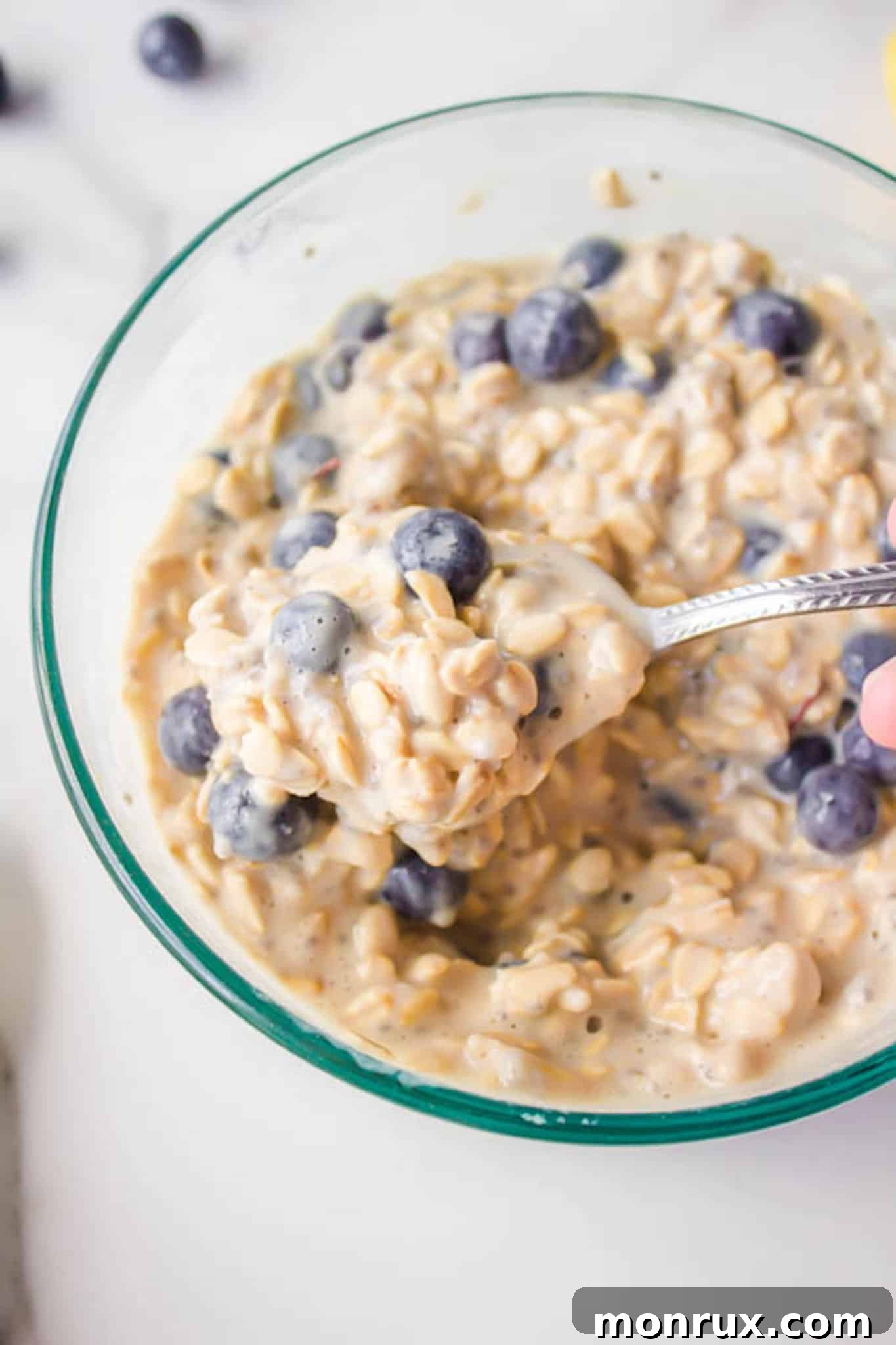
Oatmeal is not just a breakfast staple; it’s a wonderfully hearty and easy-to-chew meal suitable for any time of day. Its soft, forgiving texture makes it perfect for those on a restricted diet. For a sweet twist, mix in ripe mashed bananas, applesauce, pureed berries, or a dollop of smooth peanut butter. Cooking oats with milk (dairy or non-dairy) instead of water can also enhance their creaminess and nutritional value.
If you prefer a savory approach, prepare your oatmeal with vegetable or bone broth instead of water. Add a pinch of salt, pepper, and stir in soft cooked vegetables, avocado, or a sprinkle of grated soft cheese. For individuals on a liquid-only diet, oatmeal can be blended into a smoothie for easy, chew-free consumption. Cream of wheat or other finely ground hot cereals are also excellent alternatives, offering a similar soft texture.
Remember to let hot cereals cool down to a lukewarm temperature, especially if recovering from oral surgery, to prevent any irritation. Seniors who have difficulty chewing will find pureed or very soft-cooked oats highly digestible. Try my recipe for Overnight Protein Oats using Clean Almond Milk, or blend it into a Strawberry Banana Oatmeal Smoothie for a liquid option.
5. Smoothies
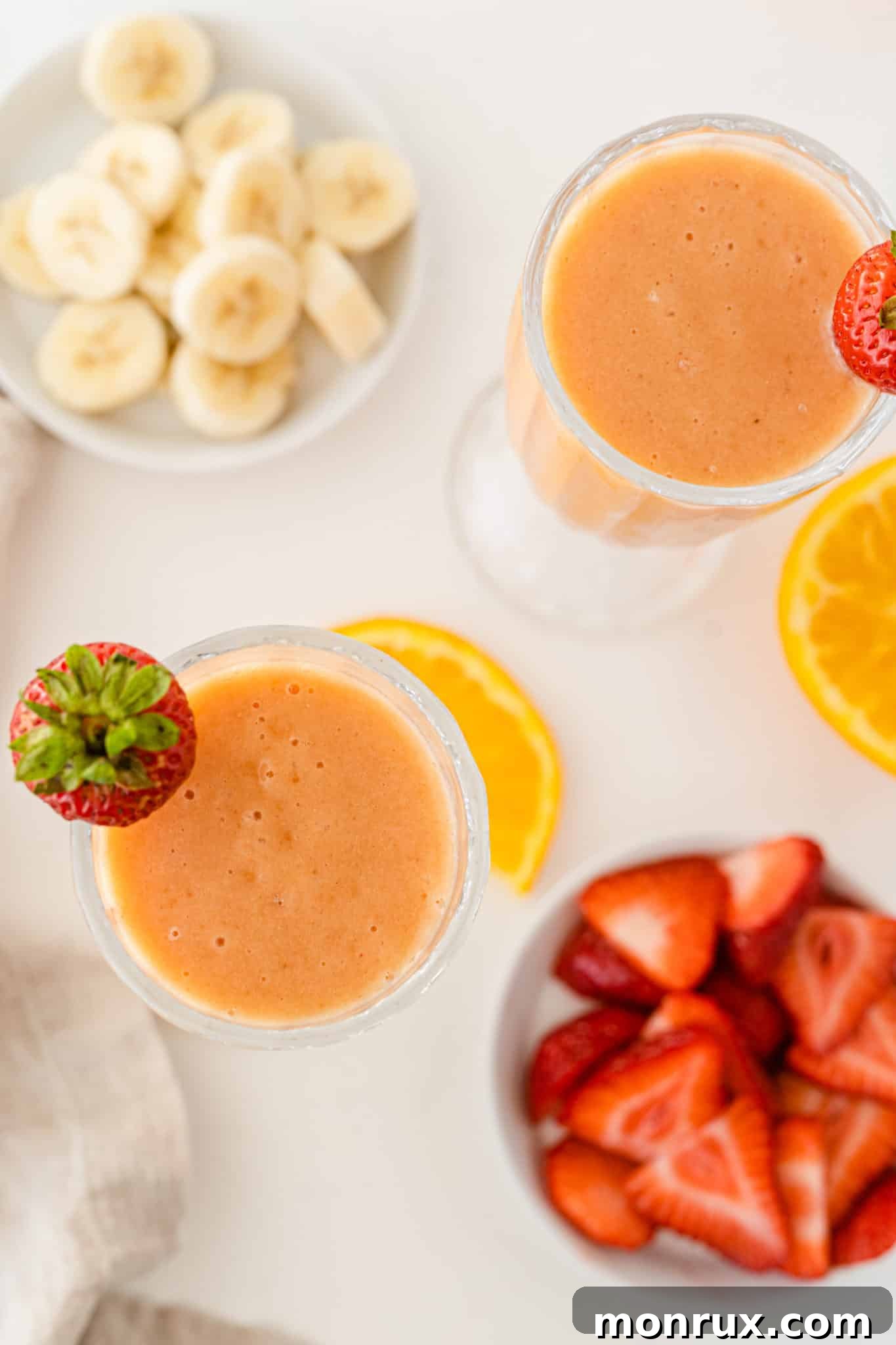
Smoothies are an ideal way to consume a wealth of nutrients effortlessly, especially when chewing is problematic. They are quick to prepare, highly customizable, and perfect for incorporating fruits, vegetables, and protein into one easy-to-drink meal. Smoothies are also excellent for seniors who may have reduced appetites, providing concentrated nutrition in a small volume.
For sweet smoothies, combine ripe fruits like bananas, strawberries, or mangoes with yogurt (dairy or non-dairy), milk, or fruit juice. Adding a handful of spinach or kale is an easy way to sneak in extra greens without altering the taste significantly. For savory options, blend tomatoes, cucumbers, bell peppers, and fresh herbs with vegetable juice or water. Consider adding protein powder (see my list of the best clean protein powders) or soft tofu to any smoothie for a complete, balanced meal.
Crucially, if you’re recovering from oral surgery, avoid using straws. The suction can dislodge blood clots. Instead, enjoy your smoothie with a spoon, or sip it directly from a cup. Explore my complete list of dairy-free smoothies or learn about the benefits of green smoothies for more inspiration.
6. Tofu
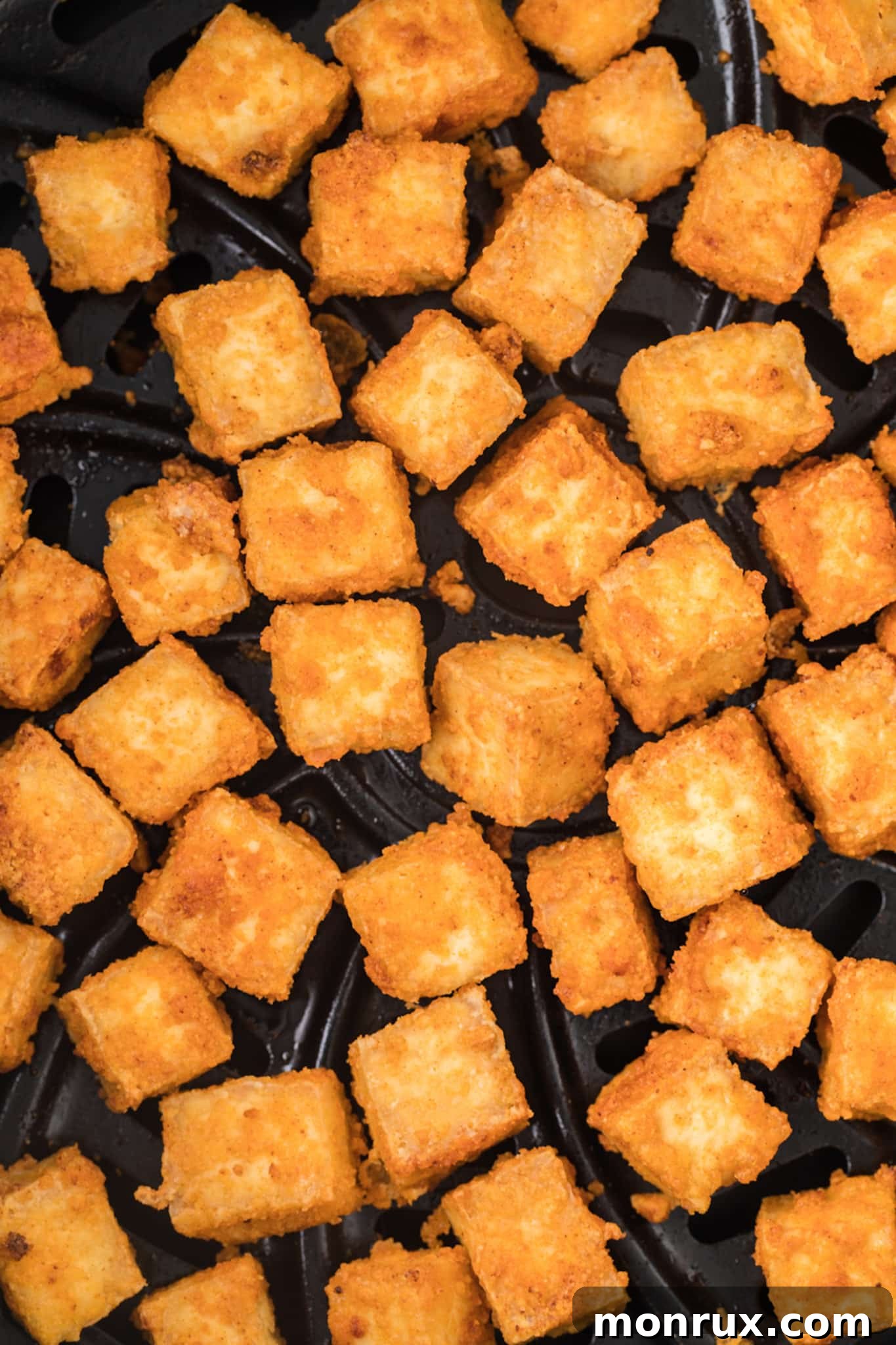
Tofu is an excellent plant-based protein, making it a valuable addition to a soft food diet, especially for vegetarians or vegans. Its mild flavor allows it to absorb the tastes of whatever it’s cooked with, making it incredibly versatile. Silken tofu, in particular, is exceptionally soft and can be blended into smoothies, soups, or even creamy desserts. Firmer varieties can be mashed or crumbled to mimic ground meat or soft cheese.
Tofu provides essential amino acids for healing without requiring extensive chewing. For those who can handle a little texture, a soft tofu scramble, prepared by crumbling firm or medium tofu and cooking it with a little oil and seasonings, makes a fantastic breakfast or light meal. When preparing tofu for a very sensitive mouth, ensure it’s cooked until very tender and any coatings or crispy exteriors are minimized or avoided to keep it soft and easy to swallow. Tofu is a great way to ensure adequate protein intake during recovery.
While my recipe for Air Fryer Tofu offers crispiness, for a soft diet, you might want to reduce or skip the coating and ensure the tofu is cooked until very tender, perhaps even simmering it in a flavorful broth.
7. Hummus
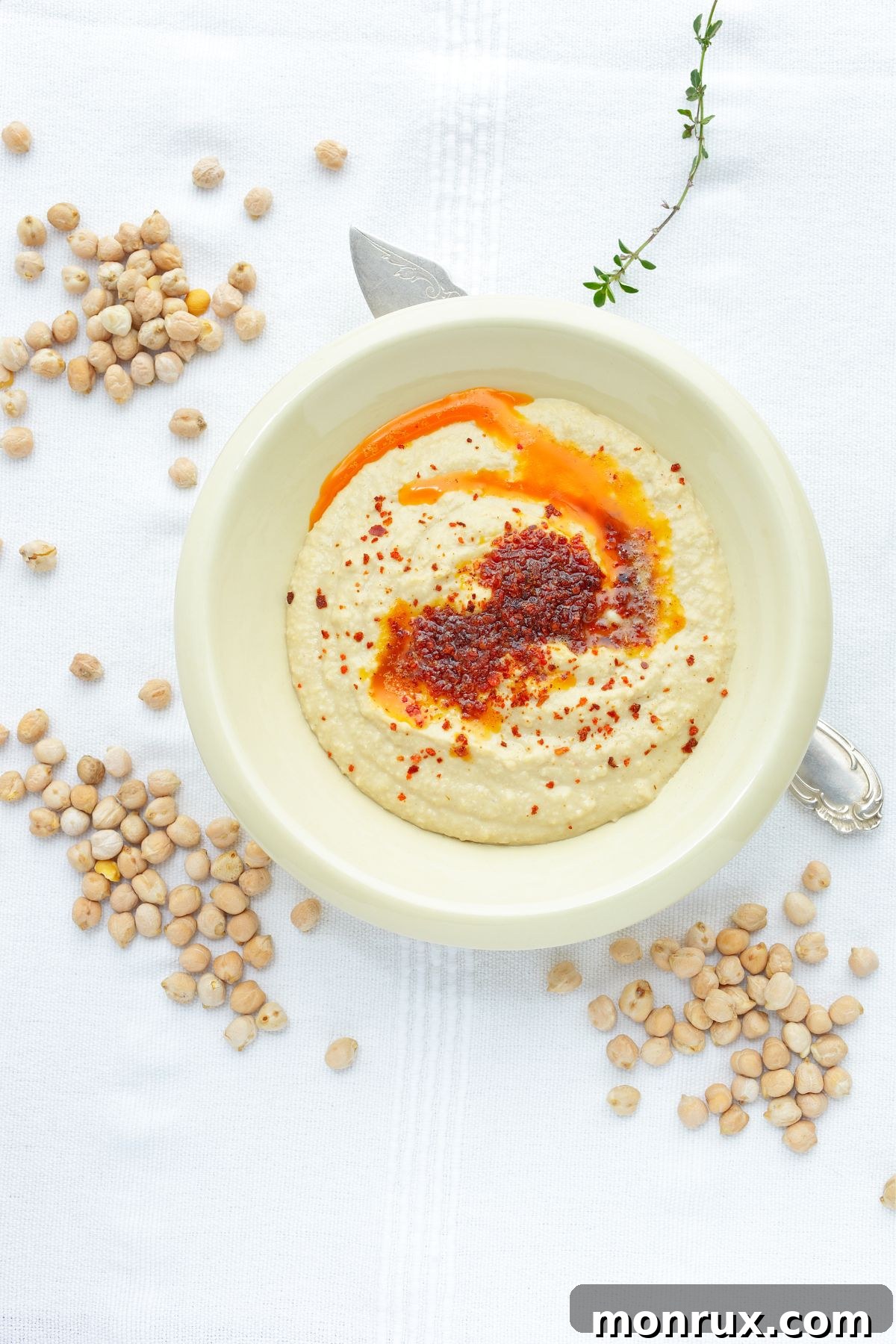
Hummus, a creamy spread made from chickpeas, tahini, lemon juice, and seasonings, is naturally smooth and highly nutritious. It’s an excellent source of plant-based protein and fiber, making it a satisfying and beneficial addition to a soft food diet. You can enjoy hummus plain, or serve it with very soft, cooked pasta, mashed avocado, or even soft-cooked vegetables that have been pureed.
Many varieties of hummus are available commercially, or you can easily make your own at home for a fresher, customizable option. Experiment with adding roasted garlic, pureed beets, or roasted red peppers for unique flavor twists. For an extra protein boost, consider blending in some silken tofu or a scoop of unflavored protein powder. While you’ll need to avoid crunchy dippers like crackers or raw vegetables, hummus pairs wonderfully with soft breads (crust removed) or simply eaten by the spoonful.
See my basic hummus recipe and related posts on healthy hummus snacks and is hummus gluten-free? Always ensure the hummus is smooth without any large chickpea pieces.
8. Meatloaf
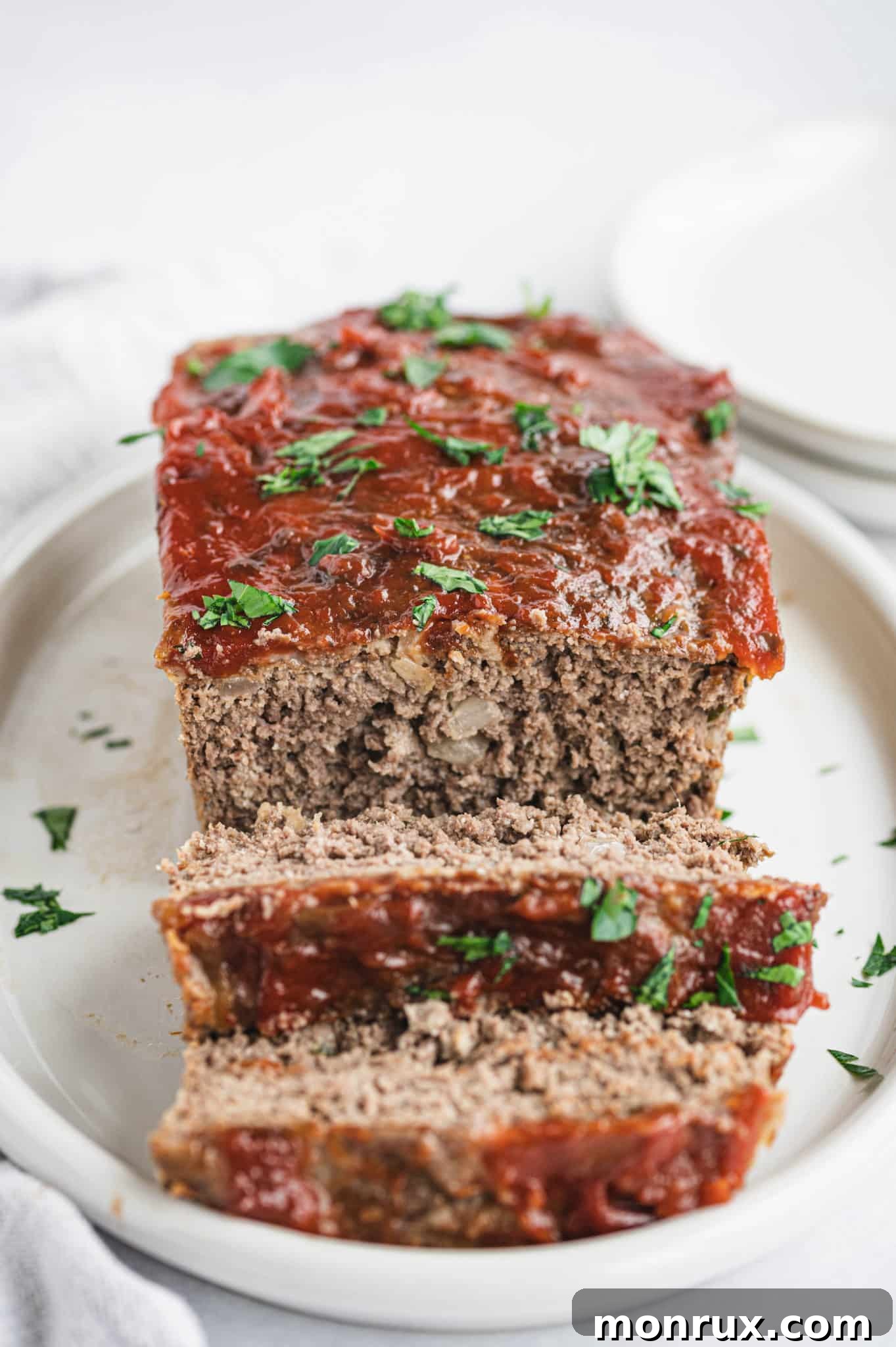
Surprisingly, meatloaf can be an excellent protein source on a soft food diet when prepared correctly. The key is to ensure it’s incredibly tender and moist. Opt for ground meat with a fat content of around 20% (like 80/20 ground beef) as leaner meats can dry out and become tougher. Incorporating finely grated or pureed vegetables (such as zucchini or carrots) and breadcrumbs soaked in milk can also help maintain moisture and softness.
Avoid over-compressing the meat mixture, as a looser texture will result in a more tender meatloaf. After cooking, allow it to rest before slicing it into very small, manageable bites. For those on a more restricted diet, or even a liquid diet, meatloaf can be blended with warm vegetable or beef broth until it reaches a desired, smooth consistency. This ensures you get vital protein and nutrients without any chewing.
Always cut meatloaf into small, easy-to-swallow pieces, especially if you are recovering from oral surgery. Explore my recipes for Gluten-Free Meatloaf, Air Fryer Meatloaf, or Chicken Meatloaf, adapting them for maximum tenderness.
9. Canned Tuna & Salmon
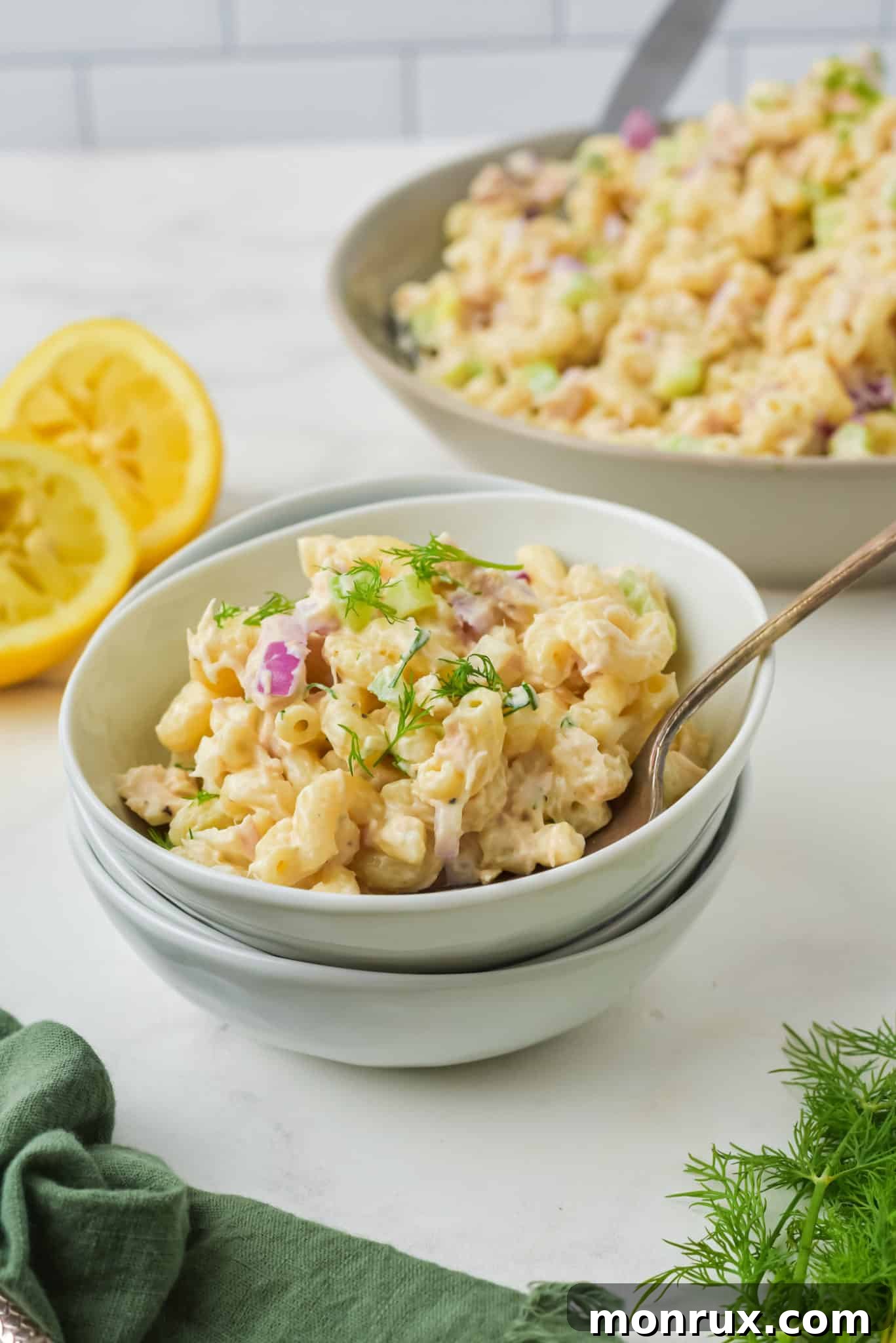
Canned tuna and salmon are convenient, budget-friendly, and incredibly nutritious options for a soft food diet. Both are packed with protein, and salmon provides beneficial omega-3 fatty acids essential for inflammation reduction and overall health. Their flaky, soft texture requires minimal chewing, making them ideal for sensitive mouths.
Mash canned tuna or salmon thoroughly with a fork, then mix it with mayonnaise, Greek yogurt, or mashed avocado to create a creamy, easy-to-eat salad. This can be enjoyed on its own, stirred into well-cooked pasta, or served alongside soft vegetables. For added flavor, incorporate mild seasonings, finely minced soft herbs, or a squeeze of lemon juice. Ensure there are no large, fibrous pieces or bones, even in canned varieties, by mashing thoroughly.
Consider preparing Healthy Tuna Pasta Salad (using very soft pasta) or a creamy Salmon Salad with Mayo for a protein-rich meal.
10. Soft Deli Meats
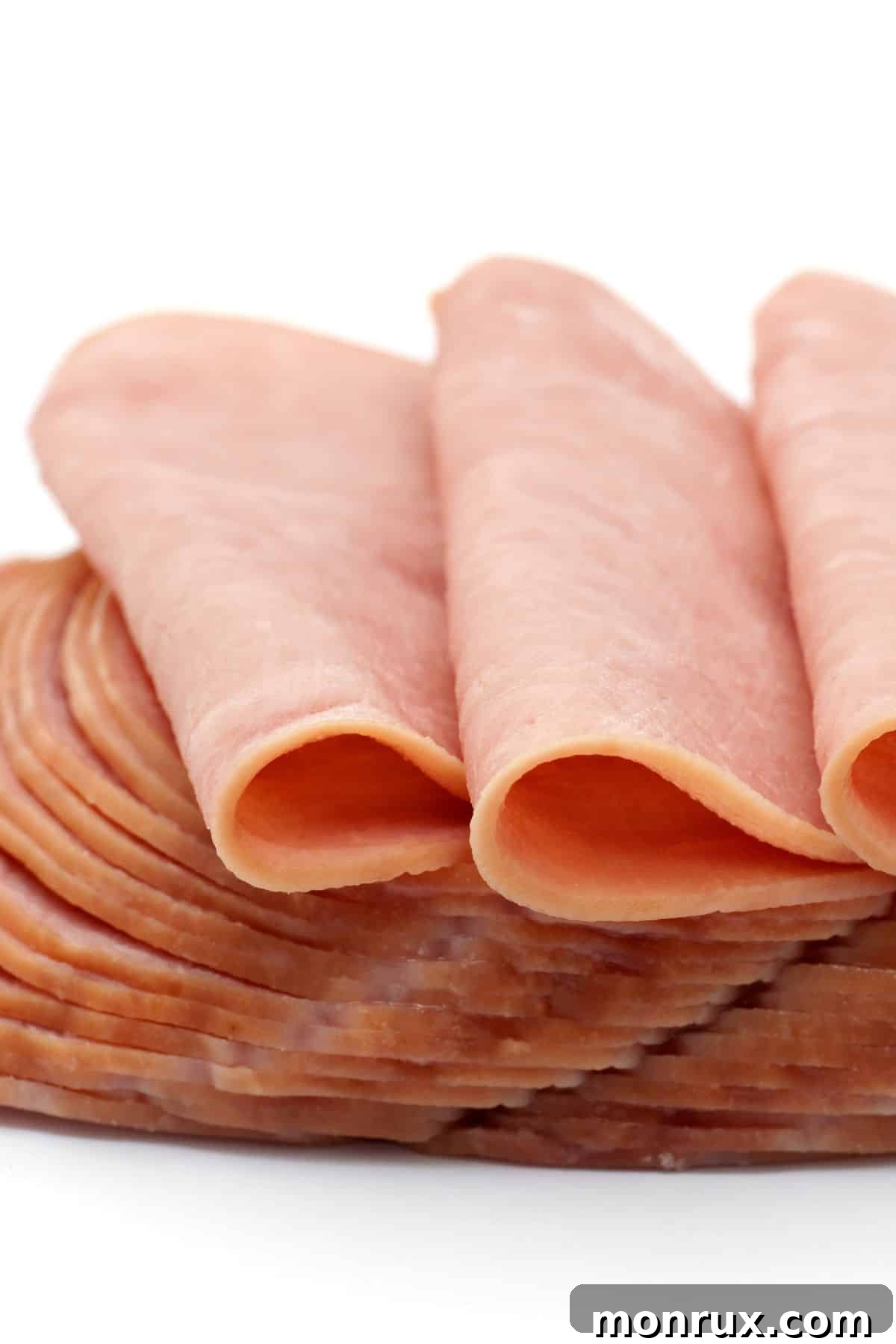
Certain deli meats, particularly those made from restructured or finely ground meat, can be suitable for a soft food diet due to their pliable texture. Varieties like thinly sliced ham, turkey, chicken, or bologna are generally very soft and easy to consume without much chewing. These can provide a quick source of protein, which is often needed during recovery.
It’s important to choose deli meats that are uniformly soft and avoid any with tough edges, gristle, or large pieces. Salami and pepperoni, for example, tend to be firmer and might be challenging unless extremely thinly sliced or pureed. Always cut deli meats into very small pieces or even blend them with a little broth if chewing is severely limited. They can be enjoyed plain, or finely chopped and mixed into soft eggs, mashed potatoes, or pureed soups.
11. Avocados
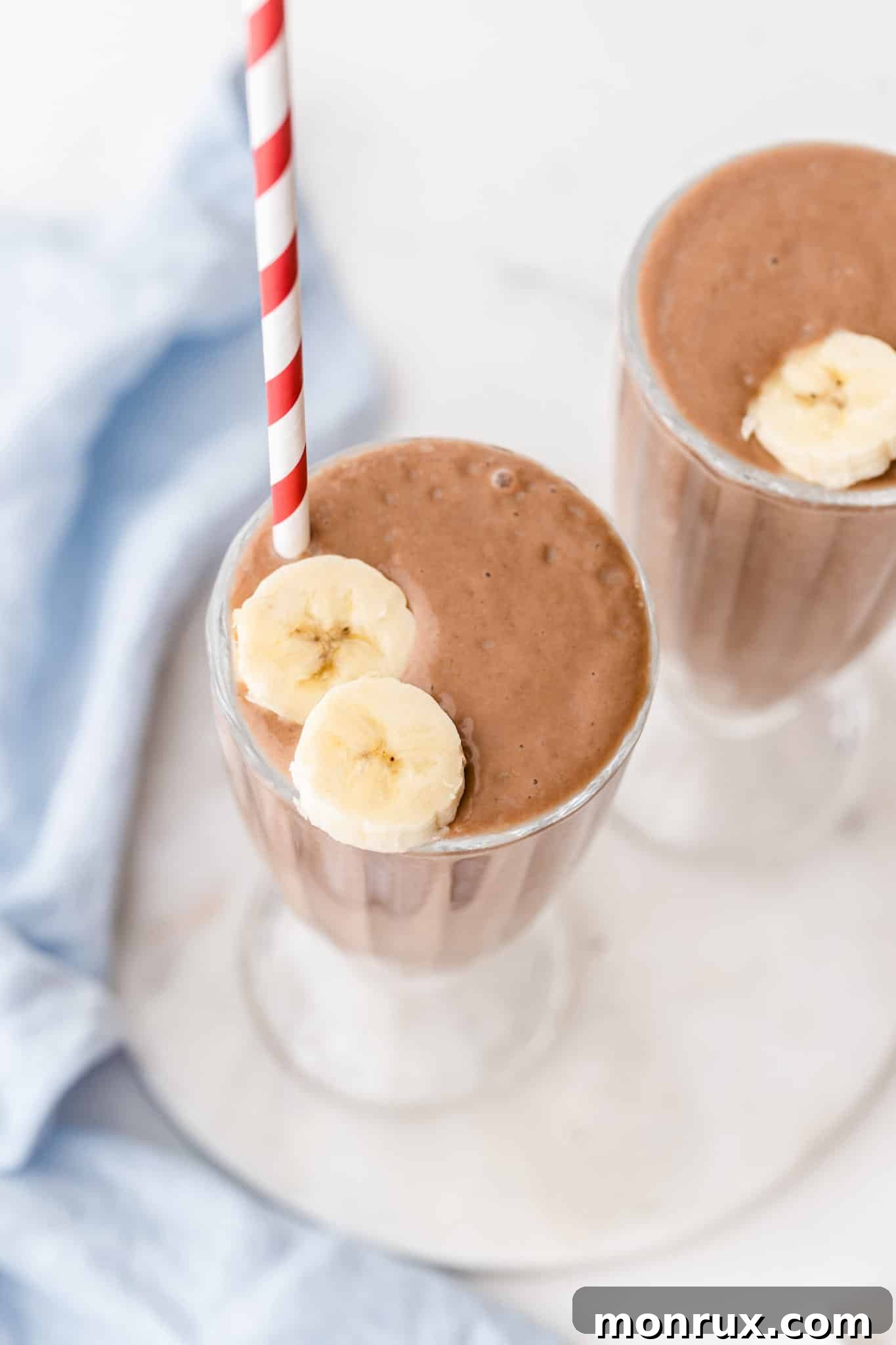
Avocados are a powerhouse of healthy fats, fiber, and essential vitamins, making them an excellent choice for a soft food diet. Their naturally creamy, buttery texture melts in the mouth, requiring almost no chewing. Avocados are also known to support the immune system and provide sustained energy, which is particularly beneficial during periods of recovery.
Mash ripe avocados and enjoy them plain, or incorporate them into sweet or savory dishes. They blend seamlessly into smoothies, adding a rich, creamy consistency without altering the flavor significantly (or adding a delightful richness, as in a chocolate avocado smoothie). You can also mix mashed avocado with flaked soft fish or very finely shredded, cooked chicken for a simple, nutritious meal. For a treat, blend avocado with ripe banana and freeze it for a dairy-free, sugar-free “ice cream.”
Discover recipes like Creamy Avocado Spread or a delightful Avocado Chocolate Smoothie.
12. Cooked Fish
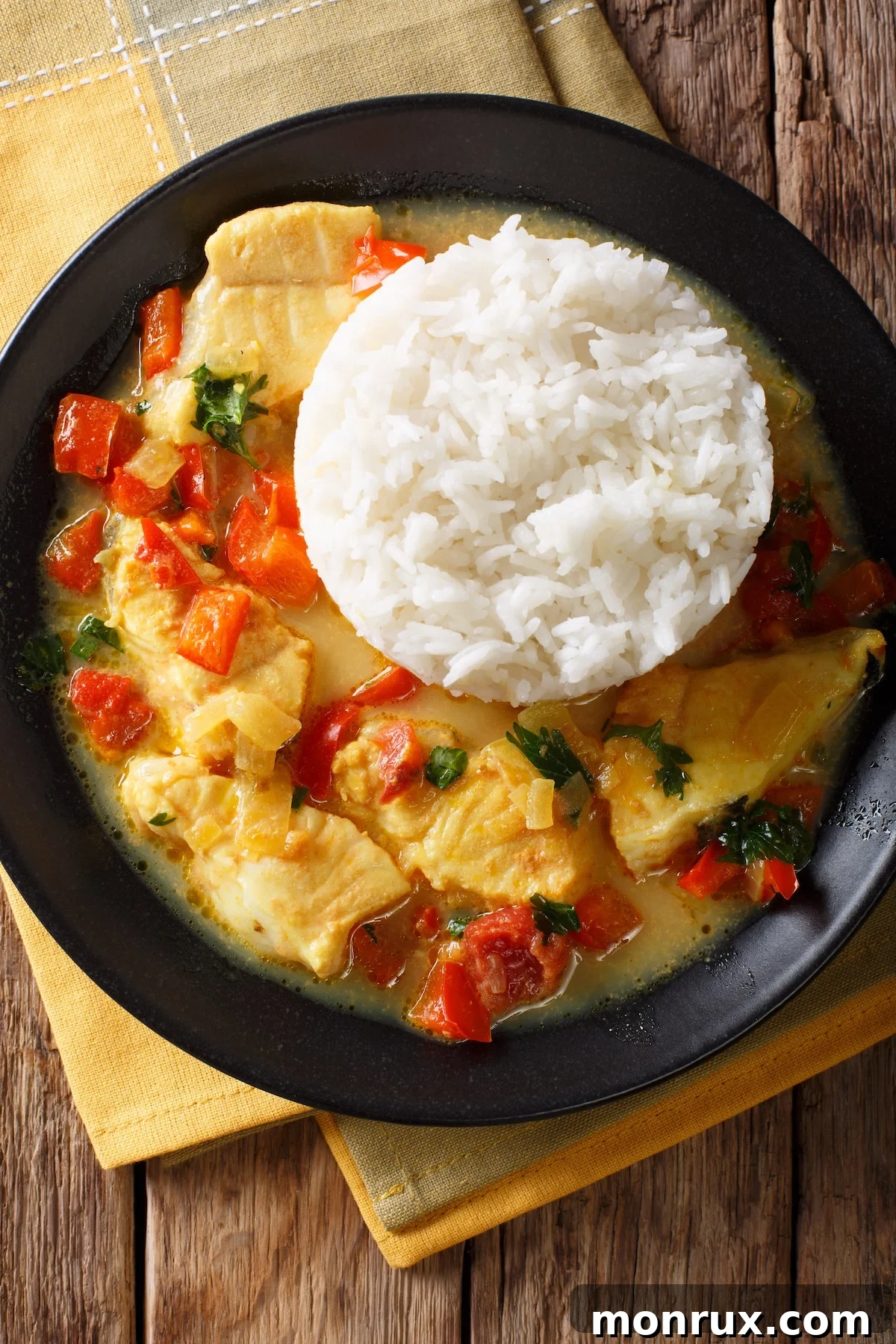
Most cooked fish, especially white fish varieties like cod, tilapia, or sole, possess a naturally delicate and flaky texture that makes them incredibly easy to chew and swallow. Fish is an outstanding source of lean protein, crucial for tissue repair and overall recovery. Oily fish such as salmon, mackerel, and sardines also provide beneficial omega-3 fatty acids, which have anti-inflammatory properties.
Prepare fish by baking, steaming, or poaching until it’s very tender and easily flakes with a fork. Avoid frying, which can create a crispy, harder crust. Serve flaked fish mixed with creamy sauces, mashed potatoes, or pureed vegetables. A simple fish pie with a mashed potato topping is a classic comforting option. Always ensure any bones are completely removed before serving. Flaked fish can also be gently folded into scrambled eggs for added protein.
Explore these tender fish recipes: Instant Pot Salmon and Rice, Instant Pot Mahi Mahi, or Air Fryer Salmon (ensure it’s cooked very gently to remain soft).
13. Well-Cooked Pasta
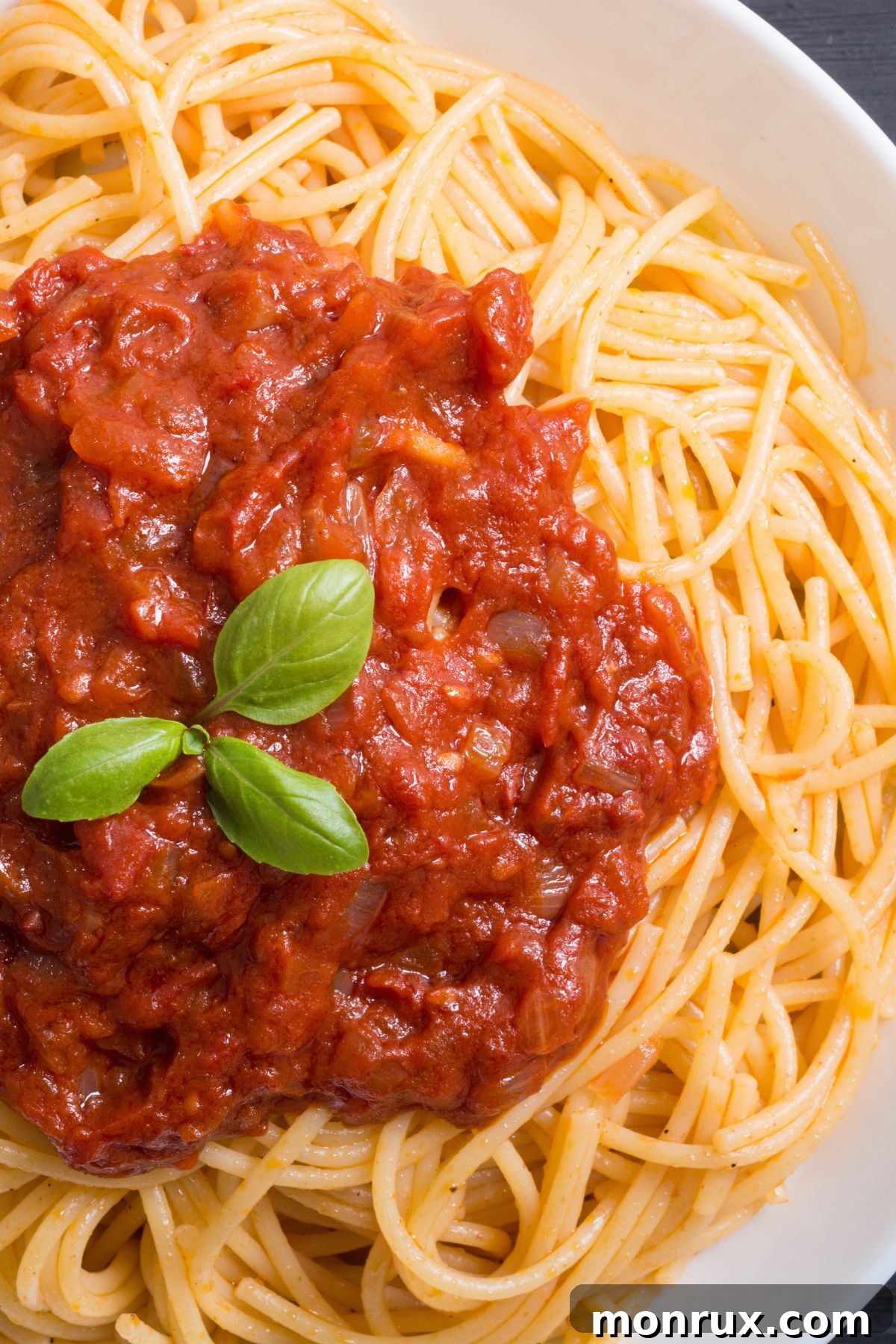
Pasta, when cooked until very tender, requires minimal chewing and can be a satisfying and versatile component of a soft food diet. Choose smaller pasta shapes like pastina, or classic spaghetti and macaroni, ensuring they are cooked well beyond al dente. This guarantees a soft texture that’s gentle on the mouth.
Serve pasta with smooth, creamy sauces such as marinara, pesto (dairy-free options available like my dairy-free pesto), or a mild cheese sauce. Avoid chunky sauces with hard vegetables or tough meat pieces. Pre-made ravioli or tortellini with soft fillings can also be excellent choices, as they typically require less chewing than solid pasta strands. Always opt for soft, easily mashed fillings. Pasta is a great way to incorporate carbohydrates for energy, especially during recovery.
Try these adaptable pasta recipes: Dairy-Free Pesto Pasta, Gluten-Free Pasta Salad (ensure all components are soft), or a comforting Cheesecake Factory Tomato Basil Pasta Copycat.
14. Popsicles
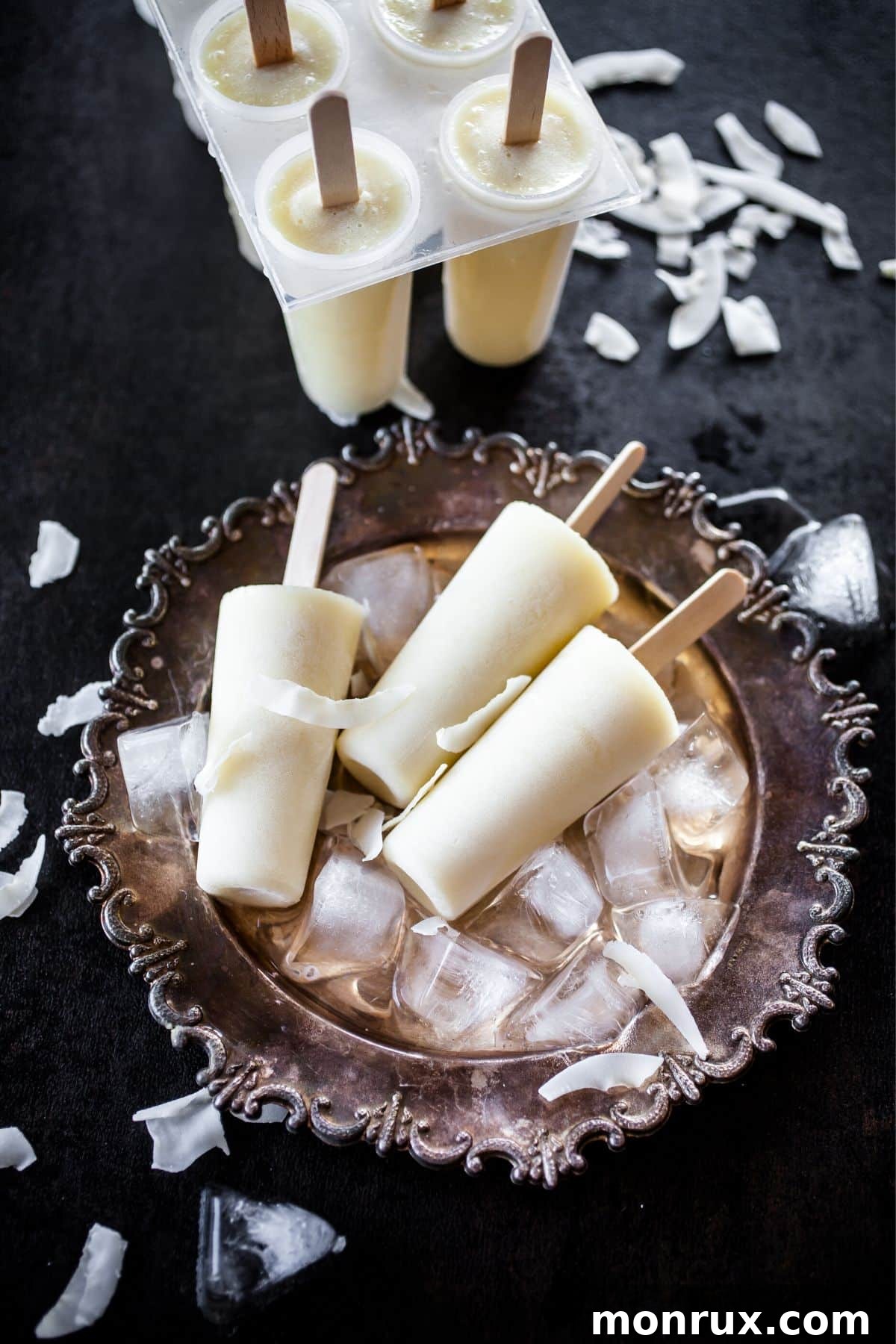
Popsicles are not only effortless to eat but also incredibly soothing, particularly after dental work or if your mouth is sore. The cold temperature can help numb discomfort and reduce swelling. While store-bought varieties are convenient, making your own allows you to control ingredients, avoiding excessive sugars and artificial additives.
Craft homemade popsicles using pureed fresh fruits like bananas, berries, or mangoes, combined with natural fruit juices or even blended vegetable juices like Carrot Juice for a naturally sweet and nutritious treat. Consider adding a touch of yogurt or coconut milk for a creamier texture. These refreshing delights provide hydration and essential vitamins in a pleasant, chew-free format, making recovery a little sweeter.
Get inspired by these recipes: Banana Popsicles, Cherry Coconut Popsicles, Mango Popsicles, or Pomegranate Lime Popsicles.
15. Ice Cream & Frozen Yogurt
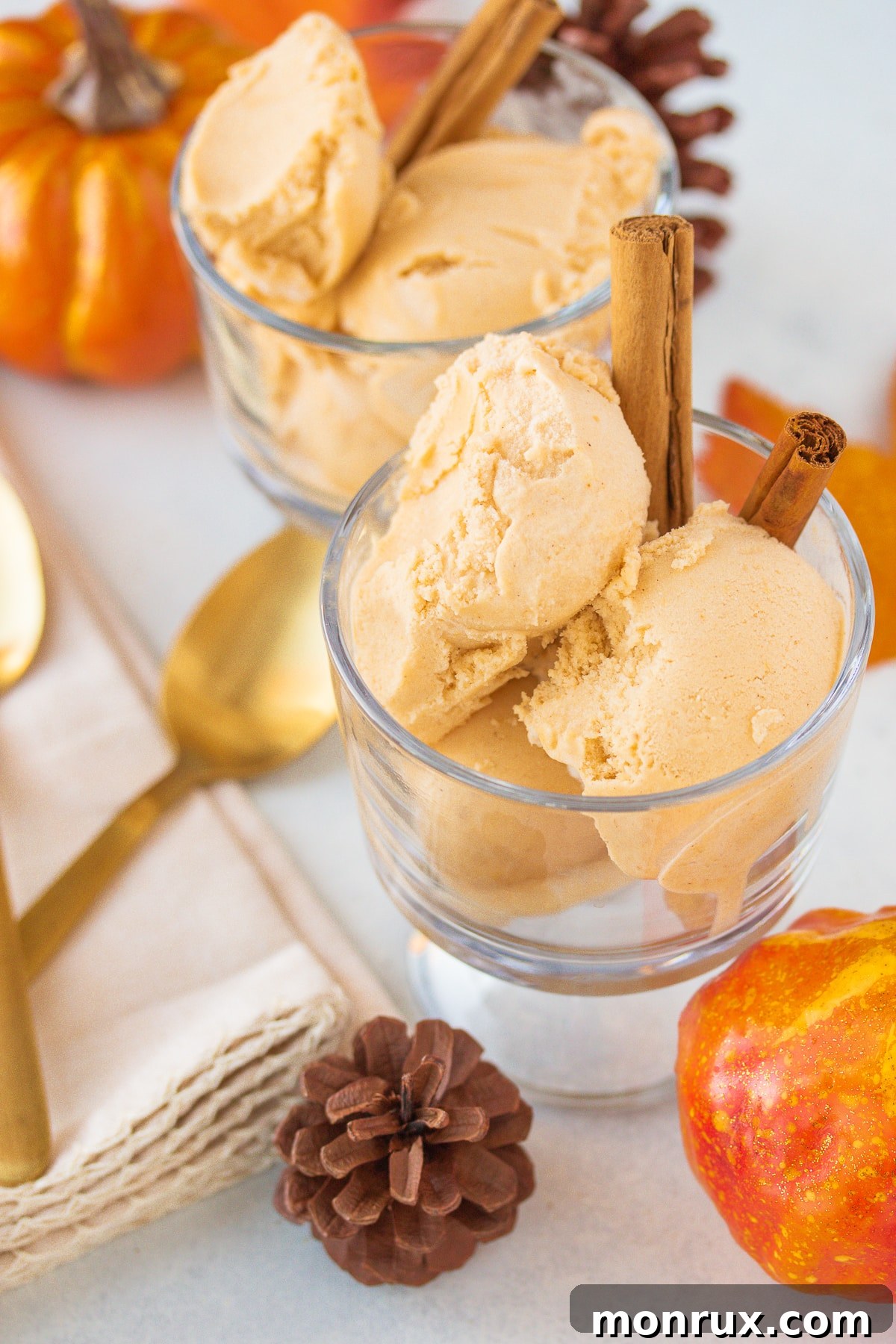
A soft food diet provides the perfect excuse to indulge in the creamy goodness of ice cream or frozen yogurt. These cold treats are not only delicious but also soothing for a sore mouth, much like popsicles. They offer a delightful way to consume calories and provide some comfort during recovery. Ensure to choose smooth varieties without nuts, hard candy pieces, or chewy inclusions that could cause discomfort.
Ice cream can be enjoyed on its own or used as the base for nourishing milkshakes. Blend it with milk (dairy or non-dairy), ripe fruits, or even a scoop of protein powder for an enhanced nutritional boost. Many dairy-free and sugar-free options are also available for those with specific dietary needs. Always allow it to soften slightly at room temperature if it’s too hard straight from the freezer, making it even easier to eat.
Try these delightful recipes: Coconut Shake, Chocolate Peanut Butter Ice Cream, Dairy-Free Mango Ice Cream, or Vegan Peach Ice Cream.
16. Cottage Cheese
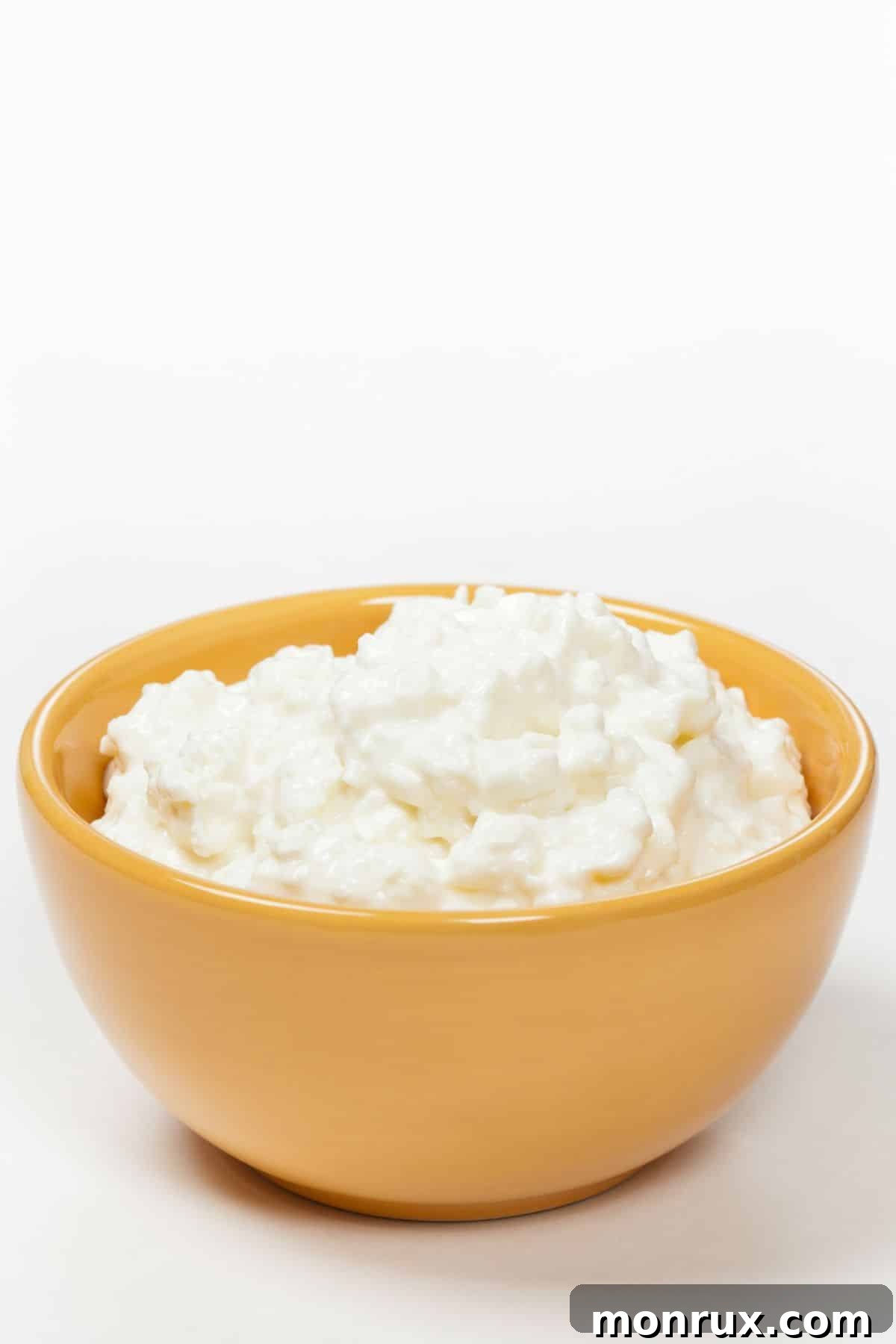
Cottage cheese is a fantastic source of protein and calcium, offering a delicate flavor that pairs well with both sweet and savory additions. Its soft, curd-like texture generally requires minimal chewing, making it an excellent choice for a soft food diet. It’s especially beneficial for maintaining muscle mass and promoting healing.
If the small curds present any challenge or are unappealing, blend the cottage cheese in a food processor until it reaches a smooth, Greek yogurt-like consistency. This makes it even easier to swallow. Enjoy it plain, or mix it with pureed fruit like pineapple or peaches for a sweet snack. For a savory meal, combine it with finely mashed tuna, flaked smoked salmon, or soft-cooked pureed vegetables. Ricotta cheese is another similar soft cheese option that is naturally smooth and easy to eat.
17. Pudding & Custards
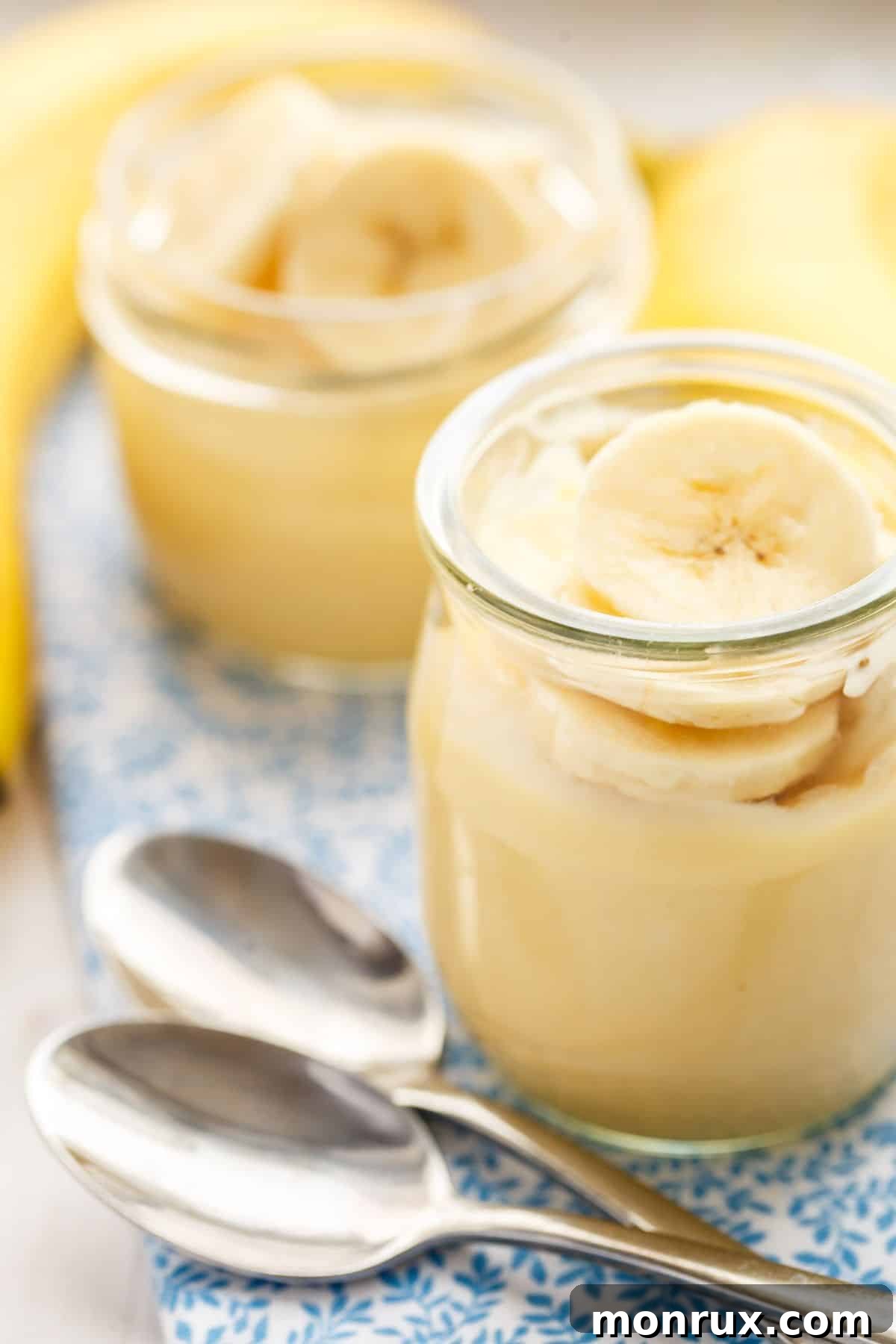
The smooth, creamy texture of pudding and custards makes them incredibly easy to consume when chewing is difficult. They are a comforting and often nostalgic food, providing energy and satisfaction. Whether you prefer instant pudding mixes or homemade versions, there are endless flavor possibilities to prevent boredom.
Instant pudding powders come in a wide array of flavors, including sugar-free options. For a healthier homemade alternative, blend ripe bananas with a touch of nut butter and oats, then add flavorings like cocoa powder or vanilla extract. This creates a nutrient-dense pudding without refined sugars. Custards, made with eggs and milk, offer a similar soft, silky texture and can be flavored with vanilla, lemon, or spices like nutmeg.
Learn about how to substitute milk in instant pudding, or try making these nourishing recipes: Dairy-Free Banana Pudding, Pumpkin Chia Pudding (ensure chia seeds are fully softened), or Instant Pot Rice Pudding.
18. Well-Cooked Carrots
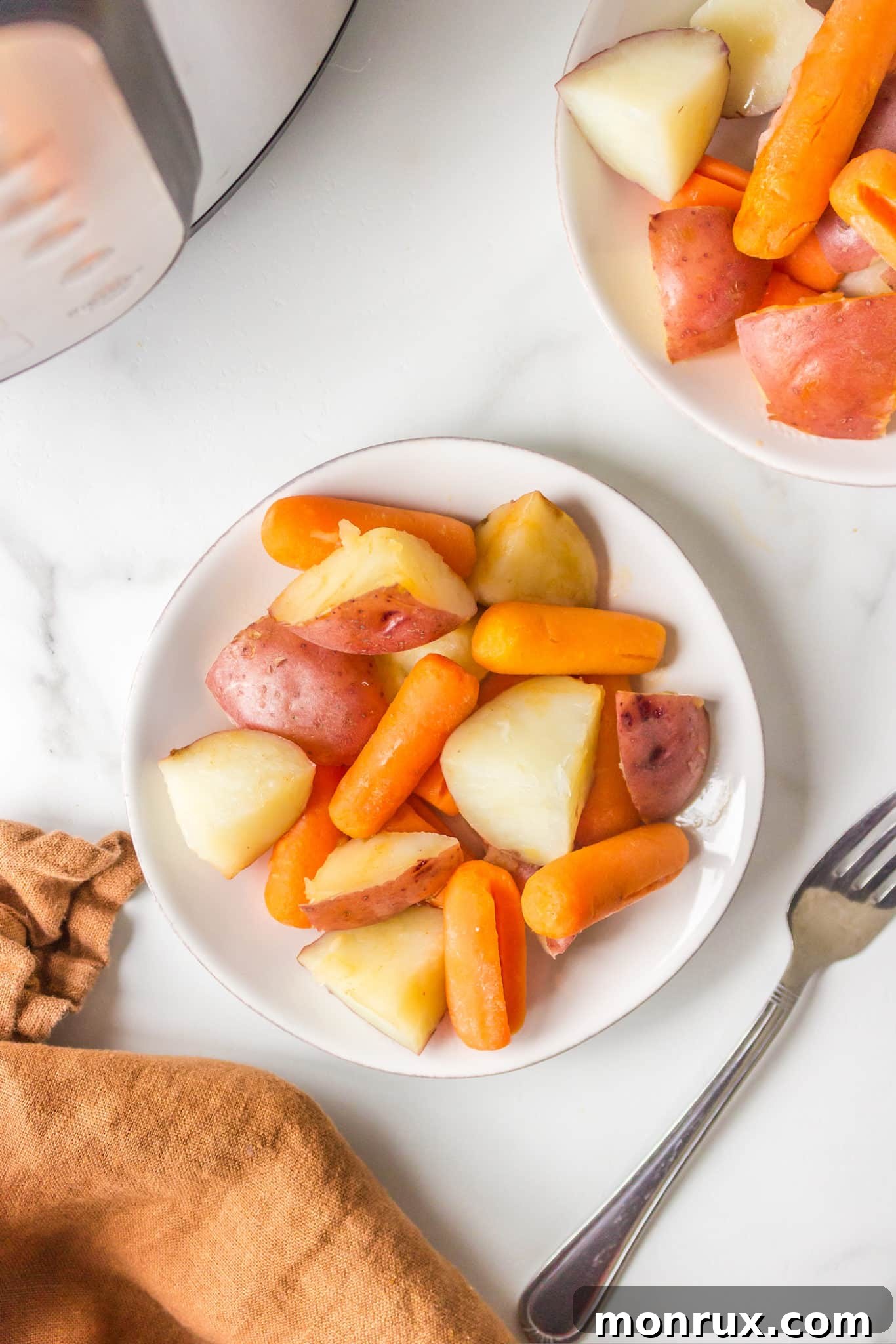
Carrots are a nutritional powerhouse, packed with beta-carotene, which converts to Vitamin A and supports vision and immune function. When cooked until very soft, they become incredibly easy to mash or puree, making them a perfect addition to a soft food diet. Steaming is an excellent method to preserve their vibrant color and nutrients, resulting in tender, sweet carrots.
Beyond steaming, you can boil carrots until fork-tender, then mash them with a little butter or a dairy-free alternative. Roasting carrots wrapped in foil with a touch of lemon juice and herbs can intensify their natural sweetness and create a wonderfully soft texture. They can also be pureed into soups or blended with mashed potatoes for added nutrition. Always ensure they are thoroughly cooked and smooth, without any hard pieces.
Discover easy ways to prepare them with these recipes: Instant Pot Carrots, Instant Pot Potatoes and Carrots, or Mini Carrots in Air Fryer (ensure they are very soft).
19. Ripe Bananas
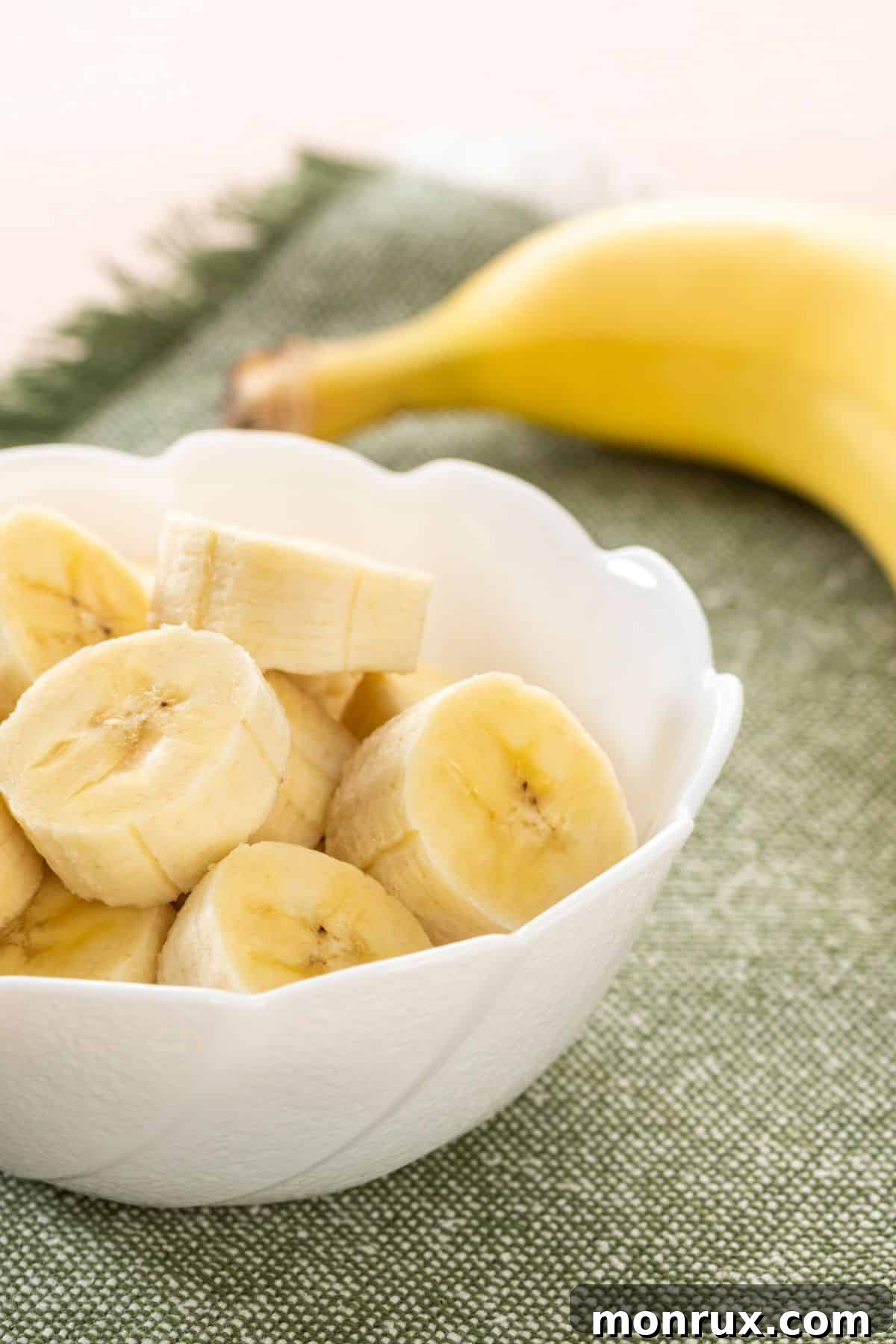
Ripe bananas are a quintessential soft food, naturally sweet, easily mashed, and rich in fiber, potassium, and other essential nutrients. Their soft texture makes them an ideal snack or meal component that requires no chewing, providing quick energy and promoting satiety. The riper the banana, the softer and sweeter it will be, perfect for sensitive mouths.
Enjoy mashed ripe bananas on their own, or mix them into oatmeal, yogurt, or smoothies. Their sweetness complements tart fruits beautifully; for example, try swirling pureed banana into stewed rhubarb for a delightful contrast. They can also be blended with other soft fruits to create simple fruit purees. For a satisfying treat, mash bananas with a spoonful of smooth nut butter.
For more healthy and easy-to-eat options, see my other ideas for gluten-free and dairy-free snacks.
20. Commercial & Homemade Baby Food
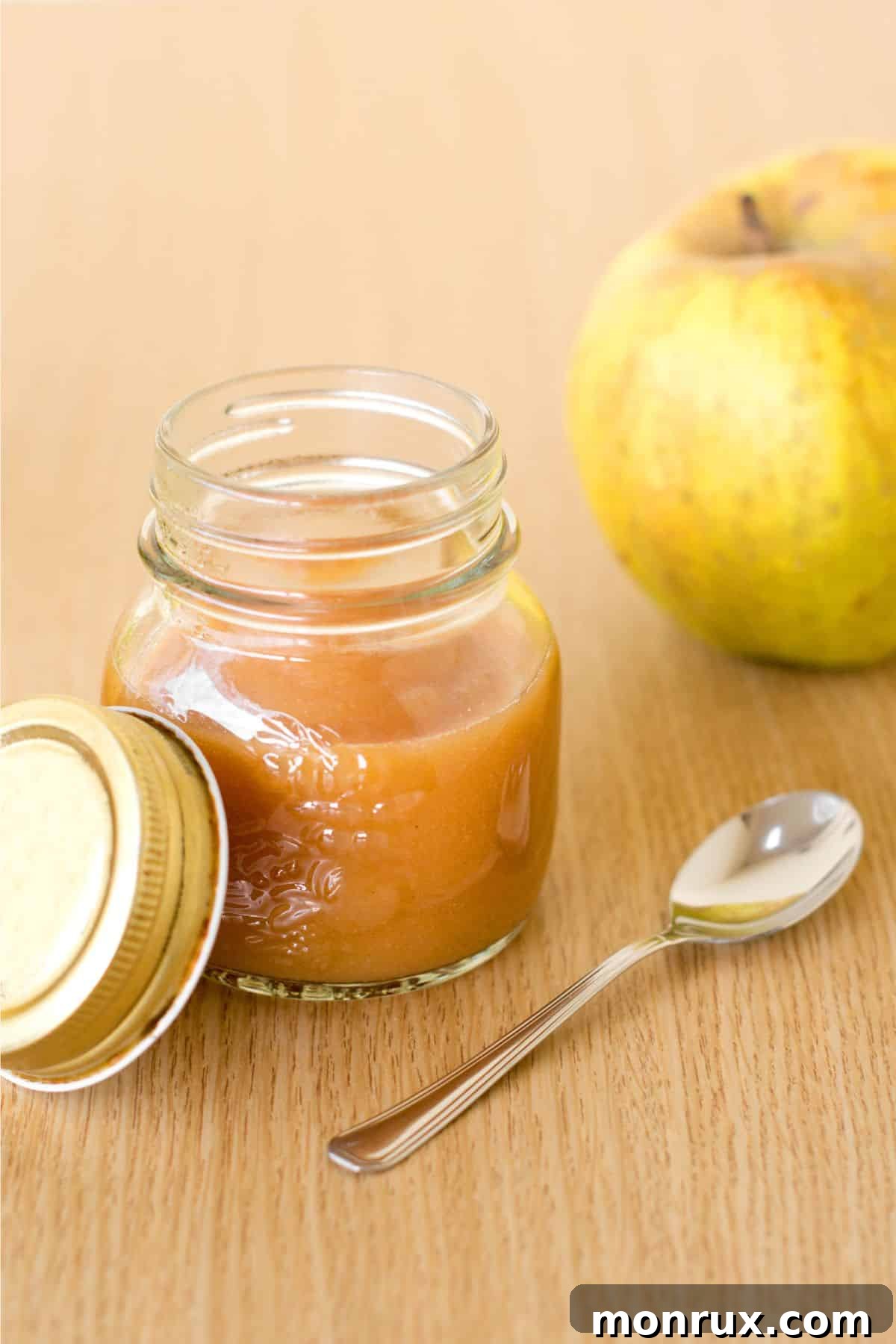
Commercial baby food offers a convenient and ready-made solution for those requiring a strictly soft or pureed diet. Today’s baby food options are far more varied and sophisticated than in the past, offering single-ingredient purees as well as complex blends of fruits, vegetables, and even meats. Look for “Stage 1” or “Stage 2” purees for the smoothest consistency, or “Stage 3” if you can tolerate a little texture.
For a more personalized and often more flavorful approach, you can easily make your own pureed foods at home. Cook vegetables like carrots, sweet potatoes, or peas until very tender, then blend them with water, broth, or breast milk/formula (for infants, or just water/broth for adults) until completely smooth. The same can be done with soft fruits. This allows you to control ingredients and seasonings, tailoring the flavors to your preference while ensuring a perfectly soft texture.
21. Guacamole
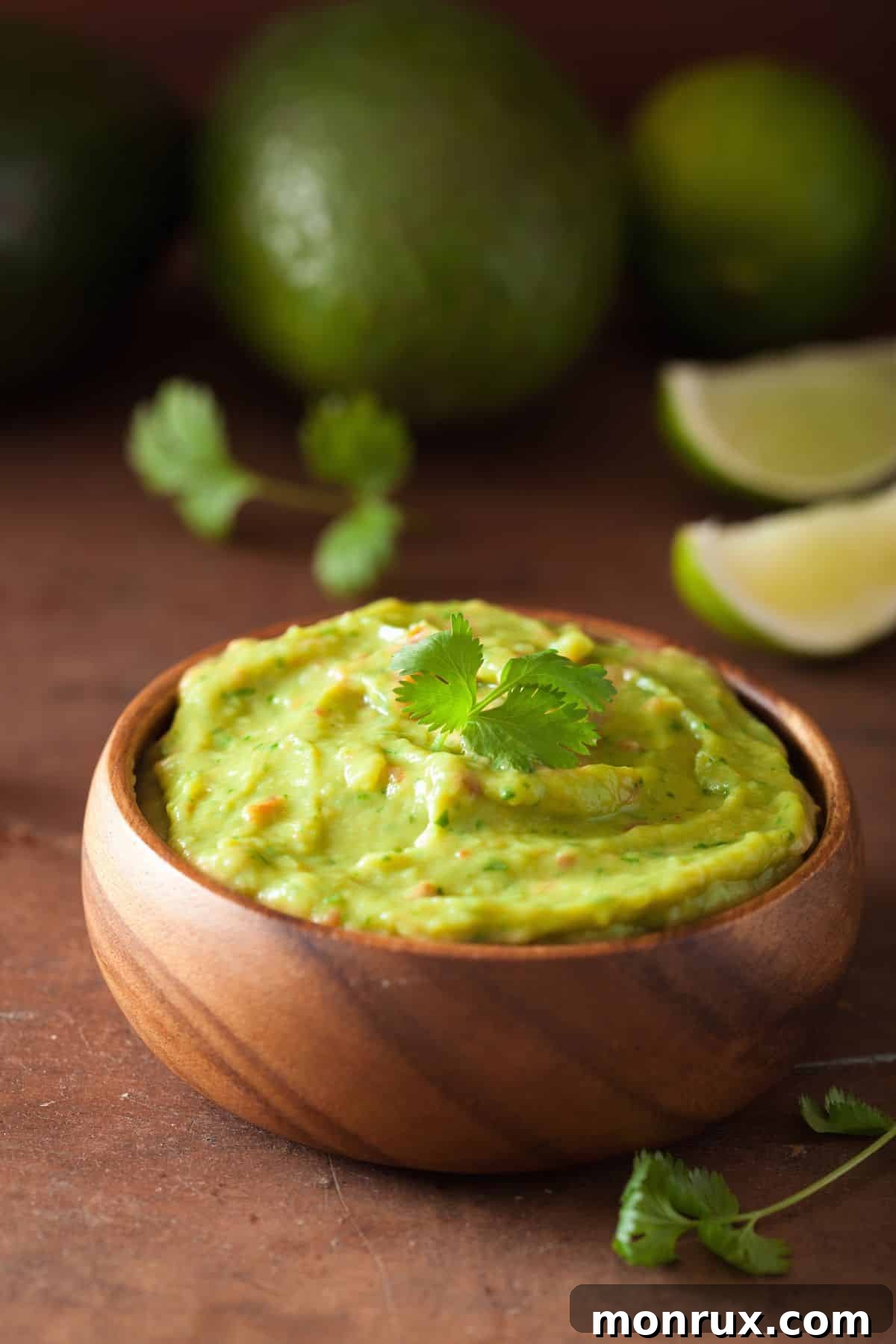
Guacamole, made primarily from mashed avocados, is a naturally soft, creamy, and incredibly flavorful food that’s rich in healthy fats and nutrients. Its smooth texture makes it effortless to eat, requiring no chewing. Basic guacamole is a simple blend of ripe mashed avocado, lime or lemon juice, and a pinch of salt.
For those who can tolerate more flavor and texture, traditional additions include finely minced red onion, cilantro, and tomato. However, if you’re recovering from oral surgery or have a very sensitive mouth, it’s best to either finely puree these additions or omit them entirely to ensure maximum smoothness. Be cautious with spicy ingredients like chili if your mouth is sensitive. Guacamole makes an excellent topping for soft refried beans, well-cooked rice, or can be enjoyed simply by the spoonful as a nutritious snack.
22. Refried Beans
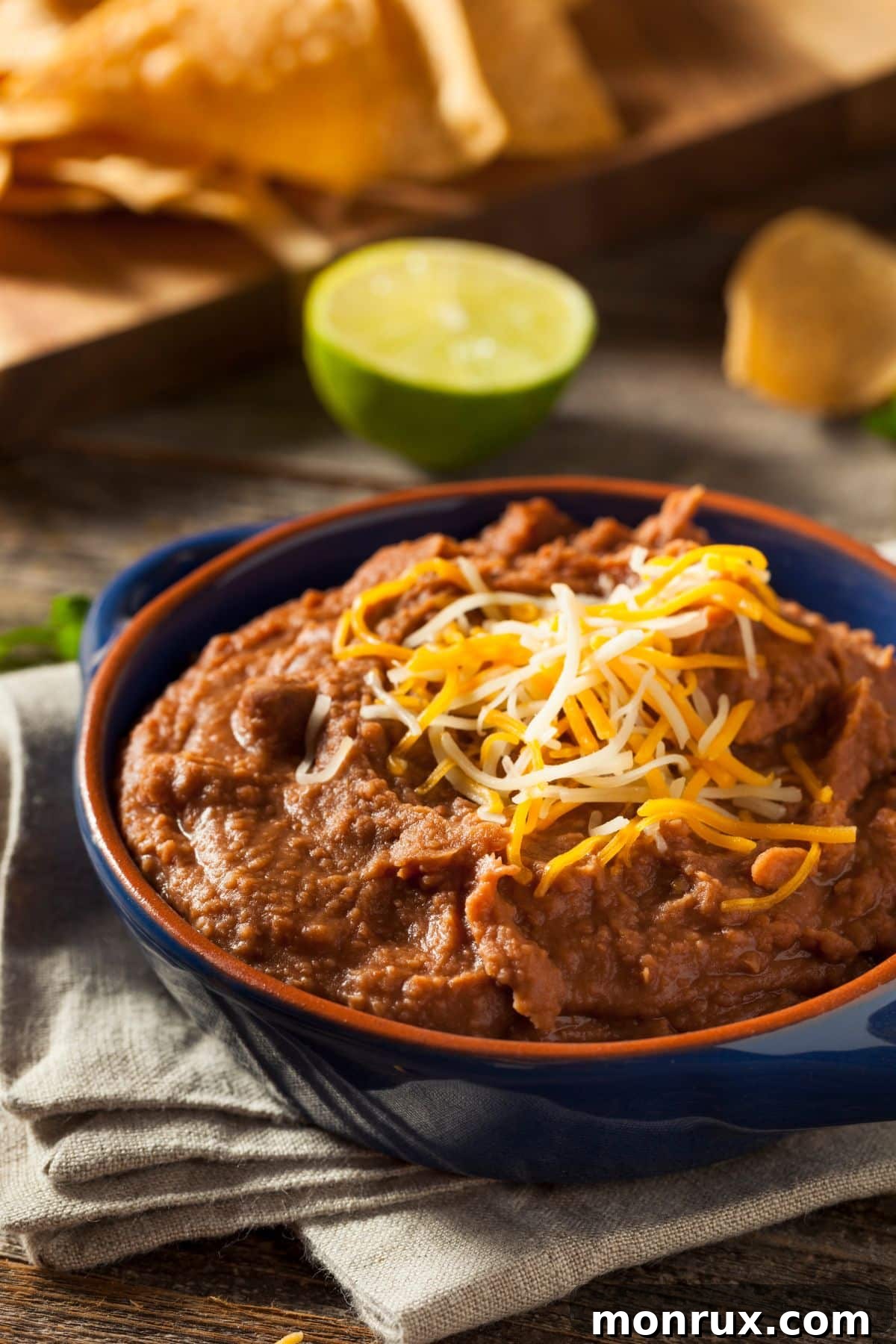
Refried beans, originating from the Spanish “frijoles refritos” (well-fried beans), are a wholesome and hearty addition to a soft food diet. These creamy, mashed beans are packed with plant-based protein and fiber, providing sustained energy and supporting digestive health. They are naturally very soft and require minimal, if any, chewing, making them perfect for sensitive mouths.
Canned refried beans offer a quick and convenient option; just ensure they are warmed through and smooth. You can also easily make your own from scratch using cooked pinto or black beans, mashing them with a little broth, oil, and seasonings. Serve refried beans as a base for a soft meal, topped with a fried egg and a sprinkle of grated soft cheese (if tolerated), or with a generous dollop of smooth guacamole. They can also be incorporated into pureed soups for added thickness and nutritional value.
23. Sweet Potatoes
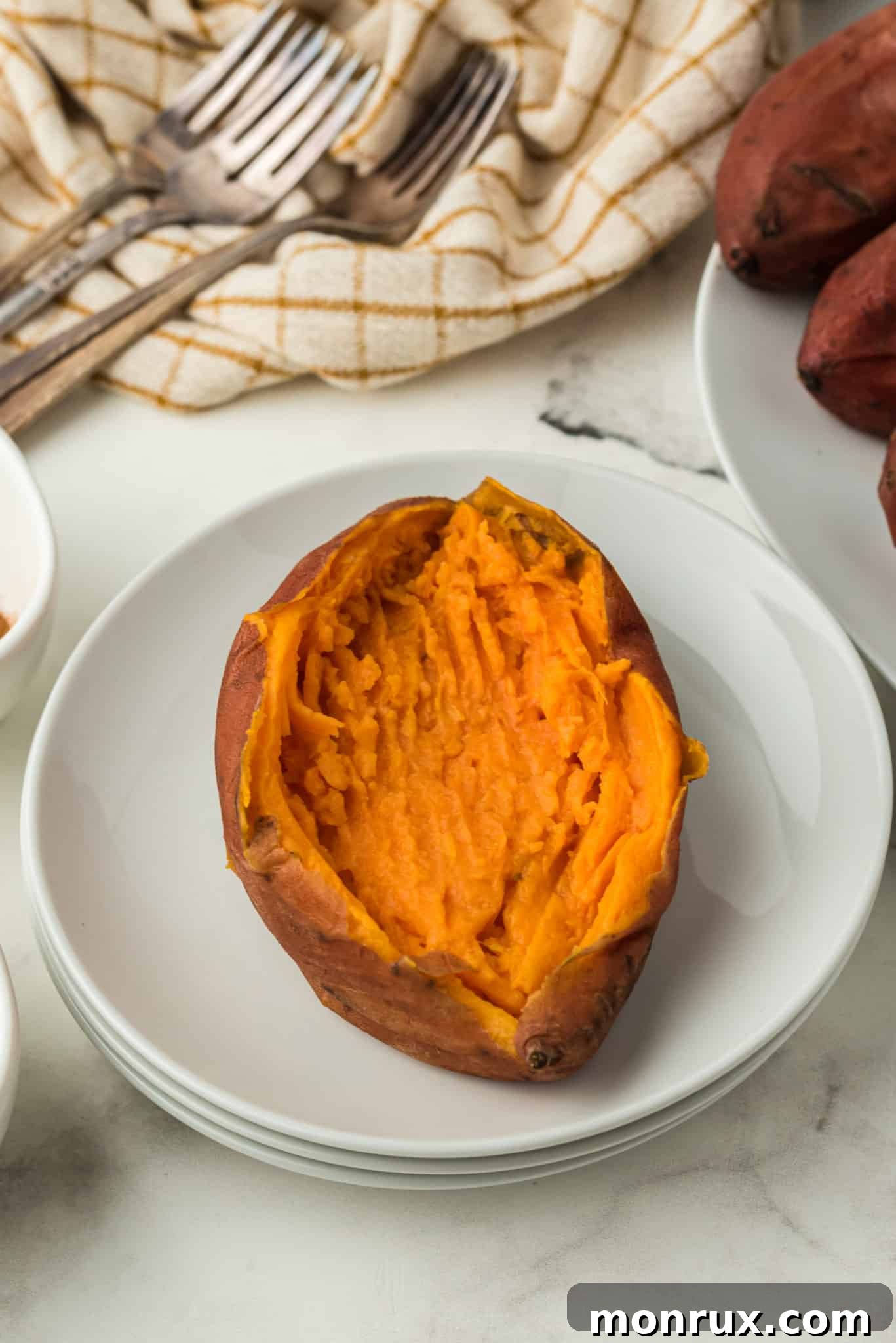
Sweet potatoes are not only incredibly nutritious, rich in vitamins, minerals, and fiber, but they also become wonderfully soft and creamy when cooked. Their natural sweetness and smooth texture make them an excellent choice for a soft food diet, providing energy and flavor without the need for chewing. They are particularly beneficial for overall health and provide sustained satisfaction.
Preparing whole sweet potatoes is simple: pierce the skin and bake until fork-tender. Once cooked, spoon out the soft flesh, discarding the skin if chewing is difficult. Mash it plain or with a touch of butter, coconut oil, or plant-based milk for added creaminess. For a savory meal, fill a baked sweet potato with scrambled eggs and mashed avocado. For a sweet treat, top it with sliced ripe banana and a drizzle of warm, smooth peanut butter. They can also be pureed into soups or used as a base for soft casseroles.
Explore easy preparation methods like Instant Pot Sweet Potatoes for consistently soft results.
24. Baked Beans
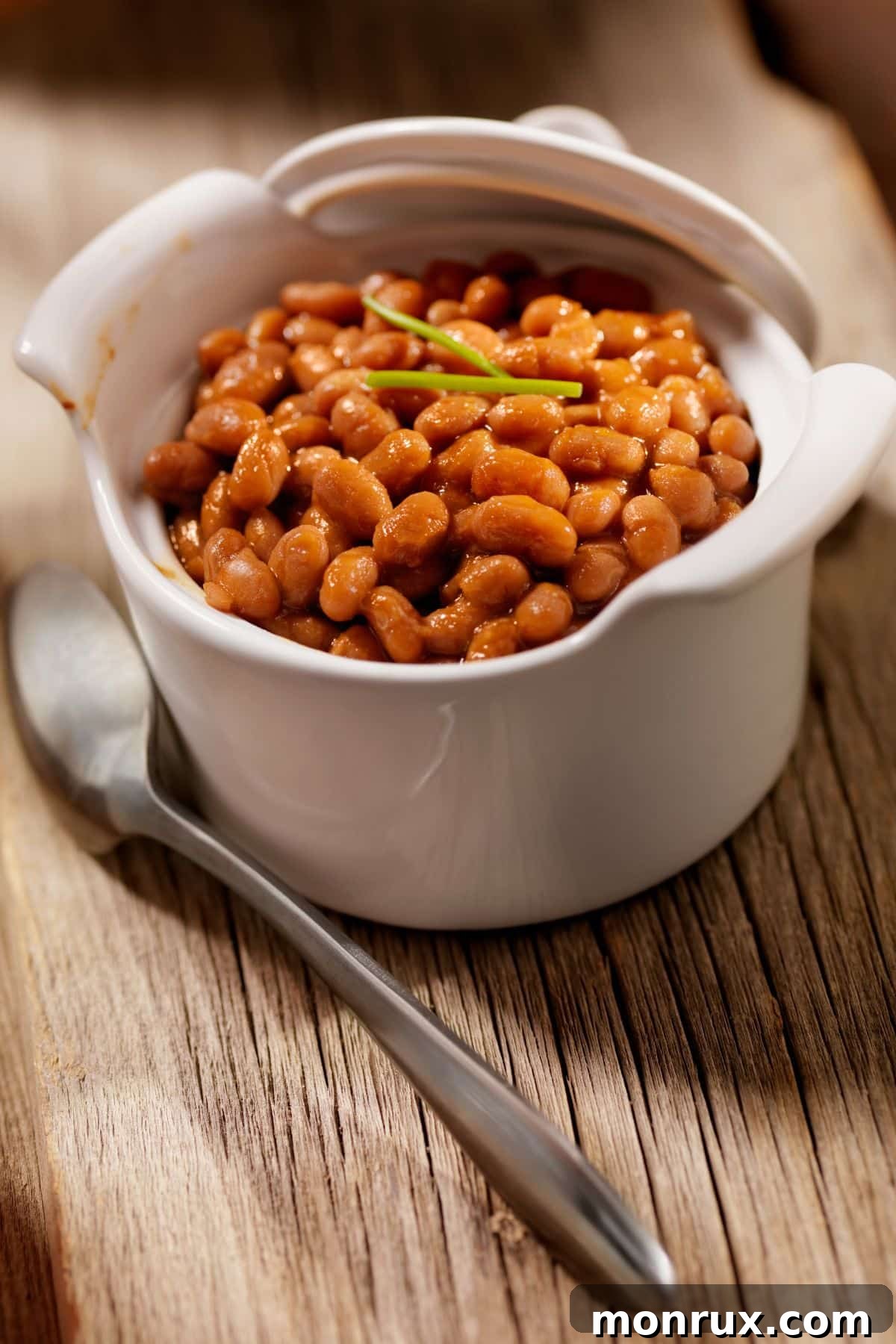
Baked beans are a delicious and convenient source of plant-based protein and fiber, making them a very satisfying meal option on a soft food diet. Their tender texture, immersed in a sweet and savory sauce, makes them easy to consume without much effort. They offer a good nutritional boost during recovery or for daily sustenance.
While canned baked beans are a quick shortcut, preparing your own allows you to control the sugar content and customize the flavor profile. Simmer them until the beans are very soft and the sauce is well-reduced and smooth. For an extra layer of flavor and protein, stir in a handful of grated soft cheese until melted, or very finely diced, soft-cooked frankfurters (ensure they are completely pureed if chewing is severely limited). Serve them plain, or as a side with other soft foods like scrambled eggs or mashed potatoes. Always ensure the beans are fully tender and the sauce is smooth for comfortable eating.
25. Ripe Mango
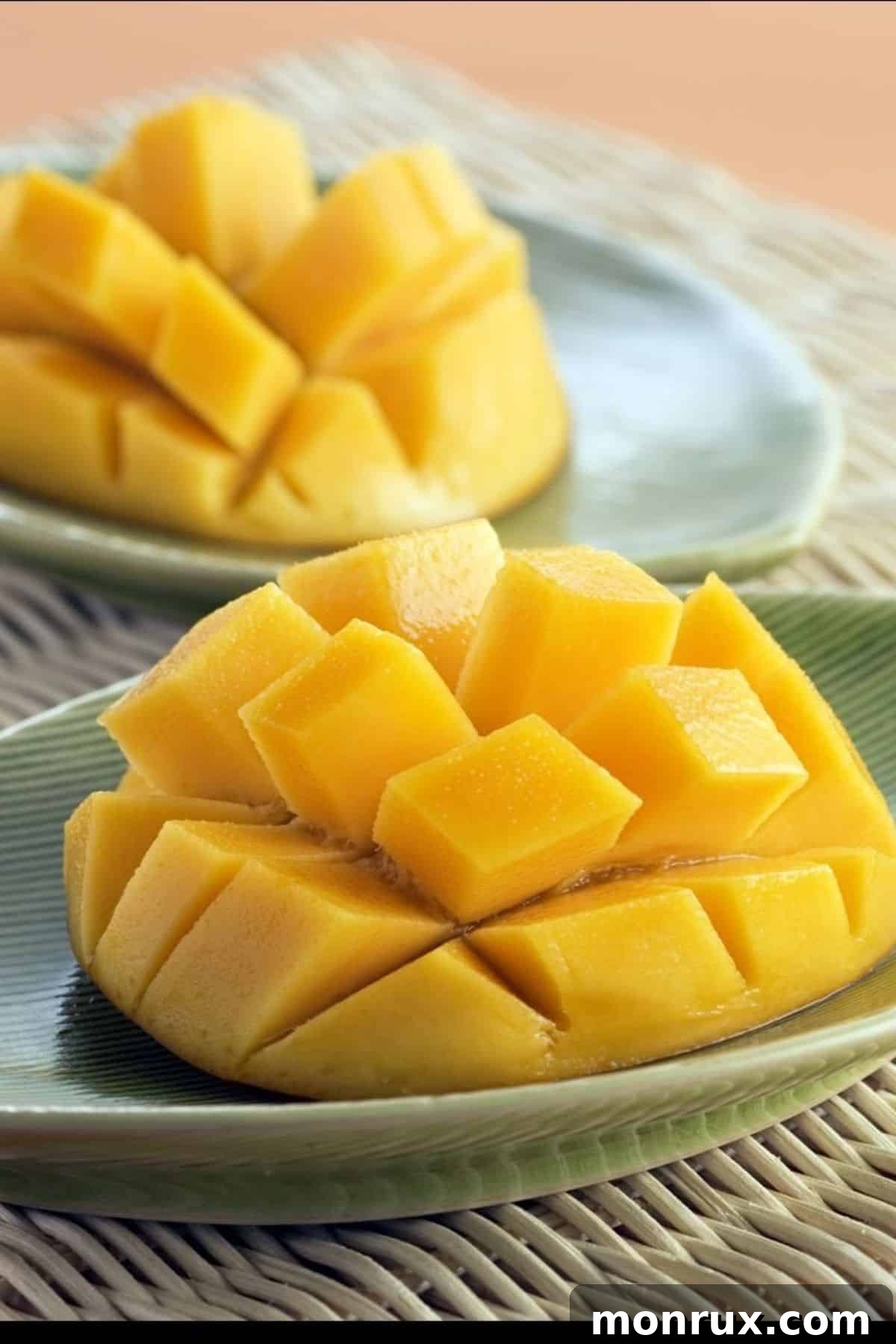
Luscious and juicy, ripe mangoes are a tropical delight packed with vitamin C, which is essential for immune health and collagen production, aiding in wound healing. Their naturally high sugar content makes them feel like a real treat, and their soft, tender flesh requires minimal chewing. The softer and riper the mango, the easier it will be to eat.
Enjoy ripe mangoes simply as they are, cut into small, spoon-friendly pieces. They are also fantastic blended into smoothies, adding natural sweetness and a creamy texture. For a unique dessert, puree mango and serve it chilled, or even gently warm it and swirl into plain yogurt or cottage cheese. You can also use mango puree to add a fruity, sweet note to certain savory pureed soups, offering a surprising and delightful flavor combination. Always ensure to remove the fibrous skin and pit before consuming.
If you’re still looking for diverse and palatable options following dental procedures like wisdom teeth removal or dental implants, here are additional suggestions that are consistently soft and easy on sensitive mouths:
26. Soft Bread (Crust Removed)

While crusty or chewy breads are a definite no-go after mouth surgery, very soft white bread, with the crusts carefully removed, can sometimes be tolerated. The key is to ensure it’s incredibly moist and easily broken down without significant chewing. You can also dip it in milk, broth, or soup to soften it further. Avoid dry toast or anything that might crumble into small, irritating pieces that could get caught in surgical sites.
27. Bone Broth

Bone broth is highly regarded for its healing properties, rich in collagen, amino acids, and minerals. It’s an excellent option for a liquid or very soft food diet, providing vital nutrients that support recovery, particularly after surgery. You can easily make your own bone broth at home by simmering bones for extended periods, or purchase high-quality boxed versions from the store.
Crucially, if you are recovering from any type of mouth surgery, ensure your bone broth is served lukewarm, never piping hot, to prevent irritation or complications with blood clots. It’s a comforting and nourishing fluid that aids in hydration and provides essential building blocks for tissue repair. You can also try making Instant Pot Vegetable Broth for a plant-based alternative.
28. Soft Fruit Purees (Mashed Bananas, Strawberries, etc.)
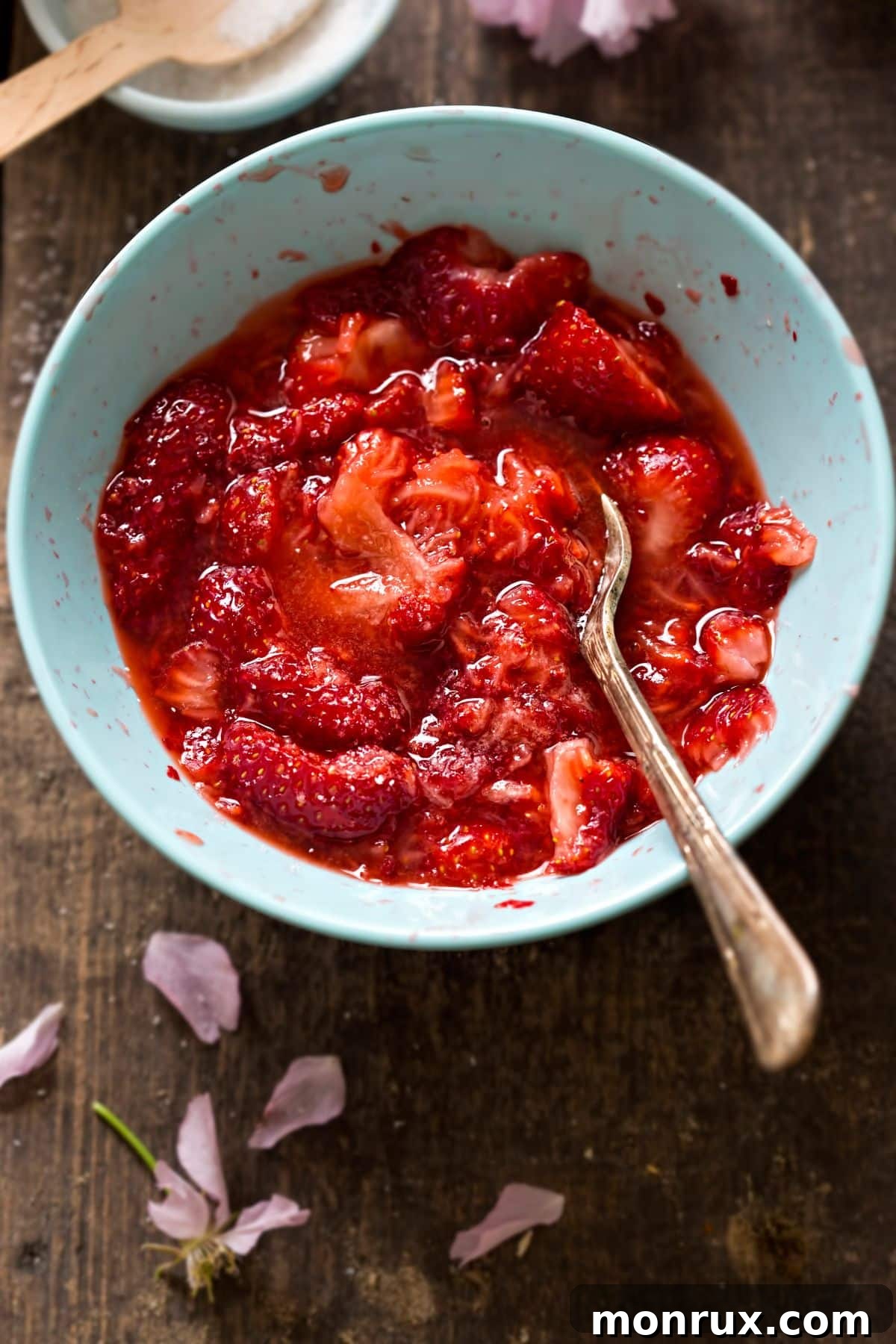
Beyond whole ripe bananas, many other soft fruits can be easily mashed or pureed into a smooth consistency suitable for any soft food diet. Ripe strawberries, raspberries (strained to remove seeds), peaches, and pears are excellent candidates. These purees provide essential vitamins, antioxidants, and natural sweetness without requiring chewing.
Simply mash the fruit with a fork or blend it in a food processor until smooth. You can enjoy these purees on their own, stir them into plain yogurt or cottage cheese, or use them as a topping for oatmeal. They offer a refreshing and nutritious way to consume fruit, especially when a sore mouth or limited chewing capability restricts whole fruit consumption.
29. Mashed Peas
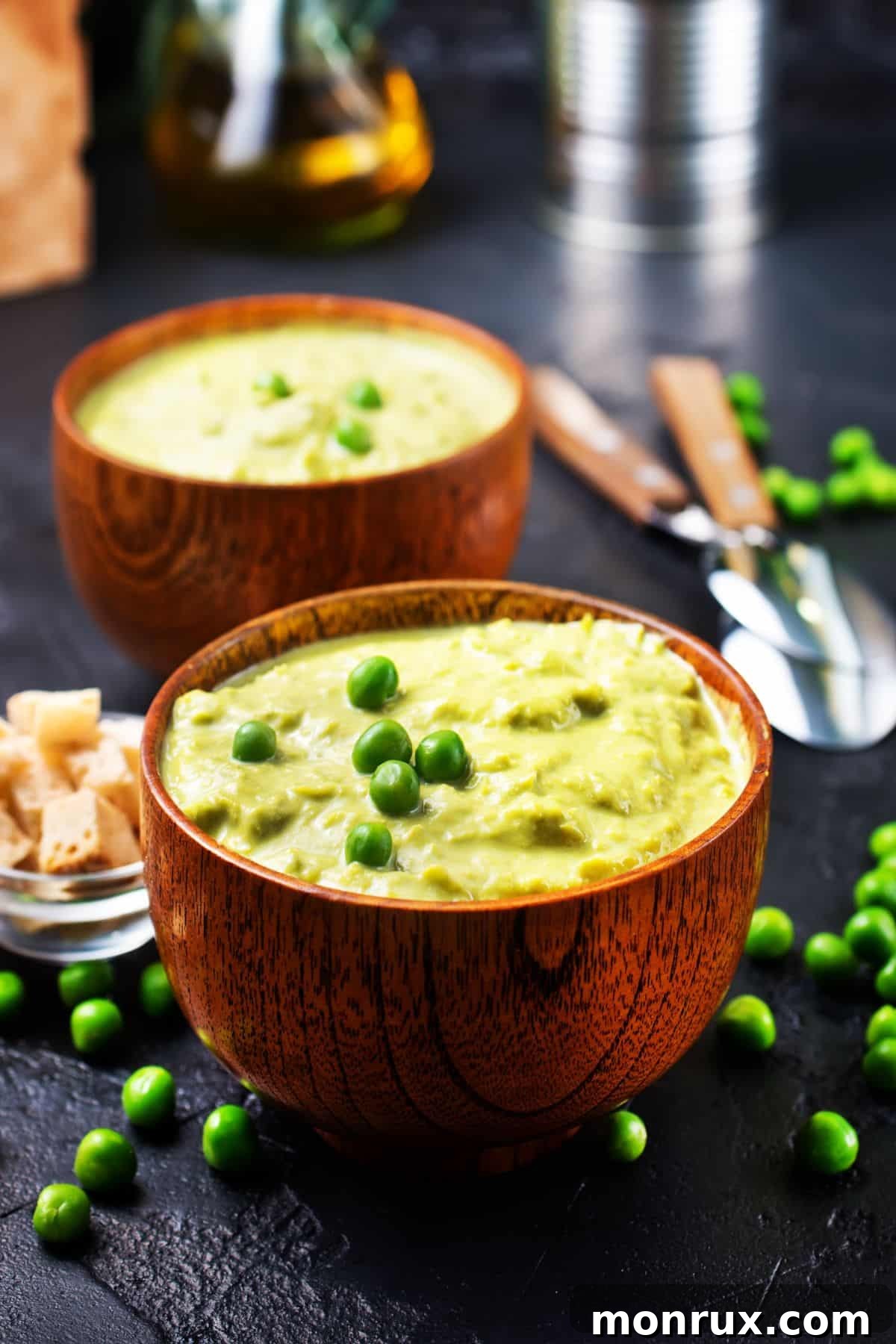
Mashed green peas are another wonderfully soft and nutritious vegetable that is generally well-tolerated after oral surgery or when following a bland, soft diet. They are a good source of vitamins, minerals, and plant-based protein. The key is to cook them until very tender and then mash them thoroughly to eliminate any firm texture.
Steam or boil frozen green peas until they are soft, then use the back of a fork or a potato masher to create a puree-like consistency. For an even smoother texture, blend them in a food processor with a touch of water or broth. You can warm them gently and stir in a small amount of butter, olive oil, or mild seasonings like a pinch of salt and pepper to enhance their flavor. Mashed peas make an excellent, easily digestible side dish.
30. Soft Cheeses (Goat Cheese, Cream Cheese, Ricotta)

Very soft cheeses, such as fresh goat cheese (chevre), cream cheese, and ricotta, are excellent nutrient-rich options for a soft food diet. They are naturally smooth and creamy, requiring little to no chewing, and provide a good source of protein and calcium. These cheeses can add a delightful richness and flavor to various soft meals.
Enjoy soft cheeses plain as a satisfying snack, or spread them gently on crustless, very soft bread. They can be stirred into warm pureed soups for added creaminess and flavor, or mixed with mashed vegetables like potatoes or sweet potatoes. Ricotta cheese can also be a wonderful base for sweet dishes, combined with fruit purees or a drizzle of honey. Always ensure the cheese is completely soft and smooth to avoid any discomfort.
31. Jello
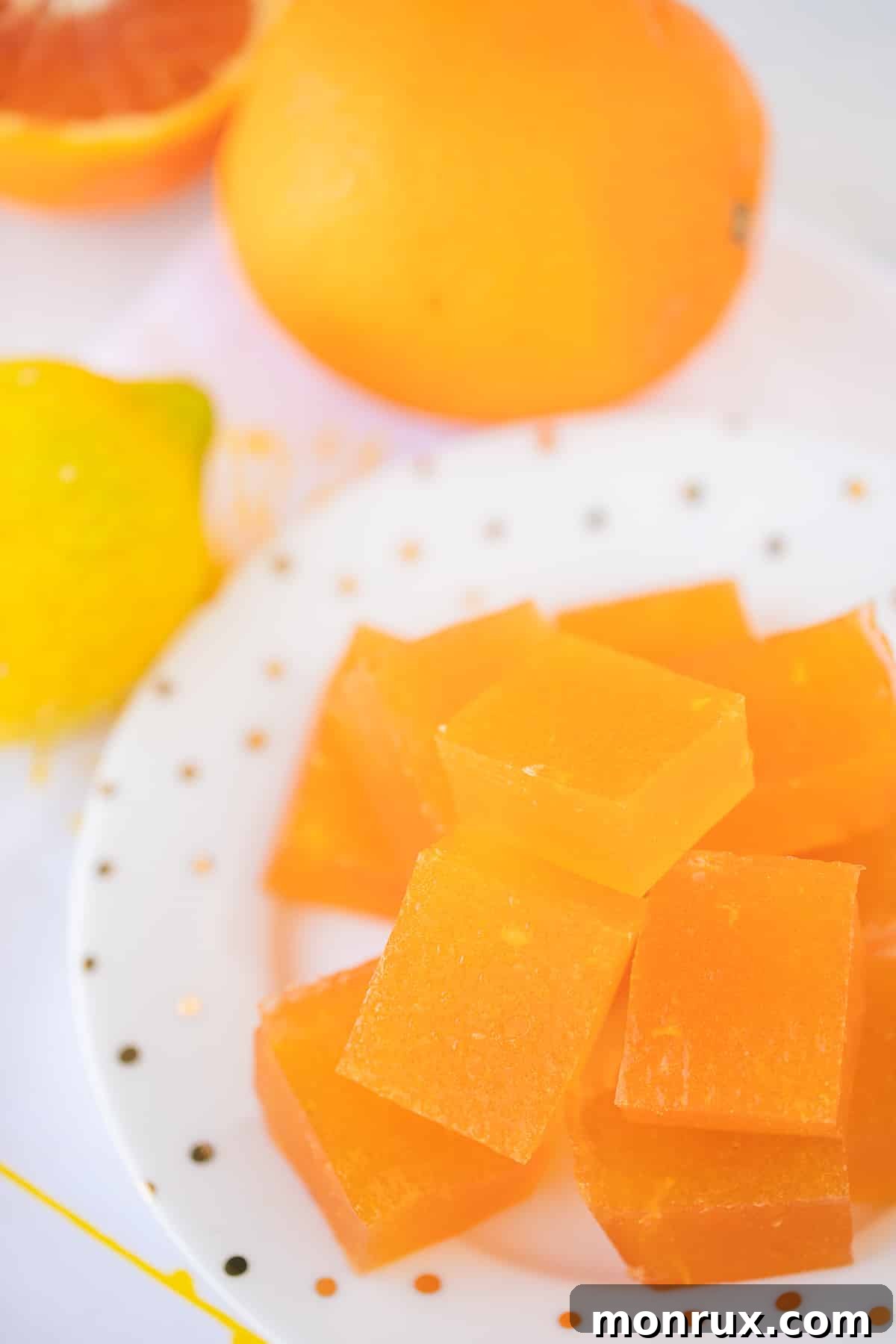
Jello, with its smooth, jiggly texture, is a classic soft food often recommended after surgery, especially oral procedures. It’s incredibly easy to swallow and can be very refreshing, providing a pleasant sensory experience without any chewing effort. While convenient, boxed versions are common, making your own jello from scratch allows for greater control over ingredients and sugar content.
You can create healthy homemade jello using natural fruit juices and unflavored gelatin, tailoring the flavors to your preference. This can provide a pleasant source of hydration and a sweet treat. Just ensure it’s not too cold if your mouth is sensitive. Fruit jellos are a simple, light, and easy way to get some liquid and sweetness into your diet during recovery.
Consider making your own with fruit juice (see my recipe for Homemade Healthy Jello).
Additional Healthy Resources You Might Like
Conclusion
Embarking on a soft food diet, whether temporarily after oral surgery or as a longer-term solution for chewing or swallowing difficulties, might seem restrictive at first. However, as this extensive list demonstrates, there’s an abundance of delicious, nutritious, and satisfying options available. The key is to focus on foods that are naturally tender, easily mashed, or pureed, ensuring both comfort and comprehensive nutrient intake.
Prioritize protein-rich foods to support healing and maintain energy levels. Always pay attention to food temperature, ensuring everything is lukewarm, especially following dental procedures. Remember to stay well-hydrated and listen to your body’s signals regarding comfort and tolerance. With careful planning and a little creativity, a soft food diet can be both manageable and enjoyable, paving the way for a smoother recovery and sustained well-being.
About the Author: Carrie Forrest holds a master’s degree in public health with a specialization in nutrition and is a certified holistic nutritionist. As a prominent wellness and food blogger, her website attracts over 5 million visitors annually. Carrie’s compelling journey of recovery from chronic illness fuels her passion for empowering other women to transform their health. You can reach out to her via her contact form.
Note: This article is intended for informational purposes only and does not constitute medical advice. Please consult your healthcare provider for personalized recommendations regarding your specific health situation or dietary needs.