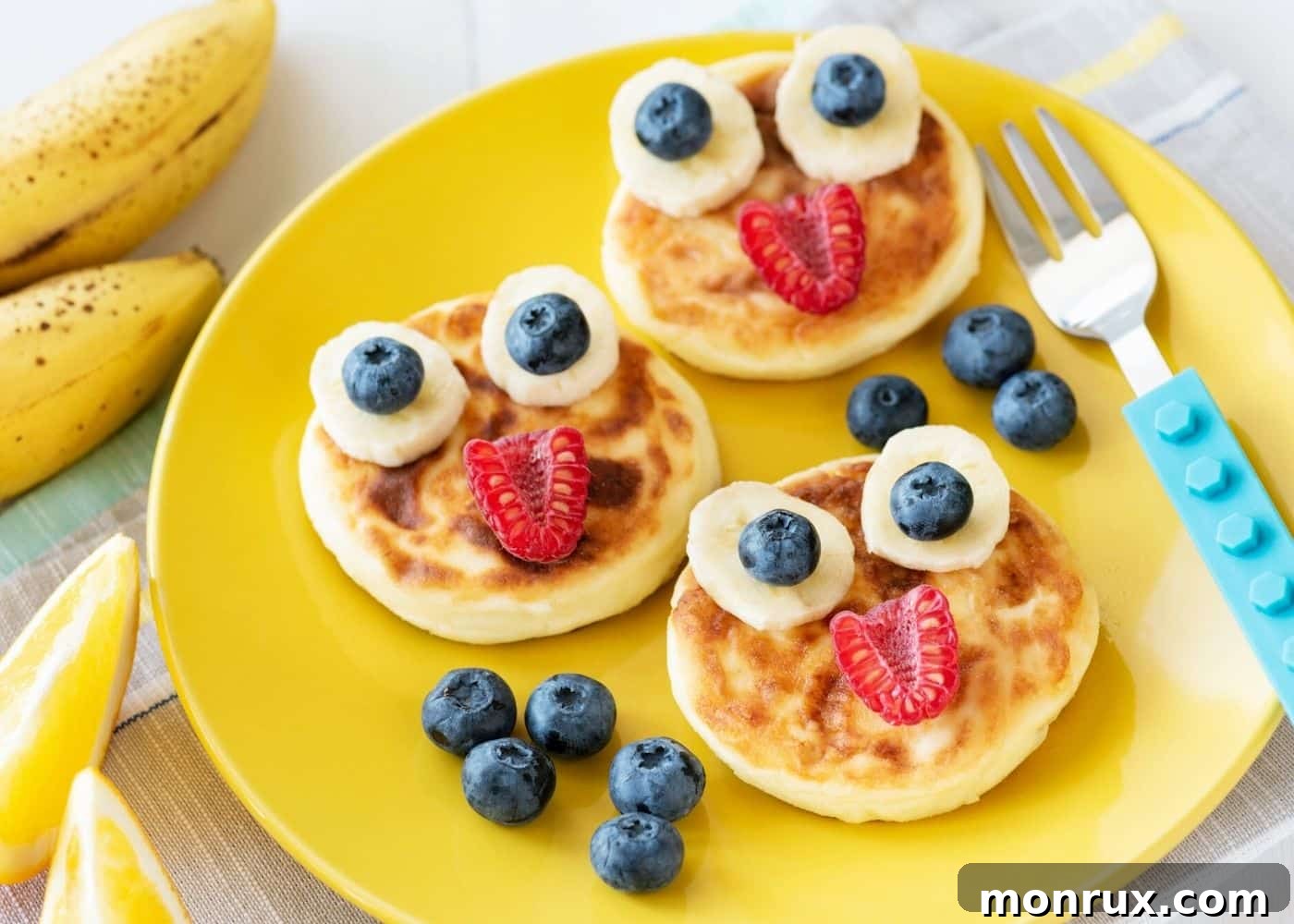
Breakfast is undeniably the most crucial meal of the day, especially for growing children. It serves as the essential fuel that kickstarts their metabolism, enhances concentration, and provides sustained energy for learning, playing, and thriving. Skipping breakfast or opting for sugary, nutrient-poor choices can lead to irritability, fatigue, and difficulty focusing throughout the morning. Conversely, a well-balanced, wholesome breakfast can set the stage for a productive and energetic day, supporting their physical growth, cognitive development, and overall well-being.
Finding breakfast options that are both nutritious and appealing to children can sometimes be a challenge for busy parents. The good news is that healthy breakfast recipes don’t have to be complicated or time-consuming. With a little planning and creativity, you can whip up delicious and wholesome meals that your kids will love. In this comprehensive guide, we delve into 15 healthy breakfast ideas for kids, offering simple recipes and practical tips to ensure your little ones start their day with the best possible nourishment.

Healthy & Delicious Breakfast Ideas for Kids
Providing nutritious breakfast options for toddlers, school-age children, and even teenagers is crucial for their development and daily performance. These ideas are designed to be appealing and customizable, ensuring that even the pickiest eaters find something they enjoy. Remember, portion sizes can be easily adjusted for older kids and young adults.
One of the best ways to encourage children to embrace this vital meal is to lead by example. Try to make time to sit and enjoy breakfast with them, fostering a positive family eating environment. Involving older siblings can also encourage younger children to try new foods. The key to stress-free healthy breakfasts is planning ahead and having ingredients readily available. Consider meal prepping some components on the weekend to simplify busy weekday mornings.
For those with specific dietary needs, many of these ideas can be adapted. Explore gluten-free and dairy-free breakfast recipes for even more options that cater to various sensitivities.
1. Smoothies

Smoothies are a fantastic way to pack a concentrated dose of fruits, vegetables, and essential nutrients into a single, delicious serving. Studies have shown that when fruit smoothies are served, children’s fruit consumption can increase dramatically, making them an excellent choice for reluctant fruit eaters. The vibrant colors and creamy textures are often irresistible to kids.
Beyond just fruit, smoothies offer endless possibilities for healthy additions. Incorporating dairy products like Greek yogurt or kefir can significantly boost protein content, aiding in satiety and muscle development. For healthy fats and additional protein, consider adding a tablespoon of nut butter (peanut, almond, or cashew) or a sprinkle of chia or flax seeds. These ingredients help to create a more balanced meal that sustains energy levels longer.
Smoothies are also a clever way to introduce super healthy, less popular ingredients into your child’s diet, such as a handful of baby spinach or microgreens, which often blend in unnoticed due to the strong fruit flavors. To keep smoothies truly healthy, always aim to sweeten them naturally with ripe bananas, dates, or sweet berries, avoiding any added sugars that can lead to energy crashes. They are the epitome of a quick and convenient breakfast without compromising on nutrition.
Some kid-friendly smoothie recipes to try include:
- Avocado Chocolate Smoothie
- Banana Beet Smoothie
- Mango Peach Smoothie
- Mango Strawberry Banana Smoothie
- Pineapple Orange Smoothie
- Strawberry Banana Oat Smoothie
- Strawberry Blueberry Smoothie
- Strawberry Protein Smoothie
2. Sweet Potato Toast

Sweet potato toast offers a naturally gluten-free and highly nutritious alternative to traditional bread, making it an excellent base for a vibrant breakfast. These toasts are rich in complex carbohydrates, which provide a steady release of glucose into the bloodstream, supplying consistent energy for your child throughout their morning activities without the sugar spikes associated with refined grains. They are also packed with vitamins, particularly Vitamin A, and fiber.
Preparation is incredibly simple: select an orange or red-skinned sweet potato and slice it into 1/4 to 1/2-inch thick pieces. Cutting lengthwise can create a bread-like shape, while crosswise slices are easier to manage for smaller hands. Place the slices on a baking sheet lined with parchment paper and bake at 400 degrees Fahrenheit until they are tender and slightly golden around the edges.
Once baked, the sweet potato slices are ready for a myriad of toppings. Savory options include mashed avocado with a sprinkle of everything bagel seasoning, or poached or scrambled eggs for a protein boost. For a sweeter take, spread with natural peanut butter or almond butter and top with sliced bananas, berries, or a dash of cinnamon. Cream cheese is another popular choice. These toasts are not only versatile but also an excellent way to introduce a fun, healthy twist to breakfast. You can easily make a larger batch and store cooked slices in the fridge for up to 5 days, reheating them in a toaster, oven, or microwave for speedy, wholesome mornings. Sweet potatoes are also famously one of the best vegetables for picky eaters, making this an easy win.
3. Breakfast Quesadillas

Breakfast quesadillas are a highly adaptable and satisfying option, perfect for customizing to your child’s preferences while ensuring a balanced meal. Their “build-your-own” nature allows for creative combinations, making them less monotonous than some other breakfast choices. The foundation typically includes scrambled eggs and cheese, providing an excellent source of protein and calcium crucial for bone health and sustained energy.
To enhance the nutritional profile, consider incorporating additional wholesome ingredients. Black beans or refried beans can add a significant protein and fiber boost, promoting digestive health and prolonged satiety. Fresh, finely chopped vegetables such as spinach, bell peppers, or mushrooms can be easily folded into the egg mixture, adding essential vitamins and minerals without drastically altering the texture, which can be ideal for children who are hesitant about veggies.
The tortilla itself provides complex carbohydrates. To maximize nutritional value, opt for whole-grain tortillas, which offer more fiber than refined white flour alternatives. This helps regulate blood sugar and keeps kids feeling fuller for longer. For busy mornings, breakfast quesadillas can be prepared in advance. Cook and cut them into wedges, then freeze them. They can be quickly reheated in a toaster oven or microwave, providing a convenient and wholesome grab-and-go breakfast.
4. Eggs

Eggs are a true breakfast powerhouse, celebrated for their affordability, versatility, and exceptional nutritional value. Each egg is a compact package of high-quality protein, essential vitamins (like B12, D, and folate), and vital minerals. Their rich protein content makes them incredibly satisfying; studies have shown that children who eat eggs for breakfast tend to feel fuller for longer compared to those who consume cereal, reducing the likelihood of mid-morning snacking on less healthy options.
Beyond their satiating qualities, eggs are also remarkable brain food, particularly the yolks, which are rich in choline. Choline is a critical nutrient for brain development and cognitive function, with research indicating that regular egg consumption can support improved cognitive performance in children. Incorporating eggs into your child’s breakfast routine can therefore have significant long-term benefits for their academic and intellectual growth.
The culinary possibilities with eggs are vast, allowing for endless creativity to keep breakfast exciting. From a classic soft-boiled egg served with whole-wheat toast strips for dipping, to a fluffy omelet brimming with fresh vegetables like bell peppers, spinach, and mushrooms, there’s an egg preparation to suit every palate. Other popular options include scrambled eggs, French toast (using whole-wheat bread), breakfast burritos, or even egg muffins baked in a muffin tin with various add-ins like cheese, cooked meat, or veggies for a convenient, make-ahead meal. For a heartier breakfast, consider baked eggs with lean bacon or sausages, ensuring a good balance of protein and flavor.
Some egg recipes you can try:
- Air Fryer Soft Boiled Eggs
- Pesto Eggs
- Instant Pot Hard-Boiled Eggs
- Over-Medium Eggs
5. Low Sugar Cereals With Fruit
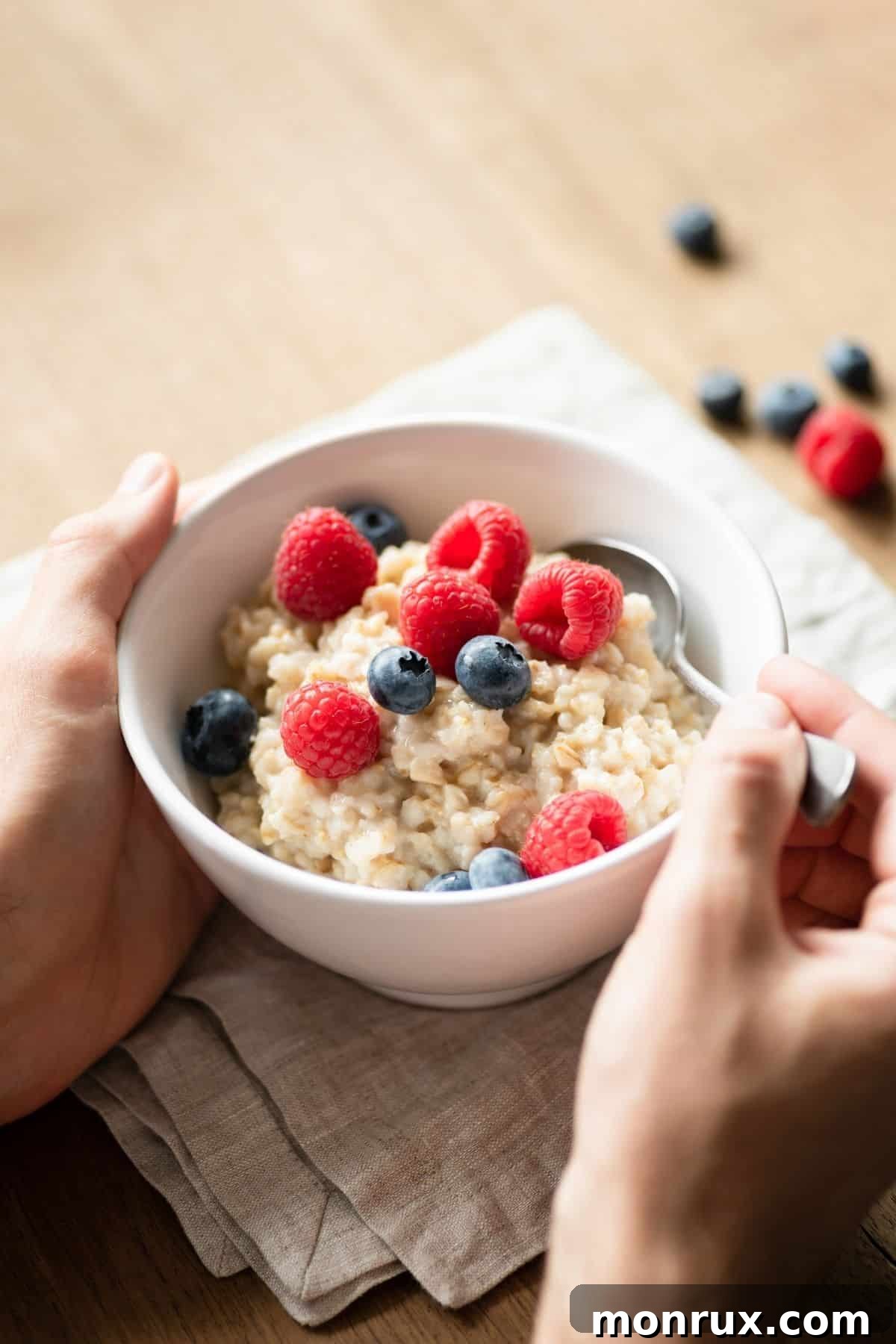
While cereal can be a convenient breakfast, it’s crucial to be mindful of its sugar content. Many popular children’s cereals are laden with excessive sugar, turning what should be a healthy start into a sugar bomb. The Environmental Working Group once highlighted that some children consume a staggering ten pounds of sugar annually just from their daily bowl of cereal. This emphasizes the critical importance of choosing low-sugar alternatives to protect children from the negative health impacts of excessive sugar intake, including dental issues, energy crashes, and increased risk of obesity.
Excellent low-sugar cereal options include plain rolled oats, whole wheat cereal porridges, unsweetened puffed rice, plain corn flakes, and less common but equally healthy choices like puffed corn and puffed millet. These unfortified and minimally processed grains provide complex carbohydrates and fiber, offering sustained energy. To add flavor and natural sweetness without refined sugar, incorporate fresh, ripe berries, sliced bananas, or other favorite fruits. A sprinkle of cinnamon or a drizzle of natural honey (for children over one year) can also enhance taste.
A note of caution regarding fortified cereals: many contain synthetic folic acid, which can be problematic for children with the MTHFR genetic variation. For these children, cooking oatmeal or cereals from scratch using whole grains is preferable. Recipes such as Overnight Protein Oats, Instant Pot Buckwheat, or Instant Pot Amaranth are ideal. If your child is accustomed to sugary cereals, gradually transition them by mixing their usual cereal with a low-sugar option, slowly decreasing the sweet cereal until they adapt to the healthier choice, complemented by fresh fruit. Avoid options like Cinnamon Toast Crunch, which are high in sugar and processed ingredients.
6. Chia Pudding
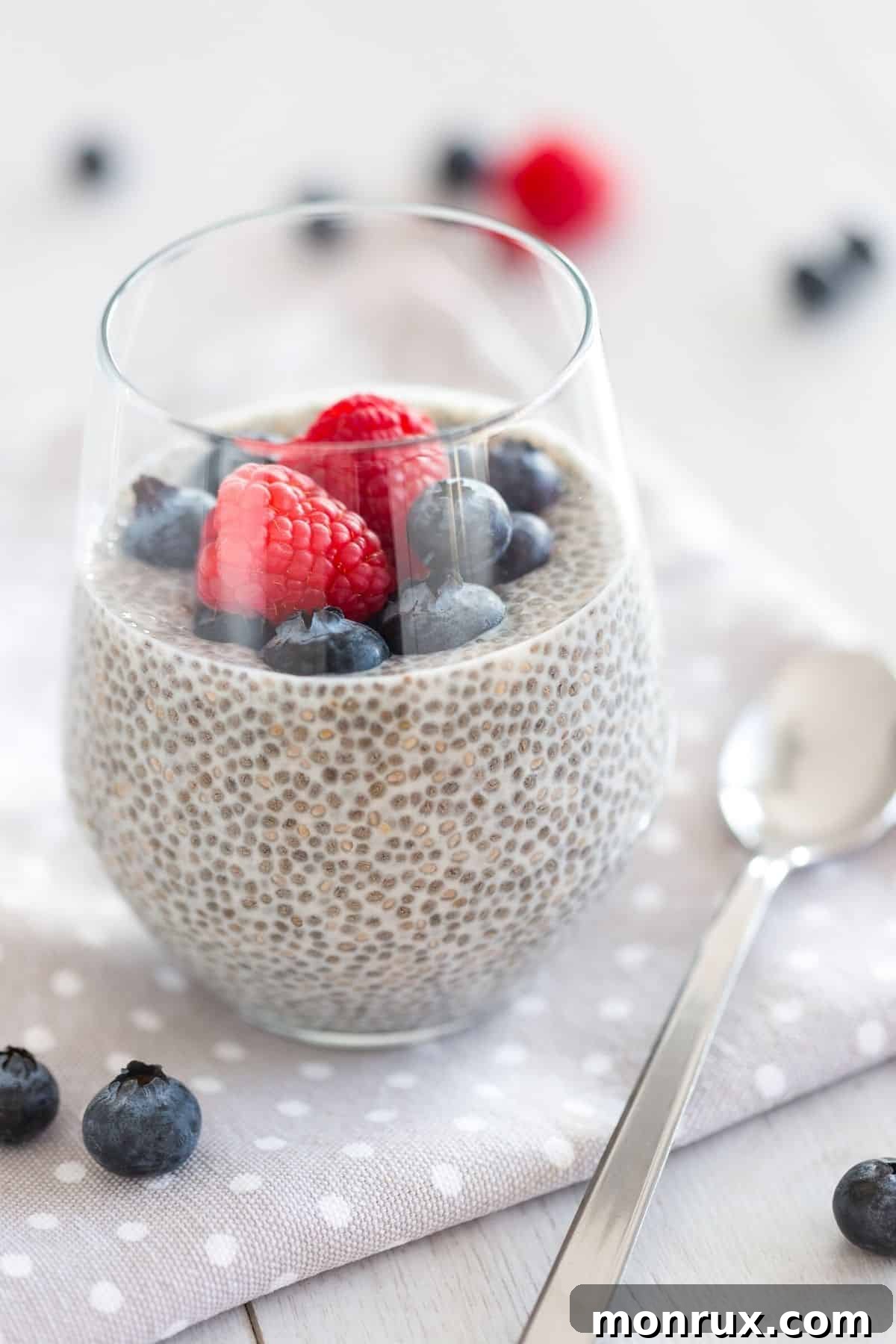
Chia seeds, a revered ancient grain, have gained widespread popularity for their impressive health benefits. These tiny powerhouses are an exceptional source of omega-3 fatty acids, crucial for brain health and development, potent antioxidants that combat cellular damage, and a remarkable amount of dietary fiber, supporting healthy digestion. Research has consistently highlighted the numerous proven health benefits of incorporating chia seeds into one’s diet, making them a superb addition to children’s meals.
One of chia seeds’ most fascinating properties is their ability to absorb up to 12 times their weight in liquid, transforming into a gelatinous texture perfect for puddings. This characteristic makes chia pudding an ideal vehicle for regularly introducing this nutrient-dense seed into your child’s diet. While chia seeds themselves have a mild, neutral flavor, they readily absorb the flavors of other ingredients, allowing for creative and delicious combinations that will appeal to children.
A basic chia pudding recipe involves simply soaking 2 tablespoons of chia seeds in 1/2 cup of milk (dairy or plant-based options like almond or oat milk work well). Let it sit in the refrigerator for at least 2 hours, or ideally overnight, to achieve the desired pudding-like consistency. Serve it with a generous topping of fresh, ripe berries, sliced mango, or other sweet fruits for natural sweetness. Further flavor enhancements can include shredded coconut, a spoonful of nut butter, a swirl of no-added-sugar fruit spread, or warm spices such as cinnamon and nutmeg, transforming a simple seed into an amazing, kid-friendly breakfast.
More chia seed pudding recipes you might like:
- Chia Breakfast Pudding
- Peanut Butter Chia Pudding
- Pumpkin Spice Chia Pudding
- Whole30 Chia Pudding
7. Cottage Cheese With Melon
Cottage cheese, with its fresh, creamy texture and mild flavor, is a wonderfully versatile and nutrient-dense breakfast option suitable even for the youngest eaters. It’s an excellent source of high-quality protein, which is vital for growth, muscle repair, and maintaining satiety throughout the morning. Beyond protein, cottage cheese provides a rich supply of calcium, essential for strong bones and teeth, and selenium, an important antioxidant. It’s also a fantastic source of vitamin B12, a nutrient critical for neurological function and cognitive development, as evidenced by studies linking it to improved brain development and function in children.
The natural sweetness and vibrant color of cantaloupe melon pair beautifully with the savory creaminess of cottage cheese, creating a harmonious and refreshing breakfast. For an extra fun and appealing presentation, you can even use a halved, deseeded cantaloupe melon as a natural bowl, spooning the cottage cheese directly into its cavity. This creative serving method can make breakfast more exciting for children and encourage them to eat.
While cantaloupe is a classic pairing, cottage cheese is incredibly versatile and complements a variety of other fruits. Consider serving it with slices of ripe banana, juicy pineapple chunks, or a medley of fresh berries such as strawberries, blueberries, or raspberries. These combinations not only enhance the flavor and texture but also add a boost of vitamins, antioxidants, and dietary fiber, making for a truly wholesome and satisfying breakfast that kids will enjoy.
8. Breakfast Cookies
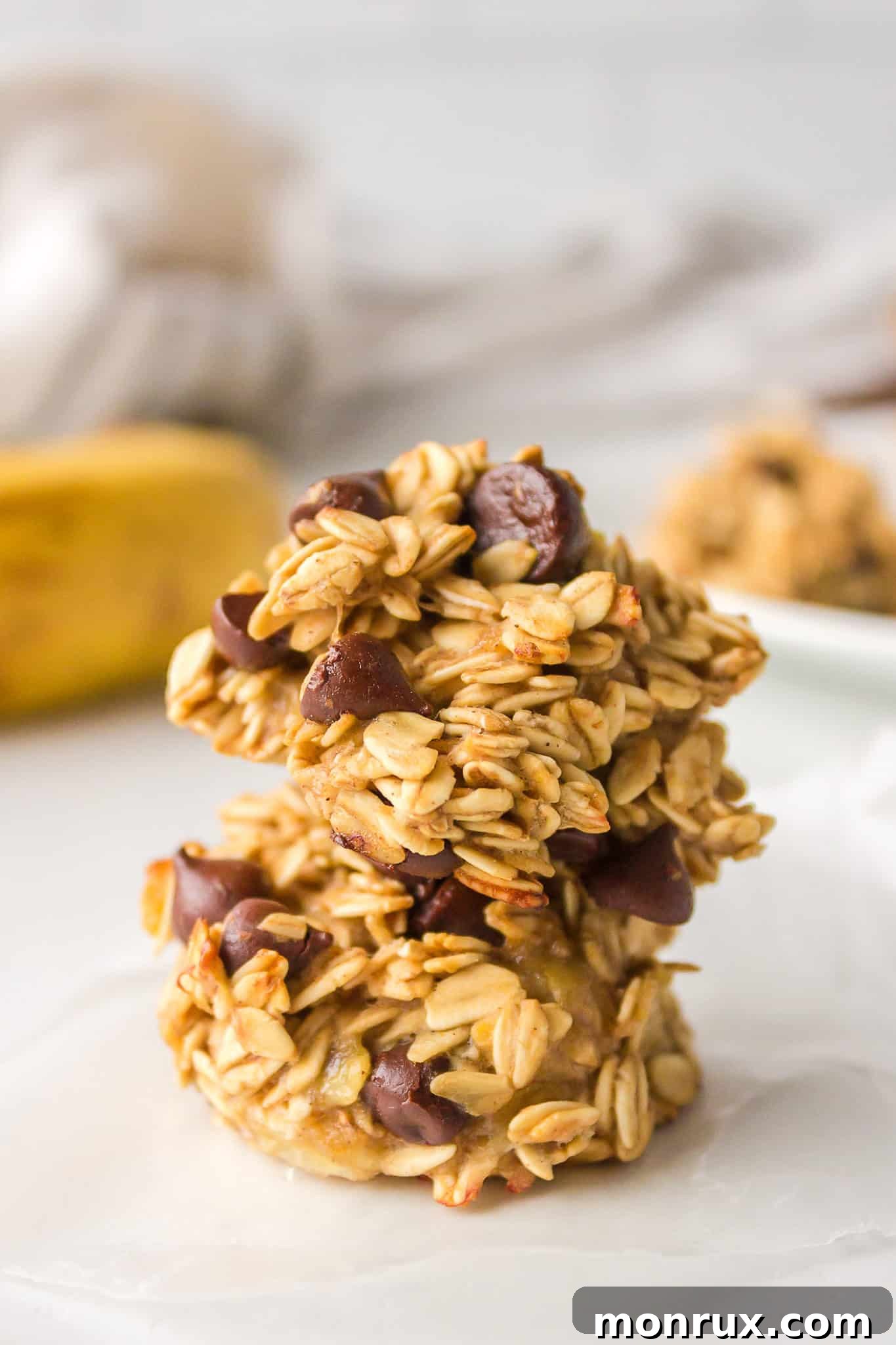
Breakfast cookies offer a delightful and wholesome way to start the day, especially for children who might prefer a treat-like option. Unlike conventional cookies laden with refined sugars and unhealthy fats, breakfast cookies are typically crafted with nutrient-dense ingredients such as whole oats, various seeds (like chia or flax), and nuts, providing fiber, healthy fats, and sustained energy. To keep them truly healthy, the key is to sweeten them naturally. Instead of relying on honey or maple syrup, consider using mashed ripe bananas or puréed dried fruits like dates or raisins, which contribute natural sweetness and additional fiber and nutrients.
A fantastic recipe to try is Banana Oat Cookies, which harness the natural sweetness of bananas and the goodness of oats. These cookies are similar to soft granola bars but often have a more appealing, chewy texture that children adore. The primary benefit of breakfast cookies, particularly for busy families, is their convenience. They are incredibly easy to prepare in advance—bake a large batch on the weekend and store them in the refrigerator or freezer for quick access throughout the week.
Their portable nature makes them an ideal grab-and-go option for those hectic mornings when sitting down for a formal breakfast isn’t feasible. Children can easily take them to eat in the car on the way to school or enjoy them as a satisfying snack. This makes breakfast cookies a perfect solution for ensuring your child gets a nutritious start to their day, even amidst a busy schedule, without resorting to less healthy alternatives.
9. Whole Grain Waffles
Whole grain waffles are a comforting and hearty breakfast choice that significantly outperforms their refined white flour counterparts in terms of nutritional value. By using whole grains, these waffles become an excellent source of complex carbohydrates, providing a slow and steady release of energy that keeps children fueled and focused throughout their morning activities. Furthermore, they are rich in dietary fiber, which aids digestion, promotes gut health, and contributes to a feeling of fullness, reducing the likelihood of mid-morning hunger pangs.
The robust, nutty flavor of whole grains adds a delicious depth to waffles, making them a more flavorful and satisfying base than traditional waffles. The key to making them a truly healthy breakfast lies in pairing them with nutrient-rich toppings. Instead of drenching them in sugary syrups, opt for fresh fruit like berries, sliced bananas, or peaches, which add natural sweetness, vitamins, and antioxidants. A dollop of Greek yogurt or a scoop of cottage cheese can boost protein content, while a sprinkle of chopped nuts or seeds provides healthy fats and additional fiber.
If your children aren’t ardent fans of waffles, or if you’re looking for an alternative that offers similar benefits, consider trying other whole-grain baked goods. Delicious options like Gluten-Free Flax Muffins provide a similar nutritional profile in a different format. Preparing a batch of whole grain waffles or muffins on the weekend and freezing them makes for incredibly convenient weekday breakfasts. Simply pop them into a toaster for a quick and warm meal.
Some of my favorite waffle and pancake recipes include:
- Coconut Milk Pancakes
- Green Waffles
- Oat Flour Pancakes
- Oat Milk Pancakes
- Pink Waffles
10. Overnight Oats
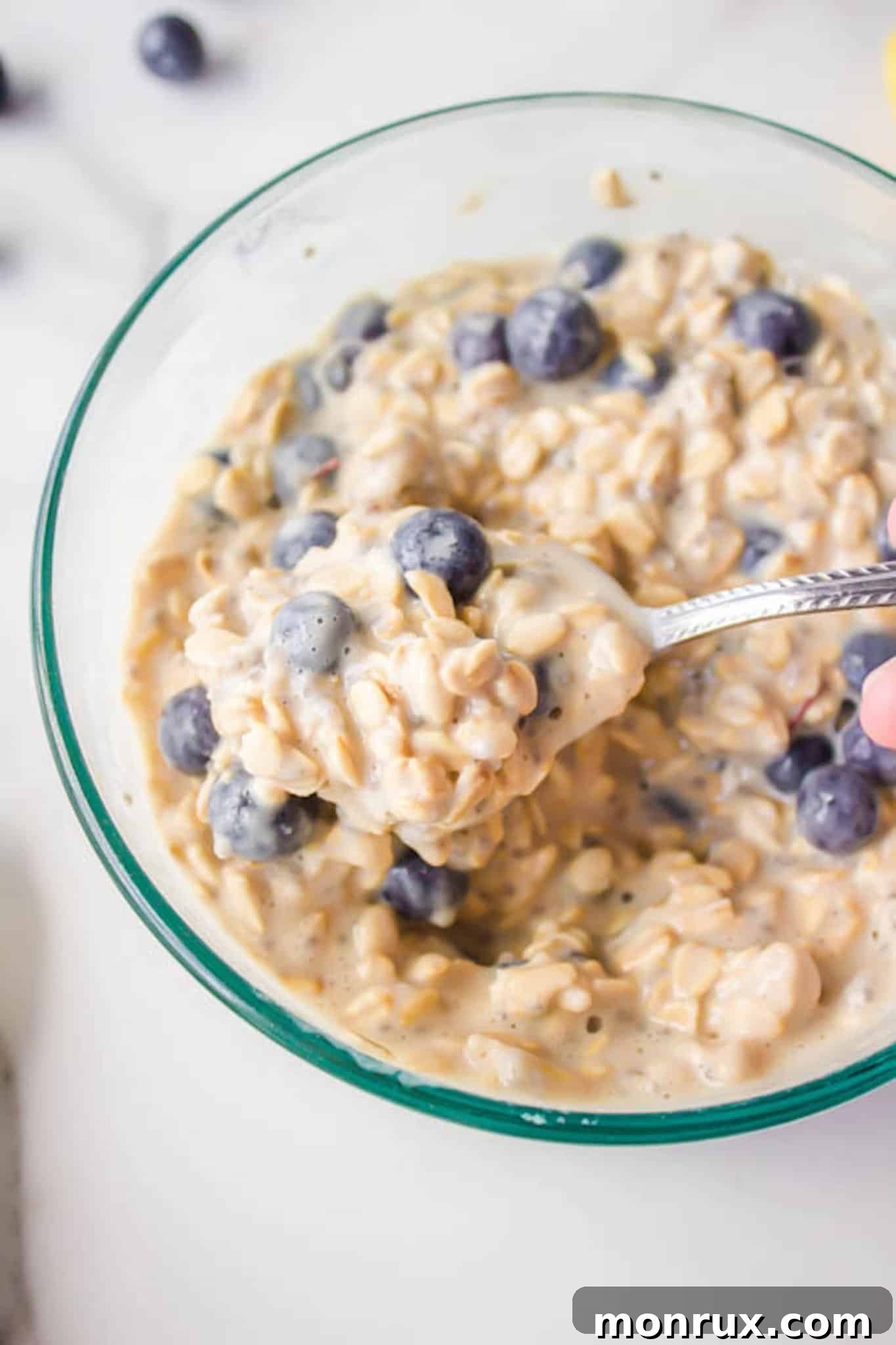
Oats are universally recognized as one of the healthiest grains available, and for good reason. These nutrient-dense whole grains are brimming with beneficial compounds, including a unique and powerful group of antioxidants known as avenanthramides, which possess anti-inflammatory properties. Moreover, oats are incredibly satisfying, contributing to a prolonged feeling of fullness that helps prevent energy dips and cravings for unhealthy snacks later in the day.
While traditional rolled oats and instant oats are quicker to prepare than steel-cut oats, they still require some cooking. Overnight oats offer an ingenious solution for busy mornings: simply soak them in liquid overnight. This process naturally softens the oats to a creamy, ready-to-eat consistency, eliminating the need for cooking and saving valuable time when minutes count. This no-cook method preserves more of the delicate nutrients that might be diminished during heating.
Almost any type of oat—from instant to traditional rolled oats—can be used for overnight oats, though quicker-cooking varieties will absorb liquid faster. The beauty of overnight oats lies in their immense customization potential, allowing you to tailor them precisely to your child’s favorite flavors and dietary needs. The base liquid can be cow’s milk, almond milk, oat milk, or even thinned yogurt for a tangy twist. Mix in fresh or frozen fruits like berries, sliced peaches, or diced apples for natural sweetness and vitamins. For added protein and healthy fats, stir in nut butters, chia seeds, flax seeds, or shredded coconut. Preparing individual portions in Mason jars makes them the ultimate grab-and-go breakfast, perfectly prepped for a fuss-free start to the school day. Don’t forget to try my popular recipe for Overnight Protein Oats.
11. Egg Muffins

Egg muffins are an outstanding breakfast solution for children, offering a substantial protein boost in a conveniently portable format. They are incredibly quick to prepare, often taking as little as 5 minutes of active prep time, making them a parent’s best friend on busy mornings. The light, fluffy texture is especially appealing to young children, and they freeze exceptionally well, ensuring you always have a healthy breakfast ready at a moment’s notice.
The versatility of egg muffins is one of their greatest strengths. While countless recipes exist, you truly don’t need a formal recipe; you can simply adapt them to your child’s preferences. Start by whisking your desired number of eggs with a splash of milk (dairy or non-dairy), and season with a pinch of salt and pepper. The real fun comes with the “add-ins.” Incorporate shredded cheese, finely diced cooked meats like lean ham or chicken sausage, and a colorful array of finely chopped vegetables such as spinach, bell peppers, onions, or cherry tomatoes.
To make, simply divide the egg mixture into silicone muffin liners placed in a muffin pan. Bake in a preheated 400°F (200°C) oven for approximately 10-15 minutes, or until the muffins are golden brown and fully set. Once cooled, store them in an airtight container in the refrigerator for up to 3-4 days, or freeze for longer storage. When it’s time to eat, these muffins can be quickly reheated in the microwave, a conventional oven, or even an air fryer for a super-fast, nutritious breakfast that kids can easily eat with their hands.
12. Baked Oatmeal
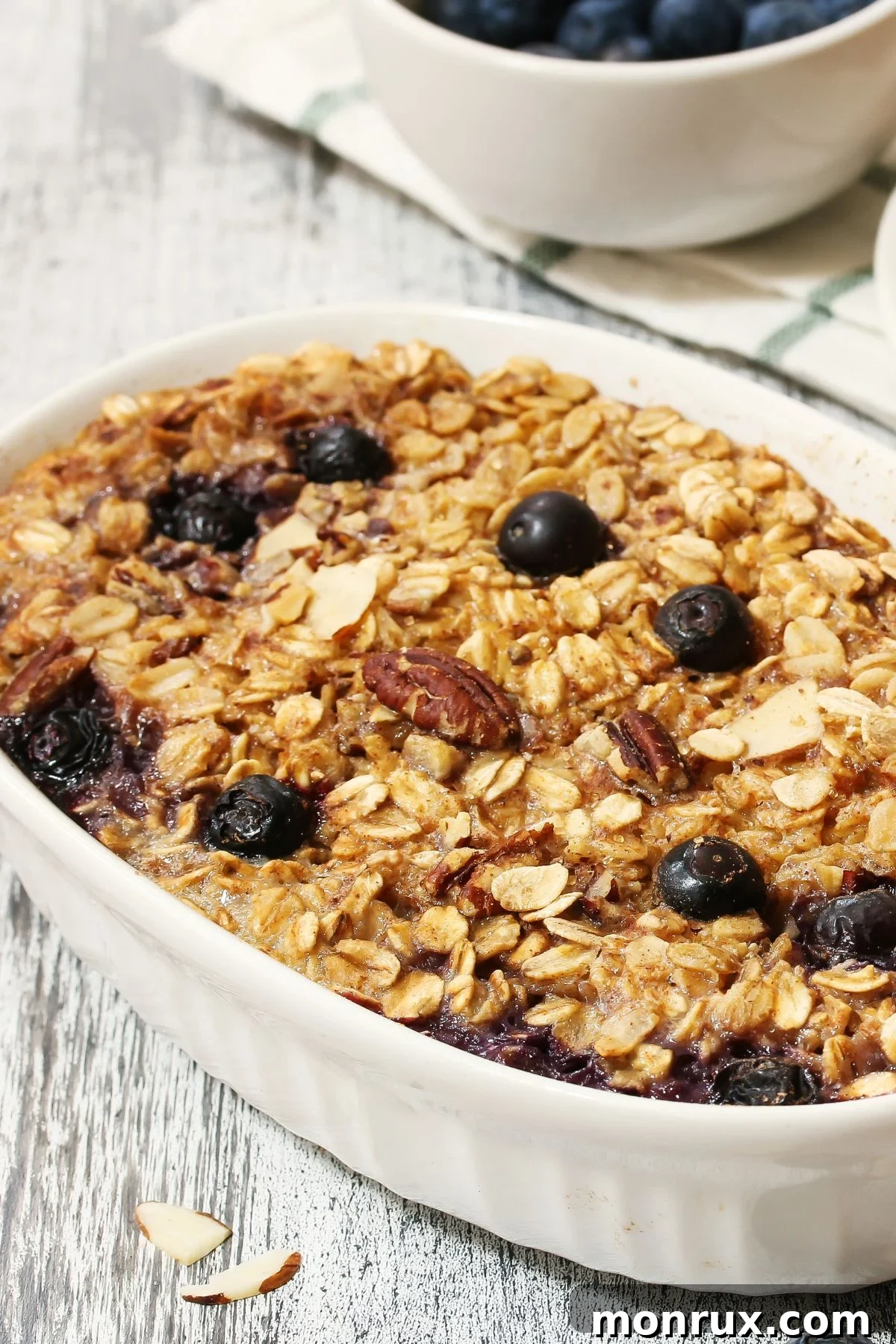
Baked oatmeal offers a comforting and convenient twist on traditional oatmeal, perfect for preparing a large batch that can last throughout the week. This method transforms simple oats into a hearty, cake-like consistency that is both satisfying and incredibly versatile. It’s an excellent way to ensure your family enjoys a warm, wholesome breakfast without the daily cooking.
Recipes for baked oats vary widely, but the core process involves combining rolled oats with milk (dairy or non-dairy) and usually eggs, which act as a binder and add protein. Then, a medley of healthy and flavorful ingredients is stirred in. Common additions include fresh or frozen fruits like berries, sliced apples, or peaches, which sweeten the dish naturally and provide vitamins. Nut butters (peanut, almond), chopped nuts, seeds (chia, flax), and warm spices like cinnamon, nutmeg, or vanilla extract enhance both nutrition and taste. The mixture is then poured into a baking dish and baked for approximately 30-45 minutes until set and golden brown. You can try this delicious Baked Apple Oatmeal recipe for inspiration.
One of the most appealing aspects of baked oatmeal is how the baking process intensifies the natural sweetness of the fruits and integrates all the flavors beautifully. If your child is not a fan of the mushy texture of stovetop oatmeal, they might find the firm, sliceable texture of baked oatmeal much more appealing. The ability to pick up and eat oatmeal with their fingers makes it a fun and less messy option for younger children, encouraging them to enjoy this nutritious meal. It’s a convenient, make-ahead dish that simplifies breakfast routines while delivering substantial nutritional benefits.
13. Oatmeal Muffins
Oatmeal muffins are another fantastic and flexible way to incorporate the incredible benefits of oats into your child’s breakfast routine. Unlike traditional muffins that rely on wheat flour, oatmeal muffins are uniquely made with ground oats (oat flour) or whole rolled oats, meaning they are inherently gluten-free, provided you use certified gluten-free oats. This makes them an ideal choice for children with wheat sensitivities or celiac disease, offering a safe and delicious baked good option.
The beauty of oatmeal muffins lies in their health-conscious design. To ensure they are truly beneficial, prioritize natural sweeteners over refined sugars. Instead of granulated sugar, use ripe mashed bananas, applesauce, pureed dates, or dried fruits like raisins and cranberries, which contribute fiber, vitamins, and a gentle sweetness. You can also mix in ingredients like chia seeds for omega-3s, flax meal for added fiber, or finely grated carrots/zucchini for hidden vegetables.
Oatmeal muffins are incredibly versatile and can be customized with various additions like fresh berries, chocolate chips (dairy-free if needed), or chopped nuts (if no allergies). They are also a marvel for meal prepping; bake a large batch on the weekend, and you’ll have healthy, ready-to-eat breakfasts throughout the week. Their portable nature makes them perfect for busy mornings, allowing kids to grab a nutritious bite on the way to school or during a quick break, ensuring they receive sustained energy and essential nutrients to power their day.
14. Snack Plates
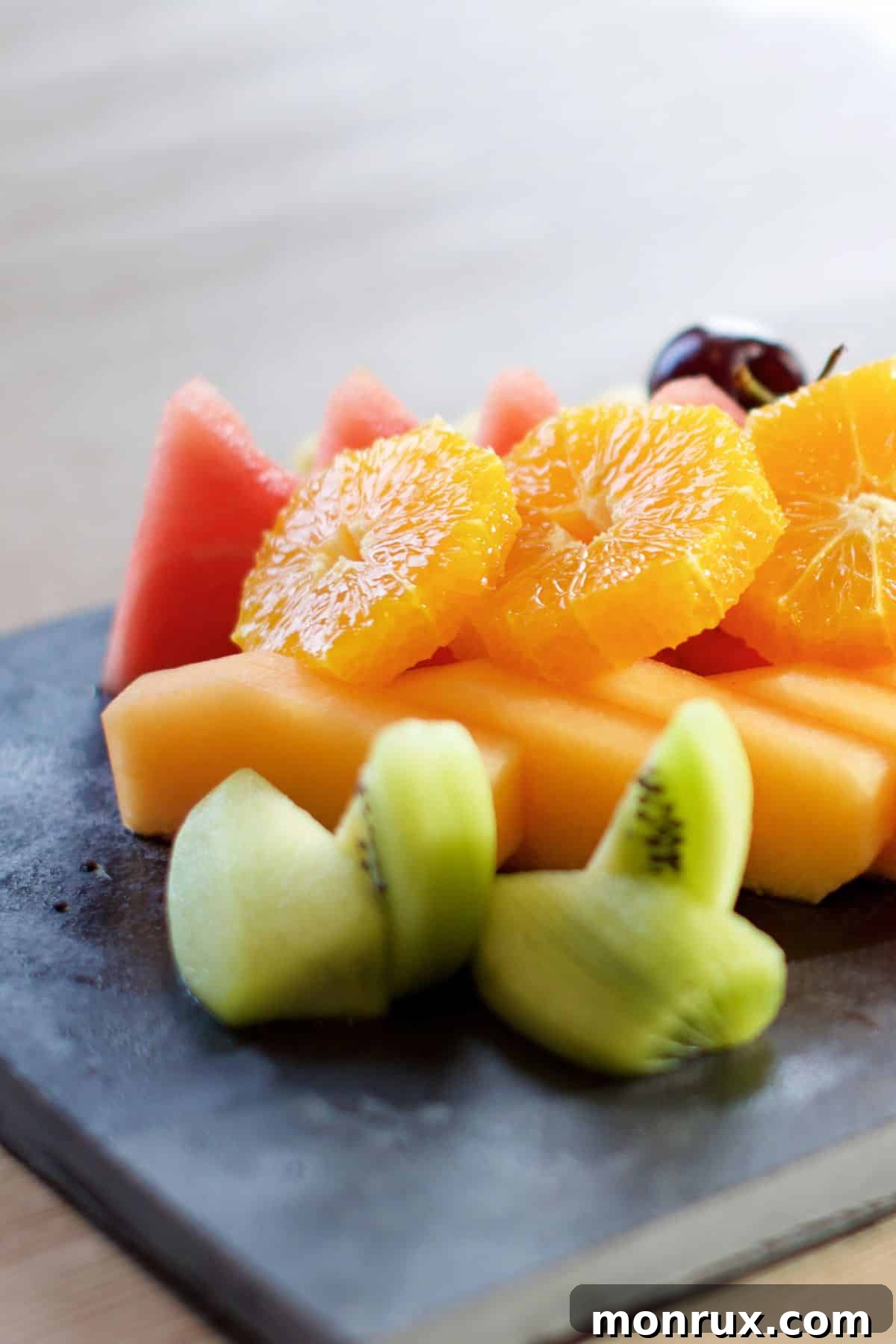
Sometimes, the simplest approach to breakfast is the most effective and appealing, especially for children who prefer to graze or have varying appetites. A well-assembled “snack plate” or “bento box” for breakfast can be a vibrant, appealing, and nutritionally diverse meal. This concept involves offering a variety of bite-sized components, providing a spectrum of vitamins, minerals, fiber, and satisfying protein, all in one customizable platter. The beauty is its adaptability – feel free to tailor the ingredients to whatever fruits, vegetables, and protein sources your child enjoys most.
Start with a selection of fresh fruits: sliced apples, grapes, berries, melon cubes, or orange segments add natural sweetness and crucial vitamins. Pair these with crisp vegetables like cucumber slices, carrot sticks, or cherry tomatoes, offering fiber and hydration. For protein and calcium, include a variety of cheeses. This could range from “child-friendly” options like string cheese or cheese cubes, to introducing bolder flavors with slices of mature cheddar or mozzarella, encouraging palate development. For healthy fats and additional protein, a small handful of nuts (if age-appropriate and no allergies) or a spoonful of hummus can be included.
To complete the balanced plate, add a couple of different kinds of whole-grain crackers or small pieces of whole-wheat toast. Offering a favorite healthy dip, such as hummus, guacamole, or a mild yogurt dip, can further entice your child. This approach allows children to choose what they want from a healthy array, giving them a sense of control over their meal, which can be particularly helpful for picky eaters. The result is a colorful, texturally varied, and nutritionally comprehensive breakfast that is both fun and fulfilling.
15. Leftovers From Dinner
Embracing leftovers for breakfast is arguably the most convenient and often overlooked solution for busy mornings, proving that the first meal of the day doesn’t always have to conform to “typical” breakfast foods. In many cultures around the world, there’s no strict division between breakfast and dinner foods, and adopting this mindset can dramatically simplify your morning routine while ensuring your child receives a hearty, balanced meal. You might be pleasantly surprised at how enthusiastic your child is to finish off last night’s dinner, especially if it’s a dish they already love.
The primary advantage of dinner leftovers is that they are already cooked and seasoned, requiring minimal effort to reheat. This saves precious time when you’re rushing to get everyone out the door. Furthermore, dinner meals are often inherently more balanced than many quick breakfast options. They typically include a good mixture of protein (from meat, beans, or lentils), complex carbohydrates (from rice, pasta, or potatoes), and healthy fats (from cooking oils or dairy).
Consider last night’s lean chicken and vegetable stir-fry, a portion of whole-wheat pasta with a vegetable-rich sauce, or a serving of chili with beans and lean ground meat. Even a simple roasted chicken with sweet potatoes can make an excellent breakfast. As a rule of thumb, when choosing leftovers, aim for dishes that contain a good balance of protein, complex carbohydrates, and healthy fats. This balanced composition will provide sustained energy, support cognitive function, and keep your child feeling full and satisfied until lunchtime. Plus, it’s a great way to reduce food waste and model healthy, mindful eating habits for your children.
Foods to Limit or Avoid at Breakfast
While many breakfast foods are marketed specifically for children, with colorful packaging and appealing characters, a closer look at their nutritional labels often reveals a different story. A significant number of packaged breakfast products offer little to no nutritional value, instead being overloaded with excessive sugar, refined grains, and unhealthy additives. Consuming these types of foods for breakfast can lead to rapid blood sugar spikes followed by crashes, resulting in irritability, difficulty concentrating, and increased cravings for more sugary snacks later in the day. Sweetened beverages, such as fruit juices with added sugar or sugary milk drinks, are also major culprits, making it far too easy for children to consume excess calories without feeling satiated.
When choosing breakfast foods for your child, it’s best to limit or avoid:
- Sugary or Refined Cereals: These are often disguised as “healthy” but are typically high in added sugars, artificial colors, and low in fiber. They offer little sustained energy and can contribute to hyperactivity and concentration issues.
- White Toast with Butter: While seemingly innocuous, white bread is made from refined flour, lacking the fiber and nutrients of whole grains. Paired with butter, it offers minimal nutritional benefits and can lead to a quick energy spike and subsequent crash.
- Muffins Made with White Flour and Refined Sugars: Store-bought muffins, and many homemade recipes, are essentially cupcakes without frosting. They are usually high in sugar, unhealthy fats, and refined flour, offering empty calories.
- Pancakes and Waffles Made with Refined White Flour: Similar to white toast, these lack fiber and nutrients unless made with whole grains. When topped with sugary syrup, they become a high-sugar meal that offers little lasting energy.
- Breakfast Pastries: Items like croissants, doughnuts, toaster pastries, and danishes are typically loaded with sugar, unhealthy trans fats, and processed ingredients. They provide minimal nutritional value and should be treated as occasional treats, not daily breakfast.
- Sweetened Packaged Yogurt: Many children’s yogurts are packed with added sugars, diminishing the health benefits of dairy. Opt for plain yogurt and sweeten it naturally with fresh fruit.
- Granola Bars: While some granola bars are healthy, many commercial varieties are high in sugar, unhealthy oils, and artificial ingredients. Always read labels carefully and choose bars with whole grains, low sugar, and minimal processed ingredients.
- Commercially Prepared Smoothies: Pre-bottled smoothies often contain significant amounts of added sugar, fruit concentrates, and sometimes artificial flavors, negating the health benefits of a homemade fruit and vegetable smoothie.
- Pre-flavored Oatmeal: Instant oatmeal packets with added flavors frequently contain excessive sugar, artificial sweeteners, and processed ingredients. It’s far healthier to buy plain rolled oats and flavor them yourself with fruit and spices.
Essential Nutrients for Kids’ Breakfast
Every meal should aim for a healthy balance of nutrients, and breakfast is no exception. A thoughtfully composed breakfast, featuring a good mix of protein, healthy fats, and complex carbohydrates, plays a pivotal role in a child’s overall health, cognitive function, and energy levels. Such balanced meals have been shown to enhance learning abilities, provide the sustained energy required for physical activity, and foster a feeling of satiety. Furthermore, balanced nutrition at breakfast can help children maintain a healthy weight by reducing cravings for unhealthy snacks throughout the day, thus preventing overeating and supporting a stable metabolism.
Protein
Protein is a cornerstone nutrient for growing children, promoting healthy development and a multitude of bodily functions. In the long term, protein actively supports growth, facilitates the building and repair of muscles and other tissues, and strengthens the immune system, making children more resilient to illness. At breakfast, protein helps to slow down digestion, providing a steady release of energy and keeping children feeling full and satisfied for longer, which prevents mid-morning energy slumps and concentration difficulties. Excellent breakfast sources include eggs, Greek yogurt, cottage cheese, nut butters, beans, and lean meats.
Carbohydrates
Carbohydrates are the body’s primary and most efficient source of energy, making them indispensable for a child’s active morning. They are essential for fueling the brain and muscles, providing the “go-power” needed for school, playtime, and all daily activities. When balanced with protein and fat, carbohydrates help to regulate blood sugar levels, preventing the sharp spikes and drops that can lead to mood swings and fatigue. Prioritize complex carbohydrates from whole grains, fruits, and vegetables for sustained energy, rather than refined sugars that offer only a fleeting boost.
Healthy Fats
Healthy fats are crucial for the optimal development of your child’s brain and nervous system, particularly during early childhood when rapid neurological growth occurs. They also play a vital role in the absorption of fat-soluble vitamins (A, D, E, and K), ensuring that these essential nutrients are properly utilized by the body. While fats are energy-dense, incorporating healthy fats in moderation helps to increase satiety and enhance the flavor of breakfast meals. Good sources of healthy fats for breakfast include avocados, nuts and seeds (and their butters), full-fat dairy products (like whole milk yogurt or cheese), and fatty fish (though less common for breakfast, they are great for overall nutrition).
To achieve a well-rounded breakfast, aim to combine these nutrients from a variety of foods. Eggs, nuts, and seeds are fantastic protein sources that are easily incorporated. Whole grains like oats, whole wheat bread, and sweet potatoes provide ample complex carbohydrates. Dairy products such as milk, cheese, and yogurt supply a range of nutrients including calcium, protein, and fats. Critically, ensure that at least half of the grains you offer are whole grains. Unlike sugary cereals, whole grains are slowly digested and absorbed, providing consistent energy and keeping your child feeling full and focused throughout the day.
Cultivating Healthy Breakfast Habits
Establishing consistent healthy breakfast habits is key to ensuring your children receive the best start to their day. These practices not only contribute to physical health but also foster a positive relationship with food and set the foundation for lifelong healthy eating patterns.
- Start the day with a nutritious breakfast: Make breakfast a non-negotiable part of your child’s daily routine. Consistency helps their body and mind anticipate and benefit from morning nourishment.
- Include plenty of protein and fiber: These two nutrients are essential for sustained energy and satiety. Protein helps build and repair tissues, while fiber aids digestion and keeps blood sugar stable, preventing energy crashes.
- Make sure your child drinks plenty of water: Hydration is often overlooked at breakfast. Offer water alongside their meal to ensure they are well-hydrated, which supports cognitive function and overall bodily processes.
- Avoid sugary cereals and processed foods: Steer clear of items high in refined sugars and artificial ingredients. These offer fleeting energy and contribute to poor health outcomes. Opt for whole, unprocessed foods instead.
- Provide a variety of healthy breakfast options: Rotate through different healthy choices to keep things interesting and ensure a wide array of nutrients. Variety also helps prevent mealtime boredom and encourages adventurous eating.
- Encourage your child to eat breakfast every day: Consistency is crucial. Even a small, healthy breakfast is better than none. If they’re not hungry right away, offer a small portion and let them eat more later.
- Involve children in meal planning and preparation: When kids have a hand in choosing and preparing their food, they are more likely to eat it. Let them pick fruits for smoothies or help assemble snack plates.
- Eat breakfast as a family whenever possible: Sharing a meal together sets a positive example and creates a calm, enjoyable atmosphere around food. It’s a chance to connect before the day gets busy.
Frequently Asked Questions About Kids’ Breakfast
The American Academy of Pediatrics strongly advises against offering juice to infants before 6 months of age. For children older than 6 months, it is recommended to strictly limit juice intake. While 100% fruit juice contains some vitamins, it lacks the fiber of whole fruit and its concentrated natural sugars can contribute significantly to childhood obesity and dental cavities. If you choose to serve juice, always ensure it is 100% juice with no added sugars or artificial ingredients, and serve it in small, controlled portions (e.g., 4-6 ounces for toddlers, 8 ounces for older children) alongside water, rather than as a primary beverage. Whole fruit is always a superior choice.
It’s common for some children not to wake up with a strong appetite. There are several strategies to encourage morning hunger. First, consider the size and timing of their dinner the night before; a very late or large dinner might suppress morning appetite. Also, limit or avoid sweets and heavy snacks after dinner. To help develop a morning appetite, start with very small, appealing meals – even just a piece of fruit or a few bites of yogurt. Gradually increase the portion size as their appetite adjusts. Consistency is key; continue offering breakfast every day, even if they only eat a little, to establish a routine. Breakfast is a vital meal that shouldn’t be skipped due to its importance for concentration and energy throughout the day.
Lack of time is a common challenge, but meal planning and prepping are your secret weapons! Dedicate some time on the weekend to prepare breakfast components or entire meals in advance. This minimizes morning prep to just a few minutes. For instance, you can chop fruits and vegetables, portion out dry ingredients for smoothies, or cook larger batches of items. See my list of the best meal prep tips for beginners for more ideas. Specifically for breakfast, prioritize make-ahead options like overnight oats, chia pudding, egg muffins, or baked oatmeal, which can be stored in the fridge or freezer and quickly grabbed and reheated. Having these ready-to-eat options ensures your child gets a nutritious start without any last-minute stress.
More Healthy Eating Resources You Might Like
Conclusion: Fueling Future Generations
The impact of breakfast on a child’s day cannot be overstated. Skipping this vital meal can leave children feeling irritable, mentally foggy, and physically drained, significantly impeding their ability to learn and engage at school. Similarly, an unhealthy breakfast, overloaded with processed sugars and refined carbohydrates, creates temporary spikes in blood glucose levels that inevitably lead to a “sugar crash,” leaving them with depleted energy and renewed cravings for unhealthy snacks.
By consistently serving healthy, balanced breakfasts like the innovative and delicious ideas shared in this guide, you are providing your child with much more than just food. You are equipping them with the essential fuel they need to sustain optimal energy, enhance concentration, support physical growth, and foster emotional well-being throughout their entire day. Investing time and thought into your children’s morning meals is an investment in their immediate success and long-term health, setting them up perfectly to learn, play, and thrive.
Don’t forget to join my newsletter list to get exclusive clean eating recipes and tips. The newsletter is 100% free with no spam; unsubscribe anytime.
About the Author: Carrie Forrest has a master’s degree in public health with a specialty in nutrition and is a certified holistic nutritionist. She is a top wellness and food blogger with over 5 million annual visitors to her site. Carrie has an incredible story of recovery from chronic illness and is passionate about helping other women transform their health. Send her a message through her contact form.
Note: this post is for informational purposes only and is not intended as medical advice. Please consult your healthcare provider for recommendations related to your individual situation.