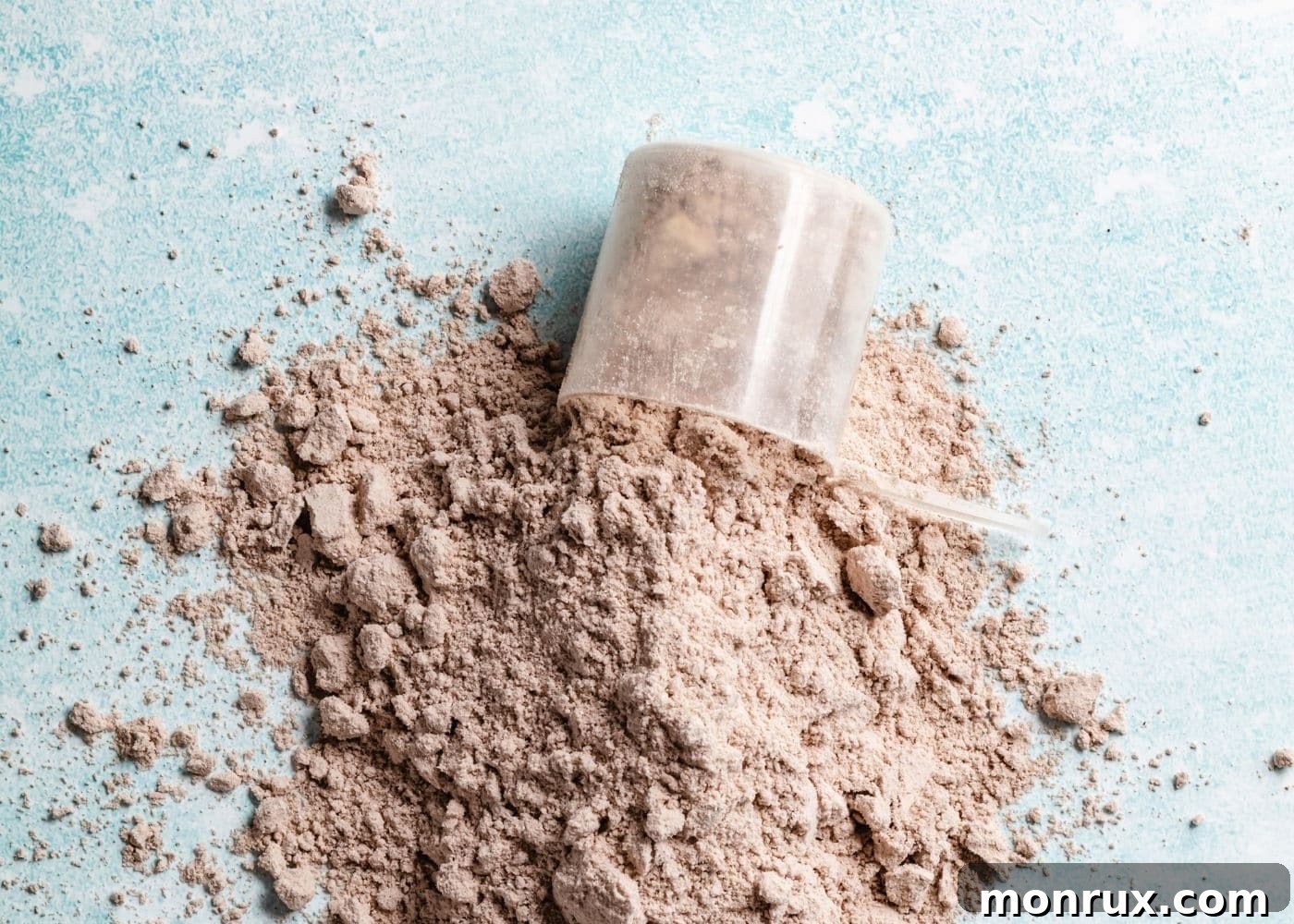
In the evolving landscape of sustainable nutrition, one protein source is rapidly gaining recognition for its exceptional benefits and minimal environmental footprint: cricket protein. Often met with initial skepticism in the Western world, this innovative ingredient offers a complete protein profile, rich micronutrients, and a compelling answer to global food challenges. Before you dismiss the idea, delve into why and how cricket protein powder can become a valuable, eco-conscious addition to your daily diet.
What is Cricket Protein?
While cricket protein may seem like a novel concept in Western dietary trends, it is, in fact, an ancient and widely consumed food source across many cultures, particularly in Southeast Asia, Africa, and Latin America. For centuries, insects have provided essential sustenance, valued for their abundant nutrients and accessibility. Only recently has this protein powerhouse begun to make its mark in Western nutritional supplements, primarily as a finely ground powder.
The idea of consuming insects, known as entomophagy, might initially evoke apprehension. However, cricket protein powder is remarkably easy to integrate into your diet without any “ick” factor. The rigorous processing transforms whole crickets into a clean, mild-tasting, golden-brown powder that resembles fine flour or brown sugar. This discreet form allows you to harness all the nutritional benefits without ever directly encountering the insect itself, making it a surprisingly palatable and practical protein alternative for the health-conscious consumer.
What is Cricket Protein Made From?
Cricket protein, often interchangeably referred to as cricket flour, is derived from a specific species of insect: Acheta domesticus, commonly known as the house cricket. Originating in Southeast Asia, these crickets are now sustainably farmed in controlled environments across North America and Europe, specifically for human consumption. This controlled farming ensures a clean, consistent, and high-quality product.
The transformation from live crickets to a nutrient-rich powder involves a meticulous, multi-step process designed to ensure safety, purity, and optimal nutrition. While specific methods may vary slightly between manufacturers, the general procedure includes:
- Harvesting and Stasis: Live crickets are harvested and gently cooled, inducing a natural, inactive state known as stasis. This is a humane method of preparing them for the next stages.
- Freezing: The crickets are then frozen, ensuring microbial safety and halting all metabolic processes.
- Washing and Boiling: Post-freezing, they undergo thorough washing and are briefly boiled to sterilize and prepare them for drying. This step also aids in removing any impurities.
- Draining and Inspection: Excess water is drained, and the crickets are carefully inspected to meet stringent quality standards.
- Drying: They are then dried for several hours, typically using specialized dehydrators, until all moisture is removed. This concentrated drying process is crucial for preventing spoilage and enhancing shelf-life.
- Grinding: Finally, the dried crickets are finely ground into a powder, ready for packaging.
Strict guidelines and quality control measures are paramount in cricket powder production. Batches are regularly lab-tested for potential toxins, heavy metals, and pathogens, ensuring the final product is safe for consumption. The significant advantage of this process is that the powder retains the full nutritional profile of the whole cricket, offering a comprehensive array of vitamins, minerals, and amino acids.

How Consuming Cricket Powder Helps the Environment
The environmental impact of our food choices is becoming an increasingly critical global concern. With the UN projecting a 70% increase in agricultural production needed by 2050 to feed a growing global population, finding sustainable protein sources is no longer an option but a necessity. Traditional livestock farming is a significant contributor to greenhouse gas emissions, deforestation, and water scarcity. This is where cricket powder emerges as a game-changer, offering a highly sustainable and eco-friendly alternative to conventional animal proteins.
Compared to traditional protein sources like beef, poultry, and pork, crickets offer astounding ecological efficiencies:
- Reduced Land Use: Crickets require significantly less land for farming. For example, producing one kilogram of cricket protein requires just a fraction of the land needed for one kilogram of beef, which contributes to preserving natural habitats and reducing deforestation.
- Lower Water Consumption: Cricket farming is incredibly water-efficient. Crickets need substantially less water per gram of protein produced than any other livestock. This drastically reduces the strain on precious freshwater resources, a vital consideration in many drought-prone regions.
- Lower Greenhouse Gas Emissions: Crickets produce far fewer greenhouse gases—including methane and nitrous oxide—compared to cattle. Their metabolic processes are more efficient, leading to a drastically smaller carbon footprint. Choosing cricket protein helps mitigate climate change by reducing these harmful emissions.
- High Feed Conversion Ratio: Crickets are exceptionally efficient at converting feed into edible biomass. They require significantly less feed per kilogram of protein than cattle, pigs, or chickens. This efficiency minimizes the demand for agricultural land to grow feed crops, further alleviating environmental pressures.
- Minimal Waste Production: Cricket farming generates considerably less waste compared to traditional animal agriculture. The waste produced can often be composted or used as fertilizer, contributing to a circular economy model.
By embracing cricket protein, consumers can actively contribute to a more sustainable food system, helping to protect our planet for future generations. It’s a viable, ethical, and environmentally responsible choice for those looking to reduce their ecological footprint without compromising on nutrition. For a deeper dive into making dietary choices for a healthier planet, consider exploring the best diets for climate change.
Cricket Protein Nutrition Highlights
Beyond its environmental credentials, cricket protein stands out as an exceptional nutritional powerhouse. Each cricket is composed of approximately 58% to 65% protein by dry weight, making cricket powder comparable to, and in some aspects superior to, traditional protein sources like skinless chicken breast or lean beef. However, its benefits extend far beyond just protein content.
The protein derived from cricket powder is particularly beneficial because it is a “complete” protein. This critical distinction means it contains all nine essential amino acids that your body requires for proper function. These amino acids are the fundamental building blocks of protein, crucial for muscle repair, tissue growth, hormone production, and overall bodily maintenance. Since your body cannot synthesize these essential amino acids, they must be obtained through your diet, and cricket protein provides them in abundance.
Crickets are also an outstanding source of vital micronutrients. They are notably high in iron, with some scientific sources indicating they can be a richer source than sirloin beef. This makes cricket protein an excellent dietary choice for combating iron deficiency, particularly for those on plant-based diets or individuals with higher iron needs.
The nutritional advantages don’t stop there. Cricket powder is often hailed as a superfood due to its dense concentration of various other beneficial nutrients, truly setting it apart from many other protein powders on the market.
Key nutrients found in cricket powder include:
- Chitin: A unique prebiotic fiber that plays a significant role in gut health by fostering the growth of beneficial gut bacteria, acting as a prebiotic.
- Vitamin B12: Essential for nerve function, red blood cell formation, and DNA synthesis. Cricket protein offers a substantial amount, making it a valuable supplement, especially for those reducing meat intake.
- Essential Minerals: A rich source of minerals such as calcium (for bone health), copper (for energy production), zinc (for immune function), iodine (for thyroid health), and manganese (for metabolism and antioxidant defense).
- Healthy Fatty Acids: Contains beneficial unsaturated fats, including Omega-3 and Omega-6 fatty acids, which are crucial for brain health, reducing inflammation, and cardiovascular well-being.
Beyond individual nutrients, cricket protein also contributes significantly to overall gut health. Research published in 2018 demonstrated that consuming crickets can support the proliferation of probiotic bacteria in the gut and potentially help reduce systemic inflammation throughout the body. This comprehensive nutritional profile, combined with its positive impact on gut flora, solidifies cricket protein’s status as a truly remarkable and holistic dietary supplement.
How to Incorporate Cricket Protein into Your Diet
One of the most appealing characteristics of cricket protein is its incredible versatility and mild flavor profile. Unlike some other protein powders like whey or soy, which can be gritty or possess a distinct taste, cricket protein powder boasts a neutral, slightly nutty flavor and a fine, flour-like texture. This allows it to seamlessly blend into a wide variety of dishes without altering their taste or consistency, making it remarkably easy to integrate into your daily meals.
The key to successful incorporation is starting with small amounts and gradually increasing as you get accustomed to it. Since its flavor is so subtle, you can easily enjoy a consistent supply of this nutrient-dense protein throughout your day without even noticing it’s there. Here are numerous creative ideas for using cricket protein:
- Smoothies and Shakes: Effortlessly mix a scoop into your morning smoothie or post-workout shake. It adds a protein boost without changing the fruit or vegetable flavors.
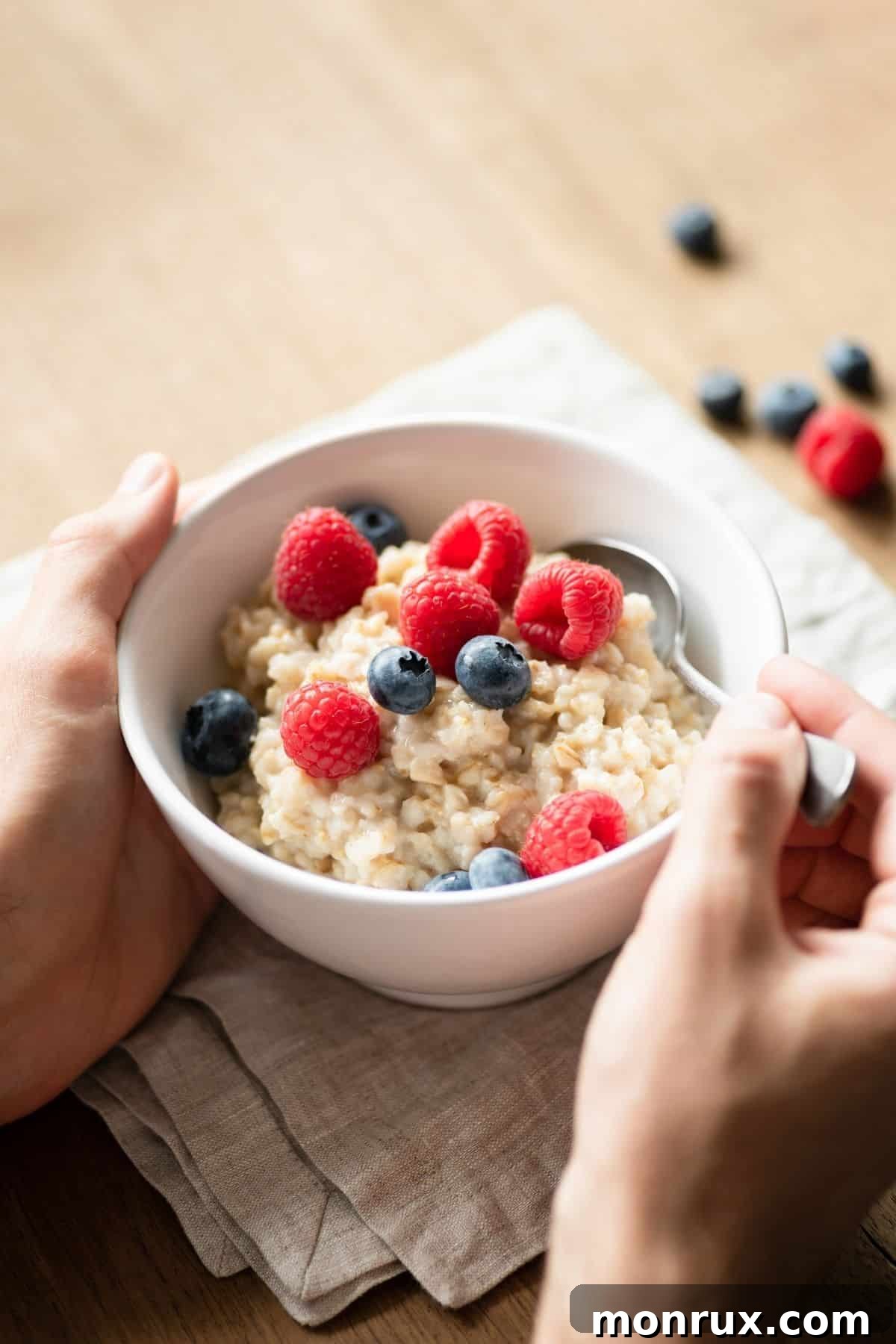
- Oatmeal and Yogurt: Stir a tablespoon into your cooked oatmeal, overnight oats, or a bowl of yogurt. It’s a simple way to enhance your breakfast with complete protein and fiber.
- Baked Goods: Integrate it into your baking recipes. Substitute up to 25% of regular flour with cricket powder when making bread, muffins, cookies, pancakes, waffles, or brownies. This fortifies your treats with protein and nutrients without compromising texture.
- Savory Dishes: Combine it with ground meat in recipes like meatloaf, meatballs, or burgers to boost protein and nutrient content.
- Binding Agent: Use it as a natural binding agent in homemade veggie burgers, falafel, or savory patties, adding structure and nutritional value.
- Soups and Sauces: Whisk a spoonful into pasta sauces, gravies, stews, or creamy soups to thicken and enrich them with protein and minerals. Its mild flavor will blend in seamlessly.
- Energy Bites and Bars: Create your own no-bake energy bites or protein bars by mixing cricket powder with oats, nuts, seeds, and dried fruits for a convenient, nutrient-dense snack.
Tip for Baking: When baking with cricket protein powder, a good rule of thumb is to substitute no more than 25% of the regular flour with cricket powder. This ensures that the texture and rise of your baked goods remain consistent while still significantly increasing their nutritional value.
Where to Buy Cricket Protein Powder
While cricket protein powder is gaining traction, it’s still relatively new to mainstream grocery store shelves. You might find it challenging to locate in conventional supermarkets at the moment. However, its availability is rapidly expanding, especially through online retailers and specialty health food stores.
For convenience and a wider selection, purchasing cricket protein online is often the best option. Many reputable brands offer high-quality cricket powder and related products directly through their websites or major e-commerce platforms. My personal favorite brands and products, which I have found to be reliable and effective, include:
- Chapul Cricket Protein Powder
- Exo Protein Bars (for a convenient snack option)
- Entomo Farms Organic Cricket Powder
As the demand for sustainable and nutritious alternative proteins continues to grow, expect to see cricket protein becoming more readily available in various retail environments. Exploring these online options is a great starting point for incorporating this innovative ingredient into your diet.
Frequently Asked Questions About Cricket Protein
Many people are hesitant to try cricket protein powder due to misconceptions about its taste. However, the truth is quite pleasant! Cricket powder has a surprisingly mild, earthy, and slightly nutty flavor. It doesn’t taste “buggy” at all. Its fine texture is similar to that of flour or finely ground nuts, and its rich, golden-brown color makes it visually appealing. When mixed into other foods, its subtle taste typically blends in seamlessly, making it an unnoticeable yet powerful nutritional additive.
Currently, cricket protein powder can be more expensive than conventional protein powders due to several factors. The industry is still relatively new and operates on a smaller scale compared to established agricultural sectors. This means production facilities require significant initial investments, and economies of scale have not yet been fully realized. As global demand for sustainable protein alternatives increases and production scales up, prices are expected to become more competitive and accessible. The comprehensive nutritional profile and environmental benefits, however, often justify the current investment for many health-conscious consumers.
While whey protein has long been a popular choice for muscle building and recovery, cricket powder offers a compelling alternative with several distinct advantages. Both are complete proteins, meaning they provide all nine essential amino acids. However, cricket powder stands out for its superior nutritional density beyond just protein. Cricket protein is naturally sugar-free, unlike some flavored whey proteins that can contain added sugars. Nutritionally, cricket powder far surpasses whey in micronutrient content, offering significantly more iron, vitamin B12, beneficial fatty acids (like Omega-3 and Omega-6), and a unique prebiotic fiber (chitin), which is absent in whey. Furthermore, cricket protein is naturally dairy-free and gluten-free, making it suitable for individuals with allergies or dietary restrictions. Environmentally, the production of cricket powder requires significantly fewer resources (land, water, feed) and generates fewer greenhouse gases compared to the dairy industry that produces whey, making it a far more sustainable and ethically sound choice.
Extensive research into edible insect consumption, including studies like those published in 2018, consistently indicates that insects are safe for human consumption when properly processed and prepared, akin to other animal products. Cricket protein is generally considered safe and is included in recommendations for best protein powders for pregnancy and best clean protein powders. However, there are important considerations for specific individuals. Some people may have allergic reactions to insect proteins or chitin, the fibrous substance making up the exoskeleton of crickets. Crucially, individuals with a crustacean shellfish allergy (e.g., to crabs, lobsters, or shrimp) should avoid crickets or cricket protein powder, as crickets are arthropods and share similar allergenic proteins. Always exercise caution, and it is highly recommended to consult a medical professional or allergist before trying cricket protein powder if you have any existing allergy concerns or underlying health conditions.
No, consuming crickets or any insects is not considered part of a vegan or traditional vegetarian diet, as these diets strictly exclude all animal products. However, for individuals who identify as “flexitarian,” “pescatarian,” or those seeking to reduce their consumption of conventional meat (like cows and chickens) for environmental or ethical reasons, cricket protein presents a unique and compelling alternative. The exceptional nutritional profile of crickets, particularly their high iron and B12 content, can be incredibly beneficial for individuals who may struggle to thrive on a strict vegan or vegetarian diet due to nutrient deficiencies. For example, iron deficiency can be a concern for women on plant-based diets (see my article about the health risks of a vegan diet). Ultimately, while not suitable for strict vegans or vegetarians, cricket protein offers a highly sustainable and nutrient-dense option for a broader spectrum of eco-conscious and health-aware consumers.
Final Thoughts on Cricket Protein
Stepping into the world of cricket protein might initially feel like a significant leap, especially for those unfamiliar with entomophagy. Yet, when viewed through the lens of nutrition, sustainability, and global food security, it quickly becomes clear that crickets are far more than just insects—they are a visionary solution. From their impressive complete protein profile and wealth of essential micronutrients to their remarkably low environmental footprint compared to traditional livestock, cricket protein offers a powerful argument for its inclusion in modern diets.
By embracing cricket protein, you’re not just trying a new supplement; you’re participating in a movement towards a more sustainable, resilient, and nourishing food system. It’s a conscious choice that benefits your body and the planet. So, take that leap of faith and discover the incredible potential of this innovative superfood. You might just find it’s one of the most impactful dietary changes you can make!
Don’t forget to join my newsletter list to get exclusive clean eating recipes and tips delivered straight to your inbox. The newsletter is 100% free with no spam; unsubscribe anytime.
Note: This post is for informational purposes only and is not intended as medical advice. Please consult your healthcare provider for recommendations related to your individual situation.