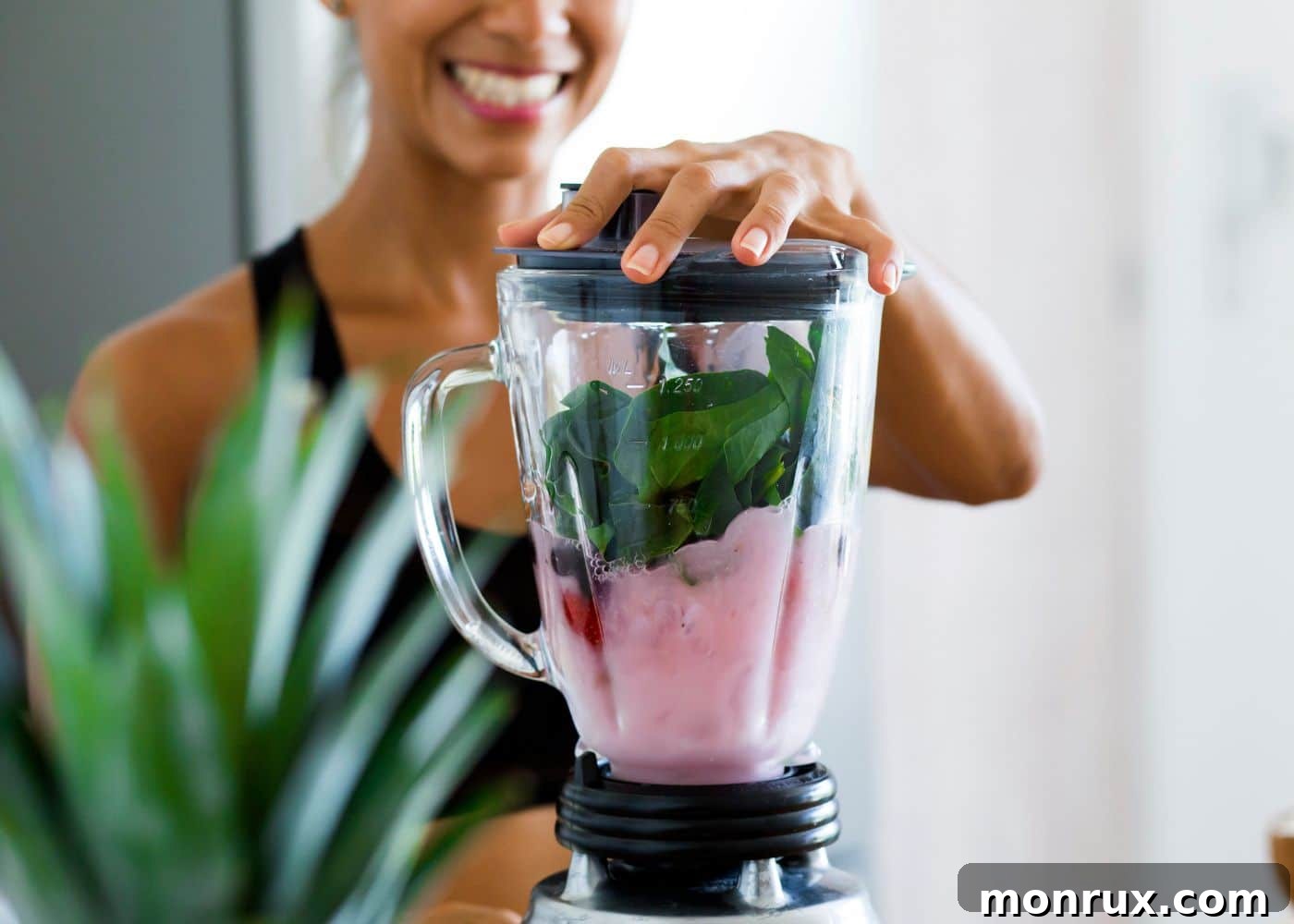
Embarking on a journey towards a healthier lifestyle often begins in the kitchen. Whether you’re a seasoned clean eater or just starting to explore the benefits of wholesome cooking, having the right tools can make all the difference. Outfitting your kitchen with efficient and reliable appliances is key to preparing nutritious, delicious meals with ease and enjoyment. This comprehensive guide will unveil the top 15 essential kitchen appliances for healthy and delectable cooking, helping you transform your culinary space into a hub for wellness.
Kitchen Appliances for Healthy Eating
To consistently prepare wholesome and delicious meals, a well-equipped kitchen is fundamental. The following appliances and tools form the bedrock of any healthy cooking endeavor, simplifying meal preparation and encouraging you to cook more at home. When selecting these essentials, always prioritize ease of cleaning and ensure they align with your family’s size and your cooking frequency. Durability and efficiency are also key considerations for long-term satisfaction.
1. Stovetop
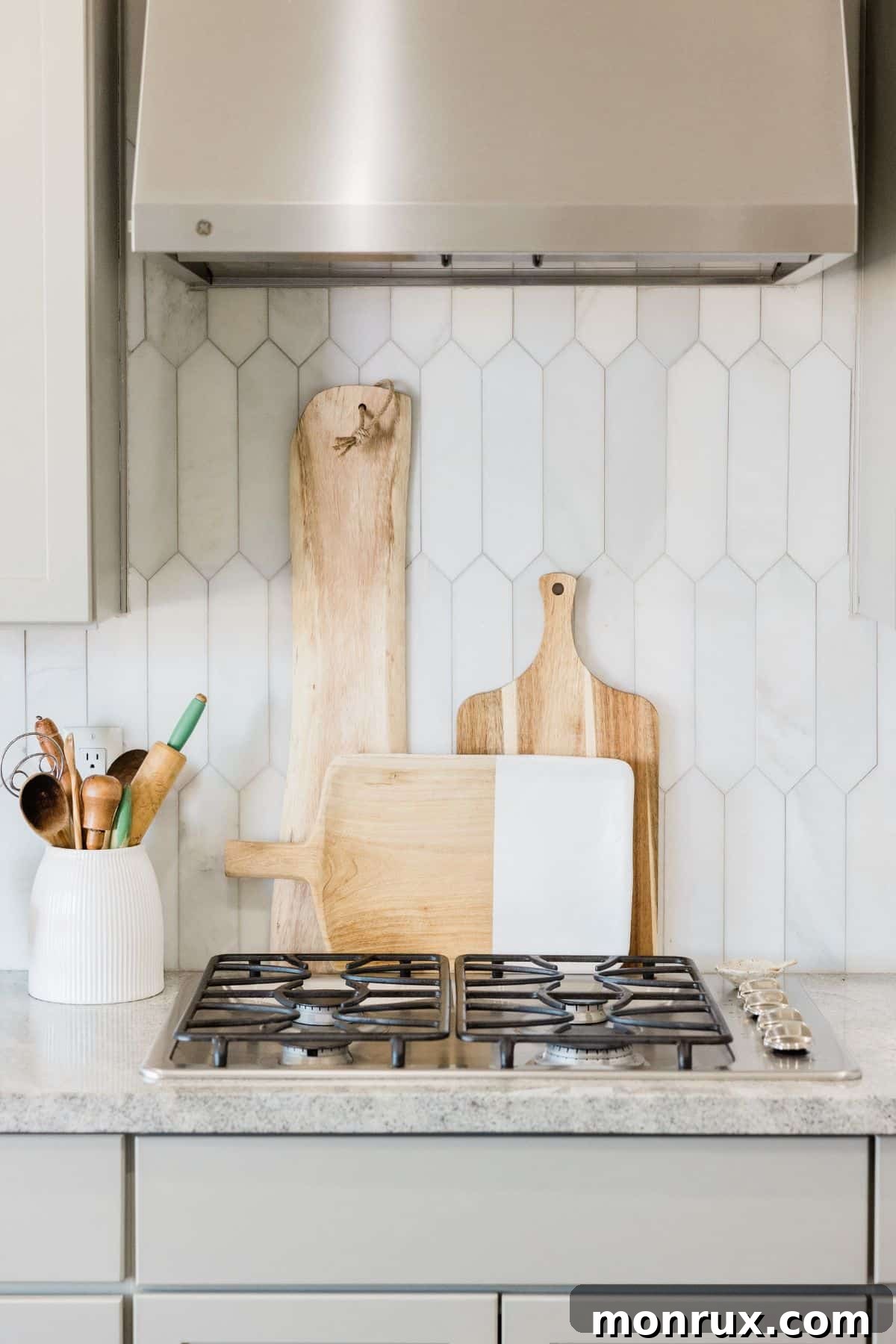
The stovetop is arguably the heart of any kitchen, offering immense versatility for creating countless healthy meals. From vibrant stir-fries packed with vegetables to comforting homemade soups and quick one-pan creations, your stovetop is indispensable for daily cooking. Understanding the different types can help you choose the best fit for your healthy cooking habits.
Gas stovetops provide instant and precise heat control, making them a favorite among many home cooks. The immediate response to temperature adjustments is ideal for delicate sauces, quick searing, or preventing spills from boiling over. This quick control can be particularly helpful for new cooks mastering various techniques. While gas cooktops excel in performance, their grates and burners can sometimes make cleaning a bit more challenging.
Electric stovetops, available with solid plates, coils, or smooth ceramic glass surfaces, use infrared technology for heating. They are often more energy-efficient than gas, as heat is concentrated directly onto the cookware. While electric models might heat up and cool down more slowly than gas, modern ceramic or glass versions offer a sleek aesthetic and are significantly easier to wipe clean. Coiled electric stovetops can be trickier to clean due to their exposed elements.
Induction stovetops represent the cutting edge of cooking technology, utilizing electromagnetic fields to directly heat magnetic pots and pans. This method offers unparalleled energy efficiency, rapid heating, and superior safety, as the surface itself doesn’t generate heat until it comes into contact with appropriate cookware. Cleaning an induction stovetop is typically the easiest of all three types due to its smooth, cool surface. However, it’s crucial to note that induction cooktops often require specialty induction-compatible cookware, which might be an additional investment.
For more detailed information on healthy and safe cooking materials, explore my related article on the healthiest cookware options.
2. Refrigerator
A high-quality refrigerator is paramount for clean eating, as it’s where you’ll store all your fresh, wholesome ingredients – from crisp produce and lean meats to dairy and plant-based alternatives. It also plays a vital role in food safety and minimizing waste by preserving leftovers from your nutritious home-cooked meals for days to come.
Maintaining the correct temperature is critical for food safety; your fridge should consistently operate at 41°F (5°C) or below. Don’t solely rely on the internal dial; invest in a reliable mercury-free fridge thermometer and place it on the bottom shelf to ensure accuracy.
To maximize food safety and freshness, consider these essential tips:
- Minimize the time the fridge door is open to maintain a consistent cool temperature.
- Label all prepared foods with dates to track freshness and ensure timely consumption.
- Cool hot leftovers quickly and store them within two hours to prevent raising the internal fridge temperature and encouraging bacterial growth.
- Avoid overpacking your refrigerator. Proper air circulation is essential for even cooling and preventing spoilage.
- Strategically arrange your food: ready-to-eat items should be on upper and middle shelves, while raw meats, poultry, and fish should be kept in sealed containers on the bottom shelf to prevent potential cross-contamination.
3. Oven
Your oven stands as one of the most versatile appliances in your kitchen, offering a wide array of healthy cooking methods. Beyond traditional roasting and baking, an oven can be utilized for broiling, slow-cooking, and even steaming. For instance, you can effortlessly steam fish or vegetables by wrapping them in foil or parchment paper with herbs and a splash of liquid, then baking the parcel. This method locks in moisture and nutrients, yielding perfectly cooked, flavorful food.
The oven is also an incredible time-saver, addressing a common barrier to home cooking. Unlike stovetop methods that often require constant attention, oven cooking is largely hands-off. Simply place your food inside, set the temperature and timer, and let it work its magic. This allows you to multitask or relax while your meal cooks.
Many modern ovens feature advanced capabilities, including remote control via smartphone apps. Imagine preheating your oven on your commute home so it’s perfectly ready to go the moment you walk through the door, streamlining your dinner routine and making healthy meals more accessible even on busy weeknights.
4. Sharp Knife
A sharp knife is not just a tool; it’s a foundational element for efficient and safe healthy cooking. Attempting to prepare fresh ingredients with dull knives can be frustrating, laborious, and surprisingly dangerous. Equipping yourself with a set of high-quality, sharp knives allows you to dice, slice, and chop with precision and ease, significantly speeding up meal prep.
At a minimum, every healthy kitchen needs two essential knives: a chef’s knife and a paring knife. A chef’s knife is the workhorse, an all-rounder perfect for various tasks like chopping hearty vegetables, mincing herbs, and slicing meats. For more delicate and intricate cuts, a paring knife is indispensable, excelling at tasks such as peeling fruits and vegetables, deveining shrimp, or mincing garlic.
Investing in good quality knives is highly recommended. Quality blades tend to stay sharp longer and are easier to control, drastically reducing the risk of accidental cuts. A sharp knife glides cleanly through food, requiring less force and producing more aesthetically pleasing, uniform cuts. While high-end options are available, there are also excellent budget-friendly choices, like this self-sharpening knife set, or for professional-level performance, this chef’s knife. Remember, a dull knife is more dangerous than a sharp one because it requires more pressure to cut, increasing the likelihood of slipping. Always keep your knives sharp with a reliable knife sharpener.
5. Quality Cookware
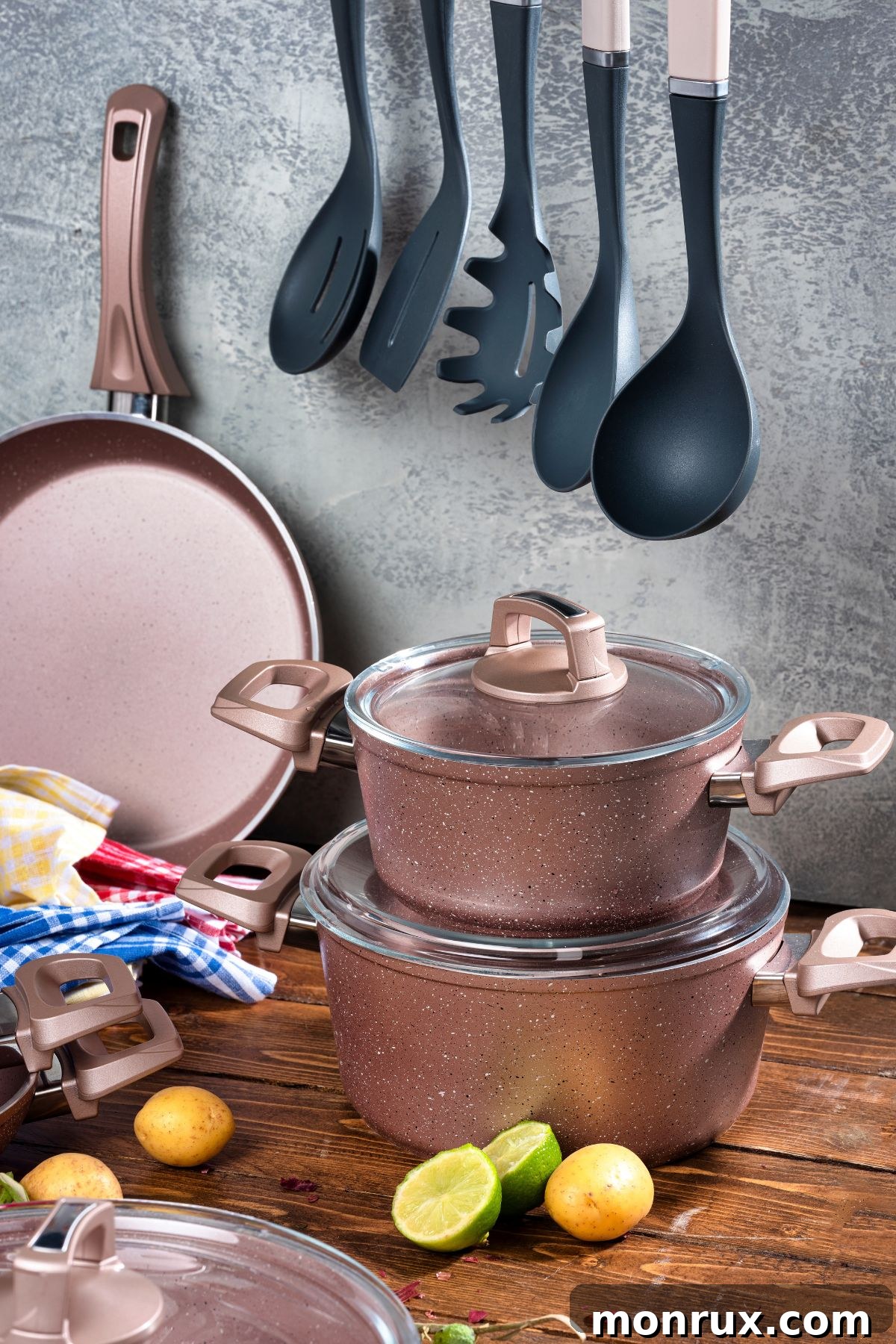
Beyond the primary appliances, a selection of quality cookware is absolutely essential for consistently preparing healthy, home-cooked meals. Each piece serves a specific purpose, contributing to a versatile and efficient cooking experience.
- Cast Iron Skillet: This incredibly versatile pan can transition seamlessly from stovetop to oven. Its heavy construction ensures even heat distribution, making it perfect for searing meats, sautéing vegetables, or baking cornbread. Cast iron develops a natural non-stick surface over time with proper seasoning and care. I highly recommend a Lodge bundle for excellent value.
- Ceramic-Coated Non-Stick Skillet: Ideal for delicate foods like eggs, pancakes, or breaded items, a good ceramic non-stick skillet allows you to cook with minimal oil, contributing to healthier meals. Look for brands known for their non-toxic coatings, such as the Greenpan brand, which I personally favor.
- Sauté Pan: Characterized by its straight, high sides, a sauté pan is perfect for tossing pasta dishes, creating vibrant stir-fries, or preparing healthy one-pot meals where ingredients need to be contained.
- Dutch Oven: This thick-walled pot with a tight-fitting lid is a true workhorse, suitable for both stovetop and oven use. It excels at making hearty stews, simmering flavorful soups, baking casseroles, preparing homemade stocks, and even baking artisan bread. Its ability to retain and distribute heat evenly is unmatched.
- Baking Sheet: A large, sturdy baking sheet is incredibly versatile for savory cooking. Use it for roasting entire chickens, preparing colorful sheet pan dinners with proteins and vegetables, or baking healthy snacks.
- Saucepan: Essential for boiling grains, simmering sauces, steaming vegetables, and much more. Alternatively, consider a saucier, which performs similar functions but boasts a rounded shape that many find easier to stir in and clean. A durable stainless steel saucepan is a reliable choice.
When selecting non-stick cookware, always verify that the coating is free from harmful chemicals. For comprehensive guidance on specific brands and the safest cooking materials, refer to my article on the safest cookware options.
6. High-Speed Blender
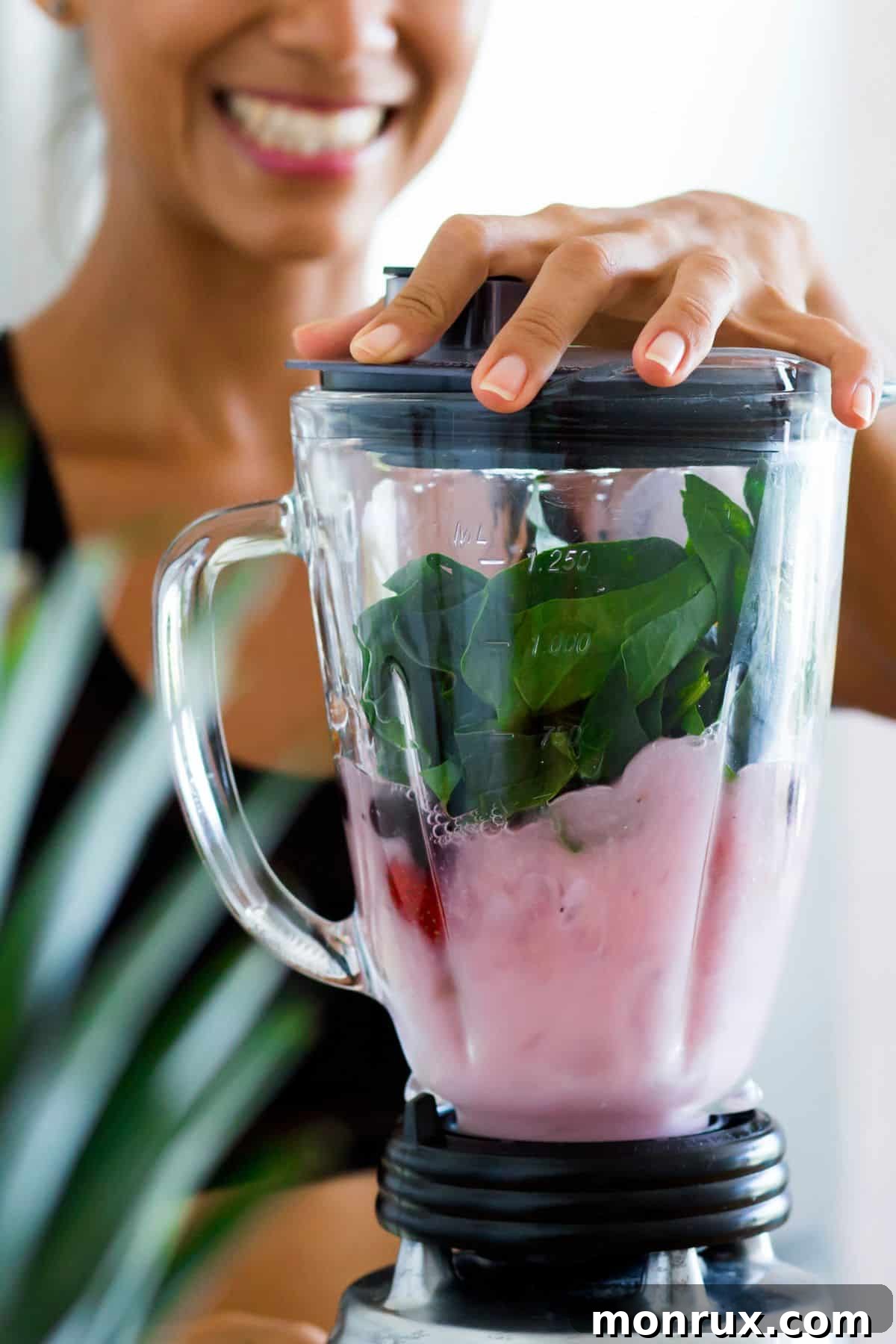
A high-speed blender is an indispensable asset for any clean-eating kitchen, transforming tough ingredients into silky-smooth creations in moments. Its powerful motor and rapidly spinning blades can pulverize fibrous vegetables, nuts, and even crush ice with remarkable efficiency. This makes it perfect for crafting a wide variety of healthy recipes:
- Nutrient-Packed Smoothies: Easily blend fruits, vegetables, and superfoods into delicious and convenient meals or snacks.
- Creamy Soups: Achieve perfectly smooth and velvety soups from cooked vegetables without needing to transfer them to a separate pot.
- Homemade Sauces and Dips: Create fresh pestos, hummus, salad dressings, and nut butters free from artificial additives.
- Nut Milks: Prepare fresh almond, cashew, or oat milk at home, controlling the ingredients entirely.
Many high-speed blenders generate enough friction from their powerful blades to even warm ingredients, allowing you to make hot soups directly in the pitcher. I personally rely on a Vitamix Explorian and wholeheartedly recommend it for its durability and performance. It enables me to make amazing recipes such as Vitamix Ice Cream, Vitamix Orange Juice, Vitamix Sorbet, Vitamix Tomato Soup, or Vitamix Green Juice. Explore my extensive collection of healthy smoothie recipes for more inspiration!
7. Cutting Board
Considering the extensive amount of slicing, dicing, and chopping involved in home cooking, a high-quality cutting board is an undeniable kitchen essential. For optimal food safety and to prevent cross-contamination, it is highly recommended to own at least two cutting boards: one dedicated solely to fresh produce and another for raw meats, poultry, and fish. A practical tip is to choose boards of different colors, making them easily distinguishable and preventing accidental misuse.
The debate between plastic and wood cutting boards is ongoing. While wooden boards can be more challenging to clean and sanitize, they are generally much kinder to your knife blades, helping them retain their sharpness longer. Plastic boards, on the other hand, are often dishwasher-safe and can be sanitized with bleach solutions. Regardless of the material you choose, meticulous hygiene is crucial: scrub your cutting boards thoroughly with hot, soapy water after every use, and store them upright to allow them to dry completely and prevent bacterial growth. I find this Bamboo cutting board to be an excellent and sustainable choice.
8. Food Storage Containers
One of the most rewarding aspects of cooking your own healthy meals is the potential for delicious and nutritious leftovers. These ensure you have convenient, healthy lunches or quick dinners for the following days, making meal prep a breeze. However, safe and effective storage is paramount to preserve freshness and prevent spoilage.
Investing in good quality, airtight food storage containers is crucial for keeping your leftovers safe and extending their shelf life. I highly recommend glass storage containers with lockable lids. Glass is non-reactive, doesn’t absorb odors or stains, is oven and microwave safe (without lids), and incredibly easy to clean. Lockable lids provide a spill-proof seal, making them perfect for transporting meals. Properly storing your food helps minimize waste and supports your clean eating goals.
For more insights into efficient meal preparation, explore my comprehensive meal prepping tips for beginners.
Bonus Recommendations for Advanced Healthy Cooking
While the foundational kitchen appliances discussed above are excellent for anyone new to healthy cooking or setting up their kitchen, these additional recommendations can elevate your culinary skills and make healthy meal preparation even more efficient and enjoyable. These bonus items are perfect for those ready to expand their cooking repertoire and embrace new technologies.
9. Air Fryer
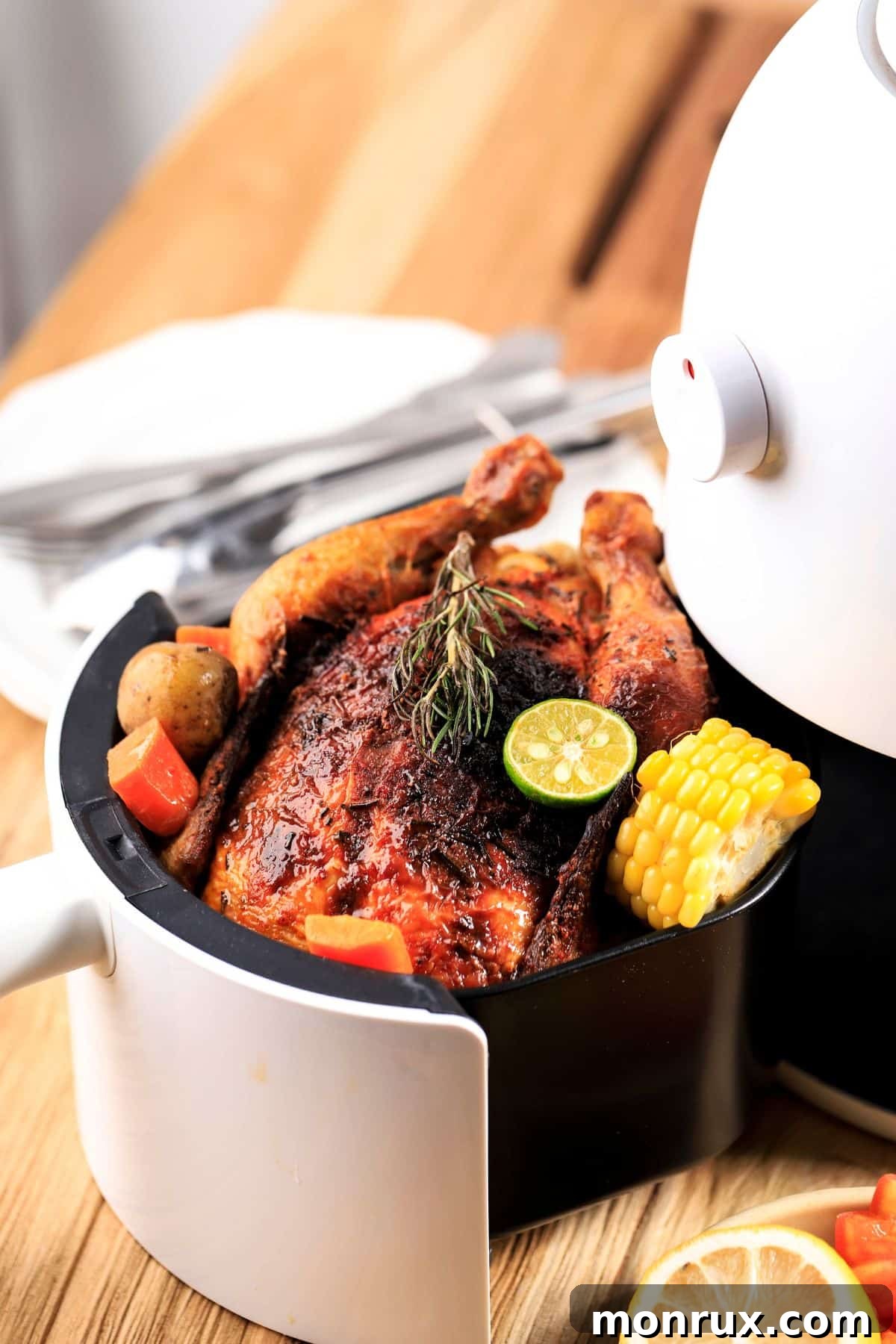
Air fryers have seen a meteoric rise in popularity over the past few years, and for excellent reasons. These countertop convection ovens use rapidly circulating hot air to cook food, mimicking the results of deep-frying with significantly less oil, making them a fantastic tool for healthier cooking. Their benefits include:
- Healthier Cooking: Drastically reduces the need for oil, resulting in meals with fewer calories and less fat.
- Crispy Texture: Delivers foods that are wonderfully crisp and crunchy, just like their deep-fried counterparts, satisfying cravings without the guilt.
- Ease of Use & Cleaning: Generally straightforward to operate and simple to clean, with many components often being dishwasher safe.
- Reheating Leftovers: Perfect for revitalizing leftovers, maintaining their original texture without making them soggy, unlike a microwave.
- Speed & Efficiency: Heats up much faster than a conventional oven and cooks smaller quantities more quickly and energy-efficiently.
Air fryers come in a range of designs, from basic models to sophisticated appliances that incorporate additional functions like baking, roasting, or dehydrating. To understand if an air fryer is right for you, explore the pros and cons of air frying. For a reliable option, I recommend the Cosori air fryer, or you can check out my full list of the best air fryers under $100.
10. Pressure Cooker
Modern pressure cookers are incredibly versatile kitchen appliances designed to significantly speed up cooking times while retaining nutrients and flavor. They work by trapping steam, which raises the internal pressure and temperature, allowing foods to cook much faster than conventional methods. This efficiency makes them ideal for busy individuals and families.
With a pressure cooker, you can achieve remarkable results: cook a whole chicken in a fraction of the usual time, prepare perfectly fluffy grains like rice or quinoa, or even make homemade yogurt. They are particularly excellent for tenderizing tougher, more affordable cuts of meat, transforming them into succulent dishes. A major advantage in our fast-paced world is the ability to cook ingredients straight from the freezer, eliminating the need for lengthy defrosting.
Beyond speed, the rapid cooking process in a pressure cooker helps preserve more vitamins and minerals, leading to healthier and more nutrient-dense meals. Gone are the days when pressure cookers were considered intimidating or unsafe. Today’s models boast a multitude of advanced safety features, including overheat protection, automatic pressure release valves, secure locking lids, and more, making them safe and user-friendly for any home chef.
Many contemporary pressure cookers are multi-functional, often combining the capabilities of a slow cooker, rice cooker, and sauté pan in one appliance. This “one-pot” functionality is incredibly convenient for streamlining meal preparation and reducing cleanup. I highly recommend the 6-quart Instant Pot Duo, and you can find a helpful beginner’s guide in my related article on How to Use the Instant Pot Duo for Beginners.
11. Slow Cooker
Imagine arriving home after a long, busy day to the comforting aroma of a delicious, hot meal that’s ready to eat. This dream becomes a reality with a slow cooker, an appliance designed for hands-off, “set it and forget it” cooking. You simply load your ingredients in the morning, and the slow cooker gently simmers them throughout the day, producing tender, flavorful dishes by evening.
This method of extended, low-temperature cooking is not only convenient but also inherently healthy, as it helps preserve the nutrients in your food. Slow cooking is incredibly energy-efficient and can also be very budget-friendly. The longer cooking times allow you to use cheaper cuts of meat that become incredibly tender, and you can incorporate inexpensive ingredients like dried beans, which are often healthier than their canned counterparts.
When selecting a slow cooker, consider models that feature an automatic “keep warm” setting. This function will switch to a low-heat setting once the food is cooked, ensuring your meal stays at the perfect serving temperature until you and your family are ready to enjoy it. My personal favorite is this versatile 8-quart slow cooker.
12. Food Processor
A food processor is an indispensable multi-functional kitchen gadget engineered to significantly simplify and accelerate your food preparation tasks. It excels at a wide range of functions, including whisking, slicing, chopping, shredding, blending, pureeing, and more. With a food processor, you can tackle arduous prep work in a fraction of the time, enabling you to create healthy, homemade meals much more quickly and efficiently.
Beyond basic chopping, a food processor empowers you to make healthier, homemade alternatives to many store-bought items. Think fresh, preservative-free sauces, vibrant salad dressings, and even homemade nut butters, giving you full control over the ingredients. For many, the most time-consuming part of cooking is the preparation of ingredients. By automating these tasks, a food processor makes the entire cooking process more enjoyable and less daunting, encouraging more frequent home cooking. I personally adore my Breville Sous Chef for its robust performance, but even a basic model like a Cuisinart food processor offers tremendous utility and is a worthwhile investment for any healthy kitchen.
13. Mixer or Hand Mixer
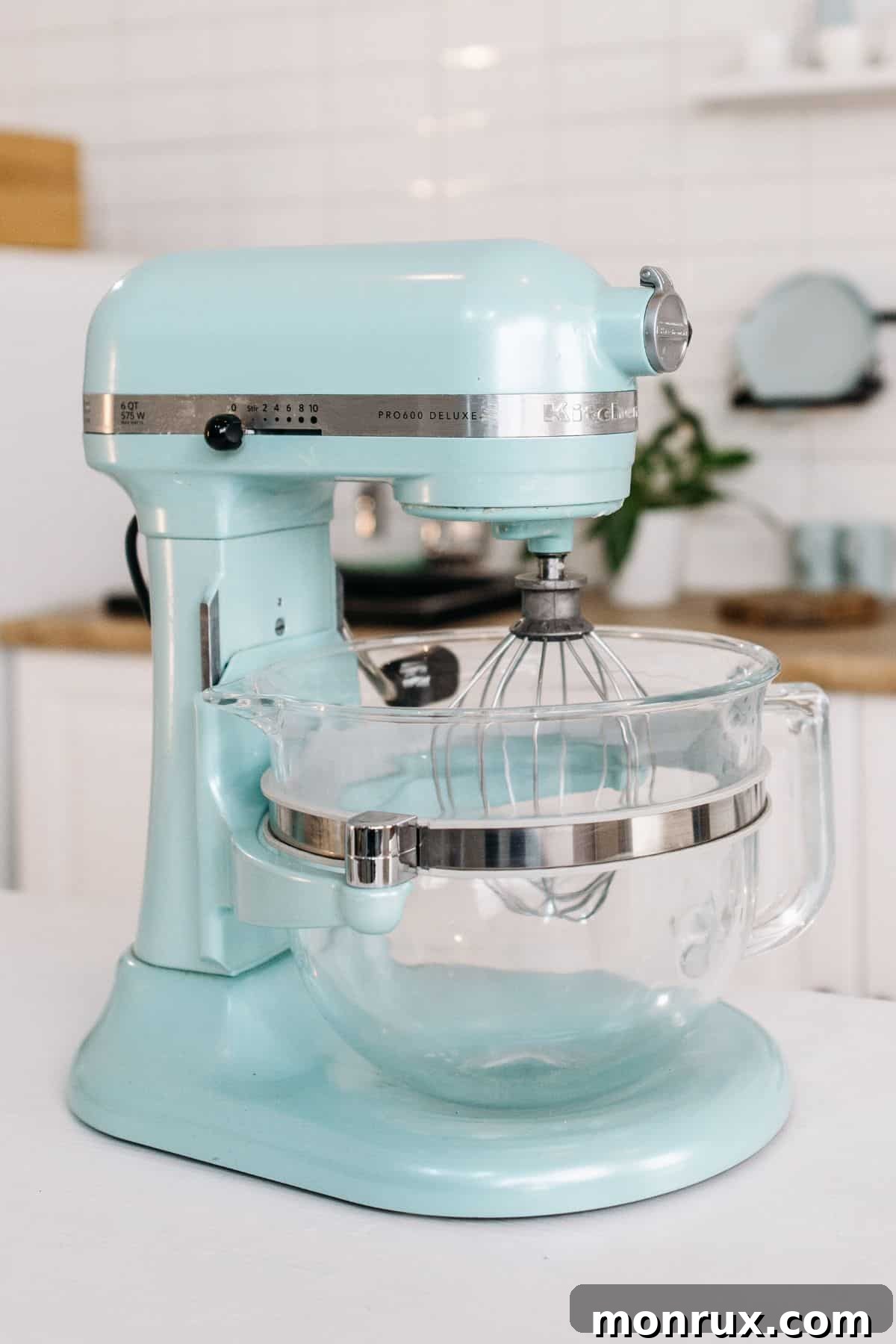
Another fantastic appliance designed to reduce manual effort in food preparation, particularly for baking and certain cooking tasks, is a mixer. Whether you’re kneading dough for homemade bread, whisking egg whites to perfection, or creaming ingredients for healthy desserts, a mixer takes on the strenuous work, freeing you up for other kitchen tasks and making healthy baking more accessible and enjoyable.
There are two primary types of mixers to consider, each suited for different needs:
- Stand Mixers: These robust and durable appliances are built for more intensive tasks, capable of handling long mixing times and large, heavy mixtures like bread dough or dense batters. A KitchenAid stand mixer is an iconic and timeless choice, known for its exceptional durability and versatility. It’s an investment that typically lasts a lifetime and can even be passed down through generations.
- Hand Mixers: More compact and portable, hand mixers are ideal for lighter tasks such as whisking up fluffy omelets, blending salad dressings, or whipping cream. A KitchenAid hand mixer also offers excellent quality and reliability at a more budget-friendly price point, making it a great addition for everyday needs.
Choosing between a stand mixer and a hand mixer depends on your typical cooking and baking habits, as well as your available kitchen space. Both are valuable tools for streamlining healthy meal preparation.
14. Hand-Immersion Blender
Maximizing efficiency and minimizing cleanup in the kitchen is always a priority for healthy home cooks, and an immersion blender, also known as a hand blender, excels at both. Its primary advantage is the ability to blend and puree ingredients directly in the pot or container in which they were cooked. This eliminates the messy transfer of hot liquids to a traditional blender pitcher, saving significant time and effort in washing up.
An immersion blender is ideal for creating velvety smooth, nutritious soups, silky sauces, homemade salad dressings, and creamy vegetable purees. Another key benefit is that you don’t have to wait for hot foods to cool down before blending them, which further speeds up the cooking process. Its compact design also means it takes up very little storage space, making it perfect for smaller kitchens. Complement your kitchen arsenal with this versatile KitchenAid hand immersion blender.
15. Food Steamer
Steaming is one of the healthiest cooking methods available, as it gently cooks food using moist heat, preserving nutrients, vibrant colors, and natural flavors without the need for added oils or fats. A quality food steamer is an excellent investment for anyone committed to clean eating, especially for preparing vegetables, fish, and dumplings.
You can opt for a simple yet effective stovetop steamer, often made of stainless steel, which fits into an existing pot. These are economical and functional for occasional use. If you plan to incorporate steaming regularly into your cooking routine and have sufficient counter space, a stand-alone digital food steamer offers greater convenience and often features multiple tiers for cooking different foods simultaneously. I highly recommend the Cuisinart digital food steamer for its efficiency and ease of use. For a budget-friendly alternative that still gets the job done, a simple steamer basket that can be placed inside any pot is a great starter option.
Bonus: Additional Appliances for Enhanced Healthy Cooking
The world of kitchen appliances for healthy cooking is vast and continually expanding. While the 15 items listed above cover the most essential and impactful tools, there are many other specialized gadgets that can further enhance your clean eating journey. These might include a dedicated rice cooker for perfectly cooked grains, a juicer for fresh, nutrient-dense beverages, or a food dehydrator for making healthy snacks. However, my advice for those embarking on their healthy cooking adventure is to start with the basics. Overwhelming yourself with too many gadgets at once can be counterproductive.
Begin by investing in the highest quality versions of the fundamental appliances you can afford. As you grow more confident and accomplished in the kitchen, and as your culinary needs evolve, you can gradually expand your collection. This approach ensures that each new appliance genuinely adds value to your healthy cooking routine without creating clutter or unnecessary expense.
The Myriad Benefits of Cooking at Home
Cooking at home offers an abundance of advantages for you and your loved ones, extending far beyond simply saving money. While some benefits are immediately obvious, others provide deeper, long-term positive impacts on your health, well-being, and lifestyle.
You Tend to Consume Fewer Calories
One of the most significant benefits of cooking at home is gaining control over your calorie intake. Pre-packaged, processed foods and restaurant meals are often laden with hidden fats, sugars, and overly generous portion sizes, contributing to excess calorie consumption. When you prepare your own meals, you become acutely aware of every ingredient that goes into your food. This allows you to choose high-quality ingredients, opt for leaner protein sources, incorporate more vegetables, and avoid unhealthy additives like excessive vegetable oils or non-organic produce. Research, such as findings highlighted by experts, indicates that regular home cooking is strongly associated with a reduced risk of obesity and an overall improvement in dietary quality, directly translating to better weight management and health outcomes.
Your Meals are More Nutritious
Beyond simply reducing calories, cooking at home empowers you to significantly enhance the nutritional density of your meals. While 200 calories of jelly beans offer minimal nutritional value, 200 calories from over a pound of broccoli deliver a vast array of essential vitamins, minerals, and fiber, making those calories far more valuable for your body. By avoiding processed foods, you naturally cut out harmful artificial additives, preservatives, and excessive sodium, which are prevalent in convenience foods and often contribute to chronic health issues. When you choose to cook from scratch, you’re more likely to select fresh, whole ingredients, ensuring your body receives the vital nutrients it needs. This not only lowers your risk of obesity but also contributes to improved overall health, increased energy levels, and stronger immunity.
Homemade Food Tastes Better!
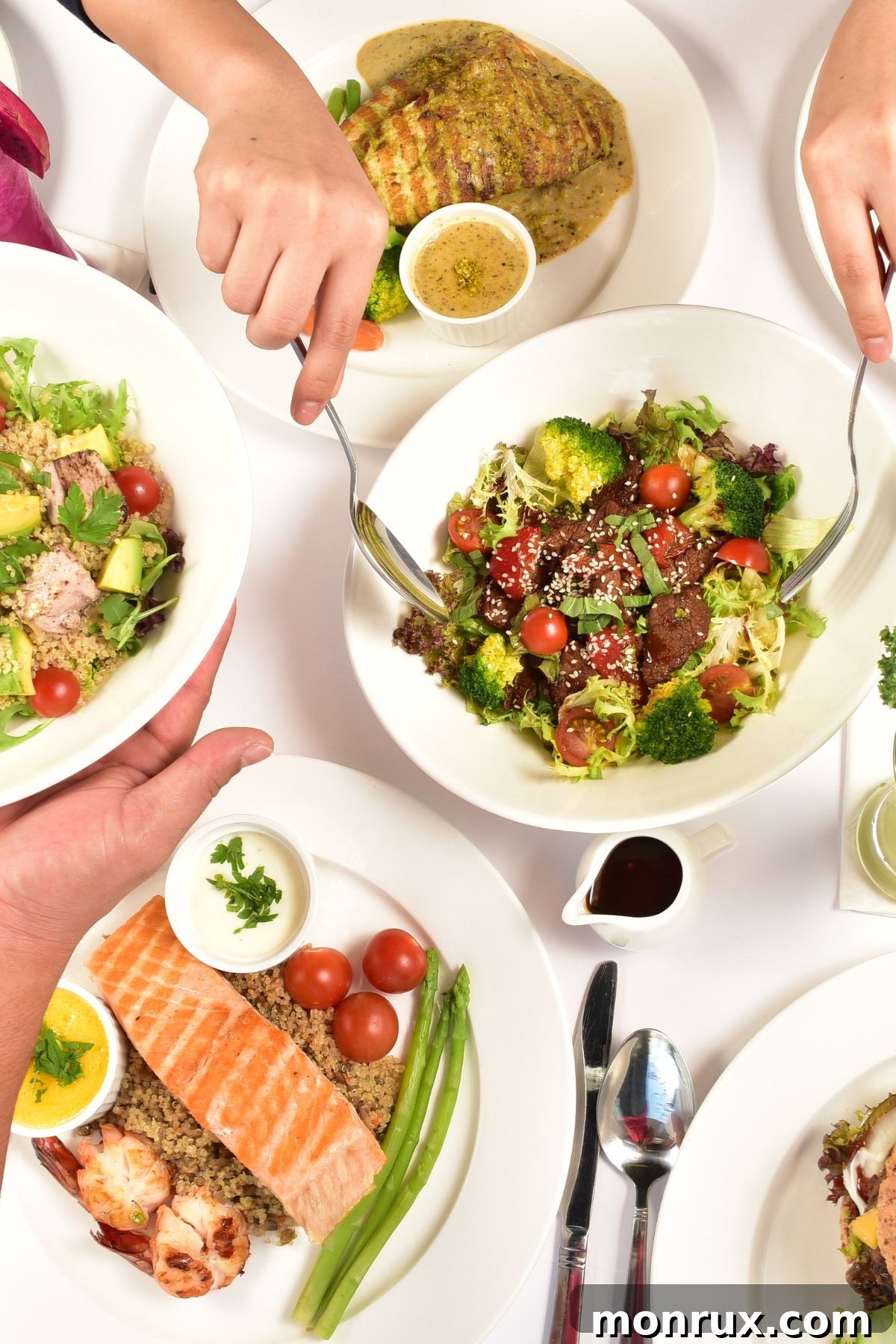
While food manufacturers strategically load processed foods with high amounts of salt, sugar, and artificial flavorings to make them appealing, do they truly offer a satisfying taste experience? Once you start preparing meals with fresh, whole, and healthy ingredients at home, you’ll discover a remarkable difference. The natural flavors of quality produce, herbs, and spices truly shine through, offering a depth and authenticity that processed foods simply cannot replicate. This transformation in taste perception often leads to a greater appreciation for food and a more enjoyable dining experience, opening up a whole new world of culinary delight.
You – and Your Family – Begin to Practice Mindful Eating
In our fast-paced modern lives, how often do we truly sit down, slow down, and savor a meal? Processed foods are often designed for quick consumption, leading to hurried eating with little thought or appreciation for what we’re consuming. In contrast, home-cooked meals foster an environment for mindful eating. The effort, time, and care invested in preparing a meal encourage you and your family to pause, appreciate the ingredients, and consciously experience each bite. This practice of mindful eating leads to greater satisfaction from your food, improved digestion, and cultivates a healthier, more positive relationship with eating, moving away from mindless consumption.
It Saves Money
There’s a persistent misconception that cooking fresh, healthy foods at home is an expensive endeavor. This couldn’t be further from the truth. In reality, preparing meals from scratch almost invariably works out to be less costly than consistently buying pre-packed convenience foods, and it’s significantly cheaper than dining out. By purchasing raw ingredients, especially seasonal produce and bulk staples, you can stretch your food budget considerably. Furthermore, if you take the step of growing some of your own ingredients, such as herbs or vegetables, the cost savings become even more substantial, making healthy eating both delicious and economically smart.
You’re in Control
For individuals managing food allergies, sensitivities, or specific dietary restrictions, navigating meals outside the home can be a constant challenge filled with anxiety. However, when you cook your own food, you gain complete and transparent control over every single ingredient. You know precisely what goes into each dish, ensuring that you can safely avoid any allergens or problematic components. This level of control also allows you to meticulously manage the amount of less-healthy ingredients, such as salt, sugar, or unhealthy fats, and to consistently prepare appropriate portion sizes, aligning perfectly with your personal health goals and dietary needs. This empowerment fosters peace of mind and significantly contributes to your overall well-being.
It Brings the Family Together
Cooking at home provides a wonderful opportunity for family bonding. Whether it’s the collaborative effort of preparing a meal together, where children can learn valuable life skills and traditions, or the simple act of gathering around the table to share a lovingly prepared homemade meal, these experiences foster connection and strengthen relationships. Creating “family favorite” recipes that are passed down through generations can become cherished traditions, rich with memories. Beyond immediate family, cooking together is also a fantastic activity for couples, deepening their bond, or a delightful way to spend an evening entertaining friends, fostering camaraderie and shared enjoyment.
Cooking at Home is Good for Your Mental Health
The act of cooking can be surprisingly therapeutic and beneficial for mental health. Engaging in the culinary process at the end of a busy day can serve as a wonderful stress reliever, providing a creative outlet and a tangible sense of accomplishment. The focus required for cooking can be a form of mindfulness, helping to clear your mind and reduce anxiety. Furthermore, the social aspect of sharing a home-cooked meal with others is incredibly powerful in combating feelings of isolation and depression. Witnessing the happiness and satisfaction that a thoughtfully prepared meal brings to friends and family is immensely rewarding, boosting your mood and fostering a sense of connection and purpose.
FAQs About Healthy Kitchen Appliances and Cooking
To ensure your healthy cooking efforts are successful and efficient, be mindful of these common pitfalls:
Overcooking: Exposing food to excessive heat or prolonged cooking times can lead to significant nutrient loss and result in dry, unappetizing dishes. Always adhere to the recommended cooking times and temperatures for your specific appliance and recipe. Using a food thermometer can help prevent overcooking meats and ensure they reach safe internal temperatures without drying out.
Using too much oil or fat: While some healthy fats are beneficial, it’s easy to overdo it, especially when trying to replicate traditional frying. Leverage the non-stick surfaces of your cookware and appliances (like air fryers) to minimize the need for added oils. Opt for healthier cooking methods like steaming, baking, or roasting, which require less fat. When oil is necessary, measure it precisely and choose healthy options like olive oil or avocado oil.
Not cleaning your appliance properly: Neglecting appliance hygiene can lead to food residue buildup, affecting performance, food taste, and creating breeding grounds for bacteria. Regularly clean all cooking surfaces, removable parts, and interiors according to the manufacturer’s instructions to maintain optimal functionality and ensure food safety.
Not following the recommended cooking times: Each appliance is designed for specific cooking requirements. Deviating from recommended times can result in undercooked food, posing health risks, or overcooked food, which lacks flavor and nutrients. Always read your appliance manual and recipe instructions carefully for best results.
For kitchens with limited space, versatility and compact design are key. Consider these excellent space-saving options for healthy cooking:
Multipurpose Appliances: Look for appliances that combine several functions. A high-speed blender, for example, can often act as a food processor, saving counter space. The Instant Pot is another prime example, serving as a pressure cooker, slow cooker, rice cooker, yogurt maker, and more, all in one compact unit.
Compact Air Fryer: Many brands offer smaller capacity air fryers that deliver all the benefits of air frying without occupying excessive counter space.
Handheld Immersion Blender: This slim tool eliminates the need for a bulky countertop blender for soups and sauces, blending directly in the pot and storing easily in a drawer.
Foldable Steamer Basket: Instead of a large stand-alone steamer, a collapsible steamer basket fits into various pot sizes and folds flat for storage.
Quality Chef’s Knife & Cutting Board: Focus on one high-quality chef’s knife and a single versatile cutting board if space is extremely tight, rather than a full block set.
More Healthy Cooking Resources You Might Like
Conclusion: Empowering Your Healthy Kitchen
Embracing a lifestyle of clean eating and healthy home cooking doesn’t have to be daunting. With the right kitchen appliances and tools, preparing delicious, nutritious meals can become an enjoyable, efficient, and deeply rewarding part of your daily routine. From the fundamental versatility of your stovetop and oven to the modern convenience of an air fryer or Instant Pot, each appliance on this list is chosen to support your health and culinary ambitions.
I sincerely hope this guide has provided valuable insights and inspiration for equipping your clean-eating kitchen. By investing in these essential tools and understanding their benefits, you’ll be well on your way to enjoying the countless advantages of wholesome, home-cooked creations for yourself and your family. Happy cooking!
Don’t forget to join my newsletter list to get exclusive clean eating recipes and tips directly to your inbox. It’s 100% free, spam-free, and you can unsubscribe anytime.
About the Author: Carrie Forrest holds a master’s degree in public health with a specialization in nutrition and is a certified holistic nutritionist. She is a leading wellness and food blogger, attracting over 5 million annual visitors to her site. Carrie shares an inspiring story of recovery from chronic illness and is passionately dedicated to empowering other women to transform their health journeys. Feel free to reach out to her via her contact form.
Note: This post is provided for informational purposes only and should not be considered medical advice. Please consult with your healthcare provider for personalized recommendations pertinent to your individual health situation.