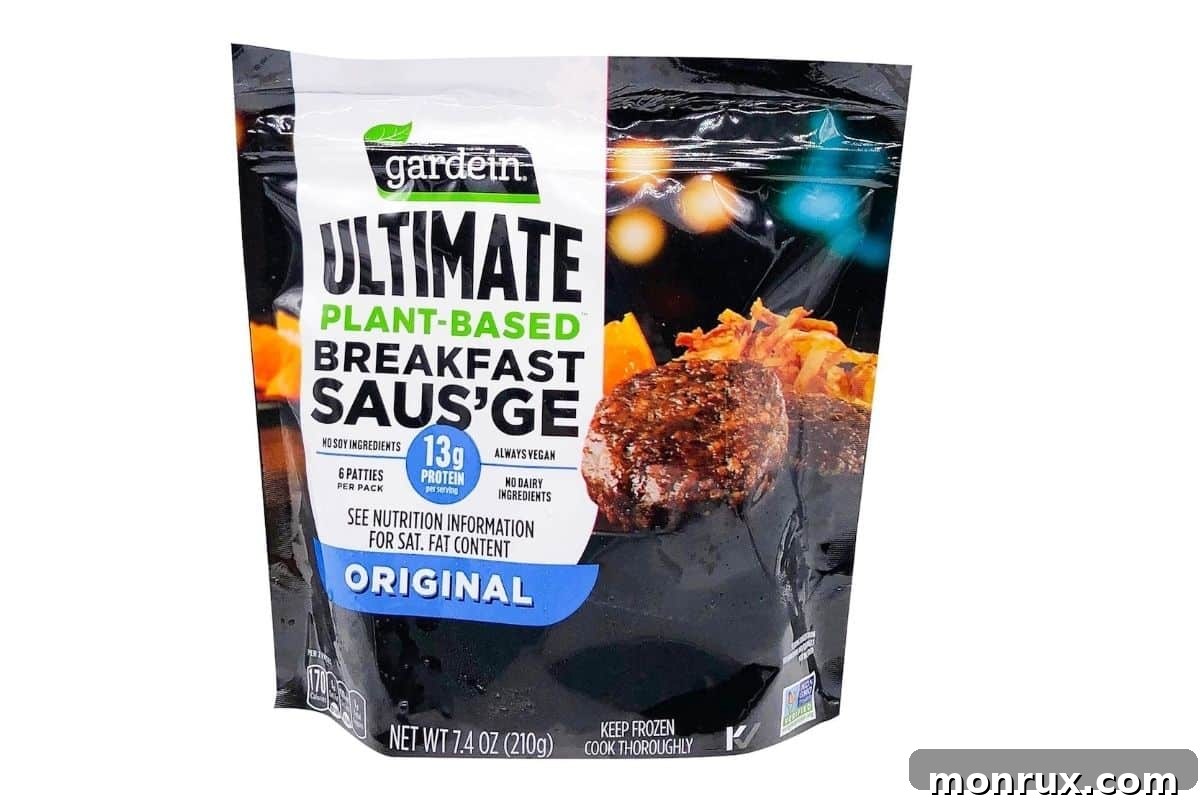
In the evolving landscape of modern diets, plant-based alternatives have surged in popularity, offering a compelling choice for those seeking to reduce meat consumption. Among these, Gardein plant-based meat products have established themselves as a prominent brand, found in grocery store freezers nationwide. This article aims to provide a comprehensive review, from a nutritionist’s perspective, to answer the critical question: Are Gardein plant-based meat products truly healthy? We will meticulously examine the nutritional pros and cons, delve into the intricacies of their ingredients, and ultimately offer guidance on better, whole-food alternatives for a truly nutritious plant-based diet. As a nutritionist, my professional opinion is that Gardein meat substitutes are not the healthiest choice due primarily to their highly processed nature and the inclusion of several questionable ingredients.
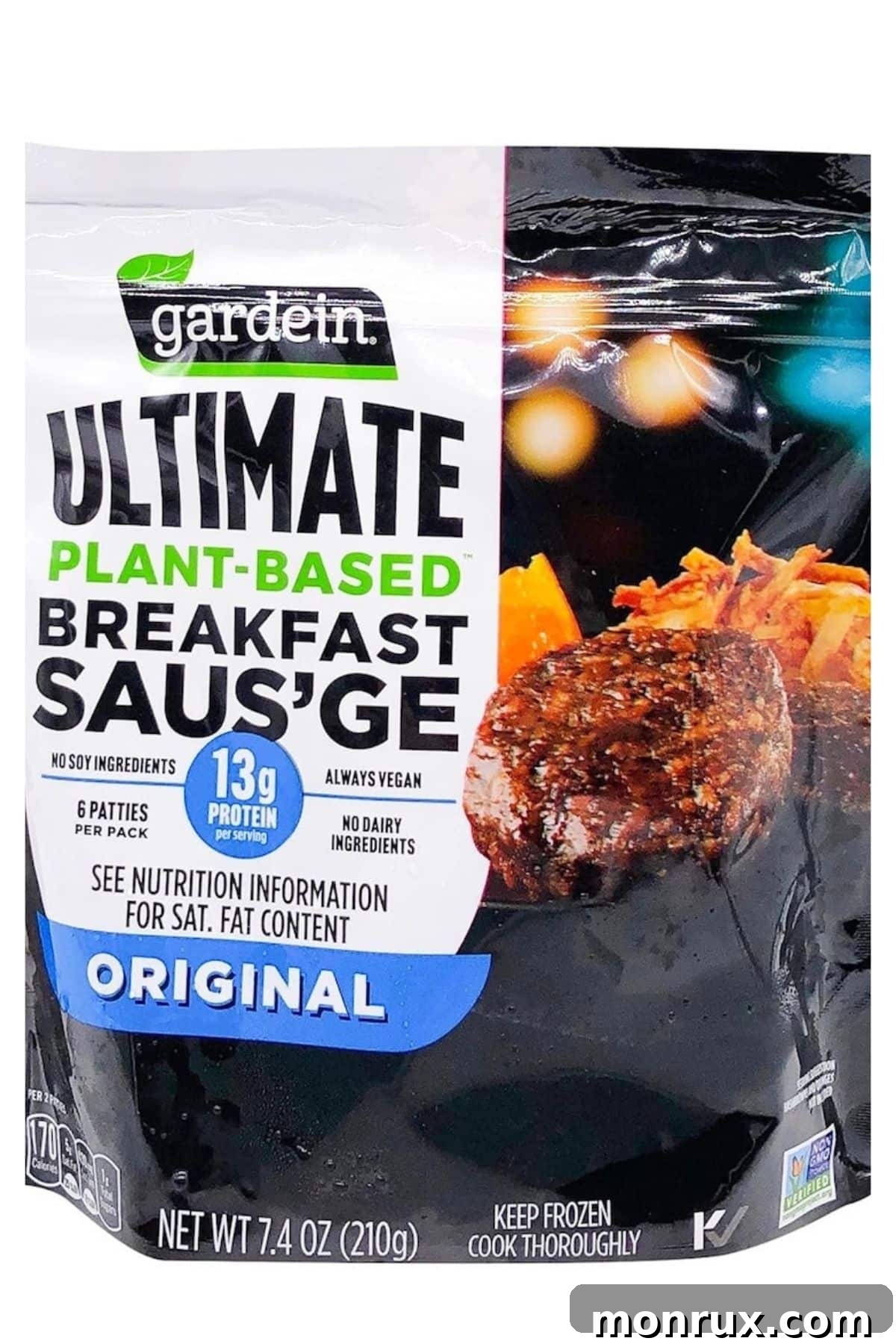
Gardein Facts Overview
Gardein is a widely recognized brand in the manufactured food industry, specifically focusing on plant-based meat alternatives. Its product line is meticulously engineered to replicate the sensory experience of various animal-based proteins, including the taste, texture, and cooking properties of hot dogs, meatballs, chicken tenders, ground beef, and an extensive array of other traditional meat products. This innovative approach makes Gardein products particularly appealing to a diverse consumer base.
The Gardein brand is part of the extensive portfolio of Conagra Brands, a major American food conglomerate. Conagra is known for its wide reach in the packaged food sector, and its ownership of Gardein underscores the growing mainstream appeal and commercial potential of plant-based foods. Gardein’s market strategy targets vegetarians, vegans, and flexitarians – individuals who are either fully committed to plant-based diets or those looking to incorporate more plant-based options into their eating habits. These consumers often choose meat alternatives for ethical considerations, religious dietary restrictions, environmental concerns, or perceived health benefits.
Currently, Gardein offers an impressive and expanding selection of fake meat products, categorized into several distinct ranges, each designed to cater to different culinary needs and preferences:
- Chick’n and Turk’y: This range includes versatile options such as Chick’n Fillets, Chick’n Strips, Turk’y Roast, and Savory Stuffed Turk’y, providing plant-based versions of poultry classics.
- Beefless and Porkless: Aimed at mimicking red and white meats, this category features Meatballs, Breakfast Saus’ge, Ground Be’f Crumbles, and Sweet and Sour P’rk Bites.
- Fishless: For seafood lovers, Gardein offers Crispy Breaded F’sh Filets, F’sh Filets, and Mini Cr’b Cakes, providing ocean-inspired alternatives without actual fish.
- Meals: This convenient range offers ready-to-eat solutions like Be’f and Broccoli Bowl, Meatball Marinara Bowl, Chick’n Fried Rice Bowl, Sweet & Sour Chick’n Bowl, and Be’f Burrito Bowl.
- Soups & Chilis: Catering to comfort food desires, this line includes options such as Be’f & Vegetable Soup, Chick’n & Rice Soup, Chick’n Noodl’ Soup, Chili No Beans, and Chili With Beans.
These processed foods are readily available at most grocery stores, positioned as quick and easy ways to prepare plant-based dishes at home. They are specifically engineered for their versatility and convenience, appealing to busy individuals who seek to incorporate more plant-based foods into their daily diets without the need for extensive cooking or ingredient sourcing. However, it’s crucial to acknowledge that while they offer convenience, they also commonly feature ingredients like soy protein isolate, vital wheat gluten, and canola oil, alongside various seasonings and additives such as methylcellulose and titanium dioxide. Furthermore, many Gardein products are notable for being high in sodium and contain common allergens like soy and wheat, which are important considerations for consumers with specific dietary needs or sensitivities.
Decoding Gardein Ingredients
To understand whether Gardein products are a healthy choice, it’s essential to scrutinize their ingredient list. While specific formulations can vary slightly across different products, a typical Gardein item, such as their Plant-Based Breakfast Saus’ge, usually contains a selection of ingredients similar to the following:
- Water
- Soy protein isolate
- Canola oil
- Vital wheat gluten
- Yeast extract
- Vinegar
- Pea protein isolate
- Methylcellulose
- Potato starch
- Organic cane sugar
- Modified vegetable gum
- Sea salt
- Spices (e.g., black pepper, sage, paprika)
- Onion powder
- Garlic powder
- Beetroot powder (for color)
- Natural flavors
- Yeast
- Salt
Let’s delve deeper into some of these key ingredients to understand their potential impact on your health and overall nutritional profile.
Enriched Wheat Flour and Vital Wheat Gluten
Enriched wheat flour and vital wheat gluten are foundational ingredients in many Gardein products, primarily contributing to texture and structure. Enriched wheat flour undergoes a refining process where the bran and germ are removed, resulting in a finer texture and longer shelf life. While it is subsequently fortified with certain nutrients like iron and B vitamins (folic acid, thiamine, riboflavin, niacin), which are crucial for energy metabolism and various bodily functions, this enrichment does not fully restore the nutritional value of whole grains. The key drawback is that this highly processed flour lacks the natural fiber, antioxidants, and trace minerals found in whole grain flour. Consequently, its rapid digestion can lead to quick spikes in blood sugar levels, which over time may contribute to insulin resistance and increase the risk of chronic health issues.
Vital wheat gluten, a protein extracted from wheat flour, is used to enhance the elasticity and chewiness of Gardein’s meat alternatives, making them more closely mimic the texture of animal meat. However, for individuals with gluten sensitivity, Celiac disease, or other digestive health concerns, wheat flour and vital wheat gluten can trigger adverse reactions such as bloating, abdominal pain, and intestinal damage. Even for those without diagnosed sensitivities, a diet high in refined grains and gluten can sometimes contribute to gut inflammation and digestive discomfort. Choosing whole grains over refined versions is generally recommended for optimal digestive health and stable blood sugar.
Industrial Seed Oils: Canola and Sunflower Oil
Gardein products frequently contain industrial seed oils such as canola oil and sunflower oil. These oils are ubiquitous in processed foods due to their low cost and neutral flavor. However, they are often a source of contention in nutritional circles. These oils are typically extracted using harsh chemical solvents, such as hexane, and then undergo extensive processing, including bleaching and deodorization, which can deplete beneficial nutrients and create undesirable byproducts. The primary concern with canola and sunflower oils is their **high omega-6 fatty acid content**.
While omega-6 fatty acids are essential, the standard Western diet often features a skewed ratio of omega-6 to omega-3 fatty acids, heavily favoring omega-6. This imbalance is believed to contribute to systemic inflammation, potentially exacerbating conditions like arthritis, cardiovascular disease, and inflammatory bowel disorders. Maintaining a balanced omega-6 to omega-3 ratio is crucial for anti-inflammatory processes in the body. Furthermore, a significant portion of canola and sunflower crops are derived from genetically modified organisms (GMOs), which raises additional concerns for some consumers regarding long-term health effects and environmental impact, even though regulatory bodies generally deem them safe. Healthier fat alternatives, such as olive oil, avocado oil, or coconut oil, which are less processed and have a more balanced fatty acid profile, are generally preferred.
Soy Protein Isolate (SPI): A Closer Look
Soy protein isolate (SPI) is a highly processed protein derivative sourced from soybeans, widely used in plant-based products to boost protein content. To produce SPI, soybeans undergo a complex multi-step process involving washing with an acid solution or alcohol to remove fats and carbohydrates, followed by neutralization and drying. This extensive processing strips away many of the beneficial nutrients found in whole soybeans, such as fiber, healthy fats, and isoflavones in their natural state.
While SPI provides a complete protein profile, concerns have been raised regarding its potential health implications. Some studies suggest that the high concentration of isoflavones in isolated soy protein might have estrogenic effects in the body, which could be a concern for individuals with hormone-sensitive conditions. Additionally, the processing itself can lead to the formation of undesirable compounds. For these reasons, many nutritionists recommend consuming whole, minimally processed soy foods like edamame, tempeh, or tofu, rather than highly refined soy isolates, to reap the full benefits of soy without potential drawbacks. The use of SPI indicates a product’s highly processed nature, moving it further away from whole food nutrition. More information can be found on these potential health concerns regarding SPI.
Pea Protein: The Plant-Based Booster
Pea protein, derived from yellow peas, has become a popular high-quality plant-based protein ingredient. Its rise in popularity is due to its impressive amino acid profile, including a good amount of branched-chain amino acids, making it a complete protein. Food manufacturers extensively use it to enhance the protein content of various products, including protein powders, nutrition bars, and, of course, plant-based meat alternatives like Gardein. Rich in iron and naturally suitable for vegans, pea protein is often chosen by those seeking a dairy-free and soy-free protein source.
However, despite its benefits, it’s important to recognize that pea protein is still a processed ingredient. While generally well-tolerated, individuals with sensitivities to legumes may experience digestive discomfort. Furthermore, research indicates that the bioavailability of pea protein is significantly lower compared to animal-based proteins such as whey. This means the body may not absorb and utilize pea protein as efficiently as it does animal proteins, which is a consideration for those focused on muscle building or maximizing protein intake for specific health goals. While a good source of protein, it should be viewed within the context of a whole-food diet.
Methylcellulose: The Texture Enhancer
Methylcellulose is a synthetic compound synthesized from cellulose, a naturally occurring polymer found in the cell walls of plants. In the food industry, it serves as a crucial functional ingredient, primarily utilized as a thickening agent, emulsifier, and stabilizer. Its unique property of gelling when heated and melting when cooled makes it invaluable for replicating the desired texture and consistency of traditional meat products in highly processed plant-based alternatives like Gardein.
Despite its widespread use, methylcellulose offers no nutritional value; our bodies cannot metabolize it. It passes through the digestive system largely unchanged, essentially acting as a filler. While generally recognized as safe (GRAS) by regulatory bodies, it can cause digestive issues in some individuals, particularly when consumed in larger quantities. Common complaints include bloating, gas, and general gastrointestinal discomfort. Its presence is a clear indicator of a highly processed food product, designed more for sensory mimicry and shelf stability than for intrinsic nutritional benefit.
Titanium Dioxide: The Color Additive
Titanium dioxide (TiO2) is a mineral-based white pigment commonly employed across various industries, including food, cosmetics, and paints. In food products like some Gardein items, it is used to enhance whiteness, brightness, and opacity, making the product visually more appealing or to achieve a certain look. However, despite its widespread use and approval by some regulatory bodies, a growing body of research has raised significant concerns about its potential adverse health effects.
Studies suggest that titanium dioxide nanoparticles, which can be present in the food-grade form, may accumulate in the body over time. This accumulation has been linked to oxidative stress, a process that can lead to cellular damage and inflammation. Emerging evidence also indicates that titanium dioxide can have detrimental effects on the gut microbiome, potentially disrupting the delicate balance of beneficial bacteria crucial for digestive and immune health. Furthermore, some health agencies, particularly in Europe, have classified titanium dioxide as a potential human carcinogen when inhaled, prompting stricter regulations in certain regions. While the FDA and other regulatory bodies in the US deem titanium dioxide safe in small quantities, the ongoing research and evolving understanding highlight the need for caution, especially concerning long-term or high-volume consumption of products containing this additive. Its inclusion definitely signals a highly processed food item.
Natural Flavors: The Mystery Ingredient
The term “natural flavors” frequently appears on ingredient labels, including those of Gardein products, and often leads to consumer confusion. The lack of a precise and stringent regulatory definition for this term grants manufacturers considerable leeway. It broadly encompasses any flavoring derived from a natural source, such as a spice, fruit, vegetable, edible yeast, herb, bark, bud, root, leaf, or similar plant material, meat, seafood, poultry, eggs, dairy products, or fermentation products thereof. However, this definition is notably vague and does not specify the numerous processes, solvents, or additives that can be involved in creating these flavors.
Contrary to popular belief, “natural flavors” are not simply extracts of whole foods. They are often complex chemical concoctions developed in laboratories by flavor chemists to mimic specific tastes. The creation of these flavors can involve various undisclosed methods, some of which may utilize artificial substances as processing aids or potentially harmful chemical solvents. For instance, processes might include chemical extraction, high-heat treatments, or enzyme-assisted extractions, any of which could leave behind unwanted chemical residues in the final product. This significant lack of transparency means that consumers cannot truly know what they are ingesting when they see “natural flavors” on an ingredient list. For health-conscious individuals, this ambiguity is a major concern, as it prevents informed dietary choices and potentially exposes them to compounds that may not align with their health goals or dietary restrictions. The presence of “natural flavors” is a hallmark of ultra-processed foods, where flavor is added back after extensive processing, rather than coming from whole, natural ingredients.
Nutrition Pros: The Upsides of Gardein
While Gardein products are not typically considered a cornerstone of a healthy diet for most people due to their highly processed nature and complex ingredient lists, they do offer certain advantages that contribute to their popularity and serve specific dietary needs. It is important for those on a vegan or plant-based diet to understand that these products, while meat-free, should likely not be consumed regularly as a primary protein source. However, their convenience and accessibility do fill a niche.
One of the most significant “pros” of Gardein products is their convenience, ease of preparation, and quick cooking time. For individuals with busy lifestyles, or those new to plant-based eating, Gardein offers a simple way to incorporate plant-based meals into their diet without the need for extensive cooking skills or significant preparation. This can be particularly helpful for families transitioning to a flexitarian or vegetarian diet, providing familiar flavors and textures that make the change less daunting.
Gardein also provides a wide range of options that can satisfy cravings for specific meat products, which can aid in the reduction of animal meat consumption. For some, reducing red meat intake may offer certain health benefits, such as decreased intake of saturated fat and cholesterol. Moreover, Gardein offers some products that are soy-free (consumers should always refer to the Gardein website or product labels for the most up-to-date ingredient information), which caters to individuals with soy allergies or sensitivities, broadening the appeal within the plant-based community.
Despite these points, it’s crucial to consult your healthcare provider or a registered dietitian before making significant dietary changes or incorporating highly processed foods from companies like Gardein, Beyond Meat, or Impossible Burger into your regular diet. These products should be viewed as occasional convenience items rather than staples in a truly healthy, whole-food plant-based eating pattern.
Nutrition Cons: The Downsides of Gardein
Despite their popularity and appeal as convenient plant-based alternatives, Gardein products come with several significant health drawbacks that warrant careful consideration. These concerns primarily stem from their manufacturing process and ingredient composition, which position them firmly in the category of ultra-processed foods.
The most overarching concern is that these products are highly processed. This means they undergo extensive industrial procedures, stripping away much of the natural fiber, vitamins, and minerals found in whole ingredients. In their place, Gardein products often contain a host of unhealthy additives and questionable ingredients. As extensively discussed, these include methylcellulose (a synthetic thickener), titanium dioxide (a controversial color additive), various forms of sugars like organic cane sugar, heavily refined soy protein isolate, yeast extract (often used for umami flavor and sometimes containing MSG), vital wheat gluten (a highly concentrated protein), and refined industrial seed oils such as canola and sunflower oil. The long-term consumption of these ingredients may contribute to inflammatory responses, blood sugar dysregulation, and a lack of essential nutrients, potentially impacting overall health.
Furthermore, the inclusion of “natural flavors” presents a transparency issue. As detailed earlier, this vague term can mask complex chemical formulations and processing aids, preventing consumers from knowing the true nature of what they are consuming. This lack of clear ingredient disclosure is a major concern for health-conscious individuals.
Additionally, many Gardein products are notoriously high in sodium, a factor that can contribute to high blood pressure and increased risk of cardiovascular disease, especially with regular consumption. They also frequently contain common allergens such as soy and gluten, posing risks and restrictions for sensitive individuals. The cumulative effect of these processed ingredients, high sodium content, and potential allergens makes Gardein products a less-than-ideal choice for promoting optimal health, particularly when aiming for a clean, whole-food-based diet.
Healthier Vegan Recipes to Try Instead
Final Thoughts on Gardein
In conclusion, while Gardein plant-based meat products offer undeniable convenience and appeal to those seeking plant-based alternatives, a critical examination of their composition reveals significant health considerations. These products are unequivocally highly processed, incorporating a range of potentially concerning ingredients such as methylcellulose, titanium dioxide, various forms of sugars, soy protein isolate, and elevated levels of sodium. The ambiguity surrounding “natural flavors” further complicates their nutritional profile, and the presence of common allergens like soy and gluten can pose specific risks for sensitive individuals.
From a nutritionist’s standpoint, consistently choosing these plant-based proteins at the grocery store does not align with the principles of a truly healthy and wholesome diet. A far superior and healthier alternative involves preparing your own plant-based meals using whole, unprocessed, and natural ingredients. Embrace the richness of nature’s bounty by incorporating staples such as black beans, lentils, quinoa, and an abundance of fresh vegetables. Season your creations with natural herbs and spices to develop depth of flavor without relying on artificial additives or excessive sodium. Prioritizing whole foods will not only provide superior nutrition but also support overall well-being and long-term health, moving away from the pitfalls of ultra-processed convenience foods.
Don’t forget to join my newsletter list to get exclusive clean eating recipes and tips. The newsletter is 100% free with no spam; unsubscribe anytime.
About the Author: Carrie Forrest has a master’s degree in public health with a specialty in nutrition and is a certified holistic nutritionist. She is a top wellness and food blogger with over 5 million annual visitors to her site. Carrie has an incredible story of recovery from chronic illness and is passionate about helping other women transform their health. Send her a message through her contact form.
Note: this post is for informational purposes only and is not intended as medical advice. Please consult your healthcare provider for recommendations related to your individual situation.