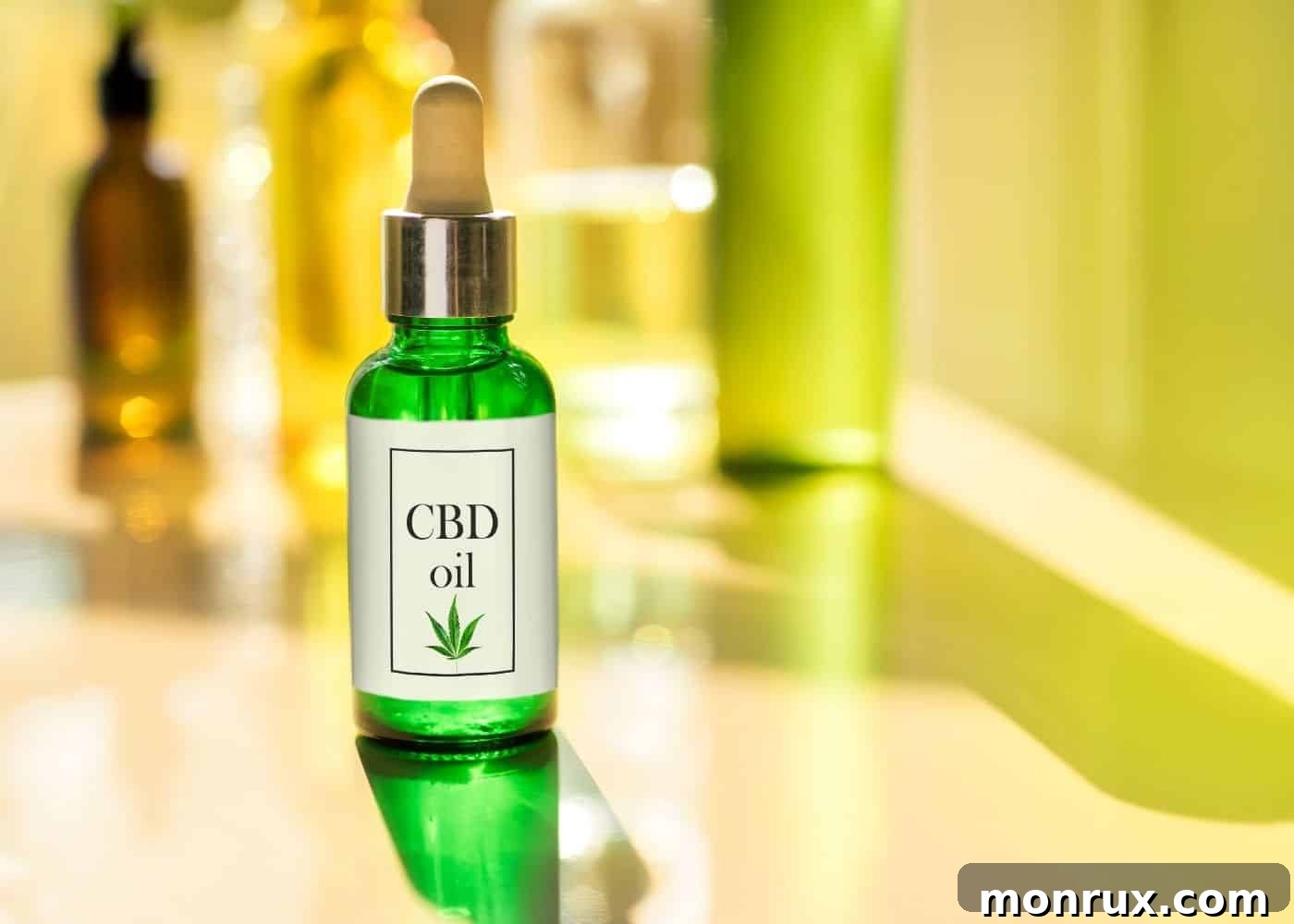
Unlock the potential benefits of CBD (Cannabidiol) and explore the extensive research being conducted into its applications for a wide array of health challenges, including anxiety disorders, epilepsy, chronic pain, alcoholism, migraines, skin conditions, and more. This comprehensive guide aims to demystify CBD, providing clarity on its origins, mechanisms, and the growing body of evidence supporting its therapeutic promise.

What is CBD Oil?
CBD oil has rapidly emerged as a prominent wellness supplement, drawing significant attention for its diverse potential health benefits. CBD, short for cannabidiol, is one of more than a hundred naturally occurring compounds known as cannabinoids found in the cannabis plant. Unlike its more famous cousin, tetrahydrocannabinol (THC), CBD is entirely non-psychoactive, meaning it does not produce the “high” associated with marijuana use.
The journey of CBD from plant to oil begins with its extraction from the cannabis plant, primarily industrial hemp. Hemp is a variety of cannabis specifically cultivated to contain very low levels of THC (typically below 0.3%). This distinction is crucial, as it underpins CBD’s legal status and non-intoxicating properties. After extraction, which often involves methods like CO2 extraction or ethanol extraction to isolate the beneficial compounds, the raw CBD extract is then diluted with a carrier oil. Common carrier oils include hemp seed oil, MCT oil (derived from coconuts), or olive oil, which enhance absorption and palatability. This blend creates the CBD oil tincture, a versatile product widely used for various wellness applications.
The growing interest in CBD stems from its unique interaction with the human body’s intricate regulatory system, the endocannabinoid system (ECS). Understanding this interaction is key to appreciating CBD’s potential therapeutic effects.
The Endocannabinoid System and CBD
The human body is equipped with an extraordinary biological system known as the Endocannabinoid System (ECS), a complex cell-signaling network that plays a vital role in maintaining internal balance, or homeostasis. The ECS influences a wide range of physiological processes, including mood, sleep, appetite, pain sensation, immune response, and memory.
The ECS comprises three main components: endocannabinoids (cannabinoids produced naturally by the body), cannabinoid receptors (CB1 and CB2 receptors found throughout the body), and enzymes that break down endocannabinoids once their function is complete. CB1 receptors are predominantly located in the brain and central nervous system, influencing cognition, mood, and pain. CB2 receptors are primarily found in the peripheral nervous system, especially in immune cells, impacting inflammation and immune function.
Phytocannabinoids, like CBD, are plant-derived cannabinoids that can interact with our ECS. While THC directly binds to CB1 receptors to produce its psychoactive effects, CBD’s interaction is more subtle and indirect. Instead of directly binding, CBD appears to influence the ECS by enhancing the body’s natural endocannabinoids, potentially by inhibiting the enzymes that break them down. It can also interact with other non-cannabinoid receptors, such as serotonin receptors, which explains its potential role in managing anxiety and mood. This complex interplay allows CBD to exert its therapeutic effects without causing intoxication, making it a subject of extensive scientific inquiry.
Types of CBD: Full-Spectrum, Broad-Spectrum, and Isolate
As the CBD market evolves, consumers encounter various product types, primarily categorized into full-spectrum, broad-spectrum, and CBD isolate. Each type offers a distinct composition, influencing its potential effects.
- Full-Spectrum CBD: This type contains all the naturally occurring compounds found in the hemp plant, including other cannabinoids (like trace amounts of THC, CBN, CBG), terpenes, flavonoids, and essential oils. The presence of these multiple compounds is believed to create an “entourage effect,” where they work synergistically to enhance each other’s therapeutic benefits. Although full-spectrum CBD contains THC, it’s always below the legal limit of 0.3%, ensuring it remains non-psychoactive.
- Broad-Spectrum CBD: Broad-spectrum CBD is similar to full-spectrum but undergoes an additional process to remove all detectable traces of THC. It retains other beneficial cannabinoids, terpenes, and flavonoids, allowing users to experience a near-entourage effect without any concern for THC content. This is an excellent option for individuals who wish to avoid THC entirely, whether due to personal preference, drug testing concerns, or sensitivities.
- CBD Isolate: As the name suggests, CBD isolate is the purest form of CBD, containing 99% pure cannabidiol and nothing else. All other plant materials, including cannabinoids, terpenes, and flavonoids, are completely removed during the extraction and purification process. Isolate products are odorless and tasteless, making them a popular choice for those who want to experience CBD’s benefits without any other compounds, or for use in cooking and DIY products. While it lacks the entourage effect, isolate still offers individual benefits attributed to CBD.
Choosing the right type of CBD often depends on individual needs, desired effects, and personal sensitivities. Consulting with a healthcare professional can help guide this decision.
Potential Uses and Benefits of CBD Oil
Research into CBD’s therapeutic potential is ongoing, with many studies yielding promising results across a spectrum of health conditions. While it’s vital to note that CBD is not a cure-all and further human trials are needed, preliminary findings and anecdotal evidence suggest it may offer significant relief for numerous symptoms and disorders. As always, please consult your healthcare provider to determine if CBD is appropriate for your individual health needs and to discuss potential interactions with other medications.
Anxiety and Depression Relief
One of the most widely reported benefits of CBD is its potential to alleviate symptoms of anxiety and depression. Studies suggest CBD may interact with serotonin receptors in the brain, which play a crucial role in mood regulation. By influencing these receptors, CBD could help mitigate feelings of panic, improve social anxiety, and provide a calming effect without the sedative side effects often associated with traditional anxiolytics. Its potential antidepressant effect is also being explored, offering a natural adjunct to conventional treatments for various anxiety disorders, including generalized anxiety disorder, panic disorder, and post-traumatic stress disorder (PTSD).
Managing Chronic Pain and Joint Issues
CBD’s anti-inflammatory and analgesic properties make it a compelling candidate for chronic pain management. It interacts with the ECS to influence pain perception and reduce inflammation throughout the body. Research has demonstrated significant pain relief with both systemic and topical application of CBD, particularly for conditions like arthritis. By reducing joint swelling and discomfort, CBD can enhance mobility and quality of life for those suffering from inflammatory joint diseases. Furthermore, cannabinoids, including CBD, are increasingly being recognized for their role in managing neuropathic pain and conditions like multiple sclerosis, fibromyalgia, and certain cancer-related pain, offering a non-opioid alternative for pain relief.
Alleviating Migraines
Migraines are debilitating headaches often accompanied by severe pain, nausea, and sensitivity to light and sound. Emerging research suggests that CBD oil may offer effective relief for some migraine sufferers. CBD’s interaction with the endocannabinoid system, particularly its influence on pain pathways and neuroinflammation, is thought to be key. It may help to modulate pain signals and reduce the frequency and severity of migraine attacks. While more targeted studies are needed, the anti-inflammatory and pain-modulating properties of CBD present a promising avenue for those seeking alternatives to conventional migraine treatments.
Support for Skin Conditions: Psoriasis and Eczema
Topical CBD applications are gaining traction in dermatology for their potential to alleviate symptoms of various skin conditions. CBD’s potent anti-inflammatory and antioxidant properties can be particularly beneficial for inflammatory skin disorders like psoriasis and eczema. It may help to reduce the redness, itching, and flaking associated with these conditions by modulating immune responses and controlling skin cell proliferation. Preliminary studies also indicate that CBD can regulate sebum production, making it potentially useful for managing acne, and its soothing properties can benefit other types of dermatitis. Anecdotal reports further support its role in promoting healthier, calmer skin.
CBD and Epilepsy: Seizure Reduction
Perhaps one of the most rigorously researched and medically recognized applications of CBD is in the treatment of epilepsy. There is significant scientific evidence demonstrating the anticonvulsant properties of cannabinoids, with CBD showing remarkable efficacy in reducing seizures. The U.S. Food and Drug Administration (FDA) has even approved a CBD-based medication, Epidiolex, for the treatment of severe forms of childhood epilepsy, such as Lennox-Gastaut syndrome and Dravet syndrome. This groundbreaking approval underscores CBD’s therapeutic potential. The Epilepsy Foundation now officially acknowledges the ability of cannabinoids, especially CBD, to reduce seizure frequency and intensity for many epileptic patients, offering a lifeline to those who have not responded to traditional treatments.
Addressing Alcoholism and Addiction Support
Beyond its direct health benefits, CBD is being investigated for its potential role in addiction recovery, particularly for alcoholism. Research suggests that CBD oil may help reduce the neurodegenerative effects of binge alcohol consumption, thereby preventing further cognitive decline and protecting brain health. Furthermore, studies are exploring CBD’s ability to reduce cravings and anxiety associated with substance withdrawal, making it a promising tool in harm reduction and addiction treatment programs. Its potential to modulate reward pathways in the brain could offer a novel approach to managing addiction and relapse prevention.
Improving Insomnia and Sleep Disorders
Many individuals turn to CBD for its potential to improve sleep quality and address insomnia. While CBD itself is not a direct sedative for everyone, its effectiveness in treating underlying causes of sleep disturbances, such as anxiety, chronic pain, and inflammation, often leads to better sleep. A small study has shown improvements in sleep patterns in individuals with sleep disorders and/or anxiety. At higher doses, CBD may exhibit more direct sedative effects, helping to induce relaxation and prepare the body for rest. By calming the nervous system and alleviating discomfort, CBD oil can help regulate sleep-wake cycles, leading to more restful and restorative sleep.
Is CBD Legal? Understanding the Regulatory Landscape
The legality of CBD has been a complex and evolving topic, primarily due to its association with the cannabis plant. However, significant legislative changes have brought much-needed clarity, especially in the United States.
The landmark 2018 Agriculture Improvement Act, commonly known as the Farm Bill, legalized hemp at the federal level across the United States. This bill explicitly removed hemp – defined as cannabis plants containing less than 0.3% Delta-9 THC on a dry weight basis – from the Controlled Substances Act. Consequently, CBD derived from hemp, provided it meets the THC threshold, became federally legal. This means that hemp-derived CBD products can now be legally manufactured, sold, and shipped across state lines, making them widely accessible to consumers.
Despite federal legality, the regulatory landscape for CBD is still intricate. State laws can vary, and while most states align with federal guidelines regarding hemp-derived CBD, some may have additional restrictions or specific regulations regarding product testing, labeling, and sales. It’s crucial for consumers to research their local state laws before purchasing or using CBD products. Furthermore, CBD derived from marijuana plants (which typically contain higher than 0.3% THC) remains federally illegal, though it may be legal in states with medical or recreational marijuana programs.
The federal legality of all cannabis-derived substances continues to be a dynamic area, with ongoing discussions and potential future regulations from agencies like the FDA. As interest in CBD grows, both federal and state governments are actively working to establish clearer guidelines to ensure product safety and quality for consumers.
Frequently Asked Questions About CBD Oil
No, CBD is a non-psychoactive compound. Unlike THC, CBD does not have intoxicating effects and will not make you feel “high.” Quality CBD products derived from hemp contain less than 0.3% THC, which is an insufficient amount to produce psychoactive effects.
Yes, most CBD products derived from hemp (containing less than 0.3% THC) are legal at the federal level in the United States, thanks to the 2018 Farm Bill. However, it’s essential to research your specific state’s laws, as regulations can vary. CBD products derived from marijuana may only be legal in states with specific medical or recreational cannabis laws.
CBD can be consumed in many forms. The most common methods include: ingesting oil tinctures sublingually (under the tongue) using a dropper; applying topical creams or lotions directly to the skin for localized relief; consuming capsules or edibles (like gummies) for a pre-measured dose; or even vaping CBD for faster absorption. The best method often depends on your desired effects and personal preference.
CBD is generally well-tolerated, but some individuals may experience mild side effects. These can include fatigue, changes in appetite, diarrhea, or interactions with other medications. It’s always recommended to start with a low dose and consult with your healthcare provider, especially if you are taking other medications, to minimize potential adverse effects.
Conclusion: The Future of CBD
The scientific community continues to uncover the vast potential of CBD, a non-psychoactive compound derived from the hemp plant. From alleviating anxiety and managing chronic pain to offering support for neurological conditions like epilepsy and improving sleep quality, the evidence supporting its therapeutic applications is steadily growing.
While CBD is readily available in various forms—including capsules, tinctures, lotions, and edibles—it is crucial to approach its use with informed caution. The burgeoning research underscores CBD’s promising role in wellness, but it also highlights the need for continued studies to fully understand its long-term effects, optimal dosages, and interactions. Always consult with a qualified healthcare provider before incorporating CBD into your health regimen, especially if you have pre-existing medical conditions or are taking other medications. The future of CBD as a natural therapeutic agent appears bright, poised to offer innovative solutions for a healthier, more balanced life.
Don’t forget to join my newsletter list to get exclusive clean eating recipes and tips. The newsletter is 100% free with no spam; unsubscribe anytime.
About the Author: Carrie Forrest has a master’s degree in public health with a specialty in nutrition and is a certified holistic nutritionist. She is a top wellness and food blogger with over 5 million annual visitors to her site. Carrie has an incredible story of recovery from chronic illness and is passionate about helping other women transform their health. Send her a message through her contact form.
Note: this post is for informational purposes only and is not intended as medical advice. Please consult your healthcare provider for recommendations related to your individual situation.