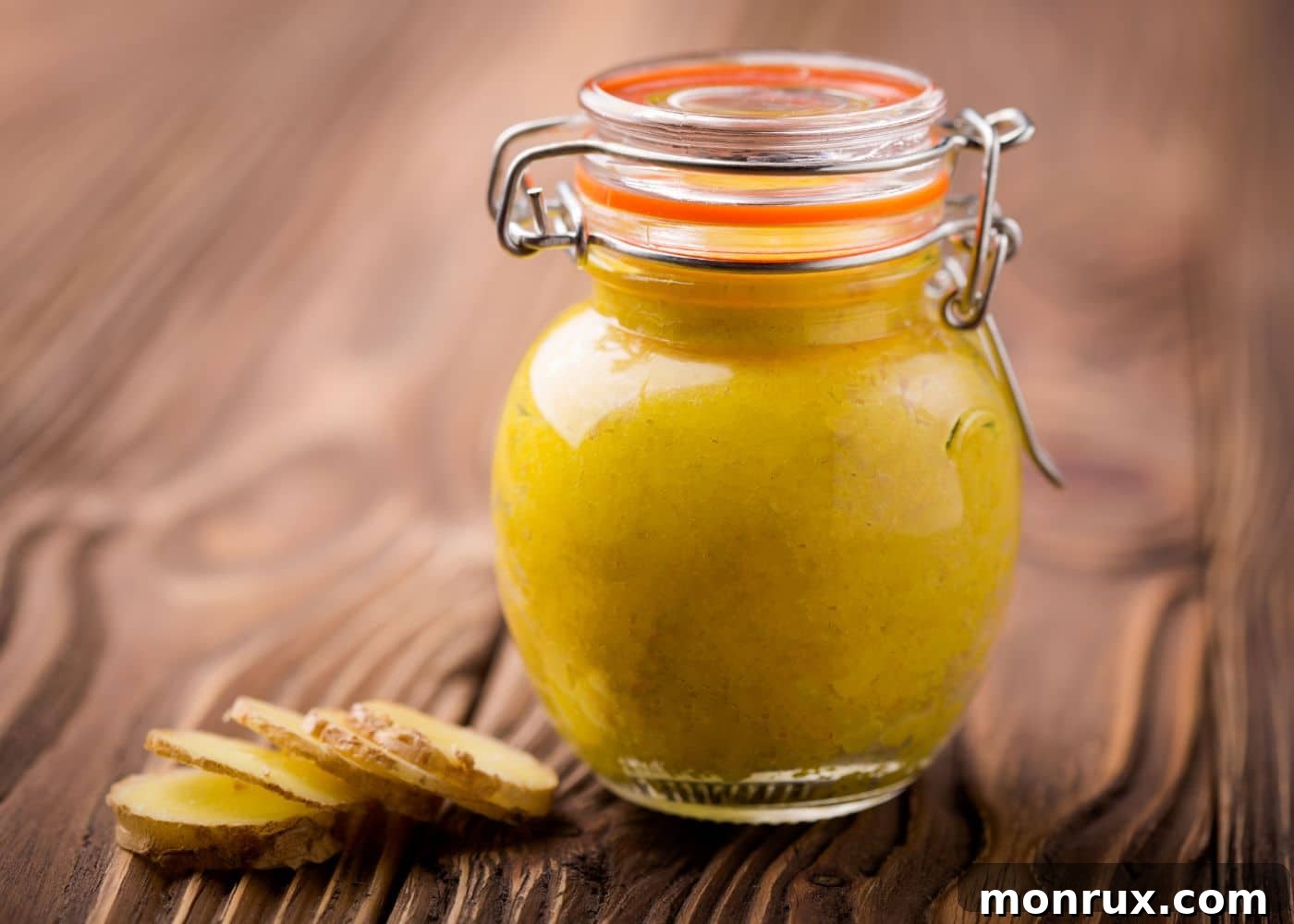
Ever found yourself mid-recipe, only to realize you’re out of ginger paste? Don’t fret! This common culinary dilemma has numerous delicious solutions. Ginger paste is a staple in many kitchens, prized for its pungent, aromatic, and slightly sweet kick that elevates dishes from mundane to magnificent. But whether you’re dealing with an empty jar or simply looking for a fresh spin, a variety of readily available ingredients can step in to save your meal. From the vibrant spice of fresh ginger root to the subtle zest of citrus, this comprehensive guide will walk you through the best substitutes for ginger paste, ensuring your culinary creations never miss a beat.
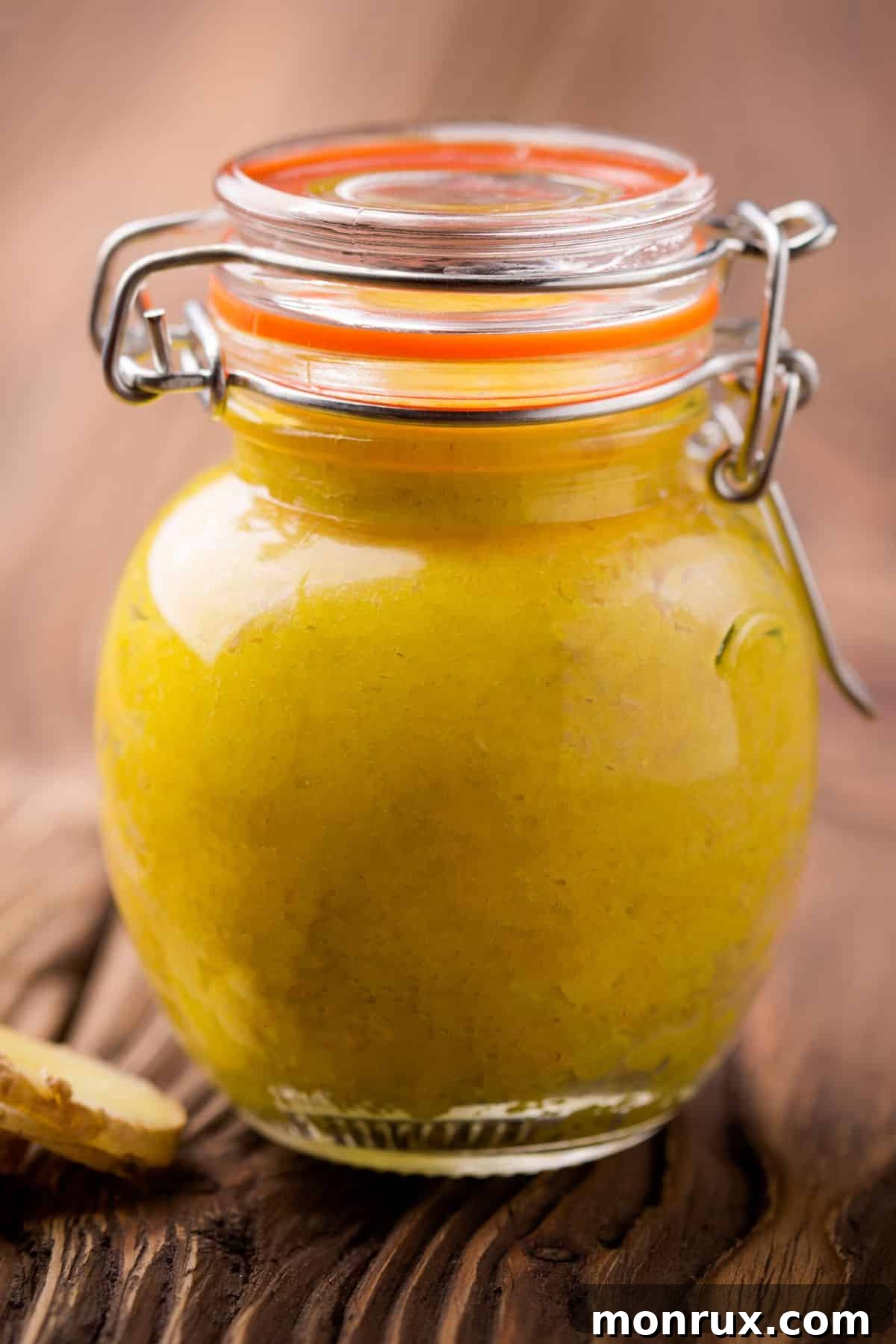
Ginger paste is a smooth, thick condiment crafted from finely ground or pureed ginger, often blended with a touch of water or oil to achieve its characteristic consistency. It serves as a cornerstone flavoring and seasoning in countless cuisines, most notably in Indian and various Asian dishes, where its pungent warmth is indispensable. Beyond savory applications, fresh ginger paste can also lend its unique character to sweet preparations, offering a delightful counterpoint to sugars and other spices.
In Indian cooking, ginger paste is a foundational ingredient, frequently combined with garlic paste to form “ginger-garlic paste” – a dynamic duo essential for building the complex flavor bases of curries, masalas, stews, and marinades. Its aromatic intensity provides a vibrant depth that fresh, chopped ginger might not fully impart due to its coarser texture. Similarly, in many Asian cuisines, ginger paste is a key component for stir-fries, noodle dishes, soups, and dipping sauces, offering a bright, spicy, and fragrant note that enhances other ingredients.
The creation of ginger paste typically involves blending peeled fresh ginger root with a small amount of water, oil, or even a neutral vinegar until a fine, uniform paste is achieved. While commercially prepared versions are widely available, homemade ginger paste offers superior freshness and flavor. Regardless of its origin, the flavor profile of ginger paste is distinctly spicy, with warm, peppery notes, often accompanied by a subtle sweetness and an invigorating citrusy aroma. Its smooth texture allows for even distribution throughout dishes, ensuring every bite is infused with its distinctive taste.
Beyond its culinary prowess, ginger boasts a long history of use in traditional medicine and is recognized for its impressive potential health benefits. It’s a powerhouse of compounds like gingerol, which contribute to its anti-inflammatory and antioxidant properties. Research suggests ginger can play a role in supporting the immune system, alleviating nausea and motion sickness, and aiding digestion. Incorporating ginger, in paste form or otherwise, can therefore be a delicious way to add both flavor and wellness to your diet.
Explore more ways to enjoy the benefits and flavor of ginger with these recipes: Ginger Lemon Shot, Carrot Ginger Soup, and Cucumber Ginger Lemon Water.
Substitutes for Ginger Paste
When your recipe calls for ginger paste, but you find your pantry lacking, there’s no need to abandon your cooking plans. Several excellent alternatives can provide a similar flavor profile and aromatic punch. Most of these options are readily available and can seamlessly integrate into your savory dishes, offering a comparable taste experience. The key is understanding their unique characteristics and adjusting quantities accordingly to achieve the desired intensity.
1. Fresh Ginger Root
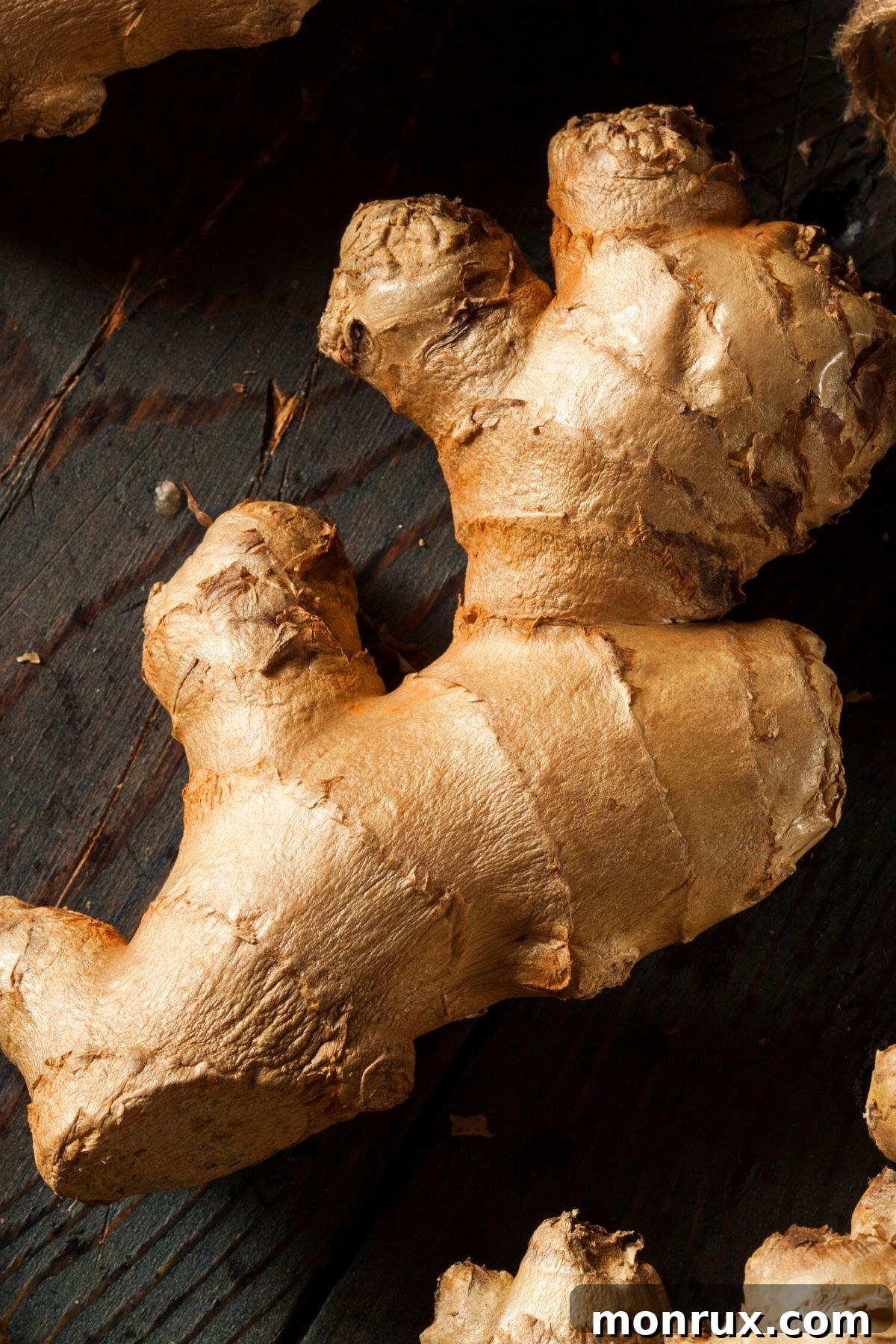
The most intuitive and often superior substitute for ginger paste is fresh ginger root itself. This versatile rhizome is the raw form from which paste is made, offering the purest and most vibrant ginger flavor. Fresh ginger is easy to find in most grocery stores and Asian markets. Its firm, fibrous texture means it needs to be processed before use to mimic the smoothness of paste.
To substitute fresh ginger for ginger paste, you will need to peel and then finely mince, grate, or finely chop it before adding it to your recipe. For a truly paste-like consistency, you can create your own homemade ginger puree. Simply combine peeled and roughly chopped fresh ginger with a small amount of water (about 1-2 tablespoons per 1/4 cup of ginger) in a food processor or high-speed blender. Process until a smooth paste forms. Leftover homemade paste can be stored in an airtight container in the refrigerator for up to a week, or frozen in ice cube trays for longer preservation.
Fresh ginger typically boasts a more intense and pungent flavor than prepared ginger paste, which may have been slightly mellowed by processing or preservatives. Therefore, when making the switch, it’s often advisable to start with a smaller amount and adjust to taste. This helps prevent the powerful, spicy kick of fresh ginger from overpowering other delicate flavors in your dish. While the core taste is similar, fresh ginger’s inherent potency means it will likely impart more heat and a sharper, more pronounced aroma than the paste.
As a general guideline, to substitute one teaspoon of ginger paste, use 1/4 teaspoon of finely minced or grated fresh ginger. Always taste and adjust as you go, especially when working with highly aromatic ingredients.
2. Ground Ginger (Ginger Powder)
Ground ginger, also widely known as ginger powder, is a convenient and readily available substitute for ginger paste. This spice is made from dried ginger root that has been finely ground into a powder. While it shares the foundational flavor of ginger, its form and intensity differ significantly from fresh ginger or paste.
The drying and grinding process mutes some of the fresh, zesty notes found in raw ginger, resulting in a flavor that is milder, more earthy, and less pungent. It still carries that characteristic warmth and spice, but without the sharp kick or fibrous texture. Because its flavor is less intense and more concentrated in a dry form, you’ll need to adjust the quantity used compared to ginger paste. It’s an excellent option when you need a subtle ginger flavor without adding moisture to your dish.
Ground ginger is particularly useful in baking, dry rubs, and dishes where a smooth texture is paramount and you want to avoid any fibrous bits. While it won’t replicate the exact fresh vibrancy of ginger paste, it will contribute a recognizable ginger flavor profile. It’s a reliable pantry staple that serves as a perfect substitute in many scenarios, especially for those who prefer a less pronounced ginger presence or simply don’t have fresh ginger on hand.
To substitute one teaspoon of ginger paste, use 1/4 teaspoon of dried ground ginger. Remember to mix it thoroughly into your dish to ensure even flavor distribution.
3. Ginger Juice
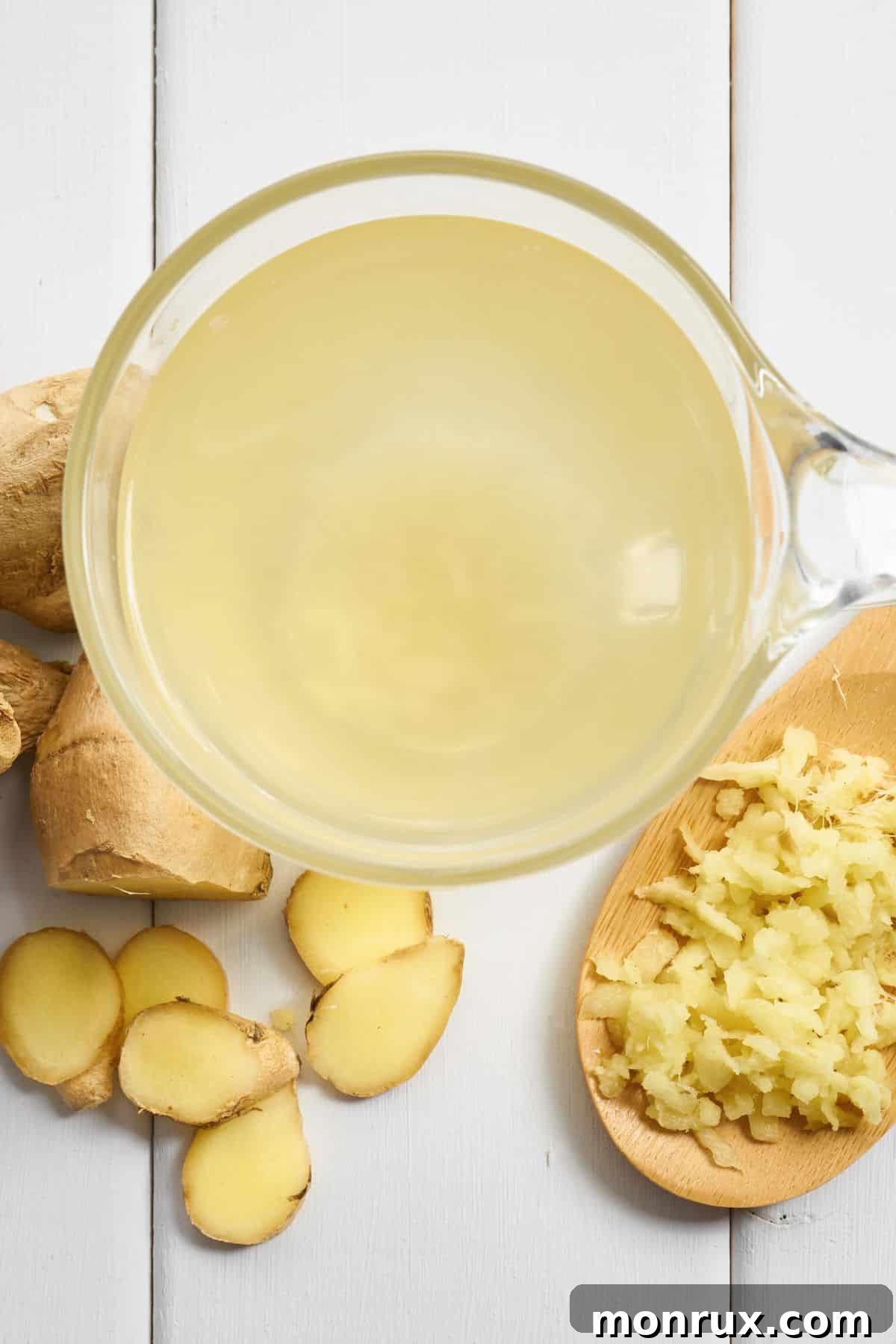
Ginger juice is a potent liquid extract derived from pressing fresh, raw ginger and then straining out the fibrous pulp. It offers the pure essence of ginger’s flavor and aroma in a concentrated liquid form, making it a highly effective substitute for ginger paste, particularly in dishes where you want to avoid adding any solids or extra bulk.
The flavor profile of ginger juice is remarkably similar to that of ginger paste, but it often presents with a more immediate and intense spice level. Because it’s a pure concentration of ginger’s volatile compounds, it can deliver a powerful punch. This means you might want to exercise a bit of caution and reduce the amount slightly to prevent it from overpowering the other delicate flavors present in your culinary creation. It’s excellent for marinades, dressings, and drinks where you need a strong ginger presence without the texture of the root.
Ginger juice can be purchased pre-made or easily prepared at home. To make it yourself, simply grate fresh ginger, then squeeze the grated ginger pulp through a cheesecloth or fine-mesh sieve to extract the liquid. This fresh juice can be a game-changer for adding a bright, zesty ginger kick without altering the texture of your sauce or soup. Store homemade ginger juice in the refrigerator for a few days, or freeze it in small portions.
To substitute one teaspoon of ginger paste, use one teaspoon of ginger juice. However, always taste as you go, especially when integrating it into dishes where the balance of flavors is crucial.
4. Candied Ginger or Crystallized Ginger
Candied ginger, also known as crystallized ginger, offers a unique and distinct twist as a substitute for ginger paste. This product is created by boiling fresh ginger slices in a sugar syrup until they become tender and translucent, then drying them until they are firm and often coated in sugar crystals. While it provides a strong ginger flavor, its inherent sweetness sets it apart from traditional ginger paste.
When using candied ginger, it’s crucial to acknowledge the sweet element it will introduce to your dish. The flavor will still carry the warm, spicy, and aromatic notes characteristic of ginger, but these will be beautifully balanced by a pronounced sweetness. This makes it an ideal substitute for sweet dishes, baked goods, fruit salads, or even certain savory dishes where a touch of sweetness is welcome, such as some Asian stir-fries or glazes. However, if your recipe is strictly savory and doesn’t call for any added sugar, you may need to adjust other sweet components in your dish to maintain the desired flavor balance.
To use candied ginger as a substitute, it needs to be very finely minced or chopped. You can even rehydrate it slightly by soaking it in a small amount of hot water or juice, then mashing it into a paste, especially if a smoother consistency is required. Its availability is generally good, found in the spice aisle, baking section, or specialty food stores.
To substitute one teaspoon of ginger paste, use two tablespoons of finely minced candied or crystallized ginger. Remember to consider the sweetness and make necessary adjustments to your recipe’s sugar content or other flavorings.
5. Galangal
Galangal is a fascinating rhizome, closely related to ginger and turmeric, yet possessing its own distinct flavor profile. Often referred to as “Thai ginger,” it is a cornerstone ingredient in Southeast Asian cooking, particularly in Thai, Indonesian, and Malaysian cuisines. Its appearance is similar to ginger, but its skin is smoother and paler, and its flesh is harder and more fibrous.
The flavor of galangal is more intense, pungent, and earthy than common ginger, with pronounced peppery and pine-like notes, often accompanied by a hint of citrus or camphor. This robust flavor means that when substituting it for ginger paste, you might want to start with a smaller quantity and adjust to your taste preferences. While it won’t offer the creamy consistency of ginger paste, it can be finely grated, minced, or pounded into a paste in a mortar and pestle (or food processor with a little liquid) to integrate into dishes.
Galangal is best used in recipes where its strong, aromatic qualities can shine without overpowering other ingredients. It is a traditional component in dishes like Tom Yum soup, curries, and various stir-fries. Keep in mind that its texture is tougher than ginger, so ensure it is very finely prepared if you don’t intend to strain it out later. Its unique essence adds an authentic depth to dishes that ginger alone cannot replicate, making it an excellent choice for those seeking a more adventurous flavor experience.
To substitute one teaspoon of ginger paste, use one teaspoon of finely minced or grated galangal. Due to its intensity, some chefs might even suggest starting with a slightly smaller amount and tasting.
6. Lemongrass
Lemongrass is an aromatic herb with a distinctive citrusy, lemon-like flavor and a subtle hint of ginger and mint. While not a direct substitute for the full pungent spice of ginger, it can offer a wonderful aromatic alternative, especially in Southeast Asian-inspired dishes where both ingredients are often used. Its bright, refreshing notes can provide a similar uplifting quality that ginger paste brings to many recipes.
The flavor of lemongrass is less strong and spicy than ginger paste, leaning more towards fresh, citrusy, and herbaceous tones. It still carries a slightly spicy kick, but it’s milder and more nuanced. This versatility allows it to be used in both sweet and savory dishes, from curries and soups to marinades and teas, adding a unique and fragrant twist. When substituting, it’s important to recognize that you are aiming for an aromatic complement rather than an exact flavor match.
To use lemongrass, remove the tough outer layers and finely mince or thinly slice the tender inner stalk (usually the bottom 3-4 inches). For a paste-like consistency, you can pound it in a mortar and pestle or blend it with a little liquid. To ensure that the bright, fresh notes of lemongrass are not overshadowed, consider reducing the amount of any other strongly flavored spices or herbs in your recipe. It pairs beautifully with coconut milk, chili, and other common Asian ingredients.
To substitute one teaspoon of ginger paste, use one teaspoon of finely minced lemongrass. This provides a good starting point for incorporating its unique aromatic qualities.
7. Turmeric
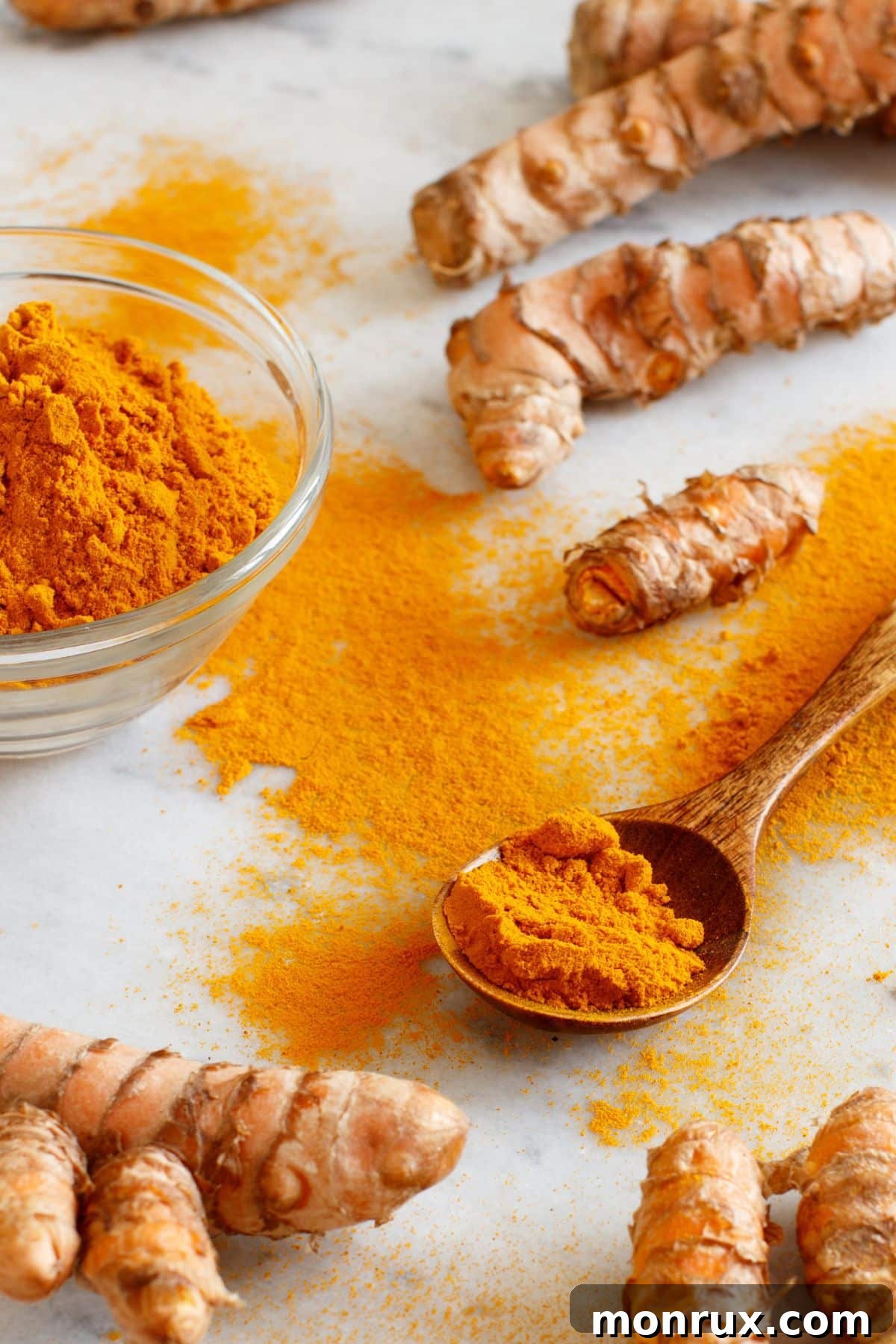
Turmeric, a vibrant yellow-orange root from the ginger family, offers a unique alternative to ginger paste, particularly when seeking an earthy warmth and a beautiful visual appeal. While it shares some family resemblance with ginger, its flavor profile is distinctly different: milder, more earthy, and slightly bitter, with peppery undertones, lacking the fiery spice and citrusy brightness of ginger.
The flavor of turmeric is less intense than ginger paste and significantly less pungent. It imparts a warm, somewhat musky earthiness rather than a sharp spiciness. Turmeric is best utilized in dishes where its subtle flavor can contribute to the overall complexity without being overwhelmed. It’s especially suited for curries, stews, and lentil dishes, where it can blend seamlessly with other spices. One of turmeric’s most striking attributes is its ability to impart a rich, golden color to food, making it an attractive addition for both flavor and aesthetic.
You can use either fresh turmeric root, grated or minced, or dried turmeric powder as a substitute. If using fresh turmeric, be mindful that it can stain hands and surfaces. For a paste, blend fresh turmeric with a small amount of water or oil. When using the powdered form, a little goes a long way in terms of color, but you may need more to achieve a noticeable flavor contribution. Because its flavor is not as dominant as ginger, turmeric works well in dishes that are not excessively spicy, allowing its mild earthiness to come through.
To substitute one teaspoon of ginger paste, use two teaspoons of fresh grated turmeric or approximately 1/2 teaspoon of turmeric powder. Always taste and adjust to your preference, remembering its primary contribution will be color and a gentle earthy warmth rather than a sharp ginger kick.
8. Orange Zest
Orange zest, which is the finely grated outer peel of an orange, presents a surprising yet effective substitute for ginger paste, particularly when a recipe benefits from a bright, aromatic, and slightly sweet citrus note. While it won’t replicate ginger’s pungent spiciness, it can provide a burst of freshness and a complex aroma that can stand in for some of ginger’s vibrant qualities.
The flavor of orange zest is intensely citrusy, fragrant, and slightly sweet, with a hint of bitterness from the oils in the peel. It is not as intense or spicy as ginger paste but offers a beautiful aromatic lift and a tangy counterpoint. It’s best deployed in dishes that already feature strong flavors, such as rich curries, savory stir-fries, or robust marinades, where it can help to balance the intensity of other spices and add a layer of complexity. Orange zest can prevent a dish from tasting flat by introducing a lively, refreshing dimension.
When using orange zest, ensure you only grate the very outermost colored layer of the peel, avoiding the bitter white pith underneath. A microplane zester is the ideal tool for this. Its fine texture means it disperses easily throughout a dish, infusing it with its aromatic compounds. It’s particularly well-suited for recipes where ginger might provide a zesty lift rather than just heat. Don’t be afraid to experiment with it in both savory and sweet contexts.
To substitute one teaspoon of ginger paste, use one teaspoon of finely grated orange zest. Remember that you’re aiming for aromatic brightness rather than a spicy kick.
9. Lemon Zest
Lemon zest, the thinly grated outer layer of a lemon’s skin, is another excellent citrus-based alternative that can serve as a substitute for ginger paste, especially when the goal is to introduce a bright, fresh, and aromatic element. Like orange zest, it lacks the fiery heat of ginger but compensates with its sharp, tangy, and invigorating flavor profile.
Lemon zest provides a more delicate and intensely sour-citrus flavor compared to ginger paste. Its vibrant aroma and tangy essence can lighten and brighten a dish, adding a refreshing note without overwhelming other ingredients. It is best utilized in lighter, more delicate dishes where a robust ginger flavor might be too heavy. Think salads, salad dressings, light soups, poultry dishes, fish, and a wide array of baked goods and desserts. It can also form the base of a bright, zesty vinaigrette or marinade, infusing dishes with a crisp, clean finish.
Similar to orange zest, use a microplane to grate only the yellow part of the lemon peel, avoiding the bitter white pith. The fine texture of the zest allows its oils to be easily released and distributed, imparting maximum flavor and aroma. Lemon zest is particularly effective in recipes where ginger’s role is primarily to add a fresh, pungent highlight rather than its deep, spicy base. It’s a fantastic way to add complexity and a gourmet touch to everyday cooking.
To substitute one teaspoon of ginger paste, use one teaspoon of finely grated lemon zest. This ratio will provide a comparable aromatic intensity, albeit with a different flavor profile.
Summary Comparison of Ginger Paste Substitutes
Here’s a chart summarizing the best substitutes for ginger paste, including their respective pros and cons, and general substitution ratios:
| Substitute | Pros | Cons | Substitution Ratio (for 1 tsp ginger paste) |
|---|---|---|---|
| Fresh Ginger Root | Most authentic, vibrant, and intense flavor; widely available. | Spicier, requires preparation (peeling, grating/mincing), may need quantity adjustment. | 1/4 tsp finely minced/grated fresh ginger |
| Ground Ginger | Convenient, long shelf life, easy to use; adds warm, earthy notes. | Milder flavor, less fresh zest than paste; may require quantity adjustment. | 1/4 tsp dried ground ginger |
| Ginger Juice | Pure, concentrated ginger flavor; no solids added, blends well. | Very intense spice level; requires careful quantity adjustment to avoid overpowering. | 1 tsp ginger juice |
| Candied/Crystallized Ginger | Adds unique sweet-spicy flavor, good for desserts/sweet dishes. | Introduces sweetness, which may alter desired flavor profiles in savory dishes. | 2 tbsp finely minced candied ginger |
| Galangal | Intense, earthy, pungent flavor with citrus/pine notes; authentic for SE Asian. | Tougher texture, not as creamy; flavor can be too intense or different for some dishes. | 1 tsp finely minced galangal |
| Lemongrass | Bright, citrusy, and slightly spicy aroma; adds fresh herbaceousness. | Milder than ginger paste; distinct flavor profile, may require other spice adjustments. | 1 tsp finely minced lemongrass |
| Turmeric | Adds mild earthy warmth and vibrant color; anti-inflammatory properties. | Less intense flavor, distinct earthy taste, can be overwhelmed in spicy dishes. | 2 tsp fresh grated turmeric or 1/2 tsp turmeric powder |
| Orange Zest | Adds bright, sweet citrus flavor and aroma; excellent for balancing rich dishes. | Lacks ginger’s spiciness; flavor profile is citrus-dominant, not a direct match. | 1 tsp finely grated orange zest |
| Lemon Zest | Provides delicate, tangy citrus flavor and fresh aroma; brightens dishes. | More subtle than ginger paste; best in lighter dishes where a strong ginger flavor isn’t needed. | 1 tsp finely grated lemon zest |
Don’t Miss These Articles on Substituting Ingredients
Conclusions
As this guide demonstrates, being out of ginger paste doesn’t have to put a damper on your culinary ambitions. The world of spices and aromatics offers a rich array of alternatives, each capable of bringing a distinct yet harmonious flavor to your dishes. From the unparalleled zest of fresh ginger root to the warm earthiness of turmeric or the bright tang of citrus zests, you have a wealth of options at your fingertips.
The key to successful substitution lies in understanding the nuanced flavor profile of each alternative and how it interacts with the other ingredients in your recipe. Don’t be afraid to experiment! Start with the recommended ratios, but always taste and adjust as you cook to achieve the perfect balance. Whether you opt for a close match like fresh or ground ginger, or venture into more adventurous territories with galangal or lemongrass, you’ll find that these substitutes not only save your dish but can also inspire new culinary discoveries, adding extra layers of complexity and depth to your cooking. Embrace the versatility of these ingredients and cook with confidence!
Don’t forget to join my newsletter list to get exclusive clean eating recipes and tips. The newsletter is 100% free with no spam; unsubscribe anytime.
About the Author: Carrie Forrest has a master’s degree in public health with a specialty in nutrition and is a certified holistic nutritionist. She is a top wellness and food blogger with over 5 million annual visitors to her site. Carrie has an incredible story of recovery from chronic illness and is passionate about helping other women transform their health. Send her a message through her contact form.