
Smoothies offer a fantastically convenient and delicious way to kickstart your day or enjoy a nourishing snack. However, crafting green smoothies that are both incredibly healthy and genuinely tasty involves more than just tossing ingredients into a blender. This comprehensive guide will unlock the secrets to creating vibrant, nutrient-packed green smoothies, delving into the profound health benefits of green smoothies, recommending ideal ingredients, advising on selecting the perfect blender, and providing a foundational green smoothie recipe to get you started.
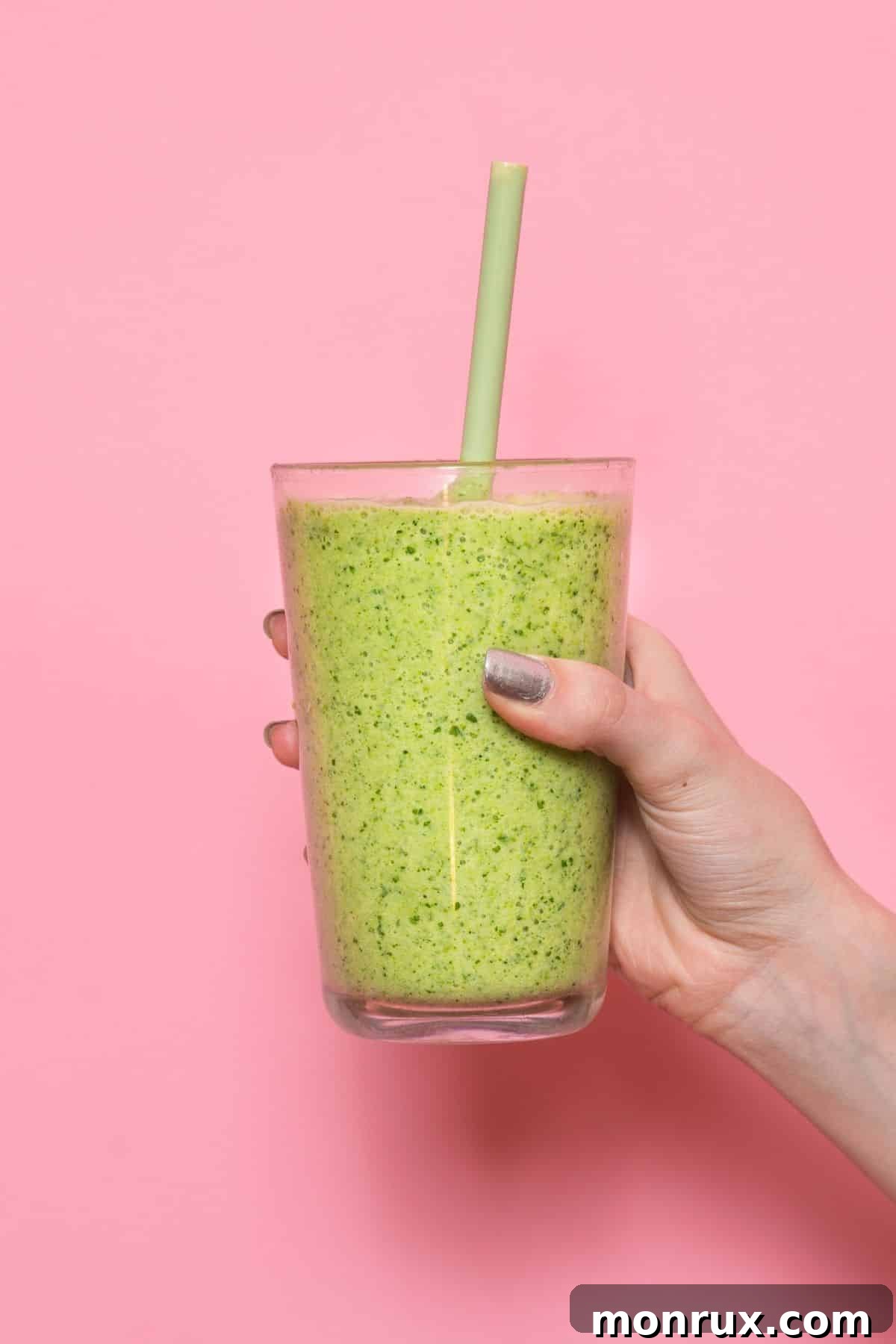
In the expansive world of wellness, one recommendation consistently rises to the top for efficiently boosting fruit and vegetable intake: the green smoothie. These dynamic drinks are celebrated for their ability to deliver a concentrated dose of nutrient-dense foods in a single, palatable serving, making them particularly invaluable for even the most discerning palates or those who struggle to consume sufficient produce daily.
The most wholesome and beneficial green smoothies are thoughtfully crafted to include a significant portion of vegetables, typically leafy greens, alongside fruits and other healthful additions. This article aims to illuminate the remarkable potential health advantages that accompany regular consumption of these verdant beverages, while also providing an honest look at some potential considerations to ensure you make the most informed choices for your well-being.
Whether you’re embarking on a journey towards a more nutritious diet or simply seeking convenient ways to enhance your daily vitamin and mineral intake, understanding the full spectrum of what green smoothies offer is key. We’ll cover everything from their foundational components to their wide-ranging systemic effects, ensuring you have all the knowledge to blend your way to better health.
What Are Green Smoothies?
At their core, green smoothies are simply blended beverages that combine fruits with a significant portion of vegetables, primarily leafy greens. While many smoothies feature fruit, the defining characteristic of a green smoothie is the intentional inclusion of a vegetable component, which contributes to its vibrant color and exceptional nutritional profile.
Common choices for the “green” element include nutrient powerhouses like spinach, kale, Swiss chard, collard greens, and various mixed greens. Beyond these leafy staples, other vegetables like cucumber, celery, parsley, and even broccoli can be seamlessly incorporated. Some enthusiasts also add superfood powders such as spirulina or chlorella for an extra nutritional boost, further enhancing the green hue and health benefits.
While the visual appeal and presumed healthfulness of green smoothies are often immediate, it’s important to approach them with an understanding that individual nutritional needs vary. What proves beneficial for one person may require adjustment for another. Throughout this article, we will meticulously explore both the compelling potential health benefits and any associated risks of drinking green smoothies, empowering you to tailor this versatile drink to your unique dietary requirements.
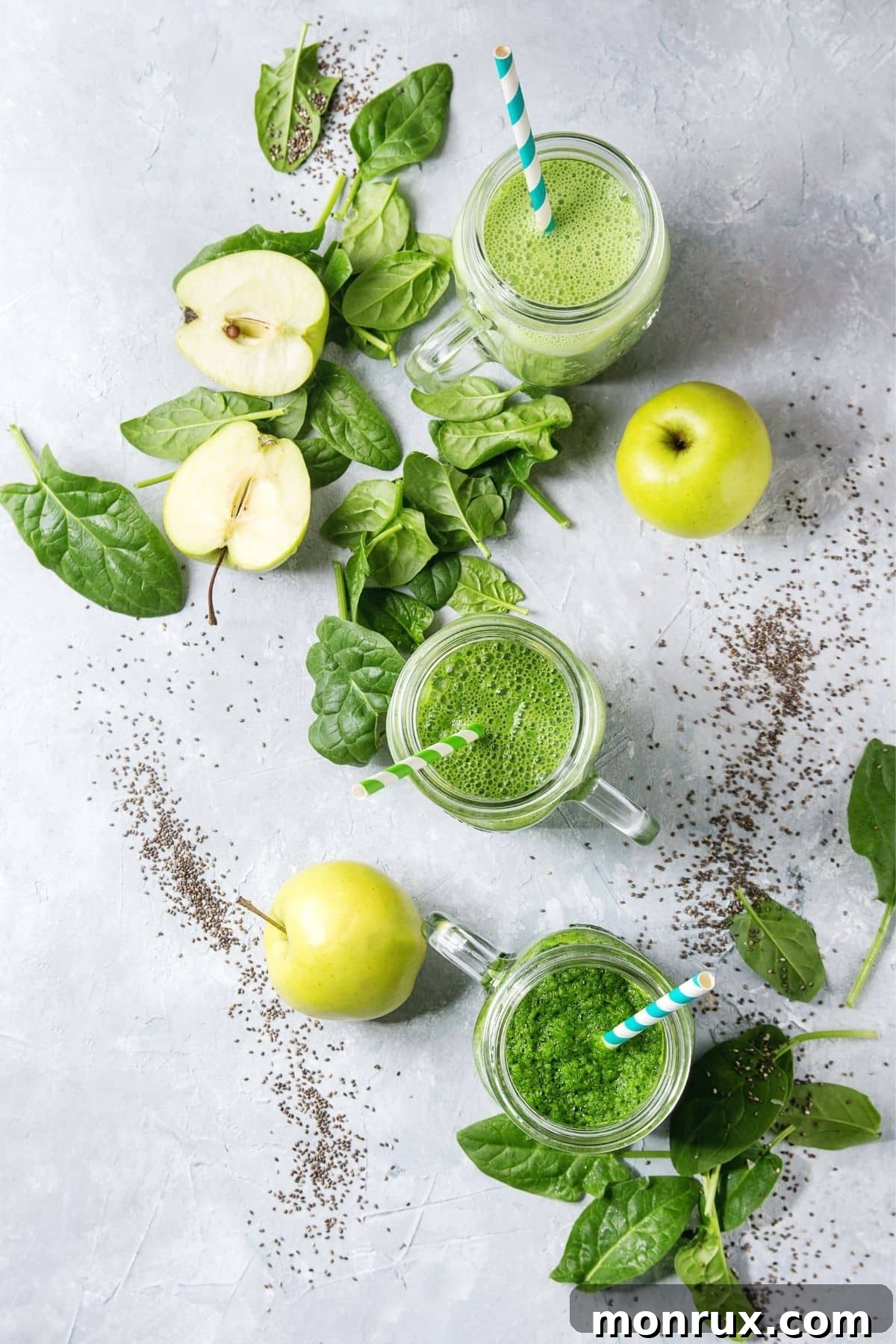
The Potential Health Benefits of Green Smoothies
If you’re considering integrating green smoothies into your daily routine, prepare to discover a multitude of potential benefits that can significantly enhance your overall well-being. From improved digestion to enhanced energy, these vibrant beverages offer a convenient and delicious path to a healthier lifestyle. The transformative effects often become noticeable when consistently incorporating at least one green smoothie into your diet each day.
However, it is always recommended to consult with your healthcare provider if you have specific health concerns or questions about whether green smoothies align with your individual dietary needs and health conditions.
1. Boost Your Vegetable Intake
A significant portion of the global population consistently falls short of recommended daily fruit and vegetable intake. Green smoothies offer an exceptional solution, particularly for those who find the taste or texture of whole vegetables challenging. By blending leafy greens and other vegetables with fruits, their flavors are often masked, making it easier and more enjoyable to consume a substantial amount of produce. This method allows you to effortlessly pack multiple servings of essential nutrients into a single, palatable drink.
Furthermore, green smoothies can be a perfect dietary staple for individuals on a dysphagia diet or a soft food diet, where chewing or swallowing solid foods may be difficult. Their smooth consistency ensures easy consumption, providing vital nutrition without discomfort. For instance, a creation like the Peanut Butter Cauliflower Smoothie ingeniously disguises a full serving of vegetables within a creamy, milkshake-like taste.
2. Enhanced Nutrient Absorption
The process of blending transforms vegetables and fruits into a smooth, liquid form, effectively pre-digesting your food. This mechanical breakdown of cellular structures, including fiber and cellulose, makes nutrients more bioavailable for your body to absorb. Essentially, your digestive system has less work to do, allowing for more efficient uptake of vitamins, minerals, and other beneficial compounds.
To further amplify this benefit, incorporating healthy fats into your smoothie is a smart strategy. Ingredients such as avocado, coconut oil, nuts, or seeds have been shown to significantly increase the absorption of fat-soluble vitamins (A, D, E, K) and various antioxidants present in your fruits and vegetables. Consider a recipe like the Anti-Cancer Green Breakfast Smoothie, designed to maximize both nutrient density and absorption for optimal health.
3. Cleverly Conceal Veggies for Picky Eaters
Green smoothies are a parent’s secret weapon for nurturing healthy eating habits in children and adults alike, especially those with sensitive palates. The sweet taste of fruits can effectively mask the often-bitter or strong flavors of greens and other vegetables, making them palatable even for the most reluctant eaters. This means you can effortlessly introduce a wider array of vegetables without provoking objections.
This approach is particularly beneficial for supertasters or individuals with pronounced texture aversions, who might otherwise completely avoid nutrient-rich whole vegetables. By offering vegetables in a smooth, delicious liquid form, green smoothies facilitate the consumption of essential nutrients, helping to broaden dietary horizons and foster a greater acceptance of diverse plant-based foods over time. For more ideas, explore a list of the best vegetables for picky eaters.
4. Powerhouse of Antioxidants
Green smoothies, especially those rich in leafy greens, are exceptional sources of antioxidants. These powerful compounds are crucial for protecting your body’s cells from damage caused by free radicals, unstable molecules that contribute to aging and chronic diseases like cancer and heart disease. By regularly consuming antioxidant-rich green smoothies, you actively support your body’s defense mechanisms.
To maximize the intake and absorption of these vital antioxidants and other nutrients, always include 1-2 tablespoons of healthy fat in each serving. Healthy fats such as avocado, coconut oil, or various nuts and seeds (like chia, flax, or hemp) are essential for the absorption of fat-soluble vitamins and antioxidants, as they aid in their transport within the body. Recipes such as the Moringa Smoothie or Kale Berry Smoothie brilliantly demonstrate how to incorporate these beneficial fats and antioxidants.
5. Significant Increase in Fiber Consumption
Fiber is an indispensable component of a healthy diet, crucial for maintaining optimal digestive function and preventing common issues like constipation. Green smoothies provide an excellent and often enjoyable way to significantly boost your daily fiber intake, benefiting both adults and children. The fiber found in fruits and vegetables, though partially broken down by blending, still contributes to satiety and supports regular bowel movements.
Incorporating fiber-rich greens and fruits into your smoothie can help regulate your digestive system naturally. For those specifically seeking digestive relief, specialized recipes like an Anti-Constipation Smoothie, featuring ingredients like beets and chia seeds, can be particularly effective. Regular consumption of these fiber-rich beverages can lead to a more comfortable and consistent digestive experience, promoting overall gut health.
6. Bolster Your Immune System
Green smoothies are veritable elixirs for your immune system, brimming with essential vitamins and minerals vital for robust health. Nutrients such as Vitamin C, Vitamin A, zinc, and various B vitamins, abundantly found in leafy greens and fruits, play critical roles in supporting immune function and helping your body ward off illness and infection. By regularly fueling your body with these immune-boosting compounds, you can enhance your natural defenses.
To create an immune-optimized green smoothie, intentionally include nutrient-dense immune-boosting foods. Consider adding fresh ginger or turmeric for their anti-inflammatory properties, citrus fruits for their high Vitamin C content, yogurt (dairy or dairy-free) for probiotics, and additional green leafy vegetables. Exploring foods with natural probiotics can further guide your ingredient choices, contributing to a healthy gut microbiome which is intrinsically linked to a strong immune response.
7. Support Weight Loss and Management
Green smoothies can be a powerful tool in your journey towards easier weight loss and sustainable weight management. They allow you to incorporate an impressive array of nutrient-dense ingredients without accumulating excessive calories, especially when mindful of portion sizes and high-calorie add-ins. The high fiber and water content of well-balanced green smoothies contribute to a feeling of fullness and satisfaction, which can naturally help reduce overall food intake throughout the day.
Instead of skipping meals, which can disrupt metabolism, consider replacing one meal with a carefully crafted, nutrient-packed green smoothie. The key lies in balancing macronutrients: ensure your smoothie includes a good mix of carbohydrates (from fruits and veggies), protein (from powder, nuts, or seeds), and healthy fats (from avocado or nut butter). This balance will keep you feeling satiated and energized, effectively curbing cravings. The Strawberry Protein Smoothie, for example, delivers 25 grams of protein per serving, making it an excellent meal replacement. Discover more healthy weight loss tips for women to complement your smoothie routine.
8. Promote Clearer, Healthier Skin
The rich abundance of vitamins, minerals, and antioxidants in green smoothies makes them exceptional for promoting vibrant, clear skin. These nutrients work synergistically to improve skin health, contributing to a glowing complexion and potentially reducing the risk of skin cancer through their protective effects against environmental damage. By nourishing your body from within, green smoothies support skin regeneration and repair.
To further enhance skin benefits, consider adding collagen protein, known for its role in maintaining skin elasticity and hydration (learn more about using collagen protein). Another fantastic ingredient is sweet potato, as featured in the Sweet Potato Smoothie, which is loaded with beta-carotene. Beta-carotene is a powerful antioxidant that the body converts to Vitamin A, essential for skin cell turnover and known to improve skin appearance and health.
9. Sustainable Energy Boost
For those seeking to combat fatigue and enhance vitality, green smoothies are an excellent choice. By providing a diverse range of micronutrients and macronutrients, they can significantly improve energy levels and reduce feelings of sluggishness. The key to a truly energizing smoothie lies in balancing its macronutrients: a blend of complex carbohydrates, quality protein, and healthy fats ensures sustained energy release without the sharp peaks and crashes associated with sugary drinks.
The basic green smoothie recipe provided later in this post serves as an ideal guideline for achieving this balance. You can customize it further with your preferred ingredients. For an extra boost, consider incorporating high-quality protein powders; explore options like the best paleo protein powders or specialized protein powders for breastfeeding to meet specific needs. For nursing mothers, the Dairy-Free Breastfeeding Smoothies collection offers nourishing options tailored for a dairy-free breastfeeding diet, ensuring both mother and baby receive ample nutrition.
10. Support Natural Detoxification
Green smoothies are rich in antioxidants, fiber, vitamins, and minerals, all of which contribute significantly to the body’s natural detoxification processes. Rather than relying on restrictive “detox diets,” these nutrient-dense beverages empower your body’s inherent ability to neutralize and eliminate harmful toxins. The fiber aids in waste removal, while antioxidants protect cells during the detoxification cascade.
Specific ingredients can further amplify these effects. For instance, the Liver Detox Smoothie is crafted with ingredients known to specifically support liver function, which is the body’s primary detoxification organ. Additionally, incorporating foods that cleanse the liver into your smoothies, such as beets, cilantro, and lemon, can provide targeted support for systemic cleansing and overall vitality.
11. Improve Athletic Performance and Recovery
For athletes and active individuals, green smoothies serve as an excellent vehicle for delivering a wide spectrum of nutrients crucial for optimizing athletic performance and expediting recovery. They provide easily digestible carbohydrates for energy, essential amino acids (especially when protein powder is added) for muscle repair, and a wealth of vitamins and minerals that support metabolic processes and reduce exercise-induced inflammation.
Consider the Iron Rich Smoothie, which can be particularly beneficial for pre-menopausal women who may experience lower iron levels, helping to improve energy and endurance over time. Incorporating ingredients like beets or beet juice is also highly recommended, as they are scientifically known to enhance athletic performance by improving blood flow and oxygen delivery to muscles. Explore a beet juice recipe and learn about the extensive benefits of beet juice for peak physical condition.
12. Aid in Hormone Balance
Green smoothies are rich in key nutrients that play a vital role in regulating and balancing hormones, thereby enhancing overall health and well-being. These include essential vitamins and minerals such as Vitamin B6, magnesium, zinc, and chromium, which are indispensable for the intricate processes of hormone production, metabolism, and regulation within the body.
Beyond the foundational greens and fruits, specific smoothie ingredients like flax seeds, chia seeds, and maca root are renowned for their hormone-balancing properties. Furthermore, the significant concentration of anti-inflammatory compounds and antioxidants found in green smoothies helps to mitigate systemic inflammation and oxidative stress, both of which can negatively impact hormonal health. This contributes to reducing the risk and severity of hormone-related chronic conditions like PCOS, thyroid disorders, and menopausal symptoms. Consistent consumption of green smoothies can be a powerful dietary strategy for supporting endocrine health. For more targeted guidance, explore articles on eating for your menstrual cycle, the best hormone-balancing supplements, and specific dietary approaches for conditions like the PCOS diet and PCOS supplements.
13. Strengthen Bone Health
Depending on the thoughtfully selected ingredients, green smoothies can be a significant source of nutrients crucial for robust bone health and the prevention of conditions like osteoporosis. Key nutrients such as calcium, potassium, and Vitamin K are abundantly found in many green smoothie components and are essential for maintaining bone density and reducing the risk of fractures. Vitamin K, particularly K1 found in leafy greens, plays a critical role in bone mineralization.
Even without the addition of dairy products, the leafy green vegetables commonly used in green smoothies, such as spinach and kale, are an excellent source of calcium, providing a plant-based alternative for this vital mineral. Including ingredients like fortified plant milks (almond, soy, oat) can further boost calcium and Vitamin D intake, ensuring comprehensive support for strong, healthy bones throughout life.
14. Optimize Eye Health
Green smoothies are also potent sources of specific nutrients that are instrumental in maintaining optimal eye health and significantly reducing the risk of age-related eye diseases. Foremost among these are lutein and zeaxanthin, powerful carotenoids found in high concentrations in leafy green vegetables like spinach and kale. These compounds accumulate in the retina and act as natural sunscreens, protecting the eyes from harmful blue light and oxidative damage.
These nutrients are absolutely essential for preserving healthy vision and mitigating the progression of conditions such as age-related macular degeneration (AMD) and cataracts. A clever way to enhance both natural sweetness and the beta-carotene content (a precursor to Vitamin A, vital for vision) in your smoothie is to use carrot juice as the liquid base. This strategy is effectively employed in the Anti-Cancer Green Smoothie, which is part of a broader collection of cancer-fighting smoothies designed to maximize protective benefits.
15. Potential for Cancer Prevention
Beyond the impressive list of benefits already highlighted, green smoothies hold significant potential in the realm of cancer prevention. By allowing you to blend a vast array of cancer-fighting foods into a single, delicious drink, they make it remarkably easy to consume therapeutic doses of protective compounds. Leafy greens, berries, and other fruits and vegetables are packed with phytochemicals, antioxidants, and anti-inflammatory agents that work synergistically to inhibit cancer cell growth, reduce inflammation, and support cellular repair mechanisms.
It would be incredibly challenging, if not impossible, to consume such a diverse and concentrated amount of raw vegetables and fruits in a single sitting without the aid of a blender. Green smoothies transform this nutritional challenge into an enjoyable daily practice, providing a powerful dietary strategy to support your body’s natural defenses against cancer and promote long-term health.
Bonus: Additional Wellness Benefits
The extensive potential health benefits of consistently incorporating green smoothies into your diet are truly remarkable and extend even further. Regular consumption can also contribute to improved lung health, offering a rich supply of antioxidants that protect respiratory tissues. Furthermore, they are excellent for promoting better heart health by providing fiber to lower cholesterol, potassium to regulate blood pressure, and anti-inflammatory compounds. Lastly, their impact on better digestive health goes beyond just fiber, supporting a balanced gut microbiome that is crucial for overall wellness.
Potential Considerations and Cons of Green Smoothies
While green smoothies offer an abundance of health benefits, it’s equally important to be aware of potential drawbacks or considerations. Mindful preparation and consumption can help mitigate these risks, ensuring that your green smoothie experience remains overwhelmingly positive and beneficial.
1. Digestive Sensitivities
For some individuals, particularly those with sensitive digestive systems, consuming cold foods and beverages, especially raw vegetables in large quantities, can lead to bloating, gas, or general discomfort. While blending breaks down some tough fibers, it doesn’t entirely eliminate the raw aspect, which can be challenging for certain digestive systems.
To ease digestion, consider a simple but effective modification: lightly steaming your veggies before blending. This process softens their fibers, making them easier to digest. You can steam and then freeze vegetables like cauliflower, zucchini (how to freeze zucchini), or spinach (how to freeze spinach for smoothies) in advance for convenient use. Furthermore, remember to “eat” your smoothie slowly rather than drinking it quickly. Chewing signals the brain to release digestive enzymes and stomach acid, crucial for carbohydrate digestion which begins with salivary amylase. Treating your smoothie as a full meal and savoring each “bite” can significantly improve digestion. If digestive issues persist, explore incorporating more foods with natural probiotics, such as yogurt (dairy or dairy-free), into your smoothie to support a healthy gut microbiome.
2. Risk of Blood Sugar Imbalance
A common concern with smoothies is the potential for blood sugar spikes, especially when they contain a high concentration of fruit or added sweeteners. While blending retains the fiber, it does break down the cellular structure, which can make the carbohydrates more rapidly available for absorption compared to eating whole fruits. This can lead to a quicker rise in blood sugar for some individuals.
To prevent this, focus on creating balanced smoothies. Prioritize low-glycemic fruits like berries, and generously include leafy greens and other non-starchy vegetables. Crucially, always incorporate healthy fats, such as avocado, and a source of protein. Healthy fats help to slow down gastric emptying and carbohydrate metabolism, leading to a more gradual and stable release of glucose into the bloodstream. The Avocado Chocolate Smoothie is an excellent example of a recipe rich in healthy fats that promotes blood sugar stability. Adding a scoop or two of quality protein powder can further enhance satiety and balance. Consider reviewing options like the best paleo protein powders or protein powders for pregnancy to find suitable additions.
3. Caloric Density Management
One of the hidden pitfalls of smoothies is their caloric density. Because ingredients are blended into a liquid form, it can be deceptively easy to consume a large number of calories without feeling as full as you would from eating solid food. A smoothie made primarily of water and a handful of greens might be too low in calories to be a satisfying meal, while a concoction featuring multiple tablespoons of nut butter, full-fat coconut milk, and several fruits can quickly surpass your caloric needs.
When preparing your smoothie, employ a mental check: could I comfortably eat all of these ingredients as a regular, solid meal? If the answer is no, it’s a good indication that you might need to adjust your portions. Be mindful of calorie-rich additions like nuts, seeds, nut butters, and certain liquid bases. Aim for a balanced smoothie that provides adequate nutrition and satiety without an excessive calorie load, especially if weight management is a goal. Portion control is crucial for harnessing the full benefits of your green smoothie.
4. Oxalates and Goitrogens Concerns
Certain nutrient-rich vegetables and fruits, particularly raw leafy greens (like spinach and Swiss chard) and some berries, are naturally higher in compounds called oxalates. Similarly, cruciferous vegetables (such as kale and collard greens) contain goitrogens. While generally harmless in moderation, excessive consumption of these compounds, especially in individuals with pre-existing conditions (like kidney stones for oxalates or thyroid issues for goitrogens), can potentially cause problems if overaccumulated.
To mitigate these potential issues, a wise strategy is to always rotate your greens and vegetables. Instead of using spinach every day, alternate with kale, romaine lettuce, or mixed greens. For vegetables known to be high in goitrogens, gently steaming them before blending can help reduce their goitrogenic effect. This approach ensures you benefit from a wide spectrum of nutrients without over-relying on any single source, promoting a more balanced and safer nutritional intake from your green smoothies.

FAQs About Green Smoothies
Yes, green smoothies can certainly be a valuable component of a weight loss strategy. Similar to the principles behind a juice cleanse (but often with more fiber and less sugar), a well-constructed smoothie diet can help reduce inflammation, reset hunger cues, and provide sustained energy. Smoothies generally have a more favorable impact on blood sugar and metabolism compared to low-calorie, high-sugar juices due to their fiber content and potential for protein/fat additions.
If incorporating green smoothies helps you consistently make healthier food choices and steer clear of processed foods, then they can be highly effective. However, weight loss is not automatically guaranteed simply by drinking smoothies. It’s crucial to be mindful of the caloric density of your smoothies and ensure they are balanced with adequate protein and healthy fats to promote satiety and prevent overconsumption throughout the day. Listen to your body and adjust ingredients to match your personal weight management goals.
The beauty of making your own smoothies lies in your complete control over the ingredients. Feel empowered to be creative, using this guide as a robust starting point for crafting your ideal beverage.
- Consider steaming your veggies: Lightly steaming greens or other vegetables before blending can break down tough fibers, making them even easier to digest for sensitive systems. You can steam them in advance, cool, and then freeze them in individual portions for quick smoothie prep.
- Add moderate portions of frozen fruit: Berries are an excellent low-glycemic choice, while tropical fruits like pineapple, mango, or papaya can add natural sweetness and creaminess. Always consider the glycemic load of your fruits. Additionally, fruits such as bananas, mangoes, pears, and papayas are rich in soluble fiber, contributing to a wonderfully creamy texture even without dairy. Try a delightful Dragon Fruit Banana Smoothie for inspiration.
- Never forget healthy fats: Incorporating healthy fats like avocado, chia seeds, flax seeds, or nut butters significantly increases satiety and enhances the absorption of fat-soluble vitamins. Avocados and coconut milk add luxurious creaminess, while nut butters and hemp hearts contribute a subtly sweet, nutty depth.
- Minimize or avoid added sweeteners: It’s a common practice to add stevia, honey, or maple syrup, but often, these are unnecessary. Focus on using naturally sweet, low-glycemic fruits to achieve desired sweetness levels without spiking blood sugar.
- Embrace fun toppings: For smoothie bowls or even mixed into your drink, toppings add delightful texture and help encourage mindful “chewing” of your smoothie. Sprinkle with fresh berries, unsweetened coconut flakes, slivered almonds, or a sprinkle of wholesome granola. Just be mindful of portion sizes to keep caloric intake in check. Explore a variety of healthy smoothie toppings for inspiration.
- Consider beneficial add-ins: Transform your smoothie into a complete meal by incorporating protein powder or collagen protein. For an extra wellness boost, experiment with adaptogenic herbs, targeted supplements, or trendy ingredients like bee pollen for added nutrients and unique flavors.
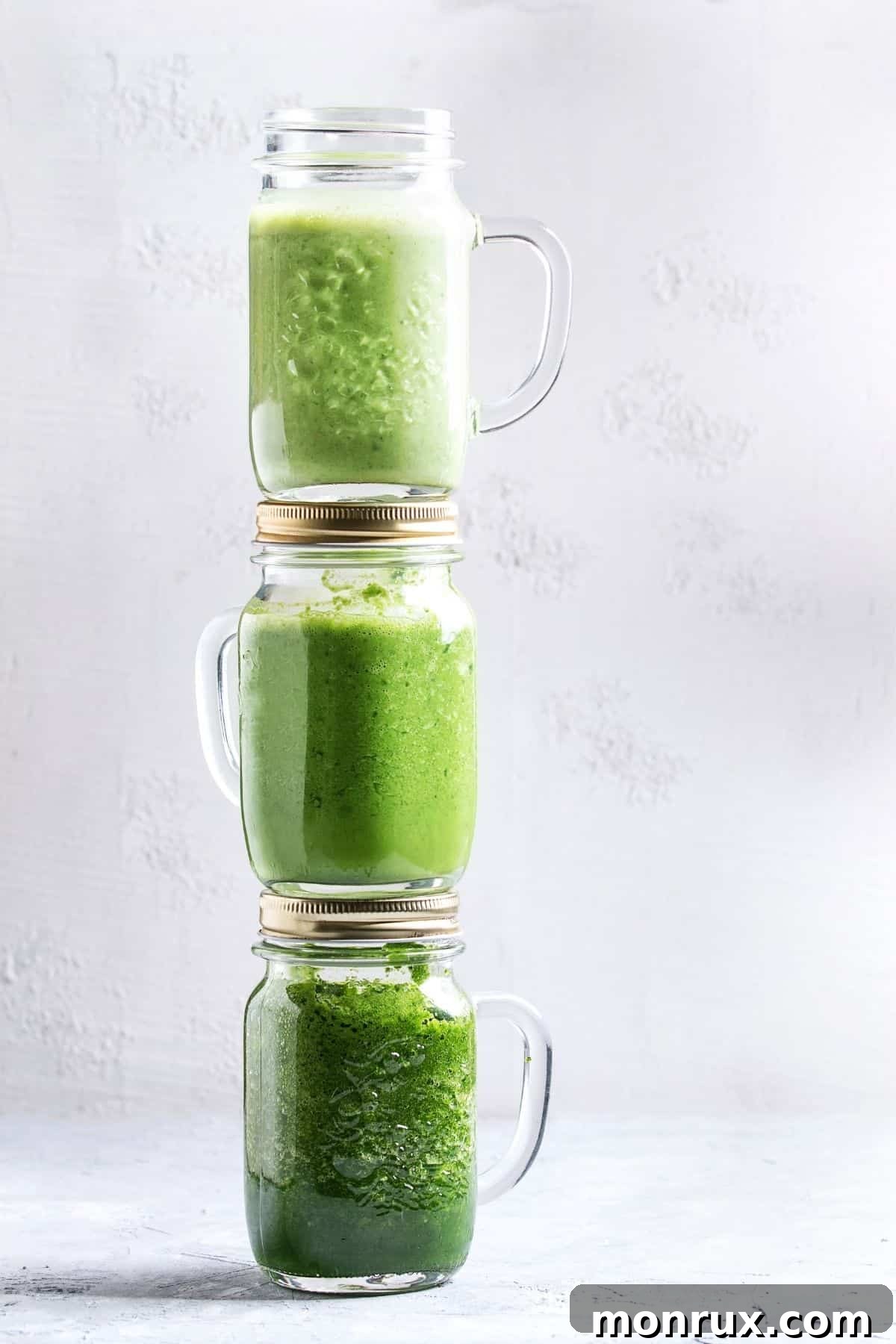
Basic Green Smoothie Recipe
The versatility of green smoothies means there are virtually endless ingredient combinations to explore. However, having a reliable basic formula is an excellent starting point for anyone looking to incorporate these healthy drinks into their routine. This foundational recipe utilizes dairy-free milk as its base, perfectly blended with a balanced serving of leafy greens and two servings of fruit, creating a harmonious and nutritious blend.
To streamline your routine and simplify healthy eating, consider meal prepping your green smoothies. You can freeze spinach for smoothies in advance, or even assemble all dry and frozen ingredients in your blender pitcher the night before. This way, all you need to do the next morning is add your liquid, blend, and enjoy a quick, healthy breakfast or snack without any fuss.
We hope you enjoy making this recipe! If you do, please consider leaving a comment and a starred review below to share your experience.
Stay connected and inspired by following us on social media. You can find us on Facebook, Pinterest, Instagram, and YouTube!
Print

Basic Green Smoothie
5 out of 5 stars from 1 review
Here’s a basic recipe for making a green smoothie that is dairy-free, paleo, and vegan-friendly, offering a perfect blend of nutrients and delicious taste.
Total Time: 7 minutes
Yield: 2 servings
Ingredients
Units
Scale
- 2 cups unsweetened almond milk
- 1/2 cup frozen strawberries
- 1 frozen ripe banana, broken in half
- 2 large handfuls baby spinach
- 2 tablespoons almond butter
Instructions
- In the pitcher of a high-speed blender, combine the almond milk, strawberries, banana, baby spinach, and almond butter.
- Place the lid on tightly and blend for 45-60 seconds, or until the smoothie is perfectly creamy with no chunks remaining.
- Serve immediately for the freshest taste and optimal nutrient benefits.
Notes
- Feel free to customize this recipe by experimenting with different fruits and leafy greens. Excellent fruit options include frozen cherries, mango, papaya, pineapple, and various types of berries. For the leafy greens, you can use kale, collard greens, Swiss chard, or any other variety you enjoy. You can even freeze cucumber and squash to add extra hidden vegetables.
- You can also swap almond butter for any other nut butter you prefer. Coconut milk, avocado, or various seed butters (like sunflower seed butter) are also great alternatives for healthy fats.
- Any leftover smoothie can be stored in a covered container in the refrigerator for up to 2 days, though fresh is always best.
- For a more substantial meal replacement, consider adding a scoop of your favorite protein powder to boost the protein content and keep you feeling full longer.
- Author: Carrie Forrest, MPH in Nutrition
- Prep Time: 5 minutes
- Cook Time: 2 minutes
- Category: Smoothie
- Method: Blender
- Cuisine: Healthy
- Diet: Vegan
Nutrition
- Serving Size: 1/2 of recipe
- Calories: 206
- Sugar: 9.8 g
- Sodium: 200 mg
- Fat: 12.1 g
- Saturated Fat: 0.7 g
- Carbohydrates: 21.5 g
- Fiber: 4.3 g
- Protein: 6.2 g
- Cholesterol: 0 mg
More Green Smoothie Inspiration
Looking to diversify your green smoothie repertoire? Here are some additional recipes that explore a range of flavors and nutritional profiles, ensuring you never run out of delicious options:
- Green Apple Spinach Smoothie
- 1,000 Calorie Smoothie (for those needing a calorie boost)
- Broccoli Sprout Smoothie
- Strawberry Banana Zucchini Smoothie
- Collard Green Smoothie
You might also enjoy exploring our broader collection of the best healthy breakfast smoothies or our comprehensive index of dairy-free smoothies to find your next favorite blend.
Don’t forget to join our newsletter list to receive exclusive clean eating recipes, expert tips, and wellness insights directly to your inbox. It’s 100% free with no spam, and you can unsubscribe at any time.
About the Author: Carrie Forrest holds a master’s degree in public health with a specialization in nutrition and is a certified holistic nutritionist. She is a highly respected wellness and food blogger, attracting over 5 million visitors to her site annually. Carrie shares an inspiring journey of recovery from chronic illness and is deeply passionate about empowering other women to transform their health and embrace vibrant living. Feel free to send her a message through her contact form for personalized advice or to share your own wellness story.
Disclaimer: Please note that this post is provided for informational purposes only and should not be considered as medical advice. Always consult your healthcare provider for personalized recommendations and guidance related to your individual health situation and dietary needs.