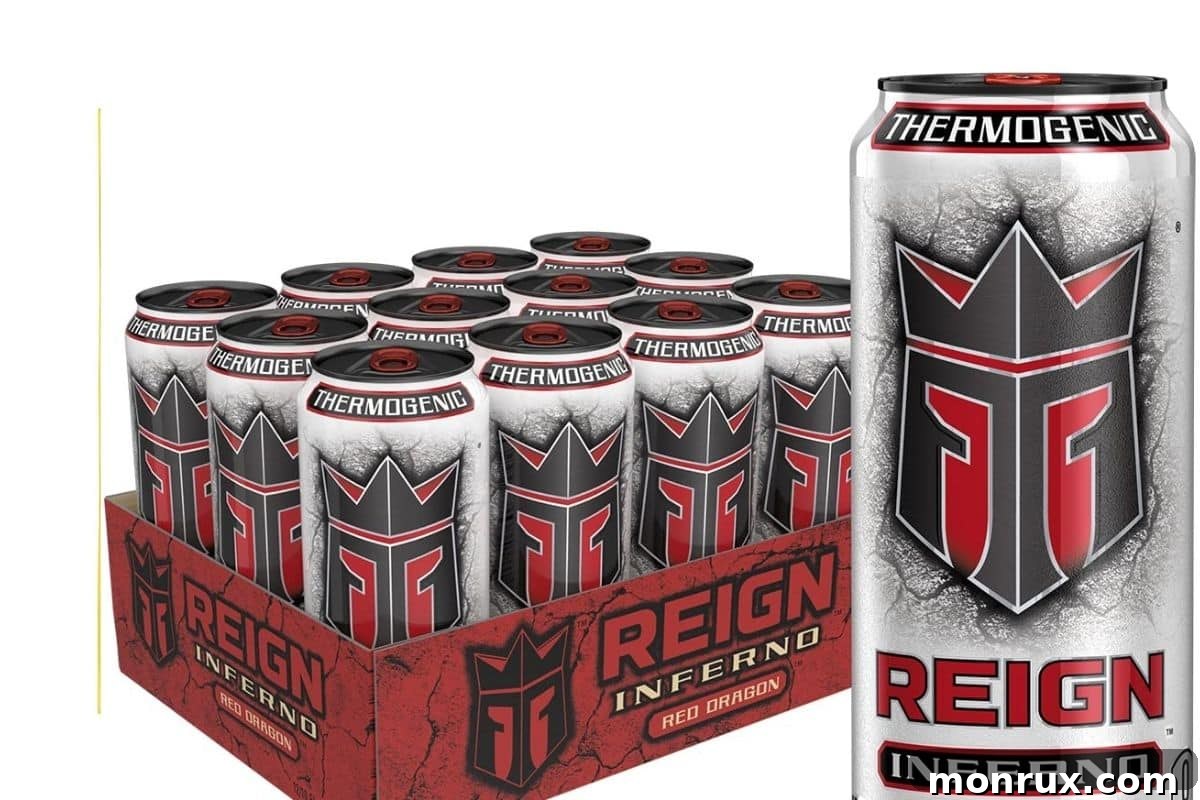
In the vibrant and often overwhelming world of energy drinks, Reign Energy has carved out a significant niche, positioning itself as a “total body fuel” for athletes and fitness enthusiasts. But beneath the slick marketing and bold claims, many consumers, especially those committed to a clean eating lifestyle, wonder: Are Reign Energy Drinks genuinely beneficial, or do they harbor hidden health risks? This comprehensive review delves deep into Reign’s nutritional profile, dissecting its ingredients, exploring potential pros and cons, and offering insights to help you make informed choices about your energy boost. We’ll uncover why, for many, Reign may contain an excessive amount of caffeine and other concerning components like artificial sweeteners and preservatives that warrant careful consideration.
Understanding Reign Energy Drinks: Key Facts
Reign Energy Drinks, a popular line of “total body fuel” beverages, are specifically engineered to cater to athletes, bodybuilders, and fitness enthusiasts seeking an intense performance boost. Manufactured by the Monster Beverage Corporation, a dominant force in the energy drink market, Reign has strategically positioned itself as a more specialized, fitness-oriented option compared to its sugar-laden predecessors.
Each standard can of Reign Energy packs a powerful punch, typically containing a staggering 300 mg of caffeine. To put this into perspective, that’s roughly equivalent to the caffeine content found in three standard 8-ounce cups of brewed coffee. Beyond the high caffeine dose, Reign incorporates a blend of other purported performance-enhancing ingredients, including Branched-Chain Amino Acids (BCAAs) like L-Leucine, L-Isoleucine, and L-Valine, electrolytes such as sodium and potassium, and Coenzyme Q10 (CoQ10). These components are designed to support muscle recovery, hydration, and cellular energy production during rigorous physical activity.
The primary target audience for Reign Energy Drinks includes individuals committed to intense workouts, athletes requiring sustained energy for competition, and healthy adults seeking a significant mental and physical lift during demanding schedules. Reign aims to stand apart from traditional energy drinks by emphasizing its sports performance focus, often marketing itself as a “healthier” choice due to its zero-sugar formula and inclusion of electrolytes, which appeal to consumers following low-carb, keto, or sugar-conscious diets. This strategic differentiation helps Reign resonate with a segment of the market increasingly wary of sugary beverages.
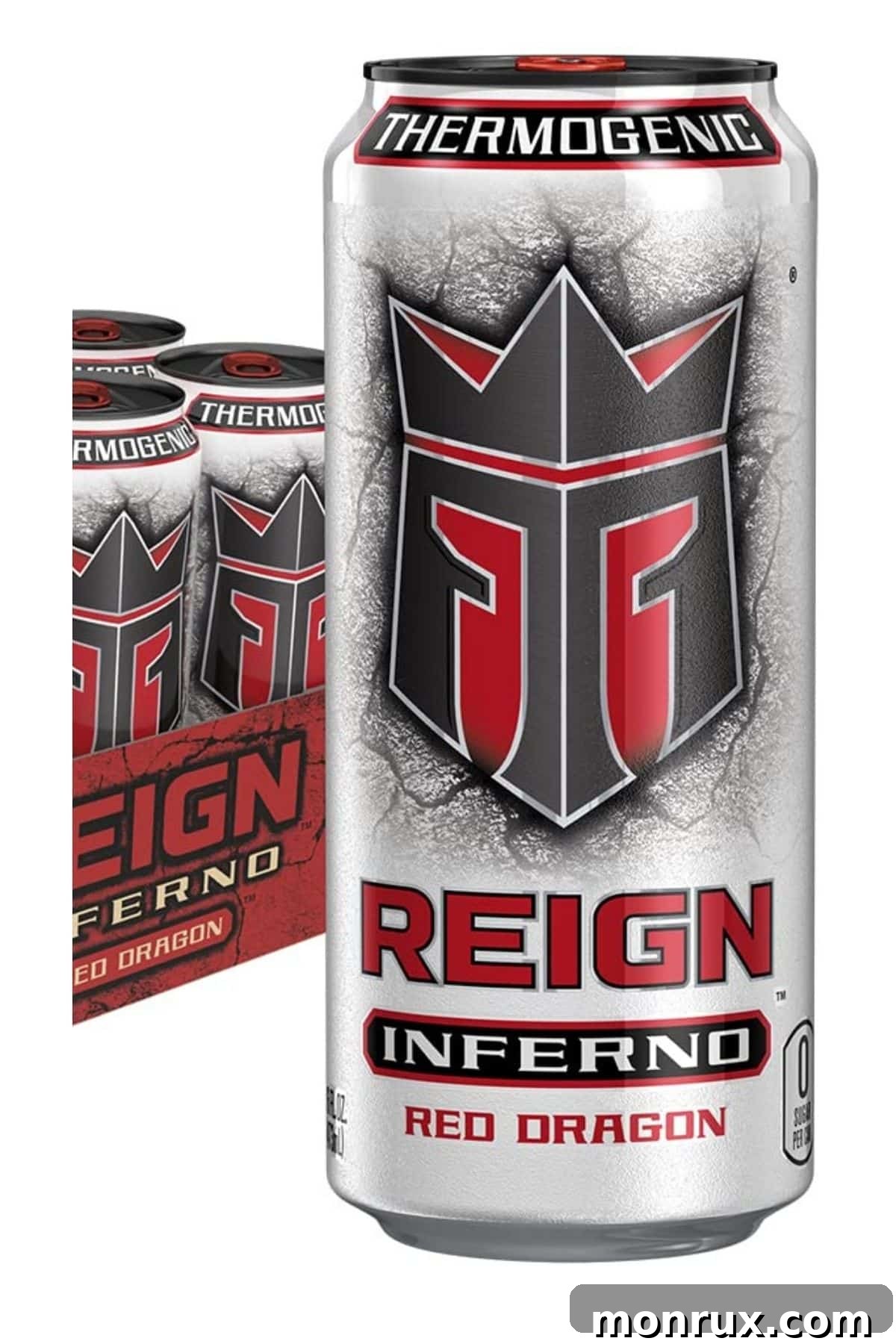
Reign Energy Drinks boast an impressive array of flavors, designed to appeal to diverse palates. Popular options include Sour Gummy Worm, Tropical Storm, Reignbow Sherbet, White Gummy Bear, Razzle Berry, Melon Mania, and Red Dragon. Each flavor promises a stimulating taste experience without the guilt of added sugars. They are formulated with zero sugar, only 10 calories per can, and are free from artificial colors. However, this appealing profile is achieved through the use of artificial sweeteners like sucralose and acesulfame potassium, alongside preservatives such as sodium benzoate and potassium sorbate, and various “natural flavors.”
To illustrate the typical ingredient composition, here is a detailed list for the “Red Dragon” flavor:
- Carbonated water
- Citric acid
- L-citrulline
- Sodium citrate
- Natural flavors
- Panax ginseng extract
- L-leucine (BCAA)
- Caffeine (300 mg)
- L-isoleucine (BCAA)
- L-valine (BCAA)
- Sucralose (artificial sweetener)
- Sodium benzoate (preservative)
- Potassium citrate
- Potassium sorbate (preservative)
- Acesulfame potassium (artificial sweetener)
- Niacinamide (vitamin B3)
- Magnesium lactate
- L-carnitine L-tartrate
- Coenzyme Q10
- Green tea extract (standardized to 45% EGCG)
- Pyridoxine hydrochloride (vitamin B6)
- Capsicum oleoresin
- Cyanocobalamin (vitamin B12)
This extensive list highlights Reign’s multifaceted approach to energy and performance, but also introduces a range of ingredients that warrant a closer look from a health perspective.
A Deep Dive into Reign Energy Drink Ingredients
Understanding what goes into your energy drink is crucial for assessing its overall impact on your health. Let’s meticulously examine some of the primary ingredients found in Reign Energy Drinks and their potential implications.
Citric Acid: Flavor Enhancer or Dental Threat?
Citric acid is a naturally occurring weak acid predominantly found in citrus fruits like lemons, limes, and oranges. In the food and beverage industry, it’s widely used as a flavoring agent to impart a tart, refreshing taste, and as a preservative due to its acidic properties. For energy drinks like Reign, citric acid contributes significantly to the crisp and tangy flavor profiles consumers enjoy.
However, the regular consumption of beverages high in citric acid can have notable drawbacks, particularly for dental health. Citric acid is corrosive, meaning it can erode tooth enamel over time. Enamel, the hard outer layer of teeth, protects against decay. Once enamel is eroded, it cannot be regenerated, leading to increased tooth sensitivity, discoloration, and a higher susceptibility to cavities. A study published in the Journal of Endodontics highlighted the erosive potential of acidic drinks on dental tissues. While the occasional intake may not pose a severe risk, frequent consumption of acidic drinks like Reign could contribute significantly to long-term dental problems.
Decoding “Natural Flavors”: What’s Really Inside?
The term “natural flavors” on a product label often evokes a sense of wholesomeness and purity, suggesting that the taste comes directly from its original source. However, in the realm of food and beverage manufacturing, this term is notoriously vague and lacks stringent regulatory definition. While “natural flavors” must technically be derived from a natural source (plant or animal material), the journey from source to bottle is far from simple or “natural.”
These flavors are typically created in a lab through complex chemical processes, often involving numerous intermediate chemicals, solvents, high heat, and other additives to extract and concentrate specific flavor compounds. The final flavor mixture can contain dozens of individual chemicals, some of which may not be derived from a “natural” source at all but are deemed “incidental additives.” Food manufacturers are not legally required to disclose the specific ingredients or the extensive processing methods used to create these flavors. This lack of transparency means consumers are often unaware of the full spectrum of substances they are ingesting, leading to concerns about potential allergens, sensitivities, and whether these highly processed compounds truly align with a healthy, clean eating philosophy. For individuals seeking genuinely natural ingredients, the ambiguity surrounding “natural flavors” can be a significant red flag.
Sucralose: The Sweetener with Potential Downsides
Sucralose, sold under the brand name Splenda, is a widely used synthetic artificial sweetener that provides sweetness without the calories of sugar. It’s a cornerstone ingredient in many “diet” and “sugar-free” products, including Reign Energy Drinks, appealing to those who want to avoid sugar and reduce calorie intake.
While sucralose is approved by regulatory bodies like the FDA and often marketed as safe, a growing body of research suggests potential health concerns, especially with regular and long-term consumption. One major area of concern is its impact on gut health. Studies indicate that sucralose may negatively alter the balance of beneficial gut bacteria, potentially leading to dysbiosis. A disrupted gut microbiome can contribute to digestive issues, impaired nutrient absorption, and a weakened immune system. Furthermore, emerging research links artificial sweeteners like sucralose to metabolic dysregulation. Despite being calorie-free, sucralose consumption has been associated with an increased risk of obesity, insulin resistance, and type 2 diabetes in some observational studies. It may also affect glucose tolerance, potentially impairing the body’s ability to manage blood sugar levels over time, even in individuals without diabetes. Given these potential risks, consumers should weigh the benefits of zero-calorie sweetness against the long-term health implications of sucralose.
Potassium Sorbate: A Common Preservative Under Scrutiny
Potassium sorbate is a commonly used food additive, functioning primarily as a preservative. Its main role in products like Reign Energy Drinks is to inhibit the growth of mold, yeast, and certain bacteria, thereby extending the product’s shelf life and ensuring microbial stability. It is often favored for its effectiveness and relatively low cost.
The FDA generally recognizes potassium sorbate as safe (GRAS) when consumed in small amounts. However, like many food additives, its widespread use and potential for cumulative exposure have led to some health concerns. While rare, some individuals may experience allergic reactions, such as skin irritation, when exposed to potassium sorbate. More broadly, there are increasing concerns that preservatives, including potassium sorbate, could disrupt gut health by potentially impacting the delicate balance of beneficial bacteria in the digestive system. A healthy gut microbiome is crucial for digestion, immune function, and overall well-being. While direct, conclusive evidence of harm from typical consumption levels is still being studied, the additive nature of consuming multiple processed foods and beverages with such preservatives raises questions about their long-term effects on gut flora and human health.
Sodium Benzoate: Preserving Shelf Life, Risking Health?
Sodium benzoate is another ubiquitous preservative found in many acidic foods and beverages, including Reign Energy Drinks. It works by inhibiting the growth of bacteria, yeast, and mold, effectively preventing spoilage and maintaining product freshness for longer periods.
Despite its utility, sodium benzoate has been a subject of considerable scientific and public debate regarding its potential health risks, particularly when consumed regularly or in higher quantities. One of the most significant concerns arises when sodium benzoate is combined with ascorbic acid (vitamin C) in a beverage. Under certain conditions, such as exposure to heat or light, this combination can form benzene, a known carcinogen linked to an increased risk of various cancers. Although the levels of benzene found in beverages are typically low and regulated, continuous exposure over time from multiple sources could accumulate and potentially pose a risk. Furthermore, sodium benzoate has been controversially associated with hyperactivity and behavioral issues in children in some studies, although more research is needed to establish a definitive causal link. For health-conscious consumers, the presence of sodium benzoate, especially in combination with other ingredients, adds another layer of scrutiny to Reign Energy Drinks.
Sodium Content: Electrolyte Balance or Excessive Intake?
Sodium plays a crucial role in Reign Energy Drinks, primarily serving to facilitate hydration and maintain electrolyte balance, particularly vital for individuals engaging in intense physical activity. As an essential electrolyte, sodium helps regulate fluid levels in the body, supports proper nerve signal transmission, and is fundamental for muscle contraction. During strenuous exercise, significant amounts of sodium can be lost through sweat, making its replenishment important.
However, the inclusion of sodium also comes with potential health implications. High sodium intake is a well-established risk factor for high blood pressure (hypertension), a leading cause of heart disease and stroke. While the sodium content in a single can of Reign (e.g., 230mg for Red Dragon) might seem moderate compared to some processed foods, regular consumption can contribute significantly to one’s daily sodium intake, potentially pushing it beyond recommended limits. The American Heart Association recommends no more than 2,300 milligrams (mg) per day for most adults, with an ideal limit of no more than 1,500 mg per day for optimal cardiovascular health. Excessive sodium can also lead to water retention, causing bloating and placing increased strain on the heart and kidneys. For individuals with pre-existing conditions such as hypertension, kidney disease, or heart problems, carefully monitoring sodium intake from all sources, including energy drinks, is paramount. The combination of high sodium with potent stimulants like caffeine in Reign raises further concerns about its cumulative impact on cardiovascular health, especially with habitual consumption.
Caffeine: The High-Octane Boost and Its Repercussions
Caffeine is undeniably the cornerstone of Reign Energy Drinks, serving as the primary stimulant responsible for its energizing effects. With a substantial 300 mg of caffeine per can, Reign delivers a potent dose designed to significantly enhance alertness, focus, and physical performance. This high concentration is a major draw for individuals seeking an immediate and powerful energy surge, far surpassing the caffeine content of most standard coffee beverages.
While caffeine offers undeniable benefits for cognitive function and athletic output, a dose of 300 mg in a single serving can lead to considerable health challenges for many individuals. For those sensitive to stimulants, or even for average consumers, such a high intake can trigger adverse effects including heightened anxiety, nervousness, restlessness, tremors, and a rapid or irregular heart rate. It can also cause a noticeable spike in blood pressure. The European Food Safety Authority (EFSA) suggests single doses of caffeine up to 200 mg are generally safe for healthy adults, and a daily intake of up to 400 mg. Consuming 300 mg in one go puts a significant portion of that daily limit into a single beverage, making it easy to exceed safe thresholds if other caffeine sources are consumed.
Beyond immediate effects, overconsumption of caffeine, especially from high-dose energy drinks, can severely disrupt sleep patterns, leading to insomnia or poor sleep quality. Chronic sleep deprivation can negatively impact overall well-being, mood, and cognitive function. Furthermore, regular intake of such high caffeine levels can foster caffeine dependence, resulting in unpleasant withdrawal symptoms like severe headaches, irritability, fatigue, and difficulty concentrating if consumption is suddenly stopped. It is imperative for consumers to be acutely aware of their total caffeine intake and individual tolerance to avoid these potential side effects and ensure responsible consumption. While Reign Energy Drinks offer a quick and intense energy boost, the substantial caffeine content necessitates caution and moderation for maintaining optimal health.
Reign Energy Drink: The Nutrition Pros
Despite the various concerns surrounding its ingredients, Reign Energy Drinks do offer some perceived benefits that attract its dedicated consumer base. Foremost among these is the promise of a rapid and convenient energy boost, which is particularly appealing for pre-workout fuel or during periods of intense mental or physical demand. The high caffeine content is undoubtedly effective for increasing alertness and focus almost instantaneously.
Another significant advantage, especially for a large segment of the market, is Reign’s formulation with zero added sugar and minimal calories (10 calories per can). This makes it an attractive option for individuals on low-carb, ketogenic, or weight-management diets who wish to avoid the caloric and glycemic impact of traditional sugary energy drinks. Its sugar-free profile helps to prevent the blood sugar spikes and crashes often associated with high-sugar beverages.
Reign also includes several ingredients marketed to support athletic performance and recovery. The presence of BCAAs (Branched-Chain Amino Acids)—L-Leucine, L-Isoleucine, and L-Valine—is intended to aid in muscle protein synthesis, potentially reducing muscle breakdown and supporting recovery during and after strenuous exercise. Electrolytes like sodium and potassium are added to help replenish those lost through sweat, thus supporting hydration and preventing cramps. Furthermore, components like Coenzyme Q10 (CoQ10), L-citrulline, and Panax ginseng extract are included for their roles in cellular energy production, nitric oxide synthesis for improved blood flow, and adaptogenic properties, respectively. These additions are designed to provide a comprehensive “performance-enhancing” profile, making Reign an appealing choice for serious athletes and gym-goers looking for more than just a caffeine kick.
Reign Energy Drink: The Nutrition Cons
While Reign Energy Drinks offer a convenient surge of energy, their health drawbacks are considerable and often outweigh the perceived benefits, particularly for those prioritizing clean eating and overall well-being. The most prominent concern is the exceptionally high caffeine content of 300 mg per can. This significant dose can lead to a range of adverse effects, including heightened anxiety, jitters, increased heart rate, elevated blood pressure, and severe sleep disturbances. Regular consumption at this level can also foster caffeine dependence and unpleasant withdrawal symptoms.
The reliance on artificial sweeteners like sucralose and acesulfame potassium is another major concern. Despite being calorie-free, these sweeteners have been linked to potential disruptions in gut microbiome balance, metabolic dysregulation, and an increased risk of issues like insulin resistance and type 2 diabetes. Their long-term impact on appetite regulation and overall metabolic health remains a subject of ongoing scientific scrutiny.
Furthermore, the inclusion of synthetic preservatives such as sodium benzoate and potassium sorbate raises additional red flags. Sodium benzoate, especially when combined with vitamin C, can form benzene, a known carcinogen. Both preservatives have also been implicated in potential gut health disturbances and, in the case of sodium benzoate, behavioral issues in sensitive individuals. These additives, while extending shelf life, introduce compounds that are far from natural and may accumulate in the body over time.
The ambiguous nature of “natural flavors” contributes to a lack of transparency. This term often masks complex chemical formulations and processing methods that can include various unlisted ingredients and solvents, which may not align with a consumer’s expectation of a healthy product. Finally, while sodium is essential for electrolytes, the quantity found in Reign can contribute to excessive daily sodium intake. This poses a risk for individuals prone to high blood pressure, water retention, and those with pre-existing cardiovascular or kidney conditions. Considering these multifaceted drawbacks, Reign Energy Drinks present a profile that is far from ideal for truly healthy energy and overall wellness.
Explore Other Energy Drink Reviews
The Final Verdict: Are Reign Energy Drinks Bad For You?
After a thorough examination of Reign Energy Drinks, it becomes clear that while they offer certain advantages, such as convenience and a sugar-free profile, these benefits are largely overshadowed by significant health concerns. This highly processed beverage, despite its athletic positioning, contains an alarming 300 mg of caffeine per can, alongside artificial sweeteners like sucralose, and synthetic preservatives such as sodium benzoate and potassium sorbate. The ambiguous “natural flavors” further contribute to a lack of transparency, making it difficult for consumers to fully understand what they are consuming.
The potential risks associated with these ingredients include adverse cardiovascular effects, disrupted sleep patterns, gut microbiome imbalance, metabolic dysregulation, and even long-term concerns like carcinogen formation. For individuals sensitive to stimulants, those with pre-existing health conditions, or anyone committed to a clean eating lifestyle, the regular consumption of Reign Energy Drinks presents a considerable health gamble. While marketed for performance, the aggressive chemical cocktail may do more harm than good to your body’s delicate systems.
Healthier Alternatives for Sustained Energy
For those seeking a truly healthy and sustainable energy boost without the adverse effects linked to conventional energy drinks, numerous natural alternatives abound. These options not only provide energy but also nourish your body, supporting overall health and vitality:
- Homemade Smoothies: Blend nutrient-dense ingredients like spinach, kale, berries, chia seeds, and plant-based protein for a sustained energy release. Ingredients like maca powder or spirulina can offer natural vitality boosts.
- Infused Water with Fruits and Herbs: Enhance plain water with slices of lemon, cucumber, mint, or ginger for a refreshing and hydrating beverage that naturally invigorates without artificial additives.
- Green Tea or Matcha: Rich in L-theanine, green tea provides a calmer, more sustained energy compared to coffee, reducing jitters while improving focus. Matcha, a concentrated form of green tea, offers an even more potent dose of antioxidants and a balanced energy lift.
- Herbal Teas: Specific herbal teas like peppermint, ginger, or rooibos can offer subtle stimulating or balancing effects, promoting alertness or relaxation as needed, without caffeine crashes.
- Coconut Water: A natural source of electrolytes, coconut water is excellent for hydration and replenishing minerals lost during activity, providing a gentle energy lift.
- Whole Foods and Balanced Meals: The most fundamental and effective way to maintain consistent energy levels is through a diet rich in whole, unprocessed foods. Prioritize complex carbohydrates, lean proteins, and healthy fats to fuel your body efficiently throughout the day.
Making informed choices about your beverage intake is paramount for your health journey. Opting for natural, less processed alternatives can provide a refreshing and energizing experience that truly supports your well-being.
Don’t forget to join my newsletter list to get exclusive clean eating recipes and tips. The newsletter is 100% free with no spam; unsubscribe anytime.
About the Author: Carrie Forrest has a master’s degree in public health with a specialty in nutrition and is a certified holistic nutritionist. She is a top wellness and food blogger with over 5 million annual visitors to her site. Carrie has an incredible story of recovery from chronic illness and is passionate about helping other women transform their health. Send her a message through her contact form.
Note: this post is for informational purposes only and is not intended as medical advice. Please consult your healthcare provider for recommendations related to your individual situation.