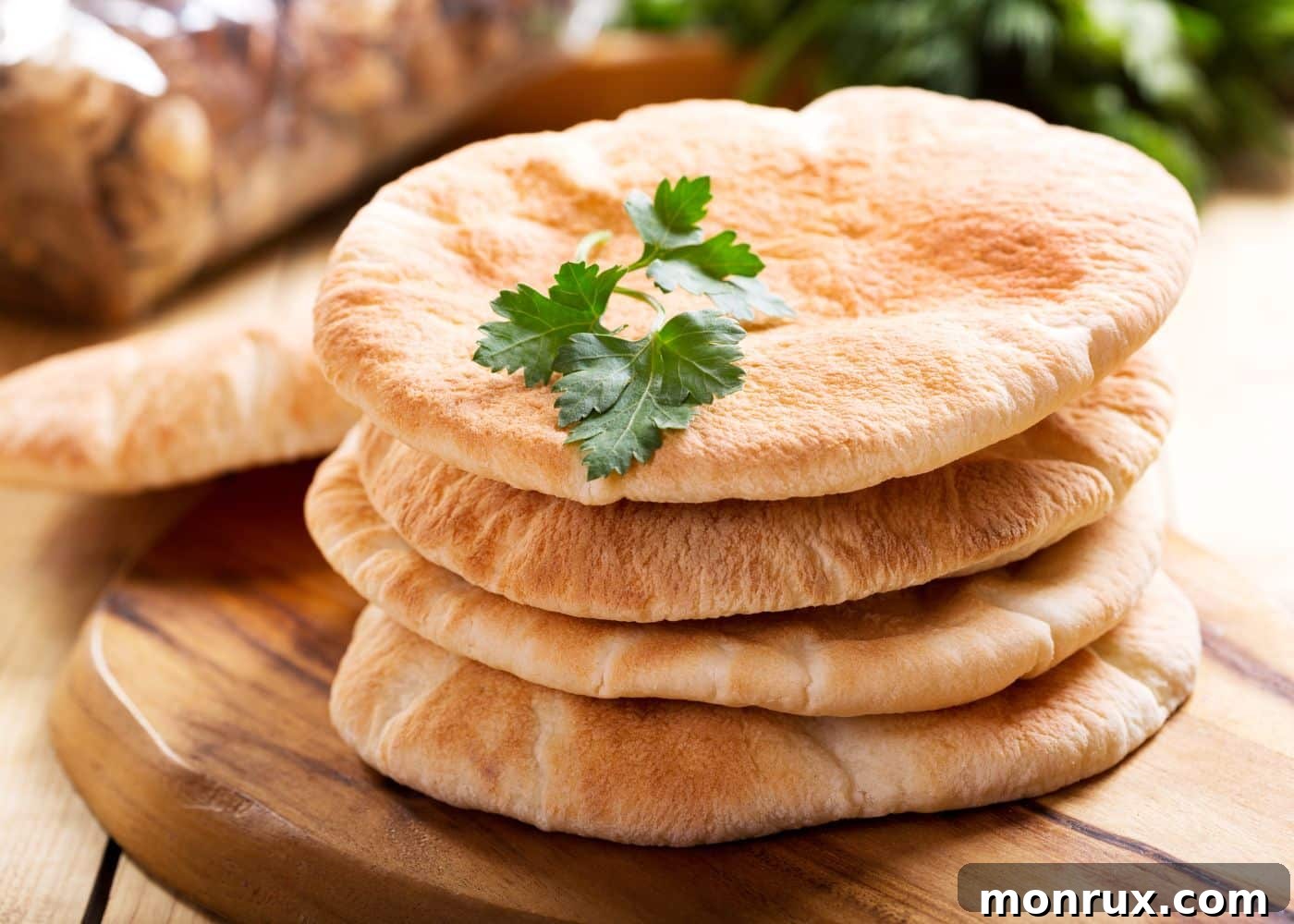
In the evolving landscape of health-conscious eating, understanding the nutritional profile of our everyday staples is more important than ever. Among the myriad bread options available, pita bread frequently comes under the spotlight, prompting questions about its place in a healthy diet. Is this ancient flatbread a nutritious choice, or does it come with hidden drawbacks? This comprehensive guide will delve deep into the world of pita bread, examining its ingredients, nutritional advantages, potential disadvantages, and how it stacks up against other bread varieties. Our aim is to provide you with a clear, unbiased review, helping you make informed decisions about enjoying pita bread as part of a balanced lifestyle. For most people, **pita bread, when chosen wisely and consumed in moderation, can indeed be a healthy and delightful addition to their diet.**
Pita Bread Unveiled: History, Characteristics, and Modern Appeal
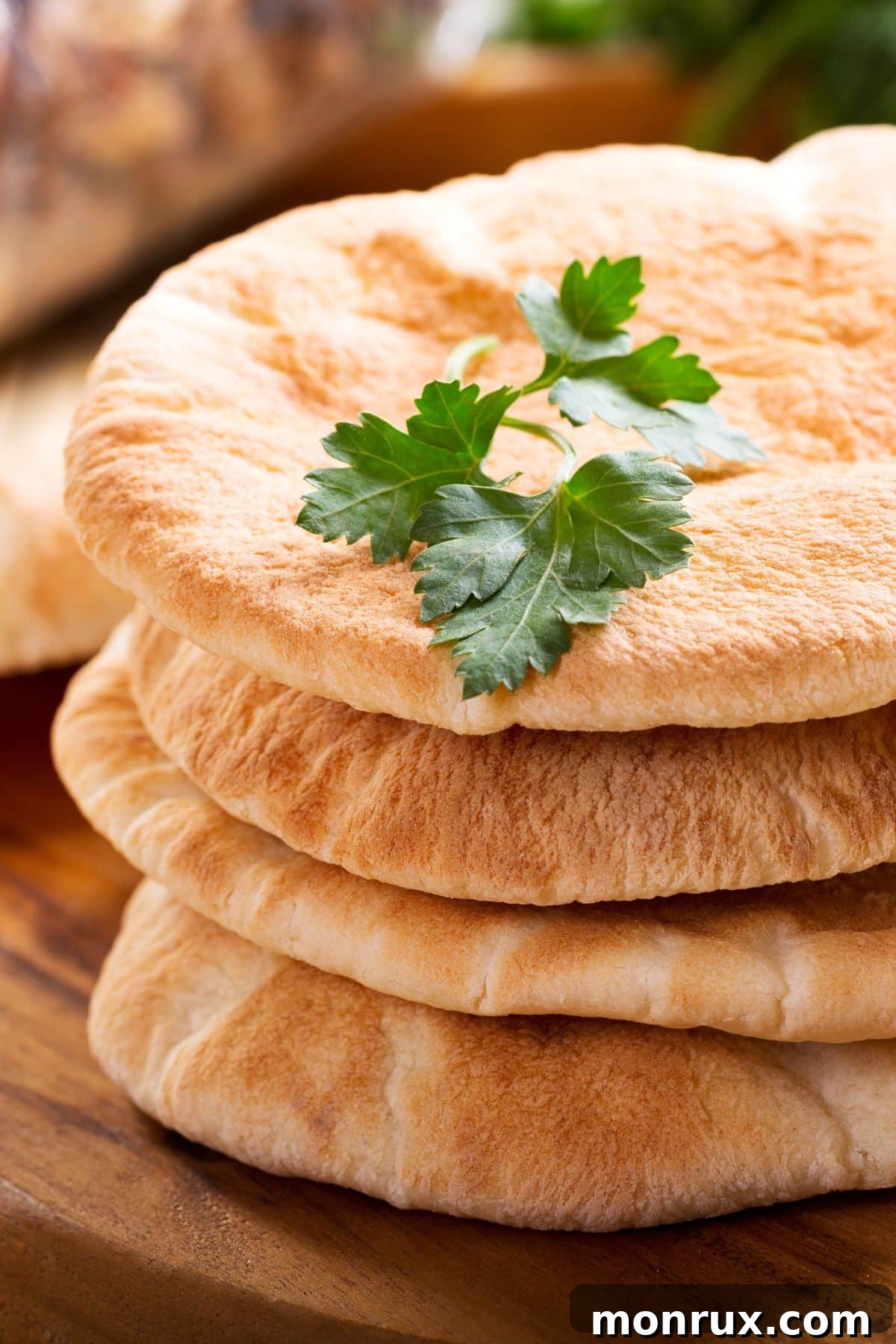
Pita bread, a staple of Middle Eastern and Mediterranean cuisines, boasts a rich history spanning thousands of years. This iconic leavened flatbread is celebrated not only for its simple yet satisfying flavor but also for its distinctive texture and remarkable versatility. Originating in ancient Mesopotamia, pita bread has evolved to become a beloved food item enjoyed across cultures worldwide.
Traditionally, pita bread is crafted from a handful of fundamental ingredients: flour, water, yeast, and salt. This minimalistic approach to its composition is a testament to its ancient roots and contributes to its straightforward appeal. What sets pita apart from many other types of bread, such as traditional loaves of white bread or dense whole wheat varieties, is its unique baking process and the resulting structural characteristics.
Unlike conventional bread loaves that are often baked at moderate temperatures for extended periods, pita bread dough is rolled into thin, circular discs and then rapidly baked at very high temperatures. This intense heat causes the water in the dough to quickly turn into steam, creating a dramatic puffing effect. As the steam expands, it separates the layers of dough, forming the characteristic “pocket” in the center. This pocket is not only visually appealing but also incredibly functional, making pita bread an ideal vessel for a myriad of fillings.
The culinary applications of pita bread are virtually endless. Its sturdy yet flexible nature makes it perfect for stuffing with savory ingredients like falafel, shawarma, gyros, grilled meats, or vibrant mixed salads. Beyond serving as a delicious wrapper, pita bread also shines as an excellent dipper for creamy spreads and sauces. Imagine tearing off a piece of warm pita and scooping up rich hummus, smoky baba ganoush, or refreshing tzatziki. For an enhanced flavor and a delightful crunch, pita can be lightly grilled, toasted, or even baked into crispy pita chips. It can also serve as a quick and convenient base for mini pizzas or open-faced sandwiches.
Its ease of preparation and adaptability have cemented pita bread’s place in kitchens around the globe. Whether it’s a quick lunch, a hearty dinner, or a simple snack, pita offers a convenient and flavorful foundation for countless dishes, truly showcasing its enduring appeal and cultural significance.
The Anatomy of Pita Bread: Key Ingredients and Their Roles
At its core, traditional pita bread is a marvel of simplicity, requiring only a few basic ingredients that come together to create its unique texture and taste. Understanding these components and their roles is key to appreciating both homemade and store-bought pita.
Flour
Flour is the primary structural component of pita bread. The type of flour used significantly influences the bread’s texture, flavor, and nutritional content. Most commercial pita breads, and many traditional recipes, utilize a combination of all-purpose flour (white flour), which contributes to a softer, more pliable texture, and sometimes bread flour for added chewiness due to its higher protein content. For those seeking a more nutrient-dense option, whole wheat flour is increasingly popular. Incorporating whole wheat flour not only boosts the fiber content but also introduces a richer, nuttier flavor and a darker color. Some artisanal pitas might even feature ancient grains like spelt or einkorn for unique profiles.
Yeast
Yeast is the magical leavening agent responsible for pita bread’s characteristic puff and airy pocket. Most recipes call for active dry yeast, which requires activation in warm water, often with a pinch of sugar or honey to give the yeast a “food source” and kickstart the fermentation process. This activation step is crucial; it ensures the yeast is alive and ready to produce the carbon dioxide gas that inflates the dough. Alternatively, instant yeast can be used, which typically doesn’t require prior activation and can be mixed directly with the dry ingredients. The fermentation process initiated by the yeast not only creates air pockets but also contributes to the subtle, complex flavors of the bread.
Water
Water is essential for hydrating the flour and activating the yeast. When using active dry yeast, the water temperature is critical – it needs to be warm enough (typically between 105-115°F or 40-46°C) to awaken the yeast without killing it. Beyond its role in yeast activation, water contributes to the dough’s consistency and elasticity. For a slightly richer flavor and a softer crumb, some recipes suggest replacing a portion or all of the water with milk. Milk introduces fats and sugars that can yield a more tender bread and a subtly sweeter taste, offering a delightful variation to the classic pita.
Salt
As with virtually all bread recipes, salt plays a vital role in pita bread. It’s not just for flavor; salt also helps to regulate yeast activity, preventing the dough from rising too quickly and allowing for better flavor development. It strengthens the gluten structure in the dough, which contributes to the bread’s chewiness and ability to hold its shape. Any type of salt can be used, from fine table salt to coarser sea salt or kosher salt, depending on preference. The amount of salt needs to be carefully balanced to enhance taste without overwhelming the subtle flavors of the other ingredients.
Olive Oil (Optional)
While not strictly traditional for all pita recipes, a small amount of olive oil is often included to enhance the dough’s pliability, making it easier to work with, and to lend a richer flavor to the finished bread. When choosing olive oil, opting for extra virgin olive oil is recommended not only for its superior taste but also for its exceptional nutritional benefits. High-quality extra virgin olive oil is renowned for being packed with heart-healthy monounsaturated fats and powerful antioxidants. Studies suggest that these compounds can play a significant role in protecting against chronic diseases such, as heart disease and inflammation. It may even contribute to a reduced risk of certain cancers and type 2 diabetes. Its inclusion transforms the pita into an even more wholesome and flavorful offering.
Beyond these core ingredients, some variations might include a touch of sugar or honey (beyond just yeast activation) for added sweetness, or even herbs and spices like za’atar for a more aromatic profile, especially in Middle Eastern variations. The beauty of pita bread lies in its simple foundation, allowing for subtle personalizations.
The Nutritional Upside: Benefits of Incorporating Pita Bread
When considering whether pita bread is a healthy choice, it’s important to look at its nutritional advantages, especially when compared to other common bread varieties. Pita bread offers several compelling benefits that can make it a valuable component of a balanced diet.
Lower in Fat and Calories (Comparatively)
One of the standout attributes of traditional pita bread is its relatively low fat content. Unlike many commercially produced sandwich breads that may contain added oils or fats, a classic pita recipe primarily relies on flour, water, yeast, and salt. This lean composition naturally leads to a lower fat count per serving. Furthermore, a single pita bread often contains fewer calories than two slices of standard sandwich bread, making it an excellent option for those managing their calorie intake. This can be particularly beneficial for weight management, as it allows for satisfying portions without excessive caloric contribution, especially when filled with nutrient-dense vegetables and lean proteins.
A Good Source of Whole Grains (When Made with Whole Wheat)
The true nutritional powerhouse of pita bread comes to the forefront when it’s made with whole wheat flour. Whole grain pita bread is a rich source of dietary fiber, which is crucial for digestive health, promoting regularity, and preventing constipation. Fiber also plays a significant role in satiety, helping you feel fuller for longer, which can curb overeating. Beyond fiber, whole wheat varieties are packed with essential nutrients, including B vitamins (such as niacin, thiamine, and riboflavin), iron, magnesium, and zinc. These micronutrients are vital for energy production, nerve function, red blood cell formation, and overall metabolic health. Opting for whole wheat pita means you’re consuming the entire grain kernel – the bran, germ, and endosperm – ensuring you receive all its inherent goodness.
Versatility and Convenience for Healthy Meals
Beyond its inherent nutritional components, pita bread’s versatility and convenience contribute significantly to its “healthy” status. Its unique pocket makes it a perfect vessel for creating quick, balanced, and nutritious meals on the go. Instead of heavy, calorie-dense wraps or buns, a pita can be filled with an array of healthy ingredients: grilled chicken or fish, lean ground turkey, a vibrant assortment of fresh vegetables, leafy greens, and a light dressing. This ease of customization encourages the incorporation of more vegetables and lean proteins into your diet, transforming a simple piece of bread into a balanced meal with minimal prep time. Its portability also makes it an excellent choice for packed lunches, picnics, or a quick, healthy snack.
Homemade Advantage: Control Over Ingredients
While store-bought pita can be a convenient option, **homemade healthy pita bread** made with whole wheat flour often surpasses its commercial counterparts in nutritional quality. When you make pita at home, you have complete control over the ingredients. This means you can avoid undesirable additives like excessive sodium, added sugars, artificial preservatives, and dough conditioners often found in commercially processed breads. Crafting your own pita ensures a fresh product made with high-quality, real food ingredients, directly contributing to a healthier outcome. It allows you to tailor the bread to your specific dietary needs and preferences, guaranteeing a purer, more wholesome experience.
In summary, choosing whole wheat pita bread and being mindful of its preparation and accompanying fillings can unlock a wealth of nutritional benefits, making it a smart and satisfying choice for a healthy eating pattern.
Potential Downsides and Considerations
While pita bread offers numerous nutritional advantages, it’s also important to acknowledge its potential drawbacks and considerations. Understanding these aspects allows for a more balanced perspective and helps in making informed dietary choices.
Gluten Content
One of the most significant considerations for pita bread is its traditional composition: it is typically made from wheat flour, which naturally contains gluten. Gluten is a protein complex found in wheat, barley, and rye, responsible for the elastic texture of dough. For individuals with gluten intolerance, wheat allergy, or celiac disease, consuming traditional pita bread can lead to a range of uncomfortable and potentially harmful symptoms, including digestive upset, abdominal pain, bloating, fatigue, and nutrient malabsorption. For these individuals, traditional pita bread is not a suitable option, and they should seek out certified gluten-free alternatives made from flours like rice, corn, or chickpea flour.
High in Carbohydrates, Lower in Protein
Pita bread, like most breads, is primarily composed of carbohydrates. A single standard-sized pita can contain anywhere from 30 to 50 grams of carbohydrates, depending on its size and ingredients. While carbohydrates are an essential source of energy, a high intake without sufficient protein and fiber can lead to rapid spikes in blood sugar levels, especially for individuals with diabetes or insulin resistance. Compared to its carbohydrate content, pita bread is relatively low in protein (typically 4-7 grams per pita), which is vital for satiety, muscle repair, and overall body function. For those on a low-carb diet or aiming to increase their protein intake, pita bread may not be the most appropriate choice without careful portion control and strategic pairing with high-protein fillings.
To help mitigate the impact on blood sugar levels, it’s best to consume pita bread in moderation and always pair it with other healthy, balanced, and nutrient-dense ingredients such as lean proteins (chicken, fish, legumes), healthy fats (avocado, olive oil, nuts), and plenty of non-starchy vegetables. This combination can slow down carbohydrate absorption and provide a more sustained release of energy.
Processed Ingredients and High Sodium in Store-Bought Varieties
While homemade pita bread allows for strict ingredient control, store-bought pita bread can sometimes harbor less desirable components. Many commercial brands may contain processed ingredients, including preservatives to extend shelf life, added sugars (such as high-fructose corn syrup) for flavor and browning, artificial flavors, and various dough conditioners (like DATEM or ascorbic acid) to improve texture and workability. These additives may not align with a clean-eating philosophy and can contribute to a less healthy overall product.
Furthermore, store-bought pita bread can often be surprisingly high in sodium. Excessive sodium intake is a concern for many, particularly those with high blood pressure, as it can contribute to cardiovascular issues. It’s crucial to diligently check the nutrition information panel on the label before purchasing and consuming store-bought pita bread. Look for brands with minimal ingredients, whole grains, and lower sodium content.
Not a Standalone Complete Meal
While versatile, pita bread itself is not a complete meal and should not be consumed in isolation for optimal nutrition. Relying solely on pita can lead to an imbalanced diet. The key to healthy pita consumption lies in what you pair it with. Without nutrient-rich fillings, it largely contributes carbohydrates to your diet. Therefore, always consider pita as a component of a larger, balanced meal or snack, ensuring it complements a diverse range of fruits, vegetables, proteins, and healthy fats.
As always, if you have specific dietary concerns, allergies, or health conditions that make you question whether pita bread is appropriate for your individual needs, it is always best to consult with your healthcare provider or a registered dietitian. They can provide personalized medical advice tailored to your unique situation.
Frequently Asked Questions About Pita Bread Nutrition
Pita bread can certainly be a healthy component of your diet, provided you consider a few factors. It is generally low in fat and, when made with whole wheat flour, serves as an excellent source of whole grains and dietary fiber. However, it’s crucial to be mindful of its carbohydrate content and relatively low protein. Individuals with gluten intolerance, celiac disease, or a sensitivity to yeast should opt for gluten-free varieties or avoid it. To maximize its health benefits, choose whole wheat pita with minimal additives, check for high sodium levels in store-bought options, and always pair it with other nutrient-dense ingredients like lean proteins, healthy fats, and plenty of vegetables. Homemade pita offers the most control over ingredients.
Yes, many types of pita bread, especially those made with whole wheat flour, are a good source of dietary fiber. The amount of fiber can vary significantly based on the recipe and brand. On average, a single whole wheat pita bread can provide approximately 2-5 grams of fiber, which contributes a notable percentage (around 8-20%) towards the recommended daily intake for adults. Fiber is essential for maintaining a healthy digestive system, aiding in bowel regularity, promoting satiety (which can help with weight management), and helping to stabilize blood sugar levels. Opting for 100% whole wheat pita bread is the best way to ensure you’re getting a substantial fiber boost.
It depends on your overall dietary pattern and individual metabolic needs. Pita bread, particularly whole wheat versions, can be a helpful tool for weight loss due to several reasons: it tends to be lower in calories than many other carbohydrate sources (like multiple slices of sandwich bread or highly processed snacks), and its pocket design encourages filling with low-calorie, high-volume foods like vegetables and lean proteins. The fiber in whole wheat pita also contributes to satiety, helping you feel fuller and potentially reducing overall calorie intake. However, portion control is key, as pita is still carb-dense. Consuming it in moderation and as part of a balanced meal focused on whole foods can support weight loss efforts. Always consult a healthcare provider or nutritionist for personalized advice.
Defining the “healthiest bread” depends on individual dietary needs and preferences, but generally, homemade breads made with whole grains and minimal preservatives are superior. Look for breads that are 100% whole grain (e.g., 100% whole wheat, whole rye, sprouted grain), rich in fiber and protein, and low in added sugars, sodium, and artificial ingredients. Excellent choices include:
- 100% Whole Wheat Bread: Provides fiber, vitamins, and minerals.
- Sprouted Grain Bread: Made from whole grains that have begun to sprout, potentially increasing nutrient availability and digestibility.
- Sourdough Bread: The fermentation process in sourdough can improve nutrient absorption and be easier on digestion for some.
- Rye Bread: Especially dark rye, which is very dense and high in fiber.
- Homemade Pita Bread: When made with whole wheat flour, it offers control over ingredients and avoids additives.
- Gluten-Free Breads: For those with gluten sensitivities, choose options made from nutrient-rich gluten-free flours like almond, coconut, or quinoa flour, ensuring they are not overly processed.
The best bread is one that aligns with your health goals, is made with high-quality ingredients, and contributes positively to your overall diet.
Explore More Food and Product Reviews You Might Like
Final Thoughts: Making Informed Choices About Pita Bread
Pita bread, with its ancient origins and global popularity, stands as a testament to the simplicity and versatility of flatbreads. As we’ve explored, it can be a wonderfully nutritious addition to your diet, particularly when you opt for whole wheat varieties and pay close attention to its preparation and accompanying ingredients. Its minimalistic composition, when homemade, allows for a clean eating experience, free from unnecessary additives often found in mass-produced alternatives.
The key takeaway is that not all pita bread is created equal. The nutritional value can vary significantly based on whether it’s made with refined white flour or nutrient-rich whole wheat flour, and the presence of added sugars, excessive sodium, or artificial preservatives. Always prioritize **whole wheat pita bread** to harness the benefits of dietary fiber, B vitamins, and essential minerals. Furthermore, embracing the joy of making pita bread at home ensures you have complete control over the quality and healthfulness of every ingredient, elevating it from a simple carbohydrate to a truly wholesome component of your meal.
However, it is crucial to remember its inherent characteristics: pita bread is a source of carbohydrates and traditionally contains gluten. This means it is unsuitable for individuals with celiac disease, gluten sensitivity, or those strictly adhering to a low-carbohydrate diet. For these individuals, exploring the growing market of gluten-free alternatives or different bread types is essential.
Ultimately, pita bread shines brightest when integrated into a balanced and diverse diet. Use its convenient pocket to pack in vibrant vegetables, lean proteins, and healthy fats, transforming it into a complete and satisfying meal. By making informed choices—checking ingredient labels, choosing whole grains, and focusing on moderation and thoughtful pairings—pita bread can indeed be a healthy, delicious, and deeply satisfying food that enriches your culinary journey. It encourages mindful eating and personalization of dietary choices, proving that even ancient staples can perfectly fit into a modern, health-conscious lifestyle.
Don’t forget to join my newsletter list to get exclusive clean eating recipes and tips. The newsletter is 100% free with no spam; unsubscribe anytime.
About the Author: Carrie Forrest has a master’s degree in public health with a specialty in nutrition and is a certified holistic nutritionist. She is a top wellness and food blogger with over 5 million annual visitors to her site. Carrie has an incredible story of recovery from chronic illness and is passionate about helping other women transform their health. Send her a message through her contact form.
Note: this post is for informational purposes only and is not intended as medical advice. Please consult your healthcare provider for recommendations related to your individual situation.