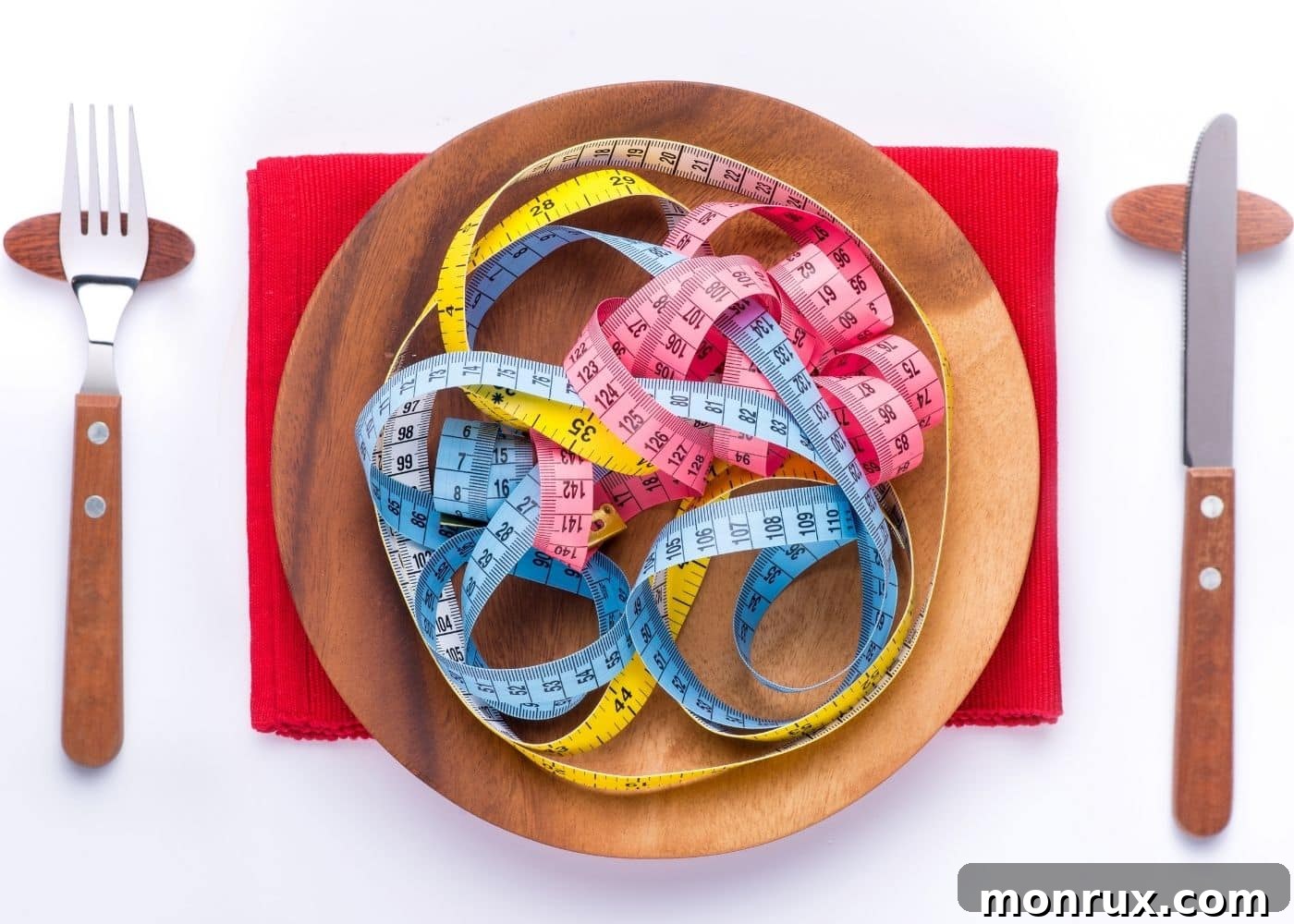
In a world increasingly focused on wellness and nutrition, a concerning trend has emerged: orthorexia. Often mistaken for healthy eating, orthorexia nervosa is an eating disorder characterized by an unhealthy obsession with consuming only “pure” or “healthy” foods. This fixation can lead to severe dietary restrictions, anxiety, social isolation, and significant health consequences. This comprehensive guide will delve into what orthorexia is, its subtle yet dangerous signs, and the vital steps towards recovery, emphasizing a balanced approach to food and well-being.

Orthorexia Nervosa, often simply referred to as orthorexia, is an eating disorder defined by an obsessive preoccupation with eating healthy foods. While a focus on nutrition is generally positive, for individuals with orthorexia, this concern escalates to an extreme, becoming detrimental to their physical and mental health.
Unlike other eating disorders that primarily focus on quantity of food or body weight (like anorexia or bulimia), orthorexia centers on the *quality* and *purity* of food. Sufferers become fixated on the perceived “healthfulness” of their diet, leading to rigid rules about what, when, and how they eat. This can transform eating, a fundamental human need and pleasure, into a source of immense stress and anxiety.
Eating disorders are complex mental and physical illnesses that revolve around disturbed eating behaviors, body image, and intense thoughts and emotions associated with food. They can range in severity and often require professional intervention and counseling.
It’s important to note that while orthorexia is widely recognized by clinicians and patients, it is not yet formally recognized in the DSM-5 (Diagnostic and Statistical Manual of Mental Disorders). Despite this, its impact is very real and can lead to serious consequences such as malnutrition, severe weight loss, weakened immune function, and significant psychological distress.
Understanding Orthorexia Nervosa
Orthorexia Nervosa represents a unique challenge in the landscape of eating disorders. While most people are aware of conditions like anorexia and bulimia, orthorexia often flies under the radar because its initial motivation – the pursuit of health – seems commendable. However, the critical distinction lies in the *degree* of concern and the *impact* it has on a person’s life. What starts as a noble effort to eat well can spiral into an all-consuming obsession, leading to significant emotional distress, social isolation, and physical health problems.
Individuals with orthorexia often develop intricate and rigid rules about food, believing that adhering to these rules is the only path to optimal health. They may spend an exorbitant amount of time researching food, planning meals, and sourcing “pure” ingredients. This meticulous focus often comes at the expense of spontaneity, social connection, and overall quality of life. The internal pressure to eat perfectly can become unbearable, creating a cycle of anxiety, guilt, and shame when perceived dietary transgressions occur.
The Fine Line Between Healthy Eating and Orthorexia
It’s crucial to differentiate between genuinely healthy eating habits and orthorexia. A healthy approach to food involves balance, moderation, variety, and flexibility. It acknowledges that food provides nourishment, pleasure, and is a vital part of social interaction and cultural experiences. Occasional indulgences are fine, and minor deviations from a “perfect” diet do not trigger distress.
In contrast, orthorexia lacks this flexibility. Food is stripped of its pleasure and social functions, becoming solely about purity and perceived health benefits. The thought process shifts from “I want to eat healthily” to “I *must* eat perfectly, or something terrible will happen.” This rigid mindset and the emotional turmoil associated with it are key indicators that a healthy intention has crossed into the territory of an eating disorder.
Key Characteristics and Warning Signs of Orthorexia
Since orthorexia is not officially listed in the DSM-5, there are no formal diagnostic criteria. However, mental health professionals and researchers have identified common attributes and behaviors that signal the presence of this disorder. Recognizing these signs is the first step toward seeking help for yourself or a loved one.
Rigid Dietary Restrictions
A hallmark of orthorexia is the imposition of severe and often arbitrary rules about what foods can and cannot be consumed. Individuals often categorize foods as “good” or “bad,” “clean” or “unclean,” based on their own self-prescribed and often scientifically unfounded criteria. This can lead to the elimination of entire food groups, such as carbohydrates, fats, meat, dairy, gluten, or processed foods. The restriction isn’t necessarily about caloric intake for weight loss, but about avoiding ingredients perceived as unhealthy, artificial, or impure. For example, a person might refuse to eat anything cooked above a certain temperature, fearing nutrient degradation, or might avoid all foods containing preservatives, regardless of their actual harm.
Intense Anxiety and Guilt Related to Food
Individuals with orthorexia experience significant emotional distress when confronted with foods they deem “unhealthy” or when their strict dietary rules are challenged. This anxiety can manifest as panic attacks, irritability, or extreme discomfort. Eating “bad” foods or even being in their presence can trigger overwhelming feelings of guilt, shame, and self-loathing. This emotional turmoil extends to social situations, often leading them to avoid gatherings where food choices are outside their control, thereby increasing feelings of isolation.
Inflexible Eating Patterns
Beyond just *what* they eat, those with orthorexia often become highly inflexible about *when*, *how*, and *where* they eat. Meal timing may be rigidly adhered to, food preparation methods must meet specific standards (e.g., only steaming or raw), and ingredients must be sourced from particular places. This rigidity can make daily life incredibly challenging and stressful, as any deviation from their meticulously planned routine can cause extreme distress and a sense of losing control.
Obsession with Food’s Health Impact
While being mindful of food’s impact on health is generally beneficial, individuals with orthorexia take this concern to an extreme, often disproportionate level. They become excessively focused on the perceived effects of every single bite of food on their body and health, constantly analyzing ingredients, nutritional content, and potential benefits or harms. This preoccupation can be driven by an intense fear of illness, aging, or specific diseases, sometimes leading to self-diagnosis and obsessive self-treatment through diet. Their dietary choices are rationalized by these health concerns, even if the concerns are unfounded or exaggerated by scientific evidence.
Preoccupation with Food Quality and Purity
The quest for “pure” food is a central feature of orthorexia. Sufferers are often overly focused on labels such as organic, non-GMO, raw, vegan, grass-fed, or locally sourced. While these labels can represent valid ethical or environmental concerns for many, for someone with orthorexia, they become non-negotiable standards. They may refuse to eat anything that doesn’t meet these rigid quality criteria, even if it means going hungry or missing out on essential nutrients. This emphasis on quality can paradoxically lead to under-eating and nutrient deficiencies, as the search for perfect food can be exhausting and limiting.
Behavioral and Emotional Indicators
In addition to the specific food-related behaviors, several emotional and social signs often accompany orthorexia:
- Intense feelings of guilt, shame, or anxiety when unable to adhere to dietary rules or when approved foods are unavailable.
- Avoidance of social situations that involve food, leading to social isolation and withdrawal from friends and family.
- Strained relationships with loved ones due to rigid food beliefs, critical judgment of others’ eating habits, or refusal to eat food prepared by others.
- Excessive amounts of time spent thinking about, researching, planning, and preparing food, often hours each day.
- Feelings of satisfaction, pride, or superiority when successfully adhering to dietary rules, which reinforces the restrictive behaviors.
- Self-punishment through stricter dieting or exercise if perceived dietary rules are broken.
The Dangers and Health Consequences of Orthorexia
While orthorexia begins with an intention to improve health, its restrictive and obsessive nature can lead to a host of serious physical and psychological dangers:
- Nutritional Deficiencies and Malnutrition: Eliminating entire food groups (like carbohydrates or fats) can lead to a lack of essential vitamins, minerals, and macronutrients. This can result in fatigue, weakened immune function, bone density loss, hair loss, hormonal imbalances, and other serious health issues.
- Unintended Weight Loss: Despite not always being the primary goal, severe restrictions can lead to significant and unhealthy weight loss, resembling anorexia nervosa.
- Compromised Immune System: A lack of diverse nutrients can impair the body’s ability to fight off infections and diseases.
- Hormonal Imbalances: Inadequate caloric intake and nutrient deficiencies can disrupt endocrine function, affecting reproductive health, metabolism, and stress responses. Women with conditions like PCOS (Polycystic Ovary Syndrome) may be particularly vulnerable to eating disorders, and orthorexia can exacerbate existing hormonal issues.
- Psychological Distress: The constant anxiety, guilt, and fear surrounding food can lead to depression, increased stress levels, obsessive-compulsive tendencies, and a diminished quality of life.
- Social Isolation: The inability to eat outside of one’s strict rules can severely limit social interactions, leading to loneliness and strained relationships with friends and family.
- Diminished Life Enjoyment: The joy of food, shared meals, and spontaneity are often lost, replaced by constant vigilance and anxiety.
Navigating the Path to Recovery: Treatment Options for Orthorexia
Although orthorexia is still gaining formal recognition, effective treatment strategies exist, often drawing from approaches used for other eating disorders and obsessive-compulsive behaviors. Recovery from orthorexia is possible and often involves a multidisciplinary team approach tailored to the individual’s specific needs.
It is crucial to stress the importance of seeking professional help. Orthorexia, like all eating disorders, is a serious mental health condition that rarely resolves on its own. A dedicated team of professionals can provide the necessary support and guidance through the complex journey of recovery.
Integrated Approach to Healing
Successful recovery from orthorexia typically involves a combination of different therapies and professional support. A comprehensive treatment plan should be individualized and monitored by a team that may include therapists, dietitians, and medical doctors. The intensity of treatment will vary greatly depending on the severity and duration of the disorder.
Therapeutic Interventions
Seeking the help of a therapist or counselor experienced in eating disorder recovery is paramount. Psychotherapy helps individuals address the underlying psychological factors contributing to orthorexia, such as control issues, anxiety, perfectionism, and self-esteem challenges.
- Cognitive Behavioral Therapy (CBT): This widely effective approach helps individuals identify and challenge distorted thoughts and beliefs about food, health, and body image. It teaches coping mechanisms to manage anxiety and develop healthier thought patterns.
- Dialectical Behavioral Therapy (DBT): Building on traditional CBT, DBT incorporates practices like mindfulness and meditation. It focuses on emotional regulation, distress tolerance, interpersonal effectiveness, and mindfulness skills, which can be highly beneficial for individuals struggling with the intense emotions associated with orthorexia.
- Exposure and Response Prevention (ERP): Often used for obsessive-compulsive disorders, ERP can help individuals gradually confront feared foods or eating situations while preventing their usual avoidance or ritualistic behaviors, thereby reducing anxiety over time.
Nutritional Guidance and Re-education
Working with a registered dietitian or nutritionist specializing in eating disorders is a critical component of recovery. Many individuals with orthorexia hold skewed and unfounded beliefs regarding the healthfulness of different foods and eating behaviors.
A certified and educated nutritionist can provide evidence-based information, helping to debunk nutritional myths and promote a more realistic and balanced understanding of food. They assist in gradually reintroducing a wider variety of foods, challenging restrictive rules, and restoring a healthy relationship with eating. A dietitian can also educate on the negative health consequences of chronic under-eating and nutrient deficiencies, addressing issues like hormone imbalance, low bone density, and other serious concerns. For women with conditions like PCOS, a qualified practitioner can help navigate dietary choices that support both PCOS management and eating disorder recovery. You can find more information on a balanced diet for PCOS that avoids extreme restriction.
Support Systems and Group Therapy
Participating in support groups or group therapy can be incredibly beneficial for individuals recovering from an eating disorder. The sense of community, shared experiences, and mutual understanding can alleviate feelings of shame, isolation, and uniqueness. Hearing from others who face similar struggles can provide validation, encouragement, and practical coping strategies. This communal support fosters a sense of belonging and reminds individuals that they are not alone on their journey.
Levels of Care and Ongoing Support
Depending on the severity of orthorexia, treatment may range from outpatient care to more intensive immersive programs. Individuals with a mild case might find sufficient support through regular outpatient counseling and nutritional guidance. However, those with severe orthorexia, significant malnutrition, or debilitating psychological distress may require inpatient or residential treatment at a specialized recovery center, where they receive round-the-clock medical and therapeutic support.
Even after initial recovery, many individuals find it helpful to continue engaging in support activities, such as ongoing counseling sessions or participating in alumni support groups. This sustained support helps reinforce healthy behaviors, manage potential triggers, and significantly reduce the chances of a relapse, ensuring long-term well-being.
Common Questions About Orthorexia Recovery
Navigating an eating disorder can raise many questions. Here are some answers to frequently asked questions about orthorexia recovery:
How is Orthorexia Effectively Treated?
Orthorexia is best treated through a comprehensive, multidisciplinary approach involving several key components. This typically includes cognitive behavioral therapy (CBT) or dialectical behavioral therapy (DBT) from a therapist experienced in eating disorder recovery, individual counseling to address underlying psychological factors, and nutritional counseling with a registered dietitian. The goal is to challenge rigid food beliefs, reintroduce a variety of foods, manage anxiety, and develop a more flexible and balanced relationship with food.
Is Orthorexia Recognized in the DSM-5?
Currently, orthorexia is not formally recognized as a distinct eating disorder in the DSM-5 (Diagnostic and Statistical Manual of Mental Disorders). However, this lack of formal classification does not diminish its validity or the severe consequences it can have on an individual’s health and well-being. Many clinicians and researchers advocate for its inclusion, as it shares significant overlap with other recognized eating disorders and obsessive-compulsive traits.
Are Restrictive Diets Advisable for Individuals with Orthorexia?
Due to the inherently restrictive nature of orthorexia, any type of highly restrictive diet (such as strict vegan, ketogenic, or paleo diets) is generally *not* recommended for individuals recovering from or susceptible to orthorexia. These diets can exacerbate obsessive tendencies, reinforce the “good” vs. “bad” food mentality, and hinder the development of a balanced relationship with food. Instead, the focus should be on promoting a diverse, inclusive, and balanced diet that incorporates as many food choices as possible, without judgment or fear. For example, while some people thrive on a vegan diet, its highly restrictive nature makes it potentially problematic for someone striving for orthorexia recovery. Similarly, the keto diet, with its severe carbohydrate restriction, is generally not advisable for anyone with a history of an eating disorder. Read more about who should avoid the keto diet.
What Other Eating Disorders Are Common?
While orthorexia is gaining awareness, other eating disorders are more commonly recognized. The most prevalent eating disorder in the United States is Binge Eating Disorder (BED), characterized by recurrent episodes of eating unusually large amounts of food, often accompanied by feelings of lack of control, distress, and shame. Anorexia Nervosa and Bulimia Nervosa are also well-known eating disorders, both involving disturbed body image and often severe health consequences. It’s not uncommon for individuals to experience symptoms of more than one eating disorder, or to transition between different types over time.
A Personal Journey: Overcoming Orthorexia
My own journey with eating disorders began in early adolescence, manifesting as binge-eating disorder. A chaotic childhood, marked by parents preoccupied with their own struggles, including financial bankruptcy, led me to find solace in candy. I would often eat entire bags in one sitting, to the point of sickness, unable to control myself. As I entered early adulthood, these habits diminished, especially after I met my husband and experienced the comfort and stability of a healthy relationship.
However, in 2012, after being diagnosed with and treated for thyroid cancer, my vulnerability to eating disorders resurfaced, this time in the form of orthorexia. I became intensely convinced that even the smallest amount of sugar could cause my cancer to return, and this belief fueled an obsessive preoccupation with every single ounce of food I consumed. For two years, I adhered to a strict, oil-free, vegan diet, heavily influenced by others in a community who shared the same restrictive mindset. This period was characterized by constant anxiety about food purity and an unwavering adherence to self-imposed dietary rules.
Breaking free from orthorexia required a profound life transformation. I realized I needed a complete overhaul of my environment and mindset. This involved seeking out new friendships, building a supportive community that embraced balance, making the difficult decision to stop being vegan, and crucially, engaging with medical specialists, including an eating disorders counselor. It was also incredibly helpful to step away from social media, which often perpetuates idealized and restrictive eating messages, during my recovery.
The road to recovery from orthorexia was challenging and demanded immense effort and commitment. However, the freedom, peace of mind, and vastly improved health I experience now are immeasurably worth every step of that journey. My experience has instilled in me a deep passion for helping others find their way back to a healthy and joyful relationship with food. You can read more about my entire clean eating journey and recovery.
Essential Resources for Eating Disorder Support
Please remember that I am not a licensed healthcare provider, and the information in this article is for informational purposes only. It is not intended as medical advice. If you or someone you know is struggling with orthorexia or any eating disorder, seeking professional help is a vital and courageous first step.
Here are some reputable organizations that offer support, resources, and referral services for individuals struggling with eating disorders. I have no professional association with these organizations, but recommend them as valuable starting points:
- National Eating Disorders Association (NEDA): NEDA offers support, resources, and prevention efforts. They also provide an eating disorders helpline for immediate assistance.
- Psychology Today: Their online referral service allows you to find qualified psychologists and therapists in your area.
- Re-Find Health: This service offers referrals to functional health providers who may offer a holistic perspective on recovery.
- The Institute for Functional Medicine (IFM): IFM provides a practitioner search tool to find functional medicine specialists who take an integrative approach to health.
Embracing a Balanced Approach: Beyond Restriction
Developing a truly healthy relationship with food means moving beyond restrictive rules and embracing a balanced, intuitive approach. It involves listening to your body’s signals, enjoying a wide variety of foods, and understanding that optimal health comes from overall lifestyle choices, not just perfect eating. The following articles offer further insights into cultivating healthy eating habits without falling into the trap of obsession and restriction:
- Clean Eating Grocery List (Unprocessed Foods)
- 7 Weight Loss Tips for Women (Non-Drastic)
- 7 Vegan Diet Myths (Read This Before You Go Vegan)
- 7 Potential Dangers of Intermittent Fasting for Women
Final Thoughts: Hope and Healing
I sincerely hope this article has provided valuable insight into orthorexia and underscored its significant impact. As someone who has personally navigated the depths of shame and destruction associated with eating disorders and is now thriving in recovery, I cannot emphasize enough the profound importance of reaching out for help. There is absolutely no shame in asking for support; in fact, it is the most powerful and courageous first step towards healing and reclaiming your life. Remember, recovery is a journey, not a destination, and with the right support, freedom from orthorexia is well within reach.
Don’t forget to join my newsletter list to get exclusive clean eating recipes and tips. The newsletter is 100% free with no spam; unsubscribe anytime.
About the Author: Carrie Forrest holds a master’s degree in public health with a specialty in nutrition and is a certified holistic nutritionist. She is a prominent wellness and food blogger, attracting over 5 million annual visitors to her site. Carrie shares an inspiring story of recovery from chronic illness and is deeply passionate about empowering other women to transform their health. You can connect with her through her contact form.
Note: this post is for informational purposes only and is not intended as medical advice. Please consult your healthcare provider for personalized recommendations related to your individual situation.