
Navigating the journey of motherhood can bring unexpected dietary considerations, especially when breastfeeding. If you’re a new mom considering a dairy-free approach while nursing, understanding where to start is crucial. This comprehensive guide offers essential tips for embarking on a Dairy-Free Breastfeeding Diet, detailing which foods to avoid, what to eat, and how to ensure both you and your baby receive optimal nutrition. Our goal is to make this transition as smooth and informed as possible, supporting your health and your baby’s well-being.

Dairy-Free Breastfeeding Diet: A Comprehensive Guide for Nursing Moms
Embarking on a dairy-free diet while breastfeeding is a significant dietary change, often prompted by concerns for your baby’s health. While it may seem daunting at first, many mothers successfully navigate this path with the right information and support. This guide will provide you with all the necessary details to make informed choices for a healthy, dairy-free breastfeeding experience.
Reasons to Go Dairy-Free While Breastfeeding
The primary reason a breastfeeding mother might adopt a dairy-free diet is often due to advice from a pediatrician or healthcare provider. This recommendation typically arises when an infant displays symptoms indicative of a sensitivity or allergy to the proteins found in cow’s milk.
It’s a common misconception that infants react to lactose, the natural sugar in milk. However, breastmilk itself is rich in lactose, and true lactose intolerance in infants is rare. The more likely culprit behind adverse reactions in sensitive babies is the presence of large cow’s milk proteins, which can pass relatively intact into human breastmilk. These cow’s milk proteins, not lactose, are usually what trigger allergic responses or sensitivities in a baby’s developing digestive and immune systems.
Understanding Dairy Intolerance vs. Allergy
It’s important to distinguish between a dairy intolerance and a true dairy allergy. A cow’s milk protein intolerance typically involves digestive discomfort or mild symptoms, while a true allergy can be more severe, potentially involving multiple body systems and even life-threatening reactions in rare cases. Both, however, warrant an elimination diet under medical guidance.
Signs Your Baby Might Have a Dairy Sensitivity
Observing your baby’s symptoms is key. If your infant exhibits several of the following signs, especially after feeding, a dairy sensitivity could be a factor:
- Excessive fussiness or prolonged crying, particularly post-feeding sessions.
- Colic-like symptoms, including intense crying, drawing knees to the chest, and abdominal discomfort.
- Digestive issues such as persistent gas, bloating, diarrhea (which may sometimes contain streaks of blood or mucus), or chronic constipation.
- Frequent spitting up, reflux, or vomiting.
- Skin problems like persistent rashes, eczema, dry patches, or hives.
- Respiratory symptoms such as wheezing, persistent congestion, or a runny nose without other cold symptoms.
- Sleep disturbances.
- Poor weight gain, despite adequate feeding (in more severe cases).
While it can be tempting for new mothers to try eliminating dairy to see if it reduces fussiness, it’s crucial to consult a medical professional first. Research suggests that the actual prevalence of cow’s milk protein allergy or sensitivity in breastfed babies is relatively low. Furthermore, a true allergy typically presents with multiple symptoms, not just general fussiness. Eliminating an entire food group without professional guidance can lead to nutritional deficiencies for the breastfeeding mother, which is especially critical when nursing an infant. Always seek advice from your doctor or a registered dietitian before making significant changes to your diet.
For more insights into the broader benefits of this dietary approach, you can explore my related article on the benefits of a dairy-free diet.
Dairy-Free Foods to Avoid
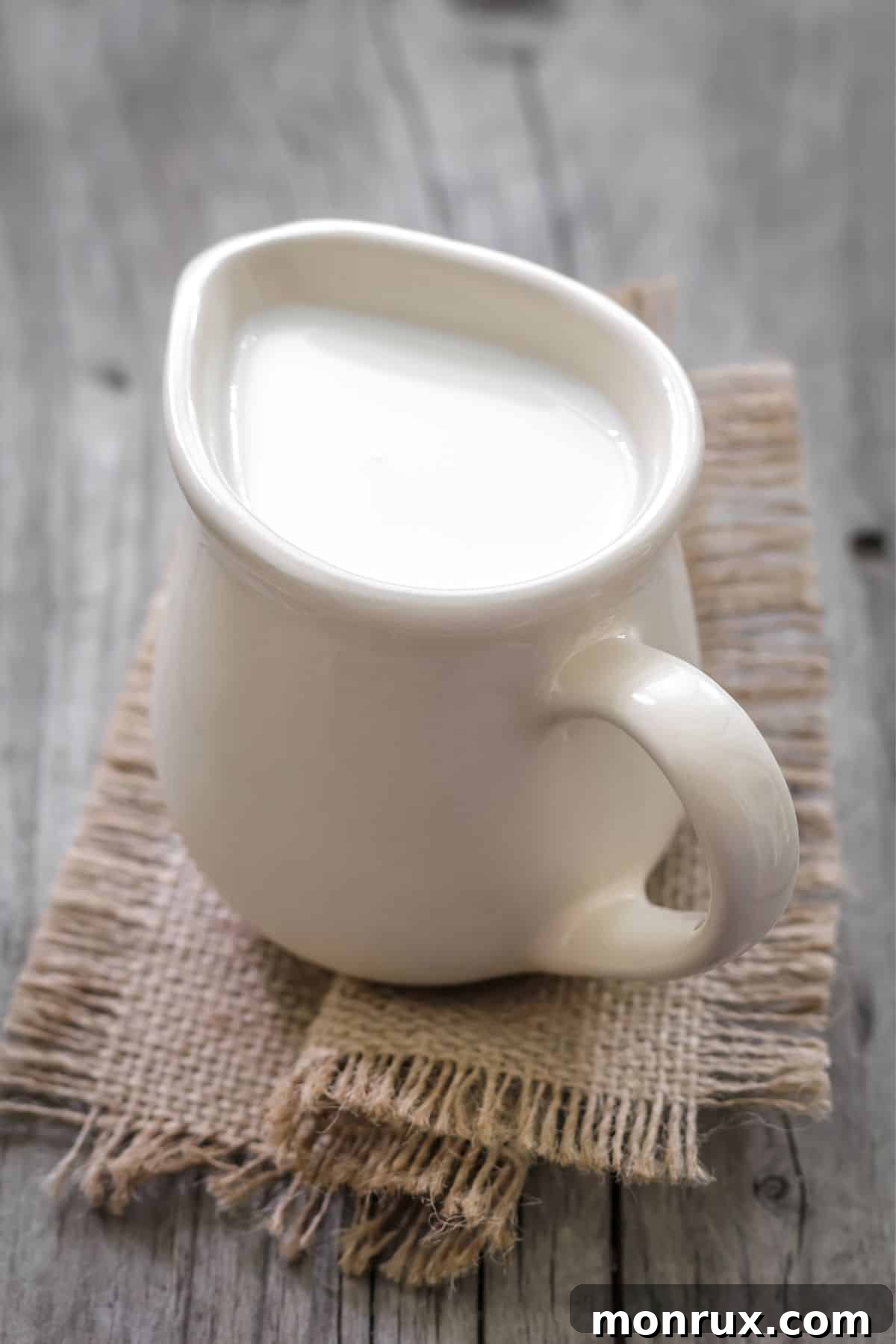
Once you’ve decided, in consultation with your healthcare provider, to embark on a dairy-free diet, the most critical step is to diligently eliminate all milk and dairy products from your intake. This requires a thorough understanding of what constitutes dairy and how it might be hidden in various foods. The breastfeeding mother should meticulously avoid the following:
Primary Dairy Products to Strictly Avoid:
- Milk: Cow’s milk in all its forms (whole, skim, 2%, buttermilk, condensed, evaporated, powdered milk).
- Cream: Heavy cream, light cream, sour cream, half-and-half, crème fraîche.
- Yogurt: All varieties of cow’s milk yogurt (Greek, regular, flavored).
- Cheese: Hard cheeses, soft cheeses, cottage cheese, cream cheese, ricotta, mascarpone, cheese sauces, processed cheese slices.
- Ice Cream: Traditional ice cream, gelato, frozen yogurt made with dairy.
- Butter: Ghee (clarified butter) should also be avoided due to trace milk proteins.
- Margarine/Spreads: Many contain milk solids, whey, or buttermilk – always check labels.
It’s also essential to extend this avoidance to milk from other animals, including sheep, goat, and buffalo milk, and products made from them (like goat cheese or sheep’s milk yogurt). The proteins in these milks are structurally similar to cow’s milk protein and are likely to trigger the same reactions in a sensitive infant.
Hidden Dairy and Label Reading Tips
Beyond the obvious dairy products, milk is a pervasive ingredient in many processed and pre-prepared foods, often under less recognizable names. To successfully maintain a dairy-free diet, you must become adept at reading food labels. Key ingredients and derivatives to look out for include:
- Whey: Whey protein, whey powder, whey concentrate.
- Casein: Caseinate, sodium caseinate, calcium caseinate.
- Lactose: Although rare for infant sensitivity, it indicates milk presence.
- Milk Solids: Dry milk solids, non-fat milk solids.
- Buttermilk: Often found in baked goods and some spreads.
- Artificial Butter Flavor: Can sometimes contain dairy.
- Hydrolyzed Milk Protein.
Milk is a common ingredient in a surprisingly wide array of products, such as:
- Most chocolates and chocolate spreads.
- Many baked goods: cakes, cookies, pastries, bread (some types).
- Processed meats: hot dogs, sausages, deli meats (as binders or fillers).
- Sauces and gravies: cream-based sauces, some salad dressings.
- Soups and broths: creamy soups, some powdered soup mixes.
- Snack foods: crackers, chips (especially flavored varieties).
- Medications and supplements: some pills and powders may contain lactose as a filler.
According to the Food Allergen Labeling and Consumer Protection Act (FALCPA) of 2004, major food allergens, including milk, must be clearly disclosed on packaged food labels in the USA. Manufacturers typically list milk in one of three ways: explicitly in the ingredient list (e.g., “milk,” “butter”), as part of a “contains” statement (e.g., “Contains: Soy, Milk, Wheat”), or in parentheses next to the ingredient source (e.g., “lecithin (soy),” “whey (milk)”). Always scrutinize labels carefully, even for products you’ve purchased before, as ingredients can change.
Dining Out on a Dairy-Free Diet
Eating out can be one of the biggest challenges when following a dairy-free diet. It’s often unclear whether menu items contain hidden dairy. To ensure a safe and enjoyable dining experience:
- Research Ahead: Look up menus online or call restaurants beforehand to inquire about their allergy policies and dairy-free options.
- Communicate Clearly: Inform your server about your dairy restriction and emphasize that it is due to an allergy or sensitivity. Ask specific questions about ingredients and preparation methods.
- Choose Wisely: Opt for restaurants known for accommodating dietary requests, such as those with extensive vegan menus or establishments where food is prepared fresh. Ethnic cuisines like Thai, Indian (be cautious of creamy sauces), or Mexican (avoid cheese/sour cream) can often offer good dairy-free choices.
- Ask for Simple Preparations: Grilled meats, steamed vegetables, and simple salads are often safer bets. Ask for dressings on the side and choose oil-and-vinegar based options.
- Consider Kosher Restaurants: In some Kosher establishments, the strict separation of meat and dairy products (milchig and fleishig) can often mean that meat dishes are inherently dairy-free.
Eggs and the Dairy-Free Diet
It’s a common misconception that eggs are dairy products. This confusion often arises because they are typically sold in the refrigerated dairy section of grocery stores. However, the term “dairy” specifically refers to products derived from the milk of mammals. Eggs do not fall into this category, as they are laid by birds (like chickens). Therefore, unless your baby also has a specific egg allergy (which is separate from a dairy allergy), eggs are perfectly safe and a highly nutritious food to consume on a dairy-free diet.
Nutritious Dairy Alternatives to Include
When you eliminate dairy from your diet, you’re not just removing a food group; you’re also potentially reducing your intake of essential nutrients like calcium, vitamin D, protein, and healthy fats. It is vital to actively replace these nutrients from other sources to maintain your health and support your baby’s growth. Fortunately, the market now offers a plethora of delicious and nutritious dairy-free options that you can enjoy while breastfeeding, making an elimination diet much more manageable.
Excellent sources of protein and healthy fats include:
- Lean Meats and Poultry: Chicken, turkey, beef, and pork provide high-quality protein and essential amino acids.
- Fish: Fatty fish like salmon, mackerel, and sardines are rich in protein and Omega-3 fatty acids, crucial for brain development.
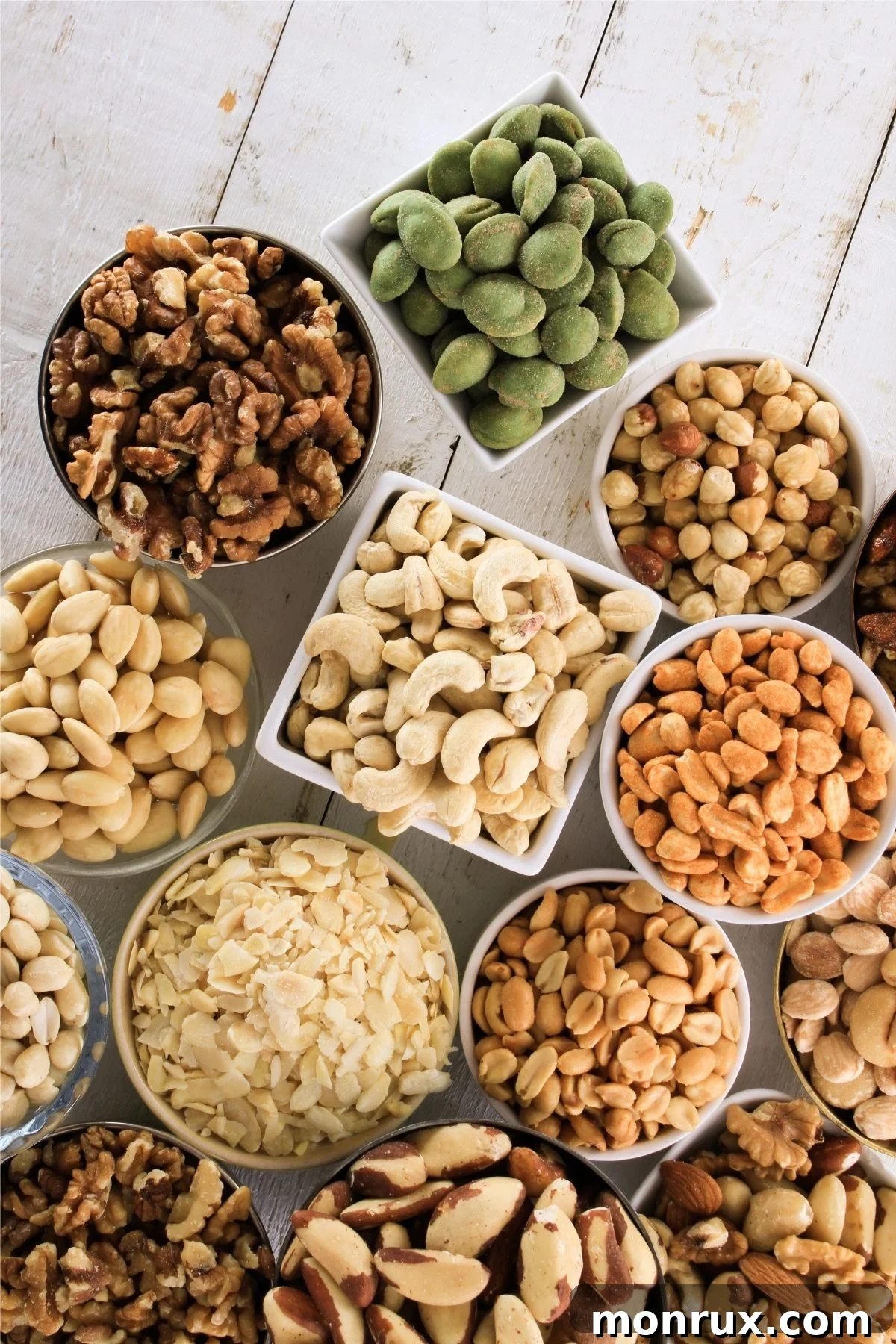
- Nuts and Seeds: Almonds, walnuts, cashews, chia seeds, flax seeds, and hemp seeds offer protein, healthy fats, and fiber.
- Legumes: Beans, lentils, and chickpeas are excellent plant-based protein sources, also rich in fiber and various minerals.
While tofu is a versatile and protein-rich option, it’s important to note that some babies sensitive to cow’s milk protein may also react to soy proteins. Discuss with your doctor whether you should also temporarily avoid soy products in your diet if your baby’s symptoms persist after dairy elimination.
Dairy-Free Milk Alternatives
The variety of plant-based milks available today means you don’t have to miss out on your morning cereal or coffee. When choosing alternatives, prioritize brands that are fortified with calcium and vitamin D. Always double-check labels to ensure they are free from soy if that’s also an avoidance for your baby. Popular and versatile options include:
- Oat Milk: Creamy texture, great for lattes and cooking.
- Almond Milk: Light flavor, good for smoothies and baking.
- Coconut Milk: Rich and creamy, excellent for curries, desserts, and adding richness. (Be aware that “canned” coconut milk is thicker and higher in fat than “carton” coconut milk).
- Hemp Milk: Good source of Omega-3s and protein, with a slightly nutty flavor.
- Rice Milk: A good option for those with multiple allergies, but often lower in protein.
These milk alternatives can be used directly in your recipes—from sauces and soups to baked goods and smoothies. For delicious, naturally dairy-free options, try some of the recipes in this list of the best breastfeeding smoothies, all crafted with real, wholesome ingredients.
Dairy-Free Spreads
Finding a good butter or margarine alternative can significantly improve your cooking and baking experience. Look for vegetable oil-based spreads explicitly labeled dairy-free or vegan. Always check the ingredient list to ensure they don’t contain buttermilk or other milk derivatives. Brands like Miyoko’s Kitchen (made from cashews) or Earth Balance offer excellent dairy-free butter substitutes for toast, cooking, and baking.
Commercially Prepared Dairy-Free Products
The food industry has made vast improvements in catering to dietary restrictions. Today, you’ll find a wide range of commercially prepared dairy-free products that mimic their dairy counterparts, making your transition much easier:
- Yogurts: Coconut, almond, oat, and cashew-based yogurts are readily available in various flavors and textures.
- Ice Creams: Many popular brands, like Ben & Jerry’s, now offer dairy-free versions made with almond milk, cashew milk, coconut milk, or oat milk.
- Cheeses: Dairy-free cheeses made from nuts (like cashews) or starches are available in shredded, sliced, and block forms, suitable for pizzas, sandwiches, and cooking.
Exploring the vegan section of your local supermarket can open up a world of dairy-free options, as all vegan products are inherently free from animal-derived ingredients, including dairy. You might also discover vegan restaurants in your area, providing excellent worry-free dining-out experiences.
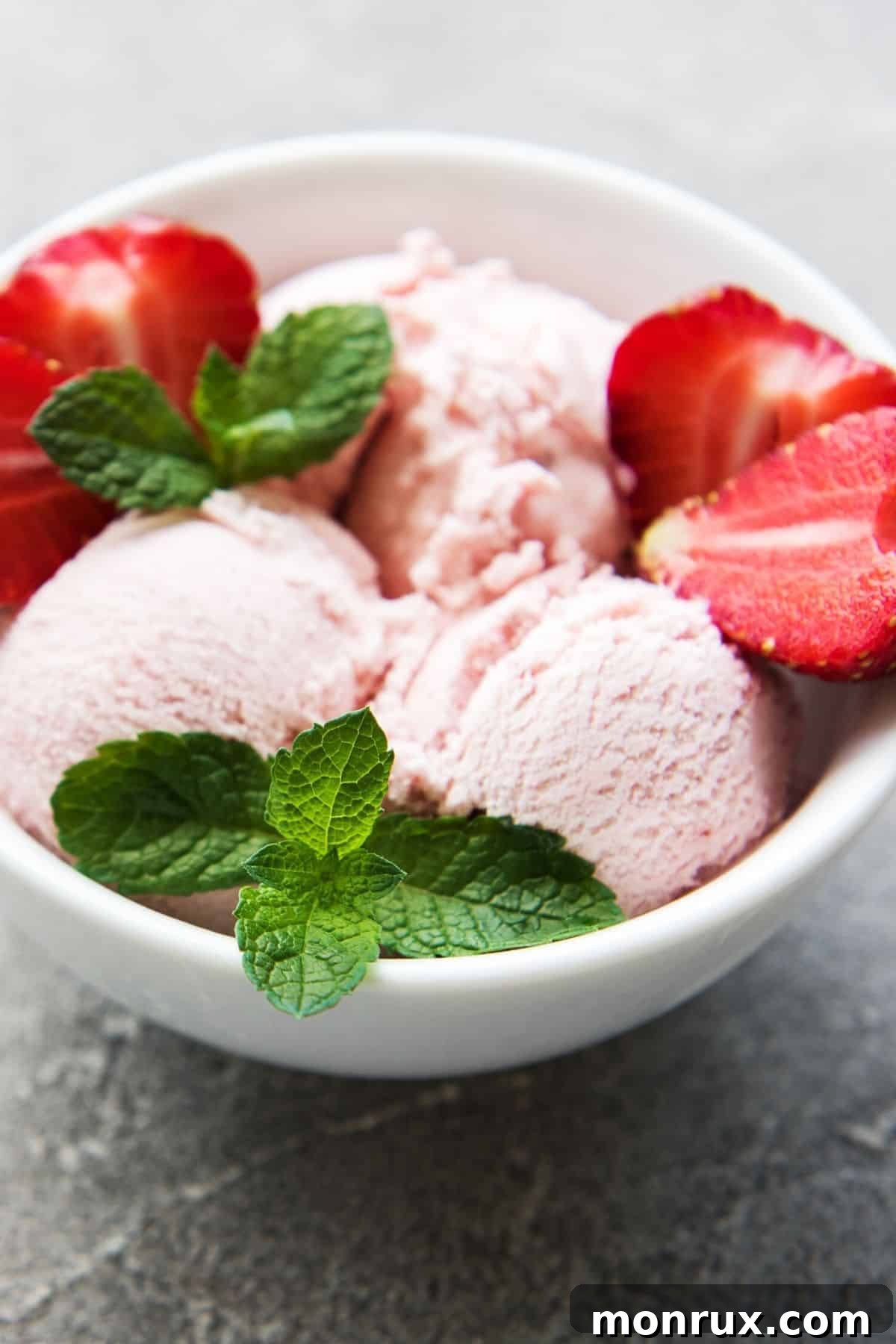
Why not give this refreshing vegan strawberry ice cream a try for a sweet, dairy-free treat!
Planning Your Dairy-Free Breastfeeding Journey
A successful dairy-free diet requires careful planning, especially when breastfeeding, as your nutritional needs are elevated. Here are some strategies to help you stay on track:
- Meal Planning: Dedicate time each week to plan your meals and snacks. This helps you identify potential nutrient gaps and ensure variety.
- Grocery List: Create a detailed shopping list based on your meal plan, explicitly noting dairy-free alternatives.
- Batch Cooking: Prepare larger portions of dairy-free meals that can be stored and reheated. This saves time and ensures you always have healthy options readily available.
- Snack Prep: Keep a variety of dairy-free snacks on hand, such as nuts, seeds, fresh fruit, vegetable sticks with hummus, or dairy-free yogurt.
- Educate Others: Inform family and friends about your dietary needs, especially if they prepare food for you or if you’re attending gatherings.
Monitoring Your Baby’s Progress
Once you begin the dairy-free elimination diet, it’s crucial to closely monitor your baby’s symptoms to determine if dairy was indeed the cause. Don’t expect immediate changes; it can take some time for cow’s milk protein to completely clear from your system and your baby’s. Consistency is key during this period.
- Keep a Symptom Diary: For at least 2-3 weeks (or as advised by your doctor), meticulously record your baby’s symptoms. Note details such as:
- Fussiness levels and timing.
- Frequency, consistency, and appearance of stools (look for mucus or blood).
- Amount and frequency of spitting up or vomiting.
- Skin rashes or eczema flare-ups.
- Sleep patterns and overall demeanor.
- Patience is Key: It can take anywhere from 10 days to 3 weeks for cow’s milk protein to be fully eliminated from your breastmilk and for your baby’s gut to begin healing. Be patient and consistent with the diet during this period.
- Reintroduction (if advised): After a symptom-free period, your doctor might suggest a controlled reintroduction of dairy to confirm the sensitivity. This is typically done slowly and under medical supervision to observe any recurrence of symptoms.
The Emotional Aspect of a Restrictive Diet
Going dairy-free, especially while navigating the challenges of new motherhood, can be emotionally taxing. It’s normal to feel overwhelmed, frustrated, or deprived. Acknowledge these feelings and prioritize your mental well-being:
- Seek Support: Connect with other breastfeeding moms who are on similar dietary journeys. Online forums, support groups, or a trusted friend can provide invaluable emotional support and practical tips.
- Focus on What You Can Eat: Instead of dwelling on forbidden foods, explore the vast array of delicious dairy-free ingredients and recipes available. Discover new flavors and cooking methods.
- Be Kind to Yourself: There might be slip-ups, or you might accidentally consume hidden dairy. Don’t beat yourself up; simply get back on track with your next meal.
- Remember Your “Why”: Remind yourself that these dietary changes are temporary and are being made for your baby’s comfort and health. This motivation can help you stay committed.
FAQs: Dairy-Free Breastfeeding
Ensuring adequate calcium intake is paramount for breastfeeding mothers, as your needs are particularly high during this period. While dairy products are significant sources, plenty of non-dairy options can meet your daily requirements. The National Academy of Sciences recommends that breastfeeding women consume approximately 1,000 mg of calcium daily.
Excellent dairy-free sources of calcium include:
- Leafy Green Vegetables: Kale, collard greens, spinach, bok choy, and turnip greens are packed with calcium.
- Calcium-Fortified Foods: Look for plant-based milks (almond, oat, soy), orange juice, and cereals fortified with calcium.
- Canned Fish: Sardines and salmon (especially if you consume the soft bones) are fantastic sources.
- Legumes: White beans, black beans, and chickpeas contain moderate amounts of calcium.
- Nuts and Seeds: Almonds, sesame seeds (tahini), and chia seeds are good contributors.
- Certain Fruits: Dried figs and apricots also provide some calcium.
- Tofu: Calcium-set tofu is a significant source; check the label for calcium content.
If you’re concerned about meeting your calcium needs through diet alone, discuss a calcium supplement with your doctor or a registered dietitian. They can recommend the best form and dosage for your individual situation. Rest assured, your body is remarkably efficient; even on a dairy-free diet, your breast milk will remain a nutritionally perfect source of calcium for your baby, often drawing from your own bone stores if necessary to maintain its composition.
Generally, it’s advisable to avoid ghee (clarified butter) if you are strictly dairy-free due to an infant’s cow’s milk protein sensitivity or allergy. While ghee has had most of its milk solids and lactose removed during the clarification process, it is not 100% dairy-free. Trace amounts of milk protein (casein) can still be present, which might be enough to trigger a reaction in a highly sensitive baby. For a truly dairy-free diet, it’s safer to use plant-based oils or dairy-free butter alternatives. However, some individuals with only lactose intolerance might tolerate ghee. If you choose to experiment, do so cautiously and monitor your baby’s reaction closely, always after consulting your healthcare provider.
The timeline for cow’s milk protein to be fully eliminated from your breastmilk and for your baby’s symptoms to improve can vary. It typically takes anywhere from 10 days to 3 weeks for the proteins to completely clear from your system and your breastmilk. Therefore, it’s crucial not to expect immediate results and to commit to the dairy-free diet for a consistent period, usually at least two to three weeks, before assessing its effectiveness. During this elimination phase, diligently track your baby’s symptoms in a diary, noting any improvements in fussiness, sleep, digestion, or skin issues. This detailed record will be invaluable in helping you and your doctor determine if dairy was, in fact, the underlying cause of your baby’s discomfort.
It is not uncommon for infants sensitive to cow’s milk protein to also react to soy protein. This is known as a dual allergy/intolerance. If your baby’s symptoms don’t significantly improve after a strict dairy-free diet for 2-3 weeks, your healthcare provider might suggest a trial elimination of soy products as well. Soy is also a major allergen and can be found in many processed foods, similar to dairy. This would mean avoiding soy milk, tofu, tempeh, edamame, and other soy-derived ingredients. Always discuss this with your doctor before further restricting your diet to ensure you maintain adequate nutrition.
Healthy fats are essential for both your energy levels and your baby’s development. Dairy products can contribute to fat intake, so it’s important to replace them with other healthy sources. Incorporate avocados, nuts (almonds, walnuts, cashews), seeds (chia, flax, hemp, pumpkin), olive oil, coconut oil, and fatty fish like salmon into your diet. Full-fat coconut milk and certain dairy-free yogurts (like those made from coconut) can also provide healthy fats and creaminess to your meals. These options will help ensure you maintain adequate caloric and fat intake for sustained energy and milk production.
Dairy-Free Recipes to Nourish You
Discover delicious and satisfying dairy-free recipes that are perfect for breastfeeding moms:
- Healthy Hot Chocolate
- Vanilla Hemp Milk
- Chia Breakfast Pudding
- Vitamix Ice Cream
- Instant Pot Chickpea Stew with Coconut Milk
- Dairy-Free Pesto Pasta
- Healthy Egg Salad Without Mayo
More Helpful Dairy-Free Resources
Conclusion
The prospect of adopting a dairy-free diet while breastfeeding can indeed feel overwhelming, but as this guide illustrates, it’s a completely manageable and often temporary adjustment. You’ll find a wide array of delicious and nutritious foods to enjoy, ensuring both your health and your baby’s comfort. Remember that this journey is often a temporary one; with your doctor’s guidance, you may be able to gradually reintroduce dairy into your diet within a few months. However, many breastfeeding mothers discover that going dairy-free leads to more mindful food choices and significant improvements in their overall well-being. This dietary change, initially undertaken for your baby’s health, might just unlock unexpected health benefits for you too, setting the stage for a healthier lifestyle for your entire family.
Don’t forget to join my newsletter list to get exclusive clean eating recipes and tips. The newsletter is 100% free with no spam; unsubscribe anytime.
About the Author: Carrie Forrest has a master’s degree in public health with a specialty in nutrition and is a certified holistic nutritionist. She is a top wellness and food blogger with over 5 million annual visitors to her site. Carrie has an incredible story of recovery from chronic illness and is passionate about helping other women transform their health. Send her a message through her contact form.
Note: this post is for informational purposes only and is not intended as medical advice. Please consult your healthcare provider for recommendations related to your individual situation.