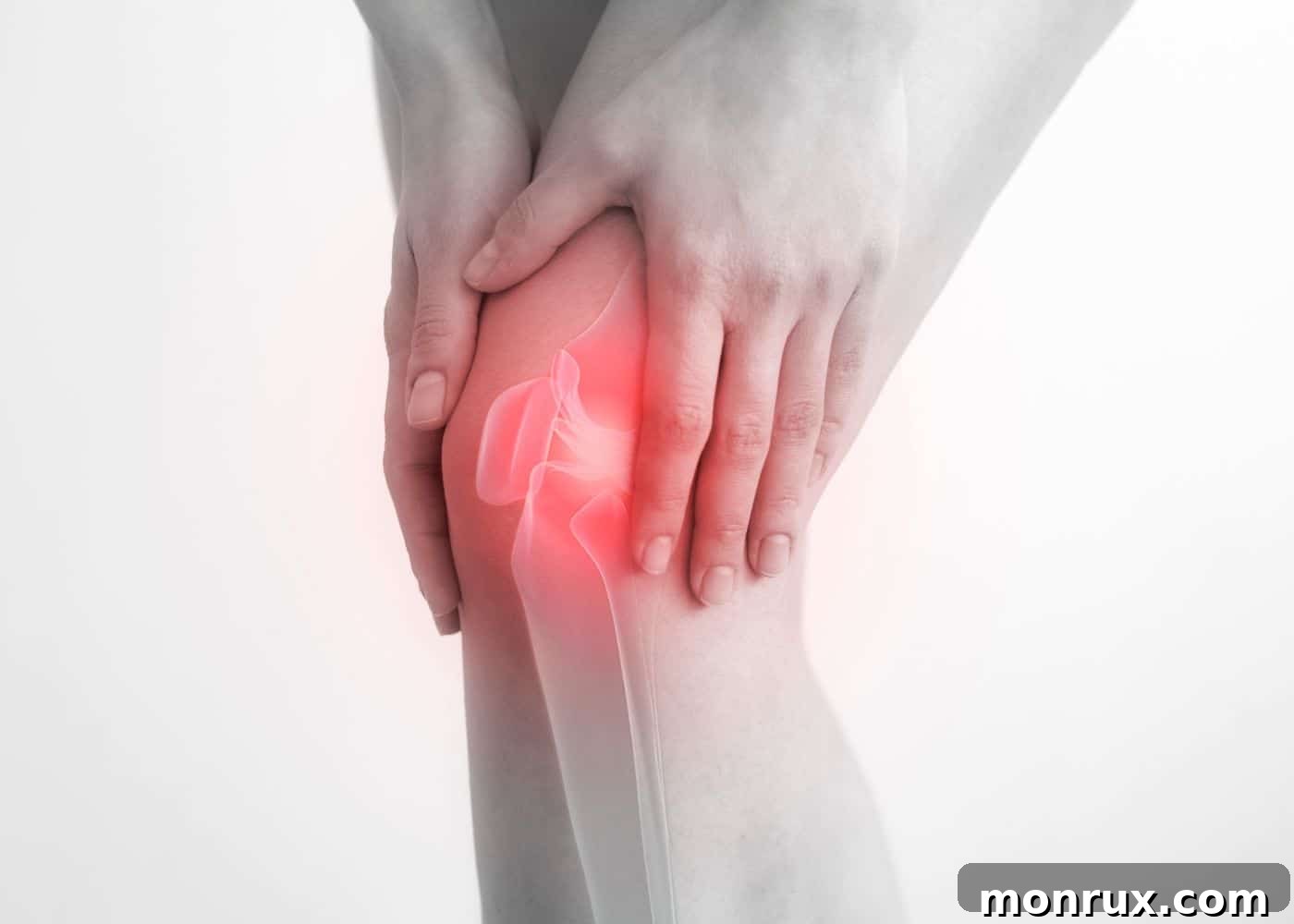
Navigating the natural changes in a woman’s body can bring about a myriad of symptoms, and among the most challenging for many is the onset or worsening of joint pain. As women transition through perimenopause and into menopause, fluctuating hormone levels, particularly the decline in estrogen, can significantly impact musculoskeletal health. This comprehensive guide delves into effective strategies for managing these discomforts, reviewing the best supplements for menopause joint pain, including natural remedies and lifestyle adjustments to help you reclaim comfort and mobility during this significant life stage.
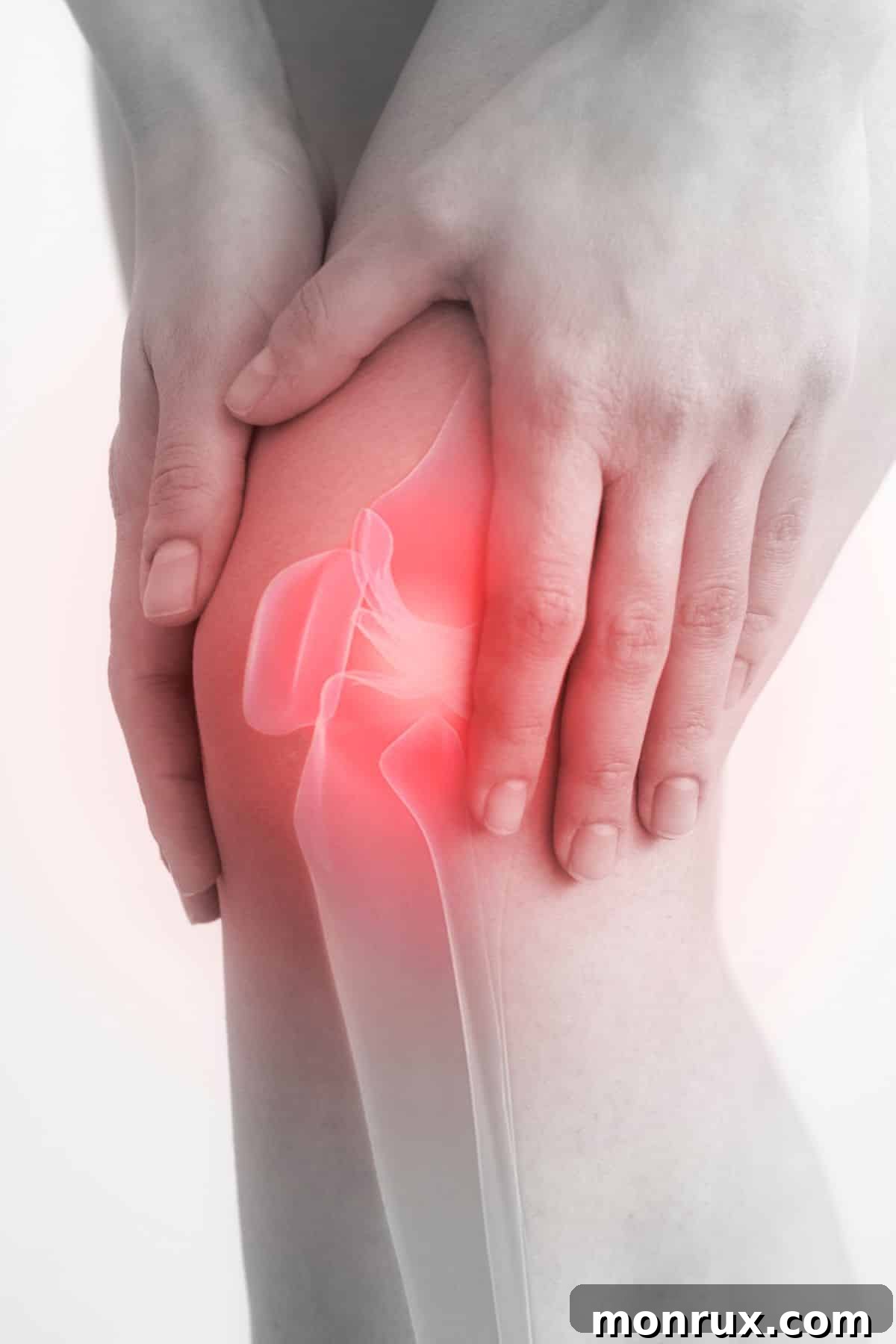
Understanding Menopause Pain and Its Impact on Joints
Joint pain is a common and often debilitating symptom experienced by many women during the menopausal transition. This discomfort is primarily driven by the significant decrease in estrogen levels, a key hormone that plays a protective role in joint health. Estrogen helps maintain the integrity of cartilage, reduces inflammation, and supports muscle function. As these levels decline, women may experience increased wear and tear on their joints, heightened inflammatory responses, and diminished muscle strength, all contributing to pain.
Addressing menopausal joint pain often involves a multi-faceted approach. Treatment options range from medical interventions like hormone replacement therapy (HRT) and specific medications to crucial lifestyle modifications, including dietary changes and regular exercise. Furthermore, a variety of supplements have shown promise in easing discomfort and supporting joint health during this period.
In this article, we’ll explore some of the most effective supplements and natural lifestyle remedies that can make a significant difference in managing menopausal joint pain. We will discuss:
- Vitamin D
- Glucosamine and Chondroitin Sulfate
- Turmeric
- Fish oil
- MSM (Methylsulfonylmethane)
- SAMe (S-adenosylmethionine)
- Magnesium
- Nettles
- Bioidentical Hormone Replacement
It’s important to remember that while these supplements and remedies can be highly beneficial, individual responses vary. Always consult with a qualified healthcare provider before initiating any new treatment or supplement regimen to ensure it is appropriate for your specific health needs and circumstances.
Top Supplements to Alleviate Menopause Joint Pain
1. Vitamin D
Vitamin D, often called the “sunshine vitamin,” is indispensable for numerous bodily functions, playing a pivotal role not only in bone health and calcium absorption but also in robust immune function and optimal muscle performance. While direct research specifically linking vitamin D to menopausal joint pain is still emerging, compelling evidence highlights its general importance in mitigating joint pain, especially when the pain has an inflammatory component.
Studies have consistently shown that maintaining adequate vitamin D levels is crucial for overall joint well-being. Furthermore, research indicates that adults over the age of 50 who are deficient in vitamin D are at a significantly higher risk of developing pain in their hips and knees. If this deficiency remains unaddressed, the severity of the pain is likely to escalate over time, underscoring the importance of vigilance in maintaining optimal levels. Given that vitamin D also contributes to reducing inflammation throughout the body, it indirectly supports joint health by lessening the inflammatory burden that often exacerbates pain during menopause.
Our bodies can naturally synthesize vitamin D through sun exposure. Depending on factors such as skin tone and geographical location, as little as 5 to 30 minutes of direct sunlight (without sunscreen) a few times a week can be sufficient. However, for many, especially during certain seasons or due to indoor lifestyles, achieving adequate sun exposure can be challenging, leading to widespread deficiency.
To ensure healthy vitamin D levels, aim to incorporate vitamin D-rich foods into your diet, such as fortified cereals, egg yolks, beef liver, and particularly fatty fish like salmon, mackerel, and sardines. Given the prevalence of deficiency, your healthcare provider may also recommend a high-quality vitamin D supplement, often in combination with vitamin K2 for enhanced absorption and bone health benefits. Beyond joint health, vitamin D is also recognized for its role in helping to balance estrogen levels after menopause, further contributing to overall hormonal equilibrium and well-being.
2. Glucosamine and Chondroitin Sulfate
Glucosamine, a natural compound primarily derived from the exoskeletons of shellfish, has long been a cornerstone in the treatment of osteoarthritis. This condition, characterized by the breakdown and loss of cartilage within the joints, often leads to significant pain and stiffness. Given that menopause is associated with an increased risk and onset of osteoarthritis, glucosamine can be a particularly valuable supplement for addressing menopausal joint pain, especially in weight-bearing joints like the knees.
Its primary mechanism involves supporting the repair and nourishment of damaged joint cartilage, which can significantly improve joint mobility and slow the progression of cartilage degradation. For instance, a notable article synthesizing findings from two independent 3-year studies demonstrated how a daily supplement of glucosamine sulfate effectively reduced osteoarthritis progression in postmenopausal women specifically suffering from knee osteoarthritis.
While effective on its own, glucosamine’s benefits for joint pain are often amplified when combined with chondroitin sulfate. Chondroitin, a natural component of human connective tissues, shares many properties with glucosamine, including powerful anti-inflammatory effects and the ability to help prevent further joint damage by attracting fluid to the cartilage, thus improving its elasticity and shock-absorbing capacity.
When used in synergy, this potent combination has been found to be as effective as non-steroidal anti-inflammatory drugs (NSAIDs) in relieving pain and stiffness associated with joint conditions. Crucially, glucosamine and chondroitin are generally considered to have a safer long-term profile compared to NSAIDs, making them a preferable and more readily used option for managing the persistent joint stiffness and discomfort frequently experienced as a menopausal symptom.
3. Turmeric
Turmeric, the vibrant golden spice cherished in traditional medicine and culinary practices, is renowned for its rich content of a powerful compound called curcumin. Curcumin has been extensively studied and revered for its potent anti-inflammatory properties. This makes turmeric supplements an excellent choice during menopause, as regular intake can significantly contribute to easing the chronic inflammation that often underlies and exacerbates menopausal joint pain.
Beyond its anti-inflammatory prowess, turmeric offers additional benefits specifically relevant to women transitioning through menopause. It acts as a phytoestrogen, meaning it exhibits a mild estrogen-like effect within the body. While not a direct hormone replacement, this gentle action can help in subtle ways to balance fluctuating hormones, potentially offering relief from a spectrum of other bothersome menopausal symptoms such as hot flashes, night sweats, mood swings, and even vaginal dryness. By addressing both the inflammatory and hormonal aspects, turmeric provides a holistic approach to managing menopausal discomforts.
To maximize the therapeutic benefits of turmeric, it’s highly recommended to seek out a supplement that includes black pepper extract, also known as piperine. Piperine significantly enhances the bioavailability of curcumin, meaning it helps your body absorb and utilize the active compounds more effectively. Without piperine, a substantial portion of curcumin might pass through your digestive system unabsorbed, diminishing its potential impact.
You can also incorporate turmeric into your diet through delicious recipes like a Turmeric Shot with Pepper, ensuring you get both the flavor and the health benefits. Consistent use of a high-quality turmeric supplement, especially one formulated for optimal absorption, can go a long way in promoting comfort and well-being during menopause.
4. Fish oil
Fish oil is widely celebrated for its profound benefits for overall joint health and systemic well-being. It is an exceptionally rich source of Omega-3 fatty acids, particularly eicosapentaenoic acid (EPA) and docosahexaenoic acid (DHA). These specific fatty acids have been rigorously studied and proven to be highly effective in preventing and reducing joint inflammation. Similar to NSAIDs, Omega-3s work by inhibiting inflammatory pathways, but they offer the distinct advantage of being a much safer long-term alternative without the associated risks of gastrointestinal issues or cardiovascular side effects often linked to prolonged NSAID use. For individuals following a vegan or vegetarian diet, flaxseed oil can serve as a reasonable alternative source of Omega-3s, although it typically provides alpha-linolenic acid (ALA), which the body must convert to EPA and DHA, making it generally considered less potent than direct fish oil supplementation.
Some individuals may experience minor side effects when first taking fish oil, such as a “fishy” aftertaste or acid reflux. Fortunately, there are simple strategies to mitigate these. If acid reflux occurs, try splitting your daily dose into two, taking one portion in the morning and another in the evening. This can significantly reduce digestive discomfort. Additionally, always take your fish oil supplements alongside or immediately before a meal, especially one containing healthy fats. This not only enhances the absorption of the fat-soluble Omega-3s but also makes them more effective. Increasing your dietary intake of oily fish such as sardines, anchovies, and salmon, as exemplified by a delicious recipe like Air Fryer Baked Salmon, can also bolster your Omega-3 levels naturally and complement your supplement regimen.
5. MSM
MSM, or methylsulfonylmethane, is a naturally occurring organic sulfur compound found in small amounts in humans, plants, and animals. It is also synthetically produced in laboratories to create highly concentrated MSM supplements. While traditionally regarded as an alternative or complementary treatment, a growing body of compelling scientific evidence strongly supports its efficacy in easing joint pain, particularly for those suffering from inflammatory joint conditions.
One significant study involving 100 participants over the age of 50 demonstrated that a 3-month course of MSM supplementation led to notable decreases in joint swelling and discomfort, alongside significant improvements in joint mobility and physical function. Similarly, another study involving 49 individuals with knee arthritis reported improved physical function after consistent MSM intake over the same duration. The primary mechanism behind MSM’s pain-relieving effects lies in its potent anti-inflammatory action, where it works by inhibiting the activation of inflammatory proteins and reducing oxidative stress.
Beyond its direct impact on pain and inflammation, MSM offers several other valuable benefits that can be particularly relevant during menopause. It plays a crucial role in helping to protect your cartilage as you age, a vital aspect for maintaining joint health in the face of declining estrogen levels. Furthermore, MSM can boost your body’s levels of glutathione, a master antioxidant that helps combat free radical damage and supports cellular health. Importantly, when taken in combination with glucosamine and chondroitin, MSM has been shown to enhance their pain-relieving effects, providing more comprehensive relief than either supplement alone. For these multifaceted reasons, MSM presents itself as a highly valuable addition to any menopausal supplement regimen aimed at combating joint discomfort.
6. SAMe
SAMe (S-adenosylmethionine), also known as ademetionine, is a crucial compound naturally produced in our bodies from methionine, an essential amino acid found in various foods. A healthy body is typically capable of synthesizing all the SAMe it needs for optimal function. However, factors such as deficiencies in folate, vitamin B12, or methionine itself can lead to a drop in endogenous SAMe levels, making supplementation necessary to restore balance.
SAMe plays a vital role in numerous biochemical reactions, including neurotransmitter synthesis and cartilage production. Its effectiveness in reducing joint pain has been well-documented. Research has found SAMe to be as effective as the NSAID celecoxib (Celebrex) in managing the symptoms of osteoarthritis, particularly in the knees. The significant advantage of SAMe is its ability to provide comparable pain relief without the unwelcome side effects commonly associated with long-term NSAID use, such as gastrointestinal irritation or cardiovascular risks.
Beyond its remarkable benefits for joint health, SAMe is also recognized for its positive impact on mental well-being. It may also help with mental health conditions, including depression, which can sometimes impact daily life and emotional resilience during and after menopause. By addressing both physical pain and potential mood disturbances, SAMe offers a dual-action benefit, making it a valuable consideration for women navigating the complexities of menopausal symptoms. As with any supplement, consulting with a healthcare professional is advised to determine the appropriate dosage and ensure it aligns with your overall health profile.
7. Magnesium
Magnesium is an essential mineral, indispensable for maintaining good health and facilitating over 300 enzymatic reactions throughout the body. It is critical for robust energy production, supports optimal muscle and nerve function, and plays a foundational role in preserving bone density, thereby helping to prevent osteoporosis, a concern that significantly increases for women after menopause.
Unfortunately, it is well-established that magnesium levels tend to decline during menopause, exacerbating existing deficiencies and potentially contributing to symptoms like joint pain. To naturally boost your magnesium intake, focus on incorporating a variety of nutrient-dense foods into your diet. Excellent sources include dark leafy greens (like spinach and kale), nuts (almonds, cashews), seeds (pumpkin, chia), legumes (black beans, lentils), whole grains (brown rice, oats), and even a treat like dark chocolate.
However, dietary intake alone may not always be sufficient to correct a deficiency or meet increased demands during menopause. Consequently, your healthcare adviser may recommend taking a magnesium supplement, especially if you are experiencing persistent joint pain or muscle cramps. The benefits of magnesium supplementation are manifold. It has been shown to help older adults exercise more efficiently by reducing muscle fatigue and improving overall physical performance. Crucially, magnesium possesses significant anti-inflammatory effects, which directly contribute to reducing pain and swelling in the joints. Different forms of magnesium exist, each with varying absorption rates and specific benefits; for a deeper dive into choosing the right one for you, consult my article on the best types of magnesium.
8. Nettles
Stinging nettle (Urtica dioica) boasts a rich history in traditional medicine, with its use documented across various cultures throughout history for treating a wide array of ailments, from lower back pain to chronic arthritic conditions. While the fresh leaves are famously known for their stinging hairs, once properly processed into supplements, teas, or cooked greens, they lose their stinging properties and can be safely consumed.
Current scientific evidence investigating the precise efficacy of stinging nettle supplements for joint pain is still accumulating, but promising preliminary studies suggest that their potent anti-inflammatory properties could render them highly useful in alleviating menopausal joint pain. Nettles contain a complex mix of biologically active compounds, including flavonoids, carotenoids, and amines, which collectively contribute to their anti-inflammatory and analgesic effects. These compounds are thought to interfere with the body’s inflammatory pathways, helping to reduce the overall inflammatory burden on the joints.
One particularly interesting study observed that individuals with arthritis who supplemented with stinging nettle experienced such significant easing of their symptoms that they were able to reduce their reliance on conventional anti-inflammatory pain relievers. This suggests that nettle supplements might not only directly alleviate pain but also complement other treatments, potentially reducing the need for medications with more pronounced side effects. For women experiencing menopausal joint discomfort, exploring nettle supplements, perhaps in consultation with a herbalist or healthcare provider, could offer a natural and effective pathway to relief.
9. Bioidentical Hormone Replacement
The core physiological reason behind much of the joint pain experienced during menopause is the precipitous drop in estrogen levels. Estrogen plays a critical role in maintaining the health and integrity of cartilage, the protective connective tissue that cushions the ends of your bones and allows joints to move smoothly. When estrogen levels decline, cartilage can become more vulnerable to degradation, leading to increased friction, inflammation, and pain within the joints.
One of the most direct ways to address the root cause of these symptoms is through hormone replacement therapy (HRT). Specifically, Bioidentical Hormone Replacement Therapy (BHRT) aims to relieve joint pain and a host of other common menopausal symptoms by replacing the hormones that are at low levels. Unlike traditional HRT, which often utilizes synthetic hormones, BHRT employs bioidentical hormones. These hormones are chemically structured to be identical to those naturally produced by the human body, such as estradiol, progesterone, and testosterone.
The theoretical advantage of using bioidentical hormones is the belief that their identical molecular structure makes them more easily recognized and utilized by the body, potentially leading to fewer or milder unwanted side effects compared to synthetic hormones. While clinical evidence directly comparing the side effect profiles of bioidentical versus conventional HRT is still a subject of ongoing research and debate, many women and healthcare providers choose BHRT based on this principle. By restoring more optimal hormone levels, BHRT can help to mitigate cartilage loss, reduce inflammation, and improve overall joint function, offering significant relief from menopausal joint pain and enhancing a woman’s quality of life during this transitional period.
Effective Natural Remedies for Menopause Joint Pain
1. Anti-inflammatory diet
Adopting an anti-inflammatory diet is a powerful and proactive strategy to significantly reduce joint pain and manage overall menopausal symptoms. Chronic low-grade inflammation often underlies many age-related and hormonal health issues, including joint discomfort. By choosing foods that actively combat inflammation, you can help soothe aching joints and improve your general well-being. Two prominent dietary approaches renowned for their anti-inflammatory benefits are the Mediterranean diet and the DASH (Dietary Approaches to Stop Hypertension) diet.
The Mediterranean diet, widely recognized for its heart-healthy advantages, emphasizes fresh, whole foods. The DASH diet, initially designed to lower high blood pressure, shares many principles with the Mediterranean diet and is equally effective in reducing inflammation. Common anti-inflammatory foods that are central to both diets include:
- Abundant Fruits and Vegetables: Rich in antioxidants and phytochemicals that fight inflammation.
- Omega-3 Rich Fish: Salmon, mackerel, sardines provide EPA and DHA, powerful anti-inflammatory fatty acids.
- Whole Grains: Offer fiber and nutrients, promoting gut health and reducing systemic inflammation.
- Lean Poultry: Provides protein without the inflammatory fats found in red and processed meats.
- Healthy Fats: Olive oil, avocados, nuts, and seeds supply monounsaturated and polyunsaturated fats.
- Legumes: Beans, lentils, and peas are packed with fiber, protein, and anti-inflammatory compounds.
- Eggs: A good source of protein and essential nutrients.
The DASH diet further specifies choosing fat-free or low-fat dairy products and actively limiting foods high in saturated and trans fats. This includes avoiding full-fat dairy products, fatty cuts of red meat, and tropical oils such as palm and coconut oil, which can contribute to inflammation. For a comprehensive guide to building a healthy eating plan, explore my full list of healthy foods to eat daily. An invaluable side benefit of focusing on such a nutritious diet during hormonal changes is its role in helping to prevent the unwelcome weight gain that is frequently one of the challenging symptoms of menopause, further reducing stress on already aching joints.
2. Low-impact exercise and flexibility training
While the thought of exercise might feel daunting when suffering from joint pain, gentle yet consistent physical activity is one of the most effective natural remedies for menopausal joint discomfort. Incorporating low-impact exercise and flexibility training into your routine can dramatically improve mobility, reduce stiffness, and alleviate pain. Moreover, regular physical activity plays a critical role in weight management, which in turn reduces the physical stress and pressure on your joints, particularly weight-bearing ones like the knees and hips.
As you progressively integrate low-impact exercises into your daily life, you’ll find that the muscles supporting your joints become stronger and more resilient. This increased muscular support helps to stabilize the joints, absorb shock, and ultimately leads to a noticeable improvement in your pain levels and overall joint function. Consistency is key, even if you start with short sessions.
So, what exactly constitutes low-impact exercise? Essentially, it encompasses any form of physical activity characterized by fluid, controlled movements that do not involve jarring or high-impact forces on your joints. This means avoiding activities that require jumping, running on hard surfaces, or any movement that causes you to brace forcefully against impact. Ideal low-impact exercises and physical activities to consider trying include:
- Yoga: Improves flexibility, strength, and balance through gentle poses and stretches.
- Pilates: Focuses on core strength, posture, and controlled movements, beneficial for spinal and joint support.
- Swimming and Water Aerobics: The buoyancy of water reduces stress on joints while providing a full-body workout.
- Cycling (stationary or outdoor): A great cardiovascular workout that’s easy on the knees.
- Spinning: High-energy indoor cycling that offers adjustable intensity without joint impact.
- Dancing: Offers cardiovascular benefits, improves coordination, and can be adapted to low-impact styles.
- Tai Chi: A meditative practice involving slow, deliberate movements that enhance balance, flexibility, and mental calm.
For additional guidance on exercising with discomfort, you may also want to explore my article on the best exercise for chronic pain, which provides valuable insights applicable to menopausal joint issues.
3. Reduced intake of added sugars
One of the most impactful dietary changes you can make to mitigate menopausal joint pain is to significantly reduce your intake of added sugars. Sugar, particularly in its refined and processed forms, is recognized as a primary contributor to inflammation throughout the body. When the body is in a state of chronic inflammation, existing joint pain is almost always exacerbated, making it crucial to minimize this dietary trigger.
It’s important to distinguish between naturally occurring sugars and added sugars. Natural sugars are found in wholesome foods like fruits and vegetables, which also provide fiber, vitamins, and antioxidants. These are generally beneficial. Added sugars, however, are sweeteners that are put into processed foods and drinks during manufacturing or preparation. They offer virtually no nutritional value and can lead to blood sugar spikes, which fuel inflammatory responses and contribute to weight gain, further stressing joints.
To effectively avoid added sugars, prioritize a diet rich in whole, unprocessed foods. Center your meals and snacks around fresh produce, complex whole grains (like quinoa, brown rice, oats), and lean proteins (chicken, fish, legumes). Make a conscious effort to eliminate processed foods, sugary beverages (sodas, sweetened teas, fruit juices with added sugar), and excessive desserts. Instead, choose water, herbal teas, or naturally flavored sparkling water. Small, consistent efforts to reduce sugar can lead to significant improvements in joint comfort and overall health during menopause.
For practical guidance and support in breaking free from sugar dependence, explore my tips to reduce sugar addiction, advice on how to stop eating sugar, and consider trying my structured sugar-free diet plan.
4. Massage therapy
Massage therapy offers a wonderfully therapeutic and non-invasive approach to alleviating menopausal joint pain. A skilled massage therapist can target the muscles surrounding your aching joints, effectively releasing tension and knots that often contribute to discomfort. This focused manipulation not only eases muscle tightness but also significantly increases blood flow to the affected areas. Improved circulation delivers vital oxygen and nutrients to the joint tissues while helping to flush away inflammatory byproducts, all of which contribute to reduced pain and enhanced healing.
The benefits of massage therapy for joint pain are not merely anecdotal; they are supported by scientific studies. For instance, research conducted at Duke University explored the impact of massage on individuals with osteoarthritis in their knees. Participants received a one-hour Swedish massage weekly for two months. By the end of the study period, they reported remarkable improvements in their mobility, a significant reduction in joint pain, and an increased range of motion. These findings highlight massage as a potent tool for enhancing physical function and comfort.
When considering massage therapy for menopausal joint pain, it is advisable to seek a therapist who has experience and expertise in dealing with musculoskeletal conditions or chronic pain. Open communication with your therapist about your specific symptoms and areas of discomfort will ensure a tailored and effective treatment. Furthermore, if you have any underlying health conditions or specific concerns about what type of massage might be safe for you, always consult with your doctor before beginning a new massage regimen.
Frequently Asked Questions About Menopausal Joint Pain
Joint pain during menopause is primarily attributed to the significant drop in estrogen levels. Estrogen plays a crucial role in maintaining joint health by preserving cartilage, reducing inflammation, and supporting the strength and elasticity of surrounding tissues. As estrogen declines, this protective effect diminishes.
This hormonal shift can be directly linked to the development or exacerbation of osteoarthritis, a condition caused by the wear and tear of cartilage due to the body’s reduced ability to repair and maintain these tissues. It’s important to note that this is distinct from rheumatoid arthritis, which is an autoimmune disease.
Additionally, falling estrogen levels are believed to have a negative impact on your muscular strength and the health and resilience of your tendons and ligaments, both of which are critical for joint stability and function. Weakened muscles and less resilient tendons can lead to increased stress on joints, causing pain and making recovery from physical activity more challenging. This is precisely why low-impact exercise, which gently strengthens these supporting structures, is highly recommended during menopause.
Not necessarily. For many women, menopausal joint pain is a temporary symptom that will gradually lessen or even resolve as their bodies fully adjust to the new, lower hormone levels in the postmenopausal phase. The body has a remarkable capacity to adapt over time. However, if the joint pain is due to osteoarthritis that was either triggered or significantly worsened by the menopausal transition, it may become a more long-term issue requiring ongoing management. Early intervention with diet, exercise, and appropriate supplements can often help mitigate the severity and duration of the pain, preventing it from becoming chronic.
Yes, it is quite common for post-menopausal women to continue experiencing joint pain. While the acute fluctuations and decline of hormones during the menopausal transition often initiate or intensify joint discomfort, the long-term absence of estrogen’s protective effects can contribute to ongoing issues. This is especially true if a woman develops or already has conditions like osteoarthritis, which tends to progress with age. If the joint pain persists long after menopause, becomes severe, or is accompanied by other concerning symptoms, it is absolutely essential to consult a healthcare provider. A medical professional can accurately diagnose the underlying cause, rule out other potential conditions, and recommend the most appropriate and effective management strategies for your individual situation.
Further Insights: Essential Supplements and Nutrients for Overall Well-being
Empowering Yourself: Concluding Thoughts on Managing Menopausal Joint Pain
Living with painful joints during menopause can significantly impact your quality of life, making everyday activities a challenge and diminishing your overall sense of well-being. However, it’s crucial to understand that relief is possible. By embracing a proactive approach, you have numerous effective strategies at your disposal to minimize discomfort and regain your vitality. This includes exploring a range of carefully chosen supplements, backed by scientific evidence, that can support joint health and reduce inflammation.
Beyond supplementation, integrating simple yet powerful lifestyle changes into your daily routine can yield profound benefits. Adopting an anti-inflammatory diet, engaging in regular low-impact exercise, making a conscious effort to reduce added sugar intake, and considering therapeutic options like massage can collectively create a synergistic effect, working to alleviate pain and improve joint function. The journey through menopause is unique for every woman, but with the right tools and information, you can navigate this transition with greater comfort and confidence, feeling more like yourself again.
Don’t forget to join my newsletter list to get exclusive clean eating recipes and tips directly to your inbox. It’s 100% free, spam-free, and you can unsubscribe anytime.
About the Author: Carrie Forrest holds a master’s degree in public health with a specialty in nutrition and is a certified holistic nutritionist. She is the founder of a leading wellness and food blog, attracting over 5 million annual visitors. Carrie shares an inspiring story of recovery from chronic illness and is deeply passionate about empowering other women to transform their health. Feel free to reach out to her through her contact form.
Note: This post is intended for informational purposes only and should not be taken as medical advice. Always consult your healthcare provider for personalized recommendations regarding your individual health situation and before starting any new treatment or supplement regimen.