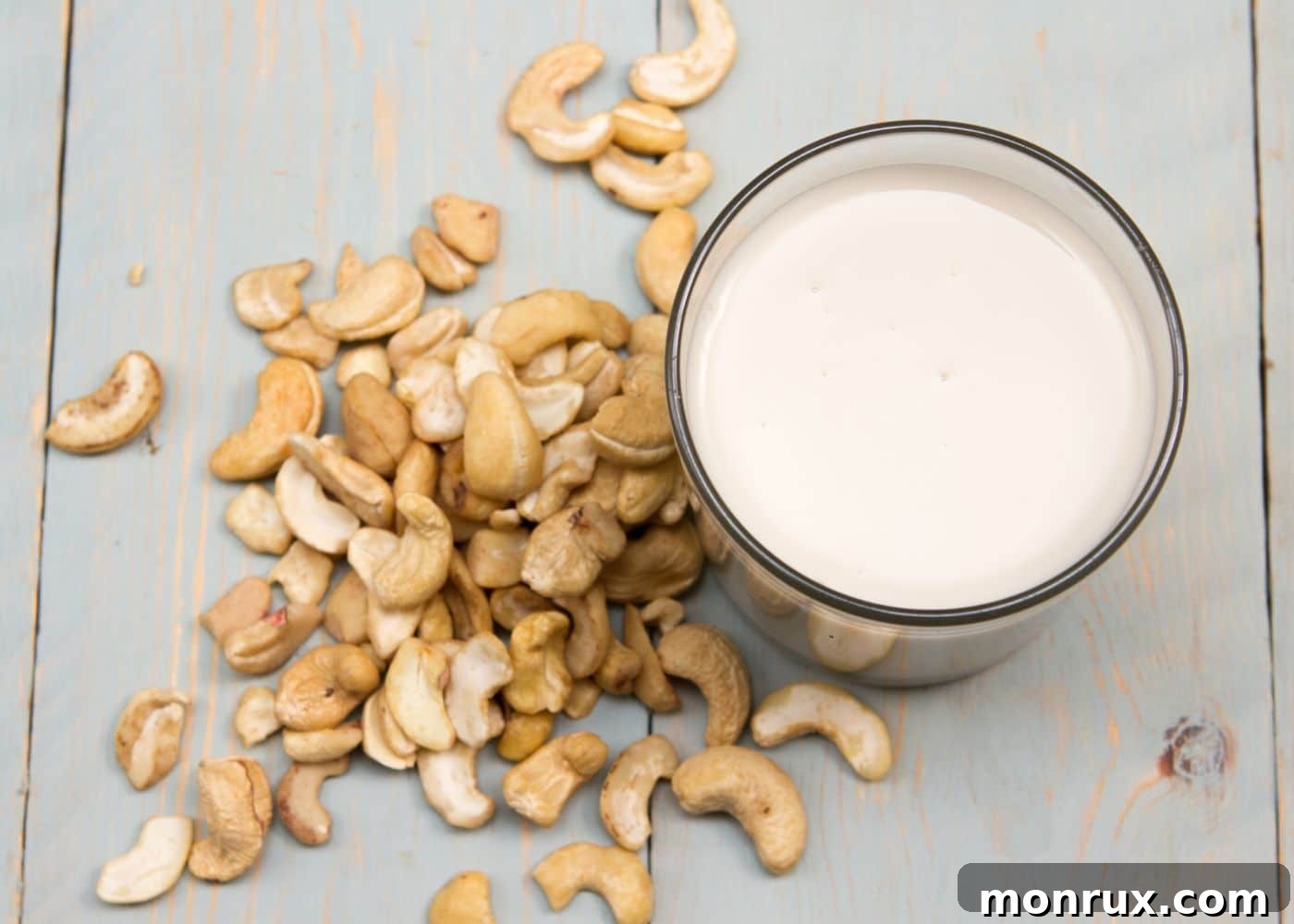
Heavy cream is a staple in countless recipes, from decadent desserts to savory sauces and creamy soups. However, for those following a dairy-free, vegan, or plant-based diet, or for individuals with allergies or intolerances to dairy, finding an effective substitute can be a culinary challenge. The good news is that the world of plant-based alternatives has expanded dramatically, offering a rich array of options that can mimic the texture, richness, and versatility of traditional heavy cream. This comprehensive guide explores some of the best non-dairy substitutes for heavy cream, including store-bought innovations like Silk heavy whipping cream, as well as versatile homemade options such as coconut cream, soy milk and olive oil cream, vegan soy heavy cream, non-dairy milk with cornstarch, luscious vegan cashew cream, and even unexpected but effective white bean cream.
Dairy-Free Heavy Cream Substitutes
Whether you’re crafting a velvety whipped topping for a dessert, thickening a hearty soup, or enriching a savory sauce, navigating the world of dairy-free cooking is easier than ever with these innovative plant-based heavy cream alternatives. Each option offers unique characteristics in terms of flavor, texture, and application, ensuring you can find the perfect match for any culinary endeavor.
These alternatives are not just for those on a strict plant-based or vegan diet; they are also ideal for individuals with dairy allergies, lactose intolerance, or anyone simply looking to reduce their dairy consumption for health or ethical reasons. Dive into these versatile vegan heavy cream substitutes and transform your favorite recipes without compromising on taste or texture!
For more insights into the health aspects, consider exploring the benefits of a dairy-free diet.
1. Silk Heavy Whipping Cream
Among the most convenient and effective store-bought options, Silk Heavy Whipping Cream stands out as a top-tier plant-based substitute for traditional dairy heavy cream. Designed specifically to mimic the performance of its dairy counterpart, this product offers an unparalleled ease of use for busy home cooks and professional chefs alike.
Key Characteristics & Ingredients
Silk Heavy Whipping Cream is crafted with a thoughtful blend of filtered water, faba bean protein, and coconut oil. The faba bean protein provides a stable, creamy emulsion, while coconut oil contributes to the rich fat content essential for a luxurious texture. This combination ensures a neutral flavor profile that won’t overpower your dishes, making it exceptionally versatile.
Texture and Versatility
Its consistency is remarkably similar to dairy heavy cream, allowing it to be used in virtually all the same applications. It whips beautifully into a light, airy topping for pies, cakes, and hot beverages. In cooking, it adds richness and body to creamy pasta sauces, gravies, and soups without curdling, a common concern with some other dairy-free milks. Its ability to hold up under heat and its smooth texture make it a go-to for complex recipes requiring a stable cream base.
Where to Find It
Silk Heavy Whipping Cream has become increasingly popular and is now widely available. You can typically find it in the refrigerated dairy or dairy-alternative section of most major grocery stores and health food stores. It’s also often available through online grocery delivery services.
Substitution Ratio
One of the greatest advantages of Silk Heavy Whipping Cream is its direct usability. You can confidently use an equal amount of Silk heavy whipping cream in place of regular heavy cream in any baking or cooking recipe. This is a straightforward 1:1 ratio, eliminating the need for complex conversions or recipe adjustments.
2. Coconut Cream
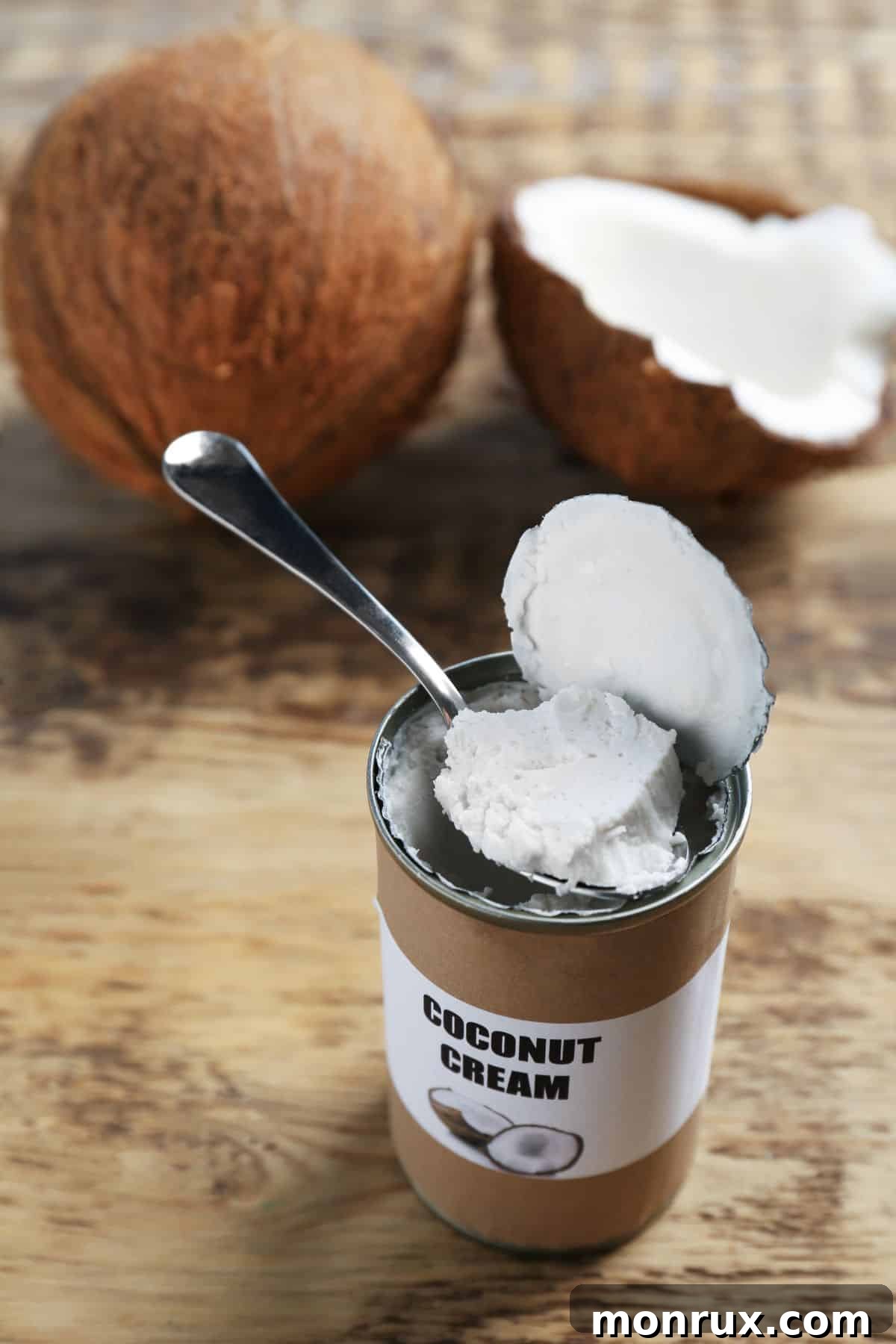
Coconut cream is a fantastic, naturally rich dairy-free substitute for heavy cream, celebrated for its luxurious texture and versatility. It’s the thick, fatty part of coconut milk that separates and rises to the top when chilled, making it an excellent choice for adding richness and creaminess to a variety of dishes.
Understanding Coconut Cream vs. Coconut Milk
It’s crucial to distinguish between full-fat coconut cream and lite coconut milk. For an effective heavy cream substitute, always opt for **full-fat coconut cream**. This usually comes in cans and has a much higher fat content, which is what gives heavy cream its desired body and richness. Lite coconut milk is too thin and watery to provide a similar consistency.
Flavor Profile and Best Uses
Coconut cream has a distinct, albeit often subtle, coconut flavor. This makes it particularly well-suited for sweet applications like vegan ice cream, puddings, and whipped toppings (especially when sweetened and chilled). In savory cuisine, its coconut notes can beautifully complement dishes like curries, soups (such as Instant Pot Red Dal), and stews where a tropical or exotic flavor profile is desired. If you prefer to minimize the coconut flavor, pair it with strong spices or ingredients that can balance it out.
Preparation Tips
Before using, refrigerate the can of full-fat coconut cream overnight. This allows the thick cream to separate from the thinner liquid. Open the can, scoop out the solid cream from the top, and discard or save the liquid for other uses. If your recipe calls for a smooth consistency, you might need to whisk or blend the solid cream to remove any lumps.
Where to Find It
Canned full-fat coconut cream is readily available in most grocery stores, particularly in the international foods aisle or with baking supplies. Health food stores and online retailers also carry a wide selection.
For more options, you might be interested in Substitutes for Coconut Cream.
Substitution Ratio
You can use an equal amount of full-fat coconut cream instead of heavy cream in most baking or cooking recipes. This works as a straightforward 1:1 ratio, especially when aiming for richness and thickness.
3. Soy Milk and Olive Oil Cream
For those seeking a dairy-free substitute that closely approximates the neutral taste and rich texture of traditional heavy cream, a homemade soy milk and olive oil cream mixture is an excellent and surprisingly simple solution. This combination creates an emulsion that brings both fat and creaminess, essential characteristics of heavy cream.
Why This Combination Works
Soy milk provides a creamy base and a neutral flavor, while olive oil introduces the necessary fat content. When thoroughly combined, they form a stable emulsion that mimics the richness and mouthfeel of dairy cream. The key is to use a high-quality, unflavored soy milk to avoid any unwanted sweetness or strong bean flavor.
Making Your Own
To create one cup of this versatile cream substitute, simply combine 2/3 cup of unsweetened soy milk with 1/2 cup of olive oil. Whisk or blend these ingredients thoroughly until the mixture is completely emulsified and smooth. It should have a consistency akin to thin heavy cream.
Choosing Your Oil
While olive oil is specified, it’s important to choose a light, mild-flavored olive oil, especially for savory dishes where a strong olive oil taste might be undesirable. If you prefer an olive oil substitute, other neutral oils like canola oil, sunflower oil, or grapeseed oil work equally well to provide the necessary fat without imparting a strong flavor.
Best for Savory Dishes
This vegan alternative truly shines in savory applications. It’s perfect for thickening gravies, enriching creamy pasta sauces, adding body to vegetable purees, or creating decadent dairy-free cream sauces. Its neutral profile means it won’t clash with other flavors in your recipe.
Substitution Ratio
When replacing heavy cream with this homemade blend, the ratio is slightly different due to the oil content. For every one cup of heavy cream your recipe calls for, you should use a mixture of 2/3 cup of soy milk and 1/2 cup of olive oil. This approximation creates a similar richness and texture to the equivalent dairy heavy cream.
4. Vegan Soy Heavy Cream (Soy Milk & Silken Tofu)
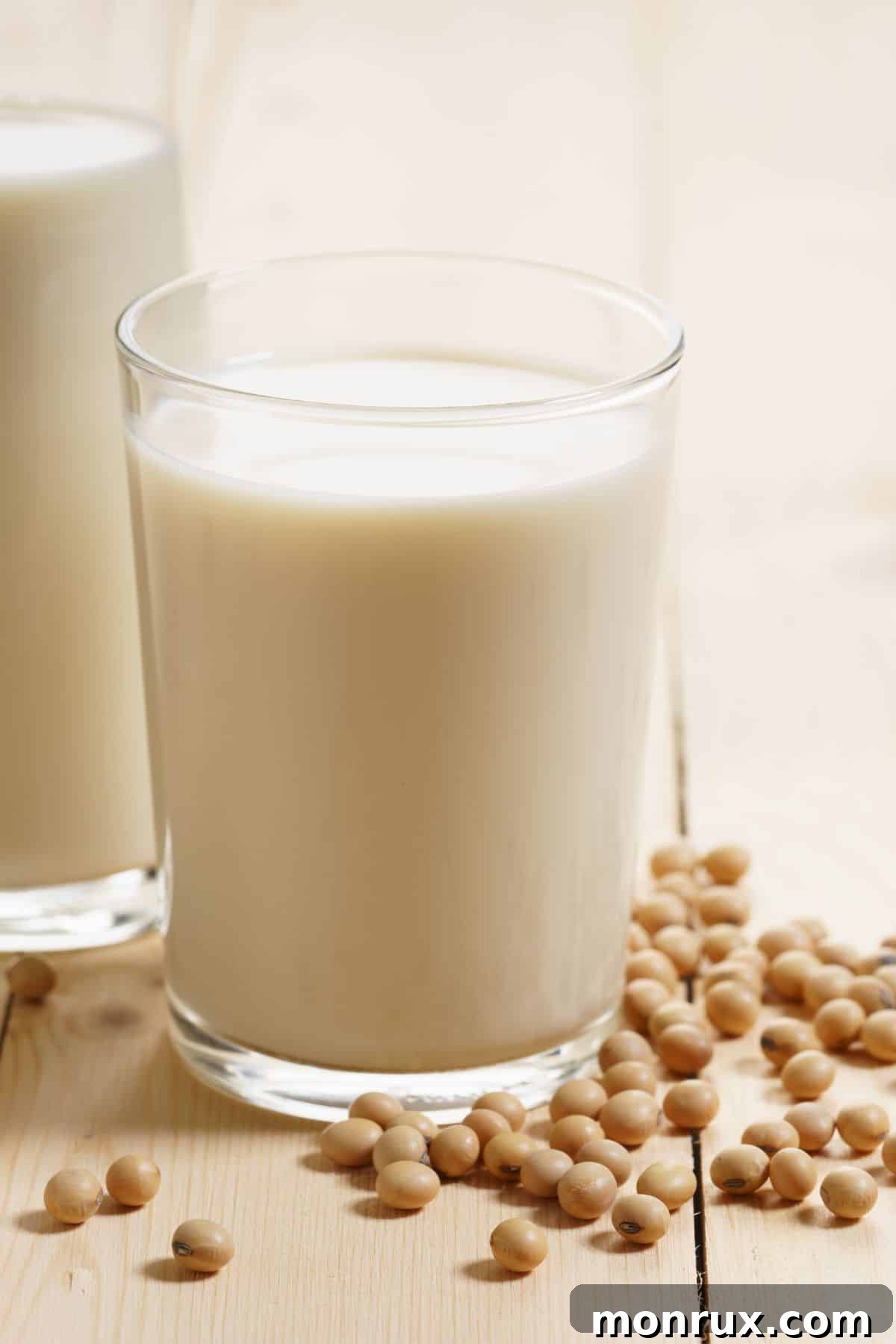
For a robust, protein-rich, and incredibly creamy dairy-free heavy cream that holds its texture well, the combination of soy milk and silken tofu is an outstanding plant-based solution. This blend leverages the smooth, soft texture of silken tofu to create a substantial cream that can be used in a wide range of recipes, from savory to sweet.
The Magic of Silken Tofu
Silken tofu, unlike firmer varieties, has a very high water content and a custard-like consistency, making it ideal for blending into smooth creams and sauces. It provides a neutral base and excellent body, contributing to a mouthfeel that closely resembles dairy heavy cream. It’s also a great source of plant-based protein.
Crafting Your Vegan Soy Heavy Cream
To prepare one cup of vegan soy heavy cream, you’ll need to combine 1 cup of silken tofu with unsweetened soy milk. Start with about 1/4 cup of soy milk and blend the mixture until perfectly smooth. A high-speed blender will yield the silkiest results, ensuring no grainy texture from the tofu. Add additional soy milk, a tablespoon at a time, until you reach your desired consistency – thick enough to coat a spoon, but pourable.
Versatile Applications
This homemade cream is incredibly versatile. It’s an excellent option for enriching creamy soups, such as tomato bisque or mushroom soup, providing a rich, velvety finish. It can also be seasoned with a touch of lemon juice and apple cider vinegar to create a convincing dairy-free sour cream alternative for dolloping on chili, tacos, or baked potatoes. Its stability also makes it suitable for some baking applications where a thick, creamy element is needed.
Substitution Ratio
When substituting for heavy cream, this mixture works on an approximate 1:1 ratio. For every one cup of heavy cream required, you should use 1 cup of silken tofu blended with approximately 1/4 cup of soy milk, adjusting the liquid as needed to achieve the right consistency for your recipe.
5. Non-Dairy Milk and Cornstarch
For a lighter, yet still effective, dairy-free alternative to heavy cream, a simple combination of non-dairy milk and cornstarch works wonders. This method allows you to thicken almost any plant-based milk into a creamy consistency, making it a flexible and accessible option for various recipes.
How It Works
Cornstarch acts as a natural thickening agent. When whisked into cold liquid and then heated, its starch granules swell, creating a viscous, creamy texture. This method is particularly useful when you need to achieve a specific thickness for sauces, gravies, or creamy fillings without adding extra fat.
Making the Substitute
To create this non-dairy heavy cream substitute, begin with 1 cup of your preferred unsweetened non-dairy milk. Whisk in 2 tablespoons of cornstarch until it is completely dissolved and no lumps remain. It’s crucial to mix the cornstarch into cold milk first to prevent clumping. Once dissolved, you can then heat the mixture gently, stirring constantly, until it thickens to your desired cream-like consistency.
Considerations for Consistency
This substitute tends to be slightly thinner than full-fat heavy cream or other fat-based alternatives. Depending on your recipe, you may need to adjust the amount used or increase the cornstarch slightly if you desire a thicker result. It’s an excellent choice for light cream sauces, adding body to soups, or for recipes where a full-fat cream might be too heavy. It’s also a healthier alternative, significantly reducing fat and calories compared to traditional heavy cream.
Substitution Ratio
For every one cup of heavy cream you are replacing, you should prepare 1 cup of non-dairy milk whisked with 2 tablespoons of cornstarch. This provides a roughly 1:1 replacement in terms of volume, though the texture will be lighter and less rich.
Types of Non-Dairy Milk and Where to Purchase
The choice of non-dairy milk greatly influences the final texture and flavor of your homemade heavy cream substitute. Here’s a look at popular options and their characteristics:
- Oatly Oat Milk: Often considered one of the creamiest plant-based milks naturally. Its smooth texture and mild, slightly sweet flavor make it an excellent base for heavy cream substitutes, especially when paired with cornstarch or used in cooking. Can be purchased at most grocery stores, health food stores, or online.
- Silk Almond Milk: A widely available and neutral-flavored option. While thinner on its own, it works well as a base when combined with thickeners like cornstarch or for lighter cream applications. Can be purchased at any grocery store or online.
- So Delicious Coconut Milk (beverage carton, not canned cream): Offers a slight coconut flavor but is thinner than canned coconut cream. Suitable for general cooking where a subtle tropical note is welcome. Can be purchased at any grocery store or online.
- Rice Dream Rice Milk: Known for its light, slightly sweet flavor and thinner consistency. Best used in recipes where a very light, almost undetectable creaminess is desired. Can be purchased at any grocery store or online.
- Silk Cashew Milk: Naturally creamier than almond milk, with a smooth texture and mild, nutty flavor. It’s a great choice for adding richness to dishes without a strong flavor profile. Can be purchased at some grocery stores or online.
- Milkadamia Macadamia Nut Milk: Offers a rich, buttery flavor and creamy texture, making it an excellent gourmet option for heavy cream substitutes. Can be purchased at some health food stores or online.
- Elmhurst Milked Hazelnuts Hazelnut Milk: Has a distinctive, rich, and nutty flavor. Best for specific recipes where a hazelnut note would be complementary, such as desserts or coffee creamers. Can be purchased at some health food stores or online at vendors like Thrive Market.
- Blue Diamond Almond Breeze Unsweetened Vanilla Milk: A very popular and accessible almond milk, but be mindful of the vanilla flavor if using in savory dishes. The unsweetened version is best for versatility. Can be purchased at most grocery stores or online.
- Tache Pistachio Milk: A newer, premium option offering a unique, subtly sweet, and nutty flavor. Can be a delightful addition to specialty desserts or lattes. Can be purchased online from their website or from Thrive Market.
No matter which non-dairy milk you choose, remember that consistency and flavor can vary between brands. Experiment to find your favorite!
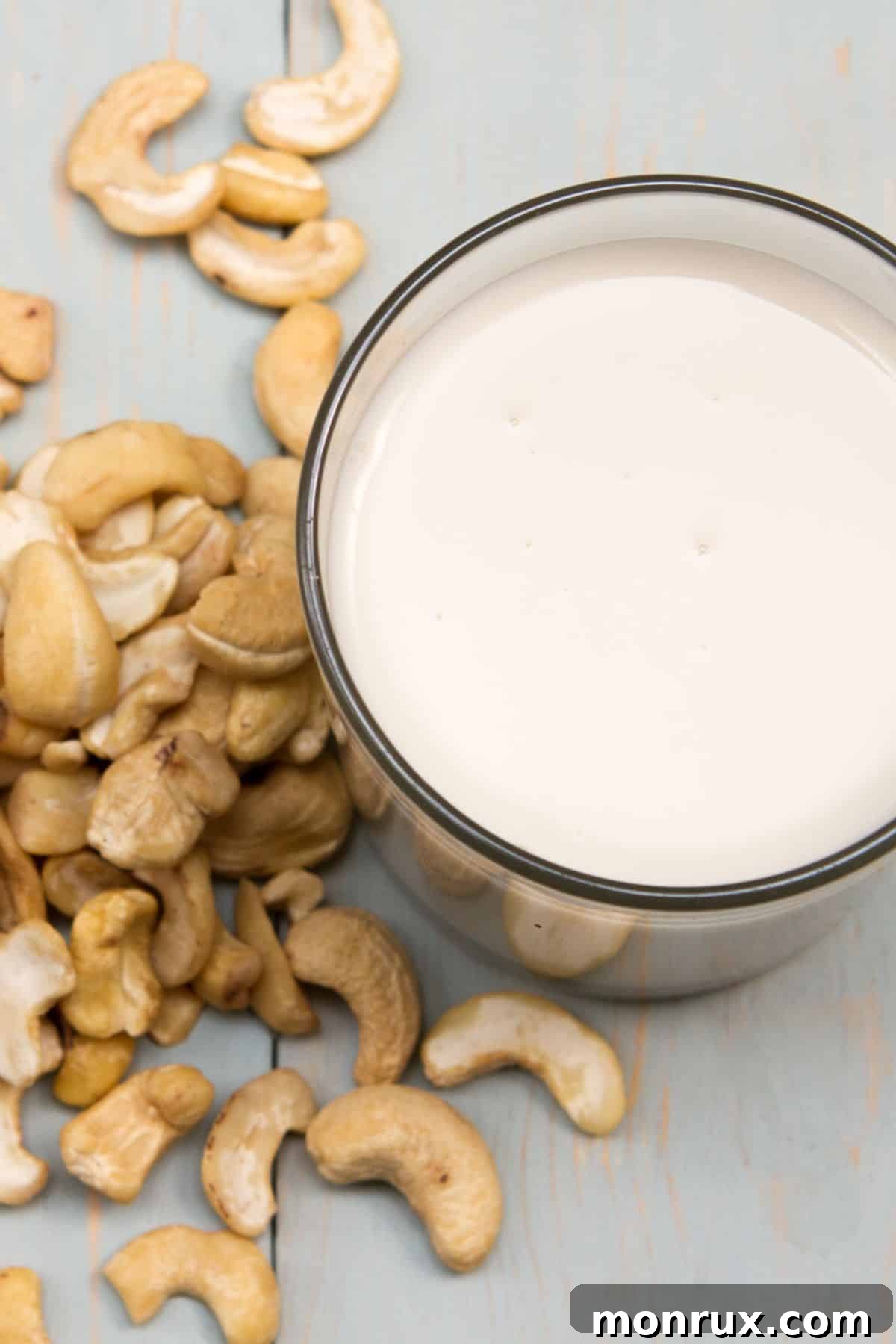
6. Vegan Cashew Cream
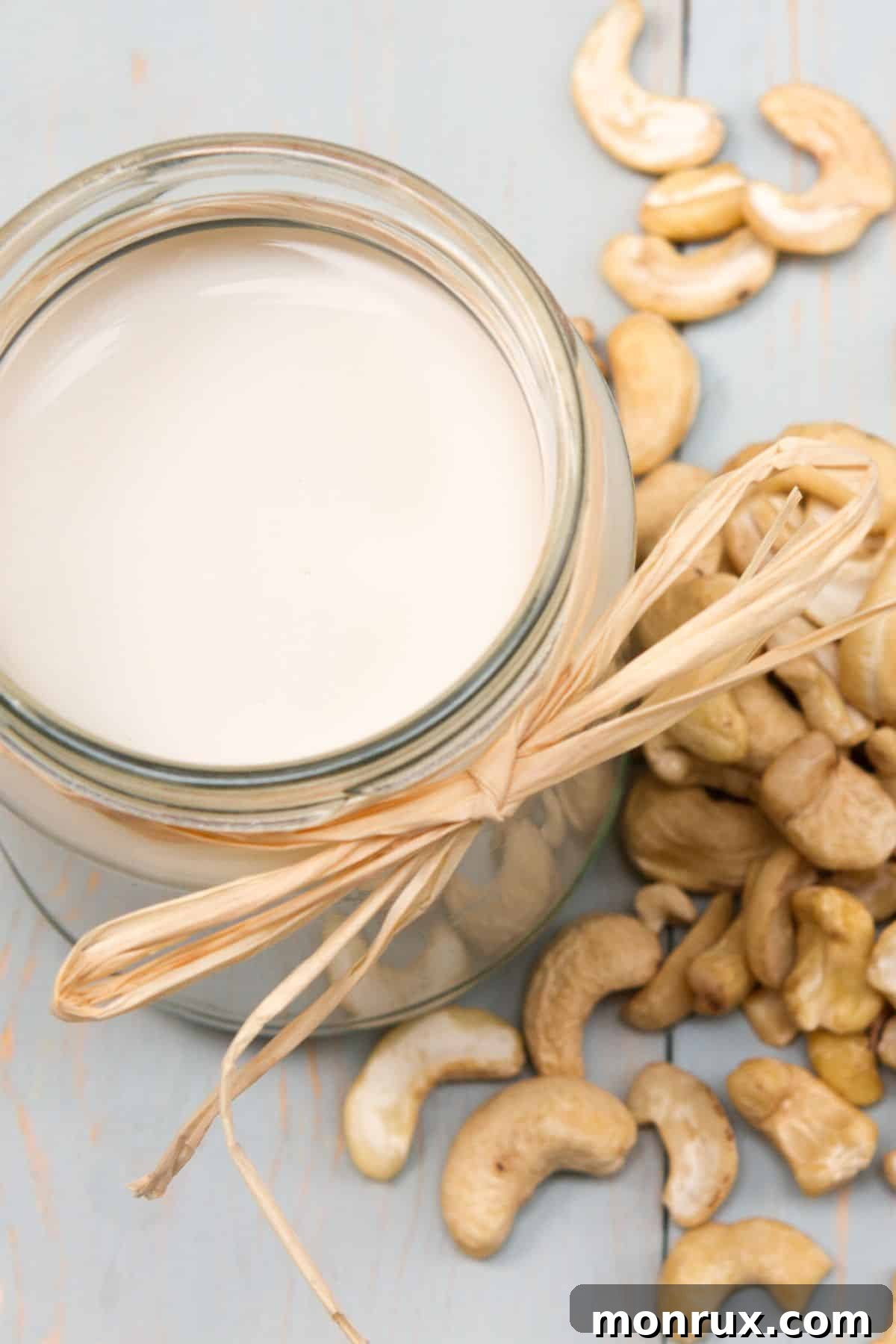
Vegan cashew cream is a powerhouse dairy-free substitute for heavy cream, beloved for its incredibly rich, neutral flavor, and ultra-smooth, velvety texture. Made from raw cashews, it’s a wonderfully versatile option that can be adapted for both sweet and savory dishes, providing a luxurious mouthfeel without any dairy.
The Secret to Smoothness: Soaking
The key to achieving a perfectly smooth cashew cream lies in soaking the cashews. Soaking softens the nuts, allowing them to blend into a completely creamy, lump-free consistency. For best results, soak 1 and 1/2 cups of raw cashews in hot water for at least 30 minutes (or boil for 10-15 minutes), or in cold water for a minimum of 4 hours, or ideally, overnight. After soaking, drain and rinse the cashews thoroughly.
Making the Cream
Once soaked and rinsed, combine the cashews with 3 and 1/2 cups of fresh water in a high-speed blender. Blend for several minutes until the mixture is completely smooth and creamy. You might need to scrape down the sides of the blender occasionally to ensure all cashews are fully incorporated. The final consistency should be similar to pourable heavy cream.
Versatility in the Kitchen
Vegan cashew cream is exceptionally versatile. In savory recipes, it can replace heavy cream in pasta sauces, creamy soups, gravies, and casseroles, offering a rich body and neutral flavor. For sweet dishes, it can be lightly sweetened and flavored with vanilla to create a luscious dessert topping, a base for puddings, or a filling for tarts. A touch of lemon juice can be added for a tangy “sour cream” effect.
Storage Tips
Homemade cashew cream can be stored in an airtight container in the refrigerator for up to 3-5 days. Its texture may thicken slightly upon chilling, but it can be thinned with a little water or plant-based milk if needed.
Substitution Ratio
For most recipes, you can use vegan cashew cream as a direct 1:1 substitute for dairy heavy cream. Its richness and texture make it an almost seamless replacement, allowing you to easily adapt your favorite recipes.
7. White Bean Cream
An often-overlooked but remarkably effective plant-based substitute for heavy cream is white bean cream. This innovative option uses the humble white bean as its base, offering a subtly flavored, incredibly smooth, and protein-packed alternative that’s perfect for both savory and some sweet applications.
Why White Beans?
White beans (such as cannellini, navy, or great northern beans) have a naturally delicate flavor and a creamy texture when cooked and blended. Their neutral profile means they won’t overpower the other ingredients in your dish, making them an excellent canvas for a dairy-free cream. Additionally, they add a boost of fiber and protein to your meal.
Preparing White Bean Cream
To make white bean cream, start by blending 1 cup of cooked white beans. You can use either canned beans (rinsed and drained thoroughly to remove excess sodium and preserve flavor) or dry beans that have been soaked and cooked until very tender. If using dry beans, pre-soaking for at least 3 hours or, even better, overnight, ensures they cook evenly and blend smoothly.
Place the cooked beans in a blender and add water, starting with a small amount (e.g., 1/4 cup). Blend until the mixture is perfectly smooth, gradually adding more water, a tablespoon at a time, until you reach your desired consistency. For a thick heavy cream substitute, aim for a consistency that coats the back of a spoon. For a lighter cream, you can add more water.
Best Uses
White bean cream excels in savory dishes where you want to add richness and body without dairy or strong competing flavors. Think creamy vegetable purees, thickening soups and stews, creating a base for dairy-free gravies, or enriching pasta sauces. Its neutral taste allows it to absorb and enhance the flavors of the other ingredients in your recipe.
Substitution Ratio
You can typically use white bean cream as a straightforward 1:1 substitute for heavy cream in most recipes. Its creamy texture and mild flavor make it a versatile replacement that won’t disrupt the overall balance of your dish.
Pros and Cons Summary
Choosing the right heavy cream substitute depends on your specific needs, taste preferences, and the recipe at hand. Here’s a revised chart summarizing the key advantages and disadvantages of each alternative to help you make an informed decision:
| Substitute | Pros | Cons |
|---|---|---|
| Silk Heavy Whipping Cream | Pre-made, incredibly convenient, whips like dairy cream, neutral flavor, 1:1 ratio, ideal for baking/whipping. | May be more expensive than homemade options, availability can vary in smaller stores. |
| Coconut Cream | Rich, thick, naturally dairy-free, readily available in cans, great for sweet and some savory dishes. | Distinct coconut flavor may not be suitable for all recipes, requires chilling to separate cream. |
| Soy Milk and Olive Oil Cream | Neutral flavor, mimics dairy cream taste/texture well, easy to make at home, uses common pantry staples. | Requires careful mixing to emulsify properly, uses oil which some prefer to limit, best for savory applications. |
| Vegan Soy Heavy Cream (Soy Milk & Silken Tofu) | Very creamy, protein-rich, adds good body, versatile for savory and some sweet dishes, relatively neutral flavor. | Requires blending, consistency needs careful adjustment with soy milk, might have a slight tofu aftertaste if not prepared well. |
| Non-Dairy Milk and Cornstarch | Light, low in fat, very easy to make, versatile with different plant milks, good for thickening. | Thinner consistency than true heavy cream, not suitable for whipping, requires cooking to thicken, can curdle if not heated gently. |
| Vegan Cashew Cream | Extremely rich and smooth, very versatile for sweet and savory, neutral flavor, high nutrient content. | Requires significant preparation time (soaking cashews), needs a high-speed blender for optimal smoothness. |
| White Bean Cream | Smooth texture, very neutral flavor, high in fiber and protein, unexpectedly creamy, inexpensive. | Requires blending, consistency can vary depending on bean type and water added, not suitable for whipping, less common in recipes. |
FAQs
No, vegans do not consume dairy-based heavy cream because it is an animal product derived from cow’s milk. The vegan diet strictly excludes all animal products, including dairy. However, as this article illustrates, there are numerous delicious, effective, and readily available plant-based substitutes for heavy cream that can be used in any recipe to achieve similar creamy results without compromising vegan principles.
Yes, almond milk can be successfully used as a plant-based substitute for heavy cream, especially when aiming for a lighter texture. Because almond milk is naturally thinner than heavy cream, you will typically need to thicken it. The most common and effective method is to mix it with a thickening agent such as cornstarch (2 tablespoons per cup of almond milk) or arrowroot powder. This mixture, when gently heated, will achieve a consistency suitable for many sauces, soups, and even some baking applications where a less rich cream is acceptable.
Absolutely! Oat milk is one of the best plant-based milks to use as a base for a heavy cream substitute. It naturally possesses a creamier texture and a more neutral, slightly sweet flavor compared to many other non-dairy milks. This inherent creaminess makes it an ideal candidate for mixing with a thickening agent like cornstarch (2 tablespoons per cup of oat milk) or for blending with a neutral oil to create a richer, more robust cream alternative. Its excellent emulsifying properties mean it combines well with fats, yielding a smoother and more stable final product that closely mimics dairy heavy cream.
More Plant-Based Substitutes You Might Like
Conclusions
The culinary landscape for dairy-free and plant-based eating has never been richer, especially when it comes to replacing a versatile ingredient like heavy cream. From convenient store-bought options like Silk Heavy Whipping Cream to resourceful homemade concoctions using coconut, soy, cashews, or even white beans, there is a perfect substitute for nearly every recipe and dietary need. Each alternative brings its unique characteristics in terms of flavor, texture, and ideal application, allowing for a wide range of possibilities in your kitchen.
Whether you prioritize ease of use, a neutral flavor profile, specific dietary considerations, or the satisfaction of a homemade creation, the world of dairy-free heavy cream substitutes offers ample choice. Don’t be afraid to experiment with different options to discover which ones best complement your favorite dishes and personal preferences. With these many plant-based solutions, you can continue to enjoy creamy, rich, and delicious meals without compromise.
Don’t forget to join my newsletter list to get exclusive clean eating recipes and tips. The newsletter is 100% free with no spam; unsubscribe anytime.
About the Author: Carrie Forrest has a master’s degree in public health with a specialty in nutrition and is a certified holistic nutritionist. She is a top wellness and food blogger with over 5 million annual visitors to her site. Carrie has an incredible story of recovery from chronic illness and is passionate about helping other women transform their health. Send her a message through her contact form.