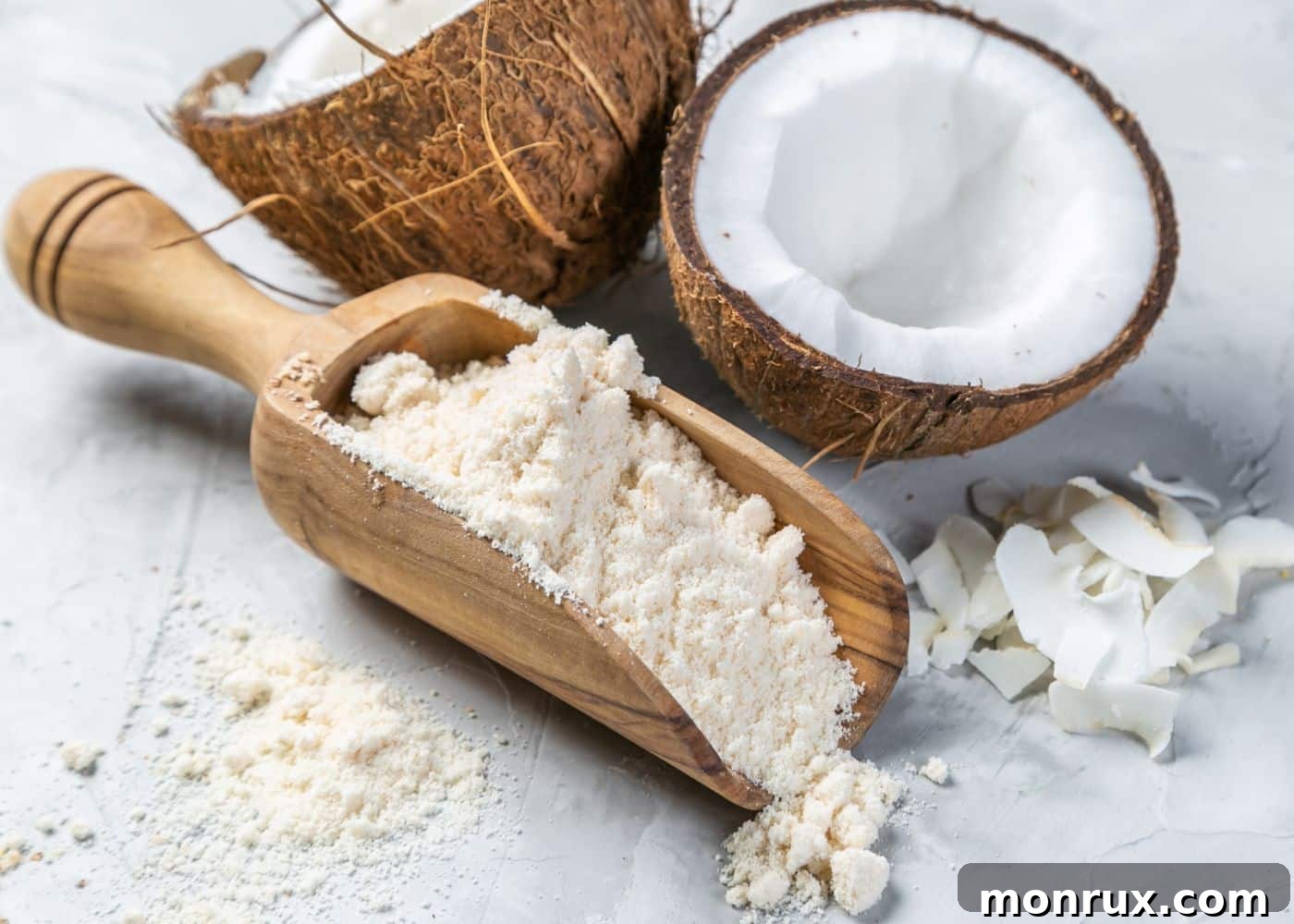
Coconut flour has become a cornerstone in many grain-free, paleo, and low-carb baking recipes, celebrated for its unique texture, subtle sweetness, and impressive nutritional profile. However, what happens when your pantry is unexpectedly bare, or you need an alternative due to a coconut allergy or a specific dietary preference? Don’t let a missing ingredient derail your baking aspirations! This comprehensive guide will equip you with the knowledge of the best substitutes for coconut flour in baking, offering detailed insights into popular alternatives like almond flour, cassava flour, tapioca flour, rice flour, ground flax seeds, and arrowroot powder, ensuring your culinary creations remain delicious, consistent, and compliant with your dietary needs.
Understanding Coconut Flour: A Unique Ingredient
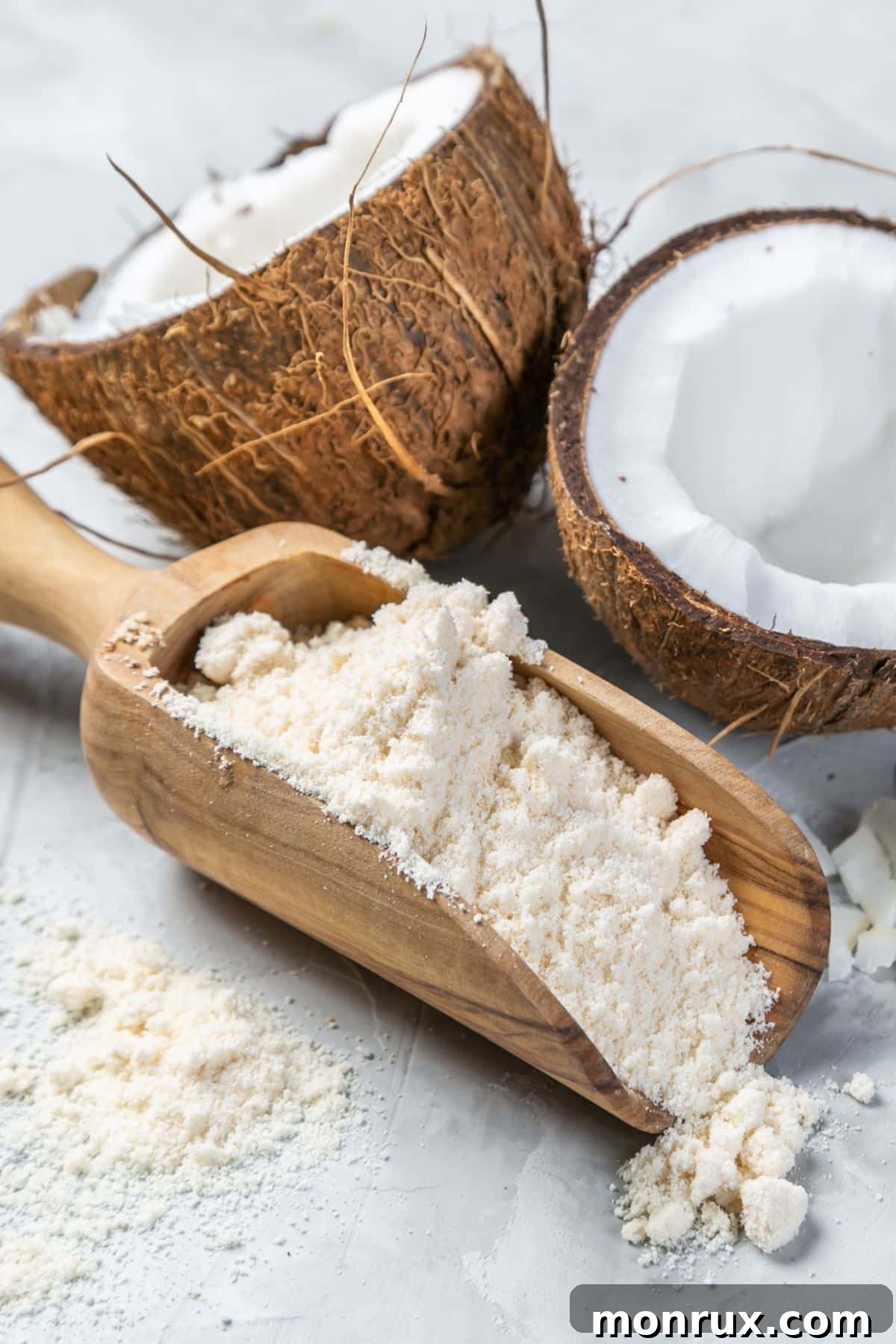
Coconut flour truly stands out as a remarkable grain-free alternative to traditional wheat flour. It is meticulously crafted from the dried and finely ground meat of coconuts, a byproduct of coconut milk production. This process leaves it with a naturally subtle sweet taste and a delicate hint of coconut flavor, making it a perfect complement for a diverse range of baked goods, from light and airy cakes and chewy cookies to moist muffins and robust quick breads. Its inherent gluten-free composition makes it an exceptional choice for individuals navigating gluten intolerance, celiac disease, or those committed to a strict paleo or ancestral diet.
Beyond its appealing flavor and culinary versatility, coconut flour boasts an impressive nutritional profile. It is exceptionally high in dietary fiber, which not only promotes digestive health but is also the secret behind its extraordinary absorbency – a critical characteristic that often makes direct substitution a nuanced challenge. Compared to whole wheat flour, coconut flour is significantly lower in carbohydrates, making it a valuable ingredient for ketogenic and low-carb eating plans. This powerful combination of fiber, beneficial fats, and protein establishes it as a nutritious and highly satisfying flour option, though one that demands a specific understanding and handling in recipes.
The key to understanding coconut flour lies in its ability to act like a sponge, soaking up an incredible amount of liquid. This is precisely why a simple 1:1 substitution with most other flours is generally unsuccessful, as it would drastically alter the recipe’s moisture balance, often leading to dry, crumbly results. Successful adaptation requires not just swapping the flour but also carefully adjusting the liquid content and potentially increasing binding agents like eggs. Embracing this fundamental property of coconut flour is the essential first step toward mastering its use and confidently exploring its substitutes.
Table of Contents
Top Substitutes for Coconut Flour in Baking
The next time your recipe calls for coconut flour and you find yourself without it, or if you’re keen to explore new textures and flavors in your grain-free baking, consider these excellent alternatives. Remember, successful substitution often involves not just changing the flour but also making precise adjustments to other wet or dry ingredients to achieve the desired outcome.
1. Almond Flour
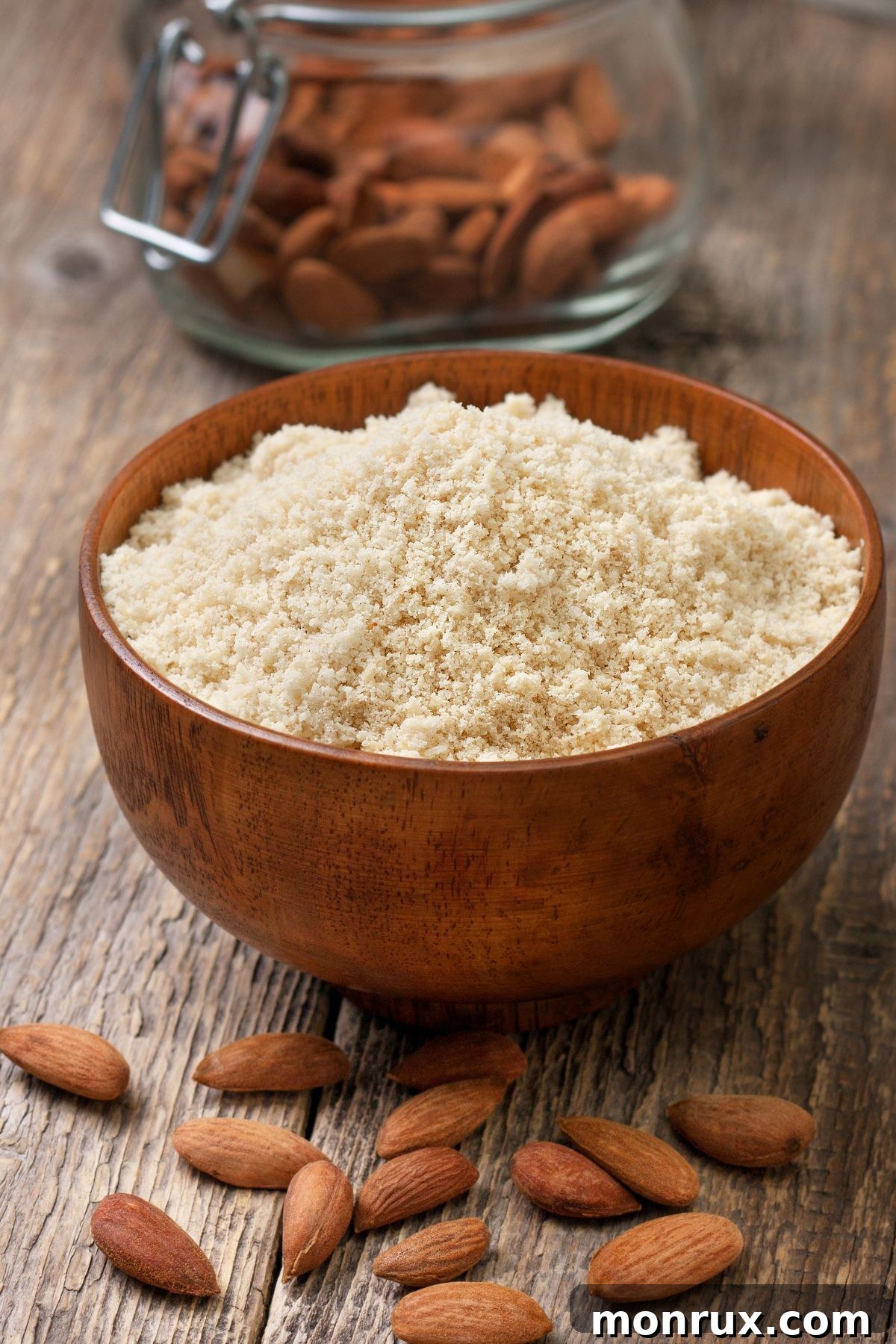
Almond flour is a highly popular grain-free and gluten-free flour meticulously crafted from blanched, finely ground almonds. It is an incredibly versatile ingredient, finding its place in a vast array of recipes, from delicate French macarons and rich, moist cakes to hearty cookies, tender breads, and fluffy pancakes. This alternative flour is readily available and can typically be found in the baking or natural foods aisle of most major grocery stores.
From a nutritional standpoint, almond flour is a true powerhouse, offering a significant source of protein, healthy monounsaturated fats, and dietary fiber. These attributes make it an exceptionally nutritious choice, particularly for those managing gluten sensitivities, celiac disease, or individuals actively pursuing a lower-carb dietary regimen. While often perceived as a more expensive option compared to traditional wheat flour, its dense nutritional value and broad applicability across various baking styles undeniably make it a worthwhile investment for specialized and health-conscious baking.
Almond flour typically imparts a slightly nutty flavor that is remarkably mild and pleasant, making it a fantastic counterpart to coconut flour, which carries a distinct coconut essence. Its fine, uniform texture contributes to a wonderfully tender and moist crumb in baked goods, a quality highly sought after in gluten-free creations. For the adventurous baker, it’s also possible to create your own almond flour at home by finely blending skinned almonds in a food processor, taking care not to over-process into almond butter. Alternatively, almond meal, made from unblanched almonds with their skins intact, can be used for a coarser texture and a more rustic appeal in certain recipes, offering another layer of versatility.
Substitution Ratio: To effectively replace one cup of coconut flour, you will generally need to use approximately two cups of almond flour. This adjusted ratio is crucial to compensate for almond flour’s significantly lower absorbency compared to the highly absorbent nature of coconut flour. Furthermore, you may find it necessary to slightly reduce liquid ingredients in the original recipe or incorporate an additional egg to maintain the desired consistency, structure, and binding properties, as coconut flour recipes often call for more eggs to offset its lack of gluten.
- Pros: High in protein, healthy fats, and fiber; adds desirable moisture and richness to baked goods; incredibly versatile; possesses a mild, agreeable nutty flavor; widely accessible in most markets.
- Cons: Generally more expensive than common flours; requires a larger volume for substitution; may result in a slightly denser product if the liquid balance is not precisely adjusted.
2. Cassava Flour
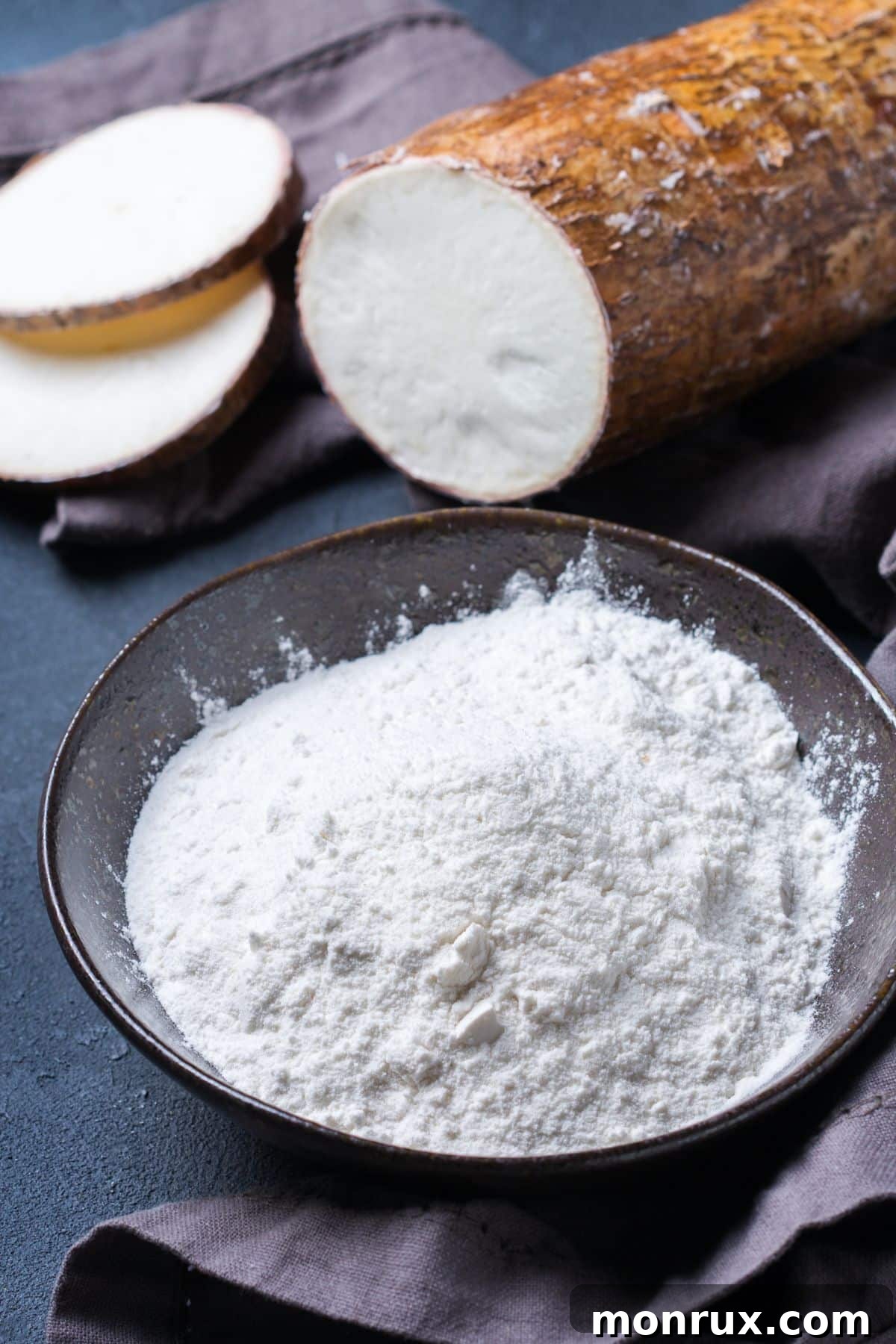
Cassava flour is a fine, white, powdery flour derived from the whole cassava root, a starchy tuber also widely known as yuca. It is important to differentiate cassava flour from tapioca starch; while both originate from the same plant, cassava flour utilizes the entire dried root, including its valuable fiber content. This holistic approach makes it a particularly functional and popular gluten-free flour in grain-free, paleo, and even autoimmune protocol (AIP) baking communities.
Its naturally neutral flavor profile and fine, soft texture make it an excellent choice for replacing wheat flour in a myriad of recipes without imparting any overpowering taste. Cassava flour is also noteworthy for its substantial fiber content, which contributes significantly to its binding capabilities and positions it as a beneficial option for individuals adhering to grain-free or general healthy eating regimens. Beyond fiber, it provides essential vitamins and minerals, subtly enhancing the nutritional value of your culinary creations. Many bakers praise its ability to consistently produce wonderfully soft and fluffy textures in a variety of baked goods.
While cassava flour may not be as ubiquitously available as traditional wheat flour, it can be readily found in most health food stores, numerous online retailers, and is increasingly appearing on the shelves of larger supermarkets. When employing cassava flour as an alternative to coconut flour, it’s vital to recognize that its absorbency, while notable, is less extreme than that of coconut flour. Consequently, precise adjustments to the liquid content in your recipe are indispensable to achieve the correct consistency and prevent a dry or overly dense product.
Substitution Ratio: For every one cup of coconut flour, you can typically use approximately two cups of cassava flour. However, it’s worth noting that the absorbency can vary slightly between different brands of cassava flour. Therefore, a prudent approach is to begin with slightly less cassava flour than the 2:1 ratio suggests, adding more incrementally if the batter appears too wet. Conversely, if the batter seems too dry or stiff, gradually incorporate additional liquid until the desired consistency is achieved. This flexible method allows for meticulous fine-tuning tailored to your specific recipe and the characteristics of your chosen brand of flour.
- Pros: Completely gluten-free, grain-free, and suitable for paleo and AIP diets; offers a neutral flavor that doesn’t compete with other ingredients; possesses excellent binding properties; high in fiber; consistently produces desirable soft textures; great for making flatbreads and tortillas.
- Cons: Can be more expensive than conventional flours; not as universally available as some other flour types; precise liquid adjustments are absolutely critical for successful baking outcomes.
3. Gluten-Free Baking Flour Blend
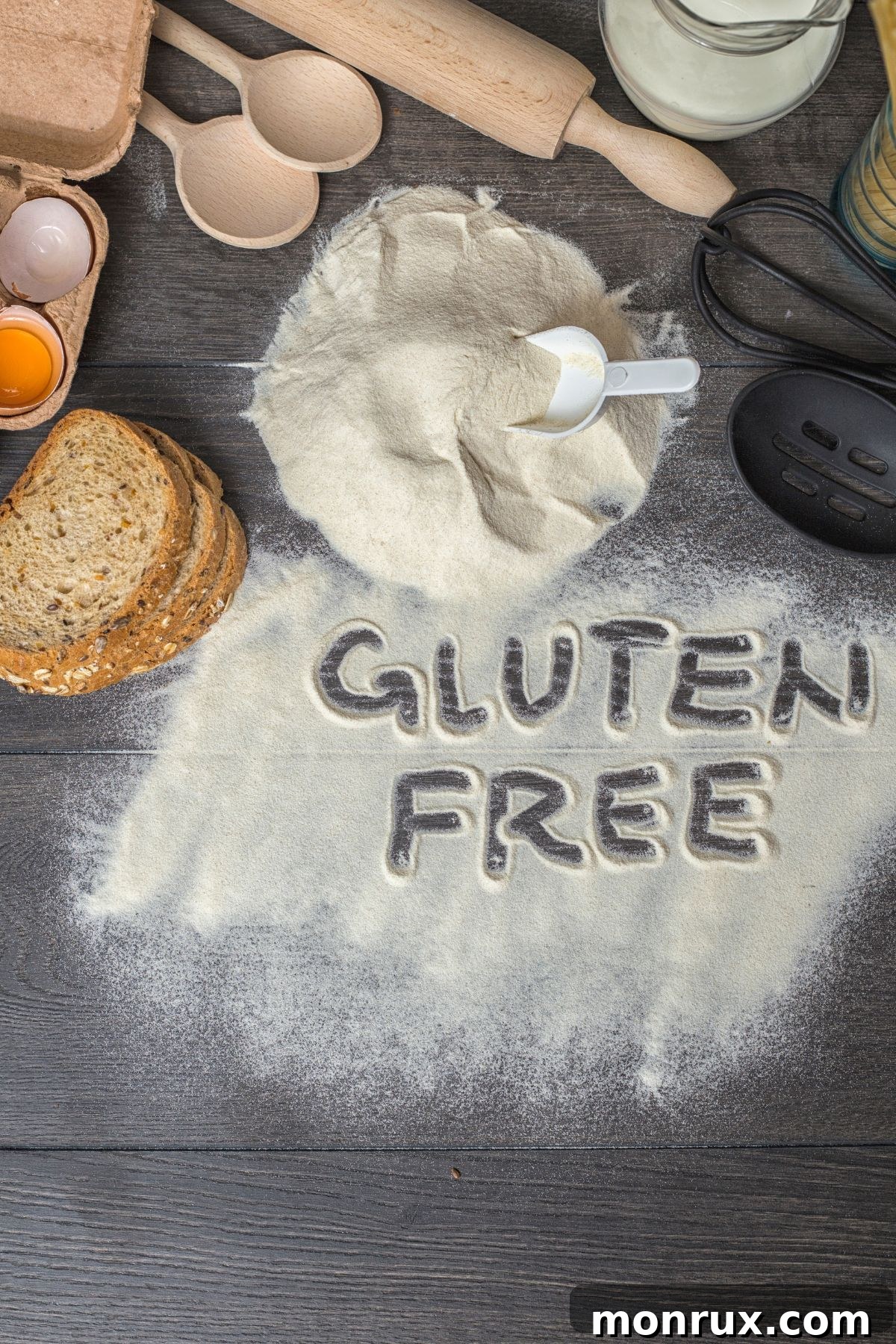
A gluten-free baking flour blend represents a thoughtfully engineered mixture of various gluten-free grains, starches, and occasionally hydrocolloid gums (like xanthan gum), specifically formulated to emulate the baking characteristics of wheat flour. These blends commonly incorporate flours such as rice flour, tapioca flour, and potato starch, often coupled with a binding agent like xanthan gum, to collaboratively achieve the desired structure, texture, and rise in baked goods. It’s crucial to understand that each brand’s specific blend possesses its own unique properties, which can profoundly impact the final taste, texture, and even the nutritional content of your dish.
These versatile blends are capable of producing a wide assortment of baked delights, ranging from rustic, crusty breads to delicate cakes, chewy cookies, and exquisitely flaky pies. Their primary advantage lies in their unparalleled convenience; they aim to significantly simplify gluten-free baking by providing a pre-balanced mix that is designed to behave predictably, especially in recipes originally formulated for wheat flour or for the blend itself.
When considering a gluten-free blend as a substitute for coconut flour, it’s imperative to recognize that most general-purpose gluten-free blends are primarily designed to replace wheat flour. Coconut flour, with its distinctively high absorbency and fiber content, is an entirely different baking medium. While many “1-to-1” or “cup-for-cup” gluten-free blends (like Bob’s Red Mill 1-to-1 Gluten-Free Baking Flour, a personal favorite for its consistent results) are marketed for direct substitution with wheat flour, their behavior when replacing coconut flour will differ significantly. It’s also worth noting that if you are not strictly adhering to a gluten-free diet, regular all-purpose wheat flour can also be substituted for coconut flour, with similar considerations for substantial liquid adjustments.
Substitution Ratio: To substitute one cup of coconut flour, you will generally need to use approximately two cups of a gluten-free baking flour blend. However, this is a broad generalization, and careful attention to your specific blend is required. Even with “1-to-1” gluten-free blends designed to replace wheat flour, you will almost certainly need to make substantial adjustments to the liquid content, as coconut flour absorbs vastly more moisture than even these specialized blends. A good strategy is to begin by using half the liquid suggested in your original coconut flour recipe and then gradually incorporate more until the batter achieves the desired consistency. Incorporating an additional egg might also prove beneficial for bolstering the structure and moisture of your baked good.
- Pros: Highly versatile for a vast range of baked goods; often provides a good structural integrity comparable to wheat flour; offers considerable convenience for bakers; widely available in most grocery stores.
- Cons: The specific properties, taste, and texture can vary dramatically between different brands and blends; many blends contain grains like rice and starches, making them unsuitable for strict paleo diets; still necessitates significant liquid adjustments when replacing highly absorbent coconut flour; not always a straightforward 1:1 swap even with “cup-for-cup” blends.
4. Tapioca Flour (Starch)
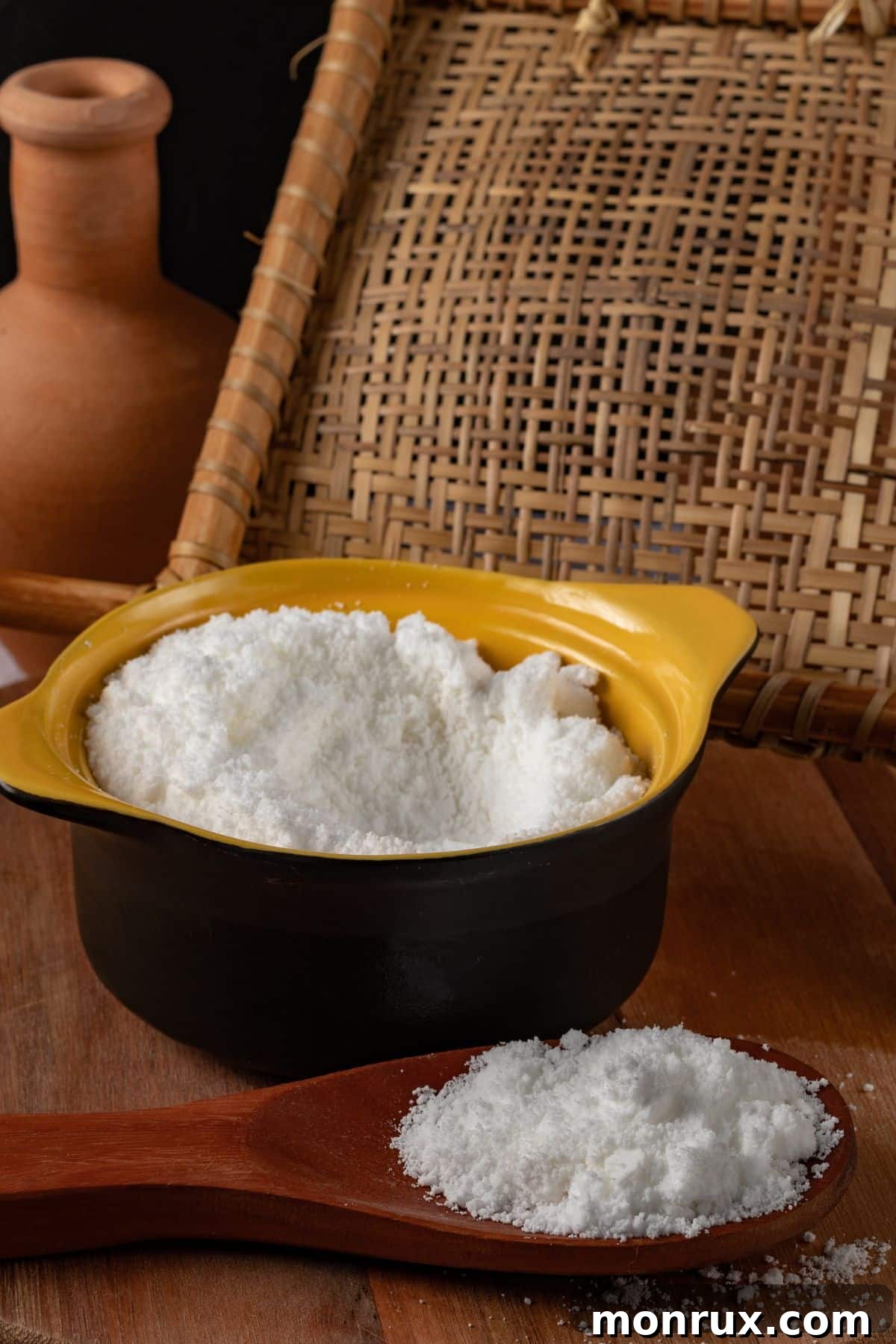
Tapioca flour, frequently referred to as tapioca starch, is another widely utilized gluten-free option derived from the versatile cassava plant. However, it is paramount to understand the distinction between tapioca flour and cassava flour. While both originate from the same root vegetable, tapioca flour is a pure starch extracted from the plant’s starchy pulp, which results in an exceptionally fine, pure white powder characterized by a remarkably neutral flavor. It is inherently gluten-free and possesses a unique ability to impart a light, desirable chewiness to baked goods, simultaneously serving as an outstanding thickening agent.
Due to its exceptionally high starch content, tapioca is extraordinarily effective at binding ingredients and contributing to a springy, elastic texture in various culinary applications. It is commonly employed in an assortment of recipes, including gluten-free breads, tender pancakes, chewy cookies, and is frequently used as a reliable thickener for delicate soups, rich sauces, and creamy puddings. When selecting tapioca flour for your baking needs, it is advisable to seek out a product that is very finely ground and consistently pure white in color for optimal results.
Using tapioca flour as a direct, primary substitute for coconut flour demands rigorous caution and careful consideration, primarily because their intrinsic properties are vastly different. While tapioca starch does absorb some moisture, it fundamentally lacks the significant fibrous bulk or the extreme hygroscopic (water-absorbing) nature that defines coconut flour. It truly excels at adding chewiness, improving binding, and providing a desirable “stretch” to batters, but it simply cannot provide the same structural foundation or density on its own as coconut flour.
Substitution Ratio: To substitute one cup of coconut flour, the original content suggests using one cup of tapioca flour. This direct 1:1 substitution is highly unconventional and, in most baking scenarios, not recommended for a direct, primary flour swap. Tapioca flour’s lack of fiber and bulk, compared to coconut flour, will yield a dramatically different texture and consistency. If you choose to attempt a 1:1 substitution, be prepared to drastically increase the liquid content (potentially requiring 3-4 times the original recipe’s liquid amount) and likely incorporate additional eggs or other flours and binders for crucial structural support. For most practical purposes, tapioca flour is best utilized in smaller quantities (e.g., 1/4 to 1/2 cup per cup of coconut flour, with other bulk flours comprising the remainder) to enhance chewiness and improve the overall texture, rather than acting as a sole, primary bulk flour substitute. Using it alone in such a high ratio without substantial recipe modifications will almost certainly result in an overly gummy and dense product.
- Pros: Possesses a neutral flavor profile; entirely gluten-free; imparts desirable chewiness and elasticity; functions as an excellent thickening agent; generally widely available.
- Cons: A pure starch, significantly lacking in fiber and protein for structural integrity; does not absorb liquid in the same manner as coconut flour; a 1:1 substitution necessitates extreme recipe modification for liquid and binders; most effectively used as a partial substitute or for specific textural contributions.
5. Rice Flour
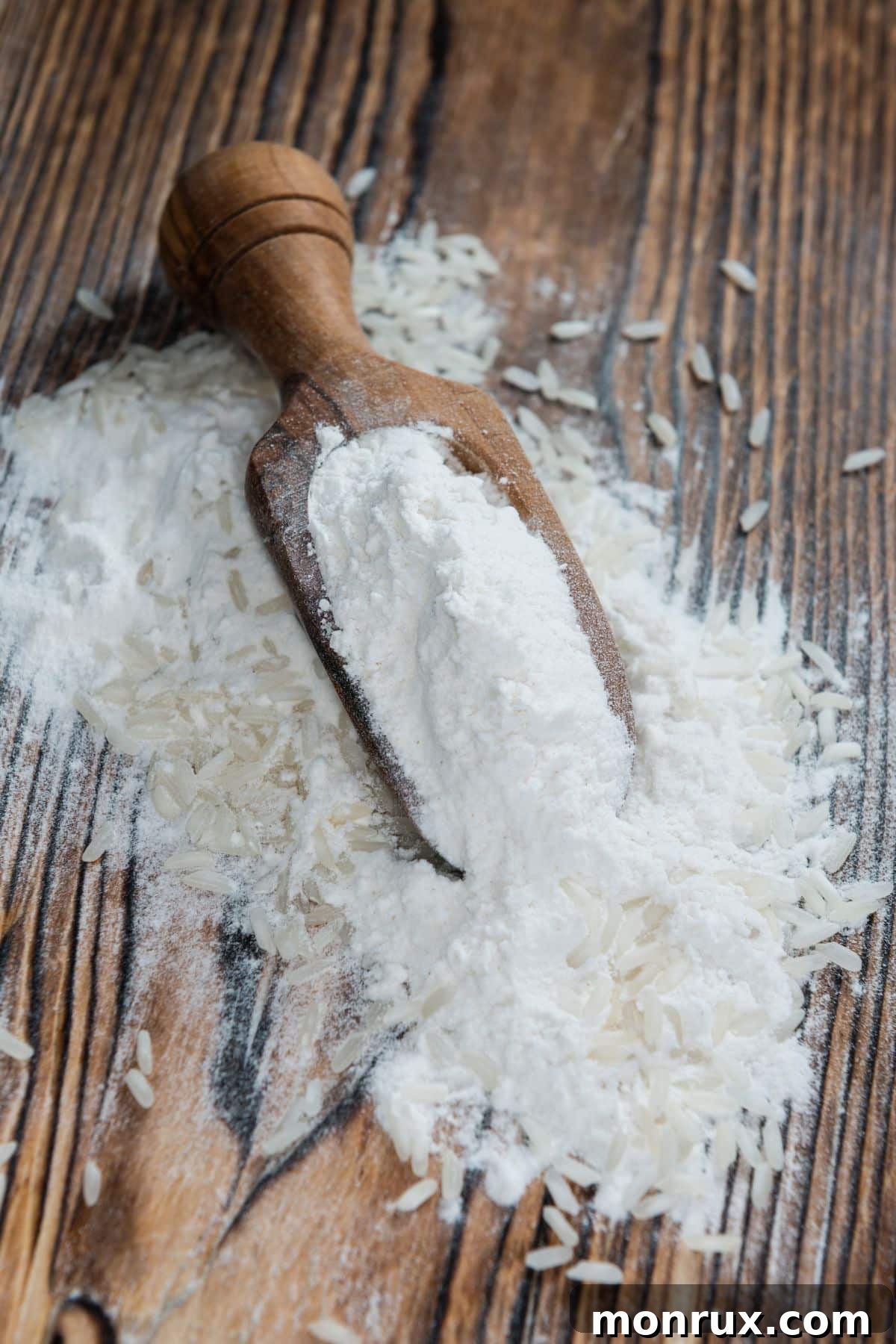
Rice flour, a versatile ingredient crafted from finely milled white or brown rice grains, serves as a fundamental component in gluten-free baking and holds a significant place in the culinary traditions of many Asian dishes. Its widespread availability and relatively inexpensive nature make it an accessible and popular choice for those seeking viable gluten-free alternatives to traditional wheat flours.
Available in both white rice flour (milled from polished rice) and brown rice flour (milled from whole grain rice), it offers distinct characteristics. White rice flour typically provides a neutral flavor profile, while brown rice flour imparts a slightly nuttier, more wholesome taste. Its fine texture can contribute to a desirable crispiness in fried items and a delicate crumb in baked goods. However, using rice flour exclusively can sometimes lead to a drier, denser, or more crumbly end product, particularly in recipes where elasticity, moisture retention, and structural integrity are paramount. It benefits considerably from being blended with other flours or starches to achieve a more balanced and appealing texture.
Substitution Ratio: To successfully substitute one cup of coconut flour, you will need to use approximately three cups of rice flour. This significantly higher ratio is necessitated by rice flour’s considerably lower absorbency and dramatically reduced fiber content compared to the highly absorbent and fibrous coconut flour. When incorporating rice flour into your recipes, it is highly advisable to consider adding an extra egg or a specific binding agent such as xanthan gum (if compatible with your dietary preferences) to enhance elasticity and mitigate potential crumbliness. Furthermore, you will need to substantially increase the liquid content in your recipe to achieve the original recipe’s desired batter or dough consistency, as rice flour absorbs far less moisture than coconut flour.
- Pros: Widely available in most grocery stores; relatively inexpensive; naturally gluten-free; offers a neutral (white) to slightly nutty (brown) flavor; can contribute to desirable crisp textures.
- Cons: Can often result in a drier, denser, or more crumbly baked product; inherently lacks the binding power and elasticity of gluten; requires a much larger volume for effective substitution; necessitates significant adjustments to both liquid content and often the addition of binders.
6. Ground Flax Seeds (Flax Meal)
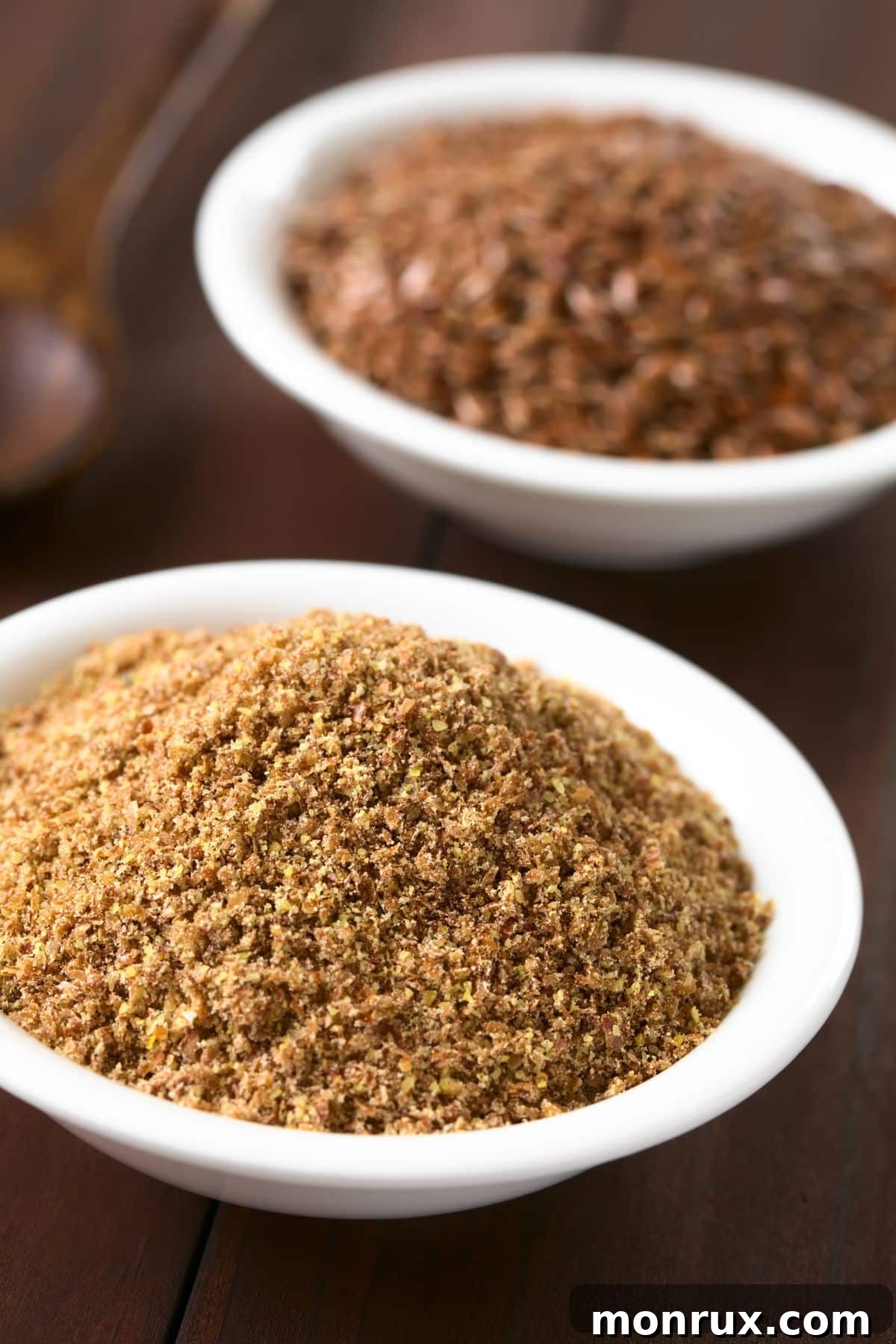
Flaxseed is universally recognized as a potent “superfood” owing to its impressive and diverse array of health benefits. These diminutive seeds are remarkably packed with nutritional value, standing out as an excellent source of dietary fiber, heart-healthy omega-3 fatty acids (specifically alpha-linolenic acid or ALA), and beneficial lignans, which are plant compounds boasting potent antioxidant properties. Integrating ground flaxseed, often referred to as flax meal, into your daily diet is a simple, delicious, and effective strategy to significantly boost your overall health and well-being.
Ground flaxseed can be effortlessly incorporated into a wide variety of dishes, including refreshing smoothies, creamy yogurts, hearty oatmeal, and, of course, a diverse range of baked goods. It even serves as a competent substitute for breadcrumbs in certain savory recipes. A remarkable property of flax meal is its ability to form a viscous, gel-like consistency when mixed with water, a concoction commonly known as a “flax egg.” This makes it an outstanding vegan egg substitute and a natural binding agent in gluten-free and plant-based baking.
Due to its exceptionally high fiber content and its remarkable capacity to absorb liquid and form a gel, ground flaxseed emerges as a surprisingly effective substitute for coconut flour. It shares some of coconut flour’s unique absorbent qualities, making it a viable option for moisture retention. However, it is important to note that flax meal will impart a distinct, earthy, and nutty flavor, along with a slightly coarser texture, to your baked goods. Furthermore, bakers should be aware that in certain alkaline recipes, flax meal can subtly tint the final product with a purplish hue, which is purely aesthetic and harmless.
Substitution Ratio: To replace one cup of coconut flour, use approximately two cups of ground flax seeds (flax meal). Much like coconut flour, flax meal exhibits a strong affinity for absorbing a significant amount of liquid. Consequently, you may not need to add as much additional liquid as you would with other less absorbent flour substitutes. However, meticulous monitoring of the batter’s consistency is still crucial, and adjustments should be made as needed, as the exact fiber content and absorption rate can vary between different flaxseed products. Incorporating an extra egg or another binder can also be beneficial for enhancing the overall structure and cohesion of your baked goods.
- Pros: Exceptionally high in fiber and beneficial omega-3 fatty acids; functions effectively as a binding agent; significantly boosts the nutritional value of recipes; possesses excellent absorbent properties; naturally gluten-free.
- Cons: Imparts a distinct nutty and earthy flavor that may not suit all recipes; can potentially alter the color of baked goods (to a purplish tint); requires a larger volume than coconut flour for substitution; may result in a slightly chewier or denser final texture; necessitates careful monitoring of liquid content.
7. Arrowroot Powder (Starch)
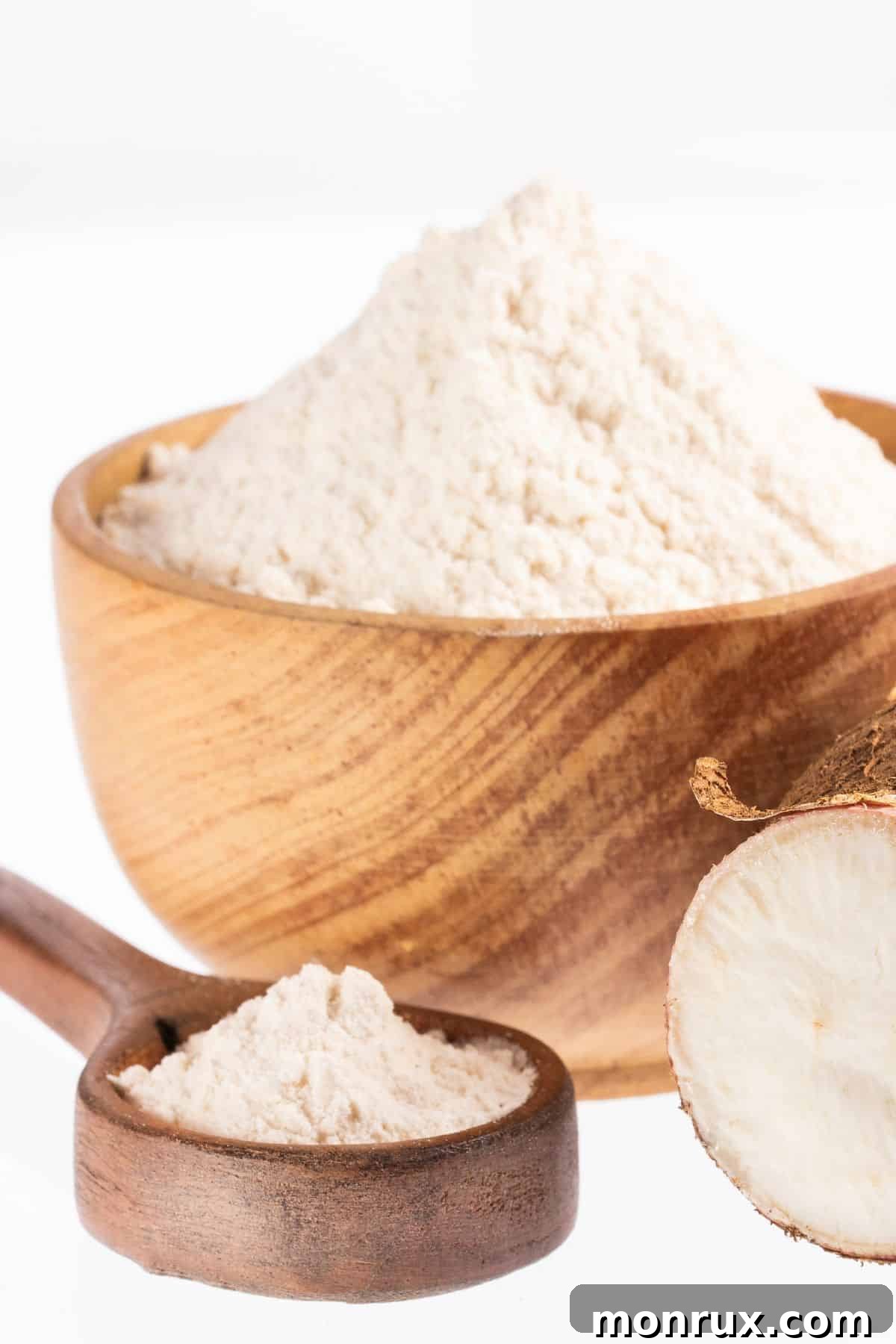
Arrowroot powder, also widely recognized as arrowroot starch, is a natural and highly effective thickening agent derived from the root of the tropical arrowroot plant. It is a favored ingredient in natural, paleo, and grain-free cooking, frequently employed as a superior replacement for cornstarch or other flours when thickening sauces, gravies, and desserts. It is particularly valued for its neutral flavor profile and its ability to create a clear, glossy finish in liquids, making it an excellent choice for gravies, fruit fillings, and creamy puddings.
As a pure starch, arrowroot powder is inherently gluten-free, establishing it as a safe and eminently suitable choice for individuals managing celiac disease or gluten intolerance. Beyond its diverse culinary applications, arrowroot powder is also esteemed for its potential digestive benefits and its gentle nature on the stomach, often being preferred for those with sensitive digestive systems compared to other starches.
When considering arrowroot powder as a substitute for coconut flour, it is absolutely critical to grasp their fundamental differences. Arrowroot is primarily a starch, designed to thicken and contribute to a very light, almost airy texture, not to provide the substantial bulk and structural integrity that a fibrous flour like coconut flour offers. While it can absorb some liquid, it critically lacks the high fiber content, protein, and fat that give coconut flour its unique and complex baking properties.
Substitution Ratio: The original content suggests using two cups of arrowroot powder to substitute one cup of coconut flour. It must be stated that this is an extremely significant amount for a pure starch when attempting to substitute a fibrous, bulk flour. While arrowroot powder can certainly contribute to a lighter texture and aid in binding ingredients, utilizing it as a direct 2:1 bulk substitute for coconut flour will almost invariably necessitate substantial and careful modifications to the entire recipe. You will need to dramatically reduce the liquid content and, most importantly, likely combine it with another bulk flour (such as almond or cassava flour) and/or significantly increase eggs or other binders to achieve any semblance of desirable structure and consistent texture. Using arrowroot powder alone in such a high ratio is generally not advisable for most baked goods where coconut flour is a primary structural ingredient, as it will almost certainly result in a product that is either excessively gummy, unpleasantly dense, or completely lacking in the necessary structural support.
- Pros: Functions as an excellent natural thickening agent; possesses a truly neutral flavor; completely gluten-free and grain-free, making it paleo-friendly; contributes to a desirable light texture; superb for gravies, sauces, and clear desserts.
- Cons: Pure starch, critically lacking in fiber, protein, and the bulk necessary for structural flour; a 2:1 substitution requires massive liquid adjustments and almost certainly necessitates combination with other bulk flours; can readily yield gummy, unpalatable textures if misused as a primary, bulk flour substitute.
Important Considerations When Substituting Flours
Substituting a unique flour like coconut flour for another alternative requires a more nuanced approach than a straightforward volume swap. Here are crucial factors to meticulously keep in mind for consistently successful baking results:
- Liquid Adjustments: Coconut flour is famously hygroscopic, meaning it is incredibly thirsty and absorbs significantly more liquid than nearly any other flour. When you substitute it, you will almost invariably need to considerably reduce the amount of liquid specified in the original recipe. A good starting point is to cut the liquid by half or even more, then incrementally add it back until your batter or dough achieves the desired consistency. Each substitute flour possesses its own unique absorption rate, so paying close attention to the batter’s appearance and feel is paramount.
- Egg and Binder Adjustments: Due to its lack of gluten, coconut flour frequently relies on a higher egg content to provide essential structure, elasticity, and moisture to baked goods. When utilizing a substitute, you might find that you can reduce the number of eggs. Conversely, if your chosen substitute (such as rice flour) tends to produce crumbly results or inherently lacks binding power, you may need to incorporate an extra egg or employ a supplementary binder like xanthan gum (if not strictly paleo), psyllium husk, or ground flax seeds (prepared as a “flax egg”) to ensure your ingredients hold together cohesively.
- Texture and Flavor Impact: Every alternative flour substitute brings its own distinct flavor and textural profile to your culinary creations. Almond flour will contribute a rich, tender crumb and a subtle nutty note, while rice flour can impart a desirable crispiness. Flax meal will introduce a more pronounced earthy, nutty taste and a chewier texture. Be acutely mindful of how these inherent characteristics will harmoniously complement or, conversely, alter the intended outcome and sensory experience of your original recipe.
- Recipe Specificity: It’s important to recognize that some substitutes are inherently better suited for particular types of recipes than others. For instance, almond flour excels in applications requiring a tender crumb, such as cakes and cookies. Cassava flour, with its binding qualities, might be more appropriate for more structured items like breads or tortillas. Always consider the desired final texture and structure of your baked good before making a definitive selection of your substitute.
- Weighing for Accuracy: For achieving the most reliable and consistent baking results, particularly when working with gluten-free and alternative flours, it is unequivocally recommended to weigh your ingredients using a precise kitchen scale rather than relying solely on volume measurements (cups). Flour can be packed differently into measuring cups, leading to significant inaccuracies that can profoundly affect the final product, especially when dealing with sensitive and finicky alternative flour recipes.
- Test Batches: If you are venturing into new territory by experimenting with an unfamiliar substitute or adapting a cherished recipe, consider preparing a smaller test batch initially. This pragmatic approach allows you the valuable opportunity to fine-tune ratios, adjust liquids, and make necessary modifications without the commitment and potential disappointment of a full recipe that might not meet your expectations.
Summary of Coconut Flour Alternatives
Here’s a concise summary of the various substitutes for coconut flour, highlighting their key characteristics, benefits, and potential drawbacks to help you make an informed decision for your specific baking requirements.
| Substitute | Typical Ratio (Substitute:Coconut) | Pros | Cons |
|---|---|---|---|
| Almond Flour | 2:1 | High in protein, healthy fats, and fiber; adds moisture and richness; incredibly versatile for many baked goods; mild nutty flavor; widely available. | Generally more expensive; requires more volume for substitution; may need slight liquid/egg adjustment; can result in a denser product if not correctly balanced. |
| Cassava Flour | 2:1 | Completely grain-free, gluten-free, paleo/AIP-friendly; boasts a neutral flavor; possesses excellent binding properties; high in fiber; produces wonderfully soft textures; ideal for flatbreads. | Can be more expensive; absorbency can vary by brand, necessitating careful adjustment; precise liquid adjustment is absolutely critical for optimal outcomes; not as universally available as traditional wheat flour. |
| Gluten-Free Baking Flour Blend | 2:1 (with caveats) | Specifically designed to mimic the properties of wheat flour; highly versatile for a vast range of baked goods; offers significant convenience; provides good structural support. | Properties can vary dramatically between different brands and blends; many contain grains/starches unsuitable for strict paleo diets; still requires significant liquid adjustment when replacing highly absorbent coconut flour; not always a simple 1:1 swap. |
| Tapioca Flour (Starch) | 1:1 (with extreme caveats) | Boasts a neutral flavor profile; entirely gluten-free; imparts desirable chewiness and elasticity; functions as an excellent thickening agent; generally widely available. | A pure starch, critically lacking in fiber and protein for structural bulk; does not absorb liquid in the same manner as coconut flour; a 1:1 substitution demands massive liquid/binder changes; best utilized as a partial substitute or for specific textural contributions. |
| Rice Flour | 3:1 | Widely available in most markets; relatively inexpensive; entirely gluten-free; offers a neutral to slightly nutty flavor; contributes well to crisp textures. | Can frequently result in a drier, denser, or overly crumbly baked product; lacks the inherent binding power of gluten; requires a much larger volume for effective substitution; necessitates significant liquid/binder adjustment. |
| Ground Flax Seeds (Flax Meal) | 2:1 | Exceptionally high in fiber and beneficial omega-3s; acts as an effective binding agent; significantly boosts nutritional value; possesses good absorbent properties; entirely gluten-free. | Imparts a distinct nutty/earthy flavor that may not suit all recipes; can potentially affect the color of baked goods; may result in a slightly chewier or denser texture; needs careful liquid monitoring. |
| Arrowroot Powder (Starch) | 2:1 (with extreme caveats) | Functions as an excellent natural thickening agent; offers a neutral flavor; entirely gluten-free, grain-free, and paleo-friendly; contributes to a desirable light texture; ideal for gravies and sauces. | A pure starch, critically lacking in fiber, protein, and bulk for structural flour; a 2:1 substitution demands massive liquid/binder changes; best suited for thickening or very light additions; can readily yield gummy, unpalatable results if misused as a bulk flour. |
Tips for Using Coconut Flour
While this article primarily focuses on effective substitutes, gaining a thorough understanding of how to properly use coconut flour itself can significantly enhance your baking skills and deepen your appreciation for why its substitutes behave so differently. Here are a few essential principles to remember when working with this truly unique flour:
- Use Recipes Specifically Designed for Coconut Flour: Due to its exceptional absorbency and complete lack of gluten, coconut flour cannot be directly substituted for wheat flour or most other gluten-free flours at a 1:1 ratio. To ensure consistent success and avoid disappointment, always prioritize using recipes that have been specifically formulated and tested with coconut flour. These recipes will have the correct and precise balance of liquid and crucial binding agents (often a higher quantity of eggs).
- Add Extra Liquid: Coconut flour is incredibly thirsty and demands a substantial amount of moisture. If you are attempting to adapt an existing recipe, anticipate the need to significantly increase the liquid content (this could be water, milk, purees, etc.) to prevent your baked goods from becoming dry, dense, and disappointingly crumbly. As a general guideline, it typically absorbs about four times its weight in liquid, making this adjustment critical.
- Increase Eggs or Binders: To compensate for the absence of gluten and to provide much-needed structure and elasticity, recipes utilizing coconut flour typically incorporate a greater number of eggs compared to traditional wheat flour recipes. Eggs act as both a binder and contribute to the overall elasticity and moisture of the final product. If you are following a vegan diet, you may need to utilize flax eggs or other suitable plant-based binders to achieve similar structural integrity.
- Avoid Overmixing: Similar to many gluten-free flours, overmixing coconut flour batters can inadvertently lead to a tough, rubbery, or undesirable texture in your baked goods. The best practice is to mix the batter only until the ingredients are just combined and no dry streaks of flour remain.
- Allow the Batter to Rest: Providing your coconut flour batter with a short resting period of 5-10 minutes before baking can be highly beneficial. This brief pause allows the flour sufficient time to fully absorb all the liquids, which often results in a significantly improved and more desirable final texture.
With these insightful tips in mind, baking with coconut flour can become a truly rewarding, delicious, and healthy way to enjoy your favorite grain-free recipes. You might also find this comprehensive article on the Best Substitutes for Coconut Sugar incredibly helpful for further informed dietary adjustments and explorations.
More Articles About Substituting Ingredients
Conclusions
Navigating the diverse and sometimes challenging world of alternative flours can initially seem daunting, but as this comprehensive guide vividly illustrates, there are indeed numerous effective and delicious substitutes for coconut flour readily available for all your grain-free and paleo baking adventures. Each alternative—from the rich, tender qualities of almond flour and the robust binding power of cassava and ground flax meal, to the unique textural contributions offered by rice flour and tapioca starch—brings its own distinct set of characteristics and benefits to your recipes. A deep understanding of these specific properties and, crucially, how they differ from coconut flour’s exceptional absorbency, is the absolute key to successful and satisfying substitution.
While the substitution ratios provided within this guide offer an excellent and reliable starting point for your culinary experiments, it is vital to remember that baking is often as much an intuitive art as it is a precise science. Every baker will ultimately develop their own personal preferences for which type of flour performs best in their specific recipes and consistently achieves their desired outcomes. Therefore, do not hesitate to embrace the spirit of experimentation! Begin with the recommended ratios, pay meticulous attention to the consistency and feel of your batter or dough, and always be prepared to make minor, iterative adjustments to both liquids and binders. A little trial and error, guided by the principles outlined here, will undoubtedly empower you to discover the perfect substitute that not only meets your specific dietary needs but also perfectly aligns with your unique taste preferences, ensuring your baked goods are consistently delicious, structurally sound, and utterly satisfying.
I sincerely hope that this comprehensive article on the best coconut flour substitutes has been incredibly helpful and empowering in your journey through gluten-free and grain-free baking. Happy and adventurous baking to you!
Don’t forget to join my newsletter list to get exclusive clean eating recipes and tips. The newsletter is 100% free with no spam; unsubscribe anytime.
About the Author: Carrie Forrest holds a master’s degree in public health with a specialization in nutrition and is a certified holistic nutritionist. She is a highly respected wellness and food blogger, attracting over 5 million annual visitors to her insightful website. Carrie shares an incredible and inspiring story of recovery from chronic illness and is profoundly passionate about empowering other women to transform and optimize their health. Feel free to send her a message through her contact form.