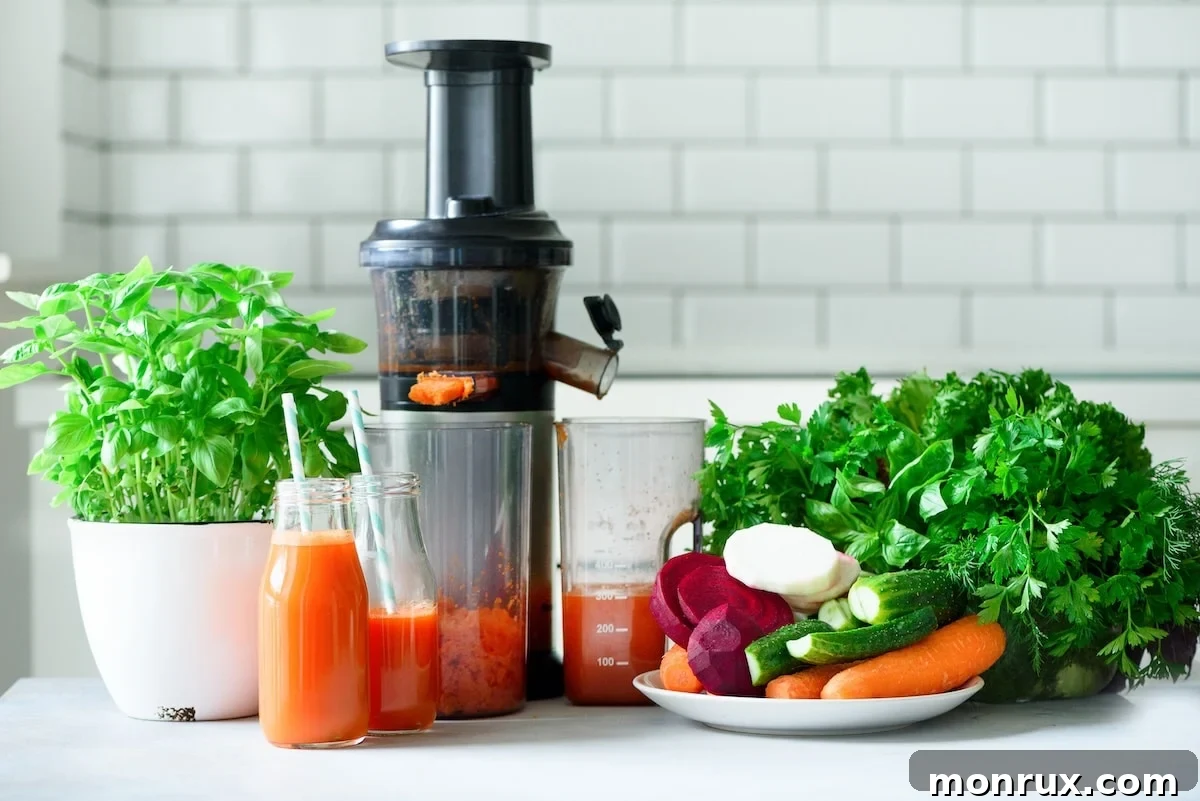
Embarking on a juicing journey, whether for a detox cleanse or as a regular health habit, requires the right equipment. The market offers a vast array of juicers, making the selection process seem daunting. Understanding the fundamental differences between the primary types – **masticating juicers and centrifugal juicers** – is crucial to making an informed decision that aligns with your lifestyle and health goals. This comprehensive guide will illuminate the features, benefits, and drawbacks of each, helping you select the perfect juicer to unlock the full potential of fresh, homemade juice.
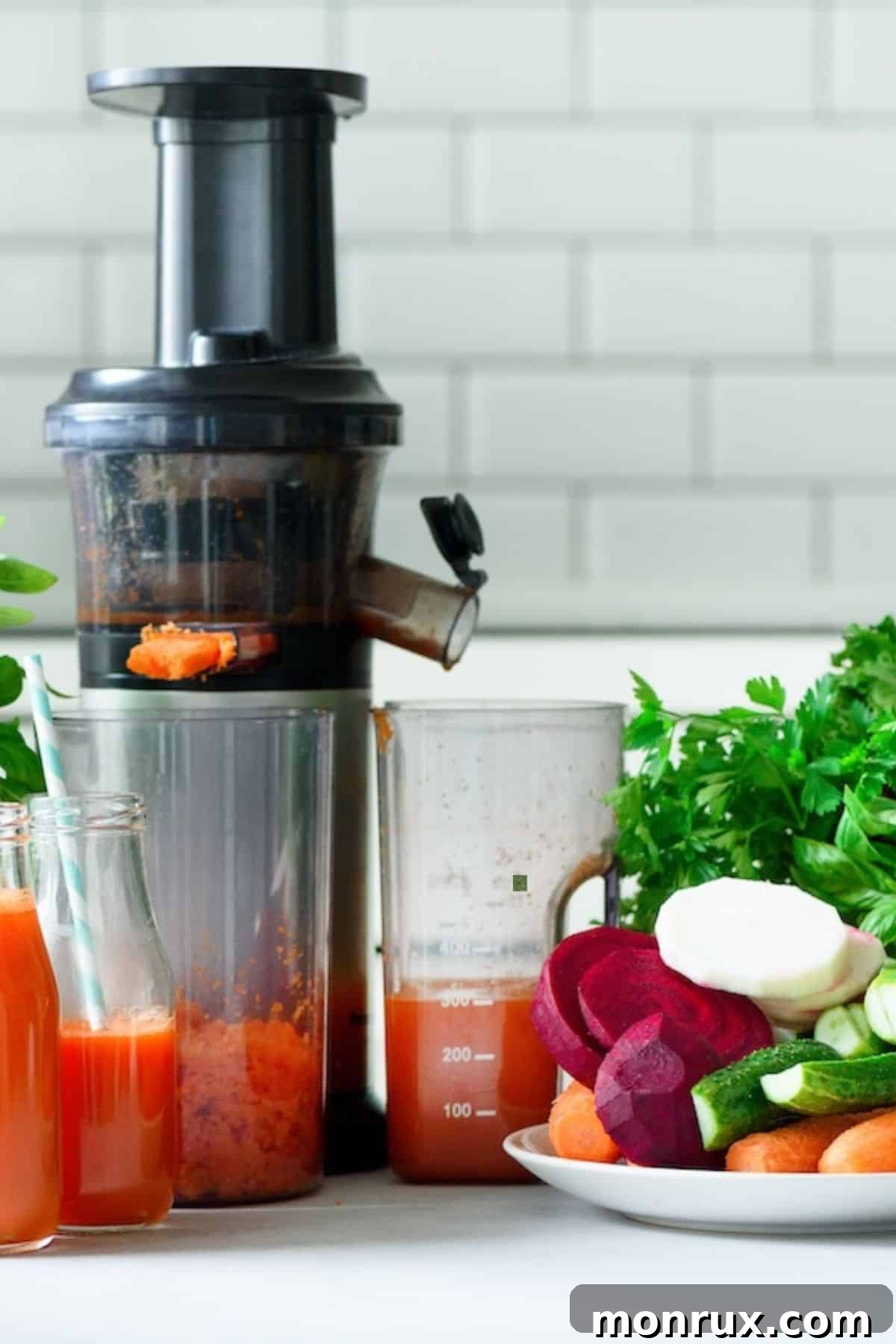
The popularity of juicing has soared in recent years, with juice bars becoming staples in urban landscapes and specific trends like celery juice bringing this health practice into the mainstream spotlight. While store-bought juices offer convenience, they often come with a hefty price tag and may lack the vibrant freshness and nutrient density of homemade alternatives. Freshly made juice is best consumed within 24-72 hours, a freshness guarantee that pre-packaged options simply cannot match.
Making your own juice at home provides unparalleled control over ingredients, allowing you to choose organic produce, minimize additives, and customize flavors to your exact preference. Whether you’re a novice eager to dip your toes into the world of juicing or a seasoned enthusiast looking to upgrade your setup, this in-depth guide is designed to empower you with the knowledge needed to choose the ideal juicer for your home kitchen.
Centrifugal Juicers: Speed and Affordability
Centrifugal juicers, often referred to as “fast juicers,” are characterized by their rapid operation and accessibility. They boast three primary advantages that make them a popular entry-level choice for many: they are generally more **affordable, incredibly quick, and relatively easy to clean**. For these compelling reasons, centrifugal juicers are perfectly suited for individuals who are new to juicing, plan to juice occasionally, or are navigating their purchase on a stricter budget.
How They Work: At the core of a centrifugal juicer is a flat cutting blade (grater) that spins at extremely high speeds, typically between 6,000 to 12,000 RPM. Produce is pushed down a feeding chute onto this spinning blade, which rapidly shreds it into a fine pulp. The centrifugal force generated by the spinning motion then flings this pulp against a fine mesh filter. The liquid (juice) passes through the filter into a collection jug, while the solid pulp is retained or expelled into a separate container.
Pros:
- Speed: They process fruits and vegetables exceptionally fast, making them ideal for quick morning juices or when you’re short on time.
- Affordability: Centrifugal juicers are typically the most budget-friendly option, making them accessible to a wider range of consumers.
- Ease of Cleaning: Many models feature fewer parts than masticating juicers, simplifying the cleaning process.
- Convenience: Larger feeding chutes often accommodate whole fruits and vegetables, reducing pre-cutting time significantly.
Cons:
- Noise: The high-speed motor and spinning components make centrifugal juicers notoriously loud during operation.
- Oxidation and Nutrient Loss: The rapid spinning and friction generate heat, which can oxidize the juice. This exposure to air and heat can degrade heat-sensitive enzymes, vitamins, and minerals, resulting in a less nutrient-dense juice with a shorter shelf life.
- Less Efficient for Leafy Greens: They struggle with leafy greens, wheatgrass, and herbs, often yielding less juice and leaving wet pulp.
- Foam Production: High-speed extraction often introduces more air into the juice, leading to a foamy layer.
- Shorter Juice Shelf Life: Due to increased oxidation, juice from a centrifugal juicer is best consumed immediately, ideally within 24 hours.
Who Should Buy a Centrifugal Juicer?
A centrifugal juicer is an excellent choice for:
- The Quick Juicer: Individuals who need a fast juicing solution for their busy lifestyle, allowing them to prepare fresh juice in minutes.
- The Budget-Conscious Buyer: Those looking for an affordable entry point into home juicing without a significant upfront investment.
- Mainly Juicing Soft Fruits and Hard Vegetables: Perfect for processing ingredients like apples, oranges, carrots, and cucumbers, which they handle efficiently.
- Those New to Juicing: A great starting point to see if juicing fits into your routine before committing to a more expensive model.
- Individuals Who Value Convenience: Less prep work due to wider feeding chutes and quicker cleanup make them a convenient option.
Recommended centrifugal juicers:
- Breville Juice Fountain Plus Centrifugal Juicer: A popular and reliable option known for its performance and durability.
- Hamilton Beach Juicer Machine: An excellent budget-friendly choice that still delivers solid juicing capabilities.
Masticating Juicers: Nutrient Preservation and Versatility
Masticating juicers, also widely known as “cold press juicers” or “slow juicers,” stand out for their ability to produce superior quality juice with maximum nutrient retention. Their advantages are numerous, including a yield of **fresher, tastier juice, significantly lower oxidation, and the unparalleled ability to process both hard and soft produce, including delicate leafy greens and fibrous vegetables**—making them the go-to choice for vibrant green juices.
How They Work: Unlike their centrifugal counterparts, masticating juicers operate at a much slower speed, typically between 40 to 100 RPM. They use a powerful auger (a spiral-shaped gear) that slowly crushes and presses fruits and vegetables against a stainless steel screen. This slow, deliberate action effectively “chews” the produce, extracting juice by thoroughly squeezing every last drop. The pulp is then expelled separately, often much drier than that from a centrifugal juicer, indicating more efficient extraction.
This slow pressing process minimizes heat generation and air exposure, thereby preventing rapid oxidation of the juice. This method preserves a higher concentration of heat-sensitive enzymes, vitamins, and minerals, resulting in a healthier, more nutrient-rich beverage. It’s for these reasons that a masticating juicer is often the preferred choice for regular juicers, especially those undertaking juice cleanses or seeking specific health benefits.
My personal vegetable juicer of choice for regular juicing, including juice cleanses, has consistently been a masticating juicer.
While masticating juicers offer superior quality, they do come with their own set of considerations. They typically feature a smaller feeding chute, necessitating more time for produce preparation, as you’ll need to cut fruits and vegetables into smaller pieces to fit them into the feeding tube. Furthermore, the juicing process itself is slower, and the initial investment for a masticating juicer is generally higher than for a centrifugal model.
Masticating juicers come in both vertical and horizontal designs. Vertical models tend to be more compact, saving counter space, while horizontal models often offer greater versatility, with attachments for making nut butters, pasta, baby food, and sorbets. They are also available in a variety of colors and finishes, including sleek stainless steel, to complement any kitchen aesthetic.
Who Should Buy a Masticating Juicer?
A masticating juicer is an ideal investment for:
- The Health and Nutrient-Focused Individual: Those who prioritize maximum nutrient retention and seek the highest quality, enzyme-rich juice.
- Leafy Green Enthusiasts: Perfect for individuals who frequently juice leafy greens (like spinach, kale, and collards), wheatgrass, and fibrous vegetables (such as celery and beets), as these juicers excel at extracting juice from such challenging produce.
- Batch Juicers: Suitable for those who prefer to make larger batches of juice and store them, as the reduced oxidation means the juice can stay fresh for up to 72 hours in the refrigerator.
- The Quiet Juicer: Great for those who prefer a quieter appliance, as masticating juicers operate at slower speeds and produce significantly less noise than centrifugal models.
- The Versatility Seeker: Ideal for anyone desiring a multi-functional machine that can also prepare nut milks, sorbets, baby food, and even pasta with appropriate attachments.
- The Investor in Quality: Best for buyers willing to make a higher initial investment for a machine that offers superior juice yield, quality, and often a longer lifespan.
Recommended masticating juicers:
- Omega Masticating Juicer: A highly regarded brand known for its durability and efficiency. This is the model I started with and relied on for over 14 years.
- Omega Easy Clean Masticating Juicer: An upgraded model offering improved convenience and performance, which I personally invested in recently.
Masticating vs. Centrifugal Juicer: A Detailed Comparison
To further clarify the choice, here’s a side-by-side comparison highlighting the key differences between these two popular juicer types:
| Feature | Centrifugal Juicer | Masticating Juicer |
| Operation Speed | High-speed, fast juicing (6,000-12,000 RPM) | Slow-speed, thorough extraction (40-100 RPM) |
| Juice Quality | Lower quality due to heat and oxidation; shorter shelf life (consume within 24 hours) | Higher quality, more nutrients, less oxidation; longer shelf life (up to 72 hours) |
| Produce Suitability | Best for soft fruits and hard, dense vegetables like apples, oranges, carrots. Struggles with leafy greens. | Excels with leafy greens, wheatgrass, herbs, and fibrous vegetables like celery, beets, and ginger. Also handles soft and hard fruits. |
| Noise Level | Quite loud due to high-speed motor operation. | Significantly quieter operation, allowing for peaceful juicing. |
| Price Point | More affordable, making it a great entry-level option. | Pricier, higher-end models, representing a greater investment. |
| Preparation Time | Less prep, often handles larger pieces of produce due to wider chutes. | More prep time, requires produce to be cut into smaller pieces to fit narrow chutes. |
| Cleanup | Generally easier and faster cleanup with fewer parts. | Can take more time due to more complex parts, but newer models offer easier cleaning. |
| Versatility | Primarily for juicing. | Often multi-functional; can make nut milks, sorbets, baby food, and more. |
| Pulp Dryness | Wetter pulp, indicating less efficient extraction. | Very dry pulp, signifying maximum juice extraction. |
What Other Ways Can You Make Juice?
While dedicated juicers offer specialized extraction, you don’t necessarily need a fancy appliance to enjoy homemade juice. For occasional juice consumers, those with limited space, or individuals on a tight budget, a high-speed blender combined with a nut milk bag can be a perfectly viable alternative. This method effectively transforms whole fruits and vegetables into a liquid that can then be strained to remove the pulp, offering a convenient way to enjoy fresh juice without a specialized juicer.
Keep in mind that this technique works best with powerful, high-speed blenders, such as a Vitamix or Blendtec. These blenders are designed to pulverize ingredients thoroughly, creating a smoother base for straining. While blending offers convenience and allows you to retain some fiber (if not fully strained), it’s important to note that the resulting “juice” might have a slightly thicker consistency than that produced by a dedicated juicer. Furthermore, the heat generated by high-speed blending can also lead to some nutrient degradation, similar to centrifugal juicers, though generally to a lesser extent if processed quickly.
For more detailed information on selecting a versatile appliance, see my full list of the best juicer blenders.
Here’s a simple step-by-step guide on how to make juice using a blender:
- Prepare Your Produce: Wash and chop your fruits and vegetables into manageable pieces. This helps reduce strain on your blender and ensures a smoother blend. For harder items like carrots, smaller pieces are better.
- Add to Blender: Place your prepared produce into a high-powered blender.
- Add Liquid (Optional but Recommended): To help the blender blades move efficiently, add about 1/2 to 1 cup of filtered water. You can also use coconut water or a natural fruit juice (like apple juice) if you prefer.
- Blend Until Smooth: Blend on high speed until the mixture is completely smooth and no large chunks remain. The consistency should be somewhat thick, like a smoothie.
- Strain the Juice: Place a clean nut milk bag or a fine-mesh sieve lined with cheesecloth over a large pitcher or bowl. Pour the blended mixture into the bag/sieve.
- Extract the Juice: If using a nut milk bag, gather the top of the bag and squeeze firmly with your hands to extract all the liquid, leaving the pulp behind in the bag. If using a sieve, press down on the pulp with a spoon or spatula to encourage juice extraction.
- Serve Immediately: Your fresh, homemade juice is ready to enjoy! Store any remaining juice in an airtight container in the refrigerator for up to 24 hours.
For a dedicated guide and a specific recipe, explore my post on juicing in a Vitamix.
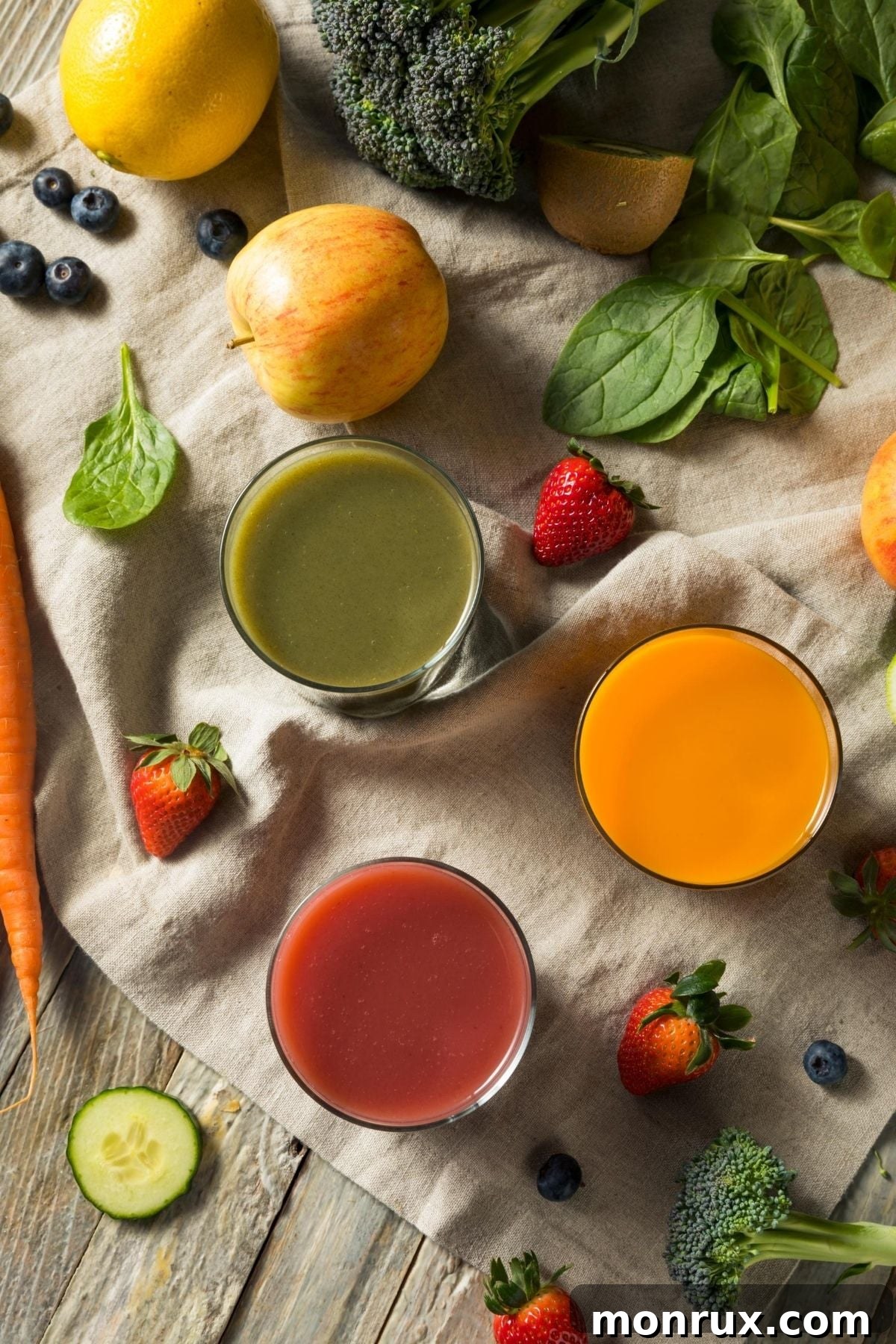
Frequently Asked Questions About Juicers
Here are answers to some common questions regarding juicers and juicing:
What is the best juicer for greens?
For optimal extraction of juice from leafy greens, wheatgrass, and herbs, a **masticating juicer** is hands down the best choice. Their slow crushing and pressing action efficiently extracts juice from fibrous produce, resulting in a higher yield and drier pulp compared to centrifugal juicers. Masticating juicers also preserve more nutrients due to minimal heat generation. I highly recommend an Omega masticating juicer, as they offer excellent performance and durability, often at a more accessible price point than some other high-end masticating models.
Will a centrifugal juicer destroy the nutrients in the juice?
While centrifugal juicers are fast, affordable, and ideal for busy users, they do generate significant heat and introduce more air (oxidation) into the juice due to their high-speed operation. This process can indeed reduce the retention of some heat-sensitive vitamins (like Vitamin C) and enzymes, and shorten the juice’s shelf life. However, it doesn’t “destroy” all nutrients. You will still get a beneficial beverage. For those prioritizing maximum nutrient preservation, especially if you plan to make green juices or store juice for longer, a masticating (cold press) juicer is a superior choice as it operates slower and minimizes heat and oxidation.
Are cold-press juicers worth the price?
Cold-press juicers are essentially masticating juicers. They typically come with a higher price tag than centrifugal models, but many users find them to be a worthwhile investment. If you regularly purchase cold-pressed juices from juice bars or health food stores, investing in a home cold-press juicer can lead to significant long-term savings. Beyond the cost-efficiency, the benefits include superior juice quality with higher nutrient retention, longer shelf life for your homemade juice, and the versatility to juice a wider range of produce, including challenging leafy greens. For dedicated juicers focused on health benefits and diverse recipes, the investment often pays off in quality and savings.
Is juicing better than blending?
The choice between juicing and blending depends on your health goals. Juicing extracts only the liquid, removing pulp and fiber. This means nutrients are absorbed more rapidly and efficiently by the body, as the digestive system doesn’t have to break down fiber. It’s great for giving your digestive system a rest and delivering a potent nutrient shot. Blending, on the other hand, retains all the fiber from the produce. This can be beneficial for digestive health, satiety, and blood sugar regulation. Blended drinks (smoothies) are more filling and can serve as meal replacements. Neither is “better” in all scenarios; they simply offer different benefits for different purposes.
How long does fresh homemade juice last?
The shelf life of homemade juice depends heavily on the type of juicer used and how it’s stored. Juice made with a **centrifugal juicer** has a shorter shelf life due to higher oxidation; it’s best consumed within **24 hours**. Juice made with a **masticating (cold press) juicer** experiences less oxidation, allowing it to stay fresh for up to **48-72 hours** when stored properly. Always store juice in an airtight glass container, filled to the brim to minimize air exposure, and keep it refrigerated.
Delicious Juice Recipes to Try at Home
Once you’ve chosen your ideal juicer, the real fun begins: experimenting with delicious and healthy juice recipes! Here are some fantastic options to get you started, ranging from earthy and vibrant to sweet and refreshing:
- Beet Juice: A powerful and earthy blend, excellent for detoxification and boosting stamina.
- Carrot Juice with Orange & Ginger: A sweet and spicy classic, packed with beta-carotene and anti-inflammatory properties.
- Celery Cucumber Green Juice: Hydrating and alkalizing, perfect for a refreshing cleanse.
- Pure Celery Juice: A popular wellness tonic, known for its digestive and anti-inflammatory benefits.
- Detox Vegetable Juice: A robust blend designed to support your body’s natural detoxification processes.
Or, dive into a collection of easy-to-follow cold press juice recipes specifically curated for beginners, ensuring your juicing journey starts off on a delicious note.
Essential Juicing Resources to Enhance Your Journey
Conclusion: Choosing Your Ideal Juicer
Deciding between a masticating and a centrifugal juicer ultimately comes down to your personal priorities, budget, and how frequently you plan to juice. **Centrifugal juicers** offer a fast, affordable, and convenient entry into the world of juicing, making them ideal for occasional users or those primarily interested in quick fruit juices. However, their high-speed operation generates heat and can lead to more oxidation, potentially reducing nutrient retention and shortening the juice’s shelf life.
On the other hand, **masticating juicers** (cold press juicers) are an investment in superior quality. They operate slowly, preserving a higher concentration of vitamins, enzymes, and minerals by minimizing heat and oxidation. This results in a more nutrient-dense juice with a longer shelf life, and they excel at extracting juice from a wider variety of produce, especially fibrous leafy greens. While they are pricier and require more preparation time and a slightly longer cleanup, their benefits for health-conscious individuals and regular juicers are undeniable.
By understanding these key distinctions and considering your own juicing habits and desired outcomes, you can confidently select the perfect juicer to support your wellness journey. Happy juicing!
Don’t forget to join my newsletter list to get exclusive clean eating recipes and tips directly in your inbox. The newsletter is 100% free with no spam; you can unsubscribe anytime.
About the Author: Carrie Forrest holds a master’s degree in public health with a specialty in nutrition and is a certified holistic nutritionist. She is a top wellness and food blogger, captivating over 5 million annual visitors to her site with her inspiring content. Carrie shares an incredible story of recovery from chronic illness and is deeply passionate about empowering other women to transform their health. Feel free to send her a message through her contact form for any inquiries or to share your own wellness journey.
Note: this post is for informational purposes only and is not intended as medical advice. Please consult your healthcare provider for personalized recommendations related to your individual health situation.