Mastering Microgreens: Your Ultimate Guide to Growing, Eating, and Enjoying Nutrient-Rich Greens at Home
Microgreens are much more than just tiny greens; they are concentrated powerhouses of nutrition and flavor, harvested at a delicate stage, just after their first true leaves emerge. Far from being a mere garnish, these vibrant young vegetables offer a potent punch of vitamins, minerals, and antioxidants, often surpassing their mature counterparts in nutritional density. This comprehensive guide will delve into the fascinating world of microgreens, exploring the 7 best types of microgreens to grow at home, outlining their impressive health benefits, discussing potential risks, and providing a step-by-step growing guide to help you cultivate your own fresh supply. Get ready to transform your diet and embrace the rewarding experience of urban gardening!
Understanding Microgreens: What Are They and How Do They Differ from Sprouts?
While you might be familiar with sprouts, like the popular alfalfa sprouts often found in sandwiches, microgreens represent a distinct and increasingly popular category of young greens. The key difference lies in their growth method and harvest stage. Sprouts are typically germinated and grown in water or a humid environment without soil, harvested within a few days when they are very young, often including the seed itself and a tiny root.
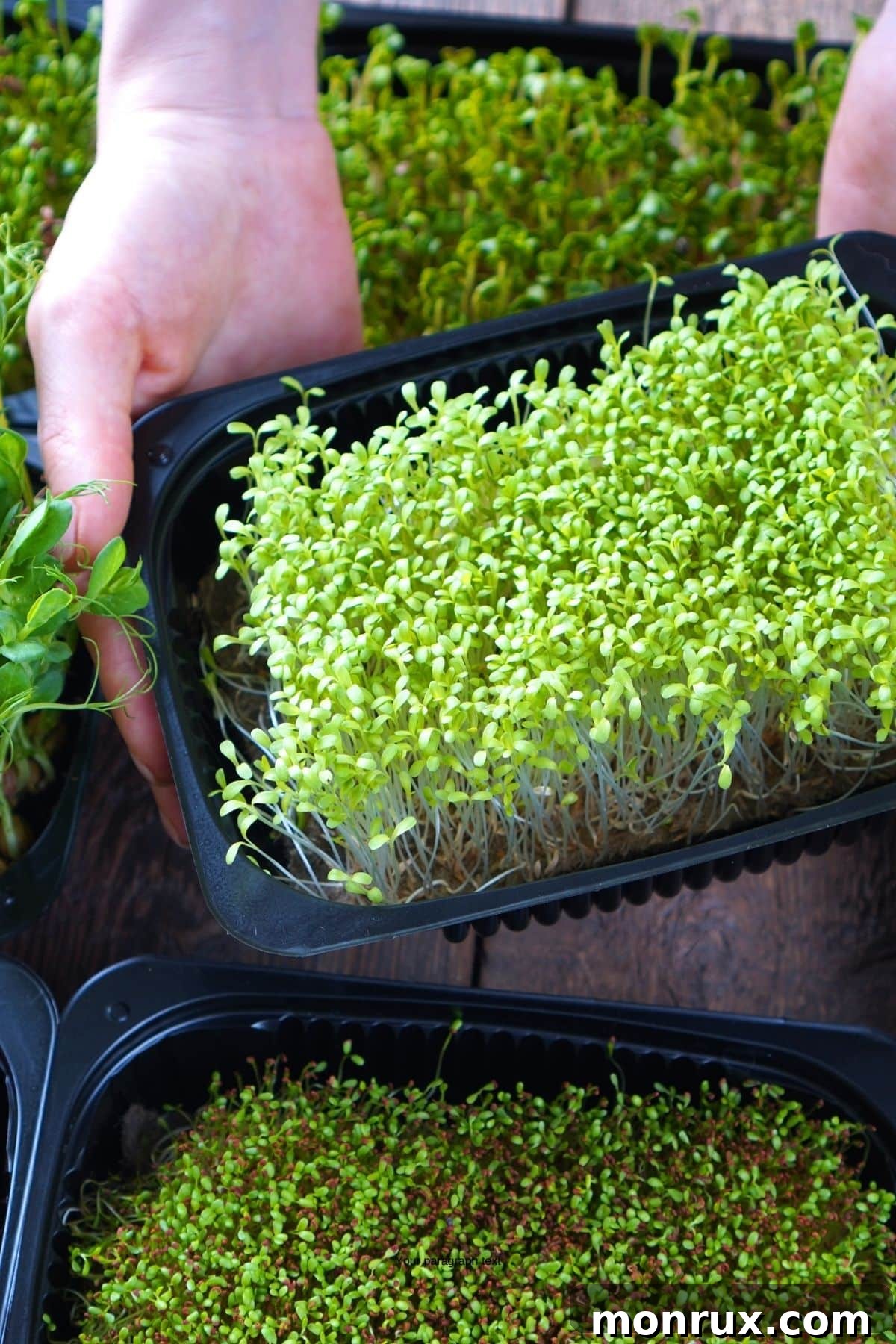
In contrast, microgreens are grown in soil or a growing medium, allowed to develop beyond the sprouting stage until their first true leaves appear, usually reaching 2-3 inches in height. This slightly longer growth period allows them to absorb more nutrients from the soil, resulting in a more developed flavor and an even higher concentration of beneficial compounds. Almost any seed that grows into a leafy green plant can be cultivated as a microgreen, offering an incredible diversity of options for home growers. Many enthusiasts utilize specialized trays and seed quilts for optimal indoor growth, making it an accessible hobby for anyone, regardless of garden space.
Unlocking the Power of Microgreens: Impressive Health Benefits
Beyond their vibrant appearance and delightful flavors, microgreens are celebrated for their profound health benefits. Each tiny leaf is packed with potent nutrients, making them a valuable addition to any diet. While the specific nutritional profile varies by variety, nearly all microgreens offer a wealth of advantages that contribute to overall well-being. Let’s explore why incorporating these miniature greens into your lifestyle can be a game-changer for your health.
1. Small But Mighty Greens: A Nutritional Powerhouse
Don’t let their diminutive size fool you; microgreens are incredibly potent from a nutritional standpoint. Research consistently shows that microgreens often contain significantly higher concentrations of vitamins, minerals, and antioxidants compared to their mature plant counterparts. For instance, some studies indicate that microgreens can have up to nine times more nutrients than mature vegetables. This makes them an exceptionally efficient way to boost your daily nutrient intake. Their versatility means they can be easily incorporated into a wide array of dishes, helping you effortlessly meet your nutritional goals.
2. A Nutrient-Dense Food: Rich in Essential Compounds
The precise nutrient composition of microgreens differs across varieties, but generally, they are exceptional sources of a wide spectrum of essential nutrients. They are particularly rich in powerful antioxidants, which combat oxidative stress in the body. Furthermore, microgreens are typically high in vital minerals such as potassium, phosphorus, calcium, magnesium, iron, zinc, and copper, all crucial for various bodily functions. Many varieties also provide significant amounts of folate, an important B-vitamin, especially beneficial for individuals following specific dietary protocols like an MTHFR diet, highlighting their broad health applications.
3. Disease-Fighting Properties: Guarding Your Health
The collective nutrient content found in both microgreens and their mature forms plays a critical role in disease prevention. The abundant antioxidants, vitamins (like Vitamin C), and dietary fiber work synergistically to protect the body against a range of chronic conditions. Regular consumption of leafy greens, including microgreens, has been linked to a reduced risk of certain cancers, heart disease, diabetes, and neurodegenerative disorders such as Alzheimer’s. Their anti-inflammatory properties further contribute to maintaining long-term health and reducing the burden of chronic illness. Incorporating more of these vibrant greens is a simple yet effective strategy for proactive health management.
4. Budget-Friendly and Sustainable: Freshness at Your Fingertips
Beyond their health advantages, microgreens offer significant practical benefits. They are a wonderfully sustainable and affordable option, particularly when you choose to grow them yourself at home. With minimal space requirements, a sunny windowsill or a small indoor setup is often all you need to cultivate a continuous supply. This accessibility allows families to enjoy a consistent source of fresh, nutrient-rich produce year-round, circumventing the higher costs and seasonal limitations of store-bought alternatives. Growing your own microgreens is an empowering step towards eating clean on a budget and fostering food independence, making healthy eating more accessible for everyone.
Understanding Potential Risks: Are Microgreens Always Safe?
While microgreens are generally considered safe and highly beneficial, it’s natural to have questions about potential risks, especially concerning food safety. You might have heard cautionary tales about food poisoning linked to young greens, but it’s important to clarify that this risk is primarily associated with sprouts, not microgreens. Sprouts thrive in warm, humid conditions that, if not meticulously controlled, can become breeding grounds for harmful bacteria like E. coli or Salmonella, leading to a higher risk of foodborne illness.
Microgreens, on the other hand, are grown in soil and require good air circulation, significantly reducing the likelihood of bacterial growth. To ensure safety, always grow microgreens in uncontaminated, sterile potting soil or a clean, single-use growing mat. Furthermore, it’s crucial to inspect your harvest. Never consume microgreens that show signs of mold, have an unusual or unpleasant odor, or appear slimy. When in doubt, it’s always best to discard them. For individuals with compromised immune systems, or specific populations like pregnant women, it’s advisable to consult with a healthcare professional before incorporating microgreens into their diet to ensure it’s safe for their individual health situation.
Top 7 Microgreens to Cultivate and Enjoy at Home
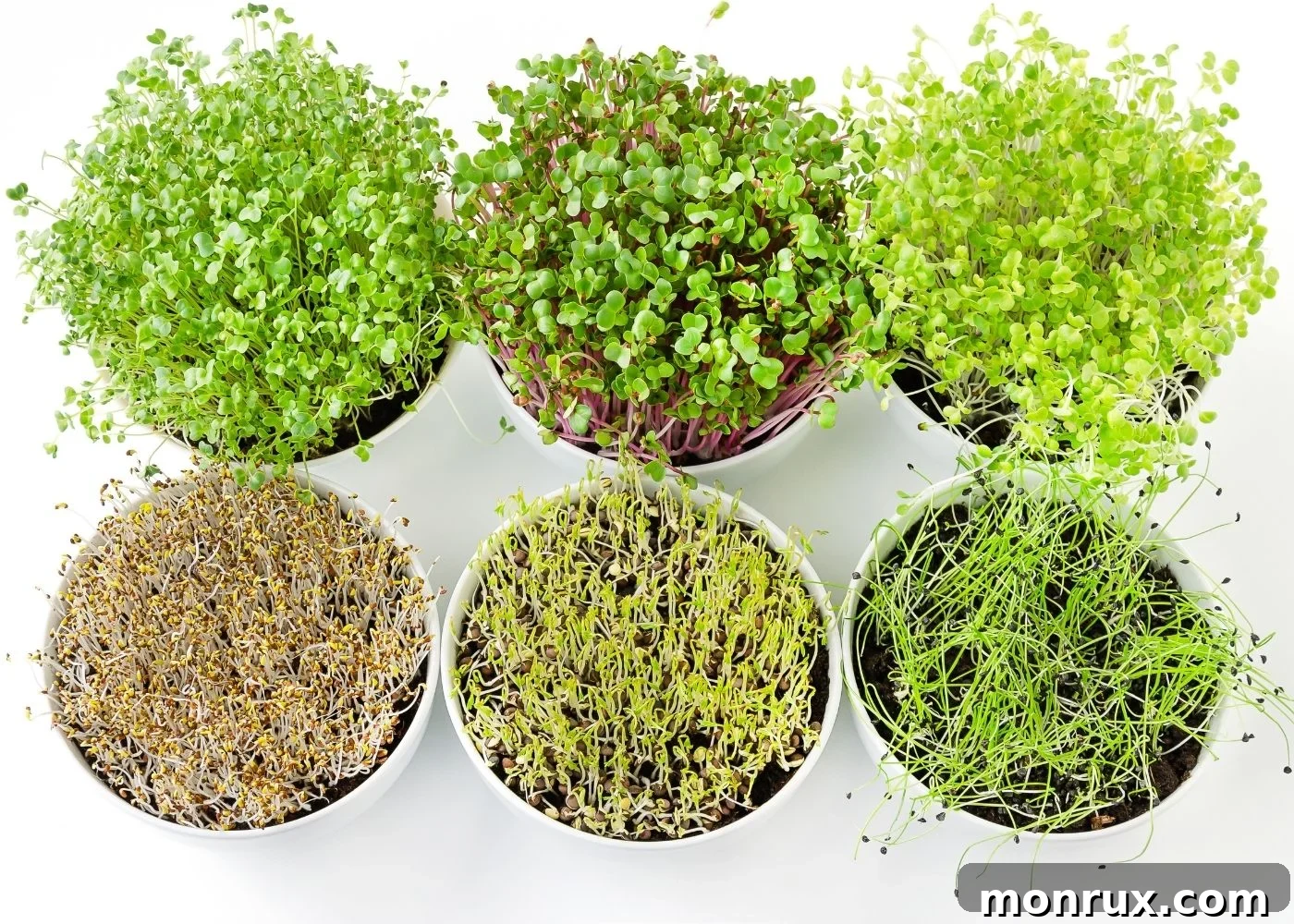
With an explosion of popularity, countless varieties of microgreens are now available, each offering unique flavors, textures, and nutritional benefits. Choosing the best ones to grow can depend on your taste preferences, growing conditions, and desired harvest time. Here, we highlight seven of the most popular and rewarding microgreens for home cultivation, providing insights into their characteristics, growing ease, and culinary uses. Dive in and discover your next favorite green!
1. Broccoli Microgreens
Pros
- Rapid growth: Ready in just 1-2 weeks.
- Exceptionally nutritious, known for high sulforaphane content.
- Mild flavor profile, easily integrated into various dishes.
- One of the easiest varieties for beginners to grow at home.
Cons
- Some individuals detect a slightly bitter undertone.
- Can be susceptible to mold in overly humid conditions without proper air circulation.
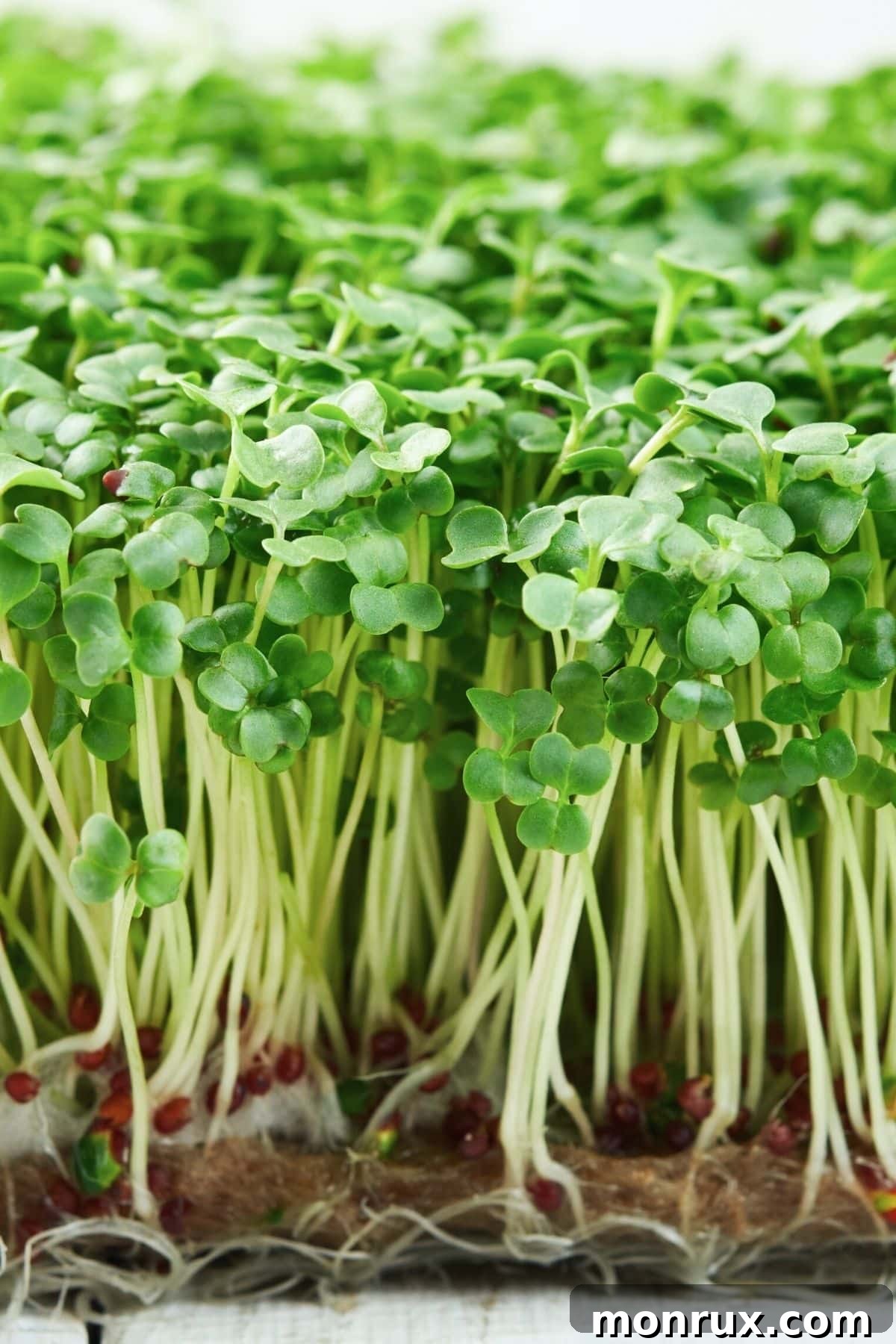
Broccoli microgreens are incredibly rich in a wide array of minerals and are renowned for their impressive health benefits, largely due to high levels of sulforaphane. They are also considered one of the easiest varieties to cultivate in a home setting, making them a fantastic starting point for aspiring microgreen growers. With a generally mild flavor, though some might detect a faint bitterness, they boast a delightful crunchy texture that adds a pleasant dimension to meals. Remarkably, broccoli microgreens are far more nutrient-dense than a fully mature head of broccoli, offering an excellent way for those who dislike the taste of mature broccoli to still reap its numerous advantages in a concentrated, palatable form.
If you’re eager to try your hand at growing these nutrient powerhouses, consider exploring dedicated guides on how to grow broccoli microgreens or even broccoli sprouts for a slightly different approach.
2. Watercress Microgreens
Pros
- Extremely nutritious, particularly high in antioxidants and Vitamin K.
- Versatile in culinary applications, from salads to egg dishes.
- Relatively straightforward to grow, even for novices.
- Offers a distinctive peppery, slightly spicy flavor.
Cons
- Can take up to 2 weeks to reach harvest size.
- Its strong, pungent flavor might not appeal to everyone.
- Requires diligent and frequent watering to thrive.
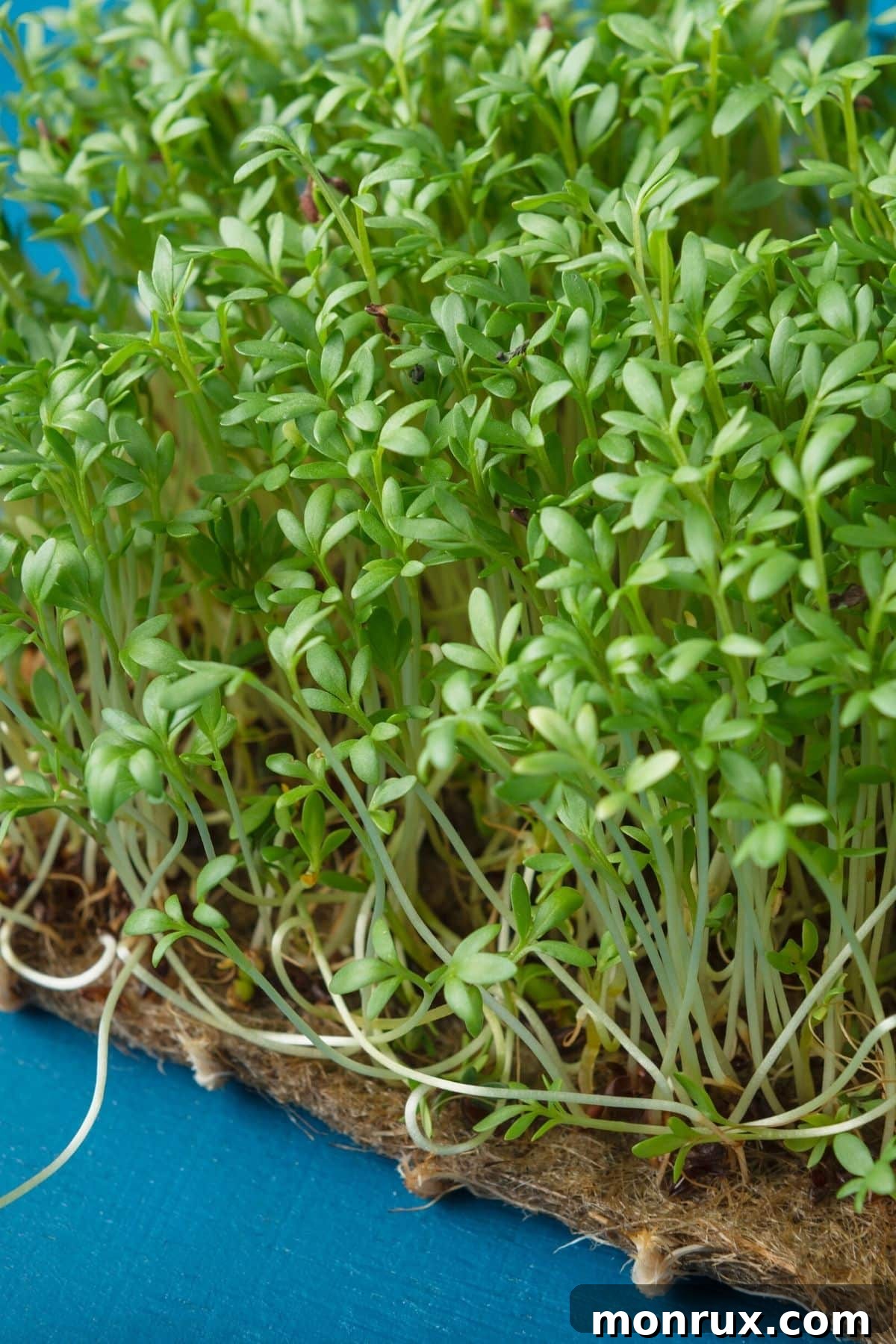
As a proud member of the Brassicaceae family, which includes other superfoods like Brussels sprouts, kale, and cabbage, watercress microgreens are an outstanding source of potent antioxidants. These tiny greens are known for their distinctive peppery and slightly spicy flavor, which can add an exciting kick to various dishes. They are particularly delicious when incorporated into fresh salads, where their vibrant taste can truly shine, or served alongside egg dishes to elevate their flavor profile. While they might take a little longer to grow compared to some other varieties, the nutritional rewards and unique taste make them well worth the wait and effort.
3. Arugula Microgreens
Pros
- Milder, less bitter, and less peppery flavor than mature arugula.
- Quick growth cycle, ready for harvest in 1-2 weeks.
- Highly nutritious, packed with essential vitamins and minerals.
- Offers a succulent and enjoyable texture.
Cons
- Still possesses a noticeable, pungent flavor that some may find strong.
- Prone to overwatering, requiring careful moisture management.
- Can be sensitive to inconsistent growing conditions.
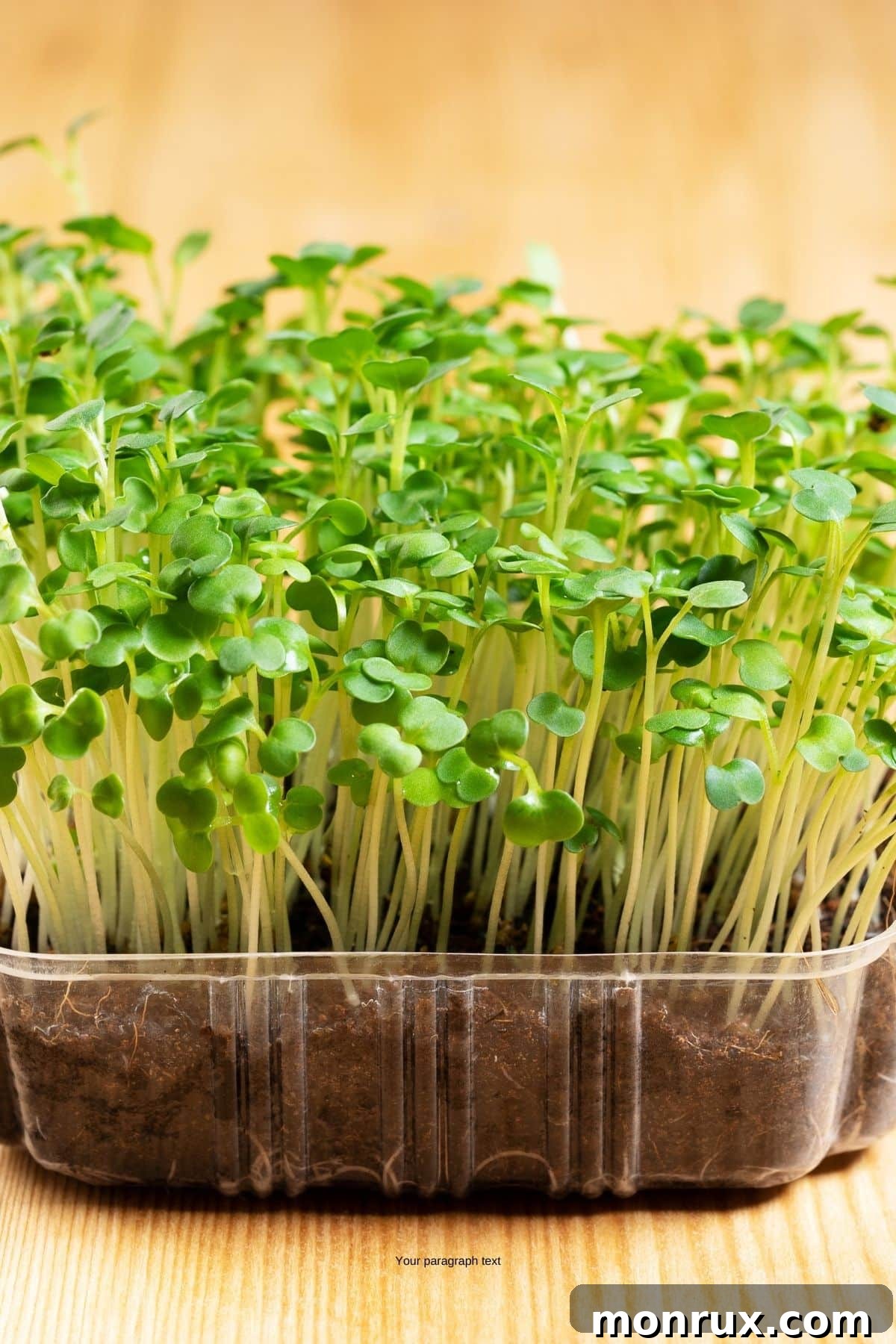
If you find the bold, bitter, and peppery notes of mature arugula a bit too intense, then arugula microgreens might just be your perfect alternative. These young greens offer a flavor profile that is pleasantly similar to their mature counterpart but significantly milder, making them more approachable. They also boast a deliciously succulent texture that enhances any dish. Arugula microgreens are relatively easy to grow, though they require careful attention to moisture levels; they don’t demand as much water as some other seeds, so be mindful not to overwater them during cultivation. Often referred to as rocket or rucula microgreens, they are a versatile and nutritious addition to your home garden and culinary repertoire. Learn how to grow arugula microgreens to enjoy their unique taste and health benefits.
4. Radish Microgreens
Pros
- Incredibly fast growth: ready for harvest in just 10 days.
- Highly nutrient-dense, offering concentrated vitamins and minerals.
- Simple and forgiving to grow, ideal for beginners.
- Provides a distinctive, spicy flavor similar to mature radishes.
Cons
- Can have a strong, pungent flavor that might overpower delicate dishes.
- Possess a relatively short shelf life after harvesting.
- May attract certain pests if grown outdoors or in uncontrolled environments.
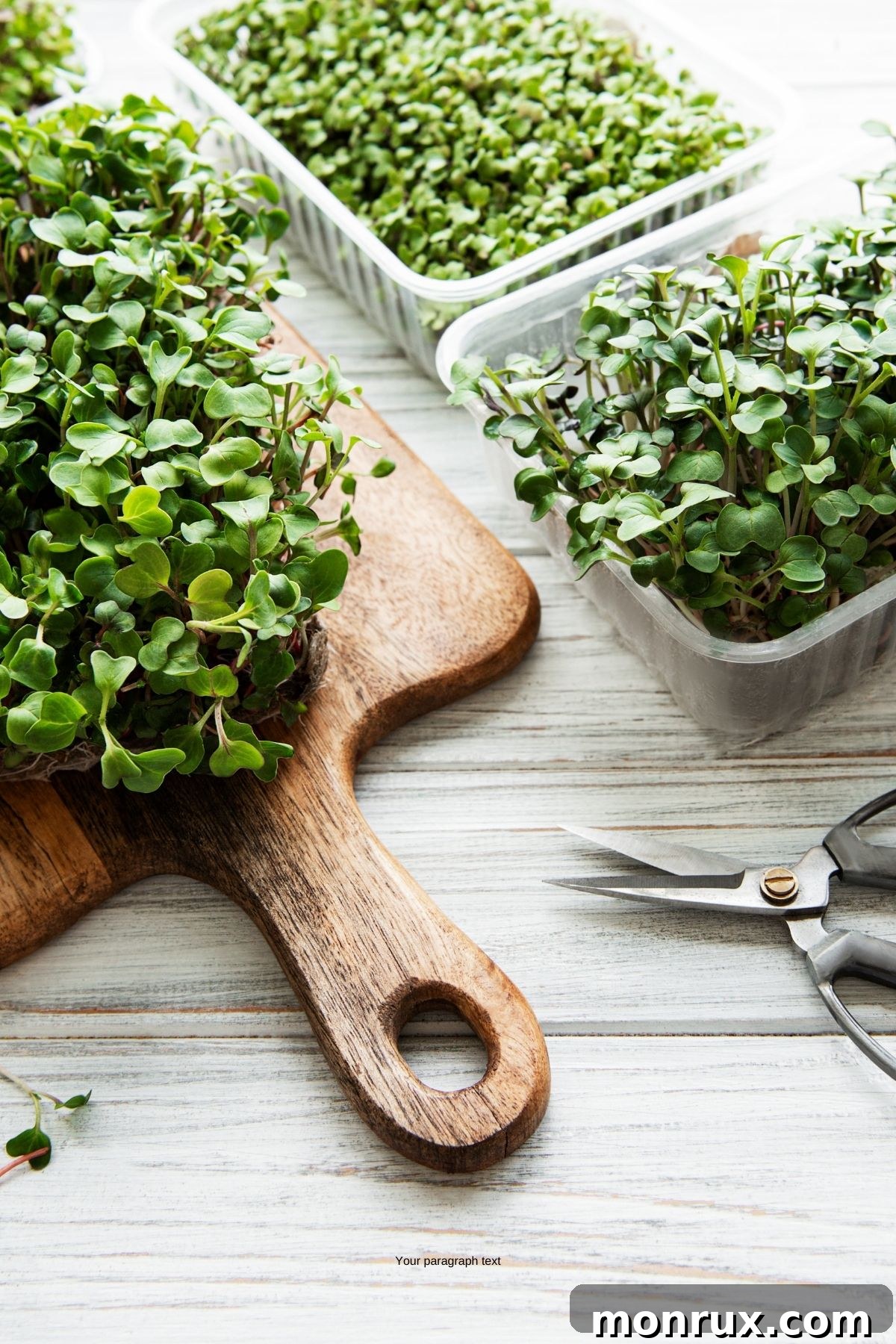
For those who appreciate a lively kick in their food, radish microgreens are an excellent choice, delivering a similar level of spiciness to their mature root vegetable counterparts. These make some of the best microgreens to cultivate at home due to their robust growth and remarkably fast harvest time—often ready in as little as 10 days from planting! Their rapid development and ease of cultivation make them incredibly rewarding for both novice and experienced growers. Learn how to grow radish microgreens to add a burst of flavor and nutrition to your meals almost instantly.
5. Onion Microgreens
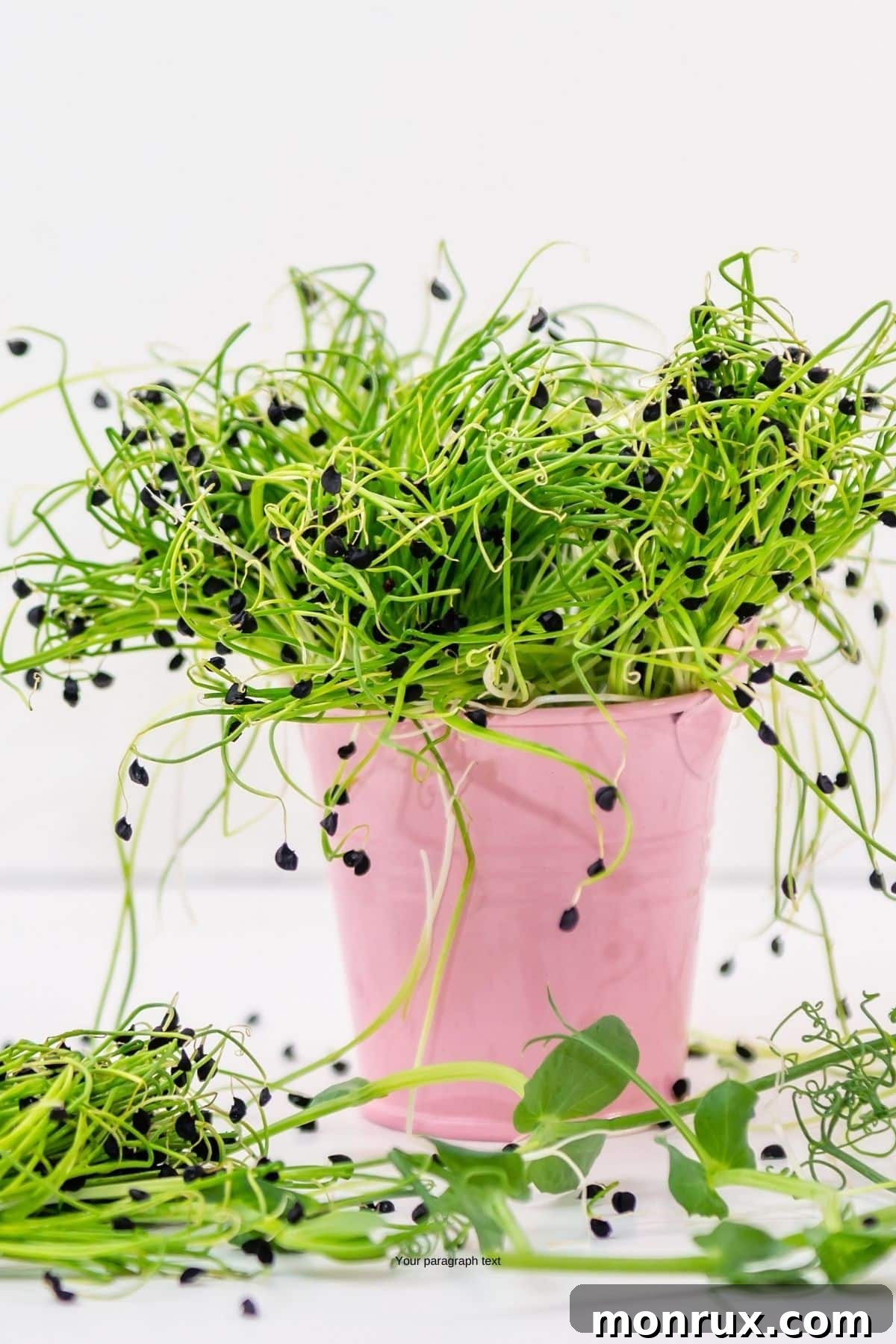
Pros
- Intensely flavorful with a delightful, mild onion taste.
- Highly nutritious, offering various vitamins and minerals.
- Unique appearance with delicate, slender shoots.
- Black seed husks are edible and add a subtle garlicky note.
Cons
- Longer growth period, taking up to 3 weeks to mature.
- Potential for mold development if not properly managed, especially during germination.
- Requires a bit more patience compared to faster-growing varieties.
Onion microgreens are not only nutritional powerhouses but also deliver a powerful and distinct flavor, strongly reminiscent of mature onions. They serve as an ideal replacement for green onions or chives in countless recipes, adding depth and freshness. What makes onion microgreens particularly unique is their appearance: long, slender shoots often retain their tiny black seed husks as they grow. These husks are perfectly edible and contribute a subtle, slightly garlicky undertone to their overall taste. For many, including this author, onion microgreens are a top favorite due to their unique flavor and versatility.
Be prepared to exercise a little patience if you decide to grow these at home, as it can take up to three weeks for them to be ready for harvesting after planting. However, the wait is well worth it for the burst of flavor they provide.
6. Cabbage Microgreens or Kale Microgreens
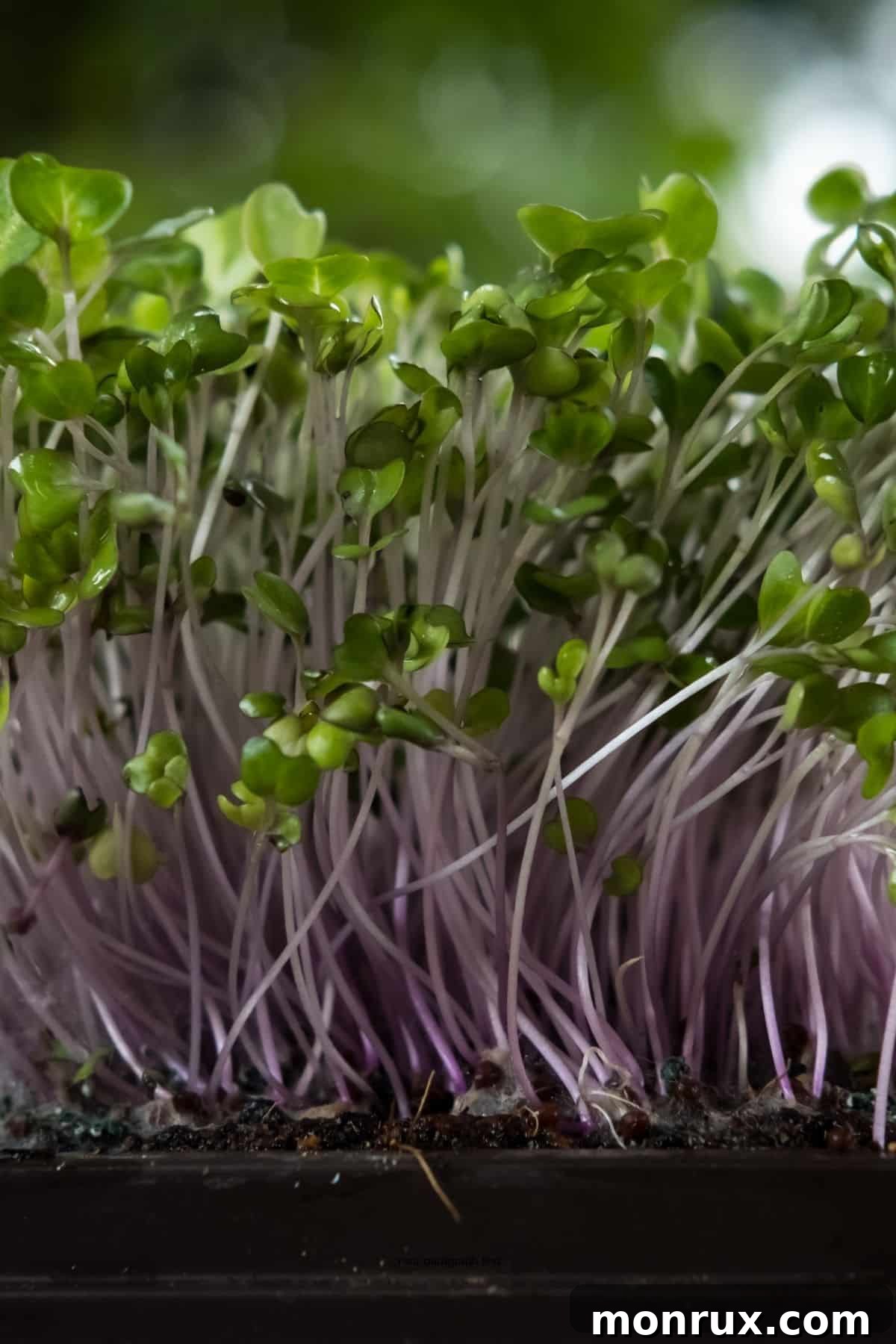
Pros
- Very fast growth: ready in a short 7-10 days.
- Extremely nutrient-dense, packed with vitamins and antioxidants.
- Relatively easy to grow, suitable for all skill levels.
- Red cabbage microgreens offer a visually appealing deep purple color.
Cons
- Short shelf life, best consumed shortly after harvesting.
- Can have a strong, slightly pungent flavor for some palates.
- Requires consistent moisture and light for optimal growth.
Beyond being among the healthiest microgreens available, red cabbage microgreens are also incredibly visually appealing. Their deeply pigmented purple color adds a stunning pop to any salad or dish, making them a feast for both the eyes and the palate. The flavor profile of cabbage greens can vary slightly depending on the specific type, but generally, they offer a delicate taste, often described as a subtle blend of spinach and cabbage with faint hints of broccoli. This makes them a versatile ingredient that can complement a wide range of meals.
Kale microgreens share many similarities with cabbage microgreens; both are cruciferous vegetables known for their exceptional nutritional value. They are also relatively easy to grow and mature quickly, providing a continuous supply of health-boosting greens. Discover how to grow kale microgreens to add another powerful superfood to your home garden.
7. Salad Microgreens
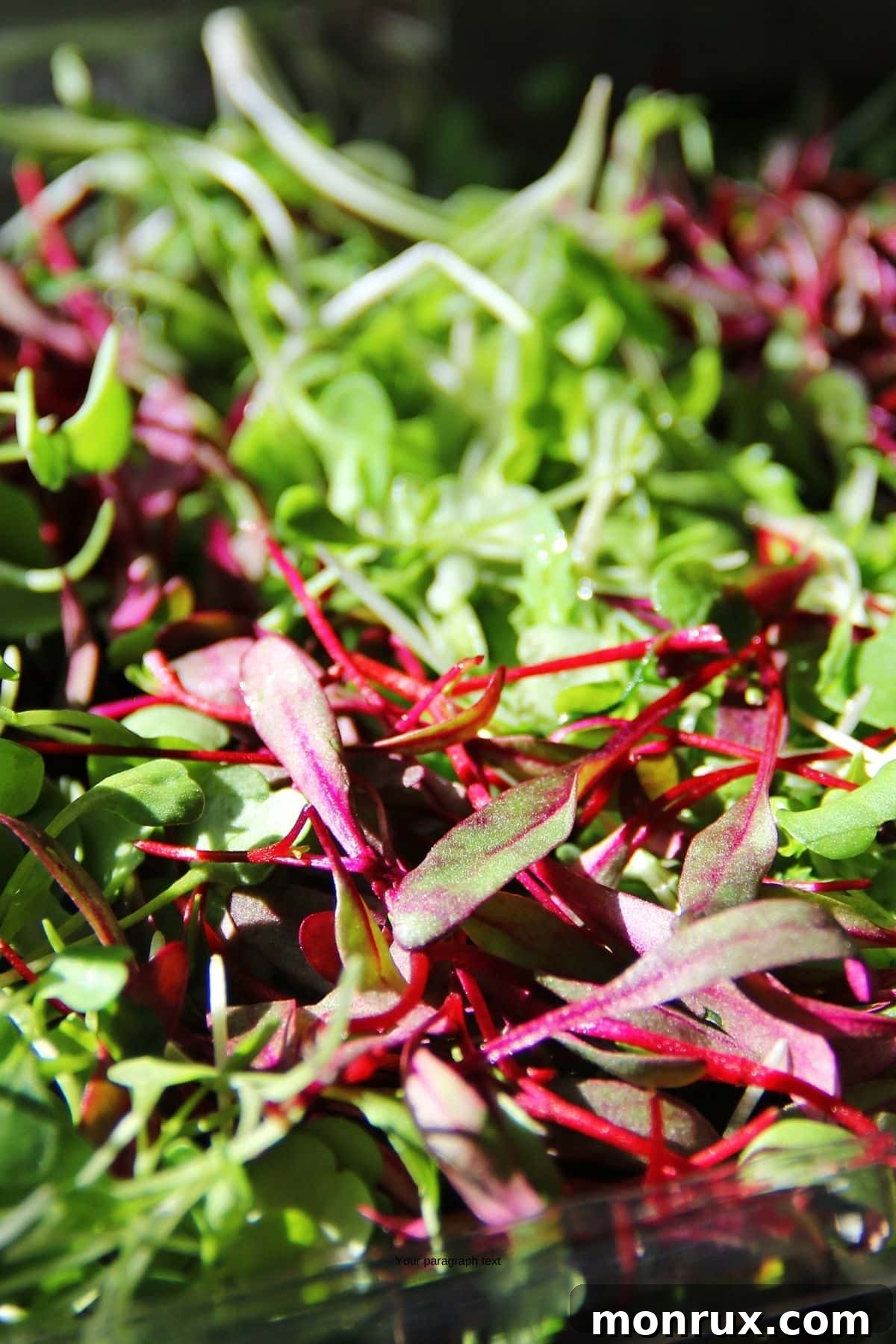
Pros
- Highly nutritious, offering a broad spectrum of vitamins and minerals.
- Visually appealing due to a mix of colors and textures.
- Flavorful, with a harmonious blend of tastes.
- Excellent for beginners as they provide a diverse harvest without needing to choose single varieties.
Cons
- Can take up to 3 weeks to grow, depending on the mix of seeds.
- Potential for mold if not properly managed, especially with diverse seed sizes and germination rates.
- Growth rates of individual components might vary, leading to uneven harvests.
Salad microgreen mixes are an excellent option for those who enjoy variety and a balanced flavor profile. These mixes typically combine several types of greens whose flavors and colors complement each other beautifully. You can easily purchase seed packets specifically curated for salad mixes, often containing varieties with similar growth rates to ensure a successful and consistent harvest. This approach is particularly ideal if you’re new to growing microgreens and are still exploring which specific types you enjoy most. Salad microgreens tend to be mild in flavor, providing a pleasant assortment of nutrients in every bite.
For those who prefer a more singular flavor, growing straight spinach microgreens is a great way to ensure you know exactly what you’re getting in your mix. Don’t forget to try a delicious Microgreens Salad recipe to put your harvest to good use!
Bonus Microgreens to Explore
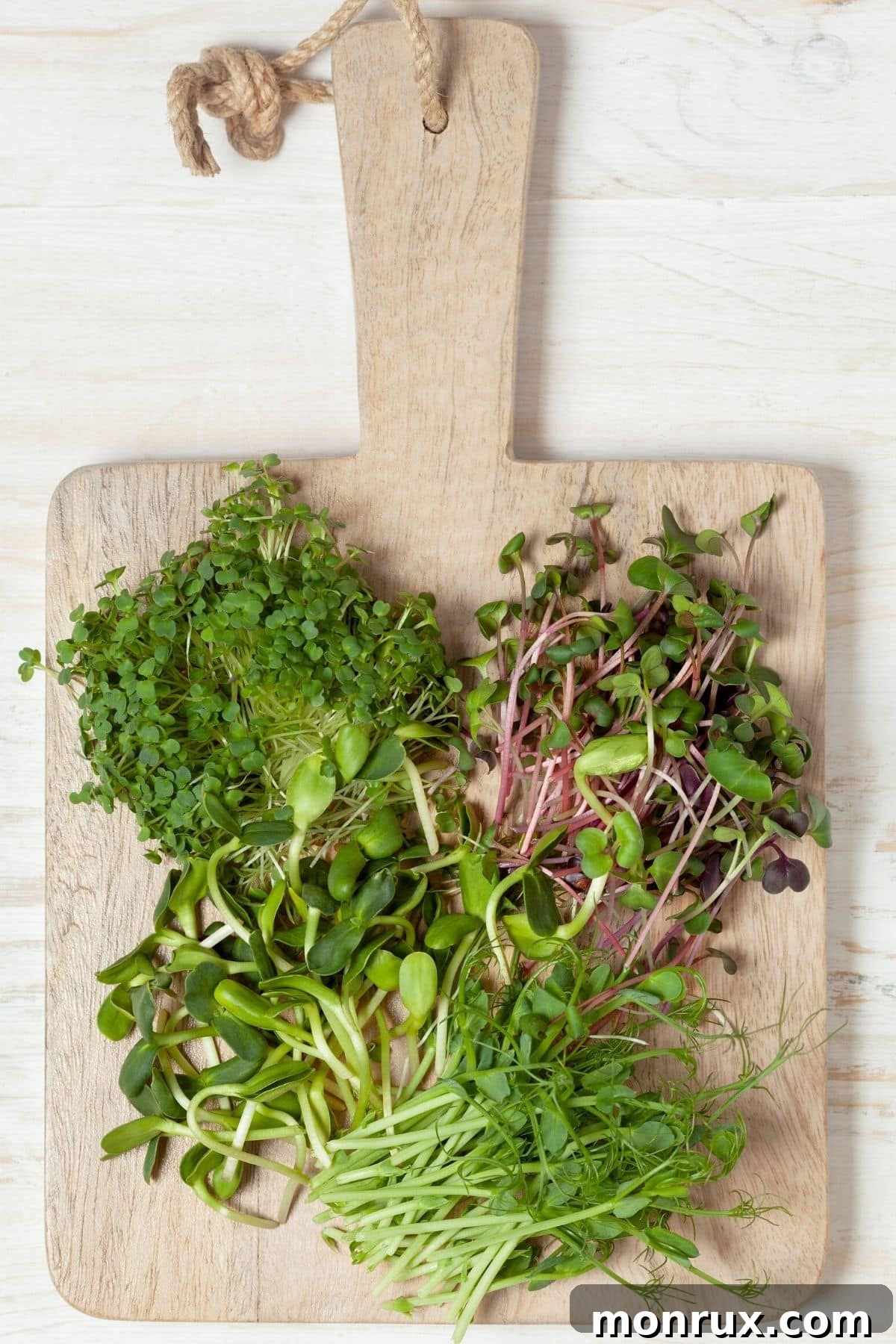
This list is just the beginning! The world of microgreens is vast and full of exciting possibilities. I also highly recommend trying Pea Microgreens (often called pea shoots), which are wonderfully tender and boast a delightfully mild, slightly sweet flavor. Beyond these, you could experiment with a variety of other options:
- Mustard Microgreens: Brace yourself for a spicy kick! These peppery greens add a bold flavor to any dish.
- Beetroot Microgreens (Beet Microgreens): Known for their vibrant red stems and earthy flavor, these are packed with nutrients.
- Swiss Chard Microgreens: Offering a mild, earthy taste and beautiful red or yellow stems, they are a colorful addition.
- Cilantro Microgreens: For lovers of cilantro, these provide a concentrated, fresh flavor.
- Sunflower Shoots: Sweet, nutty, and crunchy, these are often considered a staple in the microgreen world.
- Basil Microgreens: Intense aromatic flavor, perfect for Italian dishes, though they can be a bit trickier to grow.
- Parsley Microgreens: Another herb microgreen, offering a fresh, clean flavor, also requiring careful cultivation.
The beauty of microgreens lies in this incredible diversity, allowing you to continually discover new favorites and tailor your home garden to your exact culinary preferences.
Your Step-by-Step Guide to Growing Microgreens at Home
Cultivating microgreens is an incredibly satisfying endeavor, offering the freshest produce with minimal effort. Within just a few weeks of planting your seeds, you’ll be ready to harvest and enjoy your vibrant greens. This accessible hobby requires neither a large garden nor extensive horticultural knowledge, making it perfect for urban dwellers and gardening beginners alike. Follow these simple steps to start your very own microgreen farm right in your home.
Preparing Your Microgreen Growing Setup
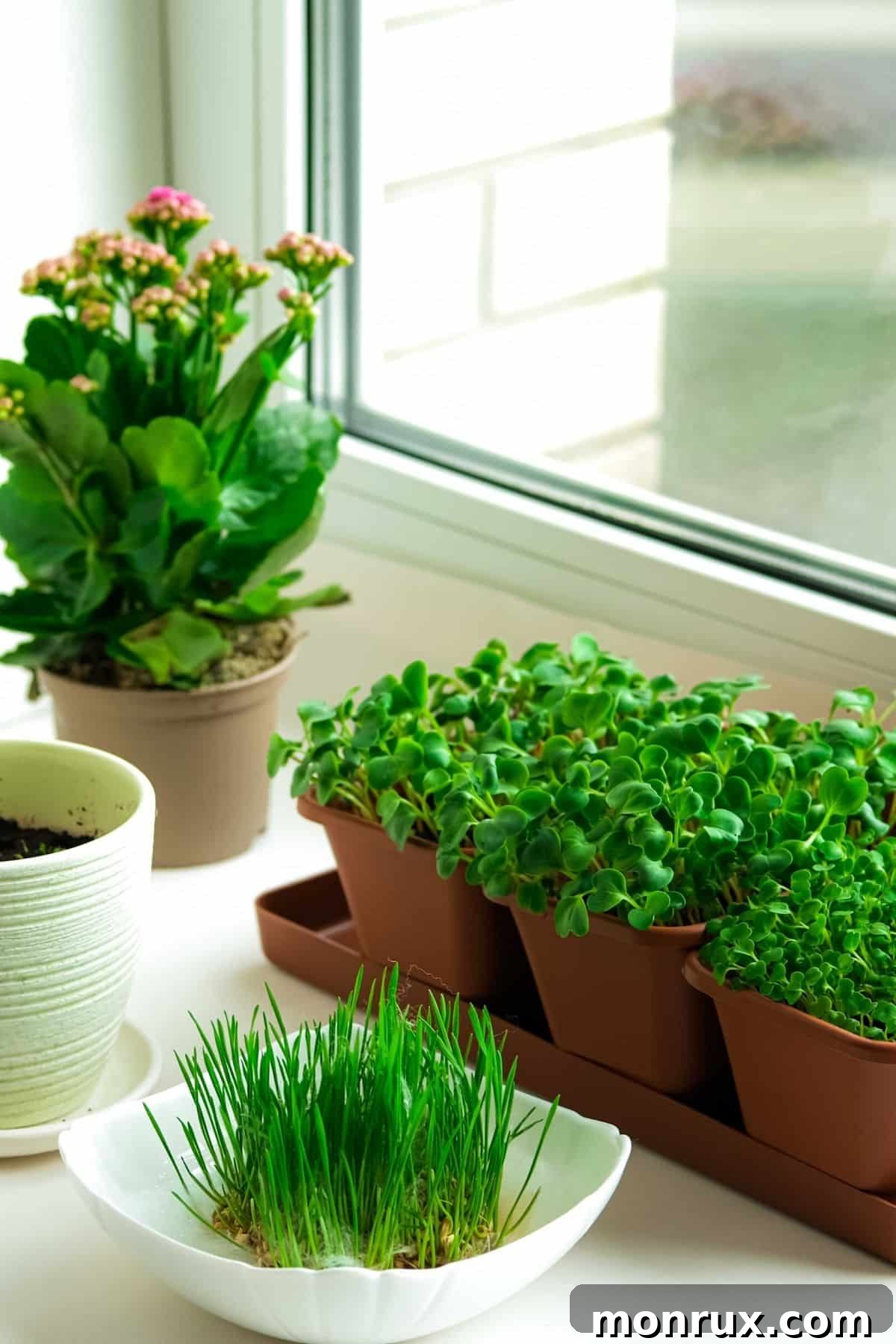
Choosing Your Location: Microgreens thrive on light, making a small area near a sunny window an ideal spot for indoor growth. Ensure the location receives several hours of direct sunlight daily, or supplement with a grow light if natural light is insufficient. While it’s possible to grow microgreens outdoors, this can be more challenging. Seedlings are very fragile and highly susceptible to temperature extremes, strong winds, and pests. If you opt for outdoor cultivation, make sure they are in a shaded, protected area, possibly under a covered patio or a mini-greenhouse, to shield them from the elements.
Selecting Your Containers: Once you’ve determined your growing location, choose suitable containers. Environmentally conscious options include repurposing plastic take-out containers or clear fruit/vegetable packaging. For best results, look for shallow trays, typically 2-3 inches deep. If you’re planting your seeds directly in soil, proper drainage is essential to prevent waterlogging and mold. If your chosen container lacks drainage holes, simply create several small holes in the bottom using a sharp knife or drill. This step can be skipped if you plan to use a grow mat or seed quilt, which often manages moisture differently.
Choosing Your Seeds: The quality of your seeds directly impacts your harvest. Always opt for organic, non-GMO, and untreated seeds specifically labeled for microgreen use. These ensure your greens are free from conventional fungicides, pesticides, and herbicides. Reputable suppliers like Rebel Gardens offer an excellent selection of organic, non-GMO, heirloom microgreen seeds, ideal for a healthy start. While the following guidelines work for most seed types, it’s always a good practice to check the seed packaging for any specific instructions tailored to your chosen variety.
How to Plant Microgreens in Soil: A Step-by-Step Guide
- Prepare the Soil: Begin by covering the bottom of your chosen container with about an inch of high-quality, moist potting soil. Gently press the soil down with the flat of your hand to create a level and firm surface. This provides a stable bed for your seeds.
- Spread the Seeds: Evenly spread your microgreen seeds across the surface of the prepared soil. Aim for a dense but not overlapping distribution. After scattering, gently press the seeds into the soil with your hand; this ensures good seed-to-soil contact, which is crucial for germination.
- Cover and Create a Microclimate: Add another thin layer of soil over the seeds, just enough to completely cover them. This helps retain moisture and provides the necessary darkness for initial germination. Place a lid on your container or cover it tightly with plastic wrap to create a humid microclimate.
- Provide Light: Position the covered container in a spot where it will receive several hours of direct sunlight each day. If natural sunlight isn’t consistently available, a dedicated grow light can be used as an effective alternative to encourage healthy growth.
- Maintain Moisture (Initial Stage): Keep the soil consistently moist by gently misting it once or twice a day, or as needed. Avoid overwatering, which can lead to mold. The goal is a damp, not saturated, environment.
- Uncover Upon Sprouting: Once the seeds begin to sprout, typically within 3 to 7 days depending on the variety, carefully remove the lid or plastic wrap. This allows for increased air circulation and prevents damping-off diseases.
- Continue Moistening and Growing: Continue to keep the soil moist through gentle misting once or twice daily. Observe your microgreens as they grow, ensuring they receive adequate light and moisture until they are ready for harvest.
How to Grow Microgreens Using a Grow Mat or Seed Quilt: Simplified Method
- Prepare Mat and Seeds: First, cut the grow mat or seed quilt to perfectly fit the dimensions of your container. Soak the mat in water for a few hours to ensure it’s fully hydrated. Simultaneously, soak your microgreen seeds (if recommended for the specific variety) to kickstart germination.
- Arrange Seeds on Mat: After soaking, drain any excess water from both the mat and the seeds. Place the hydrated mat into your container, then sprinkle the soaked seeds evenly across the mat’s surface. Unlike soil planting, these seeds typically do not need to be covered, as they derive sufficient moisture and support from the mat.
- Provide Light and Water: Place the container in a sunny location or under a grow light. It is crucial to keep the mat consistently well-watered at all times, ensuring the seeds and developing microgreens never dry out. Misting regularly or using a bottom-watering technique can be effective.
Microgreens are typically ready for consumption within two to three weeks, though the exact timing depends on when you choose to harvest them. Some growers prefer to harvest at an early stage, just after the first pair of embryonic leaves (cotyledons) emerges. However, it’s more common and often more flavorful to wait until the next set of leaves, known as the “true leaves,” begins to appear. At this point, it is essential to harvest them promptly; waiting too long can lead to discoloration, bitterness, and a decline in quality.
Harvesting is remarkably simple. All you need is a sharp pair of scissors. Carefully snip the microgreens about an inch above the soil or mat surface. After harvesting, gently rinse off any loose dirt or growing medium. Your fresh, homegrown microgreens are now ready to be enjoyed! (Note: Microgreens do not regrow after harvesting. Once cut, dispose of the spent soil or mat and prepare a new batch for continuous supply.)
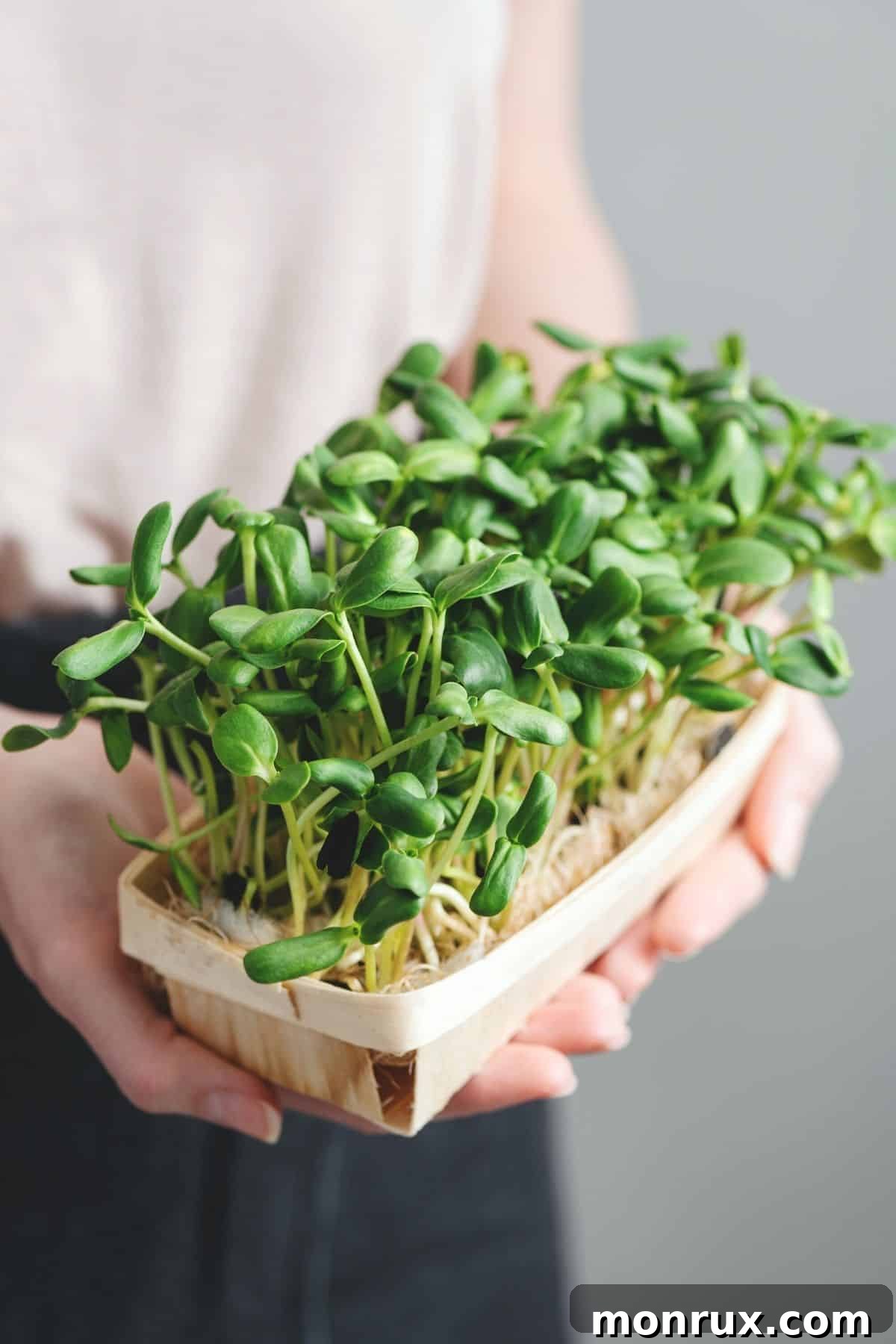
Discover the Best Microgreen Growing Kits for Beginners
For those eager to embark on their microgreen journey but unsure where to begin, microgreen growing kits offer a convenient and comprehensive solution. These kits typically include everything you need to get started: seeds, growing medium, and trays, simplifying the process significantly. You can often find a variety of microgreen seeds and ready-to-use growing kits at your local garden centers, nurseries, or even well-stocked hardware and grocery stores. Specialized boutiques might also carry unique selections.
If you prefer the convenience of online shopping, here are a couple of highly-rated options that make home microgreen cultivation straightforward and enjoyable:
- HAMAMA Home Microgreens Growing Kit: Known for its simplicity, this kit often uses seed quilts that minimize mess and make the growing process incredibly user-friendly.
- Microgreens Seeds Kit: A comprehensive kit typically offering a selection of popular microgreen seeds, along with trays and growing medium, perfect for exploring different varieties.
These kits are designed to ensure a high success rate, making the joy of fresh, homegrown microgreens accessible to everyone.
Culinary Creativity: Delicious Ways to Enjoy Microgreens
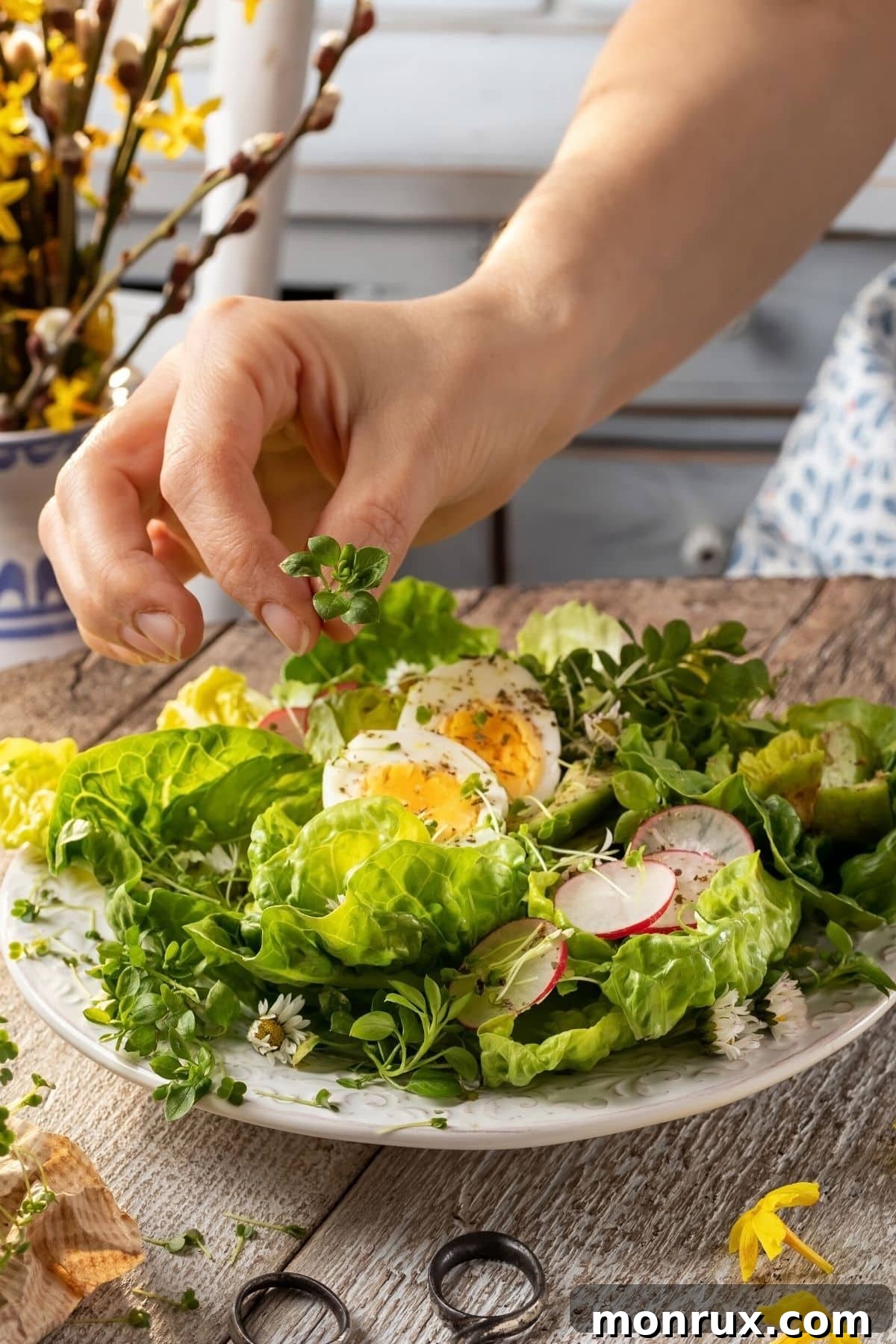
Microgreens are incredibly versatile in the kitchen, offering a delightful way to enhance the color, flavor, and texture of almost any dish. Because their delicate nutrients are sensitive to heat, it’s generally recommended not to cook microgreens, as this can significantly deplete their beneficial compounds. They are best enjoyed raw, where their vibrant tastes and crisp textures can truly shine. Here are some simple and delicious ways to incorporate these miniature powerhouses into your daily diet:
- Sandwiches and Wraps: Add a generous layer of microgreens to your sandwiches, burgers, or wraps for an extra crunch and a burst of fresh flavor.
- Garnish for Main Meals: Elevate the presentation and taste of main courses, such as grilled fish, roasted chicken, or pasta, by sprinkling microgreens on top just before serving.
- Breakfast Boost: Brighten up your breakfast by scattering microgreens over scrambled eggs, omelets, or even avocado toast.
- Smoothie Supercharge: Blend a handful of your favorite microgreens into your daily fruit or vegetable smoothie for an effortless nutritional upgrade without altering the taste significantly.
- Soup Topping: Instead of traditional herbs, use microgreens as a fresh, vibrant garnish for soups and stews just before serving, adding both visual appeal and a fresh finish.
- Salad Enhancement: Mix microgreens into your regular salads to add an explosion of flavor, texture, and concentrated nutrients. They pair wonderfully with other leafy greens.
- Dedicated Microgreens Salad: Create a focal point for your meal with a simple, yet incredibly flavorful, Microgreens Salad, allowing their unique tastes to be the star.
- Pizza Topping: After baking, scatter microgreens over a freshly made pizza for a fresh, healthy contrast to the rich flavors.
- Healthy Snacks: Combine microgreens with hummus and crackers, or use them as a crunchy topping for dips.
Experiment with different varieties to discover how their distinct flavors can complement and transform your favorite dishes. The possibilities are endless!
Frequently Asked Questions About Microgreens
While there’s a small initial investment in supplies like trays, seeds, and growing medium, growing your own microgreens is incredibly cost-effective in the long run. It’s significantly cheaper than purchasing them from grocery stores, where they often come with a premium price tag due to their delicate nature and short shelf life. Beyond the financial savings, the personal satisfaction of cultivating and consuming such a healthy, fresh food right from your home is invaluable.
Research from 2012 highlighted that red cabbage microgreens stood out for their exceptionally high levels of ascorbic acids (Vitamin C), carotenoids (precursors to Vitamin A), phylloquinone (dietary Vitamin K), and tocopherols (major forms of Vitamin E). Other varieties found to be highly nutritious in the study included cilantro, garnet amaranth, and green daikon radish microgreens. While red cabbage microgreens are often cited for their comprehensive nutrient profile, many microgreens offer impressive health benefits, making a diverse selection ideal for overall wellness.
Virtually all microgreens are well-suited for indoor cultivation, making them perfect for year-round harvesting regardless of outdoor conditions. Excellent choices for indoor growing include: broccoli microgreens, watercress microgreens, arugula microgreens, radish microgreens, onion microgreens, cabbage microgreens, kale microgreens, and various salad microgreen mixes. These varieties are generally forgiving and thrive in controlled indoor environments with adequate light and moisture.
For quick gratification, radish microgreens and arugula microgreens are your best bet. These speedy growers are often ready for harvest in approximately 5-7 days from seeding, making them ideal for impatient gardeners or those looking for a continuous, fast turnover of fresh greens.
Some of the trickier microgreens to cultivate at home typically include certain herb microgreens, such as basil microgreens or parsley microgreens. These varieties can be more sensitive to environmental conditions, requiring more precise temperature, humidity, and light control, and often have slower germination rates or are more prone to issues like mold if not managed carefully.
If you have a preference for sweeter notes, pea microgreens (also known as pea shoots) are renowned for their delightful sweet taste and crunchy texture. Additionally, onion microgreens, while offering a delicate onion flavor, also possess a subtle sweetness that many find very enjoyable, making them another excellent choice for those seeking a less bitter microgreen experience.