
Welcome to the ultimate guide for discovering an exciting array of fruits that start with the letter T! Whether you’re a culinary adventurer, a curious learner, or simply looking for fresh inspiration for your next healthy snack, this comprehensive list is designed to tantalize your taste buds and expand your fruity vocabulary. From the tropical sweetness of the tamarind to the tangy zest of a tangerine, and even the often-misunderstood tomato, we’ve meticulously gathered diverse and delightful “T” fruits. Each entry provides insights into their unique characteristics, nutritional benefits, and versatile culinary applications, making this an indispensable resource for anyone passionate about healthy eating and the wonders of nature’s bounty.
Embark on a journey through vibrant flavors and textures. We’ll delve into exotic specimens like the unusual tarap and the robust tamarillo, alongside more familiar favorites such as tart cherries and succulent tayberries. Beyond their delightful tastes, these fruits offer a spectrum of health advantages, packed with essential vitamins, minerals, and antioxidants crucial for well-being. Prepare to uncover new favorites, learn how to incorporate them into your diet, and perhaps even impress your friends with your newfound knowledge of fruits beginning with ‘T’. Get ready to explore, enjoy, and enrich your diet with these fantastic selections!
Table of Contents
An Extensive List of Fruits That Start with T
1. Tachibana Orange
The Tachibana orange is a historic citrus fruit, a unique variety of mandarin deeply rooted in Japanese culture and folklore. Mentioned in ancient Japanese poetry and texts from the Ryukyu Islands kingdoms, this small, round citrus marvel grows wild in Japan’s serene woodlands. Its bright orange peel gives way to a very juicy, tart yet delightfully sweet flesh. Tachibana oranges are a fantastic source of Vitamin C, known for boosting immunity and skin health. Beyond its nutritional value, this fruit carries a rich cultural legacy, symbolizing longevity and good fortune in Japan.
Historically, the Tachibana tree was often planted in imperial gardens, signifying its esteemed status. While not as widely commercialized as other mandarins today, its distinct flavor and heritage make it a fascinating fruit to discover. Enjoy it fresh as a vibrant snack, or use its juice and zest to add a unique, zesty punch to marinades, dressings, or desserts.
2. Tamarillo
Also known as the “tree tomato,” the tamarillo is an intriguing, oval-shaped fruit cultivated on small trees or shrubs, belonging to the Solanaceae flowering plant family. Native to the majestic northern Andes of South America, this fruit has a striking appearance and a complex flavor profile. Tamarillos typically boast a vibrant red or orange skin, thin and glossy, encasing a sweet yet tangy flesh with a slightly bitter aftertaste near the skin.
This exotic fruit is a powerhouse of nutrients, generously providing niacin, riboflavin, thiamine, and an abundance of vitamins C, A, and E. These vitamins contribute to energy metabolism, vision health, and powerful antioxidant protection. Tamarillos can be enjoyed raw (scooped out like kiwi), added to salads, blended into smoothies, or cooked into chutneys, sauces, and desserts. For a unique culinary experience, try them roasted or grilled to enhance their distinctive sweet-tart notes.
3. Tamarind
Tamarind, a tropical fruit native to Africa and Southern Asia, is a treasured member of the Fabaceae family, known for its distinctive sour-sweet taste. Unlike many fruits, tamarind grows in oblong, brown pods, which contain dark, glossy seeds encased by a fibrous, sticky pulp. It is this unique pulp that is highly prized for its tangy, sweet, and tart flavor, a complexity that makes it a staple in various cuisines worldwide.
In many Western markets, tamarind is often sold as a concentrated paste or block, making it convenient for culinary use. Its versatile flavor profile makes it perfect for adding depth to savory dishes, creating delectable sauces, relishes, and marinades, particularly in Indian, Thai, and Mexican cuisines. It also finds its way into beverages, candies, and even ice cream flavors, offering a refreshing tartness. Beyond its culinary appeal, tamarind is an excellent source of essential minerals like magnesium and calcium, important for bone health and muscle function, and contains potent antioxidants that combat oxidative stress.
4. Tangelo
The tangelo is a fascinating citrus fruit, a hybrid born from the cross-pollination of a grapefruit and a tangerine. Discovered around 1920 on the sun-drenched island of Jamaica, this delightful fruit belongs to the Rutaceae family. Tangelos are typically small to medium in size, with a charming spherical shape and a distinctive knob-like protuberance at one end, earning them the nickname “honeybell.” Their thick, leathery, bright orange skin is surprisingly easy to peel, revealing a deeply juicy and tangy flesh that offers a harmonious sweet-tart flavor profile.
Highly valued for their succulent juice and vibrant taste, tangelos are a superb source of Vitamin C, crucial for immune health, and dietary fiber, which aids digestion. They also provide various antioxidants and beneficial plant compounds. Enjoy tangelos fresh as a convenient snack, segment them into fruit salads, or use their aromatic juice in cocktails, marinades for seafood or poultry, and light desserts. Their vibrant flavor can elevate any dish, offering a refreshing citrus burst.
5. Tangerine
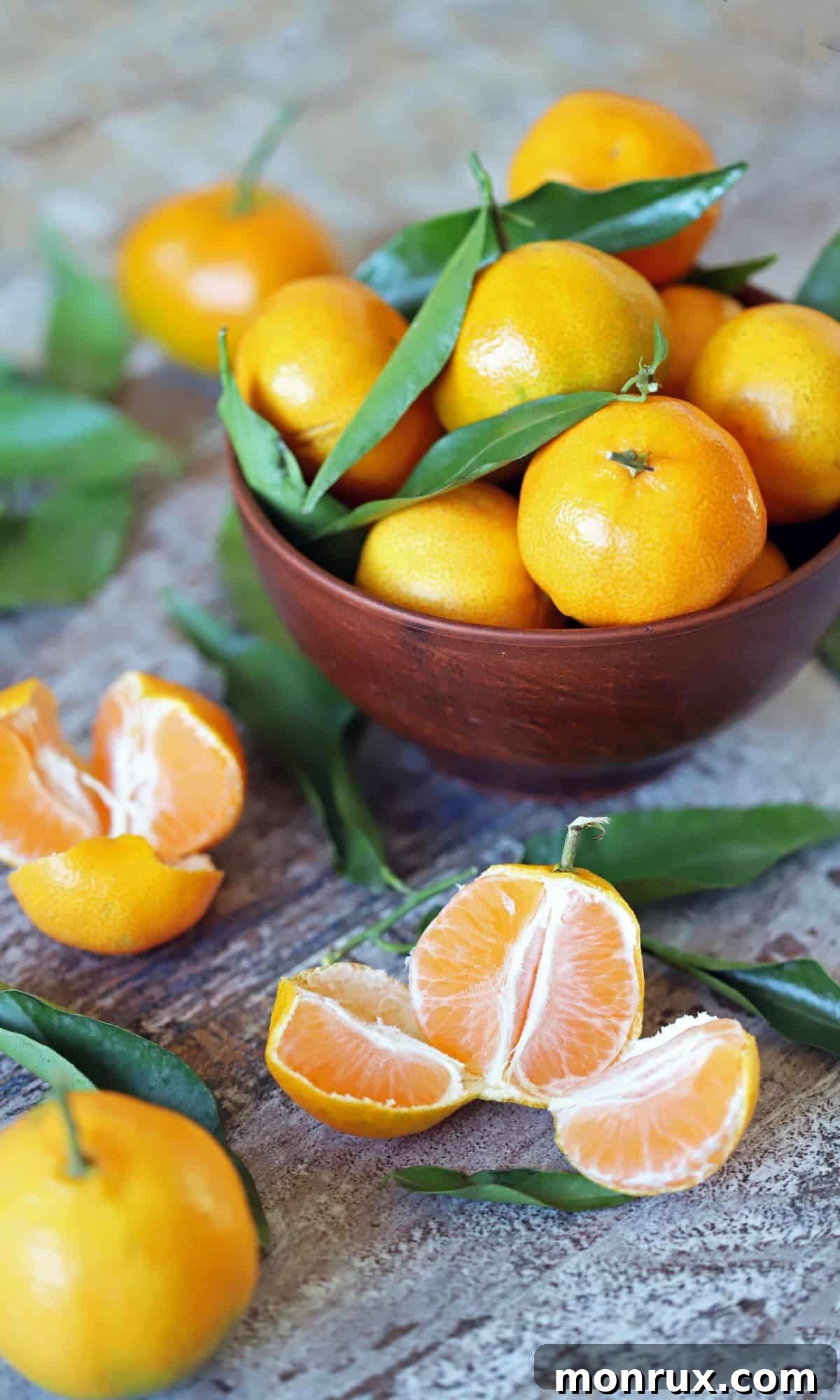
A true jewel of the citrus world, the tangerine is a small, beloved fruit belonging to the Rutaceae family and classified as a type of mandarin orange. Indigenous to the lush landscapes of Southeast Asia, tangerines are now widely cultivated in subtropical regions across southern Europe and the southern United States. Characterized by their small, round shape and thin, loose skin, tangerines are famously easy to peel, making them an ideal, fuss-free snack for all ages.
The flesh of a tangerine is exceptionally juicy and offers a delightful sweet-tart flavor that is often less acidic than a typical orange, creating a refreshing and enjoyable taste. Beyond their wonderful flavor, tangerines are a nutritional powerhouse, generously supplying Vitamin C for immune support, Vitamin A for healthy vision, and dietary fiber for digestive wellness. They also contain various antioxidants that help protect the body’s cells. Tangerines are perfect for eating fresh, adding vibrant color and flavor to fruit salads, or incorporating their zest and juice into dressings, baked goods, and even savory glazes for poultry. They are undoubtedly a favorite fruit for many, cherished for their convenience, flavor, and health benefits.
6. Tangor
The tangor represents another fascinating citrus hybrid, this time a cross between a mandarin orange and a sweet orange. Also a member of the Rutaceae family, tangors trace their origins back to the fertile lands of Jamaica and Australia. These medium to large-sized spherical fruits are distinguished by their bright orange, easily peelable skin, which makes them a joy to prepare and eat. The interior reveals a succulent, juicy flesh that strikes a beautiful balance between sweet and tart, offering a rich and complex citrus flavor.
Tangors are not just a treat for the palate; they are also highly nutritious. They serve as an excellent source of Vitamin C, essential for bolstering the immune system and supporting skin health, and folate (Vitamin B9), which is vital for cell growth and metabolism. Their robust flavor makes them excellent for juicing, creating vibrant marmalades, or simply enjoying fresh as a wholesome snack. The versatility of tangors allows them to be used in various culinary applications, from enhancing fruit salads to providing a zesty kick in savory dishes.
7. Tarap
Tarap is a truly peculiar and intriguing tropical fruit, often described as a delightful hybrid resembling both durian and jackfruit. This exotic marvel is native to the rich biodiversity of Palawan, Mindanao Island, and Borneo. Known by several regional names, including terap, kiran, green pedalai, johey, marang, madang, and timadang, the tarap fruit’s appearance is a fascinating blend, presenting characteristics of both jackfruit and breadfruit.
As the fruit matures, its color subtly transitions from a pale green to a deeper brown, signaling its readiness for enjoyment. Its skin is distinctive, coated in delicate, soft spines that give it a unique texture, somewhat reminiscent of the durian but without the formidable thorns. Upon opening, the tarap reveals creamy, white, aromatic segments that are sweet, juicy, and incredibly fragrant, often described as a mix of pineapple, banana, and lychee. This fruit, new to many Western palates, is rich in energy, dietary fiber, and Vitamin C, making it a nutritious and unforgettable culinary discovery. Best enjoyed fresh, its unique flavor profile makes it a standout among tropical fruits.
8. Tart Cherry
The tart cherry, scientifically known as Prunus cerasus, is a small yet powerful fruit highly valued for its distinctive sour flavor and remarkable health benefits. Native to the Carpathian Basin, tart cherries are currently the most prominent species of cherry grown in the United States, particularly known for their production in regions like Michigan. These small, round fruits possess a brilliant red color, signaling their rich antioxidant content.
True to their name, tart cherries offer a robust sour-tart flavor, which makes them less commonly eaten fresh compared to their sweet counterparts, but highly prized in cooking and baking. They are an exceptional source of vitamins A, C, B6, and E, folic acid, dietary fiber, and essential minerals such as potassium, calcium, iron, and magnesium. What truly sets tart cherries apart is their high concentration of antioxidants, particularly anthocyanins, which contribute to their deep red hue and are linked to numerous health advantages. These include anti-inflammatory properties, improved sleep quality, muscle recovery after exercise, and cardiovascular health. Enjoy tart cherries in pies, jams, juices, or dried as a wholesome snack. They are a functional food, offering significant wellness benefits.
9. Tayberry

The tayberry is a magnificent hybrid berry, an exciting cross between the luscious blackberry and the sweet-tart raspberry, and a proud member of the Rubus genus. This unique fruit originated in Scotland, where it was first cultivated, blending the best characteristics of its parent plants. Tayberries are typically small to medium in size, exhibiting an elongated, cone-like shape that distinguishes them from more common berries. Their striking reddish-purple color is as appealing as their flavor.
Flavor-wise, tayberries deliver a harmonious sweet-tart profile, often described as richer and more aromatic than a raspberry, with a hint of the earthiness of a blackberry. They are not only delicious but also incredibly nutritious, providing an excellent source of dietary fiber, which supports digestive health, and essential minerals like calcium and iron, vital for strong bones and healthy blood. Tayberries are wonderful eaten fresh, added to breakfast cereals, yogurts, or smoothies. They also excel in baking, making delightful pies, tarts, and crumbles, and can be transformed into exquisite jams and jellies, offering a gourmet twist to classic berry preparations.
10. Taylor’s Gold Pear
The Taylor’s Gold Pear is a distinguished variety of pear, a cultivar within the Pyrus communis species, renowned for its exquisite flavor and appealing appearance. This particular fruit originated in New Zealand, where it was discovered as a chance seedling, quickly gaining popularity for its unique characteristics. Taylor’s Gold Pears are typically small to medium in size and possess the classic, elegant pear shape, tapering from a rounded base to a narrower top.
What truly sets them apart is their beautiful yellowish-brown skin, which often develops a characteristic russeted texture, giving them a rustic yet refined look, complemented by a sturdy brown stem. The flesh of the Taylor’s Gold Pear is exceptionally juicy, smooth, and incredibly sweet, often carrying a subtle hint of honey, making each bite a luxurious experience. Nutritionally, these pears are a treasure trove, providing an excellent source of potassium for heart health, potent antioxidants for cellular protection, calcium for bone density, dietary fiber for digestive regularity, and Vitamin C for immune support. They are perfect for eating fresh, often considered a dessert pear, and also perform beautifully in salads, cheese platters, or gently poached to highlight their delicate sweetness.
11. Teardrop Tomato
The teardrop tomato is a charming and versatile small, pear-shaped fruit that, despite its culinary use as a vegetable, is botanically classified as a fruit. Originating from the Americas, these delightful tomatoes were introduced to Europe in the 16th century and have since become a garden favorite. Teardrop tomatoes are characterized by their petite, rounded shape that gracefully tapers to a distinct point at the bottom, resembling a tiny tear or a miniature pear.
These vibrant fruits can come in a spectrum of bright colors, including classic red, cheerful yellow, or sunny orange, adding visual appeal to any dish. The flesh of the teardrop tomato is succulent and juicy, offering a delightful balance of sweetness with a subtle hint of acidity, making them exceptionally flavorful. Nutritionally, teardrop tomatoes are an excellent source of Vitamin C, vital for immune function and skin health, folate (Vitamin B9), important for cell development, and potassium, which supports blood pressure regulation. They are perfect for snacking, tossing into fresh salads, garnishing dishes, or even roasting to concentrate their sweet flavors. Their appealing shape and taste make them a fantastic addition to any meal.
12. Texas Persimmon
The Texas persimmon, also known by its scientific name Diospyros texana Scheele or colloquially as the Mexican persimmon, is a unique small, round fruit native to the arid and semi-arid regions of Texas, Oklahoma, and Mexico. This resilient fruit grows on small trees or shrubs, often found in rocky, well-drained soils, and is a lesser-known but equally fascinating member of the persimmon family.
Distinguished by its dark brown or nearly black skin when ripe, the Texas persimmon has a somewhat unassuming appearance. However, beneath its dark exterior lies a surprisingly mild, sweet, and custardy flesh that offers a subtle, pleasant flavor. Unlike some persimmon varieties, the Texas persimmon is often enjoyed fresh, though it can also be used in jams, jellies, or even desserts. Nutritionally, these hardy fruits are a good source of vitamins A and C, providing antioxidant benefits and supporting vision and immune health, and manganese, an essential mineral involved in various metabolic processes. They offer a taste of the wild, bringing a unique, understated sweetness to the table.
13. Tomatillo
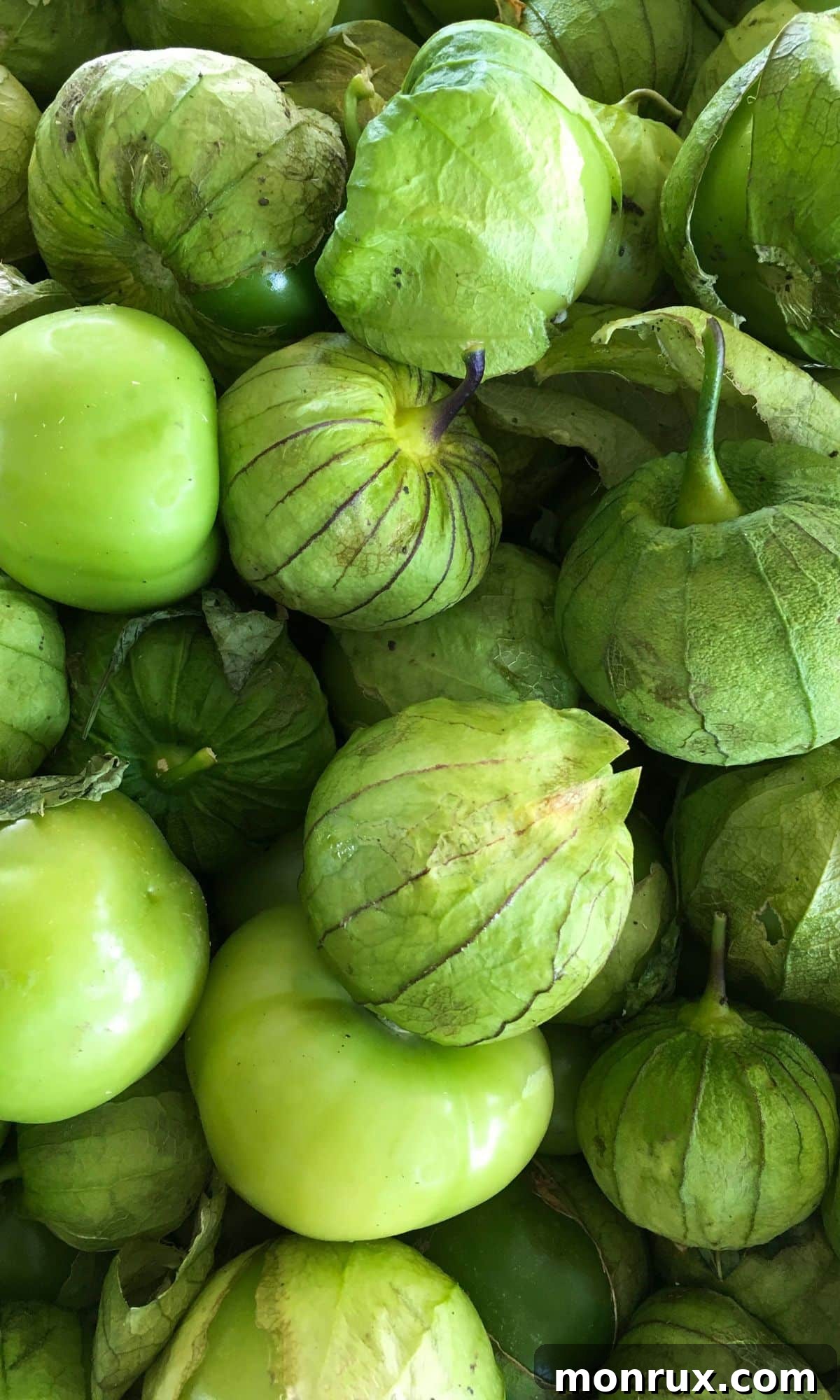
The tomatillo, often referred to as the Mexican husk tomato, is a distinctive small, round fruit that belongs to the nightshade family, closely related to the traditional tomato. Native to Mexico, where it has been a staple in indigenous cuisine for centuries, the tomatillo is easily recognized by its unique papery, lantern-like husk that completely encloses the fruit. The fruit itself is typically green or a beautiful green-purple hue when ripe, and its color is a key indicator of its readiness.
Unlike its red cousin, the tomatillo offers a refreshingly tart flavor with a bright hint of citrus and a slightly herbaceous undertone, making it a culinary superstar in Mexican and Southwestern dishes. It is the essential ingredient for authentic salsa verde, adding a vibrant tang and unique depth of flavor. Beyond its culinary versatility, the tomatillo is an excellent source of Vitamin C, contributing significantly to immune health and collagen formation. It also provides dietary fiber and various antioxidants. To prepare tomatillos, simply remove the papery husk and rinse the sticky residue from the fruit before use. They can be roasted, grilled, or eaten raw, offering a refreshing and zesty addition to many recipes.
14. Thimbleberry
The thimbleberry, scientifically known as Rubus parviflorus, is a delightful small fruit native to the enchanting landscapes of North America, particularly abundant in cooler, moist regions. This charming berry bears a striking resemblance to a raspberry, but with its own unique characteristics that make it a cherished wild fruit. Thimbleberries are typically round and possess a deep, rich red color when fully ripe, giving them an inviting appearance.
What truly sets the thimbleberry apart is its incredibly intense sweet-tart flavor, often described as more complex and aromatic than a common raspberry, with a delicate, velvety texture that almost melts in the mouth. However, they are also quite fragile and don’t transport well, which is why they are rarely found in commercial markets and are primarily enjoyed by foragers and locals. Nutritionally, thimbleberries are an excellent source of Vitamin C, providing a significant boost to the immune system and offering antioxidant protection. They are also a good source of dietary fiber. Best enjoyed fresh directly from the bush, they can also be gently cooked into exquisite jams, jellies, or sauces, preserving their unique taste for later enjoyment. Their ephemeral nature makes them a special treat of the wild.
15. Torpedo Melon
The torpedo melon, also known as Mirza melon or Uzbek melon, is an intriguing, distinctively shaped fruit belonging to the Cucumis genus, making it a relative of cucumbers and other melons. This unique melon is native to the fertile lands of Uzbekistan and Central Asia, where it has been cultivated for centuries and is highly prized for its exceptional sweetness and aroma. True to its name, the torpedo melon has an elongated, cylindrical shape, resembling a torpedo, which sets it apart visually from more common spherical melons.
Its skin is typically a soft yellow hue, often adorned with subtle netting or stripes, while the interior reveals crisp, juicy white flesh that is remarkably fragrant. The flavor of the torpedo melon is mild yet exquisitely sweet, often described as having notes of honey and vanilla, making it a truly gourmet experience. It’s a fantastic source of vitamins A and C, crucial for vision, immune health, and skin integrity, and also provides calcium for bone strength. Torpedo melons are perfect for slicing and enjoying fresh on their own, adding to fruit platters, or incorporating into refreshing drinks and desserts. Their distinct shape and superior sweetness make them a memorable addition to any fruit lover’s repertoire.
Why Explore Fruits That Start With T?
Diving into the world of fruits that start with ‘T’ isn’t just a fun linguistic exercise; it’s a gateway to culinary discovery and enhanced nutrition. Many of these fruits offer unique flavors and textures that can diversify your diet beyond apples and bananas. Exploring new fruits introduces your palate to exciting sensations, from the tartness of a tamarind to the honeyed sweetness of a Taylor’s Gold pear. This culinary adventure can spark creativity in the kitchen, inspiring new recipes and meal combinations.
Beyond taste, ‘T’ fruits are nutritional powerhouses. They collectively offer a wide spectrum of essential vitamins, including Vitamin C for immunity, Vitamin A for vision, and various B vitamins for energy metabolism. They are also rich in vital minerals like potassium, calcium, magnesium, and iron, all crucial for maintaining various bodily functions. Furthermore, many ‘T’ fruits are loaded with antioxidants, such as anthocyanins in tart cherries, which combat oxidative stress and support overall cellular health. Incorporating these diverse fruits into your diet can lead to improved digestion due to their fiber content, enhanced immune function, and better overall well-being. So, go ahead and explore; your body and taste buds will thank you!
Tips for Enjoying ‘T’ Fruits
To truly appreciate the unique qualities of fruits that start with ‘T’, it’s helpful to know how to select, store, and prepare them. Here are some practical tips to enhance your enjoyment:
- Selection: When choosing citrus like tangerines, tangelos, or tangors, look for fruits that feel heavy for their size, indicating juiciness, and have a vibrant, unblemished skin. For berries like tayberries and thimbleberries, choose plump, uniformly colored fruits. With melons like the torpedo melon, a fragrant aroma at the stem end often signifies ripeness. Tamarillos should have firm, glossy skin without wrinkles.
- Storage: Most citrus fruits can be stored at room temperature for a few days or in the refrigerator for up to two weeks. Berries are delicate; store them unwashed in a single layer in the refrigerator and wash just before eating. Tropical fruits like tamarind and tarap often have specific storage needs; generally, keep them cool and dry. Pears, like Taylor’s Gold, can ripen on the counter and then be refrigerated.
- Preparation: Many ‘T’ fruits are delicious simply eaten fresh. For citrus, the zest can add incredible flavor to both sweet and savory dishes. Tart cherries are excellent in baking or as juice, while tamarind paste is a superb base for sauces and marinades. Don’t forget the versatility of tomatoes (like teardrop) and tomatillos in salsas, salads, and cooked dishes.
- Culinary Creativity: Experiment! Add sliced tangelo to a chicken salad, blend thimbleberries into a smoothie, or make a vibrant salsa verde with tomatillos. Pears pair wonderfully with cheese, and even the unique tarap can be a standout dessert. The more you experiment, the more you’ll discover delicious ways to enjoy these fruits.
More Fruit Lists You Might Like
Conclusion
From the sun-kissed orchards yielding sweet tangelos to the lush jungles bearing exotic tarap, the world of fruits that begin with the letter ‘T’ is incredibly diverse and surprisingly vast. We’ve journeyed through a fascinating collection, discovering not just their unique names but also their captivating origins, distinct flavors, and remarkable nutritional profiles. Each fruit on this list, whether a common pantry staple or a rare tropical delight, brings its own set of benefits and culinary possibilities to the table.
We encourage you to use this guide as a starting point for your own fruit exploration. Don’t hesitate to seek out these delightful ‘T’ fruits at your local markets, specialty stores, or even in your travels. Incorporating a wider variety of fruits into your diet is a simple yet powerful step towards enhancing your health and enriching your culinary experiences. So, pick up a tangerine, try a tamarillo, or bake with tart cherries—your palate and your body will be grateful for the delicious journey!
Don’t forget to join my newsletter list to get exclusive clean eating recipes and tips. The newsletter is 100% free with no spam; unsubscribe anytime.
About the Author: Carrie Forrest has a master’s degree in public health with a specialty in nutrition and is a certified holistic nutritionist. She is a top wellness and food blogger with over 5 million annual visitors to her site. Carrie has an incredible story of recovery from chronic illness and is passionate about helping other women transform their health. Send her a message through her contact form.