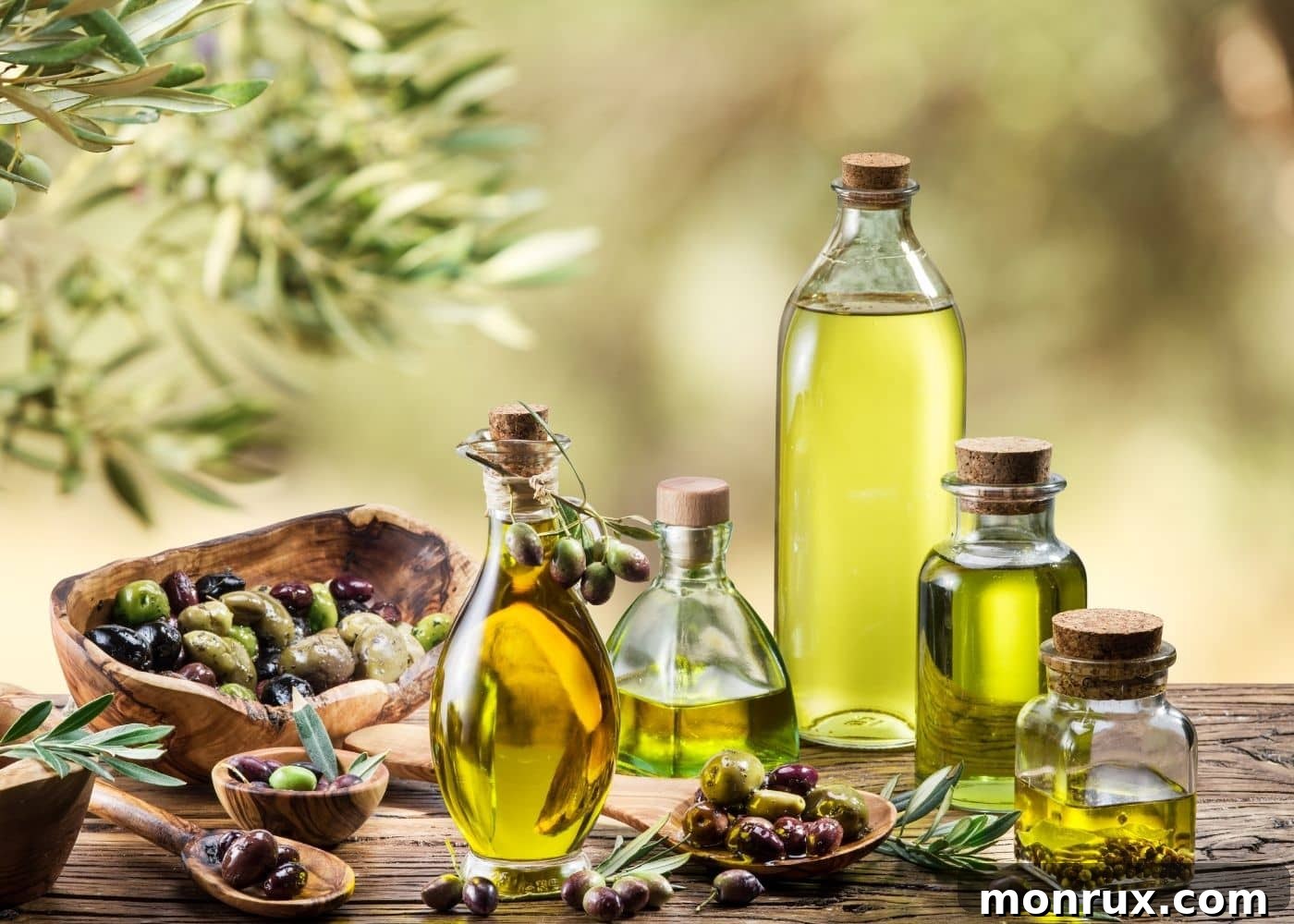
Olive oil is a beloved staple in kitchens worldwide, renowned for its distinct flavor and numerous health benefits. However, whether you’ve run out, are looking for a different flavor profile, or need an oil with a higher smoke point for a specific cooking method, there are many fantastic and healthy substitutes for olive oil available. This comprehensive guide will help you navigate the world of cooking oils, ensuring you always have the perfect alternative on hand. Say goodbye to less healthy, cheaper alternatives and embrace these wholesome options!
Olive oil, particularly extra virgin olive oil (EVOO), is a cornerstone of the celebrated Mediterranean diet. This eating pattern, rich in whole grains, fresh plant-based foods, seafood, and healthy fats, is consistently linked to enhanced longevity and a lower risk of chronic diseases. The remarkable higher life expectancy observed in populations following this diet is a testament to its nutritional power, with olive oil playing a pivotal role.
Extra virgin olive oil stands out as one of the healthiest cooking oils due to its minimal processing. It is produced by cold-pressing fresh olives, a method that extracts the oil using only pressure, without heat or chemical solvents. This gentle extraction preserves the oil’s vital nutrients, including antioxidants and polyphenols, and imparts a distinctively fruity, fresh, and often peppery flavor. While EVOO is undeniably beneficial, its lower smoke point means it’s not always the ideal choice for every cooking application. Thankfully, a variety of other nutritious oils can step in as excellent stand-ins.
The Best Healthy Olive Oil Substitutes
When olive oil isn’t quite right for your recipe or simply isn’t available, these versatile and healthy alternatives offer excellent performance for everything from high-heat cooking to delicate salad dressings.
1. Coconut Oil
Derived from the meat of coconuts, coconut oil is a popular healthy fat that comes in two main forms: unrefined (virgin) and refined. Both types contain beneficial lauric acid, a medium-chain triglyceride (MCT) known for its unique metabolic properties.
- Unrefined (Virgin) Coconut Oil: This minimally processed oil retains a distinct coconut aroma and flavor. It is solid at room temperature and has a relatively low smoke point (around 350°F or 175°C). Virgin coconut oil is best suited for baking, sautéing over medium heat, or adding to smoothies and desserts where its tropical flavor is desired. It can be a delicious addition to curries, stir-fries, or tropical-inspired dishes, lending a subtle sweetness and depth.
- Refined Coconut Oil: Undergoing more processing, refined coconut oil has a neutral flavor and a higher smoke point (up to 400°F or 200°C). This makes it a better choice for high-heat cooking like frying, roasting, and searing, especially when you don’t want any coconut flavor to interfere with your dish. Refined coconut oil also tends to remain liquid at slightly warmer room temperatures, making it suitable for certain dressings or sauces if warmed slightly.
Substitution Ratio: You can typically use coconut oil as a 1:1 substitute for olive oil in most recipes. Remember to consider its flavor and whether it complements your dish.
Pros: Contains beneficial MCTs, versatile in both sweet and savory dishes, available in flavored and neutral varieties.
Cons: Unrefined version has a strong flavor and lower smoke point, solidifies at cooler temperatures.
2. Butter or Ghee
While dairy-based, butter and its clarified form, ghee, can be excellent substitutes for olive oil, especially in savory cooking where a richer flavor is desired.
- Butter: With its creamy texture and distinct rich taste, butter adds incredible depth to many dishes. It’s particularly fantastic for sautéing vegetables, making luscious pan sauces, or enriching pasta dishes. Butter’s smoke point is lower than olive oil’s (around 302°F or 150°C), so it’s best for medium-heat cooking. When baking, melted butter can often replace olive oil effectively, contributing moisture and a delicate flavor.
- Ghee (Clarified Butter): Ghee takes butter’s benefits to the next level. It’s made by simmering butter to remove water and milk solids, leaving behind pure butterfat. This process results in a golden, nutty-flavored oil with an impressively high smoke point (up to 482°F or 250°C), making it suitable for almost any high-heat cooking method – sautéing, pan-frying, roasting, and even deep frying. Ghee contains only trace amounts of lactose and casein, making it a better option for those with dairy sensitivities compared to regular butter. It also has a longer shelf life. See my recipe for ghee-roasted vegetables.
Substitution Ratio: For butter, use approximately 1 tablespoon plus 1 teaspoon for every tablespoon of olive oil. For ghee, use a direct 1:1 ratio. Note that neither butter nor ghee is suitable for cold applications like salad dressings due to their solid or semi-solid state and rich flavor profile.
Pros: Adds rich, deep flavor; ghee has a very high smoke point; ghee is suitable for some with lactose intolerance.
Cons: Butter has a low smoke point; not suitable for vegan diets or cold dressings; butter contains dairy.
3. Avocado Oil
Avocado oil is not just an excellent olive oil replacement but also a nutritional powerhouse. It’s rich in oleic acid, a heart-healthy monounsaturated fat, and boasts high levels of lutein, which has significant benefits for eye health. Furthermore, it’s a good source of vitamins A, E, and K, contributing to healthy skin and overall wellness.
One of avocado oil’s most remarkable features is its exceptionally high smoke point (up to 520°F or 271°C for refined, 375°F or 190°C for unrefined). This makes it incredibly versatile, suitable for nearly any cooking method, including sautéing, frying, grilling, searing, roasting, and even deep frying. Its relatively light, neutral, and slightly buttery flavor means it won’t overpower your dishes, making it ideal for baking where you want the primary flavors of your ingredients to shine through.
For the maximum health benefits, opt for cold-pressed avocado oil. While a bit pricier, its neutrality and stability make it a fantastic all-purpose cooking oil. It’s also a superb choice for salad dressings and marinades due to its mild taste and smooth texture.
Substitution Ratio: Use avocado oil as a direct 1:1 substitute for olive oil in all recipes.
Pros: Very high smoke point (refined); neutral flavor; rich in monounsaturated fats, vitamins, and antioxidants; excellent for all cooking methods and dressings.
Cons: Can be more expensive than olive oil.
4. Lard and Other Animal Fats
Traditional animal fats like lard (rendered pork fat), tallow (rendered beef fat), and goose or duck fat are experiencing a resurgence in popularity due to their high smoke points and incredible flavor-enhancing properties. These fats are excellent replacements for olive oil in recipes requiring high heat and where a rich, savory taste is desired.
- High Smoke Points: Animal fats typically have high smoke points. Tallow, for instance, has a smoke point of around 400°F (250°C), making it an outstanding choice for deep frying, pan-frying, and roasting. Lard can also withstand high temperatures, ideal for achieving crispy textures.
- Flavor Enhancement: Beyond their functional benefits, animal fats contribute a unique depth of flavor that can significantly elevate savory dishes. Lard is particularly favored for baking flaky pie crusts and biscuits, while duck fat creates exceptionally crispy roasted potatoes or confit. Tallow is excellent for frying savory items or enriching stews.
- Sourcing: For the healthiest options, look for lard and tallow rendered from pasture-raised or grass-fed animals, as these often have a better fatty acid profile and fewer contaminants.
While unsuitable for cold dishes like salad dressings, these fats are perfect for baking, sautéing, roasting, and all forms of frying. They connect us to traditional cooking methods and offer a delicious alternative to plant-based oils.
Substitution Ratio: You can replace olive oil with an equivalent amount of animal fat in most recipes. Adjust based on desired richness.
Pros: Very high smoke points; adds rich, savory flavor; excellent for crispy textures; traditional and sustainable when sourced well.
Cons: Not suitable for vegan/vegetarian diets or cold dressings; flavor may not be desirable in all dishes.
5. Cold-Pressed Nut and Seed Oils
When it comes to crafting exquisite salad dressings, marinades, or finishing drizzles, cold-pressed nut and seed oils are often the best olive oil substitutes. These delicate oils are prized for their unique and potent flavors, but they have low smoke points and should generally not be exposed to heat.
- Walnut Oil: A rich, nutty oil that brings an earthy depth to vinaigrettes. It pairs wonderfully with balsamic vinegar, honey, or Dijon mustard. Drizzle over roasted vegetables or salads with goat cheese.
- Pumpkin Seed Oil: Known for its deep green hue and intense, toasted nutty flavor. It’s fantastic in dressings for autumn salads, over soups, or as a finishing oil for pasta dishes.
- Grapeseed Oil: A very light and neutral-flavored oil with a clean finish. While it has a moderate smoke point that allows for light sautéing, it truly shines in dressings where you want the other ingredients’ flavors to dominate, or for homemade mayonnaise.
- Sesame Oil: Available in regular (mild) and toasted (bold, aromatic) varieties. Toasted sesame oil is a must-have for Asian-inspired dressings, marinades, and dipping sauces, especially when combined with soy sauce, ginger, or rice vinegar.
- Almond Oil: A sweet, delicate oil that imparts a subtle nutty flavor. Excellent for light vinaigrettes, baking (if heat-stable varieties are used, but cold-pressed for dressings), or drizzling over fruit salads.
These oils are perfect for creating sophisticated and flavorful dressings, like my Honey Mustard Salad Dressing or a Simple Vinaigrette recipe. They should always be used in their cold, unheated state to preserve their delicate flavors and nutritional integrity.
Substitution Ratio: Use these oils as a 1:1 substitute for olive oil in cold applications, adjusting based on the intensity of their flavor.
Pros: Distinct and complex flavors; great for specialized dressings and finishing; adds a gourmet touch.
Cons: Low smoke points (not for cooking); some can be expensive; flavors may be too strong for certain dishes.
Understanding Olive Oil: When to Use EVOO and When to Choose an Alternative
While extra virgin olive oil (EVOO) is incredibly healthy and delicious, it’s crucial to understand its limitations, particularly regarding cooking temperatures. EVOO has a relatively low smoke point, typically ranging from 350-410°F (175-210°C), depending on its quality and freshness. Beyond this temperature, the oil begins to break down, producing smoke, undesirable flavors, and potentially harmful compounds. High heat also adversely affects EVOO’s delicate flavor and nutrient profile, diminishing its polyphenols and antioxidants.
This makes extra virgin olive oil best suited for:
- Cold dishes: salad dressings, marinades, dipping bread.
- Finishing: drizzling over soups, pasta, grilled vegetables, or bruschetta.
- Low-heat cooking: light sautéing, whisking into sauces that aren’t brought to a high boil.
For higher-temperature cooking, different grades of olive oil or alternative oils are often more appropriate:
- Light or Refined Olive Oil: These oils undergo more processing, which removes some of the strong flavor and beneficial compounds but significantly raises their smoke point (around 465°F or 240°C). They are a better choice for pan-frying or general cooking where a neutral olive oil flavor is desired without reaching EVOO’s smoke point.
- For Deep Frying: You should generally avoid all types of olive oil for deep frying. Even refined olive oil may not reach the high temperatures required for deep frying without compromising its integrity. Oils with very high smoke points, such as refined avocado oil, ghee, or certain animal fats, are far more suitable and safer.
The best oil to choose will always depend on the type of food you are preparing and the cooking method. Making an informed choice helps you maximize both flavor and health benefits. See my complete list of the safest cooking oils and my article answering the question is refined avocado oil healthy?
Flavorful Olive Oil Alternatives for Salad Dressings
Crafting a delicious salad dressing often comes down to the quality and flavor profile of your chosen oil. If you’re seeking alternatives to olive oil for your vinaigrettes and creamy dressings, these options offer unique characteristics:
- Avocado Oil: This mild, buttery oil with a smooth texture is an excellent all-rounder for dressings. It blends seamlessly with citrus juices, fresh herbs, and creamy ingredients like tahini, Greek yogurt, or Dijon mustard without overpowering other flavors. It’s a perfect choice for an everyday vinaigrette.
- Walnut Oil: A rich, intensely nutty oil that works exceptionally well in gourmet vinaigrettes. Its robust flavor pairs beautifully with aged balsamic vinegar, a touch of maple syrup or honey, and grainy mustards. Always use walnut oil in cold dressings, as heat can turn its delicate flavor bitter. It’s particularly good for salads featuring apples, goat cheese, or roasted beets.
- Sesame Oil (Toasted): While regular sesame oil has a mild taste, toasted sesame oil is bold and aromatic, making it a star in Asian-inspired dressings. Combine it with soy sauce or tamari, rice vinegar, fresh ginger, garlic, and a hint of honey for an authentic and vibrant dressing that elevates noodle salads, coleslaw, or marinated vegetables.
- Coconut Oil (Refined): Slightly sweet with a mild coconut flavor, refined coconut oil can work in specific warm dressings or tropical-inspired vinaigrettes. Since it solidifies when cool, it’s best mixed with another liquid oil (like avocado oil) or warmed gently before combining with other dressing ingredients to ensure a smooth consistency. It can be delightful in dressings for fruit salads or those with a touch of curry.
Each of these oils adds a unique and exciting dimension to your salad dressings, inviting you to experiment and customize based on your culinary preferences and the specific ingredients of your salad.
Frequently Asked Questions About Olive Oil Substitutes
While you technically can, it’s generally recommended to avoid highly refined vegetable oils (such as canola oil, soybean oil, corn oil, and generic “vegetable oil”) for health reasons. These oils are often heavily processed, can be high in pro-inflammatory omega-6 fatty acids, and may contain undesirable additives. It is always better to choose one of the healthier olive oil substitutes discussed in this article, which offer better nutritional profiles and often superior culinary performance without the potential health drawbacks.
For baking, several excellent substitutes can either provide a neutral backdrop or add a delightful flavor:
- Melted Coconut Oil: A fantastic option, especially refined coconut oil for a neutral taste, or virgin coconut oil for a subtle tropical note in things like muffins, quick breads, or cakes.
- Avocado Oil: With its neutral flavor and high stability, avocado oil is a superb 1:1 substitute for olive oil in most baked goods, contributing moisture without altering taste.
- Ghee: Ghee can add a rich, buttery, and slightly nutty flavor, working beautifully in recipes where you’d typically use melted butter, such as cookies, brownies, or certain breads.
The best choice depends on the specific baking recipe and the flavor profile you desire. Experiment to find your favorites!
For an all-purpose substitute that handles various cooking methods and has a neutral flavor, refined avocado oil is often considered the top choice. Its exceptionally high smoke point makes it suitable for frying, roasting, sautéing, and even baking, while its mild taste ensures it won’t interfere with your recipe’s intended flavors. It’s also great for dressings.
Yes, in many baking and some cooking applications, you can substitute a solid fat for liquid olive oil. For example, solid coconut oil, butter, or ghee can often replace olive oil in a 1:1 ratio when melted. However, consider the flavor impact (butter/ghee are rich, coconut oil has a tropical note) and the recipe’s requirements. For cold applications like dressings, liquid oils are generally preferred, but melted then cooled coconut oil can work in some specific instances.
Explore More Substitutes Articles
- Substitutes for Bay Leaves
- Substitutes for Coconut Aminos
- Substitutes for Garam Masala
- Substitutes for Ghee
- Substitutes for Marjoram
- Substitutes for Lemongrass
- Substitutes for Oregano
- Substitutes for Sage
Helpful Cooking Articles You Won’t Want to Miss
Conclusion: Embrace Versatility in Your Kitchen
Olive oil is an undeniably popular and healthy ingredient for cooking, beloved for its flavor and extensive benefits within the Mediterranean diet. However, knowing that a variety of equally delicious and healthful alternatives exist can empower you to cook with greater flexibility and creativity. Whether you’re seeking an oil with a higher smoke point for frying, a neutral option for baking, or a distinct flavor for a vibrant salad dressing, the world of healthy fats offers a wealth of choices. Don’t be afraid to experiment with coconut oil, avocado oil, ghee, animal fats, or delicate nut and seed oils. You might discover new favorites that not only fill in when olive oil is unavailable but also enhance the flavor and nutritional profile of your finished dishes in unexpected ways.
Don’t forget to join my newsletter list to get exclusive clean eating recipes and tips. The newsletter is 100% free with no spam; unsubscribe anytime.
About the Author: Carrie Forrest has a master’s degree in public health with a specialty in nutrition and is a certified holistic nutritionist. She is a top wellness and food blogger with over 5 million annual visitors to her site. Carrie has an incredible story of recovery from chronic illness and is passionate about helping other women transform their health. Send her a message through her contact form.