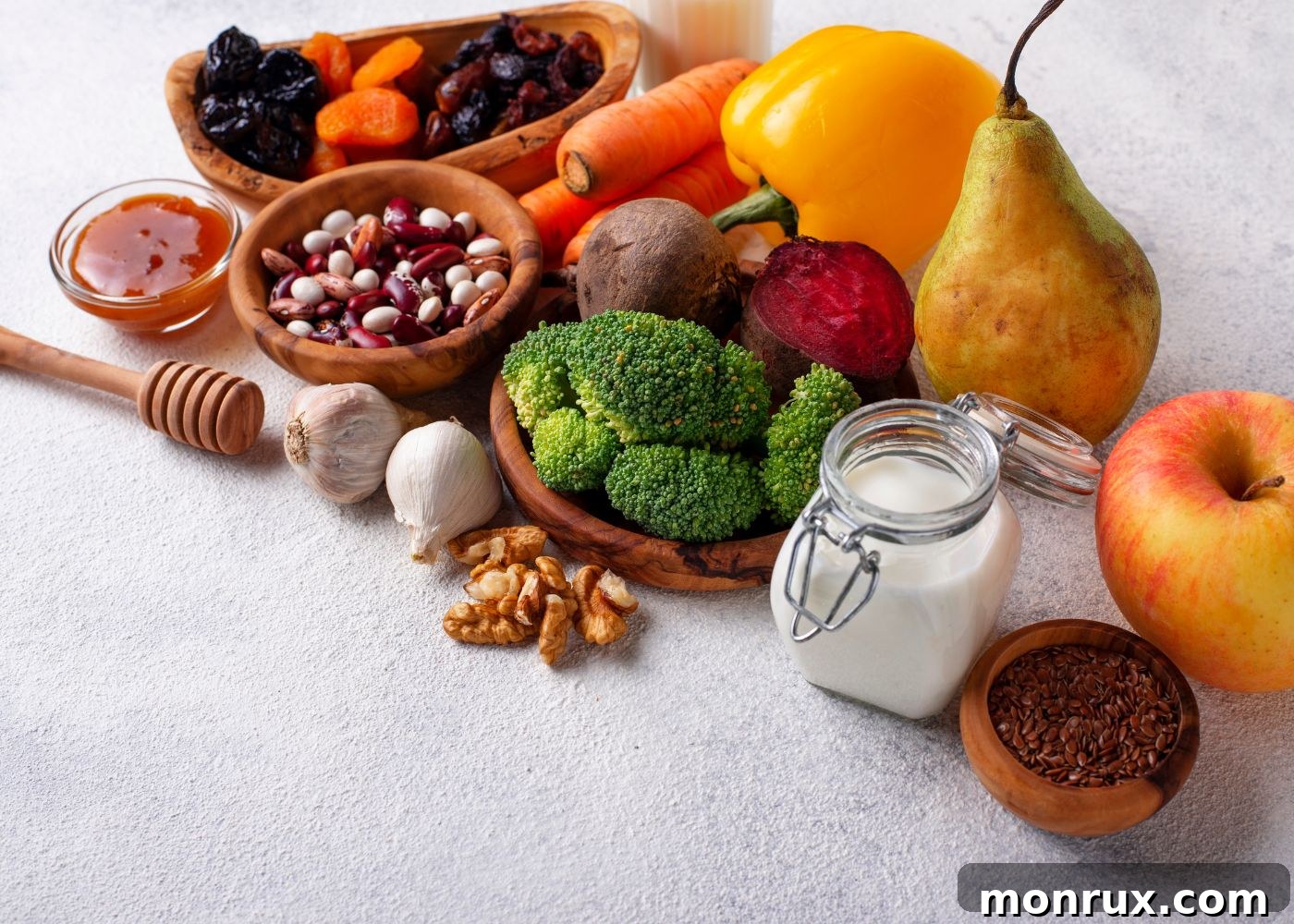
In today’s fast-paced world, many of us struggle with digestive discomfort, unexplained fatigue, or a general feeling of being unwell. These symptoms often point to an imbalance within our gut, the complex ecosystem of microorganisms that plays a pivotal role in our overall health. If you’re looking to revitalize your digestive system and boost your well-being, a targeted approach can make a significant difference. This article introduces a comprehensive 3-day Gut Reset Plan designed to help you nourish your gut back to health, detailing exactly what to eat and what to avoid to support optimal digestive function.
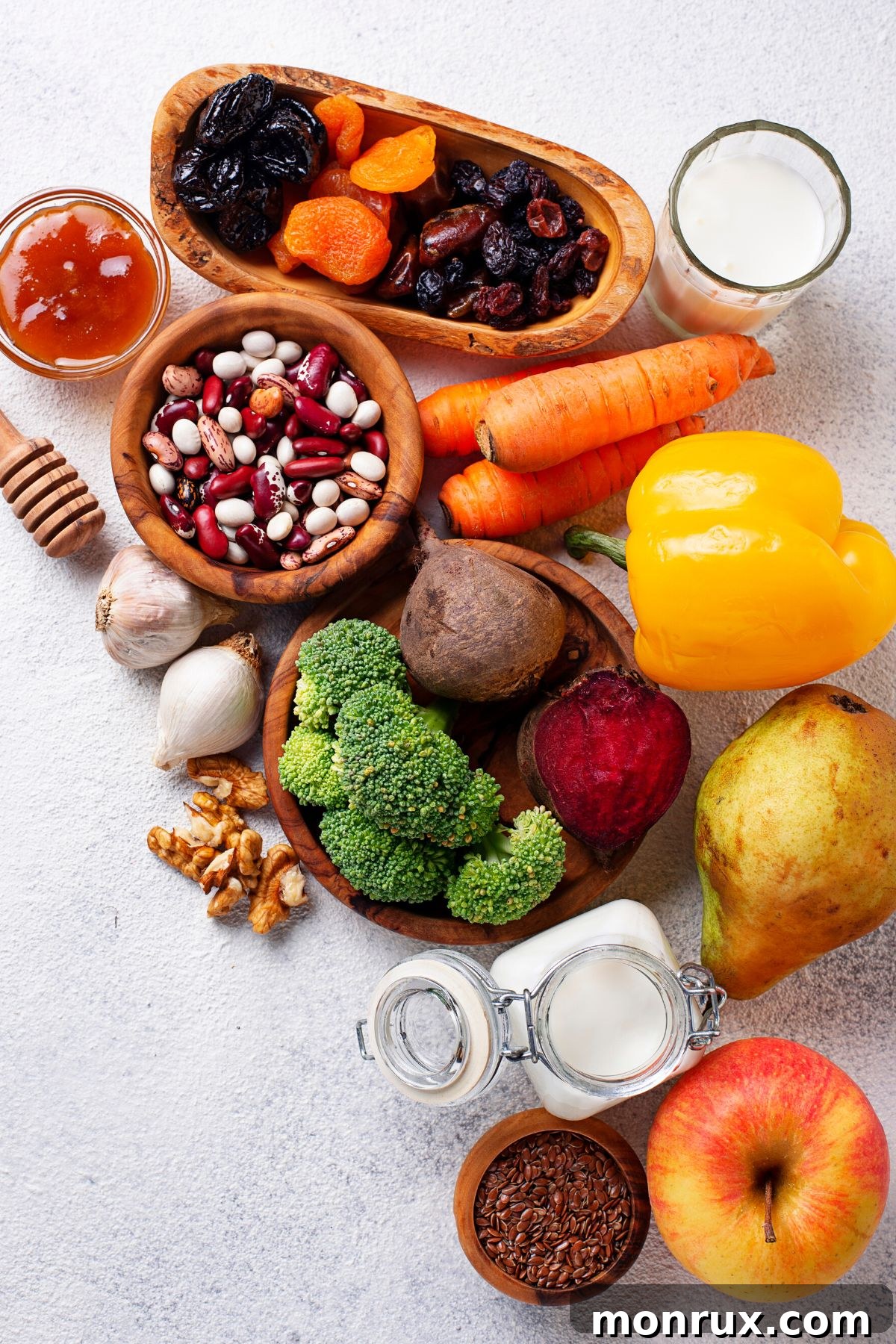
Table of Contents
The 3-Day Gut Reset Plan
Embarking on a gut reset can feel daunting, especially if you’re new to the principles of clean eating. However, this focused 3-Day Gut Reset Plan provides a structured yet adaptable framework to kickstart your journey toward improved digestive health. The core philosophy of this plan revolves around consuming easily digestible, whole foods that are free from common irritants such as processed ingredients, artificial flavors, and preservatives. By prioritizing nutrient-dense, natural foods, you provide your body with the building blocks it needs to repair and restore balance within your gut microbiome.
This sample 3-day Leaky Gut Diet is meticulously designed to be gluten-free, dairy-free, and devoid of added sugars – three common culprits that can exacerbate gut issues. We encourage you to view this plan as a flexible guide, making adaptions based on your individual needs, preferences, and sensitivities. It’s crucial that you do not feel hungry during this reset; listen to your body and feel free to add healthy snacks or increase portion sizes to ensure adequate calorie intake and sustained energy throughout the day.
Before initiating any significant dietary changes, it is always recommended to consult with your healthcare provider. They can offer personalized advice and ensure this plan aligns with your specific health conditions and needs.
Day One: Gentle Introduction & Nourishment
Day one focuses on introducing soothing, nutrient-rich foods that are easy on your digestive system, laying a foundational groundwork for healing.
- Breakfast: Start with a Chocolate Smoothie Bowl, packed with antioxidants and fiber to gently awaken your gut.
- Lunch: Opt for protein-rich and comforting options like Turkey Meatloaf Muffins or Instant Pot Salmon and Rice, providing sustained energy.
- Dinner: Enjoy a hearty and nourishing Sweet Potato Shepherd’s Pie, combining easily digestible vegetables with lean protein.
- Snacks or Dessert: Indulge in a refreshing Vitamix Mango Sorbet, a naturally sweet and gut-friendly treat.
Day Two: Continued Healing & Variety
Day two builds on the previous day’s success, offering a diverse range of meals to keep your palate engaged while continuing the healing process.
- Breakfast: Choose between fluffy Coconut Milk Pancakes or warming Instant Pot Buckwheat Porridge for a satisfying start.
- Lunch: Explore flavorful dishes like Keto Chicken Fajitas (ensure dairy-free ingredients) or a soothing Dairy-Free Potato Soup, both designed for easy digestion.
- Dinner: A comforting Chicken Meatloaf provides lean protein and a blend of gentle seasonings.
- Snacks: Replenish with a creamy Whole30 Chia Pudding or sweet Instant Pot Baked Apples.
Day Three: Sustain & Integrate
The final day focuses on solidifying healthy eating habits and preparing you to integrate these principles into your daily life.
- Breakfast: Enjoy a vibrant Sweet Potato Apple Breakfast Hash, a flavorful and energy-boosting meal.
- Lunch: Savor a hearty Instant Pot No-Bean Turkey Chili or a tender Slow Cooker Green Chile Chicken, both offering rich flavors and easy digestion.
- Dinner: A wholesome Chicken Broccoli Rice Casserole provides a balanced and satisfying conclusion to your daily meals.
- Snacks: A refreshing Banana Peach Smoothie serves as a delightful and nutritious snack.
Beyond these meal suggestions, remember to prioritize hydration by drinking plenty of filtered water throughout the day. Mindful eating—paying attention to your body’s hunger and fullness cues, and chewing your food thoroughly—is also crucial for optimizing digestion and nutrient absorption during your gut reset.
Understanding Gut Health Issues: Symptoms to Watch For
The health of your digestive system, particularly your gut, is intricately linked to nearly every other system in your body. When your gut microbiome is imbalanced or your intestinal lining is compromised (often referred to as “leaky gut” or increased intestinal permeability), it can manifest in a wide array of symptoms, extending far beyond typical digestive complaints. Recognizing these signs is the first step toward addressing underlying gut health issues and embarking on a path to healing. Some common indicators that your gut may need attention include:
- Digestive problems: Persistent bloating, abdominal pain, excessive gas, constipation, or diarrhea are direct signals that your gut is struggling to process food efficiently and maintain a healthy bacterial balance.
- The presence of autoimmune disease: A strong link exists between gut health and autoimmune conditions. Research suggests that a leaky gut can trigger or exacerbate autoimmune responses, where the body mistakenly attacks its own tissues. For more, see this article on autoimmune disease.
- Food allergies and sensitivities: An irritated or permeable gut lining can allow undigested food particles to enter the bloodstream, leading to immune reactions and the development of new food sensitivities or full-blown allergies. Learn more in this study.
- Inflammatory skin conditions: Conditions like acne, psoriasis, and dermatitis often have roots in gut inflammation. The “gut-skin axis” highlights how gut dysbiosis can impact skin health. Explore the connection in this research.
- Symptoms of osteoarthritis: Joint pain and inflammation, characteristic of osteoarthritis, may be influenced by systemic inflammation originating in the gut. The gut’s role in inflammation is discussed in this article.
- Depression and other mental health issues: The “gut-brain axis” is a bidirectional communication system. An unhealthy gut can disrupt neurotransmitter production and send inflammatory signals to the brain, contributing to mood disorders. Read more on depression and the gut.
- Fatigue and brain fog: Chronic fatigue and difficulty concentrating can be symptoms of nutrient malabsorption, inflammation, and toxin buildup resulting from a compromised gut. See this study on fatigue.
- Headaches/migraines: Some individuals experience headaches or migraines triggered by specific foods or general gut inflammation, indicating a potential gut-brain connection. Find more information in this source.
Understanding these diverse symptoms underscores the importance of a healthy gut for overall vitality. Addressing gut issues can lead to profound improvements not just in digestion, but across various aspects of your physical and mental health.
Foods to Limit or Avoid for a Healthier Gut
To effectively reset and heal your gut, it’s as important to understand which foods to limit or remove from your diet as it is to know which ones to include. Certain foods can trigger inflammation, feed harmful bacteria, and contribute to increased intestinal permeability, hindering your healing progress. During a gut reset, and particularly if you suspect “leaky gut” syndrome, consider these common irritants:
1. Conventional Dairy Products (Especially Cow’s Milk)
Sensitivity to cow’s milk is remarkably common and can be a significant aggravator for leaky gut syndrome. This is often due to two main components: lactose (milk sugar), which many adults struggle to digest, and casein (milk protein). Conventional cow’s dairy products, in particular, may contain A1 beta-casein, which some studies suggest can contribute to inflammation and gut discomfort in susceptible individuals.
While cow’s milk may be problematic, you might find better tolerance with other types of milk, such as goat or sheep’s milk. These often contain A2 beta-casein, which is generally considered less inflammatory and easier to digest. Another excellent option is to explore fermented cow’s milk products like natural yogurt and kefir. The fermentation process breaks down lactose and introduces beneficial probiotic bacteria, which can have a healing effect on the gut. Instead of traditional butter, consider clarified butter or ghee; these are virtually free of lactose and casein, making them less likely to trigger a reaction. For a deeper dive into this topic, read my full article on the reasons to go dairy-free.
2. Grains and Products Containing Gluten
Gluten, a protein found in wheat, rye, barley, and spelt, is a well-documented inflammatory agent for many people, especially those with gut issues. Research has shown that gluten can increase levels of zonulin, a protein that regulates the tightness of junctions in the intestinal lining. Elevated zonulin levels can lead to increased intestinal permeability, or “leaky gut,” allowing unwanted substances to pass into the bloodstream and trigger immune responses.
For individuals with leaky gut syndrome, it is generally best to totally avoid gluten, which means cutting out all products containing it. This includes many common staples such as most cereals, breads, pasta, and crackers. Fortunately, the market now offers a vast array of delicious and nutritious gluten-free alternatives, making avoidance much easier. If you are keen to continue consuming certain whole grains after your reset, consider soaking or sprouting them before eating. This traditional preparation method can help break down gluten and other anti-nutrients, making the grains more digestible. Discover more about going gluten-free and why it might benefit you, and explore the potential benefits of a grain-free diet for humans.
3. Added Sugars and Artificial Sweeteners
Excessive sugar consumption is a major contributor to gut dysbiosis and inflammation. Studies suggest that too much fructose, a common fruit sugar and a component of table sugar, can negatively impact intestinal permeability. Sugar acts as a primary fuel source for pathogenic bacteria and yeast in your gut, leading to an overgrowth that can trigger or worsen leaky gut syndrome and other digestive disturbances.
On a gut reset diet, it is crucial to significantly reduce or eliminate refined white sugar, high-fructose corn syrup, and even natural sweeteners like honey, agave, and maple syrup, as these can still feed undesirable microbes. Beyond natural sugars, artificial sweeteners also warrant caution. Research indicates that some artificial sweeteners, such as saccharin, can disrupt the gut’s natural balance of bacteria, potentially leading to adverse metabolic effects. It’s also vital to limit processed and junk foods, which are often laden with hidden sugars, unhealthy fats, and inflammatory ingredients that will counteract your gut-healing efforts. For a structured approach, consider my sugar-free diet plan.
Beyond these three categories, generally avoiding highly processed foods, industrial seed oils (like soybean, corn, and canola oil), and excessive alcohol can further support your gut during the reset period. These substances often contain inflammatory compounds and can disrupt the delicate balance of your microbiome.
Nutrient-Rich Foods to Include for Gut Healing
While avoiding problematic foods is crucial, actively incorporating gut-healing foods is equally important for rebuilding a robust digestive system. The best strategy for a gut reset diet is to focus on whole, unprocessed foods that are rich in essential nutrients, fiber, and beneficial compounds. These foods will help repair the gut lining, reduce inflammation, and foster a healthy, diverse microbiome.
When starting, you might find that cooking fruits and vegetables makes them easier to digest, as heat can break down tough fibers. As your gut health improves, you can gradually reintroduce more raw foods and observe how you feel. Keeping a symptom journal—noting the foods you eat and any subsequent digestive discomfort—can be an invaluable tool for identifying lingering sensitivities. You should aim for meals that leave you feeling comfortable and energized, without stomach pain or other unpleasant symptoms.
Be sure to also explore my comprehensive guides on the best gut-healing foods and gut health herbs, in addition to the following essential categories:
1. Abundant Fruits and Vegetables
Fruits and vegetables are the cornerstone of any healthy diet, and particularly vital for gut healing. They are excellent sources of dietary fiber, which comes in two forms: soluble and insoluble. Soluble fiber helps slow digestion and absorb water, while insoluble fiber adds bulk to stool, promoting regularity. More importantly, many fruits and vegetables are rich in prebiotics—non-digestible fibers that selectively feed the beneficial bacteria in your gut, allowing them to thrive. This leads to a healthier and more diverse microbiome.
Focus on a wide variety of colorful produce, including leafy greens (spinach, kale), cruciferous vegetables (broccoli, cauliflower—steamed is often easier to digest), berries, and citrus fruits. Don’t forget root vegetables and tubers like carrots, sweet potatoes, and regular potatoes; these provide slow-burning carbohydrates and additional fiber. If you initially struggle to digest the raw fiber from fruits and veggies, consider blending them into smoothies. This breaks down the fiber, making nutrients more accessible and easier on your digestive system. I highly recommend trying this Gut Health Smoothie, packed with gut-friendly ingredients.
2. Fermented Vegetables
Incorporating a daily source of fermented vegetables like kimchi, sauerkraut, or lacto-fermented pickles is a fantastic way to introduce beneficial probiotic bacteria directly into your gut. These living microorganisms contribute to a balanced microbiome, which is crucial for proper digestion, nutrient absorption, and immune function. The fermentation process not only enriches the food with probiotics but also predigests some of the nutrients, making them more bioavailable. Aim for a small serving with one or two meals each day to consistently replenish your gut flora.
3. Gluten-Free Whole Grains and Seeds
While traditional gluten-containing grains should be avoided during a gut reset, several gluten-free “pseudo-grains” and seeds offer excellent nutritional benefits without the inflammatory potential. These include quinoa, millet, brown rice, oats (certified gluten-free), buckwheat, amaranth, and teff. These options provide complex carbohydrates for sustained energy, along with essential minerals (magnesium, iron, zinc) and fiber that supports gut health. They can be used as a base for meals, in porridges, or as a healthful addition to salads. For a comprehensive list, refer to my article on the best gluten-free carbohydrates.
4. Cultured Dairy Products (Selectively)
While cow’s milk can be problematic, specific cultured dairy products, particularly those derived from goat or sheep’s milk, may be well-tolerated and beneficial for some individuals during a gut reset. These include natural yogurts, kefir, some traditional cheeses, and cultured buttermilk. The key benefit lies in the live and active cultures (probiotics) they contain, which help replenish the good bacteria in your gut. Always choose plain, unsweetened versions to avoid added sugars, and start with small amounts to assess your personal tolerance.
5. Healing Bone Broth
Bone broth is often hailed as a superfood for gut healing, and for good reason. Whether homemade or a quality store-bought version (ensure it’s free of undesirable additives), bone broth is rich in collagen and a range of beneficial amino acids, including glutamine, proline, and glycine. Glutamine, in particular, has been extensively studied for its ability to help repair the gut lining and reduce inflammation. Collagen provides structural support to the intestinal walls, promoting strength and integrity. Homemade broth is generally preferred as it allows you to control the quality of ingredients and avoid any potential additives found in commercial varieties that could worsen symptoms.
6. Healthy Fats
Including healthy fats with all your meals and snacks is vital for overall health and plays a key role in gut healing. Good choices include extra virgin olive oil, unrefined and cold-pressed coconut oil, avocado oil, and fatty fish (rich in omega-3s, like salmon). These fats are crucial for nutrient absorption, especially for fat-soluble vitamins (A, D, E, K). They also possess anti-inflammatory properties, helping to soothe an irritated gut lining. Furthermore, some healthy fats, like those found in olive oil, can provide fuel for certain “friendly” bacteria in the gut, supporting a balanced microbiome.
7. Anti-Inflammatory Turmeric
Turmeric, a vibrant yellow spice, contains a powerful natural compound called curcumin, renowned for its potent anti-inflammatory properties. Numerous studies have demonstrated curcumin’s ability to reduce inflammation in the lining of the gut, making it an invaluable addition to a gut-healing diet. You can easily incorporate turmeric into your daily routine: add it to your morning smoothie, sprinkle it into scrambled eggs, or use it in savory dishes like curries and soups. For a concentrated dose, consider my simple yet effective Turmeric Shot, a quick way to reap its anti-inflammatory benefits daily.
Remember that a diverse diet within these categories is key to providing your gut with a wide spectrum of nutrients and microbial support. Focus on making meals enjoyable and sustainable.
Holistic Lifestyle Changes for Optimal Gut Wellness
While diet is undoubtedly the cornerstone of a gut reset, true and lasting digestive wellness involves a holistic approach that extends beyond your plate. Integrating specific lifestyle changes can significantly amplify the positive effects of your dietary modifications, creating an environment conducive to gut healing and overall health. Consider these essential practices to complement your Leaky Gut Diet:
- Engage in regular exercise: Physical activity is not just good for your cardiovascular health and mood; it also positively influences gut microbiota diversity and function. Regular, moderate exercise can promote a healthier balance of beneficial bacteria, enhance gut motility, and reduce systemic inflammation.
- Prioritize adequate sleep: Getting 8 to 9 hours of quality sleep each night is fundamental for gut repair. Sleep deprivation can disrupt the gut microbiome, increase inflammation, and impair the gut’s ability to heal and maintain its integrity. Aim for a consistent sleep schedule and create a relaxing bedtime routine.
- Quit smoking: Smoking is a known irritant to the digestive tract and can significantly contribute to gut inflammation and increased intestinal permeability. Eliminating smoking is one of the most impactful steps you can take for immediate and long-term gut health improvement.
- Chew your food thoroughly: Digestion begins in the mouth. Chewing your food until it’s a near-liquid consistency reduces the workload on your stomach and intestines, allowing enzymes to break down food more effectively and preventing large, undigested particles from irritating the gut lining.
- Avoid unnecessary antibiotics: While antibiotics are lifesaving in certain situations, their overuse can decimate beneficial gut bacteria, leading to dysbiosis. Consult your healthcare provider about alternatives when appropriate, and always follow up antibiotic courses with probiotic supplementation.
- Implement stress reduction techniques: Chronic stress has a profound negative impact on the gut-brain axis, contributing to inflammation, altered gut motility, and changes in the microbiome. Incorporate calming activities into your daily routine, such as yoga, deep breathing exercises, mindfulness meditation, spending time in nature, or engaging in hobbies you enjoy. Managing stress is crucial for gut recovery.
By embracing these holistic lifestyle adjustments alongside your dietary changes, you create a powerful synergy that supports not just a healthier gut, but a more resilient and vibrant you.
Further Reading on Holistic Health
Don’t forget to join my newsletter list to get exclusive clean eating recipes and tips directly to your inbox. The newsletter is 100% free with no spam; you can unsubscribe anytime.
About the Author: Carrie Forrest holds a master’s degree in public health with a specialty in nutrition and is a certified holistic nutritionist. She is a prominent wellness and food blogger, attracting over 5 million annual visitors to her site. Carrie shares an inspiring story of recovery from chronic illness and is deeply passionate about empowering other women to transform their health journeys. You can connect with her through her contact form.
Disclaimer: This post is intended for informational purposes only and should not be considered medical advice. Always consult your healthcare provider for personalized recommendations regarding your individual health situation and before making any significant changes to your diet or lifestyle.