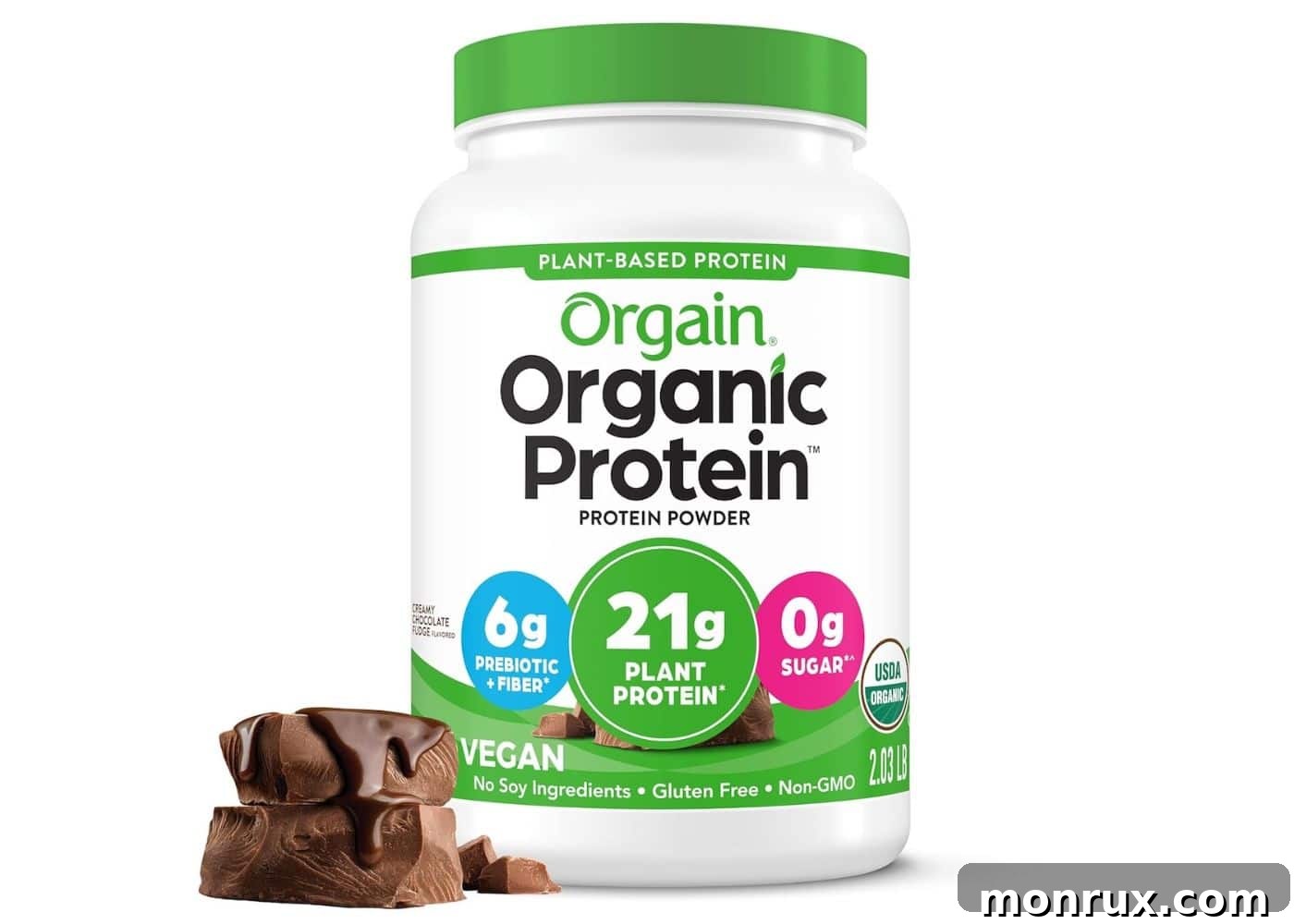
In today’s health-conscious world, protein supplements have become a cornerstone of many diets, from athletes seeking muscle gain to individuals simply aiming to boost their daily protein intake. Among the myriad of brands flooding the market, Orgain Protein stands out with its commitment to organic, plant-based, and “clean” nutrition. But with so many options and conflicting health claims, a critical question emerges: Is Orgain Protein truly healthy? This comprehensive review dives deep into Orgain’s nutritional profile, dissecting its ingredients, exploring its benefits, and examining potential drawbacks. Our goal is to provide you with a clear, unbiased understanding to help you make an informed decision about whether Orgain aligns with your personal health goals. While Orgain powder, consumed in moderation, can be a relatively healthy choice for many, it’s crucial to understand its composition and consider less processed alternatives, including whole food protein sources. Join us as we uncover the facts behind Orgain Protein.
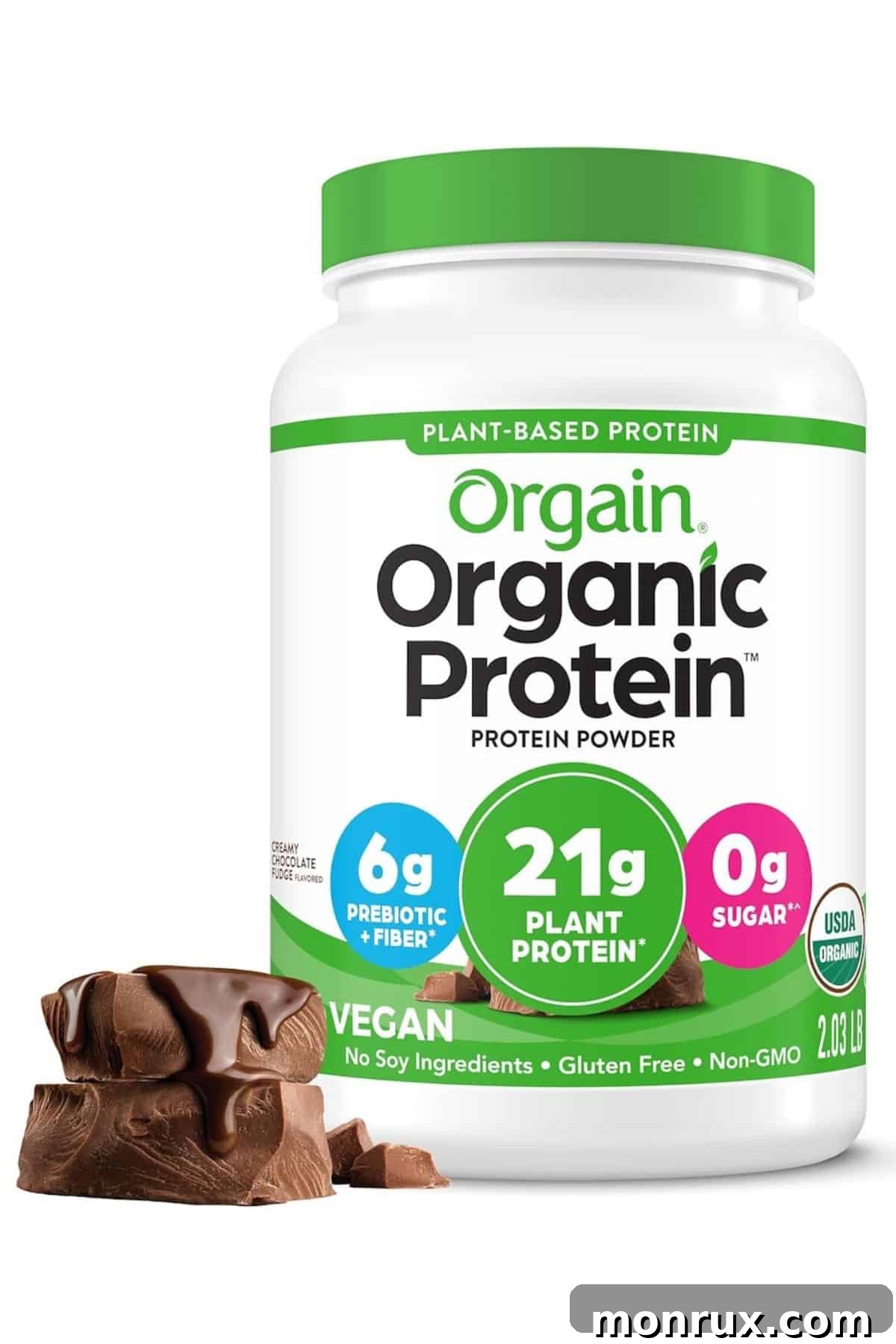
Orgain Protein: An Overview
Orgain is a brand synonymous with organic, clean nutrition, a mission spearheaded by its founder, Dr. Andrew Abraham, M.D. A medical doctor and cancer survivor, Dr. Abraham’s personal journey of recovery deeply influenced his belief in the power of wholesome, nutrient-dense foods. Frustrated by the lack of clean, high-quality nutritional supplements available during his treatment, he set out to create his own, leading to the birth of Orgain in 2009. His inspiring story of resilience and innovation is chronicled on podcasts like How I Built This, resonating with countless individuals seeking better health.
Orgain offers a diverse range of protein products, including protein powders, ready-to-drink shakes, and protein bars, all crafted with a focus on organic, plant-based ingredients. The brand prides itself on a series of certifications that appeal to health-conscious consumers: most products are certified organic, gluten-free, non-GMO, and kosher. Furthermore, Orgain products are typically formulated without soy or artificial ingredients, aligning with a desire for cleaner dietary choices.
The variety of flavors available is impressive, catering to a wide array of palates. Orgain plant-based protein powders come in unique options like Pumpkin Spice, Fruity Cereal, Churro Caramel Swirl, Peppermint Hot Cocoa, Chocolate Peanut Butter, Vanilla Horchata, Chocolate Caramel Sea Salt, and Cookies ‘n Cream. Their protein bars also offer tempting choices such as Chocolate Brownie, Chocolate Chip Cookie Dough, Peanut Butter Chocolate Chunk, Peanut Butter, S’Mores, and Chocolate Coconut. While the majority of Orgain’s offerings are vegan, it’s essential to note that some specific protein powder flavors do incorporate animal products like whey or collagen, so vigilant label reading is always recommended, especially for those adhering to a strict vegan diet.
At the heart of many Orgain protein powders is their signature organic protein blend, a carefully selected combination of organic pea protein, organic brown rice protein, and organic chia seeds. This blend is designed to provide a complete amino acid profile, crucial for muscle repair and overall bodily functions. Beyond the core protein sources, Orgain formulations may also include other thoughtfully chosen ingredients such as organic high oleic sunflower oil, organic acacia, organic rice dextrin, sea salt, alkalized organic cocoa, and natural flavors, each playing a role in the product’s taste, texture, and stability.
Unveiling Orgain Protein Ingredients
To truly understand whether Orgain Protein is a healthy choice, we must look beyond its “organic” label and examine the individual components within its formulations. Let’s explore some of the main ingredients found in Orgain Protein products and their potential implications for your health.
High Oleic Sunflower Oil
Orgain Protein Powders frequently incorporate high-oleic sunflower oil. This particular type of sunflower oil is valued in food manufacturing for its stability, which helps preserve product freshness and flavor over time, contributing to a longer shelf life.
From a nutritional standpoint, high-oleic sunflower oil is characterized by a high content of monounsaturated omega-9 fatty acids, similar to the fatty acid profile found in olive oil. Monounsaturated fats, along with polyunsaturated fats, are generally considered beneficial for cardiovascular health. Research suggests that oleic acid can contribute to lowering levels of low-density lipoprotein (LDL), often referred to as “bad cholesterol,” thereby supporting heart health. Unlike some other common seed oils, sunflower oil is not widely recognized as a major allergen, making it a safer option for individuals with certain seed sensitivities.
However, despite these positive attributes, high-oleic sunflower oil remains a refined seed oil. For individuals who meticulously follow a “clean eating” philosophy, all seed oils, regardless of their fatty acid profile, are often viewed with caution. Concerns typically revolve around the industrial processing methods used to extract and refine these oils, which can sometimes involve high heat and chemical solvents, potentially altering their nutritional integrity. Those prioritizing minimally processed foods might opt to avoid all seed oils in favor of alternatives like coconut oil, avocado oil, or olive oil for cooking. It’s a nuanced discussion where individual dietary preferences and health goals play a significant role in determining its suitability.
Non-Nutritive Sweeteners
Many Orgain protein products utilize non-nutritive sweeteners, which provide sweetness without adding significant calories or impacting blood sugar levels. However, the health implications of these sweeteners are a subject of ongoing debate.
Erythritol
Erythritol is a sugar alcohol commonly found in Orgain’s protein bars and powders. It’s celebrated for its zero-calorie profile and minimal impact on blood glucose and insulin levels, making it a popular choice for individuals managing diabetes or looking to reduce sugar intake. Erythritol occurs naturally in some fruits and fermented foods and is commercially produced through the fermentation of corn or wheat starch.
While often lauded as a “better” sugar alcohol, especially compared to others like sorbitol or xylitol, its consumption isn’t without potential drawbacks. For some individuals, even moderate amounts of erythritol can trigger digestive issues such as gas, bloating, abdominal cramping, and may even have a mild laxative effect. This sensitivity varies significantly from person to person. More recently, research has emerged suggesting a potential link between higher levels of erythritol and increased risks of cardiovascular events in certain populations. While these studies are preliminary and require further investigation to establish definitive causality and dosage effects, they contribute to a cautious approach to regular, high consumption of erythritol, particularly for those with pre-existing health conditions.
Stevia Leaf Extract
Stevia Leaf Extract is another non-nutritive sweetener used in Orgain products, known for being up to 400 times sweeter than conventional sugar. Derived from the leaves of the Stevia rebaudiana plant, it undergoes processing to extract its sweet compounds, known as steviol glycosides. It has garnered attention for certain health benefits, including its potential role in lowering cholesterol and, according to some research, its potential to combat certain types of cancer cells, though more human studies are needed in this area.
Despite its perceived natural origin, stevia extract is a processed food additive, and its impact on health is not entirely clear-cut. One significant concern raised by studies is its potential to disrupt the gut microbiome, even in small amounts. A healthy gut microbiome is crucial for digestion, immunity, and overall well-being, so any adverse effects warrant consideration. Additionally, some individuals report a distinct bitter aftertaste from stevia. Similar to other sugar alcohols, stevia can also cause digestive distress in sensitive individuals, including bloating and discomfort. Therefore, while it offers a sugar-free sweetness, its widespread and frequent consumption should be approached with an understanding of these potential downsides.
Natural Flavors: Decoded
The term “natural flavors” frequently appears on food labels, including those of protein supplements like Orgain. However, there’s a considerable amount of ambiguity surrounding this label, often leading to confusion for consumers aiming for truly clean eating. In the absence of a universally accepted and strictly enforced official definition, food manufacturers have broad discretion in how they interpret and apply this term, allowing it to encompass a wide array of additives and compounds.
Crucially, “natural flavors” are not necessarily derived from whole, unprocessed natural ingredients. Many so-called “natural flavors” are created in laboratories using complex chemical processes, often starting with a “natural” source (like a fruit, vegetable, or spice) but then undergoing significant modification. These processes can involve enzyme-assisted extraction, fermentation, distillation, and the use of various solvents or high-heat treatments. While the initial source might be natural, the final flavor compound and the methods used to achieve it can be far removed from what one might consider “natural” in an unprocessed sense.
The lack of transparency is a major concern. Unless a company voluntarily discloses its precise production methods and the exact components of its “natural flavors,” it’s virtually impossible for consumers to ascertain whether these additives are genuinely healthy, minimally processed, or offer any nutritional value. For those committed to avoiding artificial additives and highly processed ingredients, the vague nature of “natural flavors” often prompts a cautious approach, leaning towards products that explicitly list all their flavor components or use only recognizable whole food extracts.
Guar Gum and Xanthan Gum: The Thickeners
Guar gum and xanthan gum are commonly used in protein powders and shakes as thickening agents and stabilizers, contributing to a smoother texture and preventing ingredient separation.
Guar Gum
Also known as guaran, guar gum is a soluble fiber extracted from guar beans. In food production, it acts as an emulsifier and thickener, improving the consistency of liquids. From a health perspective, guar gum is a source of dietary fiber, which can offer several benefits. It may aid in improving digestion by promoting bowel regularity and can contribute to feelings of fullness, potentially assisting with weight management. Studies have also indicated its potential to help lower blood sugar and cholesterol levels.
However, despite its fiber benefits, guar gum can be problematic for some individuals. Due to its high fiber content and its ability to absorb water and swell, consuming guar gum can lead to digestive issues such as gas, bloating, and abdominal discomfort, especially in sensitive individuals or when consumed in large quantities. Allergic reactions, though less common, have also been reported.
Xanthan Gum
Xanthan gum is another popular thickening and stabilizing agent found in many processed foods, including protein supplements. It is produced through the fermentation of simple sugars by the bacterium Xanthomonas campestris, or it can be created synthetically. This process results in a polysaccharide that effectively thickens liquids and stabilizes emulsions.
While generally recognized as safe (GRAS) by regulatory bodies for consumption as a food additive, the digestive impact of xanthan gum is similar to that of guar gum. Consuming excessive amounts can lead to gastrointestinal issues such as gas, bloating, and diarrhea, as highlighted by research. For individuals with irritable bowel syndrome (IBS) or sensitive digestive systems, ingredients like xanthan gum might exacerbate symptoms, making it an ingredient to monitor.
Orgain Organic Protein Blend™
Most Orgain protein powders and bars feature their proprietary Orgain Organic Protein Blend™, a carefully crafted combination designed to deliver a complete and balanced amino acid profile. This blend typically consists of organic pea protein, organic brown rice protein, and organic chia seeds.
Organic Pea Protein
Pea protein is a highly valued plant-based protein source, extracted from yellow peas. It has gained immense popularity as an alternative to animal-derived proteins due to its excellent nutritional profile. Pea protein is rich in essential amino acids, particularly branched-chain amino acids (BCAAs) like leucine, isoleucine, and valine, which are critical for muscle protein synthesis, repair, and growth. It’s also a good source of iron, making it beneficial for vegans and vegetarians who might otherwise struggle to meet their iron needs.
Furthermore, pea protein is generally easy to digest and considered hypoallergenic, making it a suitable option for individuals with sensitivities or allergies to dairy, soy, or eggs. The organic certification ensures that the peas are grown without synthetic pesticides or fertilizers, aligning with cleaner eating principles. The main drawback is, predictably, for those with specific sensitivities to peas, who should avoid products containing this ingredient.
Organic Brown Rice Protein
Brown rice protein serves as another excellent vegan, hypoallergenic protein source, derived from whole grain brown rice. It complements pea protein well, as together they often form a complete amino acid profile that rivals animal proteins. Brown rice protein is known for being gentle on the digestive system and has no widely known harmful side effects, making it suitable for many dietary restrictions.
However, a significant consideration with rice-based products, including brown rice protein, is the potential for heavy metal contamination. Rice plants can accumulate heavy metals like arsenic, lead, and cadmium from soil and water, as highlighted by research. While organic certification might address pesticide use, it doesn’t necessarily guarantee the absence of heavy metals. For this reason, consumers should ideally look for brands that perform third-party testing on their products to ensure heavy metal levels are within safe limits, providing an extra layer of assurance for purity.
Organic Chia Seeds
Chia seeds are tiny powerhouses of nutrition, renowned for their high content of protein, fiber, and omega-3 fatty acids. These seeds contribute to the protein blend not just with additional protein but also with soluble and insoluble fiber, which supports digestive health, promotes satiety, and helps stabilize blood sugar levels. The omega-3 fatty acids (alpha-linolenic acid or ALA) are crucial for heart health and reducing inflammation.
Despite their numerous benefits, chia seeds can also cause issues for some individuals. Due to their high fiber content, rapid introduction or consumption in large quantities can lead to digestive distress, including bloating, gas, and constipation, particularly if not consumed with adequate water. Allergic reactions, although rare, have also been reported in sensitive individuals.
Nutrition Advantages of Orgain Protein
Orgain Protein products offer several compelling nutritional advantages that make them a popular choice for many individuals prioritizing health and wellness:
- Clean Label Certifications: A significant strength of Orgain is its commitment to various “clean” certifications. Most of their protein powders and bars are certified organic, meaning they are produced without synthetic pesticides, herbicides, or genetically modified organisms (GMOs). They are also typically gluten-free, non-GMO, and kosher. For consumers with specific dietary preferences or allergen concerns, the absence of soy and artificial ingredients is a major plus, making Orgain a transparent choice for those seeking to minimize exposure to common additives.
- High Protein Content: Orgain protein powders deliver a substantial amount of protein, typically ranging from 10 to 30 grams per serving, while their protein bars contain around 10 grams per serving. This high protein content is crucial for various bodily functions, including muscle repair and growth, hormone production, and enzyme activity. Adequate protein intake is also known to promote satiety, which can be particularly beneficial for weight management by helping to reduce overall calorie consumption.
- Complete Amino Acid Profile: The organic protein blend, featuring pea protein, brown rice protein, and chia seeds, is strategically formulated to provide all nine essential amino acids that the body cannot produce on its own. This makes Orgain’s plant-based protein a complete protein source, comparable in quality to animal proteins, and vital for optimal physiological function.
- Convenience and Versatility: In today’s fast-paced world, convenience is key. Orgain protein powders and bars offer a quick and easy way to supplement protein intake on the go, whether as a post-workout recovery shake, a meal replacement, or a healthy snack. The wide range of flavors also ensures that there’s an option to suit almost any taste preference, making healthy eating enjoyable and sustainable.
- Supports Plant-Based Lifestyles: For vegans, vegetarians, or those simply looking to reduce their animal product consumption, Orgain’s predominantly plant-based product line offers an accessible and reliable source of high-quality protein.
Overall, Orgain provides a strong option for those seeking a convenient, certified organic, and allergen-friendly protein supplement with a robust amino acid profile.
Potential Drawbacks of Orgain Protein
While Orgain Protein boasts numerous advantages, it’s equally important to consider its potential drawbacks and the ingredients that might give some health-conscious individuals pause.
- Presence of Highly Processed Ingredients: Despite their organic and non-GMO labels, many Orgain formulations include ingredients that are considered “highly processed” by clean-eating advocates. These often include gums like guar gum and xanthan gum, which, while derived from natural sources, undergo significant industrial processing. High-oleic sunflower oil, though beneficial in some ways, is still a refined seed oil. Sugar alcohols such as erythritol and processed stevia extract are also chemically altered from their raw forms. For those who prioritize a diet of whole, unprocessed foods, the inclusion of these ingredients might be a point of concern.
- Potential for Digestive Issues: Several ingredients found in Orgain products, particularly the non-nutritive sweeteners (erythritol and stevia) and the thickening gums (guar and xanthan gum), are known to cause digestive discomfort in sensitive individuals. Symptoms can include bloating, gas, abdominal cramping, and even a laxative effect. While not everyone will experience these issues, a significant portion of the population is sensitive to these compounds, making it crucial to test individual tolerance.
- Allergen Considerations (Product Dependent): While many Orgain products are lauded for being allergen-friendly (dairy-free, soy-free), it is imperative to read labels carefully. Some specific Orgain protein powders contain whey protein and collagen, making them unsuitable for vegans or individuals with dairy allergies. Additionally, many protein bars and certain protein powders contain tree nuts (e.g., peanuts, almonds), posing a risk for those with nut allergies.
- Overall Processed Nature: At its core, any protein powder, including Orgain, is a processed food. While Orgain strives for “cleaner” processing, it is still a supplement designed to provide concentrated nutrients. For a genuinely healthy lifestyle, nutrition experts often advocate for a diet primarily composed of whole, unprocessed foods. Relying too heavily on supplements, even “healthy” ones, can sometimes displace nutrient-rich whole foods from the diet.
- Cost: High-quality, organic, and certified ingredients often come at a premium price. Orgain products can be more expensive than some other protein brands on the market, which might be a barrier for some consumers, making long-term consistent use less accessible.
Understanding these potential downsides is key to making an informed decision that aligns with your individual health philosophy and tolerance.
Frequently Asked Questions About Orgain Protein
While generally well-tolerated, some individuals may experience side effects. The non-nutritive sweeteners like stevia and erythritol, along with thickening agents like guar and xanthan gum, can cause digestive issues such as bloating, gas, and cramping, especially in sensitive individuals or when consumed in larger quantities. Additionally, certain Orgain products contain common allergens like dairy (in whey-based products) and tree nuts (in some plant-based bars and powders). It’s crucial for individuals with known food allergies or sensitivities to carefully read the ingredient labels before consumption. Recent research on erythritol also suggests a cautious approach for those with cardiovascular concerns, though more studies are needed.
Orgain Protein Powders and protein bars are often sweetened with stevia or erythritol, which are non-nutritive sweeteners designed not to affect glucose or insulin levels significantly, making them generally suitable for individuals managing diabetes. However, monitoring individual blood sugar responses is always recommended. For other dietary restrictions, most Orgain protein products are vegan, gluten-free, and kosher. Nonetheless, it’s vital to check specific product labels, as some varieties may contain dairy (whey, collagen) or tree nuts, which would not be suitable for strict vegan diets or for individuals with nut or dairy allergies. Always consult with a healthcare provider or registered dietitian for personalized dietary advice, especially for specific health conditions.
Orgain Protein offers a convenient and concentrated source of protein, especially beneficial for busy individuals, athletes, or those with higher protein needs. However, it’s a processed supplement and lacks the full spectrum of micronutrients, phytonutrients, and complex fiber matrix found in whole food protein sources like lean meats, eggs, legumes, nuts, and seeds. While Orgain is a “cleaner” protein supplement option, it should complement, not replace, a diet rich in whole foods for optimal health and nutrient diversity. Think of it as a tool to fill nutritional gaps rather than a primary food source.
Exploring Other Protein Options
Final Verdict on Orgain Protein
After a thorough examination of Orgain Protein’s ingredients, benefits, and potential drawbacks, it’s clear that the answer to “Is Orgain Protein healthy?” is nuanced. Orgain stands out as a reputable brand committed to providing organic, non-GMO, and often vegan protein options, making it a considerably healthier choice when compared to many other highly processed protein brands on the market that rely on artificial ingredients and sugars.
Its advantages are significant: a certified organic status, a diverse range of plant-based products, a complete amino acid profile, and the absence of many common allergens like soy and gluten. These factors make Orgain an excellent option for individuals seeking convenient, high-quality protein supplements that align with a “cleaner” eating philosophy and specific dietary needs, such as plant-based diets or allergen avoidance.
However, it’s equally important to acknowledge the limitations. Orgain products, despite their “clean” marketing, still contain some highly processed ingredients like certain non-nutritive sweeteners (erythritol, stevia extract), refined seed oils, and thickening gums. These components can cause digestive distress in sensitive individuals and, in the case of erythritol, have raised recent health concerns that warrant ongoing research and cautious consumption. Moreover, as a supplement, it is by nature a processed food and thus cannot fully replace the comprehensive nutritional benefits of whole food protein sources.
In conclusion, Orgain Protein powders and bars can certainly be a healthy addition to a balanced diet, especially for those who need a convenient protein boost or adhere to specific dietary restrictions. They represent a step up in quality compared to many competitors. However, for the most health-conscious individuals, a critical approach is still advised. Consider products with fewer ingredients and always prioritize a diet rich in whole, unprocessed foods. If you choose Orgain, do so mindfully, paying attention to your body’s response and ensuring it complements, rather than dominates, your overall nutritional intake.
Don’t forget to join my newsletter list to get exclusive clean eating recipes and tips. The newsletter is 100% free with no spam; unsubscribe anytime.
About the Author: Carrie Forrest has a master’s degree in public health with a specialty in nutrition and is a certified holistic nutritionist. She is a top wellness and food blogger with over 5 million annual visitors to her site. Carrie has an incredible story of recovery from chronic illness and is passionate about helping other women transform their health. Send her a message through her contact form.
Note: this post is for informational purposes only and is not intended as medical advice. Please consult your healthcare provider for recommendations related to your individual situation.