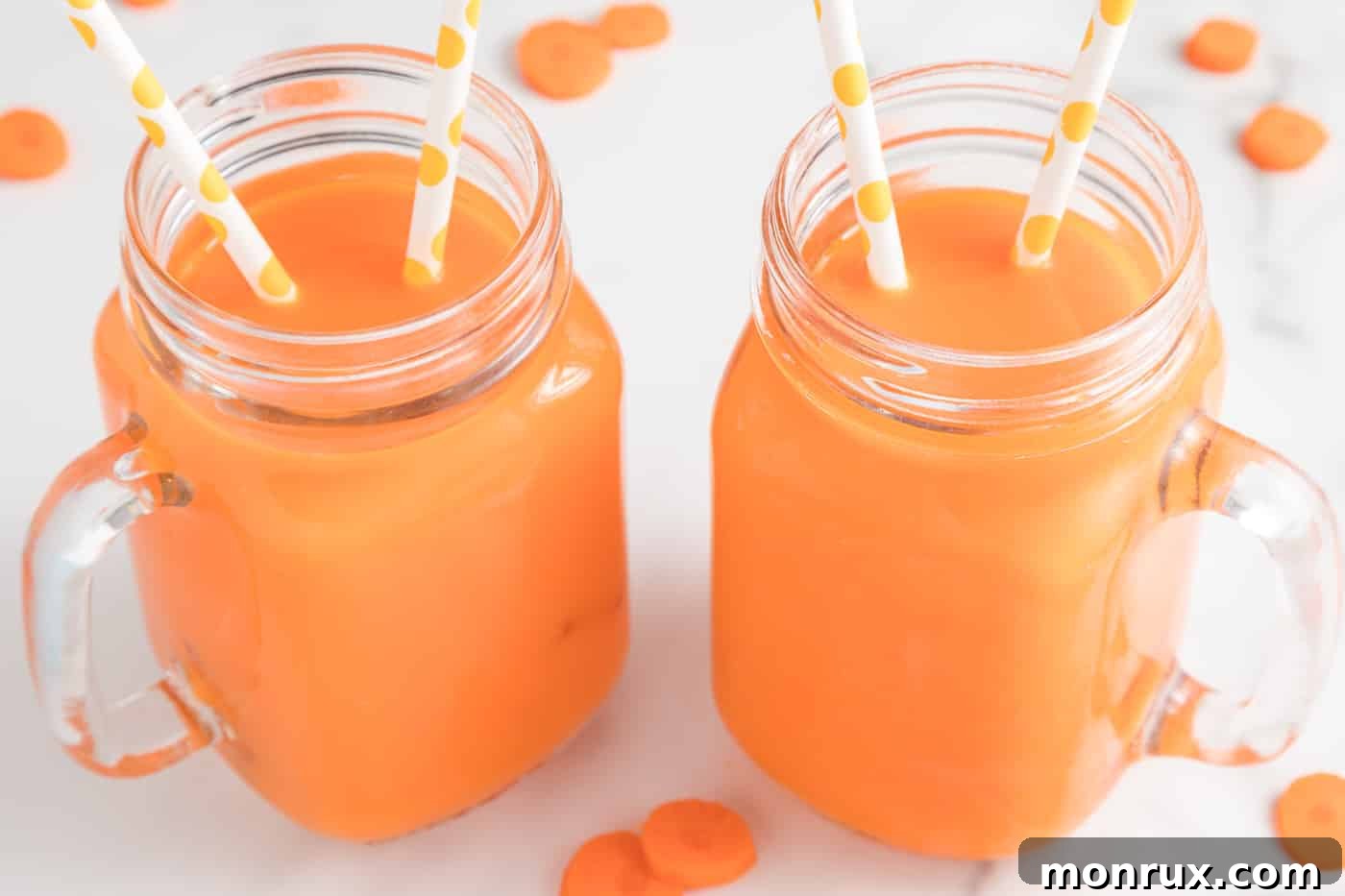
Welcome to the ultimate guide for crafting a truly exceptional Carrot Juice Recipe, featuring the vibrant zest of orange and the warming kick of ginger. This homemade elixir isn’t just a drink; it’s a powerhouse of nutrition and flavor, designed to invigorate your senses and nourish your body. Whether you’re a seasoned juicer or a curious beginner, you’ll discover how to create this delicious fresh juice in about 15 minutes, using either a dedicated juicer or a high-speed blender. Prepare to transform simple root vegetables into a golden liquid delight that will quickly become a favorite in your healthy routine.
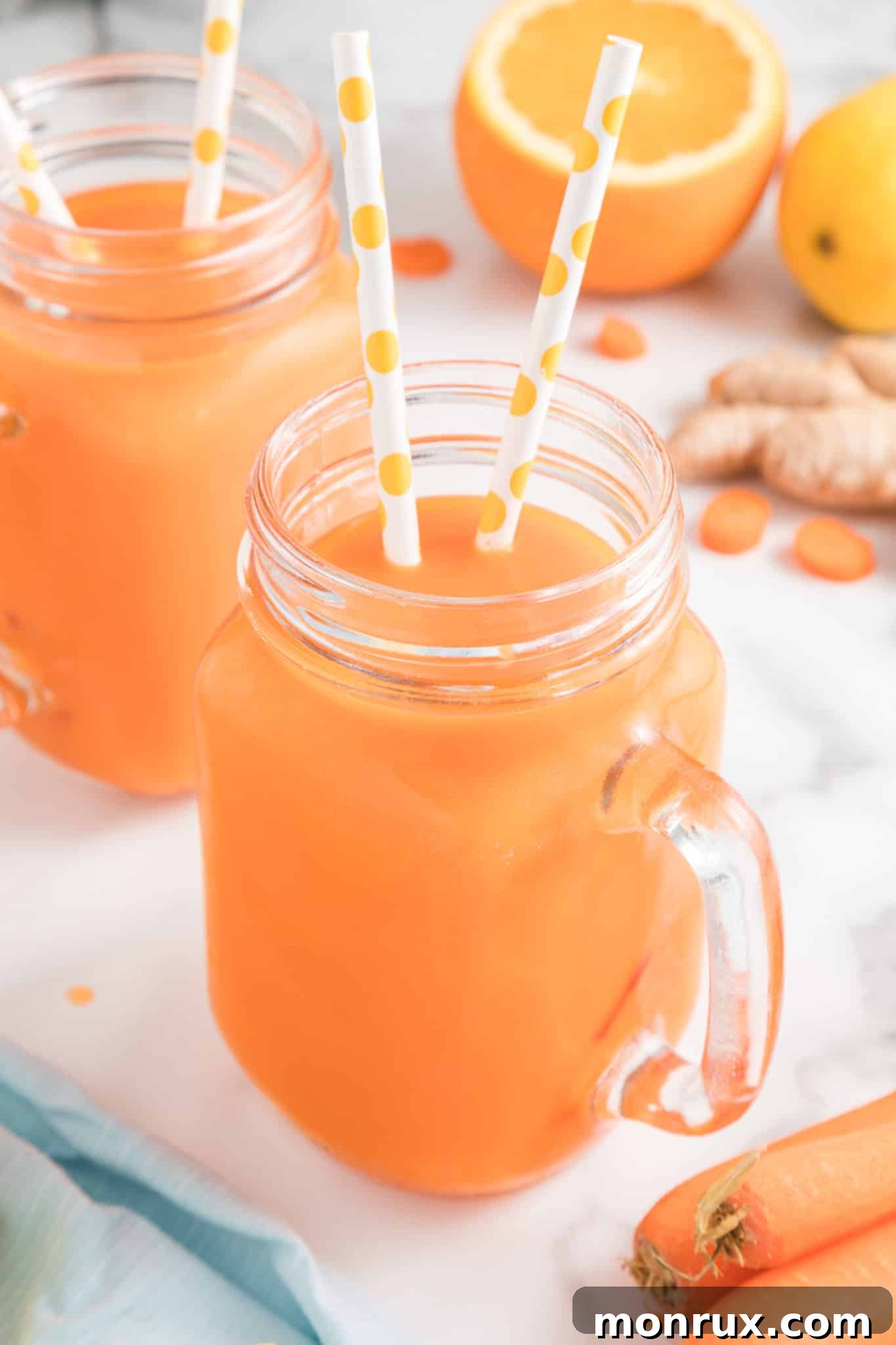
If the world of homemade juices is new to you, prepare for a delightful revelation. Carrots, with their inherent sweetness, are an ideal foundation for a nutritious and incredibly palatable juice. This particular fresh carrot juice blend has captured the hearts (and taste buds!) of many, even racking up over 100,000 views on YouTube! We’re here to share all the insider tips and tricks to help you achieve a perfectly smooth, crisp, and utterly refreshing texture every single time.
Unlocking the Health Benefits: A Nutritionist’s Perspective
Beyond its delicious taste, this carrot, orange, and ginger juice offers an impressive array of health benefits, making it more than just a tasty beverage. As a nutritionist, I often recommend incorporating fresh juices like this into your diet for their concentrated nutrient delivery.
- Beta-Carotene Powerhouse: Carrots are famously rich in beta-carotene, a powerful antioxidant that the body converts into Vitamin A. This essential vitamin is crucial for maintaining healthy vision, bolstering the immune system, and promoting radiant skin. Regular intake can contribute to improved eye health and provide a natural glow.
- Immunity Boosting Vitamin C: The addition of fresh oranges and lemon (which we’ll include for extra zing!) dramatically boosts the Vitamin C content. Vitamin C is a cornerstone for a strong immune system, helping your body ward off illness and recover more quickly. It also plays a vital role in collagen production, contributing to healthy skin, hair, and nails.
- Easy & Universally Loved: Despite being packed with vegetables, this juice boasts a natural sweetness that appeals to nearly everyone, including children. Its vibrant color and refreshing flavor profile make it a delightful alternative to sugary processed drinks. It’s a fantastic way to sneak more nutrient-dense produce into your daily intake without feeling like a chore.
- Incredibly Versatile: Don’t limit this juice to just a standalone drink! It’s an exceptionally versatile ingredient. Enjoy it chilled on its own, use it as a nutrient-rich base for your morning smoothies, or even get creative by incorporating it into savory dishes. I’ve personally used carrot juice to add depth and sweetness to creamy soups, and it makes fantastic, healthy popsicles for a summer treat.
- Anti-Inflammatory Support: Ginger, a star ingredient, is celebrated for its potent anti-inflammatory and antioxidant effects. It can aid digestion, soothe upset stomachs, and potentially help reduce muscle pain and soreness, adding a medicinal punch to your daily juice.
The Power-Packed Ingredients You’ll Love
Creating an exceptional carrot juice begins with selecting the freshest, highest-quality ingredients. Each component in this recipe plays a crucial role, not just in flavor but also in delivering a burst of vital nutrients.
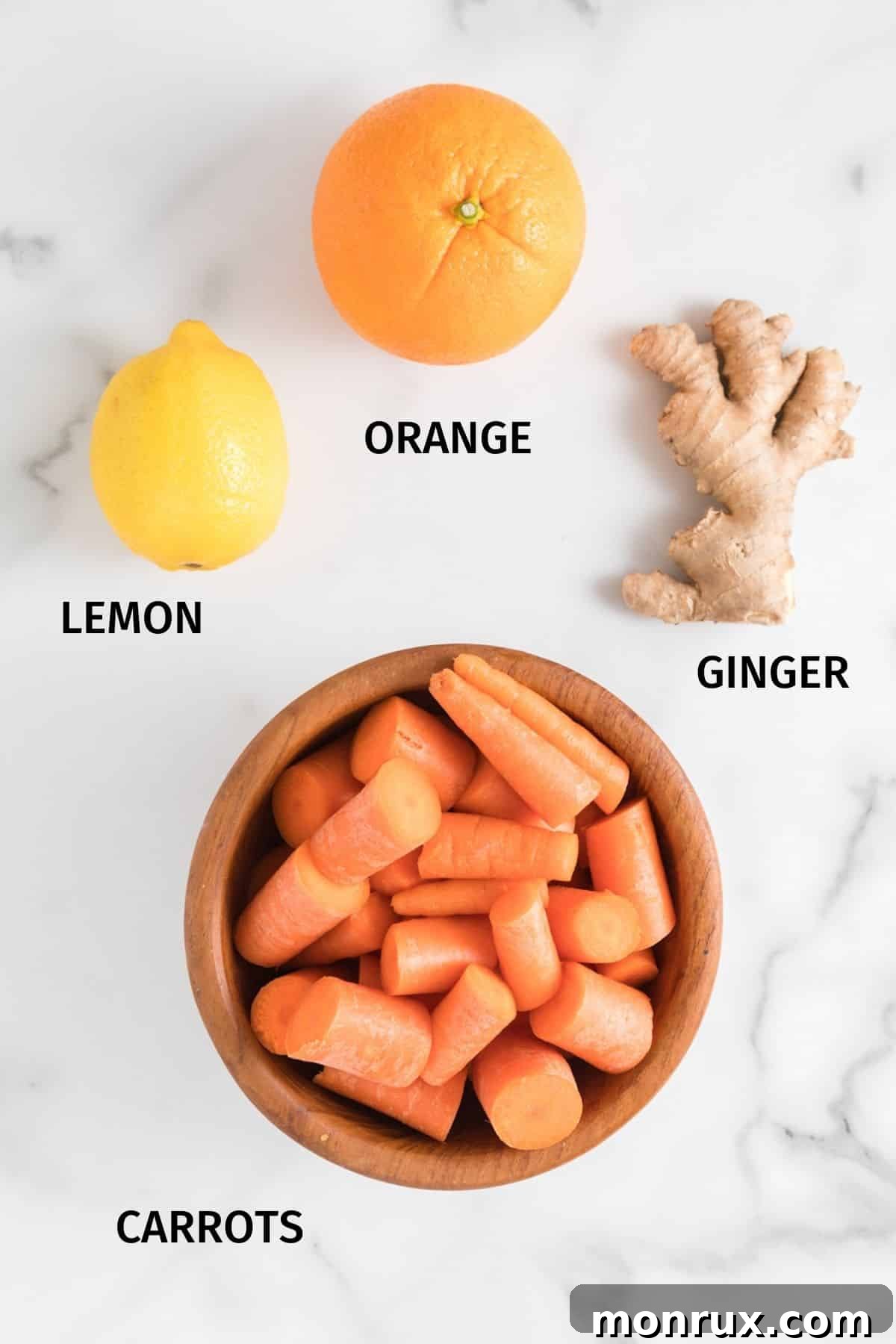
- Carrots: The Sweet Foundation
Carrots are the star of our show, offering a naturally sweet flavor profile that makes juicing a delight. They are also incredibly affordable and readily available year-round, making them a pantry staple for any juicing enthusiast. Beyond their sweetness, carrots are brimming with beta-carotene, antioxidants, fiber, and various vitamins and minerals like Vitamin K and potassium. When selecting carrots, look for firm, bright orange roots with minimal blemishes. You might also enjoy exploring other carrot combinations, like my refreshing Carrot and Cucumber Juice. - Oranges: A Citrusy Sweetener
Navel oranges contribute a familiar, sweet, and tangy flavor, complementing the earthiness of the carrots beautifully. They are an excellent source of Vitamin C, helping to boost immunity and add a refreshing citrus note to the juice. Choose firm oranges that feel heavy for their size, indicating they are juicy and ripe. - Ginger: The Zesty Kick
A small piece of fresh ginger root adds an invigorating, spicy kick that elevates the flavor profile from merely sweet to dynamically complex. Beyond taste, ginger is renowned for its powerful medicinal properties, including its ability to act as a natural anti-inflammatory, aid digestion, and alleviate nausea. For optimal flavor and health benefits, opt for firm ginger with smooth skin, avoiding any soft spots or mold. - Lemon: The Brightening Agent
Although not always prominently listed, a splash of fresh lemon juice or a quarter of a peeled lemon through your juicer works wonders. Lemon adds a bright, tart counterpoint to the sweetness of the carrots and oranges, balancing the flavors and enhancing the overall refreshment. Like oranges, lemons are also a fantastic source of Vitamin C.
For precise measurements and a full list of ingredients, please refer to the comprehensive recipe card located at the end of this post.
Step-by-Step Guide to Crafting Your Perfect Carrot Juice
Making fresh, homemade juice is surprisingly simple, and you have two excellent methods to choose from: using a dedicated juicer or a high-speed blender. Both methods yield delicious results, with slight differences in texture and fiber content.
Below, you’ll find detailed instructions for preparing your produce and then processing it using either method, ensuring a smooth and flavorful juice every time.
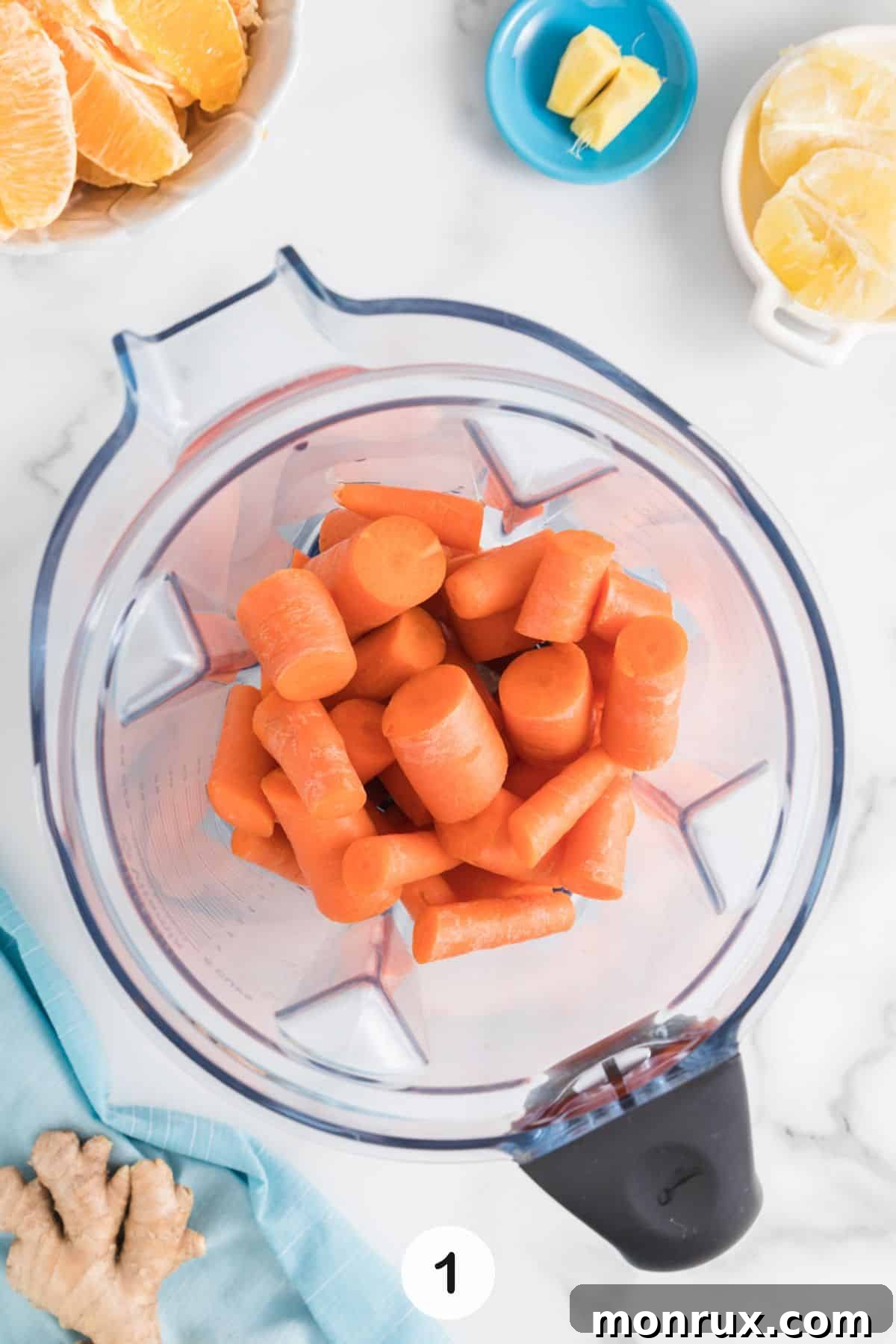
Step One: Prepare Your Produce
Begin by thoroughly washing all your fruits and vegetables under cold running water. This ensures cleanliness and removes any surface impurities. For carrots, trim the ends and cut them into pieces that are small enough to fit comfortably into the feeding chute of your juicer or the base of your blender. For oranges and lemon, remove the outer peel to avoid any bitterness, then slice them into manageable segments. Peel the ginger root as desired, usually by scraping it with a spoon or a small knife.
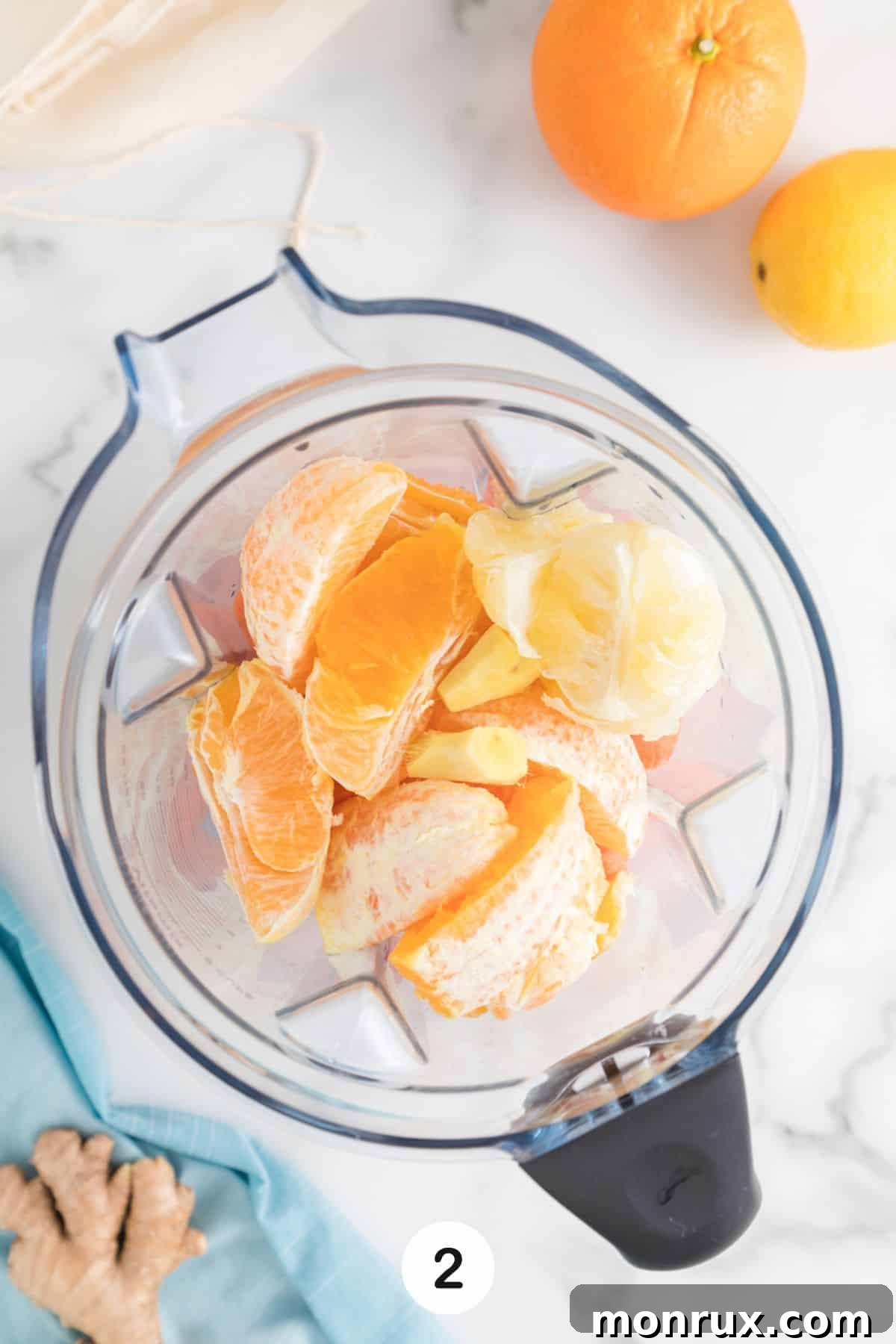
Step Two: Load Your Machine
If you are using a juicer, you will feed the prepped carrots, peeled oranges, lemon, and ginger directly into the juicer’s chute, alternating between hard and soft ingredients for optimal extraction. If you’re opting for the blender method, place all your chopped ingredients into the blender carafe. Add about 1/4 to 1/2 cup of water. This liquid is essential to help the blender create a smooth vortex and process the dense ingredients effectively.
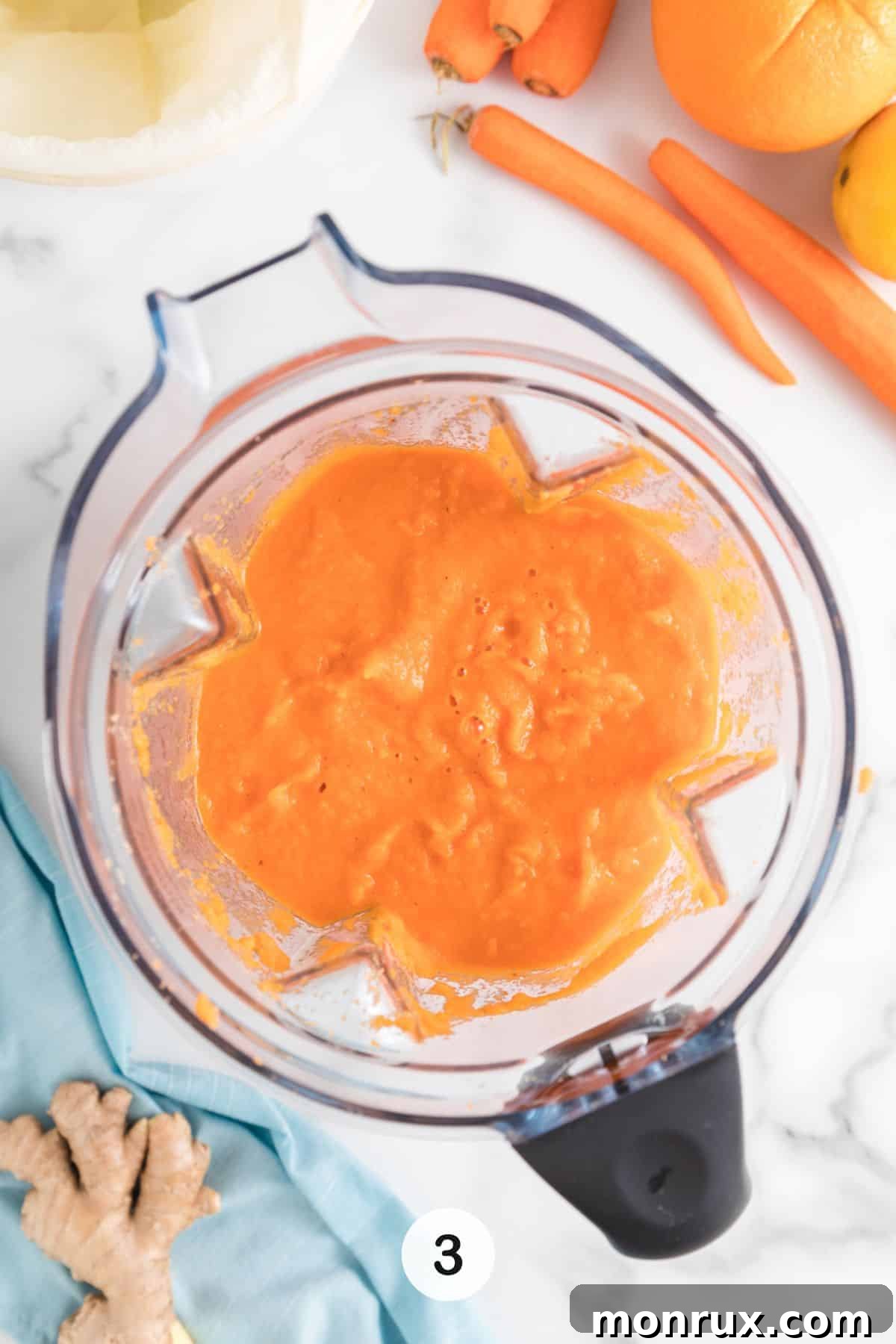
Step Three: Juicing or Blending
For the juicer method, simply turn on your machine and feed the prepared ingredients through. The juicer will separate the pulp from the liquid, delivering fresh juice directly into your collection pitcher. If you are using a high-speed blender, secure the lid and blend on high speed for approximately 30-45 seconds, or until the mixture is completely smooth and no large chunks remain. You should have a thick, vibrant pulp mixture at this stage.
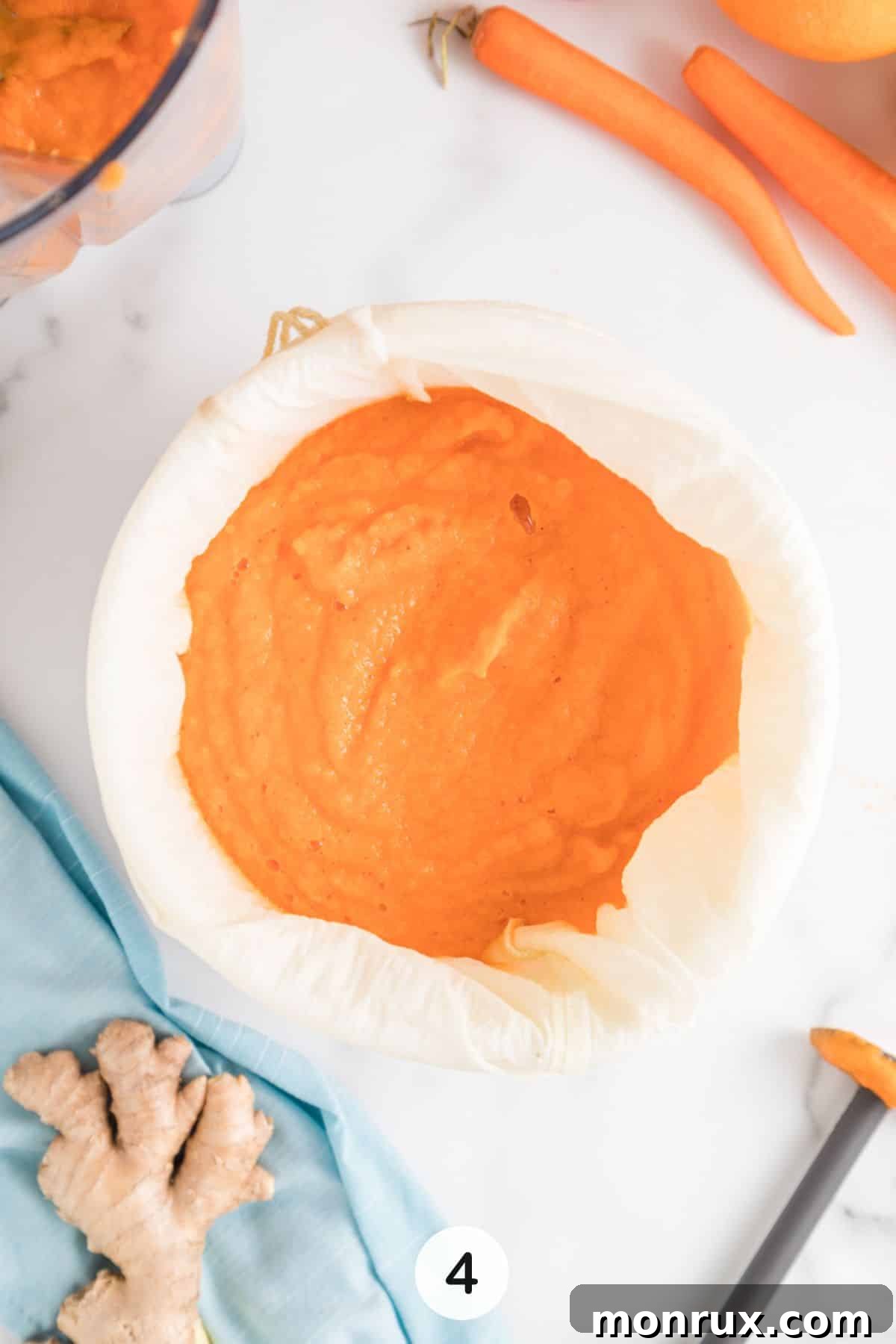
Step Four: Strain and Serve (Blender Method Only)
If you used a juicer, your juice is ready to serve immediately! For those who used a blender, the next crucial step is straining to achieve a smooth, pulp-free consistency. Place a fine mesh strainer, cheesecloth, or a nut milk bag over a large bowl or pitcher. Pour the blended mixture into the strainer and press down firmly to extract all the liquid. If using a nut milk bag, gather the top and squeeze the pulp to release every last drop of juice. Discard the remaining pulp, or save it for other creative uses.
Once your juice is ready, serve it immediately over ice for the most refreshing experience, or cover and refrigerate it for up to 4 days to enjoy later.
Blender Versus Juicer: Choosing Your Ideal Method
The choice between a juicer and a blender is one of the most common questions for aspiring home juicers. Both methods effectively extract juice from produce, but they offer distinct advantages and yield slightly different results.
- Using a Juicer: For Pure, Pulp-Free Perfection
A dedicated juicer, particularly a masticating (slow) juicer, is designed to efficiently extract liquid from fruits and vegetables, leaving behind a dry pulp. This method produces a super smooth, pulp-free juice with a very clean texture. Juicers excel at concentrating nutrients and flavors, as they remove most of the insoluble fiber. If you’re looking for a classic, clear juice texture and plan to make juice regularly, investing in a juicer might be worthwhile. No additional water is needed when using a juicer, as it directly separates the liquid. - Using a Blender: The Fiber-Friendly & Accessible Option
A high-speed blender offers a more accessible entry point into home juicing, as many households already own one. The blender method involves blending whole ingredients with a small amount of water, creating a thick smoothie-like consistency, which then needs to be strained. This process retains more of the fiber from the produce, which can be beneficial for digestion and satiety. While it requires an extra step of straining, it’s a perfectly viable way to make delicious fresh juice without buying a specialized appliance. Remember, water is crucial here to help the blender process the ingredients smoothly.
Ultimately, the “best” method depends on your preferences and existing equipment. If you already have a powerful blender, it’s a great starting point. If you envision juicing as a regular part of your wellness routine, a juicer might offer greater convenience and efficiency in the long run.
Serving Suggestions & Smart Storage Tips
This Carrot Orange Ginger Juice is incredibly versatile, making it easy to incorporate into various aspects of your diet. Whether you prefer it as a standalone refreshment or a base for other culinary creations, it’s bound to please.
- Refreshing Straight Up: The most straightforward way to enjoy this juice is chilled, perhaps over a few ice cubes, just as you would any other fresh juice. Its vibrant flavor is a perfect morning pick-me-up or an afternoon energizer.
- Smoothie Booster: Elevate your breakfast or post-workout routine by using this juice as the liquid base for a fruit and vegetable smoothie. It pairs wonderfully with bananas, spinach, pineapple, or mango, adding a layer of nutritional depth and flavor. Explore more blended fruit and vegetable smoothies for inspiration!
- Creative Culinary Uses: Don’t hesitate to experiment! This juice can be reduced slightly and used as a base for salad dressings, or even incorporated into marinades for chicken or fish for a sweet and tangy touch. For a healthy dessert, freeze the juice into homemade popsicles – a delicious way to cool down on a hot day.
Maximizing Freshness: Storage Solutions
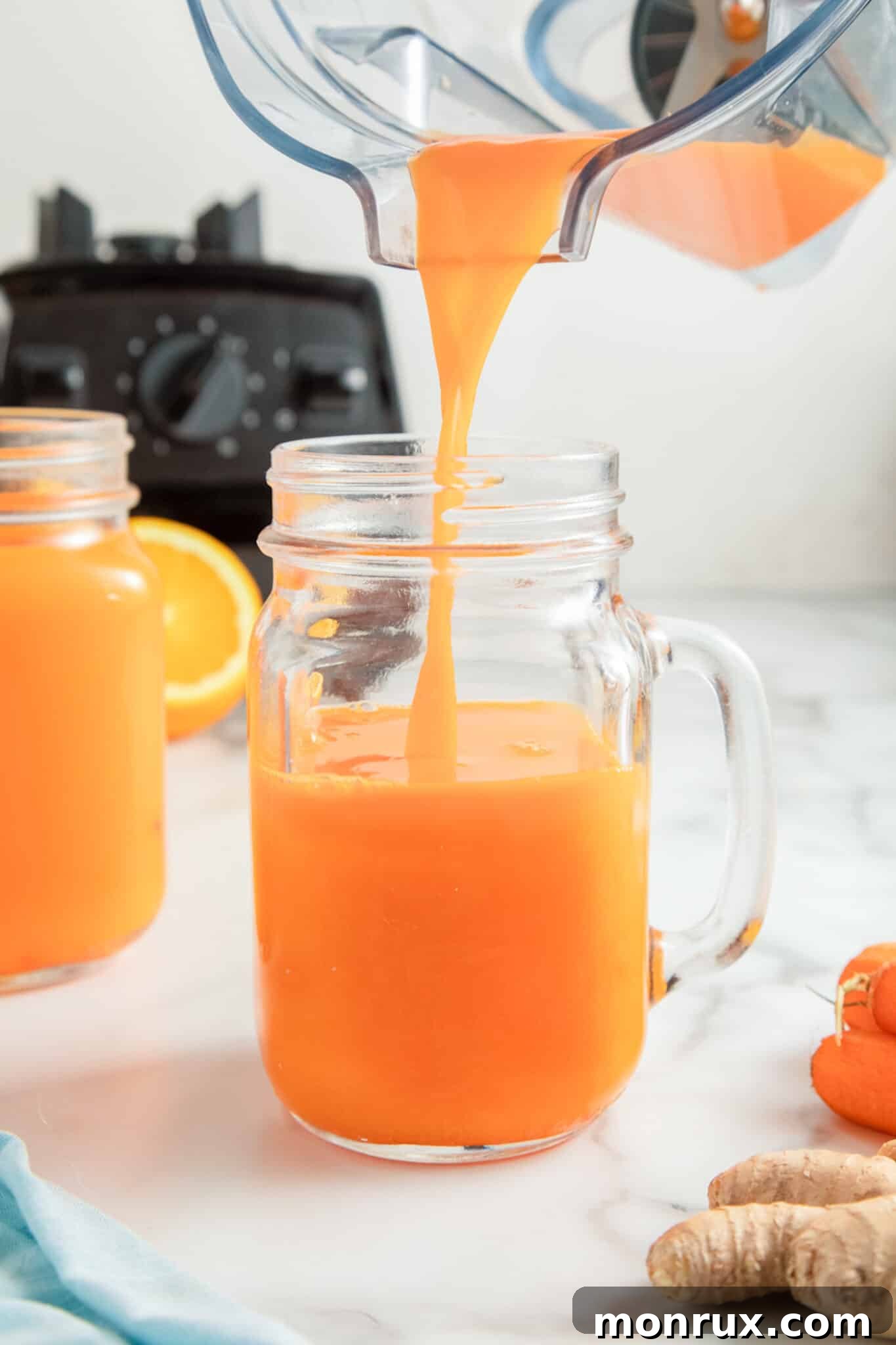
- Refrigeration: For optimal nutrient retention and freshness, it’s best to consume homemade juices within 24-48 hours. Store any leftover juice in an airtight container or a glass bottle with a tight-fitting lid in the refrigerator. This minimizes oxidation and helps preserve its nutritional value and flavor for up to 4 days.
- Freezing for Later: If you’ve made a larger batch or want to enjoy fresh juice over a longer period, freezing is an excellent option. Pour the juice into ice cube trays and freeze until solid. Once frozen, transfer the juice cubes to a freezer-safe bag or container. You can then blend the frozen cubes into future smoothies or let them defrost in the refrigerator to enjoy as juice later on. This method extends the shelf life of your juice for up to 2-3 months.
Frequently Asked Questions About Carrot Juicing
Yes, it absolutely can, though it’s generally a temporary and harmless condition known as carotenemia. Carrots are incredibly rich in carotenoids, the pigments responsible for their vibrant orange color. Consuming excessive amounts of carrot juice daily can lead to these pigments accumulating in your skin, giving it a yellowish-orange tint. This is not typically harmful, but if you notice a significant change in skin tone, it’s always wise to consult your healthcare provider for reassurance and to ensure it’s not masking any underlying conditions. Moderation is key to enjoying the benefits without the vibrant side effect!
Don’t let that nutritious pulp go to waste! While many simply discard it, carrot juice pulp is a fantastic resource. You can incorporate it into baked goods like muffins, bread, or even healthy Carrot Crackers. It can also be added to soups or stews for extra fiber and nutrients, used as a compost enhancer for your garden, or even given to chickens if you have them. Get creative and reduce food waste!
This particular carrot juice recipe contains no added sugars, relying solely on the natural sweetness from carrots and oranges. While fruits and vegetables do contain natural sugars (fructose, glucose), these come packaged with fiber, vitamins, minerals, and antioxidants, which are crucial for overall health. For most individuals, consuming natural sugars from whole foods and fresh juices is part of a balanced diet and generally acceptable, even for those following a No Sugar Diet focusing on avoiding refined sugars. However, if you have specific health concerns, such as blood sugar issues or diabetes, it is always recommended to consult with your healthcare provider to determine if fresh juices and their natural sugar content are suitable for your individual dietary needs.
Yes, you can absolutely enjoy carrot juice every day, but as with all good things, moderation is advised. A serving of about 4-6 ounces (roughly half a cup) is generally sufficient to reap the nutritional benefits without overdoing the natural sugars or beta-carotene content. Consuming excessively large quantities daily over extended periods might lead to carotenemia (skin tinting), but this condition is usually benign. Always listen to your body, and if you have any health concerns or observe significant changes, consult your healthcare provider.
Peeling carrots before juicing is largely optional and depends on your preference and the source of your carrots. If you are using organic carrots that have been thoroughly scrubbed, leaving the skin on is perfectly fine, as much of the nutrients are concentrated just beneath the skin. However, carrot skins can sometimes impart a slightly bitter taste or a more fibrous texture, and conventionally grown carrots may carry pesticide residues. For a smoother, sweeter juice or if you’re concerned about residues, peeling your carrots is a recommended step.
We hope you enjoy this vibrant and healthful carrot juice recipe! If you give it a try, please take a moment to leave a comment and a starred review below – your feedback is invaluable!
Stay connected with us for more clean eating recipes and wellness tips! You can find us on Facebook, Pinterest, Instagram, and YouTube.
Print Recipe
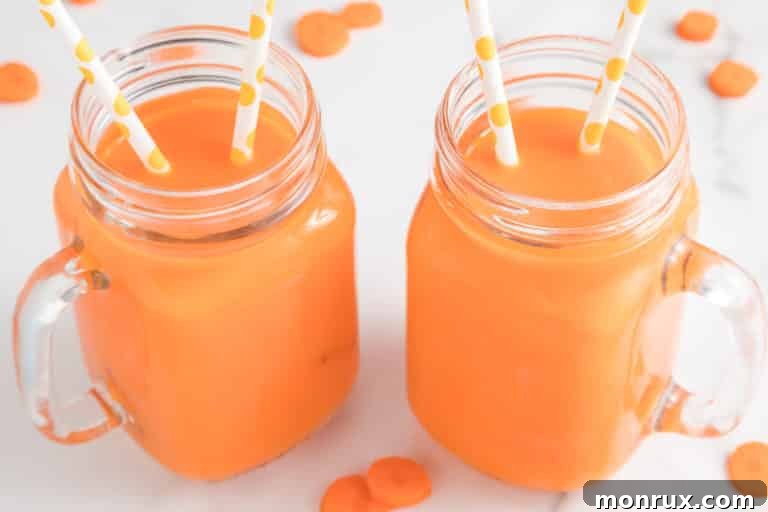
Carrot Juice With Orange & Ginger: A Zesty & Healthy Blend
5 from 2 reviews
Discover how to make this vibrant and healthy homemade carrot juice, enriched with the sweet notes of orange and the spicy warmth of ginger. A simple, delicious, and nutrient-packed drink ready in just 15 minutes!
Total Time: 15 minutes
Yield: 2 servings
Ingredients
- 1 bunch carrots, scrubbed and rinsed (approximately 1 pound: 4 large carrots or 6–7 medium carrots)
- 2 naval oranges, skins removed and cut into slices
- 1 lemon, skin removed and cut into quarters
- 1 (1-inch) piece of fresh ginger, skin removed (adjust to taste)
Instructions
- For Juicer Method: Feed the prepared carrots, orange slices, lemon pieces, and ginger through your masticating juicer. Alternate between hard and soft ingredients to ensure optimal efficiency and juice extraction.
- Divide the fresh juice between two glasses and serve immediately for the best flavor and nutritional benefits.
Notes
- BLENDER INSTRUCTIONS: If using a high-speed blender, combine all the prepared ingredients into the blender carafe. Add 1/4 – 1/2 cup of filtered water to assist with blending. Process on high speed for about 30-45 seconds, or until the mixture is completely smooth. Pour the blended mixture through a fine-mesh nut milk bag or cheesecloth over a large bowl, pressing firmly to extract all the liquid. Discard the remaining pulp, or save it for other culinary uses.
- Storage: For optimal nutrition and taste, fresh homemade juices are best consumed within 24 hours. Store any leftovers in a tightly sealed glass container in the refrigerator for up to 4 days. Freezing in ice cube trays is also an excellent option for longer storage.
- Customization: This recipe is incredibly adaptable. Feel free to adjust the amount of ginger to your preference – use less for a milder flavor or more for an extra kick. You can also experiment by adding other complementary ingredients such as celery, cucumber, pineapple, or a small piece of apple for added sweetness.
- Pure Carrot Juice: If you prefer, you can omit the oranges, ginger, and lemon entirely to create a pure, 100% carrot juice with nothing but fresh carrots.
- Author: Carrie Forrest, MPH in Nutrition
- Prep Time: 10 minutes
- Cook Time: 5 minutes
- Category: Juice, Beverage
- Method: Juicer or Blender
- Cuisine: Healthy, Homemade
- Diet: Vegan, Gluten-Free, Dairy-Free
Nutrition
- Serving Size: 1/2 of recipe
- Calories: 91
- Sugar: 12.4 g
- Sodium: 79 mg
- Fat: 0.4 g
- Saturated Fat: 0.1 g
- Carbohydrates: 21.6 g
- Fiber: 1.2 g
- Protein: 1.8 g
- Cholesterol: 0 mg
Ready to dive deeper into the world of juicing? Explore my hand-picked selection of favorite juicers, accessories, and juicing essentials on my Vegetable Juicing Essentials list on Amazon!
More Refreshing Juice Recipes You Might Enjoy
Once you’ve mastered this carrot juice, expand your juicing repertoire with these other fantastic recipes:
- Celery Juice Recipe: A hydrating powerhouse rich in potassium, often hailed as a natural electrolyte drink.
- Celery Cucumber Juice: A milder alternative to straight celery juice, perfect for a gentle cleanse.
- Apple Cider Vinegar and Lemon Drink: Great for supporting healthy blood sugar levels and boosting digestion.
- Immune-Boosting Carrot Celery Juice: A unique and delicious blend of nourishing vegetables for enhanced wellness.
- “Can’t Beet” Juice: A surprisingly delicious beet juice recipe that even beet skeptics will love!
- Green Vegetable Juice: A foundational green juice recipe, perfect for detox and daily nutrition.
- Lemon & Ginger Green Juice: Another essential green juice, packed with invigorating zing for a refreshing start to your day.
Don’t Miss These Essential Juicing Resources!
Don’t forget to join my newsletter list to receive exclusive clean eating recipes and valuable health tips directly in your inbox. It’s 100% free with no spam, and you can unsubscribe at any time.
About the Author: Carrie Forrest holds a master’s degree in public health with a specialization in nutrition and is a certified holistic nutritionist. She is a prominent wellness and food blogger whose site attracts over 5 million annual visitors. Carrie shares an inspiring story of recovery from chronic illness and is deeply committed to empowering other women to transform their health. Feel free to reach out to her through her contact form.
Note: This post is provided for informational purposes only and should not be considered medical advice. Always consult your healthcare provider for personalized recommendations regarding your individual health situation and dietary needs.