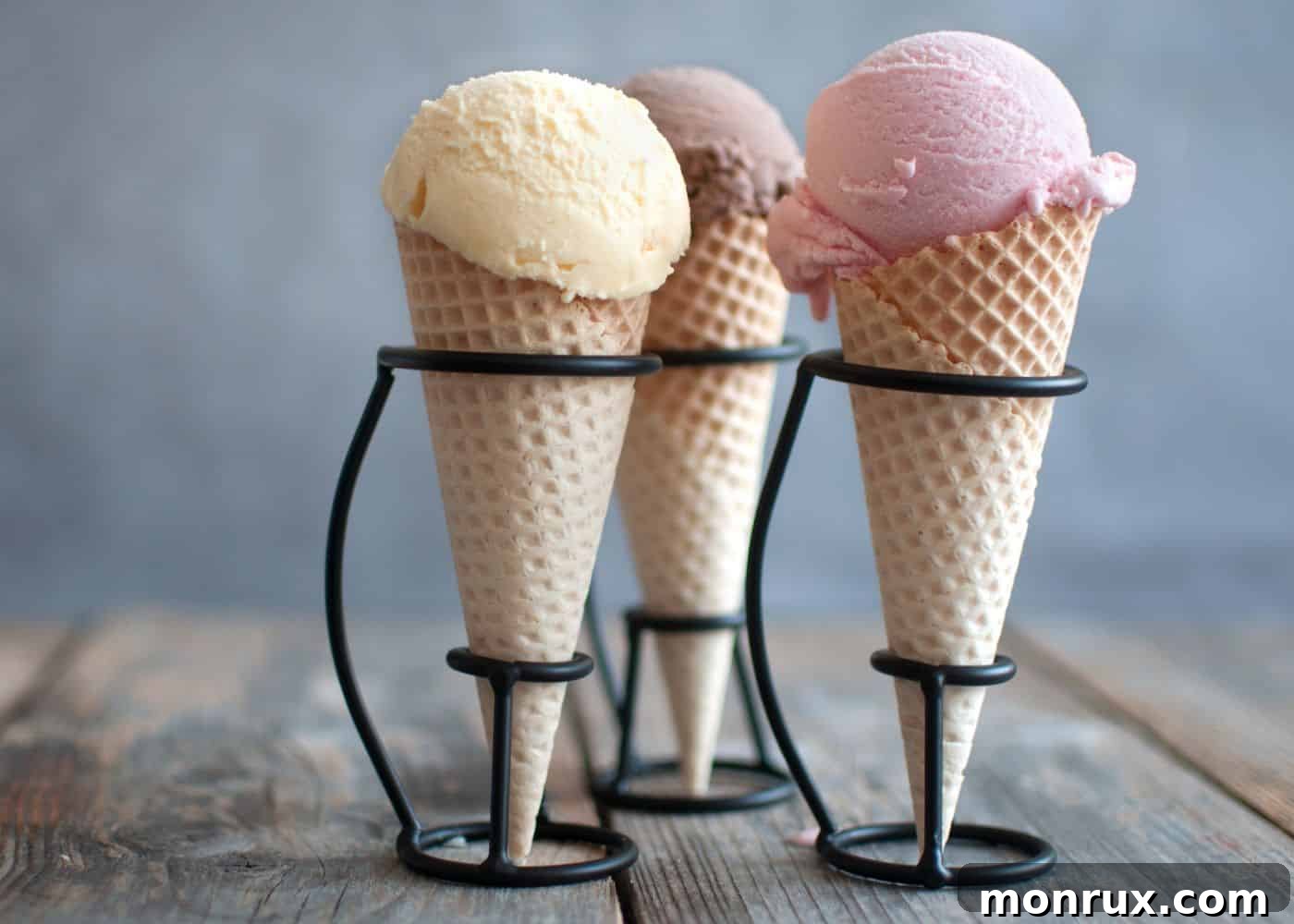
Welcome to your ultimate guide for creating incredibly delicious homemade dairy-free ice cream! If you’re searching for luscious, creamy, and flavorful frozen treats that are entirely plant-based, you’ve come to the right place. This comprehensive round-up features an array of the best vegan ice cream recipes, including delightful popsicles, refreshing sorbets, silky soft serve, and much more. Each recipe is designed to be effortlessly made at home, guaranteeing a rich, creamy texture and an explosion of taste.
Whether you crave the tropical zest of mango, the sweet tang of strawberry, the nutty richness of peanut butter, or the decadent allure of chocolate, there’s a dairy-free delight waiting for you. Get ready to indulge in frozen desserts that are not only vegan but also so utterly satisfying, you’ll never miss traditional dairy ice cream!
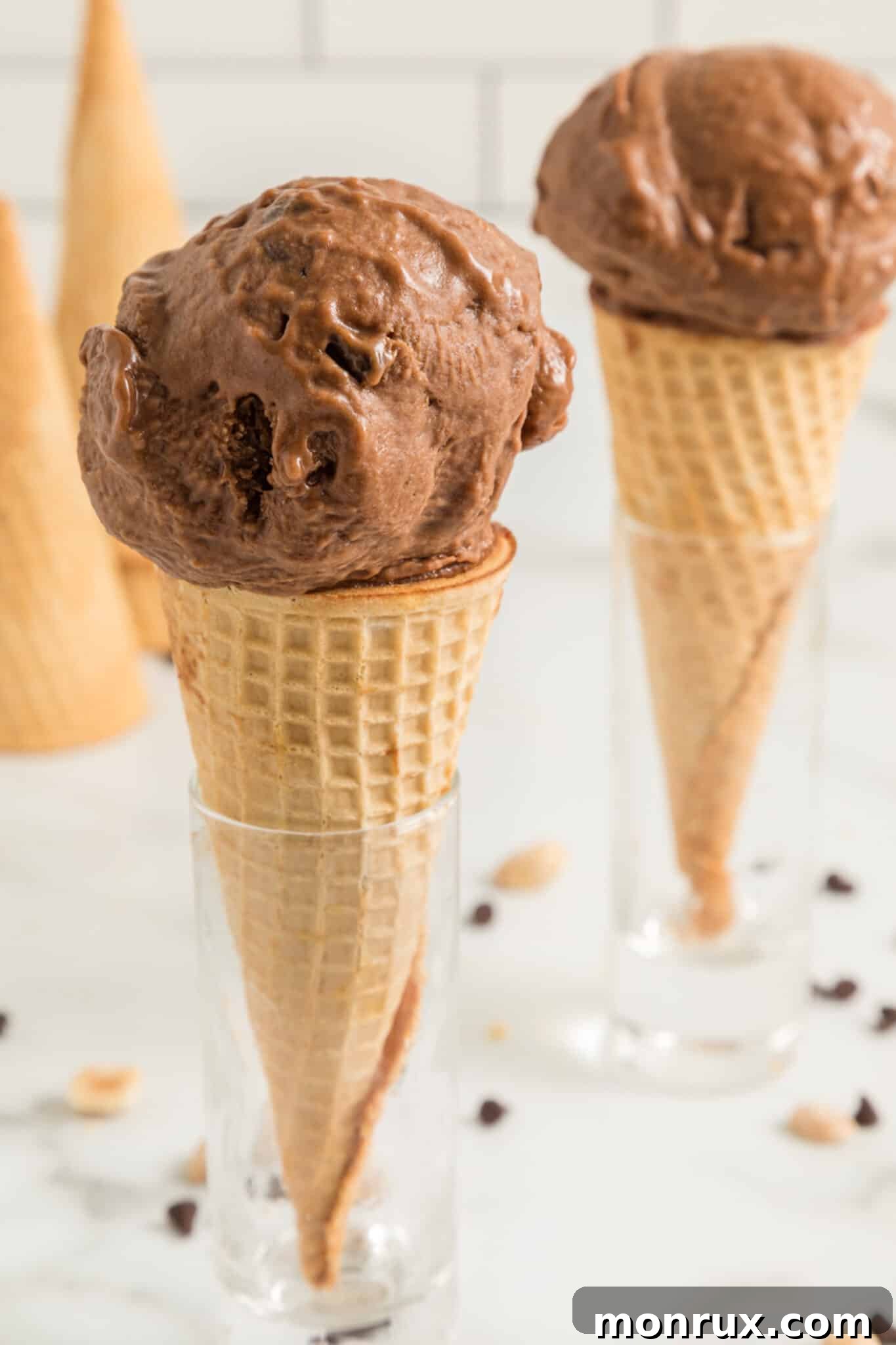
As the weather warms up, there’s nothing quite as satisfying as a cool, refreshing scoop of ice cream. For over a decade, I’ve been passionately crafting vegan ice cream, discovering just how simple and rewarding it can be. The beauty of homemade dairy-free ice cream lies not only in its fantastic taste but also in its clean ingredient list. You can confidently skip common additives like guar gum and xanthan gum, often found in store-bought varieties, and enjoy a pure, wholesome treat.
Embracing a dairy-free lifestyle doesn’t mean sacrificing your favorite frozen desserts. In fact, it opens up a world of innovative and healthier possibilities. From using rich coconut cream to ripe, frozen bananas, the bases for vegan ice cream are incredibly versatile, offering unique textures and flavors that stand proudly alongside their dairy counterparts. Let’s dive into how you can create these delightful treats in your own kitchen!
How to Make Dairy-Free Ice Cream
Making homemade dairy-free ice cream is surprisingly straightforward, and you don’t always need fancy equipment. There are two primary methods you can use to achieve creamy, delicious results:
The No-Churn Freezer Method
This method is perfect if you don’t own an ice cream maker. It typically involves using a food processor or a powerful blender. The key is to blend your ingredients until smooth, then freeze the mixture. To prevent excessive ice crystal formation and achieve a creamier consistency, you’ll need to stir or re-blend the mixture periodically as it freezes. This “no-churn” approach mimics the churning action of an ice cream machine, breaking up ice crystals and incorporating air for a smoother texture. For optimal results, use a shallow, freezer-safe container, and stir every 30-60 minutes for the first 2-3 hours of freezing.
Using an Ice Cream Maker
While the no-churn method is fantastic, an ice cream maker offers unparalleled convenience and consistency. These machines churn the mixture continuously while it freezes, resulting in an exceptionally smooth and creamy texture with minimal ice crystals. My personal favorite is the Cuisinart frozen yogurt-ice cream model, an affordable and reliable workhorse I’ve used countless times over the years. Using a machine typically involves pre-chilling your ingredients, pouring them into the frozen bowl (or compressor unit), and letting the machine do the work for 20-30 minutes until it reaches a soft-serve consistency. Then, you can transfer it to the freezer for a firmer scoop.
Regardless of your chosen method, feel free to unleash your creativity! Experiment with various flavor combinations and toppings. And for those who love a classic presentation, don’t forget to grab some yummy gluten-free waffle cones to complete your homemade ice cream experience.
Benefits of Homemade Dairy-Free Ice Cream
Beyond being incredibly delicious, making your own dairy-free ice cream offers a multitude of advantages that cater to health, dietary needs, and personal preferences:
- Healthier Ingredients: When you make ice cream at home, you have complete control over what goes in. You can opt for natural sweeteners like maple syrup or dates, avoid artificial flavors and colors, and skip unwanted thickeners or preservatives often found in commercial brands. This makes it a cleaner, more wholesome treat.
- Dietary Inclusivity: Homemade dairy-free ice cream is a perfect solution for individuals with lactose intolerance, dairy allergies, or those following a vegan or plant-based diet. It ensures everyone can enjoy a classic frozen dessert without any dietary compromise or discomfort.
- Customization and Creativity: The possibilities are endless! You can tailor flavors to your exact liking, experiment with unique combinations, and add your favorite mix-ins like fresh fruit, chocolate chips, nuts, or cookie crumbles. This level of customization is rarely available with store-bought options.
- Freshness and Quality: Enjoying ice cream immediately after it’s made (or after a short chill) means experiencing peak freshness. The flavors are vibrant, and the texture is often superior to products that have been sitting in freezer aisles for weeks.
- Cost-Effective: While specialty dairy-free ice creams can be pricey at the store, making your own at home with staple ingredients can be a much more economical option in the long run, especially if you enjoy frozen treats frequently.
Essential Ingredients for Dairy-Free Ice Cream
The secret to incredible dairy-free ice cream lies in selecting the right base ingredients. Here’s a closer look at common components and their roles:
- Creamy Bases:
- Full-Fat Canned Coconut Milk/Cream: This is a superstar in dairy-free ice cream. Its high-fat content provides a rich, creamy texture that closely mimics traditional dairy ice cream. Always choose full-fat for the best results.
- Cashews: When soaked and blended, cashews create a remarkably smooth and neutral-tasting cream base. They are excellent for those who dislike the coconut flavor, offering a thick, luxurious mouthfeel.
- Frozen Bananas: The foundation of “nice cream,” frozen bananas blend into an instant soft serve. They provide natural sweetness and a creamy texture, making them ideal for quick, healthy treats.
- Avocado: Surprisingly, ripe avocados can lend an incredibly creamy and smooth texture to ice cream, especially chocolate varieties, where their subtle flavor is masked. They also add healthy fats.
- Oat Milk/Almond Milk: While lighter, these plant milks can be used, often combined with a thicker base or a thickener, to create a less dense, refreshing frozen dessert, sometimes closer to “ice milk” than traditional ice cream.
- Sweeteners:
- Maple Syrup/Agave Nectar: Natural liquid sweeteners that blend seamlessly into ice cream bases.
- Dates: Medjool dates can be soaked and blended to add natural sweetness and fiber, often used in whole-food plant-based recipes.
- Coconut Sugar: A granulated natural sweetener that adds a caramel-like note.
- Stevia/Erythritol: For sugar-free options, these can be used, though they might affect texture slightly.
- Flavorings and Enhancers:
- Vanilla Extract: A staple for almost any ice cream flavor, it enhances sweetness and depth.
- Cocoa Powder/Dark Chocolate: Essential for chocolate lovers, providing rich, intense flavor.
- Nut Butters: Peanut butter, almond butter, or cashew butter add incredible creaminess and flavor.
- Fresh or Frozen Fruit: Berries, mango, peaches, and bananas are popular additions that contribute natural sweetness, flavor, and vibrant color.
- Spices: Cinnamon, nutmeg, and pumpkin pie spice can transform simple bases into seasonal delights.
Tips for Perfect Dairy-Free Ice Cream Texture
Achieving that perfectly creamy, scoopable dairy-free ice cream texture requires a few tricks. Here are some key tips to keep your homemade treats from turning too icy:
- Embrace Full-Fat Ingredients: As discussed, full-fat coconut milk or cream, blended cashews, and avocados are your best friends. The higher fat content contributes significantly to creaminess and reduces ice crystal formation.
- Chill Your Base Thoroughly: Before churning (or freezing for no-churn), ensure your ice cream base is as cold as possible. A well-chilled mixture will freeze faster and more evenly, resulting in a smoother consistency.
- Don’t Skimp on Sweetener (But Choose Wisely): Sugar isn’t just for sweetness; it also acts as an anti-freeze, lowering the freezing point of the mixture. Natural liquid sweeteners like maple syrup or agave nectar can be particularly effective.
- Add a Touch of Alcohol: A tiny splash (1-2 tablespoons per batch) of a neutral spirit like vodka or a flavored liqueur (e.g., Kahlua, rum) can remarkably improve texture. Alcohol doesn’t freeze, helping to keep your ice cream softer and more scoopable, especially when stored long-term.
- Churn Speed and Duration: If using an ice cream maker, ensure it’s churning efficiently. Churn until the mixture reaches a soft-serve consistency, usually 20-30 minutes. Over-churning can sometimes lead to a grainier texture, while under-churning means more ice crystals later.
- Proper Storage: Store your homemade ice cream in an airtight container, preferably one designed for ice cream (long and shallow). Press a piece of parchment paper or plastic wrap directly onto the surface of the ice cream before sealing the lid to prevent freezer burn and ice crystal formation on top.
- Consider Stabilizers (Optional): For an ultra-smooth, professional texture, a small amount of a natural stabilizer like a pinch of guar gum (if you tolerate it and want store-bought feel), arrowroot powder, or even a tablespoon of cornstarch (whisked into warm liquid) can be used. However, many recipes achieve great results without them.
Now, onto the recipes! I hope you love these delicious ice cream recipes as much as I do.
Our Top Dairy-Free Ice Cream Recipes
You’re going to love this curated selection of the best homemade dairy-free and vegan ice cream recipes. This collection spans creamy soft serves, vibrant sorbets, and more, all crafted to be utterly delicious and completely plant-based. Dive into an array of flavors from rich chocolate to refreshing fruit, ensuring there’s a perfect frozen treat for every palate!
-
Chocolate Peanut Butter Banana Ice Cream
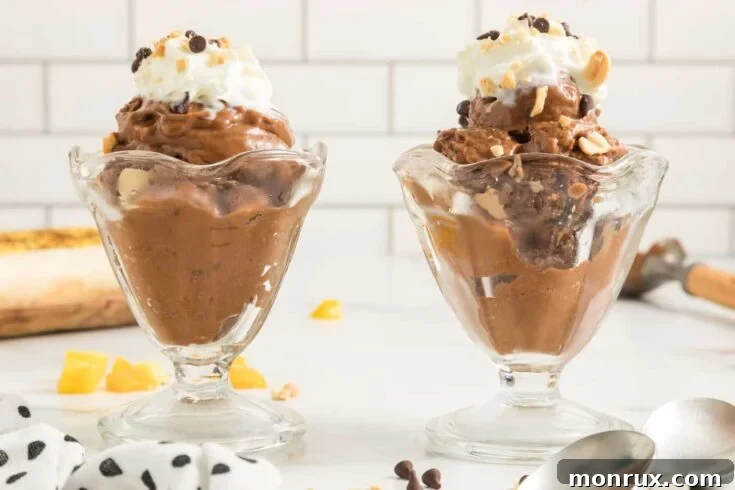
This Vegan Chocolate & Peanut Butter Soft Serve Ice Cream recipe offers an easy and healthy way to savor a frozen dessert with no added sugars. Prepare this dairy-free treat in 10 minutes or less! It’s a personal favorite that utilizes cocoa powder for an incredibly rich flavor.
Chocolate Peanut Butter Banana Ice Cream Recipe
-
Vegan Mango Ice Cream Recipe
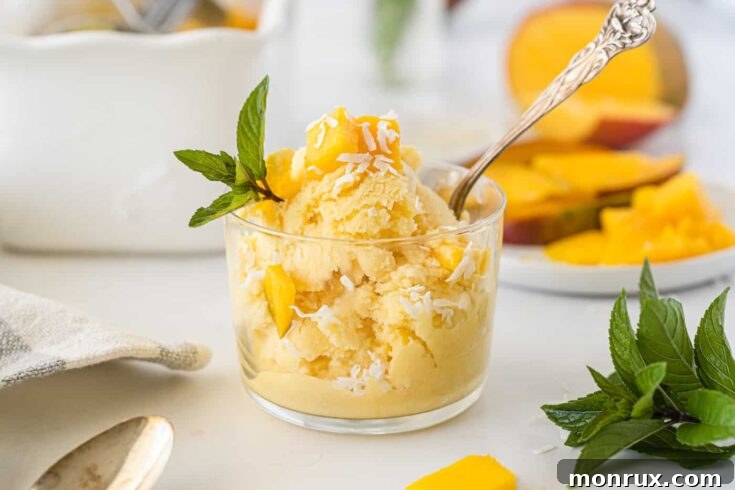
This recipe consistently ranks among the most popular on Clean Eating Kitchen. This dairy-free mango ice cream is an absolute winner—not only visually appealing but also exceptionally delicious and one of my top recommendations.
Vegan Mango Ice Cream Recipe
-
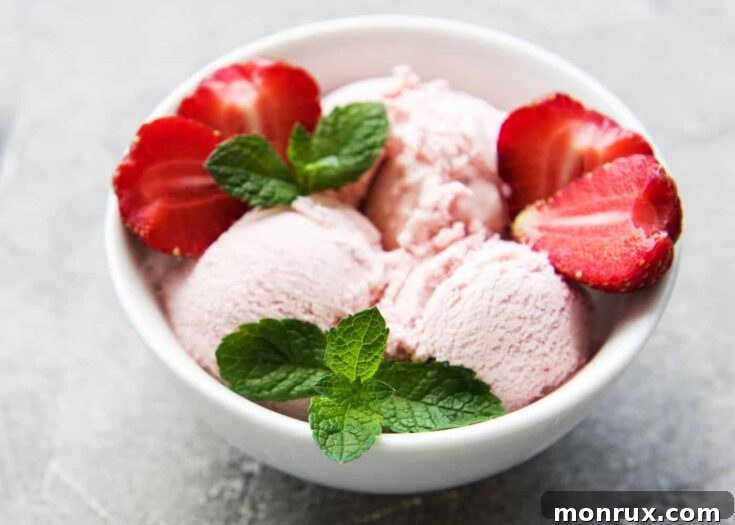
Vegan Strawberry Ice Cream
You’ll adore this delightful Strawberry Ice Cream recipe, which uses coconut milk as its creamy base. Bursting with fresh strawberry flavor, it’s a universally loved treat perfect for any occasion.
Vegan Strawberry Ice Cream
-
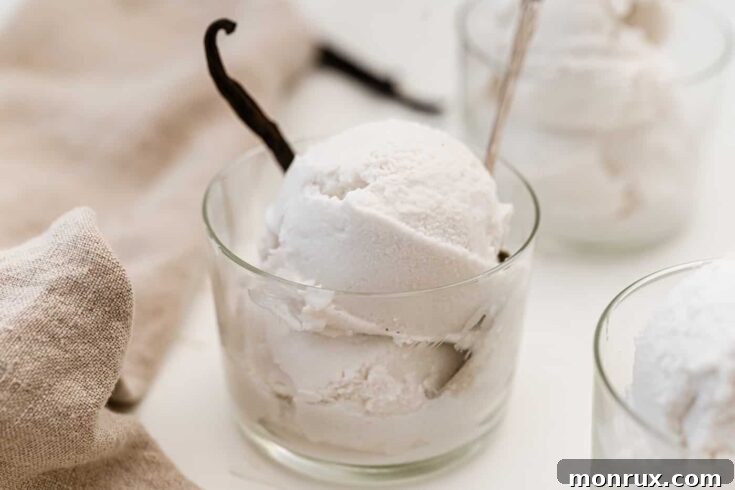
Vitamix Vanilla Coconut Ice Cream
Discover how to create luscious Vanilla Ice Cream using coconut milk directly in your Vitamix high-speed blender. It’s an easy and incredibly delicious way to make vegan vanilla ice cream right at home.
Vitamix Ice Cream Recipe
-
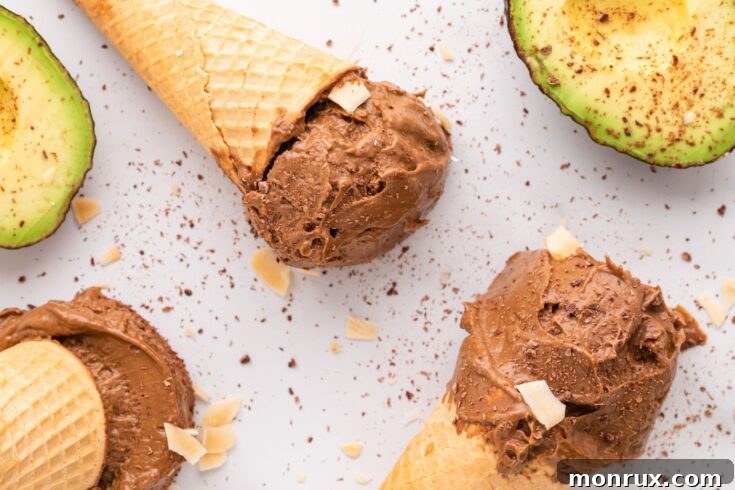
Chocolate Avocado Ice Cream
Yes, you heard that right—you can make ice cream using avocados! The naturally creamy texture of avocados brilliantly replaces dairy products in this rich and delicious chocolate creation.
Chocolate Avocado Ice Cream Recipe
-
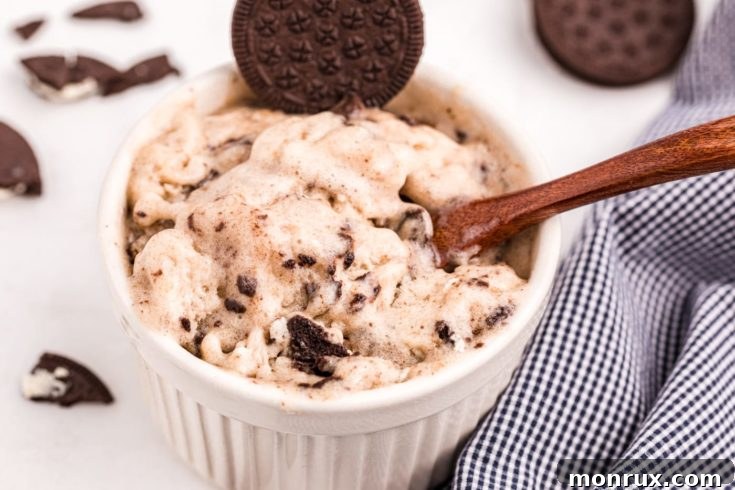
Cookies and Cream Nice Cream
This delightful banana-based soft serve provides a perfect, healthier alternative to traditional cookies and cream. You can whip this up in approximately 10 minutes for a quick and satisfying treat!
Cookies and Cream Nice Cream Recipe
-
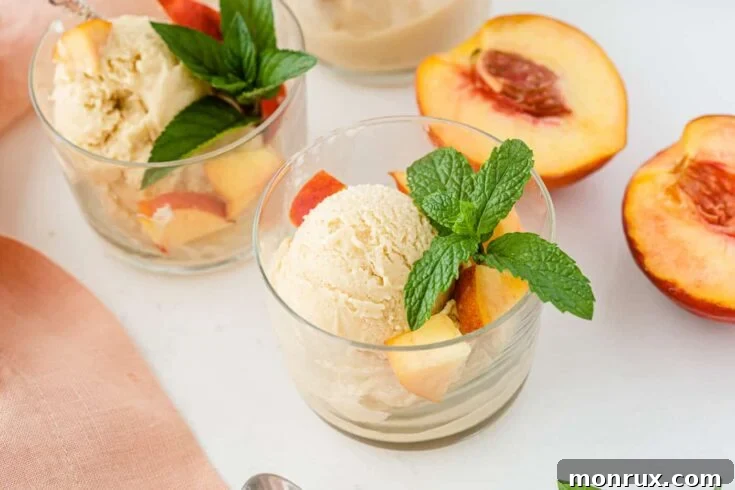
Vegan Peach Ice Cream (4-Ingredients)
This delicious recipe allows you to use either fresh or frozen peaches. It’s wonderfully creamy and makes for a delightful and refreshing summer dessert.
Vegan Peach Ice Cream Recipe
-
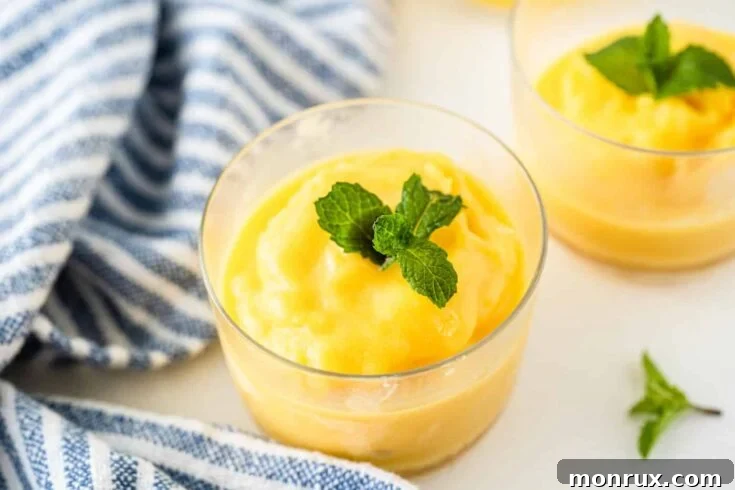
Vitamix Mango Sorbet
You only need three simple ingredients to create a sorbet that is light, perfectly sweet, and absolutely yummy!
Vitamix Mango Sorbet Recipe
-
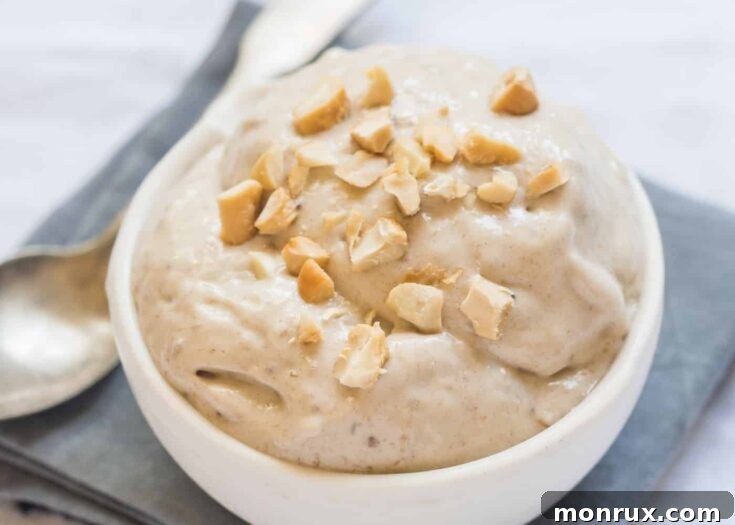
Peanut Butter Nice Cream
This is an incredibly easy 3-ingredient vegan soft serve recipe that can be prepared in 10 minutes or less. It’s undoubtedly one of my absolute favorite recipes!
Peanut Butter Nice Cream Recipe
-
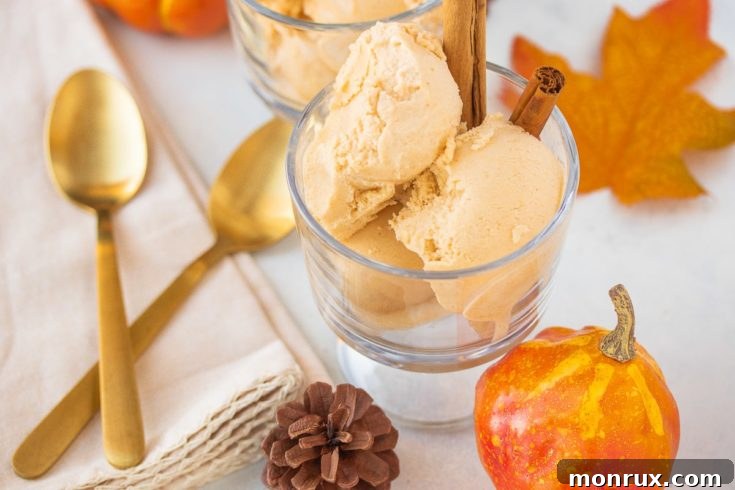
Best Vegan Pumpkin Ice Cream
You don’t need to wait for autumn to enjoy the comforting flavors of pumpkin pie spice. This vegan ice cream recipe beautifully combines pumpkin puree with creamy coconut milk for a delightful treat.
Vegan Pumpkin Ice Cream Recipe
Dairy-Free Ice Cream Recipe FAQs
While you can use light coconut milk, it’s important to understand the role of fat in achieving a creamy texture. The fat content in full-fat coconut milk is what provides that luxurious mouthfeel and richness reminiscent of dairy ice cream. If you opt for lower-fat versions as your ice cream base, the resulting ice cream will be less creamy and potentially more icy. However, it will still freeze and be edible! For the absolute best, creamiest vegan ice cream, I highly recommend sticking to full-fat canned coconut milk as specified in most recipes. If you must use light coconut milk, consider adding a tablespoon of a thickener like arrowroot powder or cornstarch (mixed with a little liquid first) to the base before freezing.
Yes, you can use plant-based milks such as almond milk, oat milk, or rice milk to make dairy-free frozen treats. However, keep in mind that these milks typically have a lower fat content compared to full-fat coconut milk or cashew cream. This often results in a texture that’s more akin to “ice milk” or sorbet rather than a rich, creamy ice cream. If you prefer to avoid coconut milk and still want a creamy consistency, a good alternative is to use soaked and blended cashews. Cashews, when processed correctly, create a smooth and neutral-flavored cream base. You can see this in action in my recipe for Vegan Fudgesicles, which utilizes blended cashews for a wonderfully rich texture.
Homemade vegan ice cream, unlike many commercial varieties, generally does not keep well for extended periods in the freezer. It tends to freeze quite hard over time, especially if stored in a regular container. For optimal texture, it’s best enjoyed within the first few days. If it becomes too hard, simply let it sit on the countertop for a few minutes (typically 5-10 minutes, depending on room temperature) to soften slightly. This will allow it to become scoopable again. Always store your homemade ice cream in an airtight container or a loaf pan covered tightly with plastic wrap to minimize ice crystal formation and prevent freezer burn.
For achieving a rich, creamy texture in vegan ice cream that closely resembles traditional dairy, several plant-based options work wonderfully. Full-fat coconut milk is often considered the top choice due to its high fat content and ability to create a thick, luxurious base. Another excellent substitute is soaked and blended cashews, which yield a neutral-tasting and incredibly smooth cream. Additionally, avocados can be used, particularly in chocolate-flavored ice creams, to provide a silky texture and healthy fats. Other plant-based milks like almond, soy, or oat milk can also be used, but they generally result in a lighter, less creamy product unless fortified with additional fats or thickeners.
Preventing iciness and ensuring a creamy texture in vegan ice cream involves a few key strategies. Firstly, prioritize ingredients with higher fat content, such as full-fat coconut milk or thoroughly soaked and blended cashews. These fats inhibit the formation of large ice crystals. Secondly, ensure your ice cream base is very cold before churning or freezing. A colder base freezes faster and more uniformly. Thirdly, sugar acts as an anti-freeze, so using adequate amounts of natural sweeteners like maple syrup or agave can help. Finally, a clever trick is to add a small amount (e.g., 1-2 tablespoons per batch) of a neutral-flavored alcohol, like vodka or a fruit liqueur. Since alcohol doesn’t freeze, it helps keep the ice cream softer and more scoopable, especially when stored in the freezer for longer periods.
Carrie’s Final Tips
When I first embarked on my dairy-free journey over a decade ago, I worried that delicious frozen desserts would be a thing of the past. That fear quickly dissolved after taking a vegan ice cream course at my local library – I’ve been a homemade ice cream enthusiast ever since! It turns out, crafting your own dairy-free ice cream is not just easy but incredibly rewarding.
The versatility of plant-based ingredients is truly astounding. Bases like rich coconut milk, creamy coconut cream, and sweet frozen bananas can be transformed with natural sweeteners such as maple syrup or coconut sugar, and flavored with vanilla extract, cocoa powder, or fresh fruit. Beyond these staples, you can experiment with oat milk, cashew milk, chocolate chips, dark chocolate chunks, or even bits of dairy-free cookie dough to create truly personalized frozen masterpieces. The world of dairy-free alternatives has expanded so much that there are countless options to ensure your ice cream is just as decadent, if not more so, than its dairy counterparts.
This round-up, with its diverse range of flavors from classic chocolate and strawberry to more unique vegan ice cream desserts, truly offers something for everyone. Once you get the hang of the basic techniques and understand the role of different ingredients, you’ll feel confident to get creative and invent your own signature recipes. There’s nothing quite like enjoying a perfectly creamy, homemade dairy-free ice cream on a hot summer day, knowing it’s made with simple, wholesome ingredients.
Don’t Miss These Dairy-Free Resources!
Conclusions
Whether you’re exploring new dietary paths, managing intolerances, or simply seeking healthier and delicious dessert options, I hope this extensive round-up of homemade dairy-free ice cream recipes has been incredibly helpful. It’s clear that even with dietary restrictions, you absolutely don’t have to forgo the joy of your favorite frozen treats. The world of plant-based ice cream is rich, flavorful, and incredibly versatile, offering endless possibilities for every taste and occasion.
So, go ahead, pick a recipe, gather your ingredients, and dive into the delightful process of making your own creamy, dreamy dairy-free ice cream. You might just discover your new favorite dessert!
Don’t forget to join my newsletter list to get exclusive clean eating recipes and tips directly to your inbox. The newsletter is 100% free with no spam; you can unsubscribe anytime.
About the Author: Carrie Forrest has a master’s degree in public health with a specialty in nutrition and is a certified holistic nutritionist. She is a top wellness and food blogger with over 5 million annual visitors to her site. Carrie has an incredible story of recovery from chronic illness and is passionate about helping other women transform their health. Send her a message through her contact form.