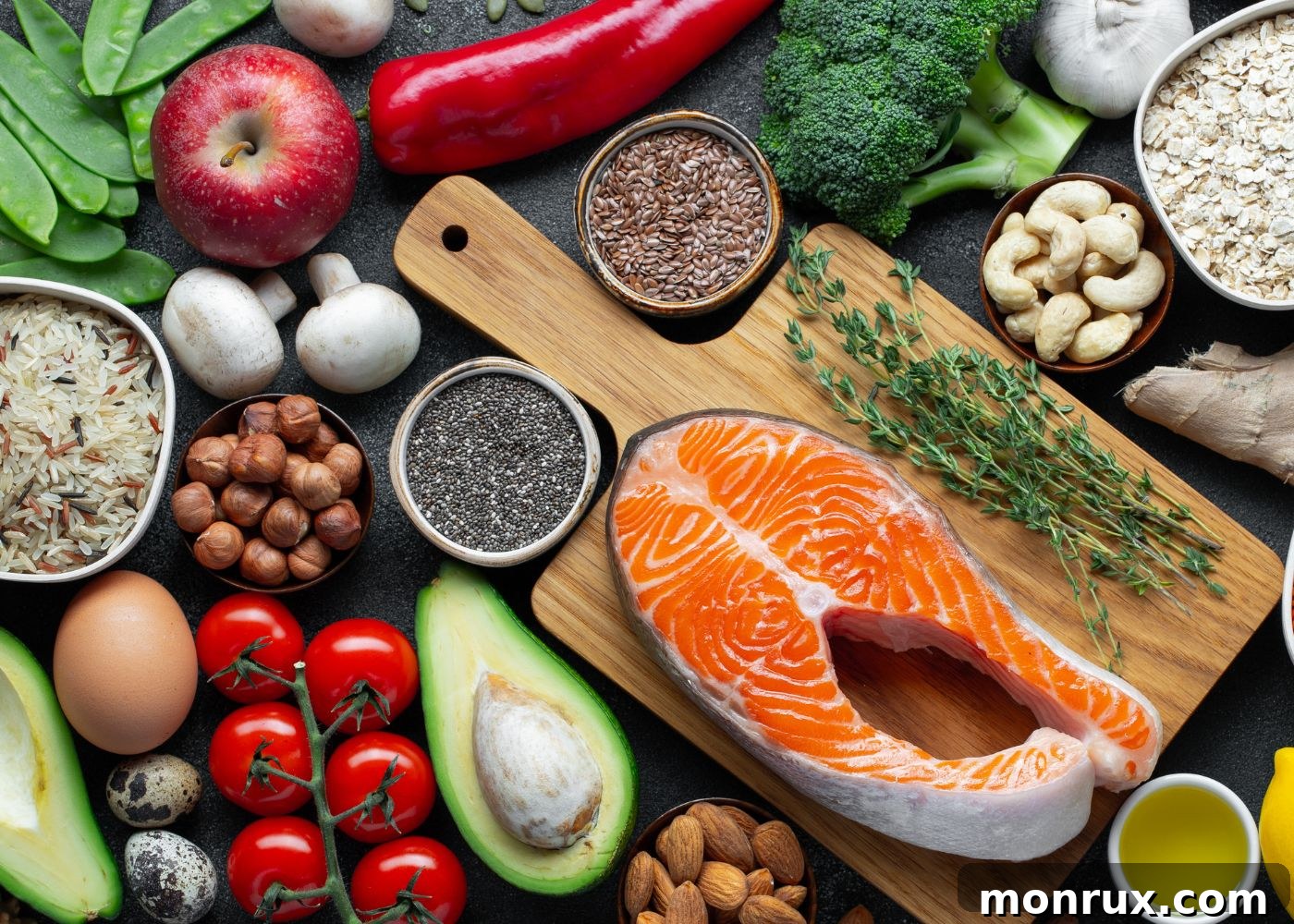
In a world saturated with fleeting diet trends, the most enduring and effective approach to well-being and weight management remains refreshingly simple: embrace real, whole foods and minimize processed alternatives. This comprehensive guide delves into the principles of clean eating for sustainable weight loss, ensuring you feel nourished, satisfied, and empowered on your journey. We’ll explore practical strategies to integrate this lifestyle, complete with a robust food list to transform your kitchen into a hub of health.
If you’re weary of the constant confusion surrounding nutrition, the endless debate of “good” versus “bad” foods, and the restrictive nature of conventional diets, it’s time to return to a more intuitive and impactful philosophy: the real food approach.
Clean eating, at its core, is about making conscious choices to prioritize minimally processed foods over highly processed ones. It’s a flexible framework that encourages you to adapt your food selections to your unique needs, preferences, and health objectives. Far from being another temporary diet, clean eating is a holistic and sustainable lifestyle designed to foster overall health, bolster energy levels, and support balanced, long-term weight management.
This approach emphasizes nutrient density, helping your body thrive from the inside out. By focusing on wholesome ingredients, you naturally reduce your intake of harmful additives, excessive sugars, unhealthy fats, and artificial ingredients that often contribute to weight gain and various health issues. It’s about nurturing your body with what it truly needs to function optimally.
How to Eat Clean for Weight Loss
Achieving your weight loss goals through clean eating doesn’t require complex strategies or extreme deprivation. In fact, it’s about simplifying your diet and making mindful choices that support your body’s natural processes. Here are eleven actionable tips to guide you toward successful and sustainable weight loss with a clean eating philosophy, without feeling restricted or constantly hungry.
1. Begin by Purifying Your Diet
Excessive consumption of highly processed foods or frequent restaurant meals can be a significant impediment to weight loss and may contribute to various negative health impacts. Therefore, the foundational step in your clean eating journey is to critically assess your current dietary habits and systematically remove elements that are obstructing your progress. This isn’t about perfection, but about continuous improvement and making better choices more often.
If time is a constraint for cooking, consider leveraging efficient cooking methods. For instance, explore a variety of pressure cooker recipes designed for weight loss that offer quick and healthy meal solutions.
Eliminate Foods with Added Sugars. Research consistently demonstrates that a high intake of added sugars can directly contribute to obesity. Beyond weight gain, excessive added sugar is strongly linked to chronic conditions like type-2 diabetes and coronary heart disease. It’s crucial to be vigilant, as sugar sources are not always obvious. Many condiments, sauces, and packaged foods, even those marketed as “healthy,” can contain substantial amounts of hidden sugars. A common example is low-fat yogurts, where any benefit from reduced fat is frequently negated by their high sugar content.
Savor Healthy Sweet Treats. You don’t have to forgo sweetness entirely. Instead, turn to natural sources like fresh fruits, or enhance flavors with warming spices such as cinnamon and nutmeg in clean desserts like plain Greek yogurt or homemade fruit compotes.
Avoid Artificial Sweeteners and Diet Sodas. While they might seem like a guilt-free alternative, artificial sweeteners and diet beverages often fail to address the underlying cravings for sweetness and can even confuse your metabolism. For optimal clean eating, prioritize whole foods in their most natural state, allowing your palate to re-calibrate and appreciate true flavors.
For more in-depth guidance on reducing sugar, explore resources on how to execute a sugar detox and comprehensive no-sugar diet meal plans.
Replace Processed Foods with Whole, Unprocessed Ingredients. Highly processed foods are typically engineered to be hyper-palatable, loaded with unhealthy fats, refined sugars, and excessive sodium. These ingredients enhance taste and extend shelf life, but they also make it incredibly easy to consume a large number of calories without feeling truly satisfied. By choosing whole ingredients, you regain control over what goes into your body.
Actively shun “diet” beverages, which often contain artificial sweeteners and chemicals, and instead prioritize water intake. If plain water isn’t appealing, infuse it with fresh fruits or vegetables. My Cucumber Ginger Lemon Water is a delicious and healthy way to stay hydrated and support detoxification.
Minimize Alcohol Consumption. Alcohol can significantly impede weight loss efforts through multiple mechanisms:
- Many alcoholic beverages are calorie-dense, particularly when mixed with sweetened sodas or juices, adding “empty” calories to your daily intake.
- Alcohol consumption can disrupt your sleep cycle, leading to poorer sleep quality. Insufficient sleep, in turn, adversely affects hormonal balance, impacting hunger and satiety hormones (ghrelin and leptin), which can influence food cravings and energy expenditure.
- Impaired judgment due to alcohol can lead to poor food choices, making it harder to stick to your clean eating plan.
To jumpstart your clean eating journey, refer to my comprehensive clean eating shopping list and pantry guide, designed to help you stock your kitchen with wholesome ingredients.
2. Establish Achievable Weight Loss Goals
While the allure of rapid weight loss might be strong, setting unrealistic targets can often lead to frustration, burnout, and eventual failure. Highly restrictive diets are inherently difficult to maintain long-term and can foster an unhealthy relationship with food, potentially leading to cycles of deprivation and overeating. Furthermore, overly aggressive calorie restriction can slow down your metabolism, making future weight loss even more challenging.
The key to successful and sustainable weight loss lies in adopting an eating plan that you genuinely enjoy and can adhere to consistently, rather than one that induces stress and misery. This sustainable approach is what prevents rebound weight gain and helps you maintain your progress indefinitely.
A healthy and realistic goal is to aim for a weight loss of approximately 1 to 2 pounds per week. This rate is widely endorsed by health experts as safe, healthy, and most importantly, sustainable. For some individuals, a gentler target of just ½ a pound per week or even ½ pound every two weeks might be more appropriate and achievable. It’s vital to personalize your goals, ensuring they align with your body’s needs and your lifestyle.
For additional valuable insights, explore my extensive list of weight loss tips specifically for women. If you’re navigating Hashimoto’s disease, my article on how to lose weight with thyroid disease provides tailored advice. Moreover, if you suspect a slow metabolism is hindering your progress, consider reading my article on a Pro-Metabolic Diet Plan.
3. Master the Fundamentals of Meal Planning and Preparation
In contemporary society, there’s been a gradual shift away from home cooking with whole ingredients towards a reliance on quick, often unhealthy convenience foods. Reclaiming the practice of cooking meals from scratch is an incredibly powerful tool in your weight loss journey, and it doesn’t have to consume all your free time.
Begin by selecting recipes that feature fresh, whole food ingredients. A highly effective strategy is to cook in bulk for the week ahead. When evenings are hectic, the temptation to grab an unhealthy, pre-made meal can be strong. However, having nutritious, pre-prepared meals readily available ensures you always have a wholesome option at hand, preventing impulsive, less healthy choices.
To streamline your meal prepping, consider using a dry-erase board in your kitchen to jot down meal and recipe ideas, along with the corresponding ingredients you’ll need. Involve your family in this process to create healthy meals that appeal to everyone, fostering a shared commitment to healthier eating. Furthermore, invest in a good assortment of food storage containers in various sizes, including those suitable for travel. This practical step ensures you can easily pack and enjoy healthy, home-cooked lunches at work or on the go, avoiding cafeteria temptations or expensive takeout.
For more guidance, check out my meal prep tips for beginners, and discover the essential kitchen appliances for a clean eating kitchen that can make your culinary efforts more efficient.
4. Cultivate Balanced Meals to Prevent Mid-Meal Hunger
Frequent snacking between meals is one of the most common sabotaging behaviors for weight loss. To counteract this, it’s paramount to construct meals that deliver the right balance of macronutrients to keep you feeling genuinely satisfied and energized for longer periods.
An optimally balanced meal should thoughtfully combine nutrient-rich carbohydrates, healthy fats, and ample protein.
It’s crucial to distinguish between different types of carbohydrates. Avoid refined carbohydrates, commonly found in white bread, pasta, and white rice. These foods have been stripped of their vital components like fiber, bran, and essential nutrients, leaving behind what are often referred to as “empty calories.” Refined carbohydrates lead to a rapid spike in blood sugar levels, followed by an equally sharp drop, which paradoxically leaves you feeling hungry again very quickly.
Instead, prioritize carbohydrates from whole, unprocessed, and nutrient-dense sources. Excellent examples include an abundance of fruits, a wide array of non-starchy and starchy vegetables, legumes, and whole grains such as quinoa, brown rice, and oats. These provide sustained energy and a wealth of essential vitamins, minerals, and fiber.
When selecting lean proteins, you have a vast and delicious spectrum of choices. Incorporate options such as nuts, seeds, fish (especially fatty fish like salmon), lean meats (chicken breast, turkey), quinoa, eggs, legumes (beans, lentils), and if tolerated, dairy products like Greek yogurt or kefir.
Finally, to significantly enhance satiety and nutrient absorption, ensure your meals include healthy fats. Discard detrimental trans and excessive saturated fats found in many processed foods. Instead, opt for beneficial fats derived from whole foods like avocados, a variety of nuts and seeds, olives and olive oil, and the omega-3 fatty acids found in fatty fish.
For specific meal inspirations and structured meal plans, delve into these valuable articles offering clean eating breakfast ideas, a guide on foods to eat daily for optimal health, and a collection of easy clean eating recipes. Alternatively, consider this invigorating Weight Loss Green Smoothie as a convenient and nutrient-dense meal replacement option.
5. Mindfully Reduce Unnecessary Snacking
Snacking often evolves into a subconscious habit, leading us to reach for food between meals even when our bodies aren’t truly signaling hunger. This habitual behavior can become a significant roadblock to successful weight loss. By becoming more aware of your snacking patterns, you can develop effective strategies to curb unnecessary intake.
Here are several practical techniques to help you reduce excessive snacking and cultivate more mindful eating habits:
- Track and Reflect: Keep a journal of when you snack between meals and try to identify the underlying reasons. You might notice patterns where boredom, stress, or emotional triggers prompt you to eat. Once you identify these triggers, you can consciously seek alternative, non-food-related ways to cope with them.
- Hydrate First: Whenever you feel the urge to snack, try drinking a large glass of water first. It’s astonishing how frequently our bodies misinterpret thirst signals for hunger. Waiting 10-15 minutes after drinking water can often reveal that true hunger wasn’t present.
- Chew Sugar-Free Gum: Studies suggest that chewing sugar-free gum can help regulate appetite and reduce cravings, particularly for sweet or salty snacks.
- Minimize Visual Cues: Out of sight, out of mind. Store tempting snack foods in opaque containers, in less accessible cupboards, or simply avoid buying them. When unhealthy options are not readily visible, you’re less likely to grab them impulsively.
If you genuinely experience hunger between meals, make sure you have healthy, satisfying options available. Opt for whole food snacks such as a piece of fresh fruit, a small square of dark chocolate (70% cocoa or higher), a handful of unsalted nuts, or homemade energy balls. Preparation is key; having these natural, clean options readily accessible will prevent you from reaching for less ideal choices when hunger strikes.
For more ideas on nourishing snacks, explore my comprehensive list of the best gluten-free and dairy-free snacks.
6. Commit to Never Skipping Meals
It’s a common misconception that skipping meals will automatically lead to weight loss by reducing overall calorie intake. However, this strategy often proves counterproductive and can derail your clean eating efforts.
When you skip a meal, you significantly increase the likelihood of becoming excessively hungry, which often leads to overeating or bingeing later in the day. Moreover, when hunger reaches extreme levels, your capacity for making mindful and healthy food choices diminishes, making you more prone to grabbing convenience foods that don’t align with your goals.
Beyond the immediate risk of overeating, purposefully going without meals can trigger a primal response in your body. Your metabolism may slow down as your body perceives a period of scarcity and tries to conserve energy, making it harder to burn calories efficiently. Furthermore, skipping meals can lead to unpleasant side effects such as headaches, fatigue, and a general feeling of sluggishness, impacting your energy levels and overall well-being.
Eating balanced meals at regular intervals throughout the day keeps your body consistently fueled, stabilizes blood sugar levels, and makes it significantly easier to manage and monitor your overall calorie and nutrient intake. This consistent nourishment supports a healthy metabolism and helps prevent extreme hunger.
Be aware that certain fasting practices or habitual meal skipping can have unintended health consequences, particularly for specific demographics. For a deeper understanding, refer to my article discussing the potential dangers of intermittent fasting for women.
7. Increase Your Intake of Lean Protein
When it comes to effective weight loss and overall satiety, protein is a macronutrient that delivers remarkable benefits. Its role in appetite regulation and metabolic function makes it an indispensable component of any clean eating plan.
Firstly, protein has been scientifically proven to reduce the concentration of ghrelin, often referred to as the “hunger hormone,” in your body. This is why meals rich in protein leave you feeling significantly fuller and more satisfied for longer periods, naturally reducing the urge to snack unnecessarily between meals. By dampening hunger signals, protein helps you adhere to your caloric goals without feeling deprived.
As an additional advantage, protein also possesses a higher thermic effect of food (TEF) compared to carbohydrates and fats. This means your body expends more energy (burns more calories) digesting and metabolizing protein-rich foods. This metabolic boost contributes to your daily calorie expenditure, facilitating safe, natural weight loss without the feeling of constant restriction.
Ideally, integrate a source of lean protein into every meal and snack. Instead of a sugary cereal for breakfast, opt for protein-packed alternatives like eggs, whole-grain toast with natural nut butter, or unsweetened Greek yogurt topped with berries. My Strawberry Protein Smoothie is a fantastic option, delivering a robust 25 grams of protein per serving!
Throughout the day, incorporate a variety of protein sources such as fish (salmon, cod, tuna), lean meats (chicken breast, turkey), plant-based options like tofu, tempeh, and a diverse range of legumes. You’ll quickly discover that increasing your protein intake is quite manageable, and the profound health and weight management benefits are well worth the effort.
8. Make Sleep a Top Priority
Many underestimate the critical role that adequate, quality sleep plays in achieving and maintaining sustainable weight loss. However, scientific evidence clearly demonstrates a strong link: short sleep duration has been shown to significantly increase the risk of obesity in adults, by as much as 55%. This is a substantial factor that demands serious attention when aiming to lose weight without resorting to harsh dietary restrictions.
When we consistently fail to get enough sleep, it profoundly disrupts the delicate balance of our hormones. Specifically, it can lead to an increase in ghrelin (the hunger hormone) and a decrease in leptin (the satiety hormone), resulting in heightened food cravings and an increased appetite. Poor sleep also elevates cortisol levels, the stress hormone, which can further promote overeating and fat storage, particularly around the abdominal area. The resulting stress itself can be a powerful trigger for emotional eating.
Your goal should be to aim for approximately 7 to 9 hours of quality sleep every night. To regulate your body’s natural circadian rhythm, try to establish a consistent sleep schedule by going to bed and waking up at roughly the same time each day, even on weekends.
If you struggle with sleep, implement good sleep hygiene practices. Ensure your bedroom is a dark, quiet, and cool sanctuary. Avoid exposure to blue light from phones, tablets, and computer screens for at least an hour before bedtime, as this can interfere with melatonin production. If you’re a light sleeper, consider using a white noise machine or app to mask disruptive ambient sounds. Prioritizing consistent, high-quality sleep is a cornerstone of a healthy lifestyle that will not only aid in weight management but also dramatically improve your overall health and well-being.
9. Undergo Lab Work for Medical Causes of Weight Gain
It is always a prudent step to rule out any underlying medical conditions that might be contributing to your weight gain or hindering your weight loss efforts. No matter how diligently you follow a healthy diet and exercise regimen, achieving sustainable fat loss can be incredibly challenging if your body is actively working against you due to an unaddressed health issue.
Several medical conditions can make weight loss difficult, including hypothyroidism (an underactive thyroid), polycystic ovarian syndrome (PCOS), and Cushing’s syndrome. Furthermore, certain medications can also have weight gain as a side effect. It’s essential to have a thorough understanding of your body’s internal workings.
To proactively investigate potential medical issues, learn more about the best lab tests for women that can help identify factors impeding weight loss, including a full thyroid panel. You might also find this article insightful for understanding common health reasons why you can’t lose weight no matter what you try.
If, after exploring these avenues, you still find yourself struggling to achieve healthy weight loss and feel your best, it might be beneficial to consult with a functional medicine practitioner. These professionals specialize in identifying and addressing the root causes of symptoms, offering a more personalized and holistic approach to your health.
10. Engage in Moderate Physical Activity
Regular physical activity is an integral component of maintaining a healthy weight and boosting overall well-being. However, exercise doesn’t need to feel like a dreaded chore. The most crucial aspect is to discover a type of exercise or activity that you genuinely enjoy and can consistently stick with.
This could be anything from energetic dance classes to calming yoga sessions, invigorating swimming, dynamic kickboxing, or simply brisk walking in nature. Choose any activity, or a combination of activities, that brings you joy and motivates you to move regularly. Aim for approximately 30 minutes of moderate-intensity exercise a day, for at least 5 days a week. If a continuous 30-minute session feels daunting, you can break it down into shorter segments, such as three 10-minute bursts throughout the day. This approach helps you meet the current Physical Activity Guidelines for Americans.
Despite the prevalent emphasis on high-intensity interval training (HIIT) across media platforms, research suggests that you may be more likely to adhere to continuous moderate-intensity exercise over the long term. Therefore, dispel the notion that you need a punishing workout schedule to achieve weight loss. Moderate exercise is both achievable and highly effective, providing benefits that extend beyond calorie burning to include improved mood, reduced stress, and enhanced energy levels.
If you’re managing health disorders or experiencing chronic pain, explore my curated list of the best exercises for chronic health issues, designed to be gentle yet effective.
11. Seek Support and Celebrate Milestones
Embarking on a clean eating journey, especially for weight loss, is significantly easier and more enjoyable when you have a supportive network around you. Being surrounded by encouraging friends, family members, or colleagues can make adherence to your clean eating diet much more sustainable. Having individuals with whom you can openly discuss your goals, share your progress, and voice your challenges provides invaluable motivation and fosters a sense of accountability, which is crucial for long-term success.
If your immediate daily environment lacks this kind of support, consider seeking it out online. The internet, particularly social media platforms like Facebook, hosts hundreds of vibrant communities of like-minded individuals. These groups offer a safe space to share experiences, gain inspiration, ask questions, and celebrate both small and large victories on your journey. Connecting with others who understand and share similar aspirations can provide a profound sense of camaraderie and boost your resolve.
You are welcome to join my Clean Eating Private Facebook group, or explore similar online communities that resonate with your specific goals and needs. Remember, you don’t have to navigate this path alone; collective support can be a powerful catalyst for change.
Clean Eating Foods for Weight Loss
Building a foundation of wholesome, unprocessed foods is crucial for effective and sustainable weight loss. This comprehensive list provides a solid guide for stocking your kitchen with nutrient-dense options that support moderate weight loss and healthy weight management. While this list is predominantly gluten-free and dairy-free, feel free to adapt it to your specific dietary needs and preferences.
- Lean Proteins: Chicken breast, turkey (ground turkey, turkey bacon, turkey sausage), fish (salmon, cod, tuna, tilapia), tofu, tempeh, edamame, legumes (black beans, lentils, chickpeas, kidney beans), eggs, lean beef cuts (sirloin, tenderloin), pork tenderloin, lamb, bison, venison. These are essential for satiety and muscle maintenance.
- Dairy Products (if tolerated and preferred, opt for low-sugar, organic varieties): Milk (cow’s, goat’s), plain Greek yogurt, kefir, cottage cheese. Choose options without added sugars or artificial flavors.
- Non-Starchy Vegetables: A rainbow of leafy greens (spinach, kale, collard greens, romaine lettuce, arugula), broccoli, bell peppers (all colors), tomatoes, zucchini, cauliflower, mushrooms, asparagus, Brussels sprouts, eggplant, onions, garlic, green beans, cucumber, radishes, celery, jicama. These are low in calories and high in fiber and nutrients.
- Starchy Vegetables & Root Vegetables: Sweet potatoes, winter squash (acorn, butternut, spaghetti squash, pumpkin), beets, parsnips, turnips, rutabagas, carrots. Enjoy these in moderation as part of a balanced meal.
- Fruits: All types of berries (strawberries, raspberries, blueberries, blackberries, cranberries), apples, pears, citrus fruits (oranges, lemons, grapefruits, tangerines, clementines), bananas, mangoes, melons (watermelon, cantaloupe, honeydew), kiwi, papaya, pineapple, peaches, plums, apricots, grapes, cherries, unsweetened applesauce. Fresh fruit provides natural sweetness and fiber.
- Gluten-Free Grains & Whole Grains: Quinoa, brown rice, wild rice, oats (gluten-free certified), rice noodles, rice pasta, corn pasta, quinoa pasta, whole grain cornmeal, polenta, corn tortillas. Choose whole, unprocessed grains over refined alternatives.
- Healthy Fats: Avocados and avocado oil, nuts (almonds, cashews, walnuts, pecans, pistachios, brazil nuts) and nut butters (almond butter, natural peanut butter), seeds (chia seeds, flax seeds, pumpkin seeds, sunflower seeds, sesame seeds, hemp seeds) and seed butters (tahini), olive oil (extra virgin), coconut oil (in moderation), flaxseed oil, sesame oil. These are vital for hormone health and satiety.
- Herbs and Spices: Fresh and dried varieties like basil, cilantro, parsley, rosemary, thyme, oregano, marjoram, paprika, cumin, chili powder, cinnamon, turmeric, ginger, garlic powder, onion powder, sea salt, black pepper, coriander, cardamom, cloves, nutmeg, allspice, cayenne pepper, mustard seeds, fennel seeds. Use generously to add flavor without excess calories or unhealthy additives.
- Drinks: Plenty of filtered water, unsweetened iced tea (green, black, herbal), unsweetened coffee (in moderation), unsweetened almond milk, unsweetened coconut milk, unsweetened soy milk, herbal teas, green tea. Hydration is key!
- Healthy Snacks: Raw vegetables (carrots, bell peppers, cucumbers, cherry tomatoes) with hummus, hard-boiled eggs, turkey jerky (low sodium), unsweetened applesauce, unsalted nuts and seeds, air-popped popcorn, rice cakes, protein bars (ensure they are free from added sugars and artificial ingredients), protein shakes, smoothies (made with unsweetened milk or yogurt and fresh fruit).
Clean Eating Weight Loss FAQs
Losing weight can be an uphill battle, often because your body has complex physiological mechanisms designed to prevent it. When you lose weight, your levels of the hormone leptin, which signals satiety, naturally begin to fall. In response, your brain, sensing a potential energy deficit, ramps up the production of ghrelin, the hormone that makes you feel hungry. This hormonal interplay can make you crave food more intensely, leading to a frustrating cycle of eating too much and regaining lost weight.
Your metabolism also plays a crucial role. If you drastically reduce your calorie intake, your body can interpret this as starvation and respond by slowing down your metabolic rate. This means your body becomes more efficient at holding onto calories and burning them less efficiently. The most effective strategy to counteract these physiological responses and achieve sustainable weight loss is to approach it carefully and gradually. This involves a moderate reduction in calorie intake through clean eating and consistent, moderate physical activity, allowing your body to adapt without triggering extreme compensatory mechanisms.
While many diets demand meticulous calorie counting and strict rules, which can be exhausting and difficult to maintain long-term, clean eating offers a different, more sustainable philosophy. It’s a lifestyle approach that emphasizes whole, nutritious ingredients, making it remarkably easy to integrate into your daily life without constant mental strain.
Clean eating naturally supports your metabolism by providing your body with the essential nutrients it needs to function optimally. Its focus on lean proteins, healthy fats, and complex carbohydrates ensures that you feel satisfied and energized, reducing cravings and preventing overeating. This approach, combined with regular physical activity, fosters a healthy weight without leaving you feeling hungry or deprived. It also ensures a consistent supply of energy for your daily activities and supports overall vitality. Learn more about how to eat clean, including a practical 7-day meal plan to get started.
Unless a medical professional has specifically advised you to avoid carbohydrates due to a particular health condition, there is no need, nor is it advisable, to completely eliminate them from your diet for weight loss. In fact, whole, unrefined sources of carbohydrates, including fruits and vegetables, are vital. Our bodies break down carbohydrates into glucose, which is the primary and most readily available source of energy for our cells, brain, and muscles.
The crucial distinction lies in the quality of carbohydrates you consume. Processed carbs found in white bread, sugary cereals, cakes, and many fast foods lead to rapid spikes and subsequent crashes in blood sugar, often triggering increased hunger and cravings. In contrast, high-quality carbohydrates from whole foods like fruits, vegetables, legumes, and whole grains release glucose into your bloodstream much more slowly and steadily. This sustained release helps stabilize blood sugar levels, keeping you feeling fuller for longer periods, which actually supports weight loss. Moreover, these nutrient-dense carbohydrates provide essential vitamins, minerals, and dietary fiber, all of which are critical for digestive health and overall well-being.
Essential Clean Eating Resources
Conclusion
The notion that drastic calorie reduction is the sole pathway to weight loss is a pervasive myth. As we’ve explored, such extreme approaches can often be counterproductive, leading to detrimental metabolic adaptations that make long-term weight management even more challenging. Instead, clean eating offers a far more balanced, sustainable, and enjoyable methodology – a lifestyle you can genuinely embrace for life.
A diet rich in wholesome, natural ingredients not only provides your body with the essential nutrients it craves but also supports optimal metabolic function, stabilizes energy levels, and promotes genuine satiety. By adopting these clean eating principles, you empower yourself to achieve your desired weight goals, cultivate a healthier relationship with food, and truly savor the journey towards a more vibrant and energetic life.
Don’t forget to join my newsletter list to receive exclusive clean eating recipes, tips, and inspiration directly to your inbox. It’s completely free, and you can unsubscribe at any time.
About the Author: Carrie Forrest holds a master’s degree in public health with a specialization in nutrition and is a certified holistic nutritionist. She is a prominent wellness and food blogger, attracting over 5 million visitors annually to her platform. Carrie shares a compelling story of recovery from chronic illness and is deeply committed to guiding other women in transforming their health. Feel free to reach out to her through her contact form.
Note: This post is provided for informational purposes only and should not be considered medical advice. Please consult with your healthcare provider for personalized recommendations regarding your individual health situation.