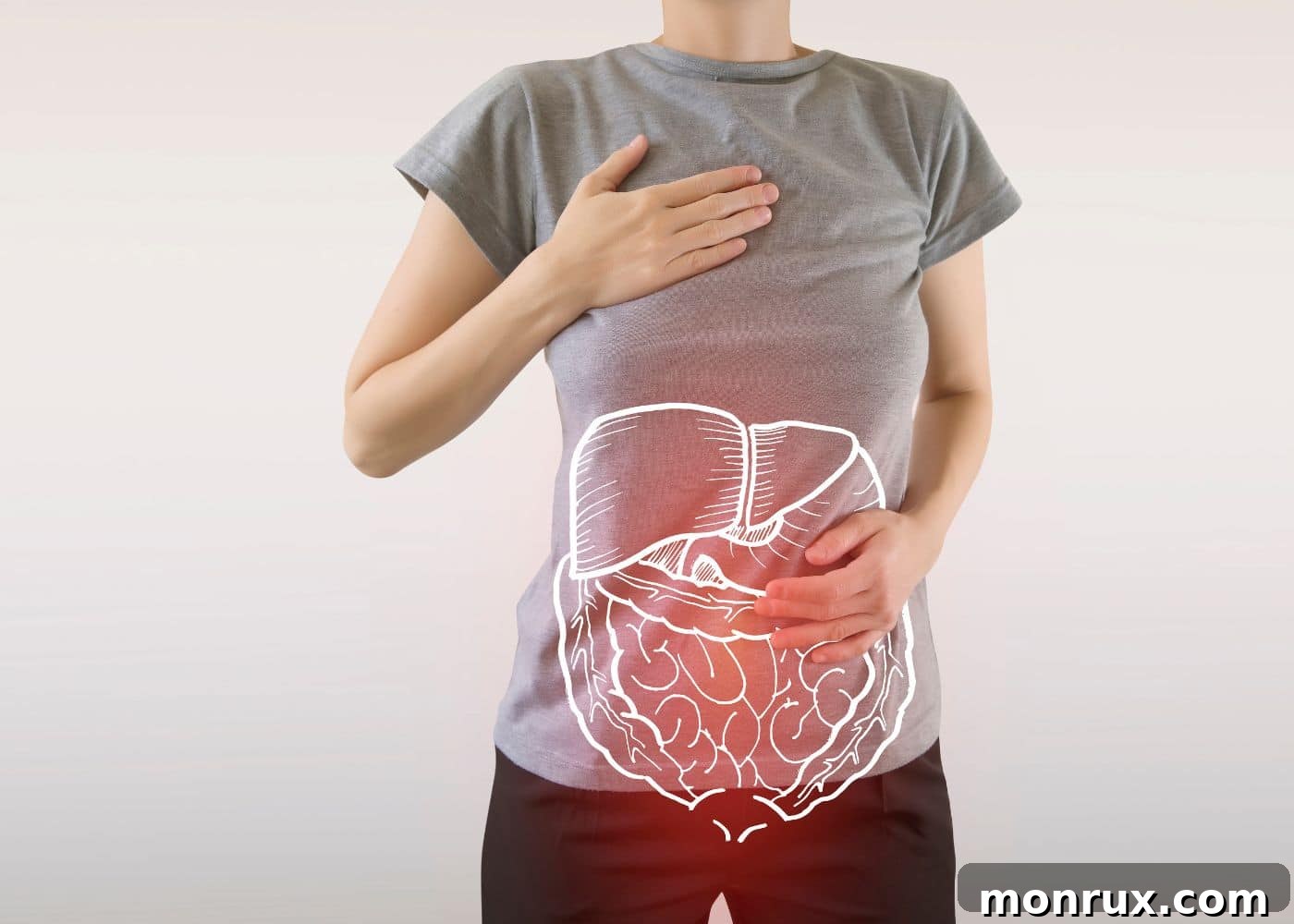
Nurturing your gut health is a cornerstone of overall well-being, influencing everything from digestion to mood and immunity. Within this intricate system, certain essential vitamins and nutrients play indispensable roles in maintaining balance and function. From the sun-derived Vitamin D to the wide array of B vitamins, understanding how these vital compounds support your digestive tract is crucial. This comprehensive guide explores the key nutrients and vitamins for optimal gut health and highlights the best dietary sources to ensure your digestive system thrives.
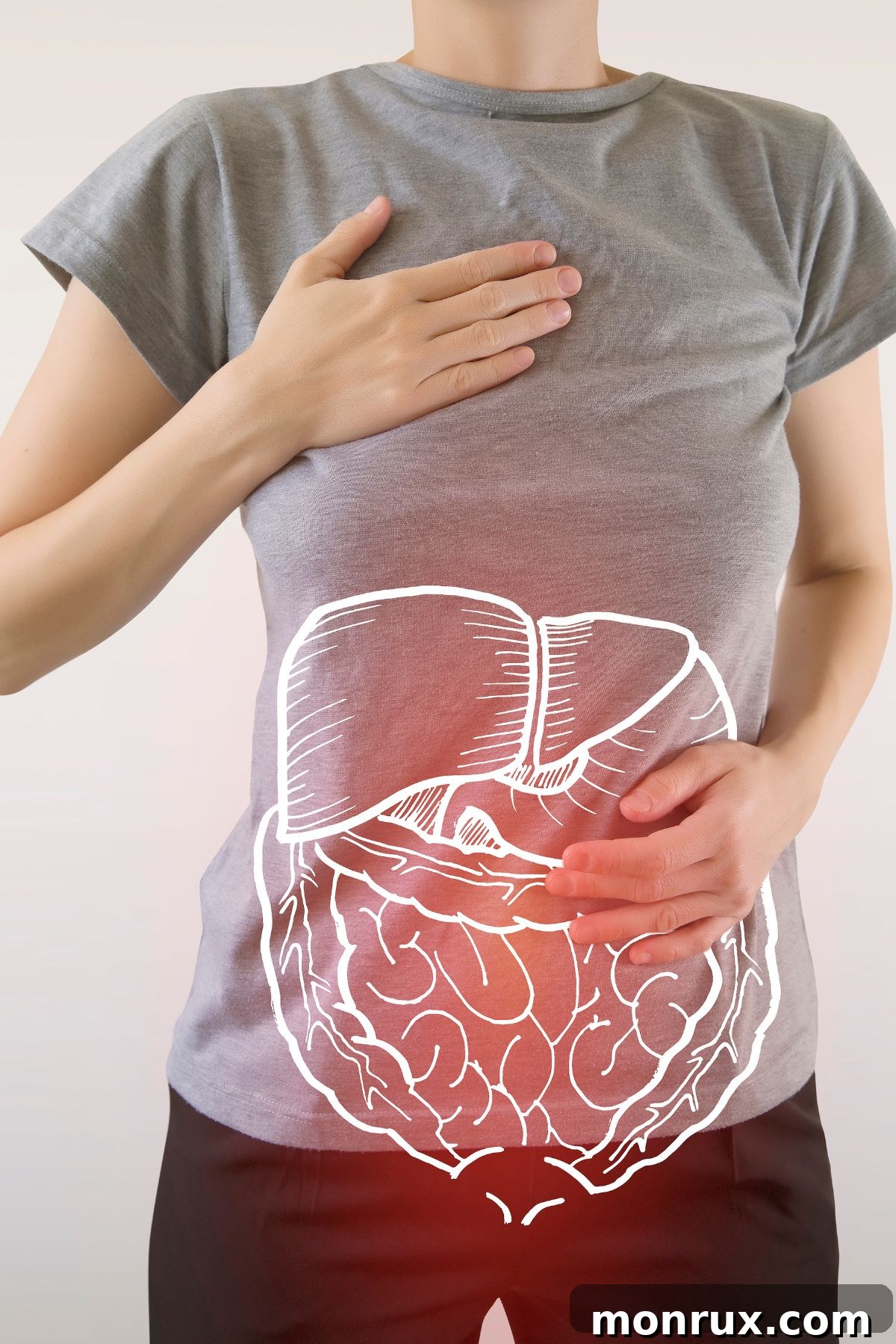
Overview of Gut Health
The term “gut health” extends beyond simple digestion; it encompasses the optimal functioning of your entire gastrointestinal tract, a complex internal ecosystem stretching from your mouth to your anus. This intricate system is responsible for processing the foods and liquids we consume, extracting vital nutrients, and eliminating waste products. However, its importance doesn’t stop there.
At the heart of a healthy gut lies the microbiome—a bustling community of trillions of bacteria, fungi, and other microorganisms that call your intestines home. A diverse and balanced microbiome is fundamental to efficient digestion, enabling your body to break down food, absorb nutrients, and synthesize essential compounds. When this delicate balance is disturbed, it can lead to a cascade of issues affecting not only your digestive system but also your broader physical and emotional well-being.
Indeed, the gut is often referred to as the body’s “second brain” due to its extensive neural connections with the brain (the gut-brain axis) and its profound influence on mood, immune function, and overall vitality. Maintaining optimal gut health is paramount, achievable through a diet rich in whole, unprocessed foods, ample fiber, and a conscious effort to minimize added sugars, unhealthy fats, and artificial ingredients.
The Profound Impact of Poor Gut Health
When your gut health falters, the consequences can be far-reaching, manifesting in a diverse range of symptoms and conditions that extend beyond the digestive tract. The most immediate signs often involve digestive discomforts such as chronic heartburn, persistent gas, uncomfortable bloating, and irregular bowel movements like diarrhea or constipation. These symptoms signal that your digestive system is struggling to process food efficiently and maintain regularity.
Beyond these common complaints, poor gut health can severely impair your body’s ability to absorb essential nutrients from the foods you eat. This malabsorption can lead to nutritional deficiencies, impacting energy levels, metabolism, and even contributing to unexplained weight fluctuations—either unintended weight loss due to poor nutrient uptake or weight gain influenced by compromised blood sugar regulation.
The gut’s influence extends deeply into the immune system. A compromised gut barrier can lead to chronic inflammation and an overactive immune response, potentially contributing to the development of autoimmune disorders. Conditions like eczema, acne, and other skin irritations have also been linked to gut dysbiosis and “leaky gut syndrome,” where a damaged intestinal lining allows harmful bacteria and toxins to enter the bloodstream, triggering widespread inflammation.
Furthermore, the intricate connection between the gut and the brain, known as the gut-brain axis, means that an unhealthy gut can profoundly affect cognitive function and emotional well-being. Research continues to reveal associations between gut dysbiosis and issues such as anxiety, depression, brain fog, and other mood regulation challenges. Addressing gut health is therefore a holistic endeavor that can yield significant improvements across multiple aspects of your health.
Cultivating Gut Health Through Natural Methods
The encouraging news is that, for many individuals, improving gut health is largely within their control. By adopting simple, natural strategies and making conscious lifestyle choices, you can significantly enhance your digestive well-being and overall vitality. Here are key steps to nurture a thriving gut:
- Prioritize a Whole-Food Diet: Shift your dietary focus away from highly processed foods, excessive animal proteins, and items high in refined sugars, unhealthy salts, and saturated fats. Instead, build your plate around antioxidant-rich fresh fruits and vegetables, lean plant-based proteins (like legumes and nuts), sources of omega-3 fatty acids (such as fatty fish), and complex carbohydrates (like whole grains). This approach provides the diverse nutrients and fiber your gut microbiome needs to flourish.
- Embrace Prebiotic-Rich Foods: Prebiotic fiber acts as fuel for the beneficial bacteria residing in your gut, helping them multiply and maintain a healthy balance. Incorporate foods rich in prebiotics into your daily diet. Excellent sources include mushrooms, oats, barley, dandelion greens, garlic, onions, asparagus, and bananas. These foods help create an optimal environment for your microbiome.
- Integrate Probiotic Foods: Probiotics are live microorganisms that directly contribute to a healthy gut flora, helping to restore balance and diversity. Regular consumption of probiotic-rich foods can significantly support your digestive system. Look for options like yogurt (with live active cultures), kefir, fermented pickles, sauerkraut, and kimchi. For more ideas, explore a wider range of foods with natural probiotics.
- Master Stress Management: The gut and brain are intimately connected, meaning chronic stress can negatively impact your digestive system. Implement various techniques to manage your stress levels, such as mindfulness meditation, deep breathing exercises, yoga, or spending time in nature. Reducing stress can directly improve gut function and reduce inflammation.
- Prioritize Regular Physical Activity: Engage in enjoyable forms of exercise consistently. Physical activity not only helps mitigate stress but also plays a vital role in improving the quality of your sleep. Both stress reduction and adequate sleep are critical factors in maintaining a healthy and resilient gut microbiome.
Essential Nutrients & Vitamins for a Thriving Gut
While a balanced diet is the primary way to obtain these critical nutrients, targeted supplementation, under professional guidance, can sometimes bridge nutritional gaps. It’s always recommended to discuss your dietary needs and any potential supplements with your healthcare provider, who may suggest a blood test to accurately assess your current nutrient levels.
1. Vitamin D
Often celebrated for its role in bone health, Vitamin D, the “sunshine vitamin,” is equally indispensable for the vitality of your gut. Extensive research highlights its significant influence on the delicate balance of beneficial bacteria within the intestines. A robust Vitamin D status supports a diverse and thriving microbiome, which is foundational to gut health.
Beyond its impact on gut flora, Vitamin D actively contributes to a strong immune system, offering protection against infections and a range of autoimmune disorders, including inflammatory bowel diseases (IBD) such as Crohn’s disease and ulcerative colitis. It plays a crucial role in modulating inflammation, a common underlying factor in many chronic gut conditions. Furthermore, Vitamin D is vital for maintaining the structural integrity of the intestinal barrier, preventing the unwanted passage of bacteria and toxins into the bloodstream, a phenomenon associated with “leaky gut.”
The most natural and potent source of Vitamin D is sunlight exposure, as your body can synthesize its own Vitamin D when exposed to UV rays. However, dietary sources are also important, especially for those with limited sun exposure. These include:
- Fatty fish like salmon, mackerel, sardines, and trout
- Mushrooms (some varieties have enhanced Vitamin D content through UV light exposure)
- Egg yolks
- Fortified foods such as milk, yogurt, orange juice, and breakfast cereals
Individuals with certain medical conditions, those living in regions with minimal sunlight, or those with darker skin tones may struggle to achieve adequate Vitamin D levels. In such cases, supplementation, under medical advice, often becomes a necessary and beneficial strategy.
2. Vitamin B12
Vitamin B12, or cobalamin, is a vital water-soluble vitamin renowned for its critical role in DNA synthesis and the formation of red blood cells, which are essential for transporting oxygen throughout the body. Its significance extends deeply into gut health, where it is a co-factor in numerous metabolic reactions.
Intriguingly, over 80% of gut bacteria require Vitamin B12 to perform their essential metabolic functions, making it a cornerstone for a healthy and active microbiome. While direct scientific evidence is still emerging, it is also thought to play a role in preventing inflammation within the colon, contributing to a more resilient digestive lining.
The primary dietary sources of Vitamin B12 are foods of animal origin, making it particularly important for vegetarians and vegans to monitor their intake:
- Meat (especially beef liver and kidney)
- Fish (salmon, tuna)
- Poultry
- Eggs
- Dairy products (milk, cheese, yogurt)
For those following plant-based diets, fortified foods offer a reliable source. These include fortified breakfast cereals, nutritional yeast, and some plant-based milks. Regular intake is crucial, as the body cannot produce Vitamin B12 on its own.
3. Vitamin C
Vitamin C, or ascorbic acid, is a formidable antioxidant that offers multifaceted support for gut health. Its potent antioxidant properties protect gut cells from oxidative stress and damage, which can otherwise compromise the integrity of the intestinal lining and lead to inflammation.
Research indicates that Vitamin C is essential for maintaining the balance and diversity of the gut microbiome. A healthy, diverse microbiome is less susceptible to dysbiosis, which is an imbalance linked to various chronic health issues. Furthermore, studies have demonstrated that high-dose Vitamin C supplementation can exert significant anti-inflammatory effects. This makes it a valuable nutrient in mitigating conditions driven by gut bacterial imbalances, such as inflammatory bowel disease, metabolic syndrome, and even neurological disorders.
Beyond its anti-inflammatory and microbiome-balancing roles, Vitamin C is an effective aid against constipation. Studies comparing kiwi fruit (rich in Vitamin C) to prunes found that kiwi was superior in improving stool consistency and reducing bloating with fewer adverse effects. Its ability to optimize the immune system further contributes to gut health by reducing inflammation and supporting the body’s natural defense mechanisms. Experts also highlight its capacity to enhance gut barrier function, improving nutrient absorption and protecting against harmful toxins.
Vitamin C is abundantly found in fresh fruits and vegetables. The best sources to maximize your intake include:
- Kiwi fruit
- Citrus fruits (oranges, grapefruits, lemons)
- Strawberries
- Mango
- Pineapple
- Tomatoes
- Bell peppers (especially red and yellow)
- Kale
- Broccoli
- Brussels Sprouts
4. Vitamin A
Vitamin A is crucial for maintaining the integrity and health of the mucosal lining of the gastrointestinal tract. This protective barrier is vital for efficient digestion and the optimal absorption of nutrients from food. A healthy gut lining also acts as a crucial defense against harmful pathogens and toxins, preventing them from entering the bloodstream.
Furthermore, Vitamin A plays a pivotal role in regulating the immune system within the gut, which is a significant site of immune activity. This regulatory function helps prevent an overactive immune response, which can lead to chronic inflammation and autoimmune conditions like ulcerative colitis and Crohn’s disease.
Individuals with gastrointestinal conditions are particularly susceptible to Vitamin A deficiency. For instance, researchers have found that patients with Crohn’s disease often exhibit lower levels of this essential nutrient. Such a deficiency can exacerbate the imbalance between free radical formation and destruction in the intestinal mucus, leading to increased cellular damage. Free radicals are unstable atoms that can damage cells, contributing to disease progression.
You can boost your Vitamin A intake through two primary dietary forms:
Beta-carotene (a precursor that the body converts to Vitamin A):
- Green, leafy vegetables such as kale and spinach
- Orange and yellow vegetables like carrots, sweet potatoes, and red peppers
- Yellow fruits including papaya, mango, and apricots
Preformed Vitamin A (retinol) directly from animal sources:
- Liver
- Dairy products (milk, yogurt, cheese)
- Eggs
- Oily fish
5. Vitamin E
Vitamin E is a powerful fat-soluble antioxidant, renowned for its protective capabilities. Within the context of gut health, it actively safeguards the cells lining the intestinal wall from oxidative damage. This protection is vital for maintaining the integrity of the gut barrier, ensuring efficient digestion and nutrient absorption, and crucially, preventing toxins and undigested food particles from entering the bloodstream.
Beyond its antioxidant prowess, Vitamin E exhibits significant anti-inflammatory properties. This makes it a valuable nutrient in the prevention and management of inflammatory bowel conditions, such as ulcerative colitis and Crohn’s disease, where chronic inflammation is a key driver of symptoms and tissue damage. By reducing inflammation, Vitamin E helps soothe the gut and promote healing.
Furthermore, Vitamin E contributes to a robust immune system, which is intricately linked to gut health. A well-functioning immune system helps the body ward off infections and maintain a balanced internal environment. Incorporating Vitamin E-rich foods into your diet is a proactive step towards supporting your digestive and immune health.
While wheat germ is an exceptionally rich source of Vitamin E (and can be consumed as an oil, supplement, or added to foods), many other delicious foods contribute to your daily intake:
- Liver
- Eggs
- Nuts (almonds, hazelnuts)
- Seeds (sunflower seeds)
- Cold-pressed vegetable oils (sunflower, safflower, wheat germ oil)
- Dark green leafy vegetables (spinach, broccoli)
- Fortified cereals and grains
6. Vitamin K
Often recognized for its essential role in blood clotting, Vitamin K holds surprising yet significant benefits for gut health. This versatile vitamin is integral to maintaining the delicate balance and optimal function of your digestive system in several ways.
A notable study confirmed Vitamin K’s multifaceted contributions to gut health, highlighting its ability to prevent inflammation. By modulating inflammatory responses, Vitamin K can help protect against inflammatory bowel conditions and reduce discomfort. It also plays a key role in promoting a healthy balance of gut bacteria, which is fundamental for efficient digestion and nutrient absorption. Furthermore, Vitamin K enhances the function of the cells that form the gastrointestinal lining, reinforcing the gut barrier and protecting against permeability.
Vitamin K is primarily found in green leafy vegetables, but also in other sources:
- Green leafy vegetables (kale, spinach, collard greens, broccoli)
- Brussels sprouts
- Cereal grains
- Vegetable oils
While present in smaller quantities, meat and dairy foods also contribute to your Vitamin K intake. Ensuring adequate Vitamin K levels is a simple yet effective strategy for supporting long-term gut vitality.
7. Vitamin B6
Vitamin B6, also known as pyridoxine, is a water-soluble vitamin and a critical coenzyme involved in over 100 enzyme reactions in the body, making it one of the most vital molecules for cellular metabolism and overall health. Its extensive functions include protein metabolism, red blood cell formation, and nervous system function, all of which indirectly support gut health.
More directly, Vitamin B6 has a notable impact on the gut microbiome. Experts have observed that a deficiency in Vitamin B6 can disrupt the balance of gut bacteria, potentially leading to dysbiosis. Maintaining sufficient levels of this vitamin is therefore crucial for fostering a harmonious microbial environment within the gut.
Beyond its direct influence on gut bacteria, Vitamin B6 can indirectly benefit digestive health by improving sleep quality. It is actively involved in the synthesis of neurotransmitters like serotonin and melatonin, which are essential for mood regulation and healthy sleep cycles. Given the strong bidirectional link between sleep, stress, and gut health, adequate Vitamin B6 intake can support a more balanced gut ecosystem by promoting restorative sleep and reducing stress.
Fortunately, Vitamin B6 is widely distributed in various food sources, making it relatively easy to obtain through a diverse diet:
- Fish (tuna, salmon)
- Beef and other meats
- Tofu
- Eggs
- Dairy products
- A wide range of fresh fruits (bananas, avocados) and vegetables (spinach, potatoes)
- Whole grains
8. Folate (Vitamin B9)
Folate, or Vitamin B9, is a naturally occurring water-soluble nutrient found in a variety of foods. Its synthetic counterpart, folic acid, is commonly used in supplements and food fortification, and it is generally better absorbed by the body than natural folate. As the body cannot store large amounts of folate (excess is excreted), consistent daily intake through diet or supplements is essential.
Folate plays a crucial role in cell growth and function, DNA synthesis, and protein metabolism, working in conjunction with other B vitamins. These functions are directly beneficial for gut health, as folate helps maintain the integrity of the gut lining. A healthy gut lining is fundamental for efficient digestion and optimal nutrient absorption, acting as a protective barrier against harmful substances.
Furthermore, there is increasing evidence suggesting that folate may be instrumental in the treatment and management of autoimmune conditions, many of which have significant links to gut dysbiosis and inflammation. By supporting healthy cellular function and immune regulation, folate contributes to a more resilient and balanced digestive system.
Excellent dietary sources of folate include:
- Dark green leafy vegetables (spinach, kale, collard greens)
- Legumes (lentils, chickpeas, black beans)
- Sunflower seeds
- Fresh fruits (oranges, berries)
- Whole grains
- Liver
9. Niacin (Vitamin B3)
Niacin, another important water-soluble B vitamin, offers distinct protective effects on gut health, primarily through its influence on the gut microbiome and its anti-inflammatory properties. Its involvement in crucial metabolic pathways makes it a fundamental nutrient for overall physiological function.
A study on piglets provided compelling evidence of niacin’s benefits, showing that it can significantly improve the abundance of beneficial bacteria in the colon while simultaneously reducing inflammation. This dual action is vital for guarding against inflammatory bowel diseases like ulcerative colitis and Crohn’s disease, where chronic inflammation and an imbalanced microbiome are key pathological features.
Beyond its anti-inflammatory and microbiome-balancing roles, niacin is essential for efficient digestion. It acts as a coenzyme in breaking down macronutrients like carbohydrates and fats into usable energy, ensuring that the body can properly process food. Additionally, niacin possesses antioxidant effects, which help protect gut cells from damage caused by free radicals and oxidative stress, further supporting the integrity of the intestinal lining.
Niacin deficiency is quite rare in developed countries due to its widespread presence in various foods. To ensure adequate intake, incorporate the following into your diet:
- Red meat
- Poultry
- Fish
- Brown rice
- Nuts and seeds
- Legumes
- Fortified bread and cereals
10. Riboflavin (Vitamin B2)
Riboflavin, another essential water-soluble B vitamin, plays a crucial role in energy production, cellular function, and metabolism. Like other water-soluble vitamins, the body cannot store riboflavin, necessitating regular dietary intake to maintain optimal levels. Its contribution to gut health is multifaceted, impacting both microbial balance and the protection of the intestinal lining.
Studies have indicated that riboflavin can be particularly helpful for individuals suffering from inflammatory bowel disease (IBD). Furthermore, research demonstrates that it can directly stabilize the balance of bacteria in the gut, fostering a healthy microbiome. This stabilization helps prevent dysbiosis and supports a functional digestive system.
Similar to niacin, riboflavin is integral to the metabolism of nutrients, converting food into usable energy for the body’s various processes. This metabolic efficiency is vital for overall digestive health. Moreover, riboflavin functions as an antioxidant, providing crucial protection to the gut lining against oxidative damage and inflammation, thereby supporting the integrity and function of the intestinal barrier.
You can obtain riboflavin from a diverse range of food sources:
- Organ meats (liver, kidney)
- Lean meats
- Milk and dairy products
- Eggs
- Leafy green vegetables
- Fortified cereals and grains (common in the USA and many other countries)
Ensuring consistent intake of riboflavin through these foods contributes significantly to maintaining a healthy and resilient gut.
Frequently Asked Questions About Gut Health and Vitamins
For most healthy individuals, a varied and well-balanced diet, rich in fresh, nutrient-dense ingredients, should provide sufficient amounts of the vitamins required for good gut health and overall well-being. Focusing on whole foods, abundant fruits and vegetables, and diverse protein sources is key.
However, there are specific circumstances where dietary supplements can be beneficial. For example, pregnant women are often advised to take supplementary folic acid to support fetal development, and individuals living in regions with limited sunlight exposure may need Vitamin D supplements to prevent deficiency. People with certain medical conditions or restrictive diets might also benefit from targeted supplementation.
It is crucial to remember that vitamin supplements may not be suitable for everyone, especially in high doses, and can sometimes interact with medications or existing health conditions. Therefore, it is always a good practice to consult with your healthcare provider or a registered dietitian before starting any new supplement regimen to ensure it aligns with your individual health needs and goals.
The timeframe for observing improvements in gut health can vary significantly from person to person, depending on the initial state of your gut, the severity of any underlying issues, and the consistency of your dietary and lifestyle changes. Some individuals might notice subtle positive changes in digestion, energy levels, or mood within a few weeks of implementing healthier eating habits and ensuring adequate vitamin intake.
For more significant or long-standing gut issues, it may take several months of dedicated effort to rebalance the microbiome and heal the gut lining. Consistency is key; sustained healthy habits are more impactful than short-term interventions. It’s also important to manage expectations and understand that gut health is a journey, not a destination. Regular monitoring of your symptoms and, if necessary, working with a healthcare professional, can help track progress and adjust strategies as needed.
Generally, the vitamins mentioned in this guide are beneficial for overall gut health. However, in cases of specific gut conditions (such as Inflammatory Bowel Disease, Irritable Bowel Syndrome, or small intestinal bacterial overgrowth – SIBO), individual responses to certain nutrients or supplements can vary. For instance, some individuals with SIBO might react negatively to high doses of prebiotics found in certain foods, even though prebiotics are generally beneficial.
It is absolutely essential to consult with your gastroenterologist or a dietitian specializing in gut health if you have a diagnosed gut condition. They can provide personalized advice on dietary modifications and supplementation, ensuring that your approach supports your specific condition without causing adverse effects. They can also identify any nutrient deficiencies that might be common with your condition and recommend appropriate, safe dosages.
Additional Resources for Gut Health
Final Thoughts on Gut Health and Nutrition
The profound connection between your gut health and overall well-being cannot be overstated. A well-functioning digestive system is not merely about comfortable digestion; it’s the foundation for sustained energy levels, optimal nutrient absorption, balanced mood, and a robust immune response. When your gut microbiome is in optimal condition, you experience fewer digestive discomforts like bloating or gas, your mental clarity improves, and your body is better equipped to combat stress and illness.
Empowering yourself with knowledge about essential vitamins and nutrients is a vital step in this journey. By consciously incorporating foods rich in Vitamin D, B vitamins (B12, B6, Folate, Niacin, Riboflavin), Vitamin C, Vitamin A, Vitamin E, and Vitamin K into your daily diet, you provide your gut with the building blocks it needs to thrive. This natural and holistic approach supports digestive health, protects the integrity of your intestinal lining, and fosters a diverse and balanced microbiome.
Remember, a healthy gut is a happy gut, and investing in its care is an investment in your entire body’s vitality. Make informed dietary choices, manage stress effectively, prioritize good sleep, and consult with healthcare professionals when needed to unlock the full potential of your digestive health.
Don’t forget to join my newsletter list to get exclusive clean eating recipes and tips. The newsletter is 100% free with no spam; unsubscribe anytime.
About the Author: Carrie Forrest has a master’s degree in public health with a specialty in nutrition and is a certified holistic nutritionist. She is a top wellness and food blogger with over 5 million annual visitors to her site. Carrie has an incredible story of recovery from chronic illness and is passionate about helping other women transform their health. Send her a message through her contact form.
Note: this post is for informational purposes only and is not intended as medical advice. Please consult your healthcare provider for recommendations related to your individual situation.