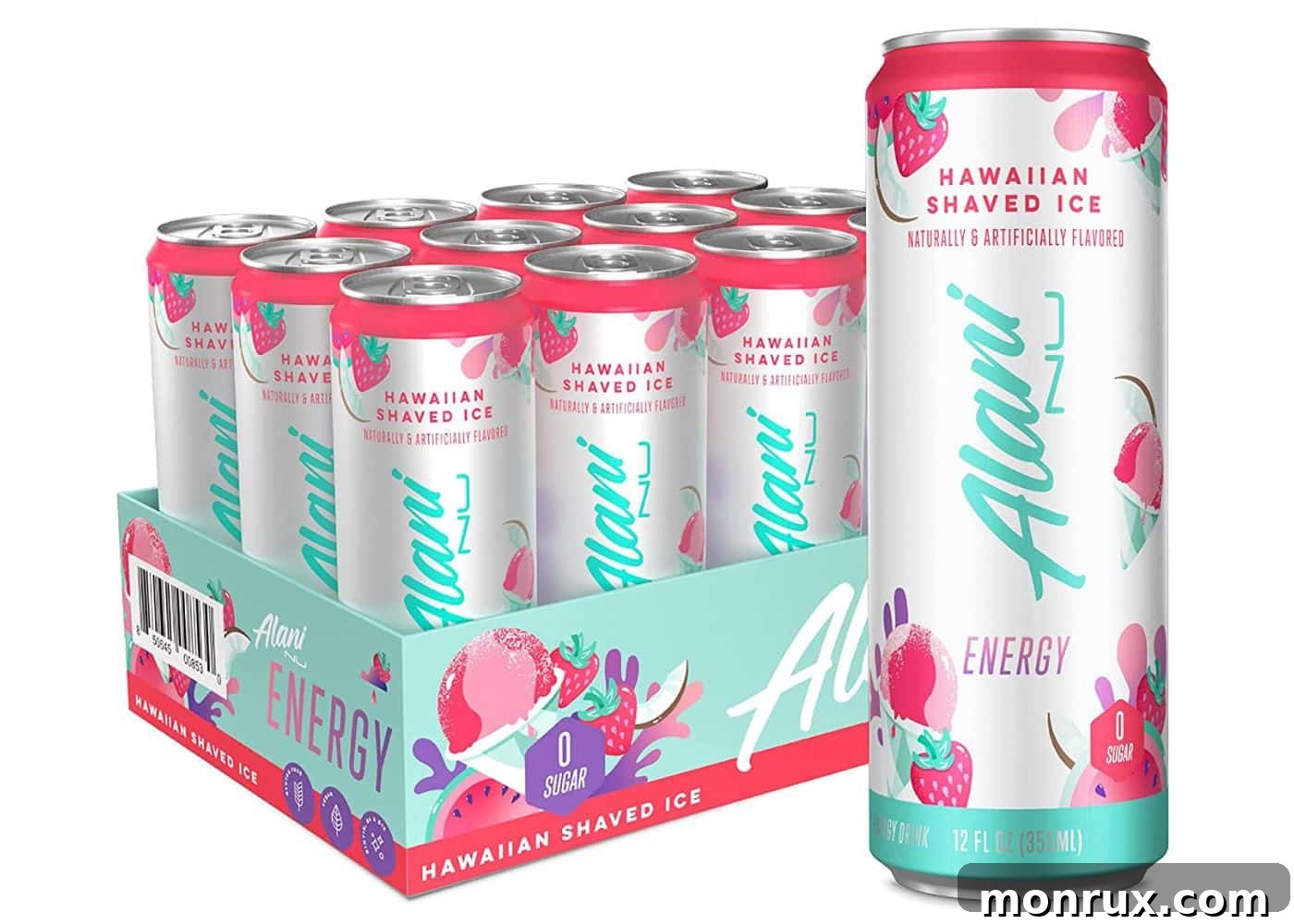
In the vast and ever-growing market of energy drinks, consumers are increasingly seeking options that align with their health goals. One brand that has gained significant traction is Alani Nu Energy Drink. But how does it stack up against a clean eating philosophy? This comprehensive article will delve into Alani Energy Drinks, examining their nutritional profile, ingredients, potential benefits, and drawbacks. For individuals committed to a clean eating lifestyle, understanding the composition of Alani is crucial, as its reliance on numerous processed ingredients often raises questions about its overall health value.
Alani Nu Energy Drink: An Overview
Alani Nu Energy Drink emerged on the scene as a product specifically tailored for active individuals seeking to enhance their performance and boost their energy levels. Founded by social media influencer Katy Hearn, the brand aimed to provide women, in particular, with the vigor needed to navigate busy lifestyles, engage in fitness activities, and excel in sports.
The allure of Alani Nu drinks stems from several key marketing points: they are positioned as being free from the eight major allergens, sugar-free, gluten-free, and vegan-friendly. Each 12 oz can typically contains a minimal amount of calories, usually around 10, alongside a significant 200mg of caffeine. Available in an impressive array of flavors such such as Breeze Berry, Juicy Peach, Watermelon Wave, Cosmic Stardust, Hawaiian Shaved Ice, Mimosa, Tropsicle, Blue Slush, Dream Float, Cherry Slush, Fruit Blast, Rocket Pop, Electric Energy, and Berry Pop, Alani appeals to a broad consumer base looking for variety and taste.
While these features make Alani Nu an attractive option for many, a closer look at the ingredient list reveals a different story, especially for those prioritizing whole, unprocessed foods. Many components found on an Alani Energy Drink label are synthetic compounds or highly processed chemicals. Understanding the potential health implications of these ingredients is crucial before integrating Alani into your regular diet.
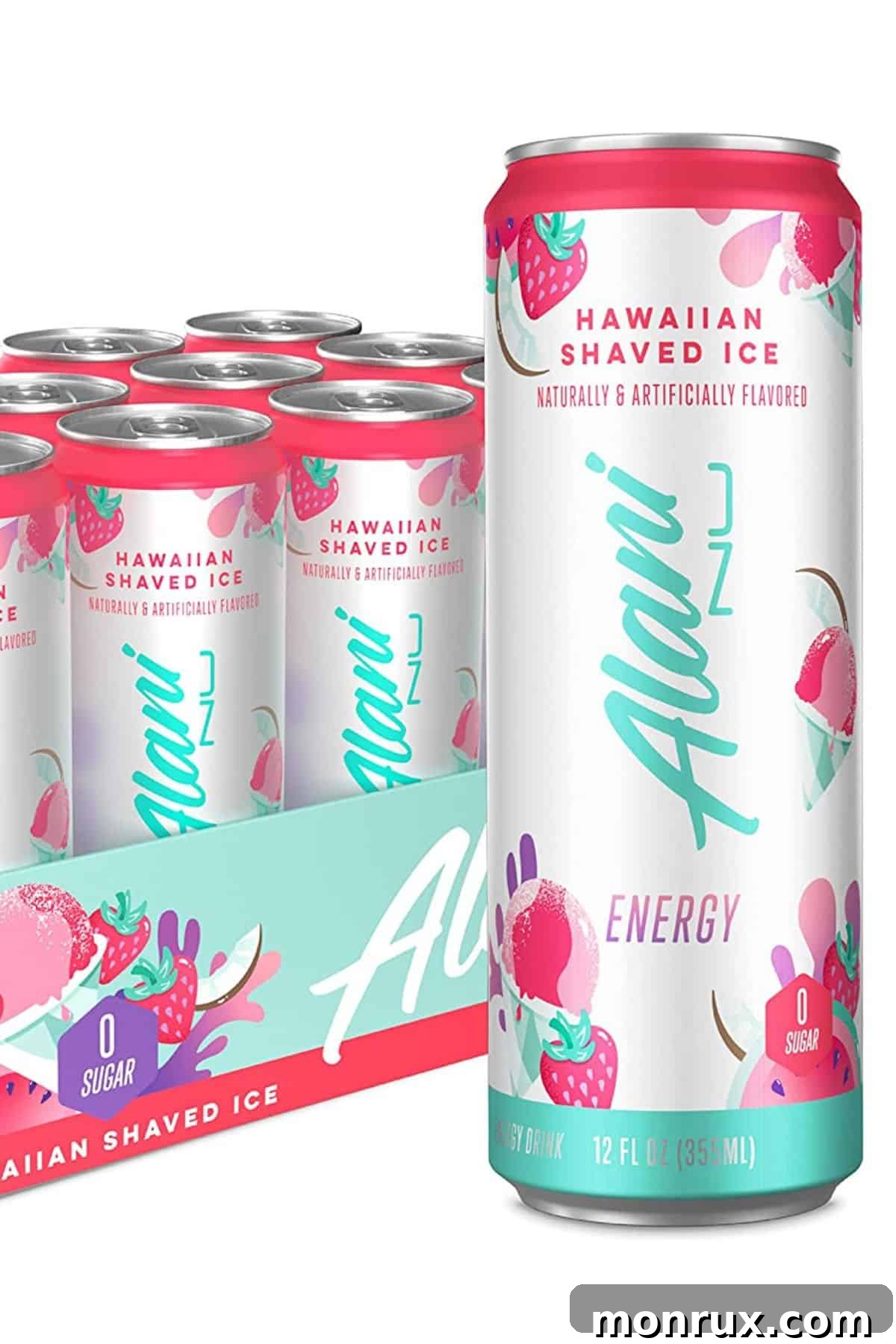
For instance, the Hawaiian Shaved Ice flavor lists the following ingredients:
- Carbonated Water
- Citric Acid
- Natural and Artificial Flavors
- Taurine
- Erythritol
- Sodium Citrate
- L-Theanine
- Caffeine
- Sucralose
- Vegetable Juice (for color)
- Panax Ginseng Root Extract
- Sodium Benzoate (preservative)
- Potassium Sorbate (preservative)
- L-Carnitine Tartrate
- Acesulfame Potassium
- Niacinamide (vitamin B3)
- Gum Acacia
- Inositol
- Glucuronolactone
- Sodium Chloride
- D-Calcium Pantothenate (vitamin B5)
- Guarana Seed Extract
- Pyridoxine Hydrochloride (vitamin B6)
- Biotin
- Cyanocobalamin (vitamin B12)
Alani Ingredients: A Deep Dive
At its core, Alani Energy Drinks are typically composed of carbonated water, citric acid, a blend of non-nutritive sweeteners, natural flavors, and various chemical additives. Marketed as a zero-sugar option designed to provide an energy boost, it often finds itself compared to traditional energy drinks like Red Bull, with many considering it a “healthier alternative.” However, whether Alani truly fits into the category of healthy energy drinks requires a more thorough examination of its constituents.
To make an informed decision about Alani Nu and its place in your diet, let’s explore some of the key ingredients in detail. You may also find value in my other comprehensive reviews on similar products, such as Celsius Energy Drinks, Lotus Energy Drink, and Ghost Energy Drinks.
Sodium Benzoate and Potassium Sorbate
Sodium benzoate and potassium sorbate are common preservatives used to inhibit the growth of mold, bacteria, and yeast, thereby extending product shelf life. While the FDA permits benzoic acid concentrations of up to 0.1% in foods and sodium benzoate is generally considered safe because it doesn’t accumulate in the body (passing through within about 24 hours), concerns persist.
Some studies have indicated that sodium benzoate can potentially impair memory and motor function. Furthermore, there have been reports linking sodium benzoate consumption to increased ADHD symptoms, particularly when combined with artificial colors. For individuals striving for a clean diet, the presence of such preservatives is often a red flag due to these potential adverse effects.
Erythritol, Sucralose, and Acesulfame Potassium
One of Alani Energy Drink’s defining characteristics is its “sugar-free” claim, achieved through the use of three different non-nutritive, zero-calorie artificial sweeteners: Erythritol, Sucralose, and Acesulfame Potassium. Although the FDA generally considers these sweeteners relatively safe at regulated levels, their consumption can lead to various adverse effects in some individuals.
- Erythritol: As a sugar alcohol, erythritol is produced through the fermentation of wheat starch or corn. While popular in low-sugar products, it can cause digestive issues such as diarrhea, cramps, bloating, and nausea in some people. Sensitivity varies, with some individuals, including healthy adults and those with certain medical conditions, experiencing more pronounced symptoms.
- Sucralose: This synthetic sweetener is a chlorinated derivative of sugar that the body cannot metabolize. Long-term consumption of sucralose has been associated with a toxic effect on the body and alterations to the gut microbiome, which is crucial for overall health, immunity, and even mood.
- Acesulfame Potassium (Acesulfame K): This sweetener is perhaps the most controversial, facing allegations of being carcinogenic. Despite FDA approval as a food additive, strict consumption limits are advised, and continued research into the long-term safety of Acesulfame K remains crucial.
For those committed to clean eating, avoiding these artificial sweeteners is a common practice due to their potential impact on gut health, metabolism, and overall well-being.
Caffeine
Caffeine is a primary energizing ingredient in Alani Energy Drinks, derived from natural sources like coffee beans, pure teas, cacao plants, and guarana. In moderation, caffeine has been linked to several health benefits, including a reduced risk of liver cancer, heart failure, Alzheimer’s, and Parkinson’s disease. It effectively provides a temporary boost in energy and may improve cognitive function.
However, caffeine is a potent stimulant, and its consumption requires caution. Health authorities generally recommend that adults limit their daily intake to less than 400 milligrams. Children and adolescents should avoid caffeine entirely. With each 12 oz serving of Alani Nu containing 200 mg of caffeine, it is remarkably easy to reach or even exceed the maximum daily recommendation with just two cans, especially if other caffeinated beverages like coffee or tea are consumed.
Excessive caffeine intake can lead to a range of undesirable side effects, including jitters, anxiety, dehydration, increased heart rate, elevated blood pressure, headaches, and vomiting. Therefore, while caffeine offers benefits, its high concentration in Alani Nu warrants careful consideration, particularly for individuals sensitive to stimulants or those with pre-existing health conditions. For a deeper dive into another popular energy drink, see my related review on “Is C4 Energy Drink Healthy?”
Taurine
Taurine is an amino acid naturally found in animal products such as meat, eggs, and fish. It plays a role in various bodily functions and is believed to support heart health and aid in muscle maintenance. For those who consume animal products, a natural intake of taurine is already part of their diet.
However, the taurine used in energy drinks is often synthetically produced. Research into the effects of taurine in energy drink formulations has raised questions, suggesting it can lower levels of neurotransmitters like serotonin, dopamine, and adrenaline. This can potentially result in altered behavior and neural functioning. While natural taurine is beneficial, the concentrated, synthetic version in energy drinks is a point of concern for health-conscious consumers.
Glucuronolactone
Glucuronolactone is a chemical that our bodies produce in small quantities. However, when listed as a food additive in energy drinks like Alani Nu, it refers to a chemical synthesized in a laboratory. The primary concern with glucuronolactone is the significant lack of comprehensive research on its long-term safety as a supplemental ingredient in high doses.
Despite limited data, some studies indicate that glucuronolactone can contribute to behavioral changes and may elevate health risks when consumed in large amounts. Given the scarcity of conclusive safety data, many clean eating proponents advise against consuming products containing this largely unstudied chemical additive.
Nutrition Pros: What Alani Does Right
Despite the concerns surrounding some of its ingredients, Alani Energy Drinks do possess a few notable advantages that appeal to certain segments of the population:
- Low Calorie and Sugar-Free: For individuals focused on calorie reduction or avoiding added sugars, Alani’s formulation is appealing. With only about 10 calories and zero sugar per serving, it offers an alternative to sugary sodas or conventional energy drinks that can be loaded with calories.
- Select Beneficial Ingredients: Alani includes ingredients like L-Theanine and Panax Ginseng Root Extract. L-Theanine, often found in green tea, is known to promote relaxation without drowsiness and can help temper the jitters sometimes associated with high caffeine intake, creating a smoother energy experience. Panax Ginseng is an adaptogen, historically used to improve focus and reduce stress.
- Allergen-Friendly Claims: The brand states its products are free from the eight major allergens, gluten-free, and vegan, making it accessible to a wider audience with dietary restrictions or preferences.
For those seeking a more natural, homemade drink with beneficial electrolytes, consider my Pineapple Coconut Water recipe as a refreshing and healthy alternative.
Nutrition Cons: The Health Concerns
While Alani Nu offers some attractive features, its significant drawbacks, particularly from a health and clean eating perspective, cannot be overlooked. The presence of numerous chemical ingredients and artificial additives is the primary area of concern.
- Processed and Artificial Ingredients: The extensive list of synthetic preservatives (Sodium Benzoate, Potassium Sorbate) and artificial sweeteners (Erythritol, Sucralose, Acesulfame Potassium) is a major deterrent for health-conscious consumers. These ingredients, as discussed, carry potential risks ranging from digestive distress and gut microbiome disruption to neurological effects and even carcinogenic allegations.
- High Caffeine Content: With 200mg of caffeine per 12oz serving, Alani Energy Drinks are notably high in stimulants. This level is generally deemed unsuitable for children and adolescents, and for adults, two servings can easily push them past the recommended daily limit of 400mg. Such high intake can lead to adverse effects like anxiety, heart palpitations, sleep disturbances, and dehydration. This becomes particularly problematic if consumers also drink coffee or other caffeinated beverages throughout the day.
- Synthetic B Vitamins: Alani Nu contains various synthetic B vitamins, including Niacinamide (B3), D-Calcium Pantothenate (B5), Pyridoxine Hydrochloride (B6), Inositol (B8), and Cyanocobalamin (B12). While B vitamins are essential, synthetic forms in high doses can sometimes cause side effects in sensitive individuals, including skin flushing, gastrointestinal upset, or nerve damage over time. The body often processes natural forms of vitamins more effectively.
- Unresearched Compounds: The inclusion of ingredients like Glucuronolactone, with limited long-term safety research, adds another layer of caution. Consumers are essentially ingesting substances whose cumulative effects on human health are not fully understood.
People with pre-existing digestive problems, heart conditions, or sensitivity to stimulants should exercise extreme caution or avoid Alani Nu entirely. For more information on another energy drink’s health profile, explore my review on “Is Aspire Energy Drink Healthy.”
Alani Drink Nutrition FAQs
While Alani Energy Drinks might be a slightly better choice compared to some highly sugary sports drinks or sodas, they are not genuinely “healthy” from a clean eating or holistic health perspective. They contain numerous processed ingredients, artificial sweeteners, and a high dose of synthetic compounds that health-conscious individuals typically strive to avoid. For optimal health and sustained energy, it is always preferable to opt for whole, real food ingredients. If you consistently need an energy boost, it’s more beneficial to prioritize adequate sleep, proper hydration, and investigate any underlying medical reasons for fatigue rather than relying on processed energy drinks.
Alani Nu Energy Drinks are often marketed as diet-friendly due to their zero added sugar and minimal calorie content. However, this perspective overlooks the potential negative impacts of its artificial sweeteners. Non-nutritive sweeteners, including those found in Alani, have been associated with altered gut microbiota, increased cravings, and even links to obesity and type 2 diabetes in some studies. Therefore, while it may not contribute direct calories, its long-term effects on metabolism and weight management can be counterproductive for a healthy dieting approach.
Absolutely not. Alani Energy Drinks contain 200mg of caffeine per 12oz serving, which is far too much for children and adolescents. The American Academy of Pediatrics recommends that children and adolescents should avoid energy drinks entirely. Beyond the excessive caffeine, Alani also contains various chemicals and artificial sweeteners that can cause adverse health effects, digestive issues, and behavioral changes in younger individuals whose bodies are still developing and are more sensitive to these compounds.
Due to its high caffeine content, Alani Energy Drinks can indeed provide a temporary energy surge, making them usable as a pre-workout beverage, and the company often markets them in this context as a sports drink. The caffeine can enhance focus and performance for a short duration. However, for serious athletes or anyone committed to optimal health, it’s always recommended to fuel your body with real food products, free from artificial sweeteners, preservatives, and questionable chemical additives. Natural pre-workout options, such as a banana with coffee, or a carefully formulated whole-food smoothie, offer sustained energy without the potential health risks.
Better Energy Alternatives
For those genuinely seeking a boost without compromising their health, several natural and beneficial alternatives can provide sustainable energy:
- Hydration: Often overlooked, adequate water intake is fundamental for energy levels. Dehydration can lead to fatigue.
- Whole Foods: A balanced diet rich in fruits, vegetables, lean proteins, and complex carbohydrates provides consistent energy.
- Green Tea or Black Coffee: In moderation, these natural sources offer caffeine along with antioxidants, often providing a smoother energy boost compared to highly processed energy drinks.
- Herbal Teas: Peppermint, ginger, or ginseng teas can offer a gentle lift without caffeine.
- B Vitamin-Rich Foods: Incorporate foods like eggs, leafy greens, nuts, seeds, and lean meats, which naturally supply B vitamins crucial for energy metabolism.
- Adaptogens: Natural herbs like Ashwagandha or Rhodiola can help the body adapt to stress and support energy, but should be used under guidance.
- Adequate Sleep: The most fundamental “energy booster” is sufficient, quality sleep. Addressing sleep deficiencies is more effective than masking fatigue with stimulants.
Don’t miss these other energy drink reviews to help you make informed choices:
Conclusion: Are Alani Energy Drinks Healthy?
While Alani Energy Drinks boast appealing qualities like being low in calories, sugar-free, and allergen-friendly, a deeper look reveals they are fundamentally processed beverages laden with controversial and artificial ingredients. Their high caffeine content (200mg per serving) makes them unsuitable for children and a point of caution for adults, especially those sensitive to stimulants or who consume other caffeinated products.
For individuals committed to a clean eating lifestyle, Alani Nu Energy Drinks likely do not align with their health principles. The presence of synthetic sweeteners, artificial flavors, preservatives, and unresearched compounds raises legitimate concerns about long-term health impacts, particularly on gut health and neurological function. If you genuinely need an energy boost, the most effective and health-supportive strategies involve prioritizing adequate sleep, maintaining proper hydration, and opting for nutritious drinks made with real food ingredients. Making informed choices about what we consume is paramount to fostering lasting well-being.
Don’t forget to join my newsletter list to get exclusive clean eating recipes and tips. The newsletter is 100% free with no spam; unsubscribe anytime.
About the Author: Carrie Forrest has a master’s degree in public health with a specialty in nutrition and is a certified holistic nutritionist. She is a top wellness and food blogger with over 5 million annual visitors to her site. Carrie has an incredible story of recovery from chronic illness and is passionate about helping other women transform their health. Send her a message through her contact form.
Note: this post is for informational purposes only and is not intended as medical advice. Please consult your healthcare provider for recommendations related to your individual situation.