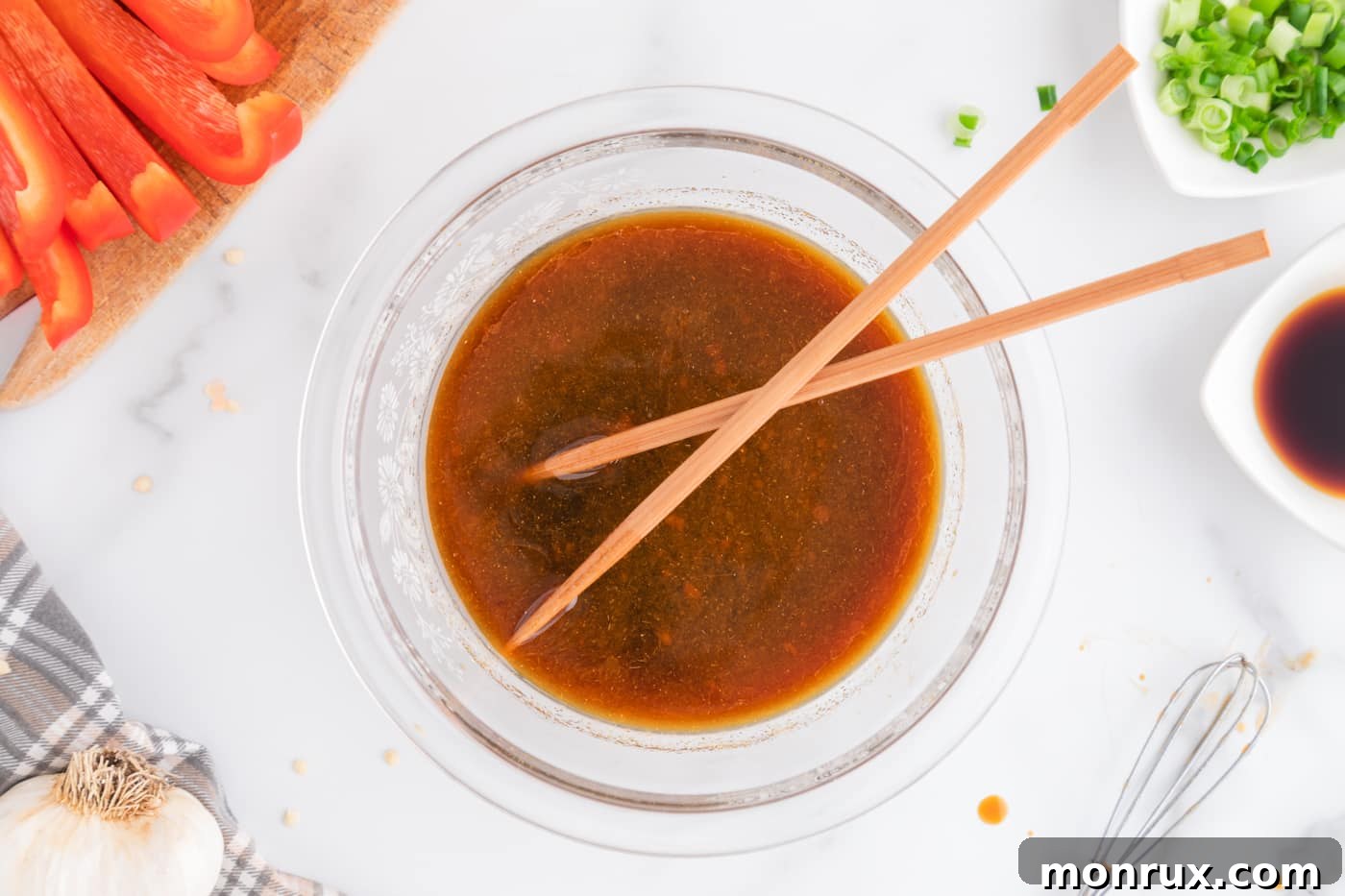
Easy & Delicious Gluten-Free Stir-Fry Sauce: Your Homemade Essential
Unlock a world of vibrant flavors with this incredibly simple and versatile Gluten-Free Stir-Fry Sauce recipe. Crafted with just a few wholesome ingredients, this homemade sauce is a game-changer for quick weeknight meals, elevating everything from sizzling stir-fries to delicate steamed vegetables. Beyond its primary use, it doubles wonderfully as a flavorful marinade for your favorite proteins, ensuring every bite is packed with delicious, clean taste. Whether you follow a vegan, vegetarian, or gluten-free diet, this adaptable recipe can be tailored to meet your specific needs without compromising on flavor.
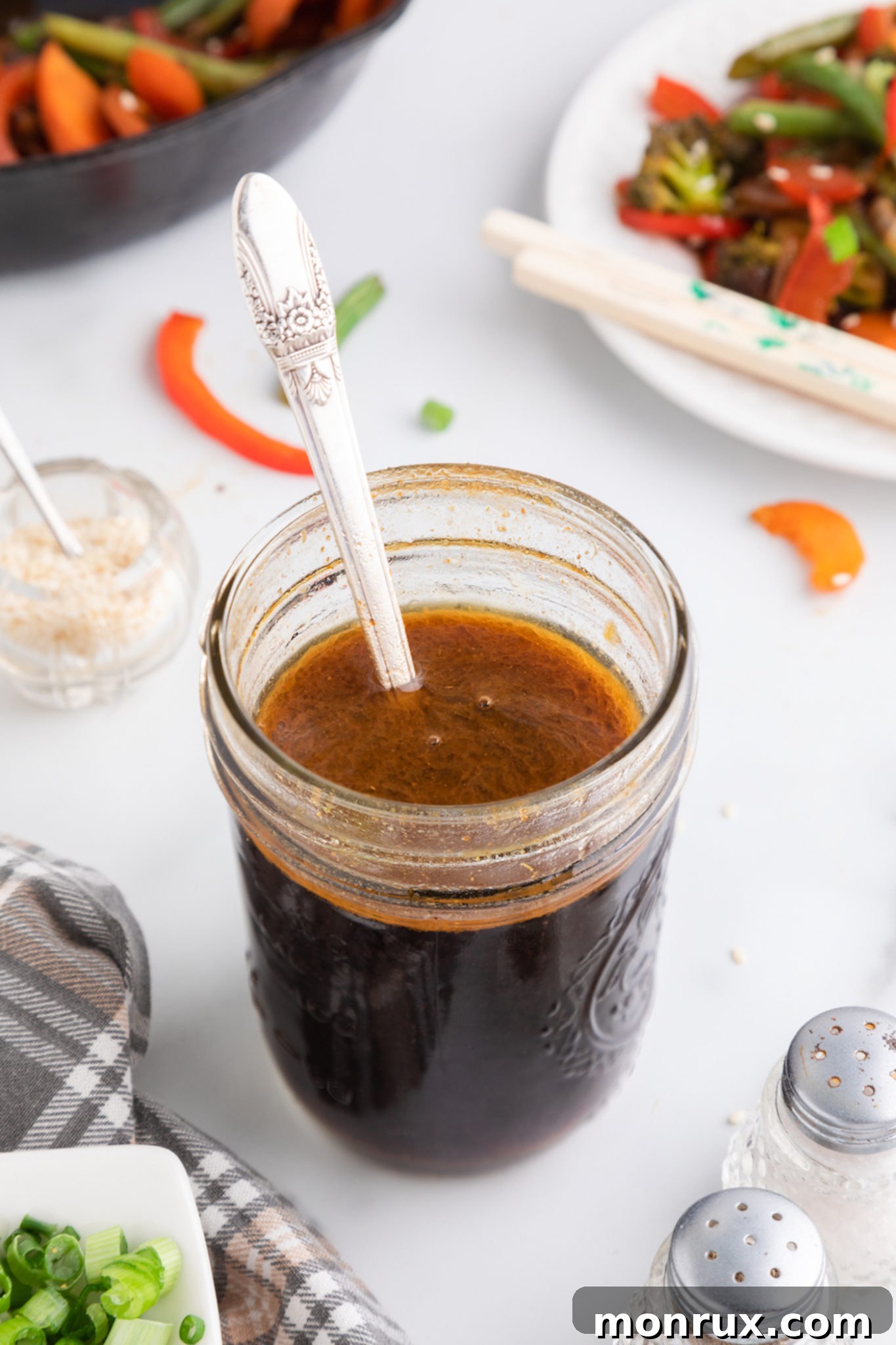
If you’ve typically relied on store-bought stir-fry sauces, prepare to be amazed by the superior taste and health benefits of making your own from scratch. Not only will you save money in the long run, but you’ll also gain complete control over the quality and quantity of ingredients. This means no hidden sugars, excessive sodium, or artificial preservatives, just pure, wholesome goodness. Incorporating more vegetables into your daily diet becomes effortlessly delicious with a homemade stir-fry. You don’t need specialized equipment like a fancy wok; a standard skillet will do the trick. Simply heat some oil, toss in your choice of crisp vegetables and lean protein, then serve over fluffy cooked rice. A generous drizzle of this exquisite gluten-free stir-fry sauce completes a truly satisfying and healthy meal.
Why Choose Homemade Stir-Fry Sauce?
Making your own stir-fry sauce offers numerous advantages over opting for store-bought versions. Here’s why this recipe should become a staple in your kitchen:
- **Healthier Alternative:** Commercial sauces are often laden with excessive sodium, refined sugars, and artificial additives. By making your own, you can control these elements, ensuring a cleaner, healthier meal for yourself and your family. This recipe prioritizes natural sweetness and lower sodium options, aligning perfectly with a clean eating lifestyle.
- **Customizable to Your Taste:** Ever wished your stir-fry sauce was a little sweeter, tangier, or spicier? With this homemade recipe, you can easily adapt it to your exact preferences. Adjust the sweetness level, enhance the garlic and ginger, or even introduce a hint of chili for an extra kick.
- **Freshness and Flavor:** There’s simply no comparison to the vibrant taste of freshly made sauce. The aromatic notes of sesame oil, garlic, and ginger are far more pronounced and robust when prepared just before use, transforming ordinary steamed vegetables or a simple stir-fry into an extraordinary culinary experience.
- **Simple & Quick:** You only need a handful of common pantry ingredients and a mere few minutes to whip up a batch of this fantastic sauce. Its simplicity makes it an ideal choice for busy weeknights when you want a flavorful meal without a lot of fuss. It’s truly a key ingredient in dishes like my Salmon Stir Fry, adding depth and authenticity.
- **Budget-Friendly:** Buying individual ingredients like coconut aminos and sesame oil might seem like an initial investment, but they last for many batches of sauce, proving to be more economical than continuously purchasing pre-made sauces.
The Power of Key Ingredients
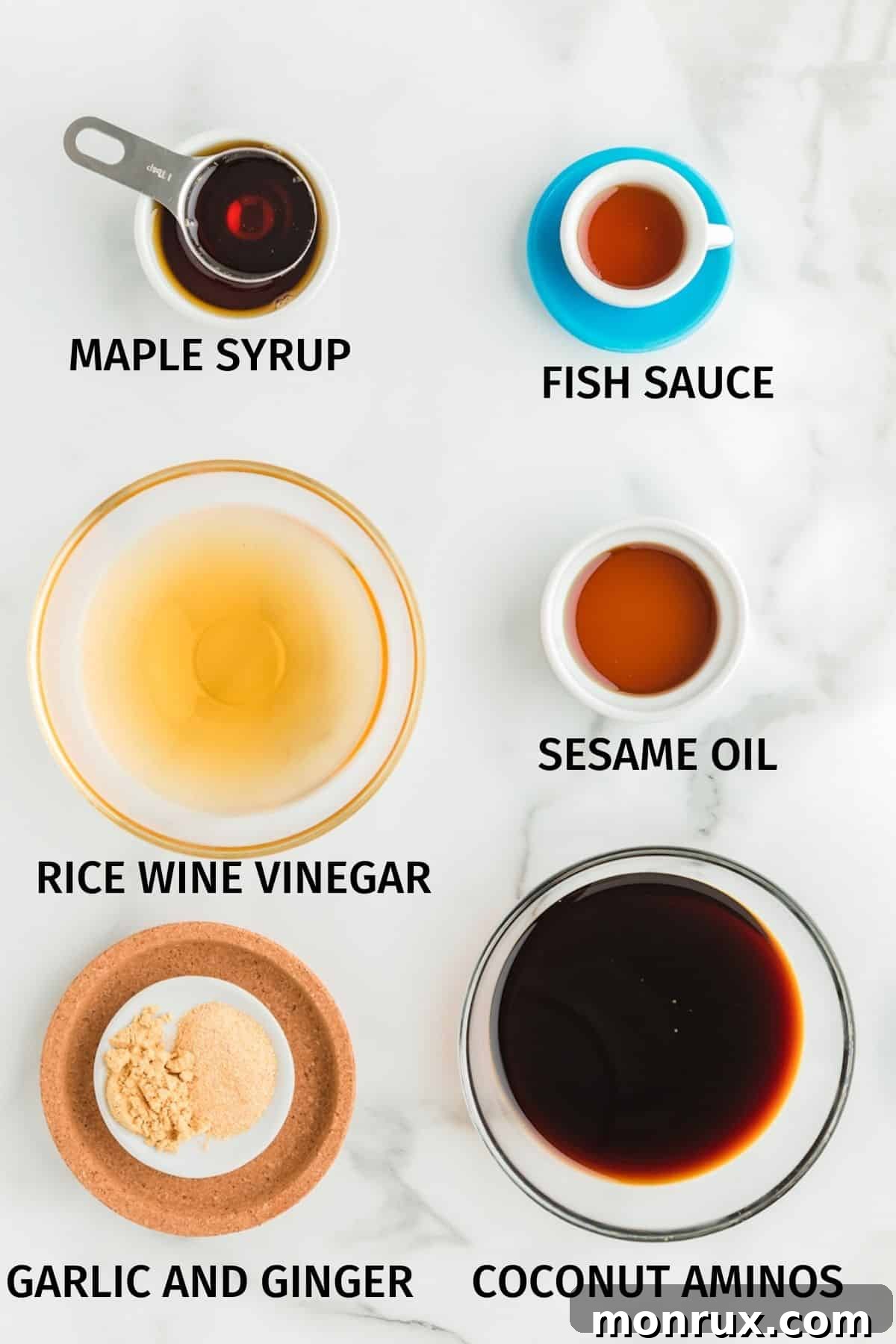
Each ingredient in this gluten-free stir-fry sauce plays a crucial role in building its balanced and delicious flavor profile. Understanding their contribution will help you appreciate the recipe and even inspire your own variations.
- Coconut Aminos: This is my preferred base for the sauce. Coconut aminos are an excellent soy-free and naturally gluten-free alternative to traditional soy sauce or tamari. It’s also significantly lower in sodium, making it a healthier choice for those watching their salt intake. It provides a savory, slightly sweet, and umami depth without the harshness of some soy products. If you prefer, tamari is a gluten-free soy sauce option, but be mindful of its higher sodium content.
- Maple Syrup: A touch of maple syrup adds a beautiful, natural sweetness that helps the sauce glaze your dishes and balance the savory and tangy notes. It’s an ideal choice for a vegan stir-fry sauce. If you don’t adhere to a vegan diet, raw honey can be a suitable substitute, offering a slightly different but equally pleasant sweetness. For those who prefer, a small amount of brown sugar can also be used.
- Toasted Sesame Oil: Essential in many Asian cuisines, toasted sesame oil is a flavor powerhouse. Just a small amount provides an incredibly aromatic, nutty, and distinctly Asian flavor that elevates the entire dish. If you ever feel your homemade Asian-inspired sauces are missing that restaurant-quality depth, ensure you have a good quality toasted sesame oil on hand. It’s often the secret ingredient.
- Garlic and Ginger: These two aromatics are the backbone of many stir-fry sauces, creating a harmonious blend of pungent and spicy notes. They are strong flavors individually but complement each other wonderfully. While the recipe calls for ginger powder and garlic powder for convenience, feel free to use fresh minced ginger or crushed garlic cloves for an even more vibrant and intense flavor. If using fresh, you might want to slightly increase the quantity.
- Rice Wine Vinegar: This ingredient provides that distinctive, bright tang and acidity that is characteristic of perfect stir-fries. It cuts through the richness and balances the sweetness, adding a refreshing finish to the sauce. Ensure you use rice *wine* vinegar, as other vinegars will alter the flavor profile significantly.
- **Fish Sauce (Optional):** For those who enjoy an extra layer of savory depth and umami, a splash of fish sauce can be a wonderful addition. It adds a complex, salty, and slightly funky note that is classic in many Southeast Asian dishes. However, it is entirely optional and can be omitted to keep the sauce vegan and vegetarian. I personally recommend the Red Boat brand for its gluten-free quality.
For the precise quantities and detailed measurements of each ingredient, please refer to the comprehensive recipe card located at the end of this post.
Simple Steps to Sauce Perfection
Crafting this delicious gluten-free stir-fry sauce is remarkably straightforward. Follow these simple steps for a perfectly blended sauce every time:
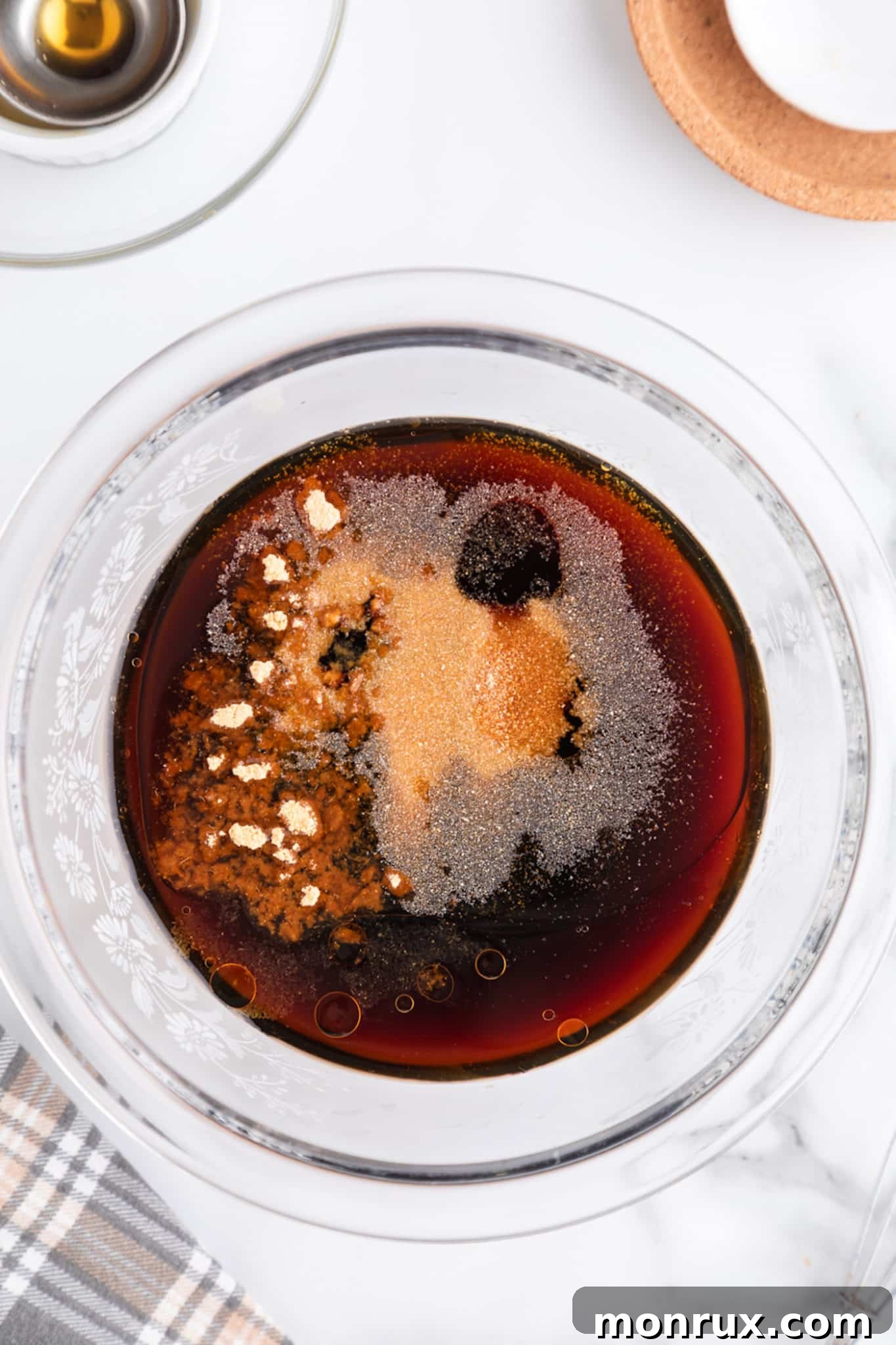
1. **Combine Liquids First:** Begin by adding all your liquid ingredients into a small mixing bowl. This includes the rice wine vinegar, coconut aminos, toasted sesame oil, and maple syrup. The reason for starting with liquids is practical: it makes it much easier to dissolve the powdered seasonings, ensuring they don’t stick to the bottom of the bowl and create clumps. This ensures a smooth, consistent sauce.
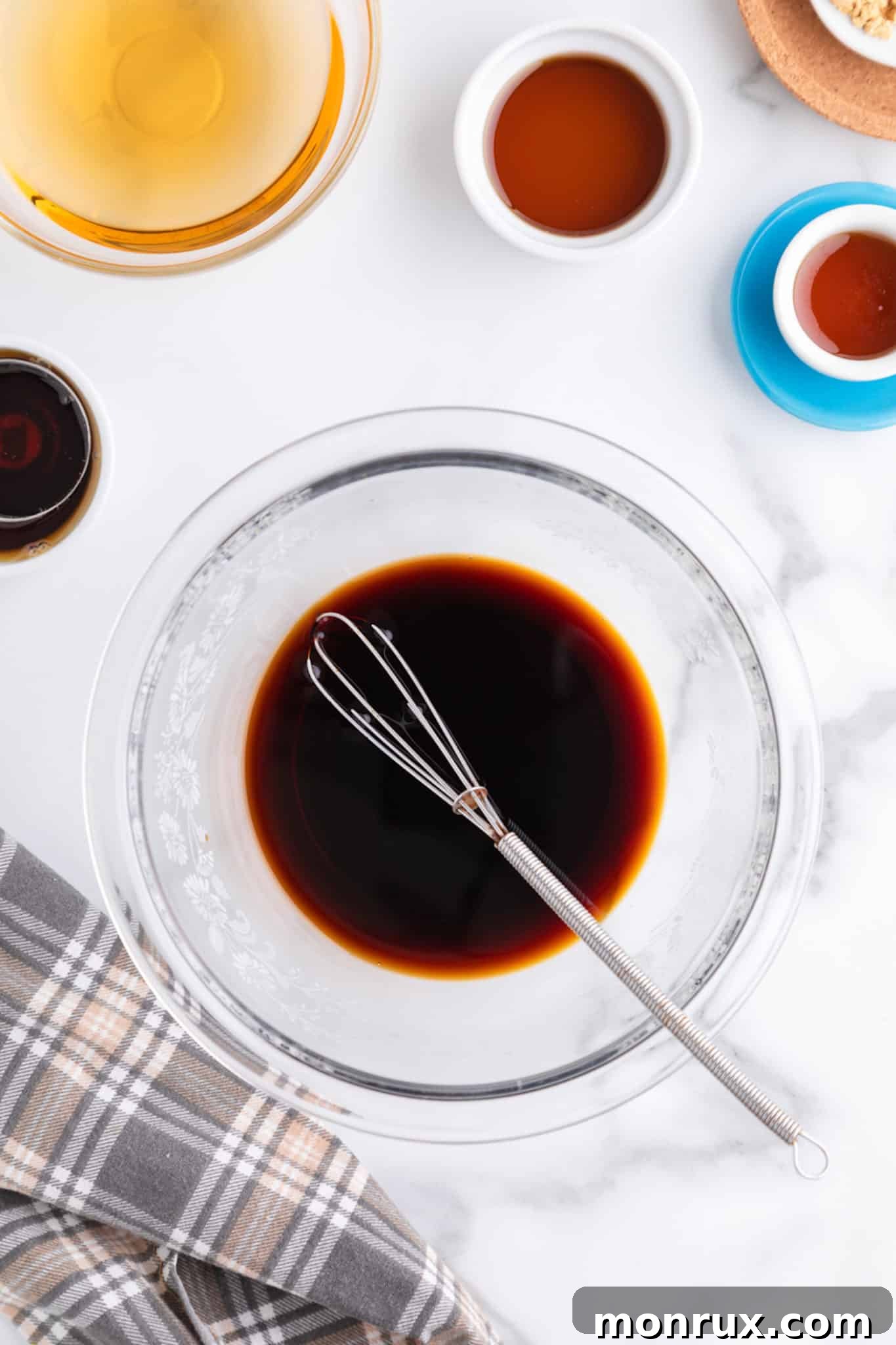
2. **Add Dry Seasonings:** Once the liquids are in, carefully measure out your ground ginger and dried garlic and add them to the bowl. If you’re using fresh garlic and ginger, mince them finely before adding.
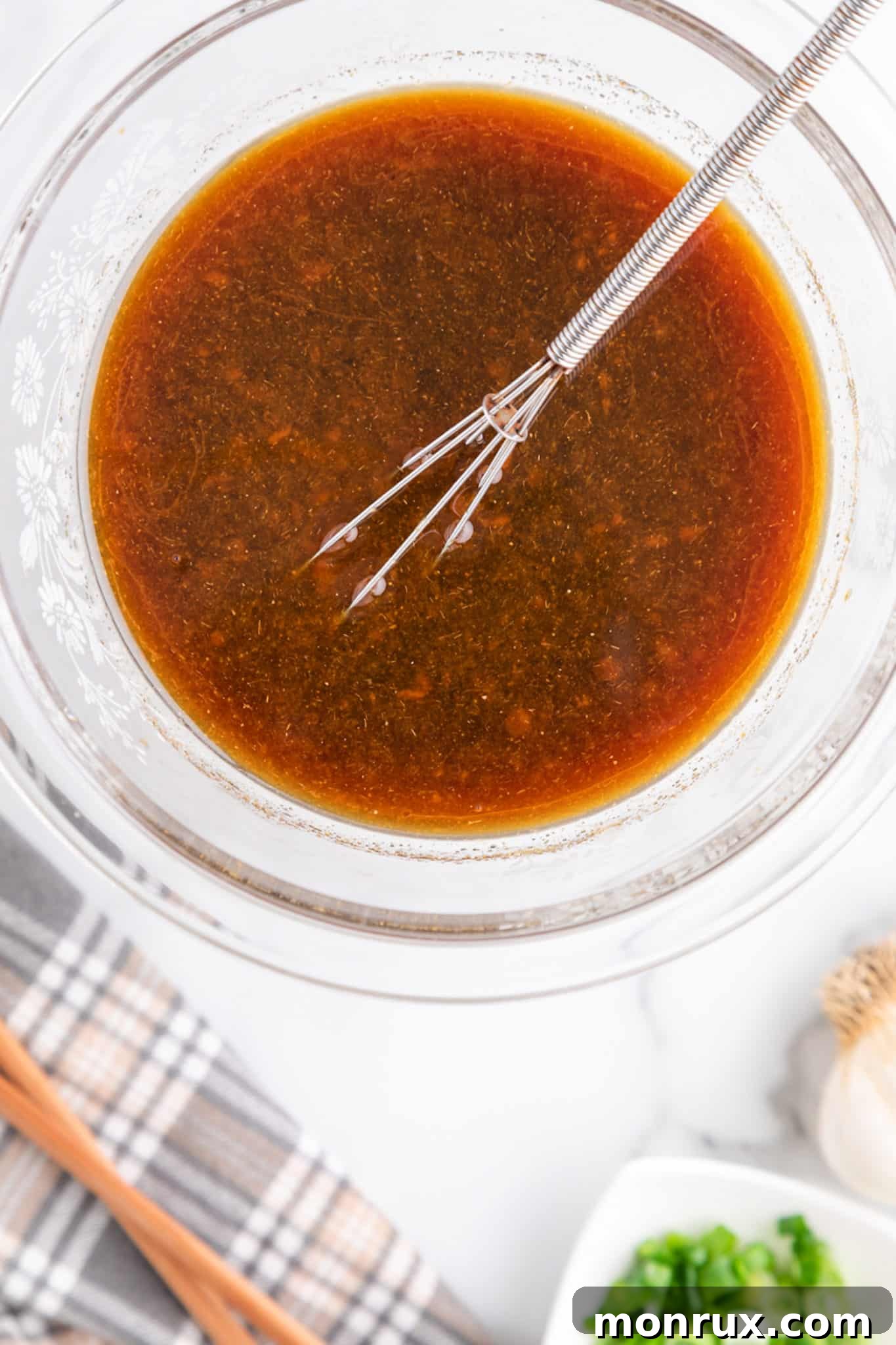
3. **Whisk Thoroughly:** Now, whisk everything together very well. Initially, it might seem a little challenging to fully incorporate the powdered ingredients into the liquids, but persist with vigorous whisking. The key is to ensure there are no lumps and that the flavors are evenly distributed throughout the sauce. Continue whisking until the sauce takes on a slightly lighter, more uniform color, indicating that all the ingredients have been thoroughly combined and emulsified.
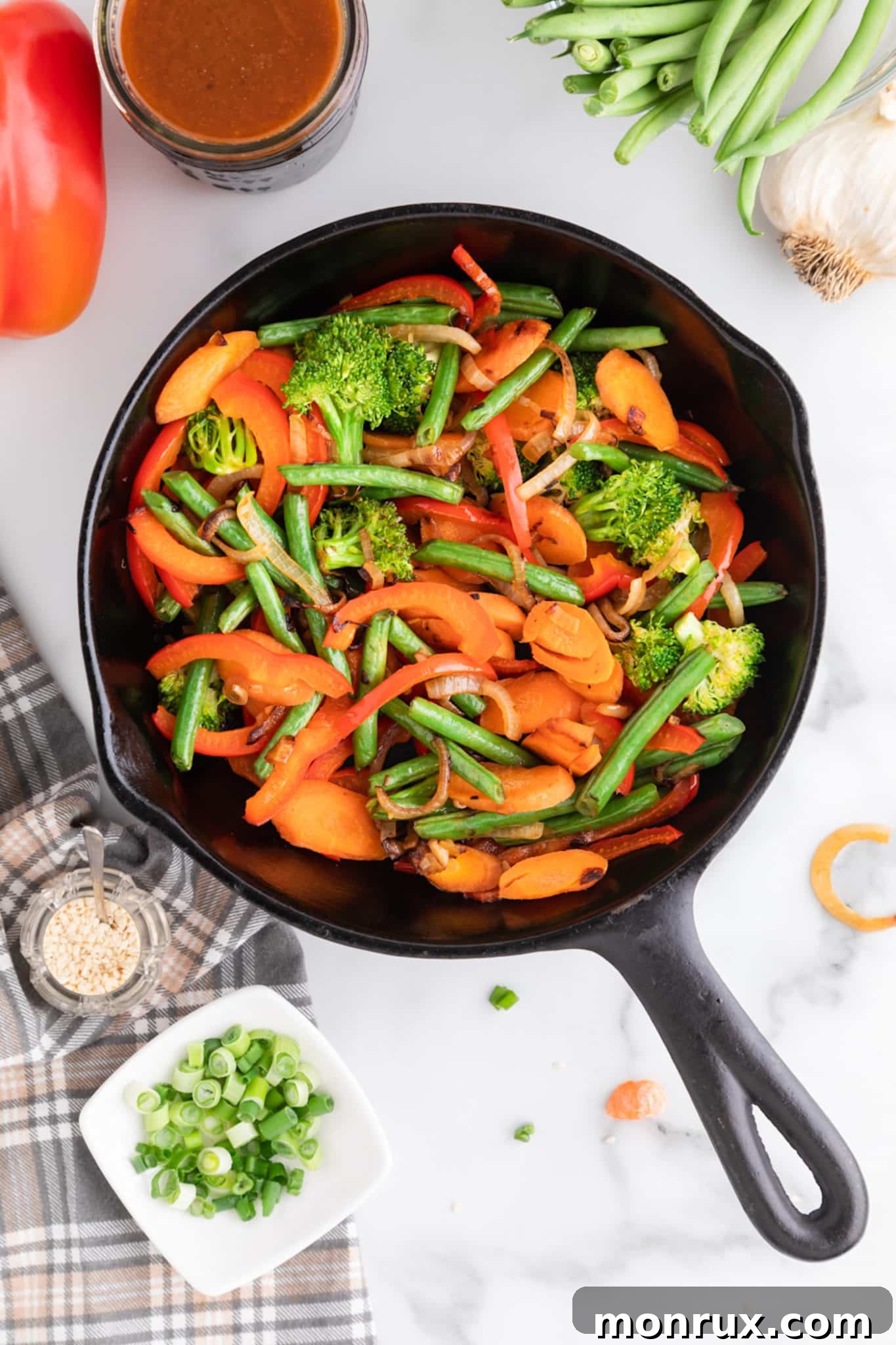
4. **Ready to Use:** Your homemade gluten-free stir-fry sauce is now ready to use! For stir-fry recipes, cook your favorite vegetables and protein until nearly done, then add the sauce during the final minutes of cooking. This allows the sauce to heat through, thicken slightly, and beautifully coat all your ingredients without burning. For instance, in a chicken stir-fry, use tender pieces of chicken breasts or thighs. For a delightful veggie stir-fry, opt for hearty vegetables like crisp snap peas, vibrant red bell pepper, and fresh green onions, or any combination of your favorite seasonal produce. Simple ingredients can truly create amazing stir-fries. Garnish the finished dish with a sprinkle of sesame seeds or a dash of red pepper flakes for extra flavor and visual appeal, serving it alongside steamy white rice for a complete meal.
Expert Tips for Best Results
Maximize the flavor and longevity of your homemade stir-fry sauce with these helpful tips:
- **Customizing for Dietary Needs:** To ensure this recipe is suitable for all diets, simply omit the fish sauce if you are preparing a vegan or vegetarian version. The sauce will still be incredibly flavorful without it.
- **Sweetener Alternatives:** If maple syrup is unavailable or you prefer another sweetener and are not vegan, honey makes an excellent substitute. It offers a rich, natural sweetness that complements the other savory ingredients beautifully.
- **Proper Storage for Freshness:** This sauce is fantastic for meal prep! Store any leftover sauce in an airtight container or a jar with a tight-fitting lid in the refrigerator. It will remain fresh and flavorful for up to 5 days, making it perfect for quick weeknight meals throughout the week.
- **Shake Before Use:** Since the ingredients can separate slightly over time, especially if you include fresh garlic or ginger, give the container a good shake or a quick whisk before each use. This ensures all flavors are re-combined and evenly distributed.
- **Thickening the Sauce (Optional):** If you prefer a thicker stir-fry sauce that clings more to your ingredients, you can easily achieve this. While cooking your stir-fry, after adding the sauce, stir in 1-2 teaspoons of corn starch or arrowroot starch (mixed with a tablespoon of cold water to create a slurry) over medium-high heat. Continue stirring until the sauce reaches your desired consistency. This simple trick yields a glossy, rich sauce.

Frequently Asked Questions About Gluten-Free Stir-Fry Sauce
Yes, you absolutely can use tamari as a substitute for coconut aminos. Tamari is a gluten-free alternative to traditional soy sauce, and it will work well in this recipe. However, be aware that tamari typically has a higher sodium content than coconut aminos. If you’re mindful of your sodium intake, I recommend opting for a reduced-sodium tamari variety to keep the sauce healthier.
No problem at all! Fish sauce is an optional ingredient in this recipe, primarily used to add an extra layer of umami depth. If you don’t have it on hand, or if you prefer a vegan or vegetarian sauce, simply leave it out. The sauce will still be incredibly flavorful and delicious without it, relying on the other ingredients for its rich taste profile.
For those who do wish to include fish sauce, I highly recommend the Red Boat brand. It’s renowned for its high quality, clean ingredient list (often just anchovy and sea salt), and it is naturally gluten-free. Its robust flavor can truly elevate your stir-fry sauce.
Using corn starch or arrowroot starch in a stir-fry is entirely optional. The sauce is delicious as is, but if you prefer a thicker, glossier sauce that coats your ingredients more thoroughly, then yes, adding a slurry of 1-2 teaspoons of corn starch or arrowroot starch mixed with a tablespoon of cold water at the end of cooking will achieve that. Stir it into the hot sauce over medium-high heat until it thickens to your desired consistency.
Absolutely! To add a kick to your stir-fry sauce, you can incorporate a pinch of red pepper flakes, a dash of sriracha, or a bit of chili garlic sauce. Add them to taste when you combine all the ingredients. Start with a small amount and add more until you reach your desired level of spice.
This versatile sauce makes an excellent marinade! Simply pour the desired amount over your protein of choice (chicken, beef, pork, tofu, or shrimp) in a shallow dish or a Ziploc bag. Ensure the protein is fully coated, then refrigerate for at least 30 minutes, or ideally 2-4 hours for deeper flavor. For tougher cuts of meat, you can marinate overnight. When ready to cook, pat the protein dry before searing or grilling for best results.
More Gluten-Free Sauces & Dressings to Explore
If you’re embracing a gluten-free lifestyle, expanding your repertoire of homemade sauces and dressings is a fantastic way to ensure your meals are always flavorful and healthy. Here are some other delicious recipes you might enjoy:
- Creamy Avocado Spread
- Homemade Vegan Pesto
- Zesty Honey Mustard Salad Dressing
- The Best Gluten-Free Sauces for Every Dish
Delicious Recipes Using This Stir-Fry Sauce
This versatile gluten-free stir-fry sauce is an absolute hero in the kitchen. Here are some fantastic recipes where it truly shines, helping you create quick, healthy, and flavorful meals:
I sincerely hope you enjoy making and using this incredibly flavorful and easy gluten-free stir-fry sauce. If you give it a try, please take a moment to leave a comment and a starred review below – your feedback is greatly appreciated!
And for more clean eating inspiration, consider following me on social media to stay connected. You can find me on Facebook, Pinterest, Instagram, and YouTube!
Easy Gluten-Free Stir Fry Sauce
This delicious Gluten-Free Stir-Fry Sauce recipe is easy to make, with only a few ingredients. Use it with stir-fries, steamed vegetables, or as a marinade. This recipe can be made vegan or vegetarian.
- Total Time: 5 minutes
- Yield: 4 servings
Ingredients
- 1/4 cup rice wine vinegar
- 1/4 cup coconut aminos
- 2 teaspoons toasted sesame oil
- 1 tablespoon maple syrup
- 1 teaspoon fish sauce (optional, omit for vegan/vegetarian)
- 1/4 teaspoon ground ginger
- 1/4 teaspoon dried garlic
Instructions
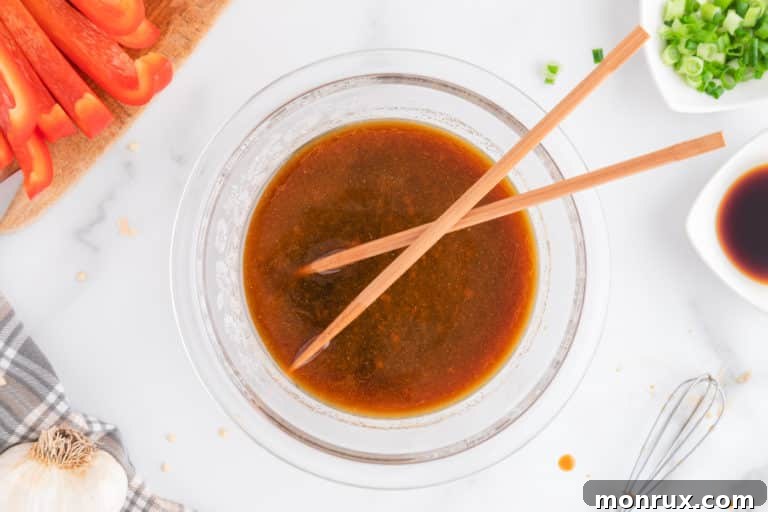
- In a small bowl, combine the rice wine vinegar, coconut aminos, toasted sesame oil, maple syrup, fish sauce (if using), ground ginger, and dried garlic. Use a small whisk to stir until thoroughly combined.
- Use immediately to flavor your favorite stir-fries or as a marinade. To store, cover and keep in the refrigerator for up to one week. Remember to shake or whisk well before each use.
Notes
- Feel free to leave out the fish sauce to make this recipe both vegan and vegetarian.
- If you don’t have maple syrup and aren’t vegan, honey may be used in its place.
- The sauce will keep in a covered container in the refrigerator for up to 5 days.
- Store in a jar with a tight-fitting lid so you can give it a quick shake before using.
- For a thicker sauce, whisk in 1-2 teaspoons of cornstarch or arrowroot starch (mixed with a bit of cold water) while cooking your stir-fry.
- Author: Carrie Forrest, MPH in Nutrition
- Prep Time: 3 minutes
- Cook Time: 2 minutes
- Category: Sauces
- Method: Countertop
- Cuisine: Asian
- Diet: Gluten Free, Vegan (optional), Vegetarian (optional)
Nutrition
- Serving Size: 1/4 of recipe
- Calories: 56
- Sugar: 3.1 g
- Sodium: 419.4 mg
- Fat: 2.3 g
- Saturated Fat: 0.3 g
- Carbohydrates: 8.4 g
- Fiber: 0 g
- Protein: 0.1 g
- Cholesterol: 0 mg
Don’t forget to join my newsletter list to receive exclusive clean eating recipes and valuable tips directly to your inbox. The newsletter is completely free, spam-free, and you can unsubscribe at any time.
About the Author: Carrie Forrest holds a master’s degree in public health with a specialization in nutrition and is a certified holistic nutritionist. As a prominent wellness and food blogger, her site welcomes over 5 million visitors annually. Carrie shares an inspiring story of recovery from chronic illness and is deeply committed to empowering other women on their health transformation journeys. Feel free to send her a message through her contact form for any inquiries or support.