Undergoing a colonoscopy is a crucial step in maintaining your digestive health, typically recommended for individuals around the age of 50 or earlier if specific symptoms arise. While the preparation process, involving dietary restrictions and bowel cleansing, can be challenging, understanding what to eat afterwards is just as vital for a smooth and comfortable recovery. This comprehensive guide will walk you through the best foods and drinks to consume after your colonoscopy, along with delicious, easy-to-digest recipes, to help you replenish your body and soothe your digestive system.
Understanding Your Colonoscopy
A colonoscopy is a vital medical procedure performed by a healthcare provider to meticulously examine the inner lining of your large intestine, which includes both the colon and the rectum. This examination is a cornerstone of preventative health, particularly for early detection of colorectal cancer and various digestive conditions.
During the procedure, a long, thin, flexible tube called a colonoscope is gently guided into your colon. This advanced instrument is equipped with a tiny camera that transmits high-definition images to a monitor, allowing your doctor to thoroughly inspect the colon walls. The colonoscope also has channels that allow for the removal of tissue samples (biopsies) or polyps, which are small growths that can sometimes develop into cancer. Rest assured, thanks to modern anesthesia, you typically won’t feel any pain during these interventions.
The primary purpose of a colonoscopy extends beyond just screening for colon cancer. It is also an indispensable tool for diagnosing a wide range of gastrointestinal issues, such as inflammatory bowel diseases like ulcerative colitis and Crohn’s disease, as well as identifying the causes of unexplained symptoms like abdominal pain, rectal bleeding, or persistent diarrhea. For most individuals, a colonoscopy becomes a routine screening recommendation once they reach the age of 50, providing an invaluable opportunity for proactive health management.
While you might be awake during the procedure, you will receive sedation to ensure you are relaxed and comfortable. Some patients may experience a sensation of pressure or mild bloating as air is gently pumped into the colon to expand it, offering your doctor an unobstructed view. However, significant pain is uncommon.
The success of your colonoscopy heavily relies on thorough bowel preparation. Before the procedure, your healthcare provider will provide detailed instructions on how to clear your colon, a process often referred to as “bowel prep.” This step is critical because any residual material in the colon can obscure the view, making it difficult for your doctor to spot polyps or other abnormalities. Following these dietary and cleansing guidelines precisely is paramount for an effective examination.
You may also find my article on soft foods to eat after oral surgery helpful for similar dietary considerations.
Pre-Colonoscopy Diet: What to Eat Before
Adhering to specific dietary guidelines before your colonoscopy is just as important as the procedure itself. Your healthcare provider will give you precise instructions, but generally, a low-fiber diet is recommended for a few days leading up to the procedure. This helps minimize the amount of stool in your colon, making the bowel prep more effective.
Foods typically allowed two to three days before a colonoscopy include options that are easy to digest and low in fiber:
- Refined Grains: White bread, white rice, plain pasta, and low-fiber cereals. Avoid whole grains.
- Simple Sweets: Plain cookies made with white flour (ensure no nuts, seeds, or dried fruit).
- Lean Proteins: Plain, cooked meats like chicken, turkey, or fish. Avoid heavy sauces, seasoned meats, or fatty cuts.
- Cooked Vegetables: Well-cooked or canned vegetables without skin or seeds. Focus on options like potatoes (peeled), carrots, and green beans. Steer clear of high-fiber vegetables like corn, tomatoes, cabbage, Brussels sprouts, peas, squash, lima beans, and onions.
- Smooth Fats: Smooth nut butters (without chunks), butter, margarine, mayonnaise, and vegetable oils.
- Clear and Strained Soups: Clear broths or strained cream-based soups (without solid pieces of vegetables or meat).
- Dairy and Desserts: Custard, plain pudding, sorbet, sherbet, and ice cream (without nuts, fruit, or swirls).
- Gelatin: Jell-O or other plain gelatin (avoid any with added fruit or red/purple dyes, as these can be mistaken for blood).
- Beverages: Coffee, tea, hot chocolate, clear sodas, fruit drinks, and fruit juices without pulp (e.g., apple juice, white grape juice).
The day before your colonoscopy, your doctor will likely instruct you to abstain from all solid foods and consume only clear liquids. This final cleansing phase ensures your colon is completely clear for the examination.
Suitable clear liquids for the day before your colonoscopy include:
- Water: Stay well-hydrated with plenty of plain water.
- Clear Broths: Chicken, beef, or vegetable broth (strained and fat-free).
- Tea and Coffee: Black tea, herbal teas, and black coffee (without milk, cream, or non-dairy creamers).
- Carbonated Drinks: Clear sodas like ginger ale, Sprite, or 7-Up.
- Juices: Apple juice, white grape juice, or white cranberry juice (pulp-free).
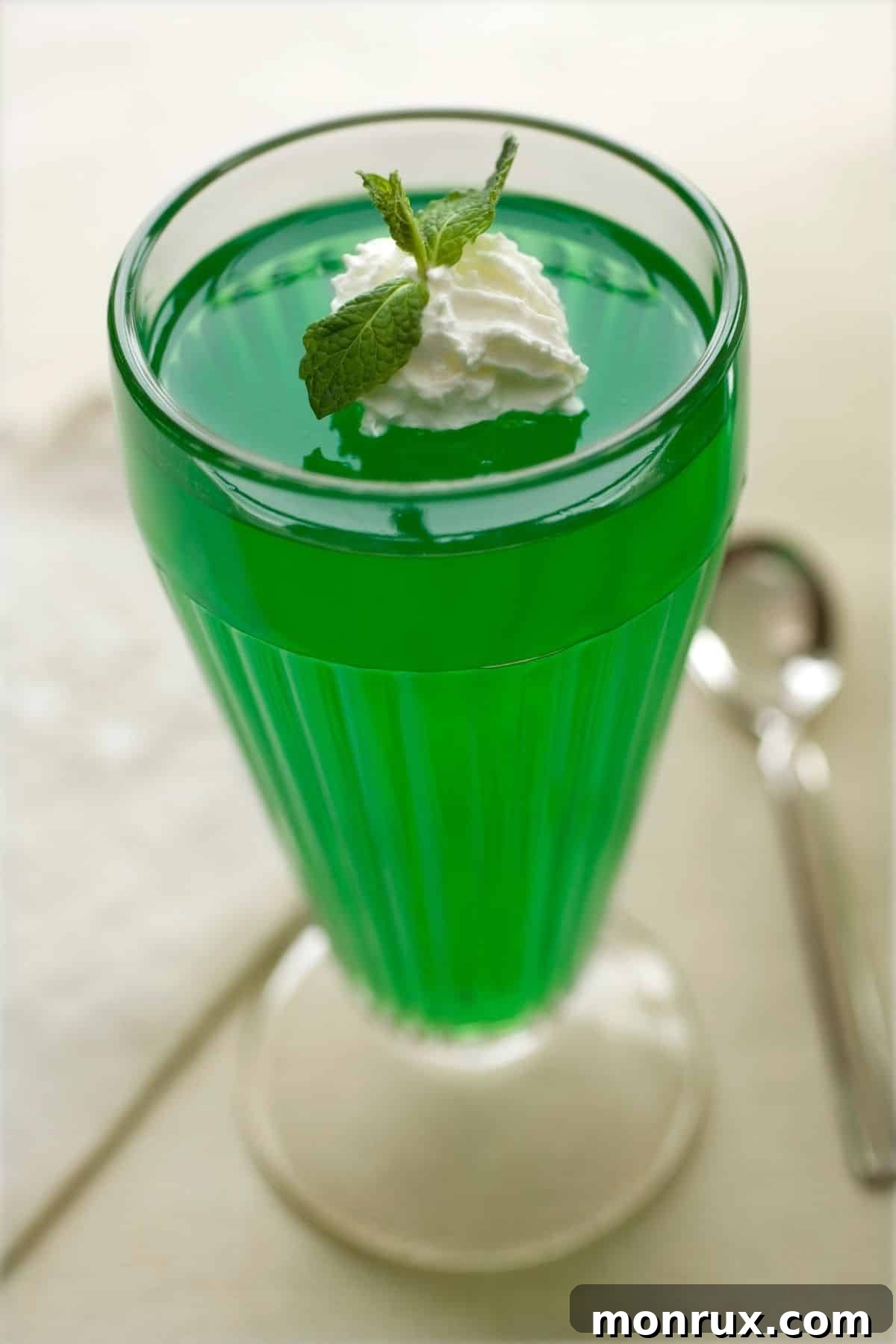
- Gelatin: Plain Jell-O (yellow or green is often preferred, avoiding red, purple, or blue dyes).
It is crucial to avoid any beverages with red or purple dyes, as these can be confused with blood during the procedure. Your doctor may also advise you to stop eating and drinking anything, including clear liquids, several hours before the exam, typically after midnight the night before.
Post-Colonoscopy Recovery: Foods to Nourish Your Body
Once your colonoscopy is complete, your body has gone through a significant cleansing process and anesthesia, which can leave you feeling dehydrated and a little fatigued. The focus immediately after the procedure is on gentle rehydration and gradually reintroducing easily digestible foods. Your digestive system needs time to recover, so a careful approach to eating is essential.
Immediate Recovery: Focus on Fluids and Electrolytes
The first few hours after your colonoscopy are crucial for replenishing fluids and electrolytes. The bowel prep can be quite dehydrating, and it’s important to restore your body’s balance.
- Water: Plain water is always the best choice for hydration. Sip it slowly.
- Electrolyte Drinks: Sports drinks (like Gatorade or Pedialyte) can help restore lost electrolytes. Opt for clear varieties if possible.
- Herbal Tea: Peppermint or ginger tea can be soothing for the stomach and help with any mild nausea or bloating.
- Bone Broth: Rich in minerals and easily digestible, bone broth is incredibly nourishing and hydrating.
- Clear Fruit or Vegetable Juices: Stick to pulp-free options like apple juice or diluted vegetable juices.
Your doctor will likely recommend starting with clear liquids and gradually moving to a soft, low-residue diet. This type of diet includes foods that are easy to digest and leave minimal undigested material in your colon, allowing it to rest and heal. Aim for light, frequent meals rather than large, heavy ones.
Gradual Reintroduction: Soft, Low-Fiber Foods
As you start feeling better, you can gradually introduce soft, low-fiber foods. These foods are gentle on your recovering digestive system.
- Dairy Products: Plain yogurt (without fruit chunks or granola), cottage cheese, and skim milk are generally well-tolerated. Probiotic-rich yogurt can help restore beneficial gut bacteria.
- Eggs: Scrambled eggs or soft-boiled eggs are excellent sources of protein and very easy to digest.
- Cooked Fish: Flaky white fish like cod or tilapia, baked or steamed, provides lean protein without being heavy.
- Soft Grains: White rice, plain pasta, and crackers like graham crackers are good choices for carbohydrates.
- Cooked, Peeled Fruits and Vegetables: Applesauce, ripe bananas, well-cooked carrots, and mashed potatoes (without skin) are gentle options.
- Puddings and Gelatin: Simple puddings and plain gelatin are soothing and easy to consume.
- Soups: Creamy, blended soups (without chunky vegetables or tough meats) or simple chicken noodle soup are excellent for nourishment and hydration.
For some ideas, check out my recipes for Instant Pot Vegetable Broth, Crockpot Applesauce, or explore my list of anti-inflammatory vegetable juices. I also have an entire index of healthy soups and stews that can be adapted for your recovery diet.
For at least the first 24-48 hours after your procedure, your main focus should be on bland, easy-to-digest meals that won’t overwhelm your system. Listen to your body and introduce new foods slowly.
Foods to Avoid After a Colonoscopy
To prevent discomfort and give your colon the best chance to recover, it’s wise to avoid certain foods immediately after your colonoscopy. These foods can be difficult to digest or might irritate your sensitive digestive tract:
- High-Fiber Foods: Whole grains, raw fruits (especially with skin or seeds), raw vegetables, legumes (beans, lentils), nuts, seeds, and popcorn. These can be hard on the colon.
- Spicy Foods: Chili, hot peppers, and heavily spiced dishes can irritate the digestive lining.
- Fatty and Fried Foods: Deep-fried items, greasy meats, and high-fat dairy can cause bloating, gas, and indigestion.
- Tough Meats: Avoid steak or other tough, gristly cuts of meat that require significant digestive effort.
- Alcohol: Alcohol can dehydrate you further and irritate your digestive system. It’s best to avoid it for at least 24-48 hours.
- Corn and Cabbage Family Vegetables: Corn, broccoli, cauliflower, and Brussels sprouts are known for causing gas and bloating.
- Garlic and Onions: These can also contribute to gas and discomfort for some individuals.
Always consult your doctor or healthcare provider for personalized recommendations regarding your post-colonoscopy diet, especially if you have specific health conditions or if any polyps were removed during the procedure. In addition to dietary considerations, remember to rest and take it easy for a day or two. With proper care and gentle nutrition, you’ll soon be back to your normal activities and enjoying your regular diet.
Delicious and Digestible Recipes for Post-Colonoscopy
Here are some easily digestible and comforting recipes that can be excellent choices during your recovery phase after a colonoscopy. Always confirm with your healthcare provider if you have concerns about specific ingredients or for a definitive list of foods to avoid.
Carrot Ginger Lentil Soup (Instant Pot or Stovetop)
This rich and flavorful Carrot Ginger Lentil Soup provides plant-based protein from lentils and is incredibly soothing. It’s a wonderful, nourishing option that’s easy on the digestive system, perfect for a gentle recovery.
Instant Pot Vegetable Broth
Homemade Instant Pot Vegetable Broth is an economical, wholesome, and incredibly simple way to create nourishing stock. Made with whole vegetables or scraps, it’s far superior to boxed versions and provides essential hydration and minerals.
Dairy-Free Potato Soup (Instant Pot or Stovetop)
Enjoy the comforting taste of a loaded baked potato in this healthy, dairy-free soup. It’s satisfying, easy to make in an Instant Pot or on the stovetop, and gentle on your recovering digestive system.
Panera Chicken Noodle Soup (Copycat)
Craving the warm and nourishing comfort of Panera Chicken Noodle Soup? This healthy copycat version is made dairy-free with a gluten-free option, providing a classic soothing meal for recovery.
Slow Cooker Ham and Potato Soup
This comforting Slow Cooker Ham and Potato Soup is ideal for a chilly day. Simply set your Crockpot in the morning and enjoy a creamy, hearty soup for dinner. Leftovers are equally delicious.
Zucchini Potato Soup
Transform an abundance of zucchini into this hearty and filling soup. It’s a healthy, easy-to-make meal that is naturally gluten-free, vegetarian, and vegan-friendly, perfect for a gentle cleanse.
How to Make Mint Tea with Fresh Mint (Hot or Iced)
Learn to make soothing mint tea, hot or iced, using fresh mint leaves. This inexpensive, caffeine-free beverage is healthy, tasty, and wonderfully comforting for the digestive system, ideal post-procedure.
Instant Pot Shrimp & Rice
This easy, one-pot meal is perfect for busy weeknights and a gentle reintroduction to solid foods. With only 20 minutes to prepare, it offers a light yet satisfying option. Leftovers are great for subsequent meals.
Instant Pot Chicken Thighs and Potatoes
This hearty one-pot meal featuring Instant Pot Chicken Thighs and Potatoes is easy to prepare and comforting. Serve it for a weeknight dinner or a nice Sunday meal, with delicious leftovers for later.
Instant Pot Chicken Rice Soup
This Instant Pot Chicken Rice Soup is incredibly comforting and nutritious. This one-pot meal is ready in just over 30 minutes and is naturally gluten-free, providing a gentle and wholesome option for recovery.
Frequently Asked Questions (FAQs)
While whole grains are an excellent source of fiber and beneficial for overall digestive health, it’s generally recommended to avoid them immediately after a colonoscopy. Your digestive system may be sensitive or slightly inflamed, and high-fiber foods can be more challenging to digest in this delicate state. It’s best to start with low-fiber foods and gradually reintroduce whole grains over several days as your system recovers. Examples of whole grains include whole wheat bread, brown rice, quinoa, and oatmeal. White rice is typically easier to digest than brown rice and can be introduced sooner.
The reintroduction of fruits and vegetables should be done cautiously after a colonoscopy. Initially, your healthcare provider will likely advise you to avoid raw fruits and vegetables, especially those with skins or seeds, as they are high in fiber and can be difficult for your healing digestive system to process. Instead, focus on cooked or canned fruits and vegetables, which are softer and easier to digest. Examples include applesauce (without skin), ripe bananas, well-cooked carrots, and mashed potatoes (peeled). Gradually, as your comfort increases, you can begin to introduce small amounts of raw, low-fiber fruits and vegetables.
The duration of a modified diet after a colonoscopy can vary significantly based on individual factors, such as the reason for your procedure, any findings during the colonoscopy (e.g., polyp removal), and your personal recovery. It is absolutely essential to follow the specific instructions provided by your healthcare provider. In many cases, patients will start with a clear liquid diet immediately after the procedure, transitioning to a low-fiber, soft diet for a few days to a week. This phased approach allows your digestive system ample time to recover and minimizes discomfort. Your doctor will advise you on when it’s safe to return to your regular diet.
You can typically consider returning to your normal diet when you feel well and are experiencing no discomfort from the softer, low-fiber foods you’ve been consuming. Key signs include the absence of bloating, gas, abdominal pain, nausea, or diarrhea. Your bowel movements should also be returning to a more regular pattern without undue strain. If you had polyps removed or any other interventions, your doctor might recommend a slightly longer period of modified diet. Always err on the side of caution and consult your doctor if you’re unsure or experience any concerning symptoms.
Yes, it is quite common to feel some bloating and gas after a colonoscopy. During the procedure, air is often pumped into the colon to help the doctor get a clear view of the intestinal lining. This air can remain in your system for a few hours, leading to feelings of fullness, bloating, or the need to pass gas. Walking around gently can help to expel this trapped air. This discomfort should subside within a few hours to a day. If bloating or pain is severe or persists, contact your healthcare provider.
More Healthy Living Resources You Might Like
Conclusion: Prioritizing Your Digestive Recovery
While the prospect of a colonoscopy can feel daunting, it’s an indispensable medical procedure that plays a critical role in preventative health and the early detection of potential digestive issues. The period immediately following your colonoscopy is just as important as the preparation phase. By carefully selecting foods that are gentle, nourishing, and easy to digest, you can significantly aid your body’s recovery, minimize discomfort, and help your digestive system return to its normal function more quickly.
Remember to prioritize hydration, introduce soft, low-fiber foods gradually, and avoid anything that might irritate your sensitive colon. Always heed the specific advice given by your healthcare provider, as they can offer personalized recommendations based on your individual health profile and the findings of your procedure. With a thoughtful approach to your post-colonoscopy diet, you’ll be able to recover swiftly and comfortably, confident that you’ve taken an important step towards maintaining your long-term health.
Don’t forget to join my newsletter list to get exclusive clean eating recipes and tips. The newsletter is 100% free with no spam; unsubscribe anytime.
About the Author: Carrie Forrest holds a master’s degree in public health with a specialization in nutrition and is a certified holistic nutritionist. She is a highly regarded wellness and food blogger, attracting over 5 million visitors to her site annually. Carrie shares an inspiring story of recovery from chronic illness and is deeply passionate about empowering other women to transform their health journeys. You can reach out to her through her contact form.
Note: This post is for informational purposes only and should not be considered medical advice. Please consult your healthcare provider for recommendations tailored to your individual situation.