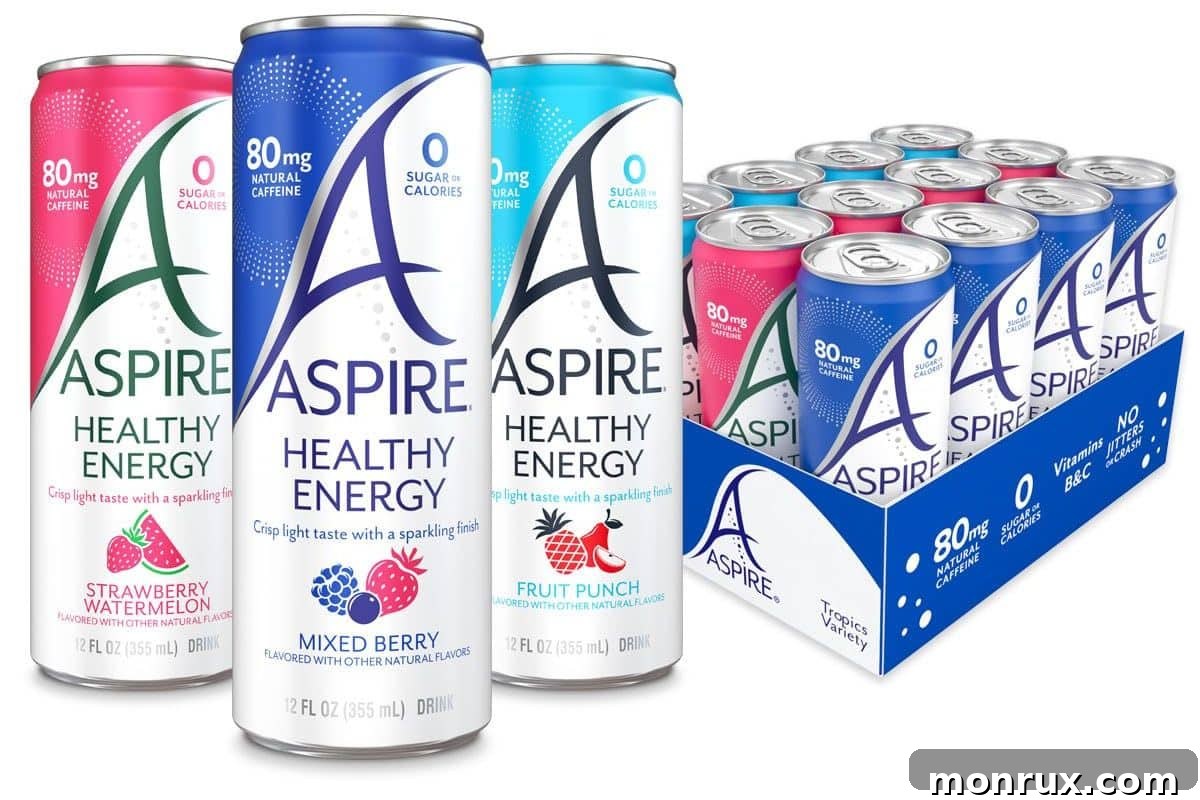
In the quest for sustained vitality and enhanced focus, many turn to energy drinks. Among the myriad options available, Aspire Energy Drink frequently comes up for discussion. But how healthy is it, really? In this comprehensive review, we’ll delve deep into Aspire’s nutritional profile, examine its ingredients, and explore both the potential advantages and disadvantages of incorporating it into your routine. We’ll also consider some healthier alternatives to help you make informed choices about your energy needs.
Aspire Energy Drink Overview
Aspire Energy Drink, crafted by Aspire Brands LLC, positions itself as a refreshing alternative for individuals seeking a quick and convenient boost in focus and energy. Marketed towards a health-conscious demographic, Aspire aims to provide a lift without the traditional sugar rush and subsequent crash often associated with many conventional energy beverages. The brand emphasizes its “clean” profile, often highlighting the absence of sugar and calories.
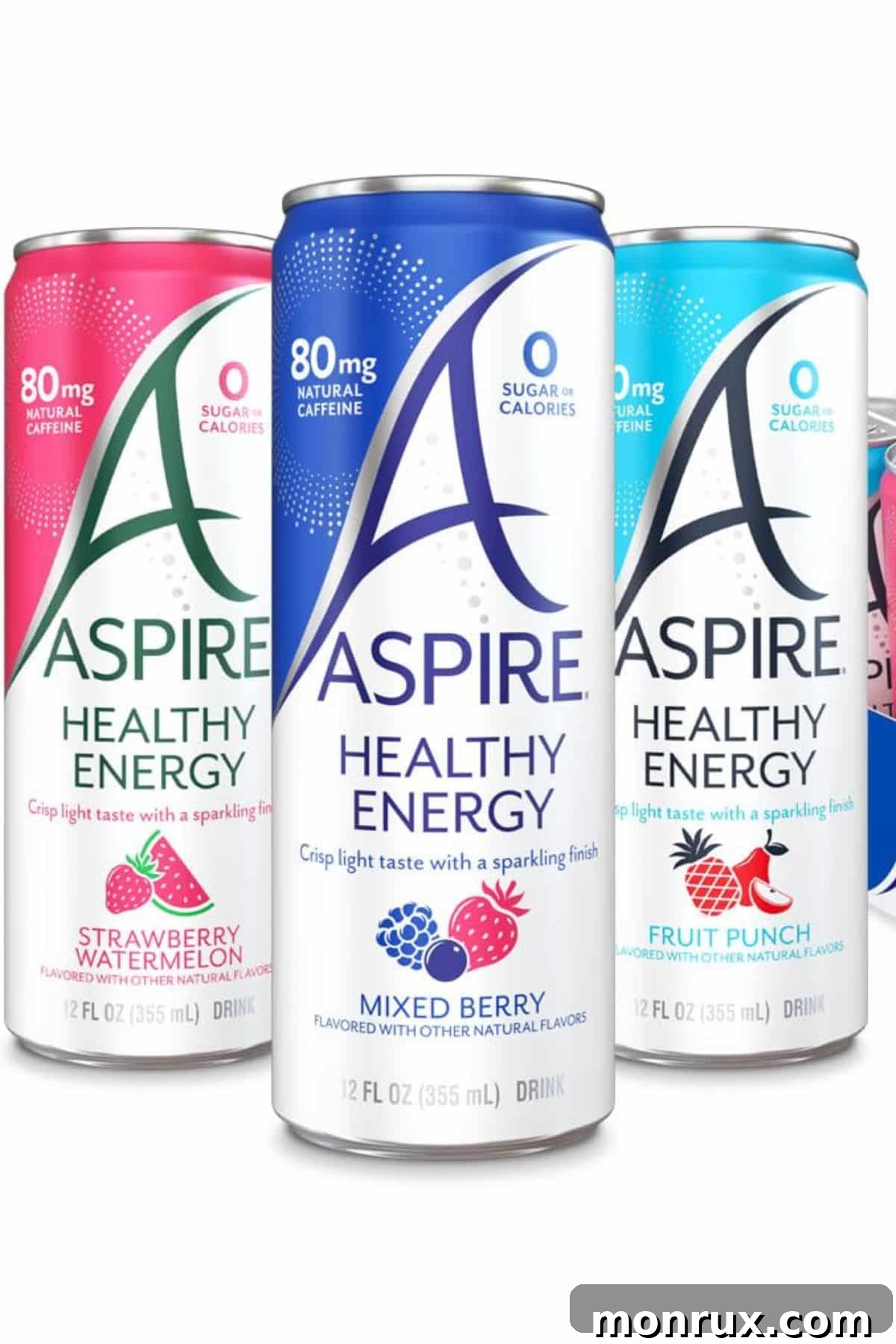
Aspire is conveniently packaged in 12 fl oz cans and is readily available in multi-packs, including 12-count and 24-count options. For those who enjoy variety, Aspire also offers diverse flavor assortments. Popular flavors include:
- Raspberry+Acai
- Mixed Berry
- Sweet Cherry
- Strawberry Watermelon
- Mango Lemonade
- Apple+Acai
- Cranberry
A quick glance at the nutrition label reveals some compelling claims: zero calories, zero sugar, and minimal carbohydrates. These attributes are certainly appealing to consumers mindful of their caloric and sugar intake. However, to truly understand the health implications, it’s essential to look beyond these headline figures and scrutinize the full ingredient list.
The ingredients found in an Aspire Energy Drink typically include:
- Carbonated Water
- Citric Acid
- Taurine
- Natural Flavor
- Sodium Citrate
- Calcium Lactate
- Guarana Seed Extract
- Vegetable Juice for Color
- Ascorbic Acid (Vitamin C)
- Green Tea Extract
- Choline Bitartrate
- Natural Caffeine
- Sucralose
- L-Carnitine
- Green Tea Polyphenols (EGCG)
- Ginger Root Extract
- Niacinamide (Vitamin B-3)
- D-Calcium Pantothenate (Vitamin B-5)
- Pyridoxine Hydrochloride (Vitamin B-6)
- Biotin
- Cyanocobalamin (Vitamin B-12)
This extensive list contains a blend of stimulants, artificial sweeteners, vitamins, and other additives. Let’s break down some of these key components to understand their individual and combined effects on your health.
Aspire Energy Drink Ingredients Decoded
Understanding what goes into your energy drink is paramount to assessing its healthfulness. While Aspire boasts a sugar-free and calorie-free profile, a deeper dive into its components reveals several points worth considering.
Natural Flavors: A Veil of Ambiguity
The term “natural flavoring” in food and beverage products is notoriously broad and lacks a precise scientific definition. This regulatory loophole allows manufacturers considerable flexibility, enabling them to categorize a wide array of substances as “natural,” even if their extraction or processing methods might involve techniques that are less than ideal for human consumption. In the case of Aspire Energy Drinks, without specific disclosure regarding the source or the precise extraction process of its natural flavors, consumers are left in the dark. It remains unclear whether these “natural” flavors are derived using methods like enzyme-assisted extraction, which can sometimes involve solvents or high temperatures that alter their chemical composition. Furthermore, the lack of strict definition means that even ingredients from genetically engineered crops could potentially be labeled as “natural,” adding another layer of complexity for health-conscious consumers trying to make informed choices.
Sucralose: The Artificial Sweetener Dilemma
Sucralose, a prominent artificial sweetener in Aspire, is derived from sugar through a multi-step chemical process that includes chlorination. Despite its FDA approval as a food additive, a growing body of research and expert opinion raises significant concerns about its potential long-term health effects, leading many health-conscious individuals to consciously avoid this additive.
With a sweetness potency approximately 600 times that of sugar, sucralose requires only minuscule amounts to achieve desired sweetness levels. However, its widespread and prolonged consumption has been associated with various health complications. Studies suggest links between sucralose intake and issues such as toxicity, chronic inflammation, and a potential contribution to metabolic disorders like obesity and diabetes. One of its most concerning impacts is on the gut microbiome, where it may reduce beneficial gut bacteria, leading to digestive disturbances and potentially impacting overall immune function. For those prioritizing gut health and metabolic wellness, exercising moderation or opting for sucralose-free alternatives is highly advisable.
Sodium Citrate: A Flavor Enhancer with Caveats
Sodium citrate is commonly used in the food industry as an acidity regulator and flavor enhancer. While generally recognized as safe (GRAS) by regulatory bodies, it is not without its potential drawbacks, particularly when consumed in excess or by individuals with specific sensitivities or health conditions. The primary concern revolves around its sodium content.
Excessive intake of sodium citrate can contribute to elevated sodium levels in the blood, which may exacerbate existing hypertension or contribute to its development. For individuals with kidney issues, heart conditions, or those adhering to restricted sodium diets, monitoring the intake of products containing sodium citrate is crucial, as it can contribute to the overall daily sodium load and potentially lead to electrolyte imbalances. While the amount in a single Aspire can might seem small, cumulative intake from various processed foods can quickly add up.
Calcium Lactate: Fortification vs. Overload
Calcium lactate serves as a common food additive primarily utilized to fortify products with calcium, an essential mineral vital for robust bone health, proper muscle function, and nerve transmission. While calcium is undeniably crucial, there’s a fine line between adequate intake and excessive consumption. Relying on fortified foods like Aspire for a significant portion of calcium can be risky.
Over-consumption of calcium, particularly from supplements or highly fortified foods, can lead to a condition known as hypercalcemia, characterized by abnormally elevated calcium levels in the blood. Symptoms can range from mild (fatigue, nausea, constipation) to severe (kidney problems, irregular heartbeats, bone pain). Individuals should be mindful of their total calcium intake from all sources to prevent potential adverse effects.
Guarana Seed Extract & Natural Caffeine: A Dual Stimulant Source
Guarana seed extract is a well-known natural source of caffeine, often prized for its sustained energy release compared to synthetic caffeine. When integrated into beverages like Aspire, it contributes to several purported benefits, including enhanced focus, increased alertness, and a general boost in energy levels. Some studies even suggest its potential role in weight management due to its metabolic stimulant properties.
However, it’s crucial to acknowledge that Aspire also lists “Natural Caffeine” separately, indicating a compounded caffeine content. While a daily caffeine limit of approximately 400mg for most healthy adults is generally advised, the combined effect of multiple caffeine sources (guarana, natural caffeine, green tea extract) in a single drink can be potent. Individuals who are particularly sensitive to caffeine, or those predisposed to anxiety disorders, may experience uncomfortable side effects even from moderate amounts. These can include a rapid heart rate, feelings of jitteriness, heightened anxiety, sleep disturbances (insomnia), and gastrointestinal discomfort. Always consider your personal tolerance and total daily caffeine intake from all sources.
Taurine: More Than Just an Energy Drink Staple
Taurine is an amino sulfonic acid naturally occurring in the body, especially in the brain, heart, and muscles. It plays various roles, including regulating electrolyte balance, supporting nerve growth, and acting as an antioxidant. It’s a common ingredient in energy drinks, often included for its purported benefits in enhancing athletic performance and cognitive function, as well as mitigating the “jitters” often associated with high caffeine intake.
While research on taurine’s benefits in energy drinks is ongoing, the amounts typically found in these beverages are generally considered safe for most people. However, its long-term effects when combined with other stimulants and artificial sweeteners are still being studied.
B-Vitamins: The Energy Supporting Cast
Aspire includes several B-vitamins: Niacinamide (B-3), D-Calcium Pantothenate (B-5), Pyridoxine Hydrochloride (B-6), Biotin, and Cyanocobalamin (B-12). B-vitamins are crucial for converting food into energy, supporting nerve function, and red blood cell production. Their inclusion in energy drinks is often to underscore a “health” aspect, suggesting they provide energy on a cellular level rather than just through stimulation.
While B-vitamins are essential, most individuals obtain sufficient amounts through a balanced diet. The amounts added to energy drinks, while generally safe, might not offer a significant additional benefit beyond what a healthy diet provides, especially if the user already has adequate levels.
Other Functional Ingredients: Green Tea Extract, L-Carnitine, Choline Bitartrate, Ginger Root Extract
Aspire also contains Green Tea Extract (and specifically Green Tea Polyphenols like EGCG), L-Carnitine, Choline Bitartrate, and Ginger Root Extract. Green tea compounds are well-known for their antioxidant properties and potential to boost metabolism. L-Carnitine is an amino acid derivative involved in fat metabolism, often used in supplements aimed at weight loss and exercise performance. Choline Bitartrate is a nutrient that supports brain health and neurotransmitter function. Ginger Root Extract is included for its potential anti-inflammatory properties and digestive aid.
These ingredients are generally beneficial in isolation. However, in the context of an energy drink, their effectiveness and dosage are key. The amounts present in a single can of Aspire may or may not be high enough to deliver their full range of purported benefits, especially when overshadowed by the stimulant effects of caffeine and the potential downsides of sucralose and sodium.
The Nutrition Pros of Aspire
Despite the concerns raised by certain ingredients, Aspire Energy Drink does offer several characteristics that appeal to specific consumer needs:
- Zero Sugar and Zero Calories: This is arguably Aspire’s most significant selling point. For individuals looking to reduce their sugar intake or manage their weight, Aspire presents an attractive option compared to traditional sugar-laden energy drinks or sodas. This can help prevent the blood sugar spikes and crashes associated with high-sugar beverages.
- Natural Caffeine from Guarana and Green Tea: Aspire utilizes caffeine from natural sources like guarana seed extract and green tea extract, which some consumers prefer over synthetic caffeine. In moderation, caffeine has well-documented potential health benefits, including increasing energy levels, promoting temporary weight management through metabolism boost, enhancing athletic performance, and improving mood and cognitive function. The presence of EGCG from green tea also provides antioxidant benefits.
- Added B-Vitamins: The inclusion of B-vitamins (B-3, B-5, B-6, B-12) can be seen as a positive, as these vitamins play vital roles in energy metabolism and overall cellular health. For individuals with deficiencies or those seeking an additional nutritional boost, these vitamins can be a benefit, although dietary sources are usually sufficient for most.
- No Artificial Colors or Preservatives (Vegetable Juice for Color): Aspire uses vegetable juice for color, which is a positive for those avoiding artificial dyes, often found in other processed beverages.
These pros position Aspire as a potentially “better” choice within the energy drink category, especially when compared to beverages overflowing with high-fructose corn syrup and artificial ingredients.
The Nutrition Cons of Aspire
While Aspire offers certain advantages, several nutritional drawbacks warrant careful consideration, particularly for those with specific health concerns or sensitivities:
- Caffeine Content and Sensitivity: Each can of Aspire Energy Drink contains 80mg of caffeine, which is comparable to a standard cup of brewed coffee. While moderate for many, this amount can be significant for individuals highly sensitive to caffeine. Potential side effects for sensitive individuals include increased heart rate, jitters, anxiety, and sleep disturbances, especially if consumed later in the day or in conjunction with other caffeine sources.
- Sucralose: The Primary Concern: As detailed earlier, sucralose is a highly processed artificial sweetener with potential links to gut microbiome disruption, inflammation, and metabolic issues. Relying on products with sucralose for daily energy needs may not align with a genuinely health-conscious lifestyle. Its long-term effects on human health are still a subject of ongoing debate and research, prompting many to avoid it.
- Sodium Content: Aspire contains 55mg of sodium per serving. While this might seem modest in isolation, for individuals on a sodium-restricted diet, those with hypertension, or anyone needing to closely monitor their sodium intake, this amount can contribute to exceeding daily recommendations. Excessive sodium can impact blood pressure and cardiovascular health.
- Ambiguity of “Natural Flavors”: The lack of specific information regarding the sourcing and processing of “natural flavors” means consumers cannot be fully confident about what they are consuming. This opaqueness is a concern for those who prioritize transparency in their food and beverage choices.
- Cost vs. Foundational Health Habits: Compared to more fundamental and sustainable energy-boosting practices, such as prioritizing adequate sleep, maintaining proper hydration, and adopting a balanced diet, Aspire Energy Drink is a relatively expensive solution. While it offers a quick fix, it doesn’t address the root causes of low energy and can detract from investing in holistic lifestyle improvements.
- Potential for Over-reliance: Regular consumption of energy drinks, even those marketed as “healthier,” can lead to a reliance on external stimulants rather than addressing underlying lifestyle factors that contribute to fatigue.
Therefore, while Aspire is sugar-free, its combination of caffeine, artificial sweeteners, and other additives means it should be consumed with caution and awareness of individual health needs.
Frequently Asked Questions (FAQs) About Aspire
Yes, Aspire Energy Drink can have side effects, particularly due to its caffeine, sucralose, and sodium content. While marketed as a healthier alternative with natural ingredients and lower sugar, it still contains stimulating compounds. Excessive caffeine consumption (even 80mg can be too much for sensitive individuals) can lead to jitteriness, increased heart rate, anxiety, insomnia, and gastrointestinal discomfort. Individuals with underlying heart conditions, high blood pressure, or anxiety disorders are more susceptible to these effects. Furthermore, the presence of sucralose may contribute to gut microbiome disruption and metabolic changes, while the sodium content can be problematic for those with hypertension or on sodium-restricted diets, potentially exacerbating high blood pressure and other cardiovascular issues when consumed in excess.
Aspire Energy Drink contains sucralose, an artificial sweetener that may not be suitable for individuals with diabetes. While it doesn’t contain sugar and won’t directly cause a sugar spike, some studies suggest that sucralose can affect insulin sensitivity and impact blood sugar and insulin levels in certain individuals, particularly those with pre-existing metabolic conditions. For these reasons, people with diabetes should exercise extreme caution and are strongly advised to consult a healthcare professional or registered dietitian before incorporating Aspire Energy Drink into their diet to understand its potential effects on their specific health management plan.
Aspire Energy Drink is calorie-free and sugar-free, which makes it a potentially better choice than high-sugar energy drinks for those focused on weight management. The caffeine and green tea extract in Aspire may also offer a slight metabolic boost, which could contribute marginally to weight loss efforts. However, it is not a magic solution. Sustainable weight loss is achieved through a balanced diet, regular physical activity, adequate sleep, and overall healthy lifestyle habits. Relying on energy drinks, even “healthy” ones, without addressing these foundational elements is unlikely to yield significant or lasting weight loss results. Furthermore, the artificial sweeteners like sucralose can sometimes interfere with satiety signals and gut health, which indirectly might affect weight regulation for some individuals.
If you’re looking for sustainable energy and focus without the potential downsides of Aspire, consider these healthier alternatives:
- Water: Often, fatigue is a sign of dehydration. Staying well-hydrated throughout the day is the simplest and most effective energy booster.
- Black Coffee or Green Tea: These provide natural caffeine with additional antioxidants (in green tea) and fewer additives. You can control the amount of caffeine and avoid artificial sweeteners.
- Whole Foods & Balanced Meals: A diet rich in fruits, vegetables, lean proteins, and complex carbohydrates provides sustained energy release and essential nutrients.
- Adequate Sleep: Prioritizing 7-9 hours of quality sleep per night is fundamental for consistent energy levels.
- Regular Exercise: Physical activity, even moderate, significantly boosts energy, improves mood, and enhances overall well-being.
- Herbal Teas: Many herbal teas (like peppermint or ginger tea) can offer a gentle lift or help with mental clarity without caffeine.
- Homemade Smoothies: Blend fruits, vegetables, and protein powder for a nutritious and naturally energizing drink.
These options address energy needs holistically and promote long-term health.
Explore More Energy Drink Reviews!
Final Verdict on Aspire Energy Drink
Aspire Energy Drink presents a nuanced picture when evaluated for its health implications. On one hand, its commitment to being sugar-free, calorie-free, and using natural caffeine sources like guarana and green tea makes it appear as a more health-conscious choice compared to many conventional energy drinks. The inclusion of B-vitamins and antioxidants further enhances its appeal for those seeking a quick, seemingly guilt-free energy boost.
However, a closer inspection reveals several significant areas of concern. The primary issue revolves around the presence of sucralose, an artificial sweetener associated with potential adverse effects on gut health, metabolism, and inflammation. The ambiguous “natural flavors” also raise questions about transparency, while the sodium content may be a concern for individuals with specific dietary restrictions or health conditions. Furthermore, the combined caffeine content, even from natural sources, still carries risks for sensitive individuals, potentially leading to anxiety, jitters, or sleep disturbances.
Ultimately, while Aspire Energy Drink might be a “better” option within the often-criticized energy drink category, it is not without its potential drawbacks. If you choose to consume this product, moderation is key, and it’s essential to carefully consider your individual health factors, sensitivities, and dietary goals. For sustainable energy and optimal well-being, prioritizing foundational health practices remains paramount. Eating a balanced diet rich in whole foods, ensuring adequate hydration, and consistently getting enough quality sleep are far superior strategies for maintaining natural energy levels. For a simple and cleaner stimulant, a cup of green tea or black coffee offers a more straightforward and often healthier alternative.
Don’t forget to join my newsletter list to get exclusive clean eating recipes and tips. The newsletter is 100% free with no spam; unsubscribe anytime.
About the Author: Carrie Forrest has a master’s degree in public health with a specialty in nutrition and is a certified holistic nutritionist. She is a top wellness and food blogger with over 5 million annual visitors to her site. Carrie has an incredible story of recovery from chronic illness and is passionate about helping other women transform their health. Send her a message through her contact form.
Note: this post is for informational purposes only and is not intended as medical advice. Please consult your healthcare provider for recommendations related to your individual situation.