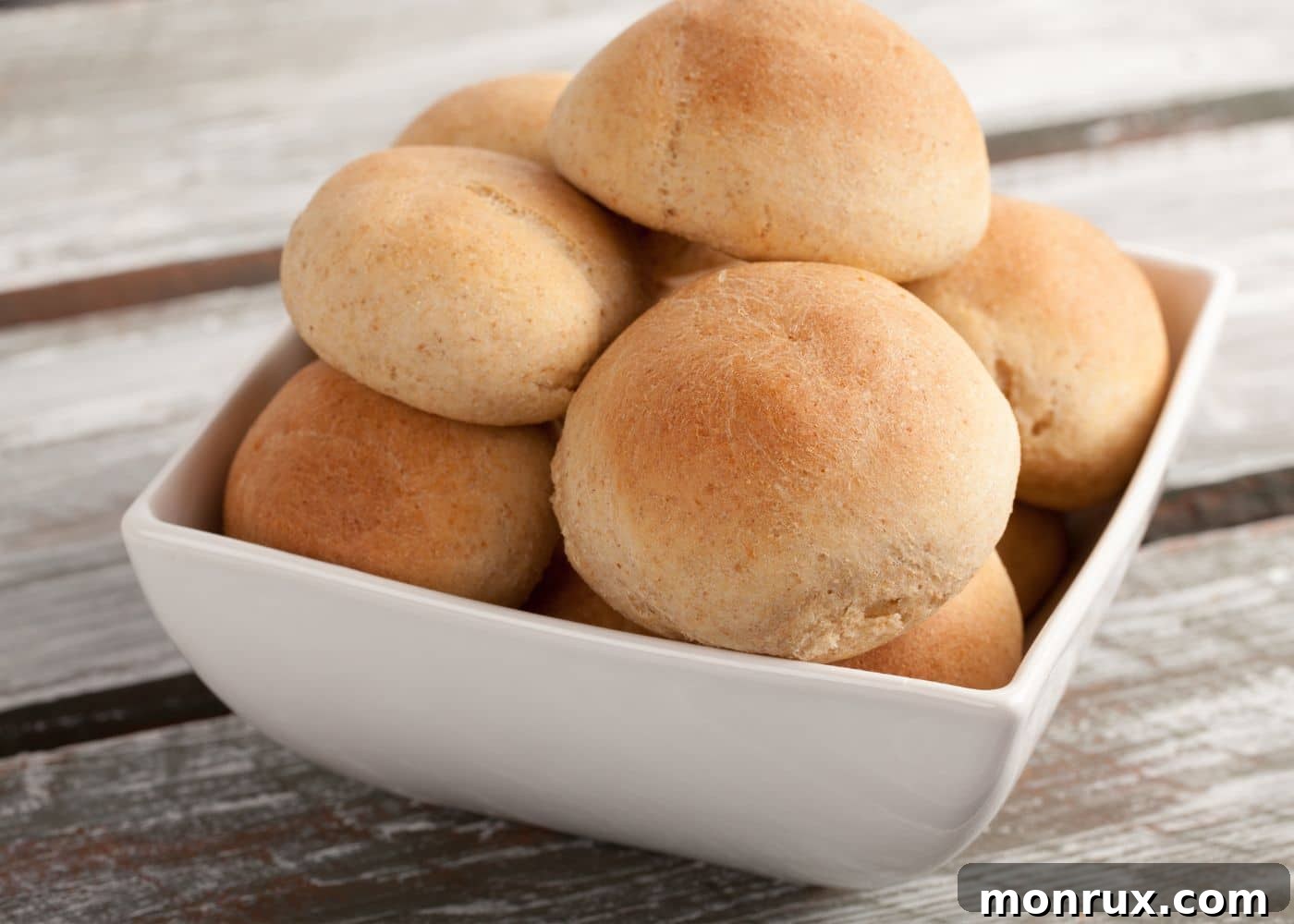
Imagine sinking your teeth into a warm, pillowy-soft dinner roll, perfectly golden-brown on the outside and wonderfully fluffy within. Now, imagine it’s entirely dairy-free and gluten-free! Yes, it’s not just a dream. This exceptional recipe yields 12 irresistibly delicious rolls that are so good, you’ll want to make a double batch for your next holiday gathering, dinner party, or simply to stock your freezer with homemade goodness. Say goodbye to missing out on this classic comfort food, and welcome these incredible rolls to your table.
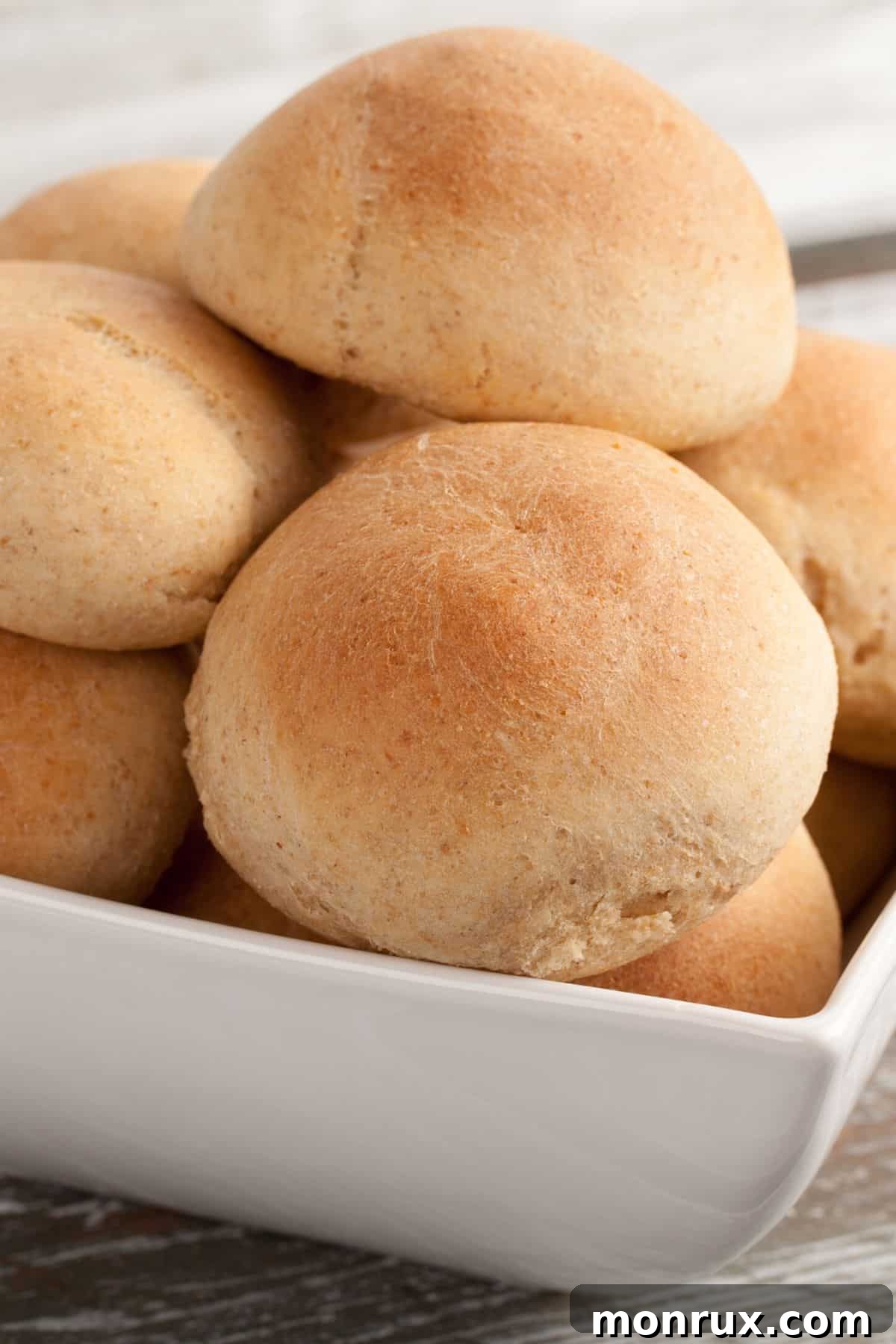
If you’ve been searching for a gluten-free and dairy-free dinner roll recipe that truly delivers on taste and texture, your wait is officially over. This guide will empower you to bake dinner rolls that are not just acceptable, but genuinely exceptional—pillowy-soft, wonderfully fluffy, and with just the right amount of delightful chewiness that mimics traditional bread perfectly.
Enjoy these rolls piping hot, fresh out of the oven, generously slathered with your favorite vegan butter. Or, save them for later to brilliantly sop up every last drop of gravy on your plate. Their versatility makes them a staple for any meal, proving that dietary restrictions don’t mean sacrificing flavor or comfort.
What makes this recipe even better is how super easy to make it is. The majority of your preparation time is hands-off, dedicated to waiting for the dough to rise. This allows you to effortlessly go about your day while your future fluffy dinner rolls are proofing to perfection. It’s truly a beginner-friendly recipe that promises impressive results.
For ultimate convenience, you can also prep these delicious rolls ahead of time. Simply prepare the dough, keep it chilled in the fridge, and then bake them whenever you’re ready to enjoy fresh, warm bread. This flexibility makes them an ideal choice for busy weeknights or elaborate holiday meals when time is of the essence.
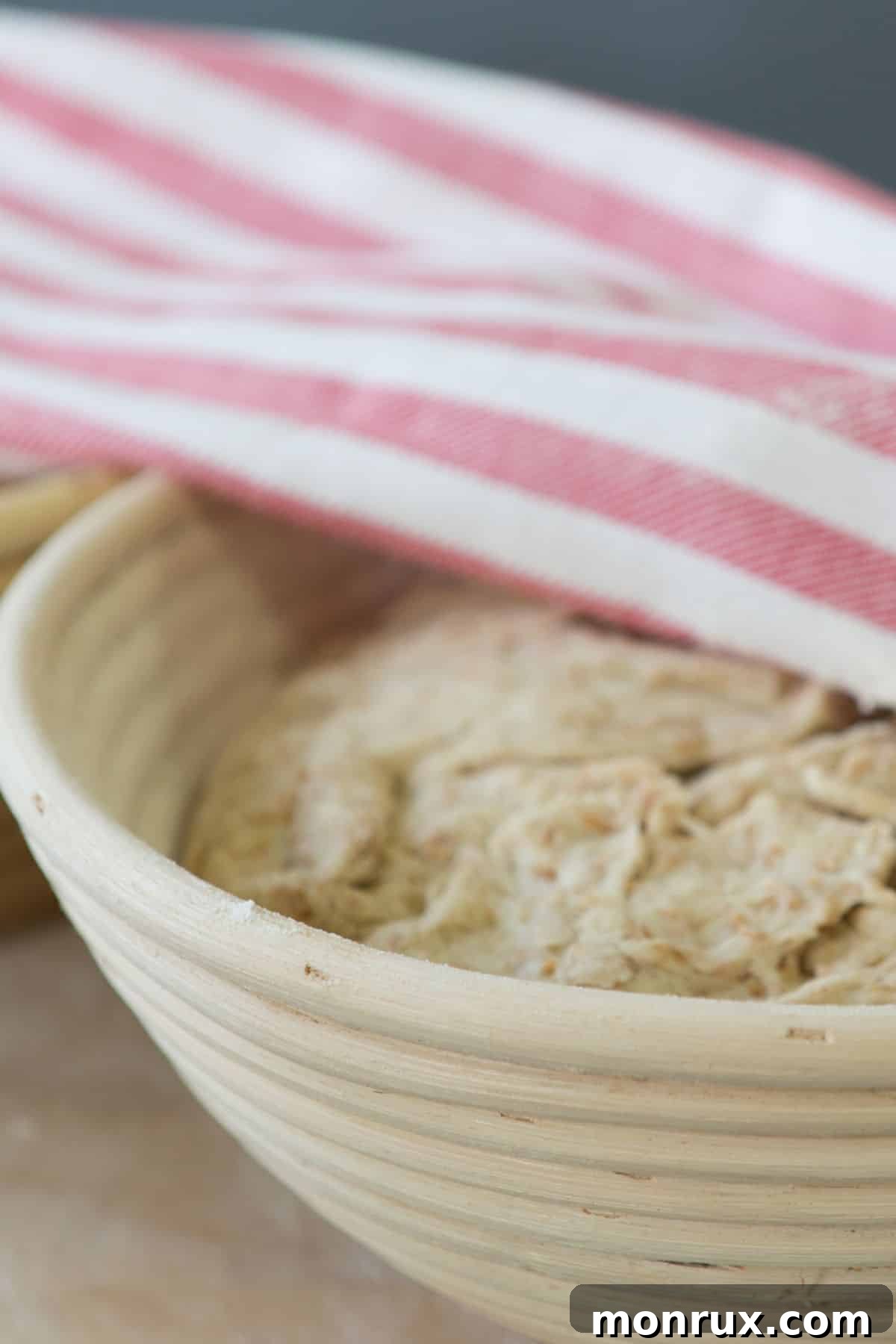
Table of Contents
What You’ll Need to Make Fluffy Dinner Rolls
Crafting a batch of fluffy and delicious gluten-free and dairy-free dinner rolls requires only an oven and a few standard kitchen tools. Most home kitchens are already equipped with everything you’ll need to get started on this delightful baking adventure.
1. Mixing Bowl
For this recipe, selecting the right mixing bowl is more important than you might think. A glass or plastic mixing bowl is highly recommended. Metal bowls can sometimes interact with the yeast’s activation process, potentially hindering its rise and resulting in flat, dense rolls. Opting for non-reactive materials ensures your yeast can thrive, leading to the light and airy texture we’re aiming for.
2. Baking Tray
You’ll need a baking tray or cookie sheet that comfortably fits into your oven and can hold 12 dinner rolls. If you’re planning a larger gathering or simply want more leftovers (and trust us, you will!), consider whipping up a double batch if you have a generously sized baking tray. These gluten-free dairy-free dinner rolls taste fantastic freshly baked and freeze exceptionally well for future enjoyment. Remember to lightly grease your tray with vegan butter or cooking spray to prevent sticking.
3. Kitchen Cloth
A clean kitchen cloth is essential for proofing your dough. It should be large enough to completely cover both your mixing bowl during the first rise and your baking tray during the second rise. A cloth is preferable to plastic wrap as it allows the dough to breathe, creating a more ideal environment for yeast activity and preventing condensation that can make the dough sticky. Have an extra two or three clean kitchen cloths on hand if you plan to bake your rolls before dinner and wish to keep them warm until serving.
4. Spatula
Any sturdy spatula will work perfectly for mixing the dough before the kneading stage. If a suitable spatula isn’t readily available, a wooden spoon makes an excellent alternative. The key is to thoroughly combine the ingredients until a cohesive dough begins to form.
Essential Ingredients and Smart Substitutes for Your Allergy-Friendly Rolls
Achieving truly fluffy gluten-free and dairy-free dinner rolls relies on a careful selection of ingredients. While some are absolutely essential for the critical chemical reactions that make bread rise, a few offer room for thoughtful substitutions. Understanding the role of each component is key, especially when working with gluten-free dough, where structure and texture are paramount.
Unsweetened Almond Milk
The choice of liquid plays a vital role in the flavor and consistency of your vegan dinner rolls. While I prefer unsweetened almond milk for its balanced flavor and ideal consistency, you have several excellent plant-based milk alternatives. Feel free to use unsweetened gluten-free oat milk, rice milk, soy milk, or even light coconut milk. The most crucial factor here is ensuring that both the plant-based milk and the water are warm (between 90°F to 100°F) to properly activate the yeast. Too hot, and you’ll kill the yeast; too cold, and it won’t activate.
Vegan Butter
For that rich, comforting, buttery flavor, any high-quality vegan butter you enjoy will work wonderfully in this recipe. There are many great brands available, so choose one that you typically use for baking or spreading. If you prefer to avoid vegan butter, coconut oil can be used as a substitute. However, be aware that while coconut oil provides richness, your dairy-free rolls will have a less distinctly buttery flavor profile. For the classic dinner roll experience, vegan butter is highly recommended.
Instant Yeast
Yeast is the magical leavening agent responsible for those desirable fluffy dinner rolls! Instant yeast is convenient because it doesn’t require prior proofing in liquid, but it’s essential to ensure it’s still active. Yeast has a shelf life, and inactive yeast will lead to dense, flat rolls. To test if your instant yeast is still good, combine ¼ cup of warm water (90°F to 100°F), a teaspoon of granulated sugar, and 2 ¼ teaspoons of your instant yeast. Let it sit for about 10 minutes. If the mixture becomes foamy and develops a distinct yeasty aroma, your yeast is perfectly active and ready to work its magic.
Cane Sugar
Beyond adding a hint of sweetness, sugar is a critical ingredient in this easy dinner rolls recipe because it acts as food for the yeast. This interaction fuels the yeast, encouraging it to become highly active and produce more carbon dioxide, which in turn leads to fluffier, lighter rolls. Sugar also contributes to the beautiful golden-brown crust and helps achieve that beloved balance between subtle sweetness and saltiness that defines a great dinner roll. While cane sugar is recommended for the best results, any granulated sugar will also activate the yeast effectively.
Gluten-Free Flour
The foundation of these gluten-free dinner rolls is a high-quality pre-packaged gluten-free flour blend. When choosing your blend, it is absolutely essential that it contains xanthan gum. In traditional baking, gluten provides the structure, elasticity, and stickiness necessary for dough development. Since gluten is absent in gluten-free flours, xanthan gum steps in to mimic these crucial properties, giving the dough the necessary structure and preventing crumbly, dry results. Most good gluten-free flour blends also typically include starches like tapioca starch or potato starch to compensate for the lack of gluten. I personally highly recommend Bob’s Red Mill Gluten Free 1-to-1 Baking Flour for consistent and excellent results.
Psyllium Husk
Psyllium husk is a non-negotiable ingredient that elevates these rolls to their incredibly pillowy-soft texture. It acts as a powerful binder and provides the necessary structure and elasticity that gluten-free dough often lacks, allowing it to be easily handled, shaped, and proofed properly. Without psyllium husk, you would find the dough very difficult to work with, and the rolls might not achieve their desired rise and tenderness. For these reasons, psyllium husk powder cannot be substituted in this recipe. Make sure you have it on hand for the best possible outcome.
Please refer to the complete recipe card at the end of this article for the precise measurements of all ingredients.
Step-by-Step Recipe Guide for Fluffy Dinner Rolls
Follow these detailed steps to create truly irresistible fluffy gluten-free dairy-free dinner rolls. The process is designed to be straightforward, ensuring success even for novice bakers.
Step One: Activate the Yeast and Combine Wet Ingredients
Begin by combining the warm water (90°F to 100°F), warm unsweetened almond milk, granulated sugar, and instant yeast in a small bowl. Stir gently and allow this mixture to sit undisturbed for 5-10 minutes. During this time, the yeast will activate, and the mixture will become visibly foamy, indicating it’s ready to proceed. If it doesn’t foam, your yeast may be old or the liquid temperature was incorrect; repeat the yeast activation step.
Once your yeast is active, transfer this mixture to a large mixing bowl. Add the melted vegan butter, the egg (or flax egg for a fully vegan option), and salt. Whisk everything together until well combined.
Step Two: Mix Dry Ingredients and Knead the Dough
Gradually incorporate the gluten-free flour blend and psyllium husk powder into the wet mixture. Use a spatula or wooden spoon to mix until a soft, slightly sticky dough forms. The consistency of gluten-free dough can vary slightly, so if it appears too dry or crumbly, add an extra tablespoon of warm water or almond milk at a time until the dough is cohesive and pliable. It should be moist but manageable.
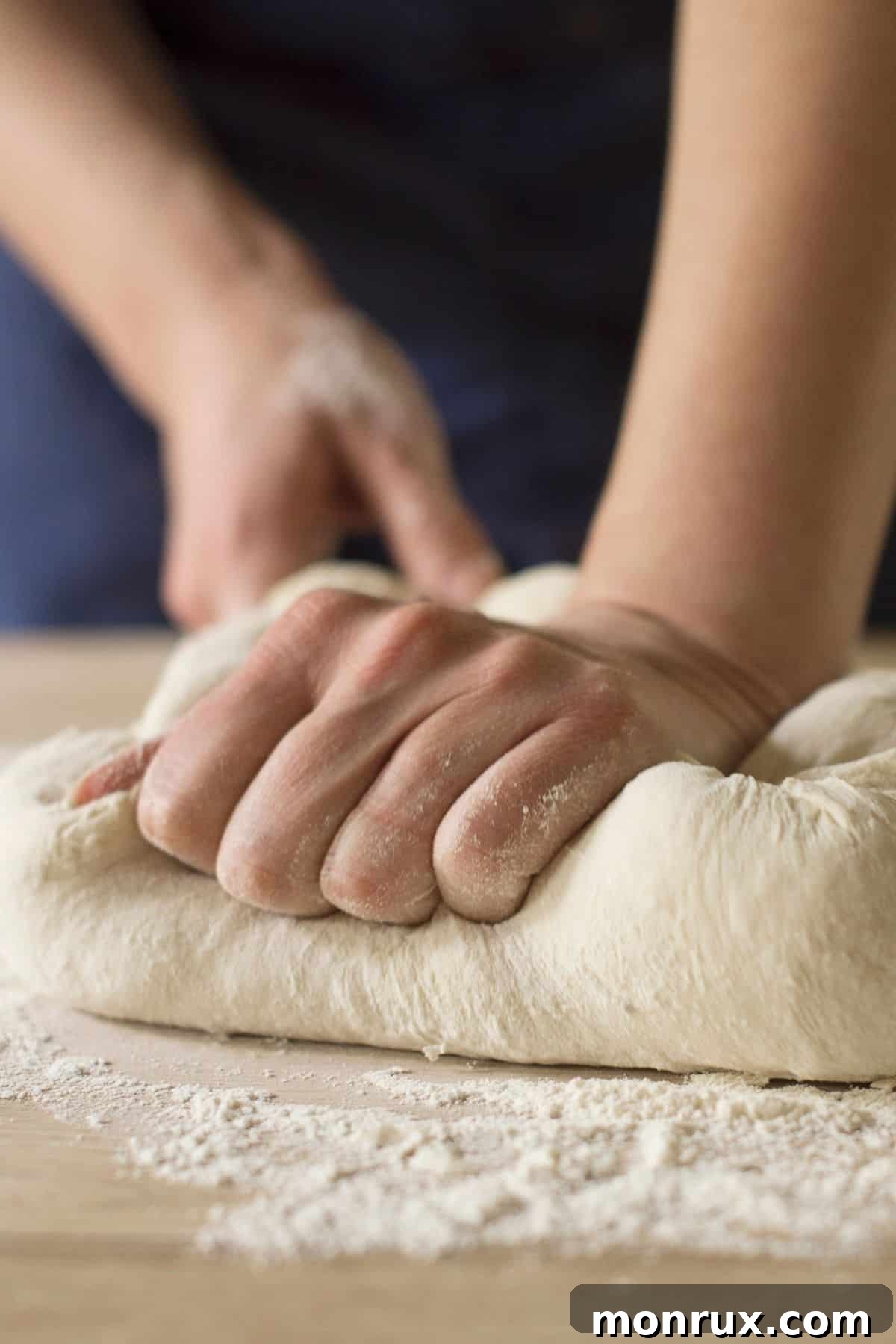
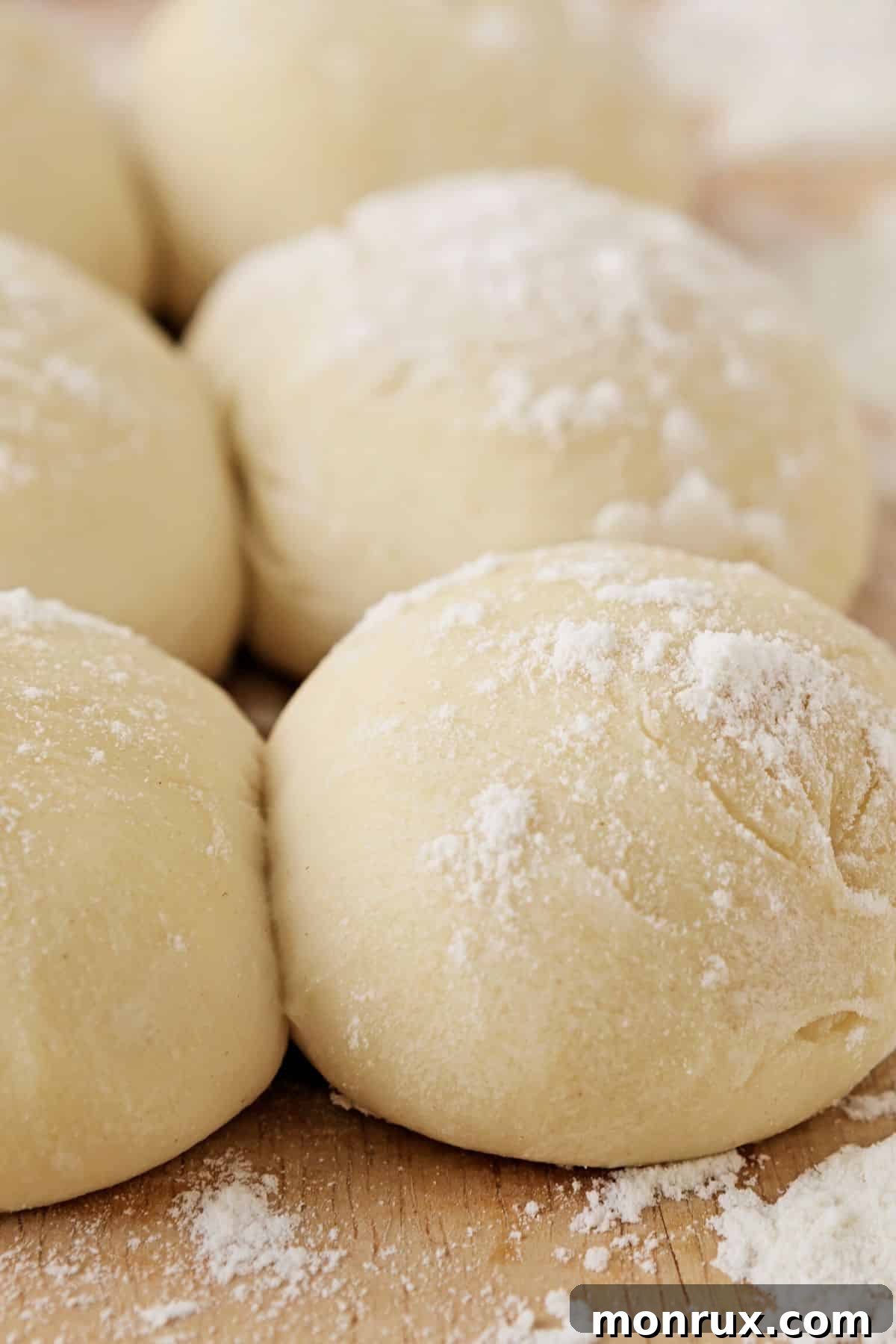
Transfer the dough to a lightly floured surface (using gluten-free flour). Knead the dough gently for about 6 to 8 minutes. Unlike wheat flour dough, gluten-free dough doesn’t develop traditional gluten strands, but kneading helps distribute ingredients evenly and improves texture. If the dough feels overly sticky and hard to handle, try chilling it in the fridge for 15-20 minutes before resuming kneading. Form the kneaded dough into a smooth ball and place it in a lightly greased mixing bowl. Cover the bowl with a clean kitchen towel and let it rise in a warm, draft-free place for approximately 1 hour, or until it has noticeably doubled in size. A warmer environment will accelerate the rising process, so keep an eye on your dough.
Step Three: Shape and Second Rise
Once your dough ball has beautifully risen, gently remove it from the bowl. Place it on your lightly floured surface and divide it into 12 equal portions. A kitchen scale can help ensure even sizing for consistent baking. Roll each portion into a smooth, round ball. Arrange these shaped rolls in a greased baking pan, leaving a small space between each one to allow for further expansion. Cover the rolls again with a clean, damp kitchen towel and let them rise for a second time, for another hour, in a warm spot. Meanwhile, preheat your oven to 375°F (190°C).
Step Four: Bake to Golden Perfection
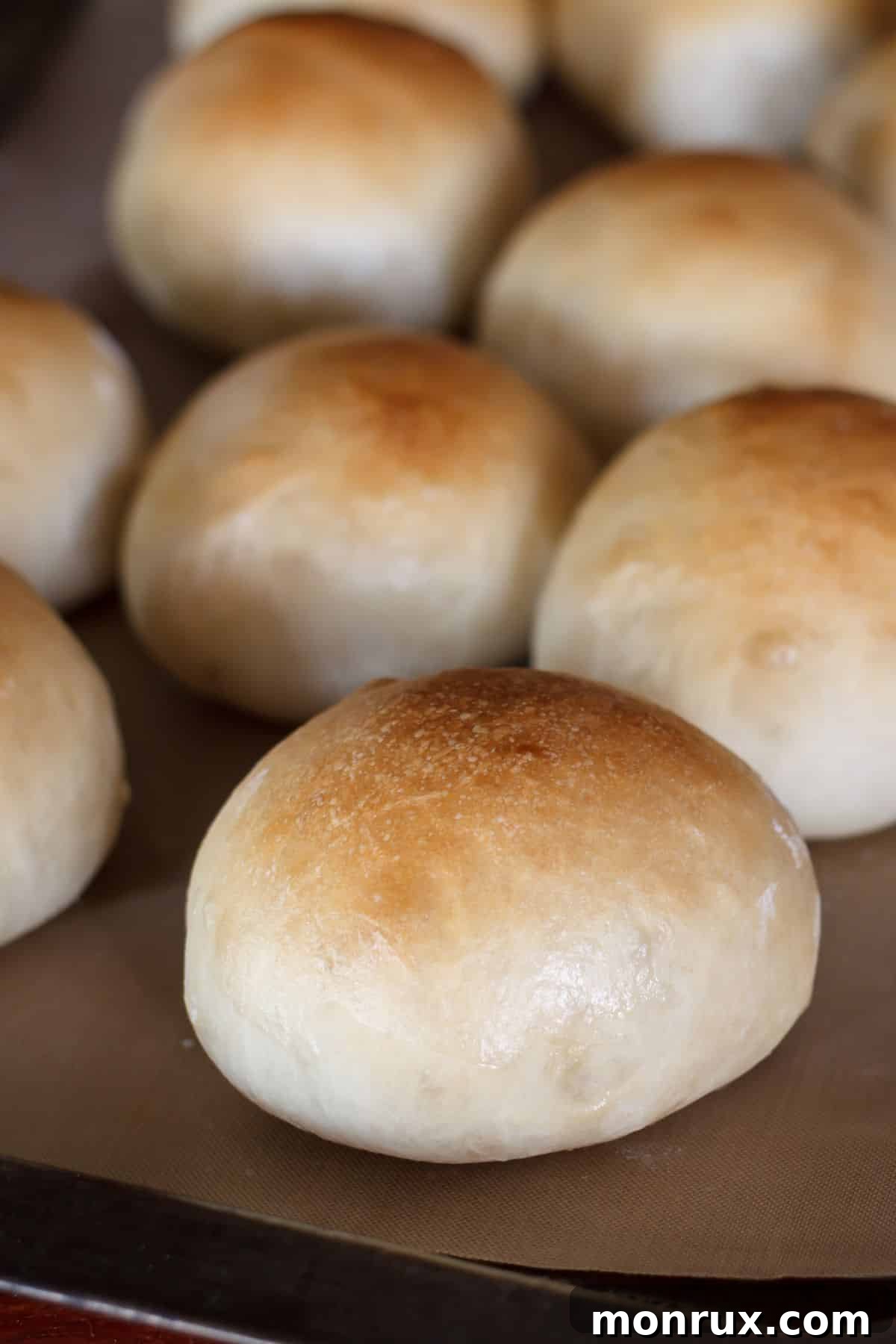
Before placing the rolls in the oven, you can lightly brush the tops with a little avocado oil or olive oil. This optional step enhances the browning and gives the rolls a beautiful golden finish. Bake the rolls for 20 to 25 minutes, or until their tops are a lovely golden brown and the internal temperature, when measured with an instant-read thermometer, reaches 185–190°F (85-88°C). This ensures they are thoroughly cooked and perfectly fluffy inside.
Step Five: Cool and Serve
Once baked, remove the pan from the oven. For an extra soft crust, you can immediately brush the warm rolls with a touch more vegan butter or oil. Let them cool in the pan for a few minutes before transferring them to a wire rack. Serve them warm or at room temperature. You’ll agree that these fluffy dinner rolls rival any traditional version, making them perfect for holidays, special dinners, or a comforting family meal. Everyone will adore these delectable allergy-friendly bread rolls!
The Incredible Benefits of These Allergy-Friendly Rolls
- Truly Allergy-Friendly: These dinner rolls are designed with dietary restrictions in mind. They contain no dairy and no gluten, making them a safe and delicious option for individuals with common allergies or sensitivities. They are also naturally vegetarian, and can easily be made completely vegan by using a flax or chia egg substitute. Explore my complementary recipe for Dairy-Free Biscuits for more allergy-friendly baking.
- Excellent for Meal Prep & Freezing: These rolls freeze remarkably well, offering incredible convenience. Bake a double batch and store half in the freezer for quick weeknight dinners or unexpected guests. Simply thaw and reheat for that fresh-baked taste anytime. This is a huge advantage for busy households seeking healthy, ready-to-eat options.
- Unbelievably Fluffy Texture: Despite being free of both dairy and gluten, these dinner rolls boast an incredibly light, airy, and fluffy texture that many gluten-free breads struggle to achieve. This recipe proves that dietary restrictions don’t mean compromising on the satisfying chew and softness of a truly great roll. The combination of carefully selected flours and binders ensures a texture that will impress everyone.
- Versatile for Any Occasion: Whether it’s a casual family dinner, a festive holiday feast, or a special occasion, these gluten-free dairy-free dinner rolls fit seamlessly into any meal plan. Their neutral yet inviting flavor makes them a perfect accompaniment to soups, stews, roasted meats, or simply enjoyed with a spread.
- Homemade & Wholesome: Baking at home gives you complete control over the ingredients, ensuring your rolls are free from undesirable additives or preservatives often found in store-bought options. This recipe is made with wholesome, accessible ingredients, making it a healthier choice for your family.
Frequently Asked Questions (FAQs) About Gluten-Free Dairy-Free Dinner Rolls
Absolutely, a stand mixer with a dough hook attachment is a fantastic tool for this recipe! Because gluten-free dough behaves differently from traditional wheat-based dough (it’s less elastic and can be stickier), you might need to stop the mixer every few minutes to scrape down the sides of the bowl. Run it on a medium speed until the dough is well combined and has a uniform texture, typically 5-7 minutes.
No, the sugar in this recipe is crucial and cannot be omitted. It doesn’t just add flavor; it serves as vital food for the yeast, fueling the chemical reaction that causes the rolls to rise and become light and fluffy. Without sugar, your yeast will not activate properly, resulting in dense, flat rolls. While cane sugar provides the best flavor balance, any granulated sugar will work. I have also had success with maple syrup, but granulated sugar yields the most consistent and best results for texture.
Keeping your dinner rolls warm is simple! Line a basket or a serving bowl with a clean kitchen cloth. Place the freshly baked rolls directly onto the cloth, then fold the sides of the cloth over them. You can then add a second, clean cloth over the top and gently tuck it in around the rolls. This method creates an insulating layer that will keep your rolls wonderfully warm and soft for about 15 to 20 minutes, perfect for serving.
There are a few common reasons for dough not rising. The most frequent culprit is inactive yeast. Ensure your yeast is fresh and test it as described in the “Instant Yeast” section. Another factor is temperature: the water/milk should be warm (90-100°F), not hot (which kills yeast) or cold (which slows it down). Finally, make sure your rising environment is warm and draft-free. A slightly warm oven (turned off, with just the light on) or a sunny spot can work wonders for proofing.
Yes, absolutely! This recipe is already dairy-free. To make it completely vegan, simply substitute the egg with a flax egg or chia egg. For one egg, combine 1 tablespoon of ground flaxseed meal (or chia seeds) with 3 tablespoons of water, stir, and let it sit for 5-10 minutes until it thickens to an egg-like consistency. This substitution works perfectly to bind the dough.
We truly hope you enjoy making and savoring this incredible recipe! If you do, please consider leaving a comment and a starred review below to share your experience with other bakers.
To stay connected and discover more clean eating recipes and wellness tips, be sure to follow us on social media! You can find us on Facebook, Pinterest, Instagram, and YouTube!
Gluten-Free Dairy-Free Dinner Rolls Recipe
★★★★★
5 from 2 reviews
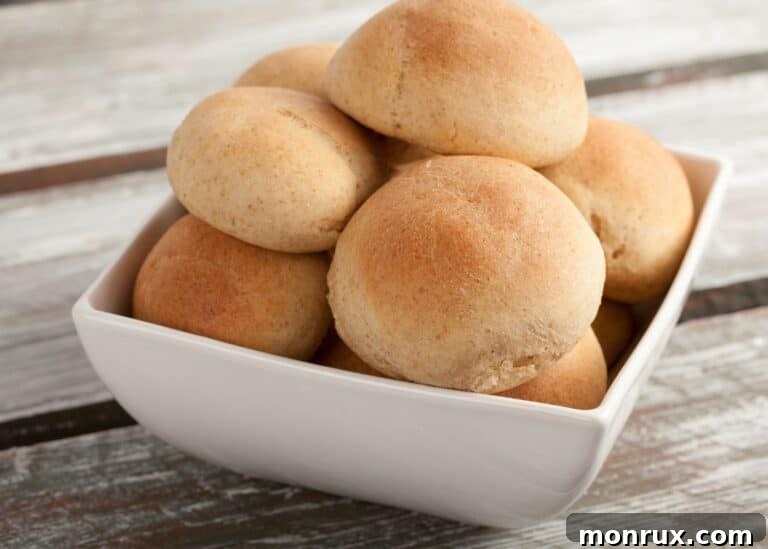
Experience the joy of fluffy, soft, and utterly delicious dairy-free and gluten-free dinner rolls with this easy-to-follow recipe. Yielding 12 perfect rolls, you’ll want to make them for every meal!
- Total Time: 2 hours 45 minutes
- Yield: 12 rolls
Ingredients
- 1/2 cup warm water (90°F to 100°F)
- 1/2 cup warm unsweetened almond milk (90°F to 100°F)
- 1 tablespoon instant yeast
- 3 tablespoons granulated cane sugar
- 1/4 cup melted vegan butter
- 1 egg (use a flax or chia egg for a vegan option)
- 1 1/2 teaspoon salt
- 3 cups gluten-free flour blend (ensure it contains xanthan gum)
- 2 teaspoons psyllium husk powder
- 1 tablespoon avocado oil or olive oil (optional, for browning)
Instructions
- Activate Yeast: In a small bowl, combine the warm water, almond milk, sugar, and yeast. Let it sit for 5–10 minutes until foamy.
- Combine Wet Ingredients: In a large mixing bowl, mix the activated yeast mixture with the melted vegan butter, egg (or flax egg), and salt until well combined.
- Incorporate Dry Ingredients: Gradually add the gluten-free flour and psyllium husk powder to the bowl, stirring until it forms a soft, slightly sticky dough. If the dough feels too dry or crumbly, add 1 tablespoon at a time of warm water or almond milk until the dough reaches the right consistency.
- Knead and First Rise: Knead the dough gently for 3–5 minutes on a lightly floured surface. Place the dough in a lightly greased bowl, cover with a damp towel, and let it rise in a warm place for about 1 hour, or until doubled in size.
- Shape the Rolls: Divide the risen dough into 12 equal portions, roll them into smooth balls, and place them in a greased baking pan.
- Second Rise: Cover the shaped rolls with a damp towel and let them rise for another hour, or until doubled in size. During this time, preheat your oven to 375°F (190°C).
- Bake with Oil Topping: Before baking, gently brush the tops of the rolls with avocado oil or olive oil for enhanced browning. Bake for 20–25 minutes, or until golden brown and the internal temperature reaches 185–190°F (85-88°C).
- Optional Post-Bake Softening: For an extra soft crust, brush the rolls with a little more oil or melted vegan butter immediately after removing them from the oven.
- Cool and Serve: Allow the rolls to cool slightly in the pan for a few minutes before transferring them to a wire rack. Serve warm or at room temperature.
Notes
- Dough Consistency: Some bakers have found they need slightly more liquid to achieve the ideal dough consistency. Allow for up to an additional 1/2 cup of almond milk; add it 1/4 cup at a time if your dough seems too dry or crumbly after incorporating all the flour.
- Gluten-Free Flour: Always use a pre-packaged gluten-free flour blend that explicitly states it contains xanthan gum. Xanthan gum is vital for providing structure and elasticity in gluten-free baking.
- Plant-Based Milk Options: While unsweetened almond milk is recommended for its flavor and consistency, you can use any other unsweetened plant-based milk such as oat, rice, soy, or light coconut milk. Ensure it is warm to activate the yeast.
- Kneading Alternatives: If hand-kneading isn’t for you, a stand mixer fitted with a dough hook can do the job. Remember that gluten-free dough is often stickier; you may need to pause and scrape down the sides of the bowl periodically.
- Keeping Rolls Warm: To keep baked rolls warm for 15-20 minutes, line a serving basket with a clean kitchen cloth, place the rolls inside, and fold the cloth over them, adding a second cloth on top for extra insulation.
- Storage: Store any leftover rolls in an airtight container or a resealable bag at room temperature for up to 2 days, or in the refrigerator for up to 4 days. They also freeze beautifully after baking.
- Author: Carrie Forrest, MPH in Nutrition
- Prep Time: 20 minutes
- Cook Time: 25 minutes
- Category: Bread
- Method: Oven
- Cuisine: Gluten-Free and Dairy-Free
- Diet: Gluten Free
Nutrition
- Serving Size: 1 roll
- Calories: 230
- Sugar: 3.1 g
- Sodium: 336.3 mg
- Fat: 2.1 g
- Saturated Fat: 0.3 g
- Carbohydrates: 48.8 g
- Fiber: 1.9 g
- Protein: 3.5 g
- Cholesterol: 0 mg
Don’t Miss These Other Fantastic Gluten-Free Bread Recipes!
If you loved these fluffy gluten-free dairy-free dinner rolls, you’re in for a treat! Explore more delicious and wholesome bread recipes designed to fit your dietary needs without compromising on flavor or texture. Expand your baking repertoire with these favorites:
Don’t forget to join my newsletter list to get exclusive clean eating recipes and tips delivered straight to your inbox. The newsletter is 100% free with no spam; you can unsubscribe anytime.
About the Author: Carrie Forrest holds a master’s degree in public health with a specialization in nutrition and is a certified holistic nutritionist. She is a highly regarded wellness and food blogger, attracting over 5 million visitors to her site annually. Carrie shares an inspiring story of recovery from chronic illness and is deeply passionate about empowering other women to transform their health through nourishing food. Feel free to send her a message through her contact form.