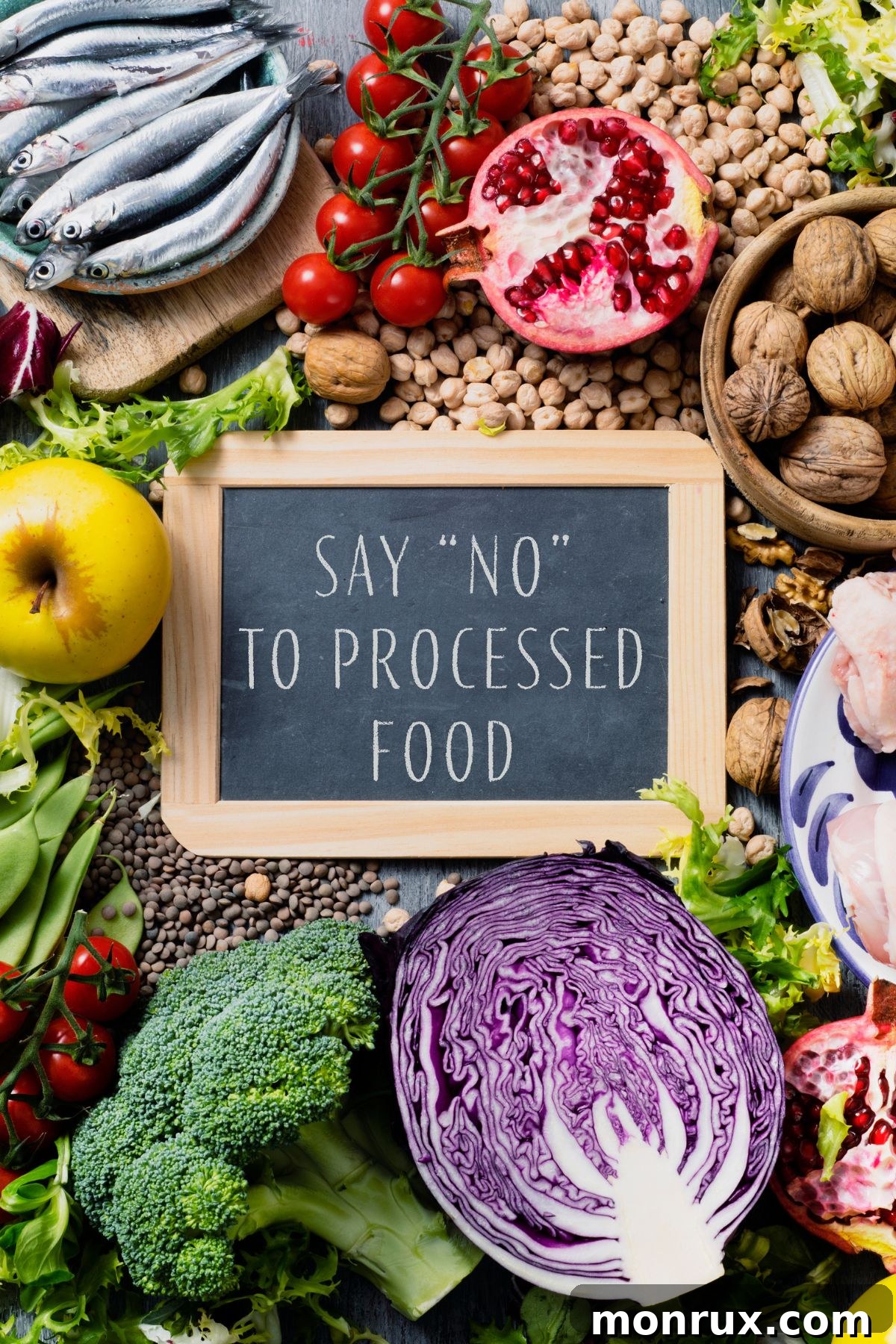
Whether you’re navigating your reproductive years, experiencing the shifts of perimenopause, or beyond, maintaining optimal progesterone levels is crucial for overall well-being. This essential hormone plays a significant role in mitigating symptoms associated with PMS, irregular cycles, and the various challenges of perimenopause. Discover how specific foods can naturally enhance your progesterone production and support a balanced hormonal profile, along with dietary choices to limit. Incorporating nutrient-rich items like nuts, seeds, leafy greens, dark chocolate, avocado, oats, bananas, and grass-fed beef into your diet can be a powerful step towards hormonal harmony.
Overview of Progesterone
Progesterone is a vital steroid hormone produced by the body in both men and women, though it’s most famously associated with female reproductive health. In women, its primary site of production is the corpus luteum, a temporary gland that forms in the ovaries following ovulation—the release of an egg.
This remarkable hormone orchestrates a crucial dance within the female body. It plays an indispensable role in preparing the uterus for potential pregnancy by stimulating the development of blood vessels and glands, thus thickening the endometrial lining. This creates a nutrient-rich, hospitable environment essential for the successful implantation of a fertilized egg.
Beyond implantation, progesterone continues its supportive role, prompting the endometrium to supply necessary nutrients to the developing embryo. Should pregnancy occur, the placenta eventually takes over as the main producer of progesterone, maintaining high levels throughout gestation. These elevated progesterone levels are key to preventing further ovulation and preparing the breasts for lactation. Furthermore, progesterone also influences mood, sleep, and bone density, showcasing its broad impact on a woman’s overall health.
Fluctuations in progesterone levels can significantly disrupt a woman’s health, leading to issues such as irregular menstrual cycles, heavy bleeding, and the classic symptoms of PMS, perimenopause, and menopause, including mood swings, hot flashes, and reduced fertility. Understanding and supporting healthy progesterone levels is fundamental for achieving hormonal equilibrium and enhancing quality of life.
Recognizing Signs of Low Progesterone
Many uncomfortable symptoms can signal that your progesterone levels are insufficient, or that you might be experiencing estrogen dominance—a state where estrogen’s influence outweighs progesterone’s. Recognizing these signs is the first step towards seeking balance.
Common indicators of low progesterone include:
- Irregular or Missed Periods: Progesterone helps regulate the menstrual cycle. Low levels can lead to unpredictable cycles or amenorrhea (missed periods) because the uterine lining doesn’t build up or shed consistently.
- Spotting Between Periods: Insufficient progesterone can cause the uterine lining to shed prematurely, leading to spotting.
- Infertility or Recurrent Miscarriage: Progesterone is critical for preparing and maintaining the uterine lining for pregnancy. Low levels can hinder conception or lead to early pregnancy loss.
- Reduced Sex Drive: Hormonal imbalances, including low progesterone, can impact libido.
- Weight Gain and Bloating: Often linked to water retention and disrupted metabolism, these symptoms can be exacerbated by an imbalance in estrogen and progesterone.
- Anxiety, Depression, or Other Mood Changes: Progesterone has a calming effect on the brain, partly by interacting with GABA receptors. Low levels can contribute to heightened anxiety, irritability, and mood swings.
- Fatigue: Persistent tiredness, even after adequate rest, can be a symptom of hormonal imbalance.
- Difficulty Concentrating: Known as “brain fog,” this can be a consequence of fluctuating hormone levels impacting cognitive function.
- Breast Tenderness: An excess of estrogen relative to progesterone can cause breast swelling and tenderness.
- Headaches or Migraines: Hormonal fluctuations are a common trigger for headaches, particularly around the menstrual cycle.
If you suspect you have low progesterone, it’s essential to consult with a healthcare provider for accurate diagnosis and personalized guidance. For related insights, explore our articles on natural remedies for perimenopause bloating and effective strategies to alleviate menopause joint pain.
Foods to Limit for Progesterone Balance
When you’re actively working to optimize your progesterone levels, it’s just as important to consider what you might need to *reduce* in your diet as what you should add. Certain foods and substances can inadvertently disrupt your delicate hormonal balance, potentially hindering your efforts to boost progesterone.
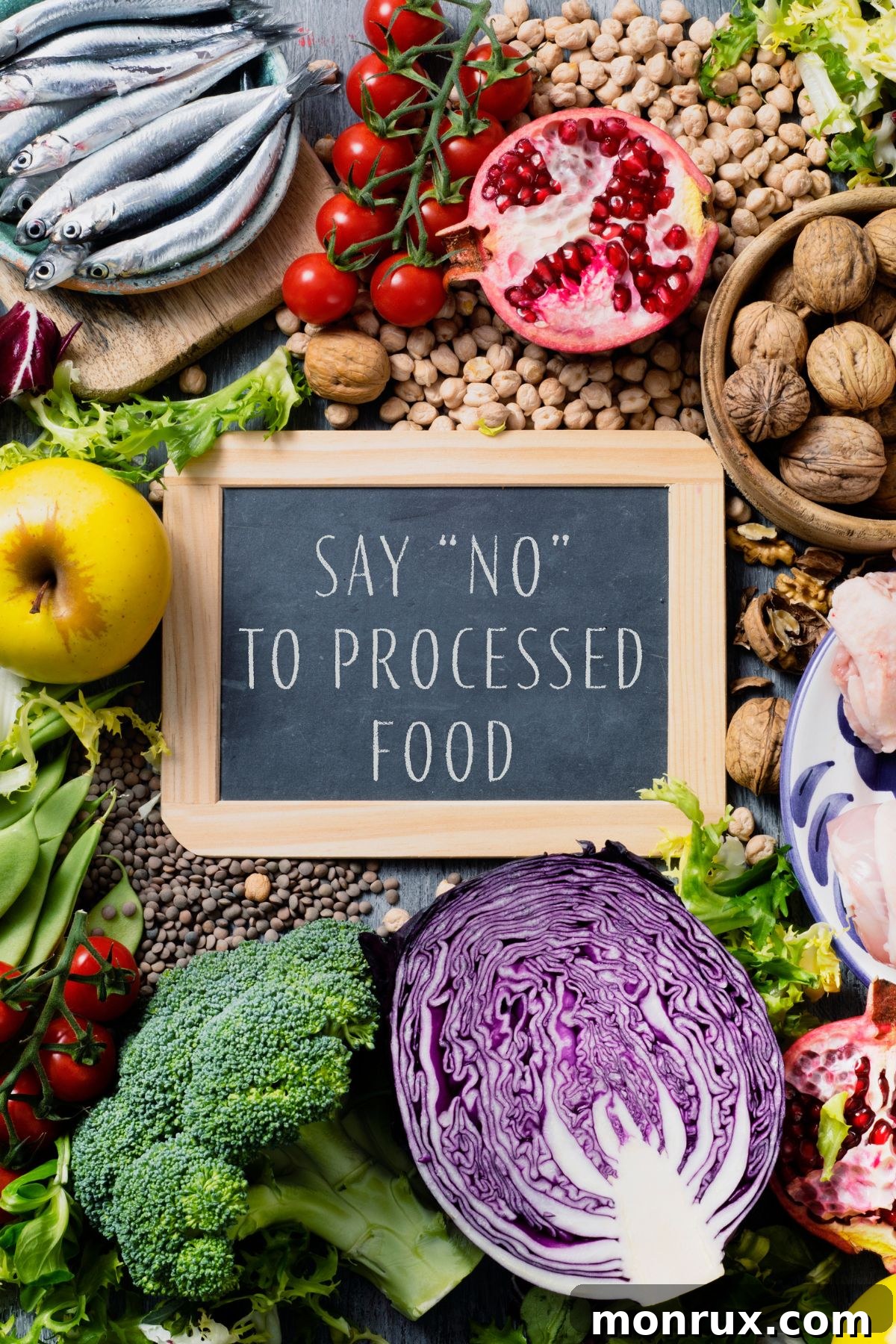
A primary recommendation is to significantly limit processed foods. These dietary staples are often laden with unhealthy fats, refined sugars, and artificial ingredients. Beyond their general negative impact on health, processed foods can also contribute to inflammation and gut dysbiosis, both of which can impair hormone regulation. Furthermore, many processed items, as well as products stored in plastic containers, may contain xenoestrogens—environmental chemicals that mimic estrogen in the body. These xenoestrogens can bind to estrogen receptor sites, leading to potentially adverse results and exacerbating a state of estrogen dominance, which directly counteracts progesterone.
For more detailed strategies on managing estrogen levels, refer to our articles on natural approaches to reduce estrogen dominance and the top supplements for combating estrogen dominance.
Meat consumption also warrants attention. Conventional livestock farming often involves the use of growth hormones (like estrogen) and antibiotics. Consuming meats from these sources can introduce additional hormones into your system, potentially disrupting your natural hormonal balance and suppressing your body’s ability to produce adequate progesterone. Whenever possible, choose meats labeled “hormone-free” and, ideally, organic and grass-fed. This ensures you’re consuming meat from animals raised without synthetic hormones, supporting your journey toward balanced progesterone levels.
Top Foods to Naturally Increase Progesterone
It’s important to clarify that foods don’t directly contain progesterone. Instead, the power of these foods lies in their rich concentration of specific vitamins, minerals, and healthy fats that act as precursors or cofactors, supporting your body’s innate ability to efficiently produce and utilize progesterone in optimal amounts. By nourishing your body with these essential nutrients, you can encourage a healthier hormonal environment and help correct imbalances.
Here are some of the best foods to integrate into your diet to naturally boost progesterone and foster hormonal harmony. Always remember to consult with your healthcare provider, especially if you are pregnant or have existing health conditions, as maintaining sufficient progesterone in early pregnancy is critical for a healthy outcome.
1. Nuts and Seeds
Nuts and seeds are nutritional powerhouses, particularly rich in two key minerals vital for progesterone synthesis and balance: zinc and magnesium.
Zinc plays a critical role in reproductive health. Research suggests that zinc can increase the number of binding sites on progesterone receptors, making the existing progesterone more effective and contributing to higher overall progesterone activity. It also supports the pituitary gland, which produces luteinizing hormone (LH), a hormone essential for triggering ovulation and the subsequent formation of the corpus luteum, the primary site of progesterone production.
Magnesium, often called the “calming mineral,” is equally important. It has been shown to have an inverse relationship with estrogen. This means that as your magnesium levels improve, estrogen levels may decrease. Since estrogen and progesterone often work in opposition, lowering excessive estrogen can lead to a natural and beneficial increase in progesterone’s relative influence in the body. Magnesium also aids in stress reduction, which is crucial for hormonal balance, as chronic stress can deplete progesterone.
Excellent sources of magnesium include cashews, almonds, and Brazil nuts, as well as pumpkin, flax, and chia seeds. For zinc, choose cashews, pecans, Brazil nuts, pine nuts, and almonds. Among seeds, pumpkin, chia, sunflower, and flax seeds are top contenders. These seeds also provide beneficial vitamin E, an antioxidant that supports overall reproductive health. Opting for organic varieties of nuts and seeds whenever possible can further enhance their benefits by avoiding pesticide residues.
Integrate them into your diet with recipes like homemade Pumpkin Seed Milk, wholesome Healthy Seed Crackers, or a creamy Vanilla Hemp Milk.
2. Beans and Legumes
Beans and other legumes, such as lentils, peas, chickpeas, and soybeans, are not only excellent sources of plant-based protein but also incredibly rich in magnesium. For instance, a single one-cup serving of black beans contains approximately 120mg of magnesium, supplying a remarkable 30% of your recommended daily intake (RDI). This substantial magnesium content makes them a valuable addition to a progesterone-supportive diet.
Beyond magnesium, legumes are also packed with fiber. Dietary fiber plays a crucial role in gut health, which is intricately linked to hormone balance. A healthy gut helps effectively eliminate excess estrogen from the body, preventing estrogen dominance and thereby allowing progesterone to function more optimally. The soluble fiber in legumes can also help stabilize blood sugar levels, which is important because insulin spikes can negatively impact hormone production.
Make an effort to include legumes regularly as a nutritious side dish with your meals, blend them into dips, or use them as a hearty base for soups and stews. They are versatile and can be incorporated into countless recipes.
Some delicious ways to enjoy beans include crispy Air Fryer Chickpeas, a comforting Instant Pot 15 Bean Soup (vegan-friendly), or a nourishing Lentil Turkey Soup.
3. Cruciferous Vegetables
Cruciferous vegetables—a family that includes cauliflower, cabbage, broccoli, Brussels sprouts, and kale—are celebrated for their potent estrogen-lowering effects. This benefit stems from a unique compound they contain called Indole-3-Carbinol (I3C).
I3C plays a vital role in supporting the liver’s detoxification pathways, specifically helping the body metabolize and eliminate excess estrogen effectively. When estrogen is properly detoxified and excreted, it prevents its accumulation and reduces the risk of estrogen dominance—a condition where estrogen levels are disproportionately high compared to progesterone. Achieving a healthy estrogen-to-progesterone ratio is fundamental for alleviating symptoms associated with hormonal imbalance and optimizing progesterone’s impact.
If you find it challenging to enjoy cruciferous vegetables, try experimenting with different cooking methods. Roasting them can bring out a natural sweetness and nutty flavor, while incorporating them into stir-fries, curries, or blended soups can make them more palatable. You can also discreetly add them to smoothies without overpowering the taste, like with a refreshing Broccoli Smoothie or a vibrant Broccoli Sprout Smoothie. For a comforting meal, consider this creamy plant-based Broccoli Potato Soup.
4. Dark Chocolate
Good news for chocolate lovers! Dark chocolate is another excellent source of magnesium, making it a delightful addition to your progesterone-supporting diet. As previously noted, magnesium is known to help lower estrogen levels and promote a more balanced progesterone-to-estrogen ratio. So, you can enjoy this treat with less guilt, knowing it’s contributing to your hormonal well-being.
Beyond its magnesium content, dark chocolate is a treasure trove of other beneficial nutrients. It’s packed with flavonols, powerful antioxidants that can improve blood flow and reduce inflammation, and a wide array of essential minerals like iron, copper, and manganese. These nutrients collectively support overall health, including the intricate processes involved in hormone production.
To maximize the health benefits, be discerning when choosing your dark chocolate. Opt for high-quality varieties with a high cacao content, ideally around 70% or higher. While a slightly lower percentage might be acceptable if you find higher percentages too bitter, always check the ingredients. Avoid brands that contain excessive added sugars, artificial additives, or those processed with alkali (Dutch process), as these processes can diminish the chocolate’s natural health-promoting compounds. The darker, the better!
Get creative in the kitchen with dark chocolate by making a rich Chocolate Avocado Pudding, a refreshing Strawberry Banana Chocolate Smoothie, or simply enjoy Vegan Chocolate Covered Almonds for a satisfying snack.
5. Grass-Fed Beef
The choice of meat can significantly influence your hormonal health, especially when it comes to progesterone levels. Conventional livestock farming practices often involve feeding animals antibiotics and growth hormones, including estrogen, to accelerate growth and increase yield. However, studies have indicated that a measurable amount of these synthetic hormones can transfer from the meat to the consumer. This can contribute to an excessive estrogen load in the body, potentially leading to estrogen dominance and a corresponding reduction in the relative efficacy of natural progesterone.
To support healthy progesterone levels and overall hormone balance, it is highly recommended to choose organic, fully grass-fed beef. Animals raised on a natural, hormone-free diet produce meat that is not only free from added hormones but also often boasts a superior nutritional profile, including a healthier fatty acid composition. Grass-fed beef is typically richer in omega-3 fatty acids, conjugated linoleic acid (CLA), and various antioxidants, all of which contribute to better health and reduced inflammation, factors that are supportive of healthy hormone production.
Discover where to find high-quality grass-fed beef in your area. Additionally, opting for leaner cuts of beef can further support a balanced diet without excess saturated fat, allowing you to reap the benefits of this nutrient-dense protein.
6. Fatty Fish
Incorporating more fatty fish, such as salmon, mackerel, and sardines, into your diet offers a multitude of health benefits, including supporting optimal progesterone levels. These types of fish are exceptional sources of vitamin B6, a crucial nutrient believed to be helpful in supporting ovulation. Ovulation is the pivotal event that leads to the formation of the corpus luteum, which then produces progesterone. Thus, adequate B6 can indirectly support robust progesterone production.
Beyond B6, fatty fish are renowned for being rich in Omega-3 and Omega-6 fatty acids. While both are important, Omega-3s are particularly beneficial for hormone health. They are potent anti-inflammatory agents, and reducing systemic inflammation is key for proper hormone synthesis and function. Furthermore, Omega-3s have been shown to increase luteinizing hormone (LH) in some women. LH is the hormone that signals the ovaries to ovulate, and a healthy ovulatory cycle is directly linked to healthy progesterone levels.
If you adhere to a vegetarian or vegan diet, you can still obtain similar hormone-supportive fatty acids and nutrients from plant-based sources. Flax seeds, chia seeds, walnuts, and leafy greens (discussed below) are excellent alternatives rich in omega-3s and other cofactors for hormone synthesis.
For those who enjoy fish, consider incorporating delicious recipes such as Salmon Stir Fry, a quick and easy Instant Pot Salmon and Potatoes, or a flavorful Keto Canned Salmon Salad into your weekly meal plan.
7. Leafy Greens
Leafy greens, including spinach, kale, turnip greens, collard greens, and Swiss chard, are nutritional powerhouses that offer significant benefits for hormonal balance. They are exceptionally good sources of magnesium, a mineral crucial for over 300 enzymatic reactions in the body, including those involved in hormone production and regulation. As discussed, magnesium helps counter excess estrogen, thereby indirectly supporting progesterone.
Moreover, leafy greens are rich in calcium, another mineral that has been proven to be helpful in raising progesterone levels. Studies have demonstrated that the cellular production of progesterone specifically requires the presence of calcium ions. This means that ensuring adequate calcium intake through foods like leafy greens can directly support the metabolic pathways involved in progesterone synthesis, helping your body maximize its natural production.
Beyond magnesium and calcium, leafy greens are packed with folate, fiber, and a wide array of antioxidants, all contributing to overall health and vitality. Their high fiber content also aids in healthy digestion and the elimination of metabolic waste, including excess hormones, further supporting a balanced internal environment.
Explore more of the best green vegetables to integrate into your diet. For a truly fresh experience, consider growing your own greens, such as nutrient-dense kale microgreens, which can be easily added to salads, sandwiches, or smoothies.
8. Avocado
Avocados are a fantastic superfood, celebrated for their unique nutritional profile that makes them ideal for supporting healthy progesterone levels and overall hormonal balance. They are particularly rich in B vitamins, including B6 and folate, which are vital cofactors in numerous metabolic processes, including the synthesis and regulation of hormones.
Crucially, avocados are brimming with healthy monounsaturated fats. Scientific research indicates that a diet rich in healthy fats, like those found in avocados, can contribute to increased progesterone levels. These fats are essential building blocks for steroid hormones, including progesterone, and they play a critical role in supporting regular ovulation. Healthy ovulation is paramount, as it’s the process that leads to the formation of the corpus luteum, the body’s main producer of progesterone. By promoting consistent ovulation, avocados can help reduce the risk of anovulation (a menstrual cycle without an egg being released), which is a common cause of infertility and hormonal imbalance.
The versatility of avocado makes it incredibly easy to incorporate into your daily diet. Enjoy it simply mashed with a sprinkle of salt on whole-grain toast, sliced into salads, blended into smoothies for a creamy texture, or used as a nutritious substitute for mayonnaise in sandwiches and dressings. Its mild flavor and rich texture make it a popular addition to a wide range of dishes.
Don’t miss out on delicious recipes like this creamy Dairy-Free Avocado Spread or a refreshing Avocado Mango Salad.
9. Pumpkin
Pumpkin, often associated with autumn, is a remarkably beneficial food for supporting progesterone levels year-round. It is notably high in vitamin B6, which, as highlighted earlier, plays a significant role in supporting healthy ovulation. A consistent and healthy ovulatory cycle is foundational for sufficient progesterone production, as the corpus luteum (the temporary gland that produces progesterone) forms after an egg is released.
Beyond B6, pumpkin flesh is rich in antioxidants, vitamins, and minerals that contribute to overall well-being and cellular health, indirectly supporting hormonal processes. Its natural sweetness and vibrant color make it an appealing ingredient for various culinary creations. You can roast pumpkin and serve it as a flavorful side dish, puree it to create comforting soups, blend it into a creamy hummus, or even use it to craft healthy sweet treats like pies or muffins, leveraging its natural sweetness.
Crucially, do not discard the pumpkin seeds! These small powerhouses are incredibly rich in magnesium, zinc, and healthy fats—all vital nutrients that actively contribute to boosting progesterone production and maintaining hormonal balance. Roast them for a crunchy snack. Try making savory Air Fryer Pumpkin Seeds after you’ve prepared delicious Air Fryer Pumpkin, ensuring you utilize every part of this hormone-friendly vegetable.
10. Oats
Oats are a staple for good reason, offering significant benefits for hormonal health, particularly in the context of progesterone. As previously discussed, the effective elimination of excess estrogen is paramount in preventing estrogen dominance and maintaining a healthy progesterone-to-estrogen ratio. The gut plays a critical role in regulating estrogen levels, with gut bacteria metabolizing estrogen into forms that can be excreted. Therefore, a healthy gut microbiome is directly linked to balanced hormones.
Oats are an excellent source of dietary fiber, especially soluble fiber. This fiber adds bulk to stools, promoting regular bowel movements, which is essential for the timely excretion of used hormones, including estrogen. When estrogen isn’t efficiently eliminated, it can be reabsorbed into the bloodstream, contributing to higher circulating levels and potential hormonal imbalance. By supporting gut health and efficient waste removal, oats indirectly help create an environment where progesterone can thrive.
For more insights into nourishing your gut, explore our articles on top gut-healing foods or consider trying a leaky gut diet. In addition to fiber, oats provide a wealth of other useful nutrients, including B vitamins, iron, manganese, and antioxidants, all of which support overall metabolic function and energy. Oats are incredibly versatile: use them to make nourishing morning oatmeal, blend them into smoothies, or even use them as a wholesome coating for chicken strips or fish for a healthier twist.
Try these satisfying Overnight Protein Oats for a quick breakfast, or this delightful recipe for Air Fryer Apples with Oats for a warm and comforting treat.
11. Citrus Fruits, Kiwi, and Peppers
When it comes to boosting progesterone, vitamin C is a nutrient that often flies under the radar but is incredibly valuable. Citrus fruits (like oranges, grapefruits, and lemons), kiwis, and bell peppers are among the best dietary sources of this powerful antioxidant. Research has indicated that women who supplemented with vitamin C experienced higher levels of progesterone in their systems. This is likely due to vitamin C’s role in supporting adrenal gland function and its antioxidant properties, which protect cells involved in hormone production from oxidative stress.
Vitamin C is also essential for collagen production, immune function, and overall stress response, all of which indirectly contribute to a balanced hormonal environment. When the body is under stress, it prioritizes cortisol production, often at the expense of other hormones like progesterone (“pregnenolone steal”). Adequate vitamin C can help buffer this stress response.
Other fruits and vegetables rich in vitamin C that you can incorporate into your diet include guavas, blackcurrants, cantaloupe, chili peppers, and spinach. When selecting bell peppers, opt for red varieties over green or yellow, as they generally boast the highest amount of vitamin C.
For a delicious way to boost your vitamin C intake and support your adrenals, try this revitalizing Adrenal Cocktail recipe, which provides whole-food vitamin C alongside other beneficial minerals.
12. Bananas
Rounding out our list of progesterone-supporting foods are bananas, a convenient and nutrient-dense fruit. Bananas are another excellent source of vitamin B6, a key player in maintaining hormonal balance. As previously discussed, vitamin B6 is crucial for the healthy functioning of the liver, where estrogen is metabolized and detoxified. By supporting this process, B6 can help in decreasing excessive estrogen levels, thereby preventing estrogen dominance and allowing your body’s natural progesterone to exert its beneficial effects more effectively.
Beyond B6, bananas also provide potassium, magnesium, and fiber, all of which contribute to overall health and indirectly support hormone regulation. Potassium is important for electrolyte balance and blood pressure, while magnesium assists in stress reduction and numerous enzymatic reactions. The fiber in bananas supports digestive health, aiding in the excretion of excess hormones.
Bananas are incredibly versatile and easy to incorporate into your diet. Enjoy them simply as a quick snack, slice them to top your morning oatmeal or peanut butter toast, blend them into creamy smoothies for natural sweetness, or even freeze them to create a healthy, sugar-free “nice cream.”
Explore creative ways to enjoy bananas with recipes like homemade Dairy-Free Banana Pudding from scratch or refreshing Banana Popsicles, perfect for a healthy sweet treat.
Why Progesterone Levels May Decline After Your 30s
The natural decline in progesterone levels is a physiological process that often begins in a woman’s late 20s and accelerates significantly after the age of 30. This phenomenon is primarily linked to the main function of progesterone: supporting pregnancy and fertility. As a woman ages and her reproductive capacity naturally wanes, the body’s need for high levels of progesterone also diminishes.
The decline is not always linear. Factors like increased anovulatory cycles (cycles where no egg is released) become more common with age. Since the corpus luteum, which produces progesterone, only forms after ovulation, fewer ovulatory cycles directly translate to lower progesterone output. By the time a woman reaches menopause, her progesterone levels become negligible, as ovulation ceases entirely.
This natural decrease is why many women begin to notice changes in their menstrual cycles, mood, and overall well-being in their late 30s and throughout their 40s. These changes are often the early signs of perimenopause, signaling the body’s transition towards the end of its reproductive years. While age is a primary factor, other elements can contribute to low progesterone at any age, including chronic stress, poor nutrition, excessive exercise, environmental toxin exposure, and underlying conditions like thyroid dysfunction or polycystic ovary syndrome (PCOS). Addressing these lifestyle factors alongside dietary support can be crucial for maintaining optimal hormone health.
Progesterone Changes During Perimenopause
The term “perimenopause,” meaning “around menopause,” describes the transitional phase leading up to menopause, often referred to as the “menopausal transition.” This period can begin as early as a woman’s mid-30s, marking the gradual winding down of her reproductive years. It’s a time of significant hormonal flux, with progesterone levels often being the first to decline, sometimes erratically.
During perimenopause, the ovaries become less consistent in their function, leading to fewer ovulatory cycles. Since progesterone is predominantly produced after ovulation by the corpus luteum, fewer ovulations mean a sharp decline in progesterone production. This reduction leaves estrogen largely unopposed, leading to a state often termed “estrogen dominance,” even if overall estrogen levels are also fluctuating or declining. This imbalance can intensify many familiar perimenopausal symptoms.
When progesterone levels drop, its regulatory effect on the uterine lining diminishes. This can cause the endometrium to become thicker than usual before it sheds, resulting in particularly heavy, prolonged, or painful periods, which are common complaints during perimenopause. The symptoms of existing conditions like endometriosis and fibroids, which are often fueled by estrogen, can also become more bothersome due to the relative lack of progesterone to counteract estrogen’s proliferative effects.
Furthermore, reduced progesterone levels can contribute to other uncomfortable symptoms during this phase, such as increased anxiety, sleep disturbances (progesterone has a calming effect), and even vaginal dryness, as progesterone plays a role in maintaining the thickness and health of the cervical mucus and vaginal tissues. Understanding these changes helps women navigate perimenopause with greater awareness and empowers them to seek appropriate support, including dietary and lifestyle interventions, to mitigate symptoms and enhance their well-being.
Frequently Asked Questions About Progesterone
Many hormonal birth control methods, including birth control pills, contraceptive patches, injections, hormonal intrauterine devices (IUDs), and contraceptive implants, do not contain progesterone itself. Instead, they utilize a synthetic form of progesterone called progestin. While progestins are structurally similar to natural progesterone and exert similar effects in the body (such as preventing ovulation and thickening cervical mucus), they have slight differences in their chemical composition. These differences allow them to be manufactured synthetically and can sometimes result in different side effect profiles compared to bioidentical progesterone.
Oral micronized progesterone is a “natural” or bioidentical form of progesterone that can be taken in pill form. Its key benefit lies in its chemical structure, which is identical to the progesterone naturally produced in the human body. This form of progesterone is highly beneficial for hormone replacement therapy (HRT), particularly for women in perimenopause or menopause, as it closely mimics the body’s endogenous hormone. It has been associated with fewer adverse side effects compared to synthetic progestins and may offer additional therapeutic benefits. These can include improved sleep quality, reduction of hot flashes and night sweats, and potential protective effects on bone density and against certain estrogen-related risks. Its bioidentical nature makes it a preferred option for many individuals seeking hormone balance and relief from menopausal symptoms.
The effectiveness of progesterone cream in significantly increasing systemic progesterone levels is a subject of ongoing debate among medical professionals and researchers. While some proponents and users report anecdotal benefits, there is limited robust scientific evidence from large, well-designed studies to conclusively support the claim that topical progesterone creams reliably raise blood progesterone levels to therapeutically significant ranges. Absorption and bioavailability can vary widely depending on the formulation, application site, and individual physiological factors. It is crucial to consult with a healthcare provider before using any progesterone cream, especially for treating specific conditions or symptoms, to discuss appropriate dosages and potential efficacy.
More Women’s Health Articles You Might Find Helpful
Final Thoughts on Hormonal Balance
Embarking on a journey to support your progesterone levels through diet is both empowering and delicious. With such a diverse array of nutrient-rich foods available—from crunchy nuts and seeds to vibrant leafy greens and satisfying fatty fish—you can easily find options that you’ll genuinely enjoy and be happy to consume regularly. Integrating these foods into your daily meals is a foundational step toward nurturing your hormonal health.
The effectiveness of each food in boosting your progesterone will vary depending on your individual body chemistry, existing health conditions, and overall lifestyle. However, a consistent diet rich in the foods and essential nutrients highlighted in this guide will undoubtedly contribute significantly to improving your hormonal balance, alleviating common symptoms, and enhancing your overall well-being. Remember, small, consistent dietary changes can lead to profound improvements in how you feel, function, and thrive.
Don’t forget to join my newsletter list to receive exclusive clean eating recipes and insightful wellness tips directly in your inbox. Our newsletter is completely free, spam-free, and you can unsubscribe at any time.
About the Author: Carrie Forrest holds a master’s degree in public health with a specialty in nutrition and is a certified holistic nutritionist. She is a highly regarded wellness and food blogger, attracting over 5 million annual visitors to her site. Carrie shares an inspiring story of recovery from chronic illness and is deeply passionate about empowering other women to transform their health. Feel free to reach out to her through her contact form.
Disclaimer: This article is provided for informational purposes only and should not be considered medical advice. Always consult with your healthcare provider for personalized recommendations and guidance related to your specific health situation.