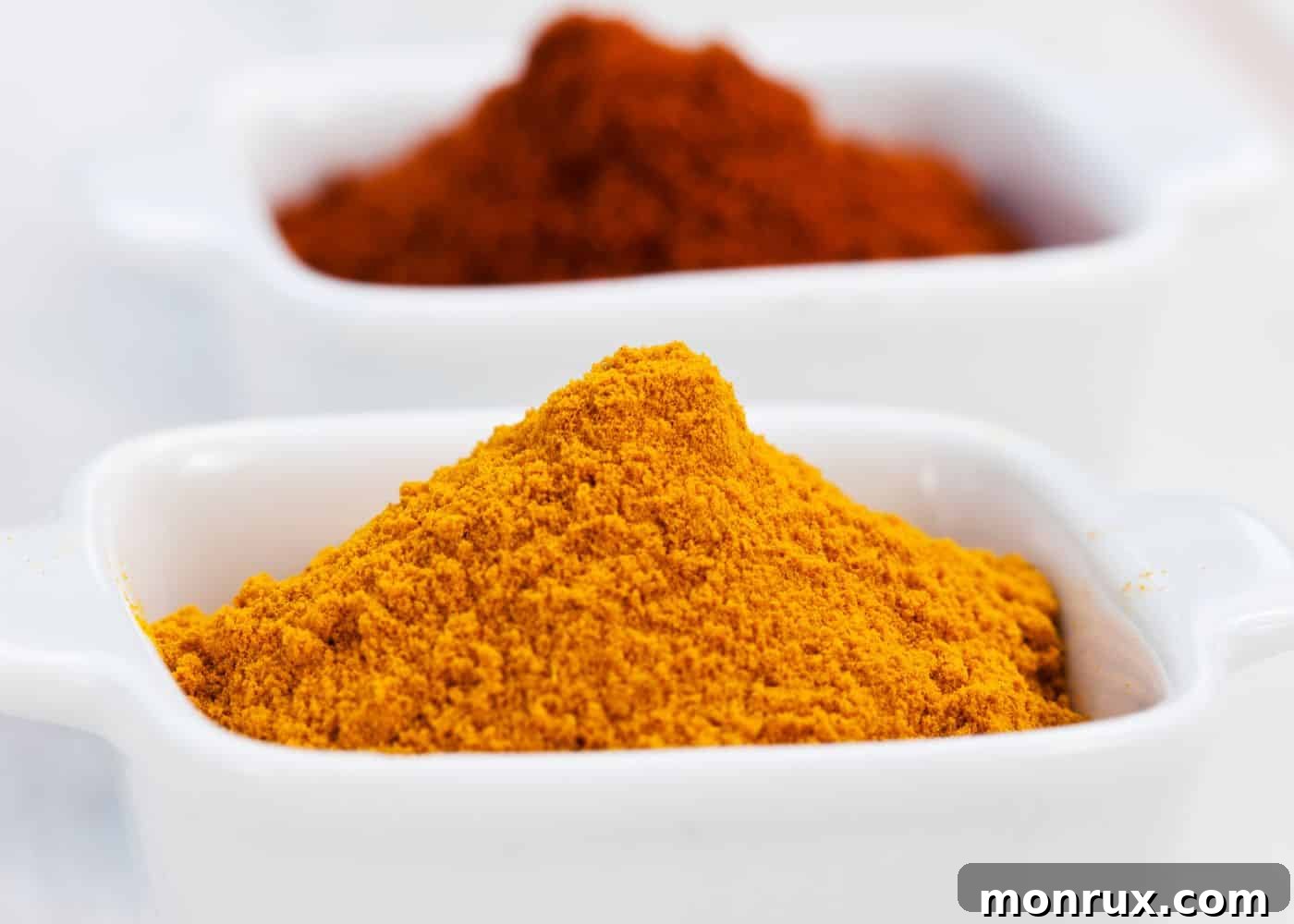
Finding yourself without Old Bay seasoning when a recipe calls for it can be a kitchen dilemma. But don’t worry, culinary adventurers! You’re in luck, because your spice cabinet likely holds the secret to many fantastic alternatives. Old Bay is a beloved blend, famous for its unique ability to transform seafood and many other dishes with its signature savory, sweet, and earthy notes. However, a variety of other spices and spice mixes can mimic its distinctive flavor profile or offer an exciting twist.
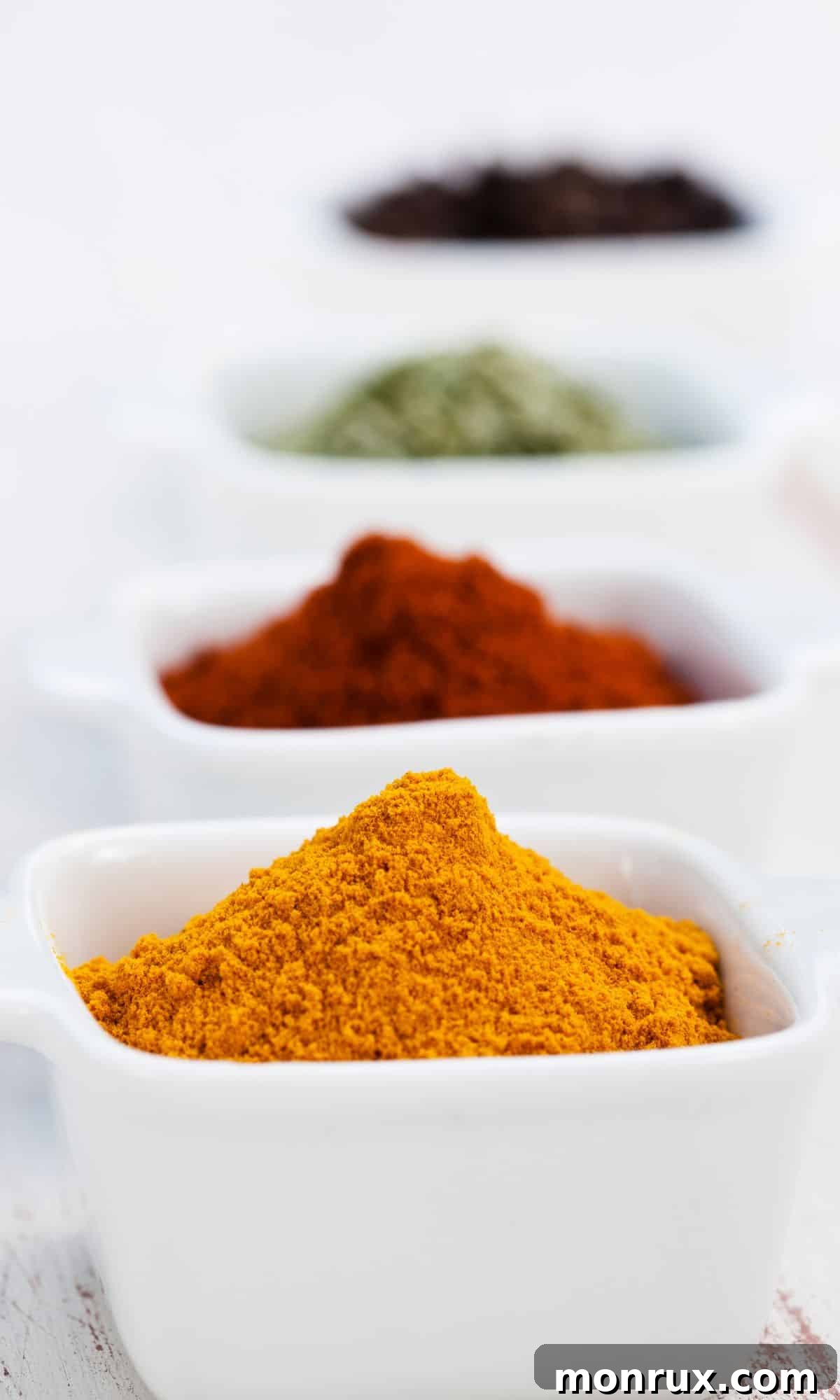
Old Bay Seasoning is more than just a spice; it’s a culinary icon, particularly from the vibrant Chesapeake Bay region of the United States. Its legacy began in 1939, when Gustav Brunn, a German immigrant, created this distinctive blend after facing challenges selling his spices during wartime. He began packaging and selling “Delicious Brand Shrimp and Crab Seasoning,” which later became known as Old Bay, named after a steamship line.
While most commonly associated with seasoning seafood like succulent crab cakes, steamed shrimp, and classic crab boils, Old Bay’s versatility extends far beyond the ocean. It’s a fantastic addition to chicken, corn on the cob, french fries, roasted vegetables, and can even add a special touch to soups and stews. This classic American spice blend is cherished for its unique medley of savory, sweet, and earthy flavors, with a hint of warmth and a subtle kick.
The magic of Old Bay lies in its expertly balanced base. The core of this iconic blend is traditionally made up of celery salt and paprika, which are then harmoniously combined with other warming spices such as mustard powder, black pepper, cloves, allspice, ground ginger, and often a touch of cayenne pepper for a gentle heat. This complex mix results in a flavor that is both recognizable and incredibly versatile, making it a staple in kitchens across the country.
What is Old Bay Seasoning?
As mentioned, Old Bay Seasoning was ingeniously created in 1939 by Gustav Brunn in Baltimore, Maryland. This German immigrant founded the Baltimore Spice Company and quickly found success selling his unique spice blend to local seafood markets and establishments. Its popularity rapidly expanded along the East Coast, cementing its status as an indispensable ingredient in American cooking, especially for seafood lovers.
The iconic blue and yellow tin of Old Bay is a taste of the Chesapeake Bay, offering a flavor profile that is truly one-of-a-kind. It’s a masterful combination of celery salt, paprika, black pepper, cayenne pepper, and mustard seed, alongside other secret spices that contribute to its distinctive depth. This carefully guarded blend has remained largely unchanged for nearly a century, continuing to delight palates with its savory, slightly spicy, and aromatic qualities.
Why Seek Old Bay Substitutes?
While Old Bay is a kitchen hero for many, there are several compelling reasons why you might find yourself searching for an alternative:
- Unexpected Shortage: The most common reason – you’re halfway through a recipe only to realize the Old Bay tin is empty!
- Dietary Restrictions: Some commercial blends may contain MSG or specific allergens. Making your own or choosing certain substitutes allows for greater control over ingredients.
- Sodium Content: Old Bay, like many seasoning blends, contains a significant amount of salt. If you’re managing sodium intake, a homemade blend or a low-sodium alternative might be preferable.
- Personal Preference: Perhaps you want to dial up the heat, reduce the salt, or introduce a different aromatic complexity to your dish.
- Availability: Depending on your location, Old Bay might not be readily available in all grocery stores.
Whatever your reason, rest assured that many fantastic alternatives can help you achieve a similar delicious flavor or an exciting new culinary experience in your seafood dishes and beyond.
Top Old Bay Seasoning Substitutes
Don’t let an empty spice rack derail your cooking plans! Here are some of the best Old Bay Seasoning substitutes that will bring delicious flavor to your seafood, meats, and vegetables. You can find many of these options at your local grocery stores, or even try crafting your own homemade blends for the perfect taste.
1. Paprika & Celery Salt (The DIY Blend)
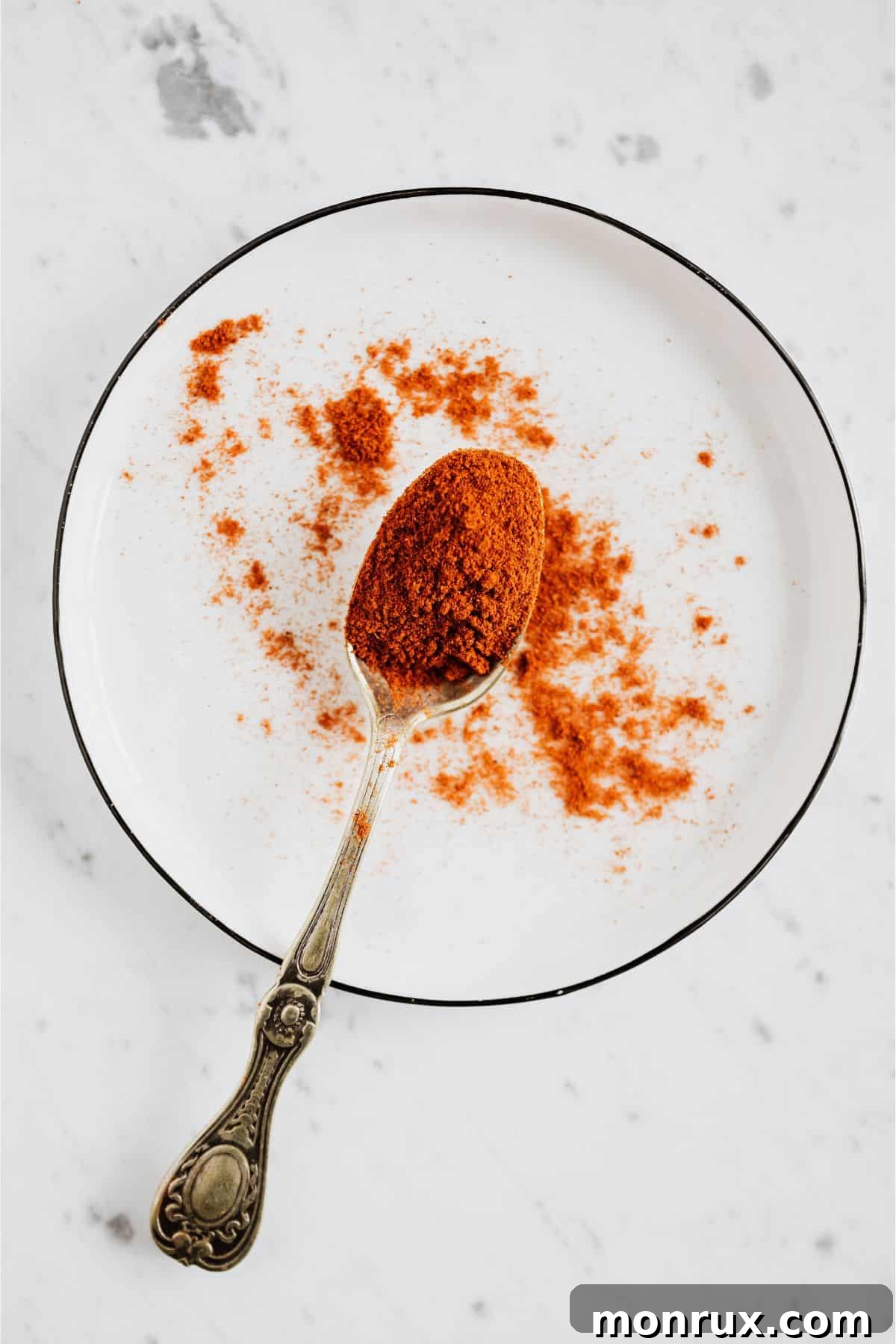
This simple combination is arguably the most fundamental substitute for Old Bay seasoning, as paprika and celery salt form the very foundation of the original blend. By combining these two spices, you capture the core savory, slightly sweet, and aromatic essence that defines Old Bay.
Flavor Profile: Celery salt provides the distinctly savory, herbaceous, and salty base, while paprika adds a warm, earthy sweetness and a beautiful red hue. Depending on the type of paprika used (sweet, smoked, or hot), you can subtly adjust the flavor. Sweet paprika is closest to Old Bay’s characteristic mildness, while smoked paprika introduces a delightful barbecue-like depth.
Best Uses: This two-ingredient blend is incredibly versatile. Use it to season seafood (shrimp, fish fillets), chicken, roasted potatoes, or sprinkle it over hard-boiled eggs for a quick flavor boost. It’s an excellent choice when you want to keep the flavor profile simple and allow the natural taste of your ingredients to shine.
Substitution Ratio: To substitute one teaspoon of Old Bay seasoning, start with 1/4 teaspoon of paprika and 1/4 teaspoon of celery salt. You can then adjust the ratio to your taste, adding more paprika for color and sweetness, or more celery salt for increased savoriness and saltiness. For a more complete flavor, consider adding a pinch of black pepper, mustard powder, or even a tiny dash of cayenne.
Pros: Easy to make with common pantry staples, offers good control over salt levels, and provides a very clean, authentic base flavor. Cons: Lacks the full complexity and intricate spice blend of commercial Old Bay unless additional spices are incorporated.
2. Cajun Seasoning (For a Spicy Kick)
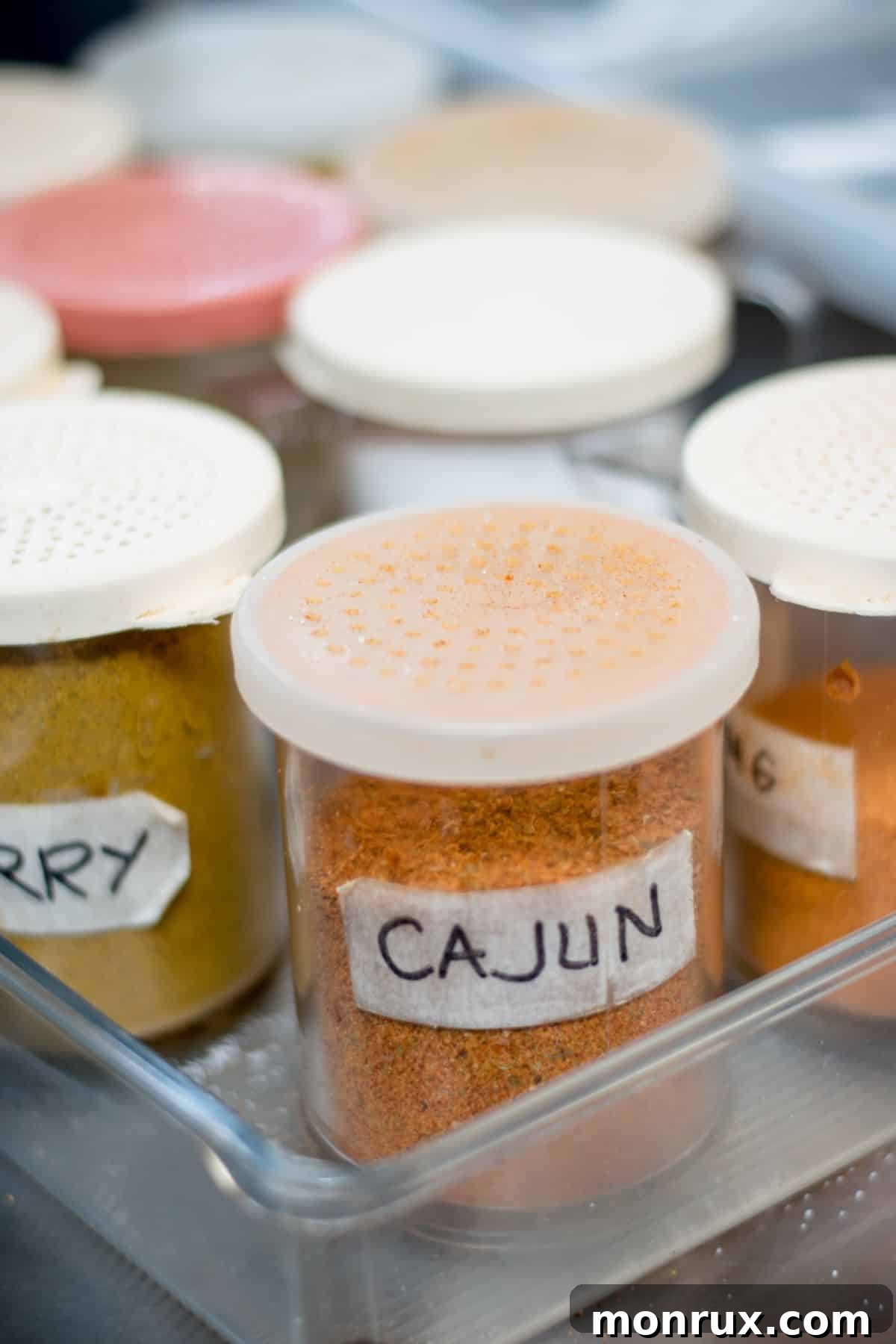
If you’re looking for a spice blend that delivers a robust and zesty flavor similar to Old Bay but with a more pronounced heat, then Cajun seasoning is an excellent choice. This vibrant blend hails from Louisiana and shares several common ingredients with Old Bay, making it a natural stand-in.
Flavor Profile: Cajun seasoning is typically characterized by a bolder, spicier, and more earthy flavor than Old Bay. It usually contains a mix of paprika, garlic powder, onion powder, a generous amount of cayenne pepper, black pepper, and often dried herbs like oregano and thyme. This creates a deeply savory profile with a distinct peppery kick.
Best Uses: Cajun seasoning truly shines in seafood dishes, just like Old Bay. It’s fantastic for blackening fish, seasoning shrimp, adding a punch to crab boils, or flavoring gumbo and jambalaya. It also works wonderfully on grilled chicken, roasted vegetables, and even in potato salads where you want to introduce a lively, spicy note.
Substitution Ratio: To substitute one teaspoon of Old Bay seasoning, you can generally use one teaspoon of Cajun seasoning. However, exercise caution, as Cajun seasoning tends to be significantly spicier than Old Bay. It’s always best to start with a smaller amount (e.g., 1/2 teaspoon) and taste as you go, adding more until you reach your desired level of heat and flavor. Look for it in the spice aisle of any local grocery store.
Pros: Readily available, offers a rich and complex flavor profile, and provides a satisfying spicy kick. Cons: Often spicier than Old Bay, which might not suit all palates or dishes; the herbal notes are also more pronounced and may alter the intended flavor slightly.
3. Seasoned Salt (The Convenient Choice)
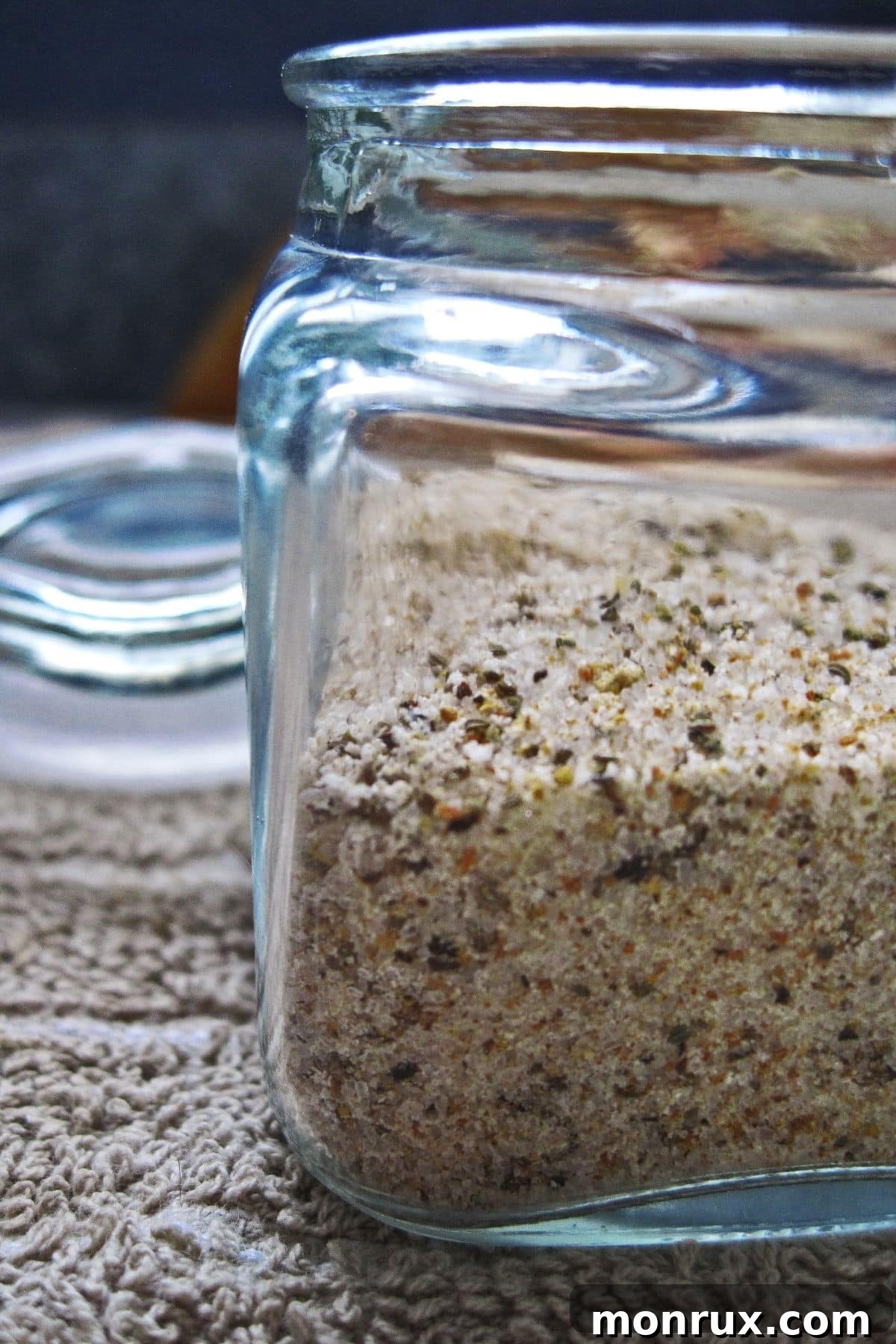
For a quick and universally accessible substitute, seasoned salt is another excellent option when Old Bay is unavailable. Brands like Lawry’s or Morton’s Season-All are common household staples, offering a convenient way to add savory flavor to many dishes.
Flavor Profile: Seasoned salt primarily consists of salt blended with various herbs, spices, and often flavor enhancers. Typical ingredients include salt, sugar, paprika, turmeric, onion powder, and garlic powder. The overall flavor is savory, slightly sweet, and aromatic, designed to enhance the natural taste of food without being overly dominant.
Key Ingredients: While the exact blend varies by brand, the core components generally include salt, a coloring agent (like paprika or turmeric), and common aromatics. Some brands may include MSG to boost the umami flavor; if you prefer to avoid MSG, always check the ingredient label carefully.
Best Uses: Seasoned salt is incredibly versatile. It’s perfect for sprinkling on french fries, popcorn, chicken, beef, roasted vegetables, or even eggs. Its balanced flavor makes it a good all-purpose seasoning for virtually any savory dish where you want a general savory enhancement rather than a specific spice profile.
Substitution Ratio: Due to its primary component being salt, you should use seasoned salt more sparingly than Old Bay. To substitute one teaspoon of Old Bay seasoning, start with 1/2 teaspoon of seasoned salt. Taste and add more if needed, keeping in mind its saltiness. Since it’s less complex than Old Bay, you might consider adding a pinch of celery seed or black pepper for more depth.
Pros: Widely available, convenient, and a good all-purpose flavor enhancer. Cons: Generally less complex in flavor than Old Bay, can be very salty (requiring careful measurement), and may contain MSG.
4. Crab Boil (For Authentic Seafood Flavor)
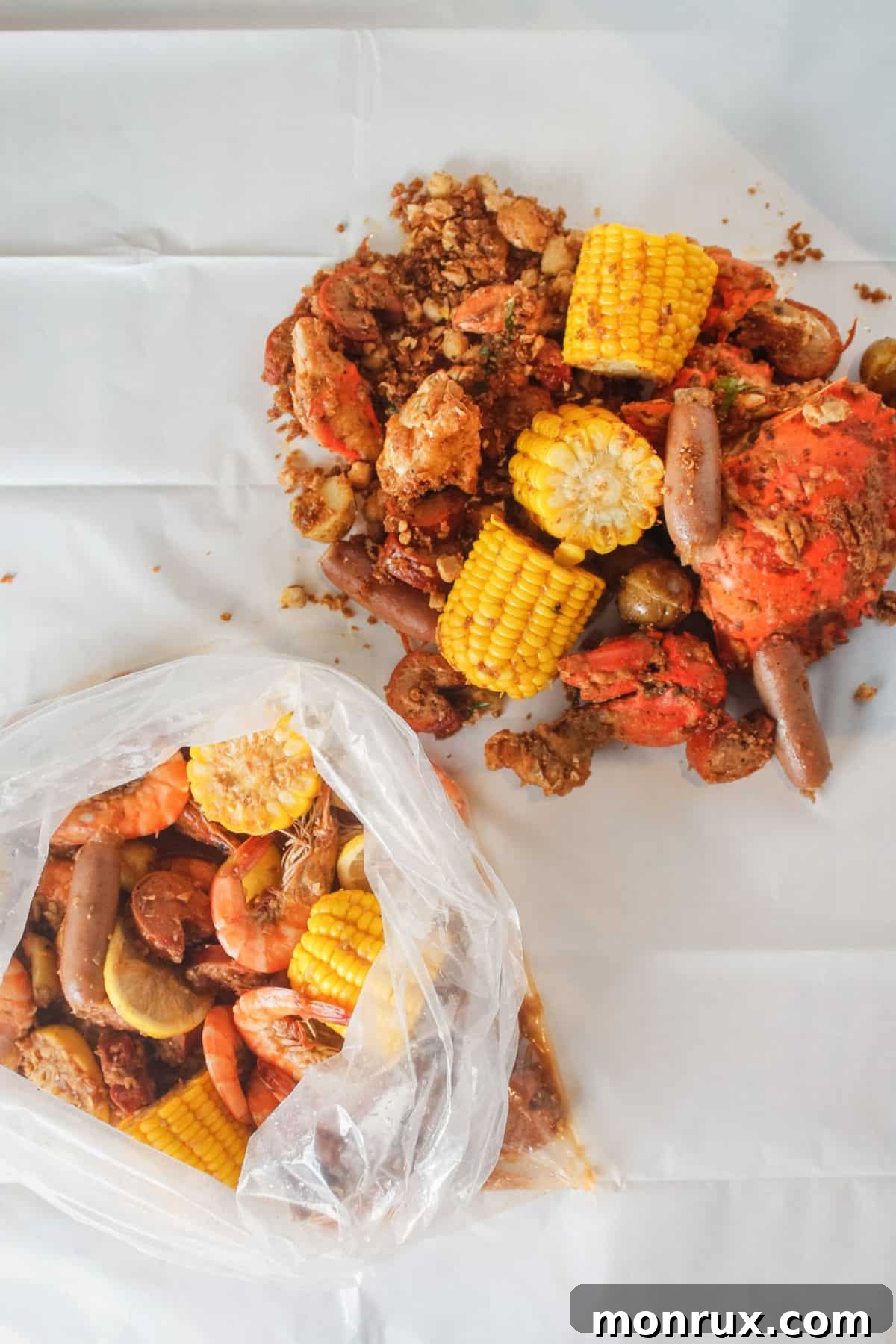
For dishes that truly lean into the seafood realm, especially boils, crab boil seasoning is an almost perfect match for Old Bay. Designed specifically for shellfish, it shares many aromatic and piquant characteristics with its Chesapeake Bay cousin.
Flavor Profile: Crab boil seasoning delivers a pungent, spicy, and deeply aromatic flavor profile. Its components are specifically chosen to infuse seafood with a vibrant, savory taste. It often includes a mix of ginger, chives, celery seeds, red pepper flakes, black peppercorns, bay leaves, mustard seeds, and sea salt. Some variations might also feature allspice, coriander, and dill.
Key Ingredients: The presence of celery seeds, mustard seeds, and a variety of peppers gives crab boil a flavor profile very akin to Old Bay. The addition of bay leaves and other pickling spices contributes to its distinctive tang and aroma, making it ideal for large-format seafood cooking.
Best Uses: As the name suggests, crab boil is absolutely phenomenal when added to the water for boiling crabs, shrimp, crawfish, or lobsters. It can also be used as a dry rub for grilled fish or chicken, or even sprinkled sparingly into seafood stews and gumbos for an authentic coastal flavor. It’s particularly effective when you want to replicate the true essence of a seafood feast.
Substitution Ratio: To substitute one teaspoon of Old Bay seasoning, you can generally use one teaspoon of Crab Boil seasoning. However, be mindful that crab boil can be quite potent and spicier in some blends. If using a liquid crab boil, follow package directions for substitution or add very small amounts to taste, as it is highly concentrated.
Pros: Provides an authentic and robust seafood flavor, closely matches Old Bay’s intended use, and comes in both dry and liquid forms for versatility. Cons: Can be very strong and sometimes spicier than Old Bay; its specific flavor might not be as suitable for non-seafood applications like fries or chicken.
5. Chinese Five Spice (The Aromatic Alternative)
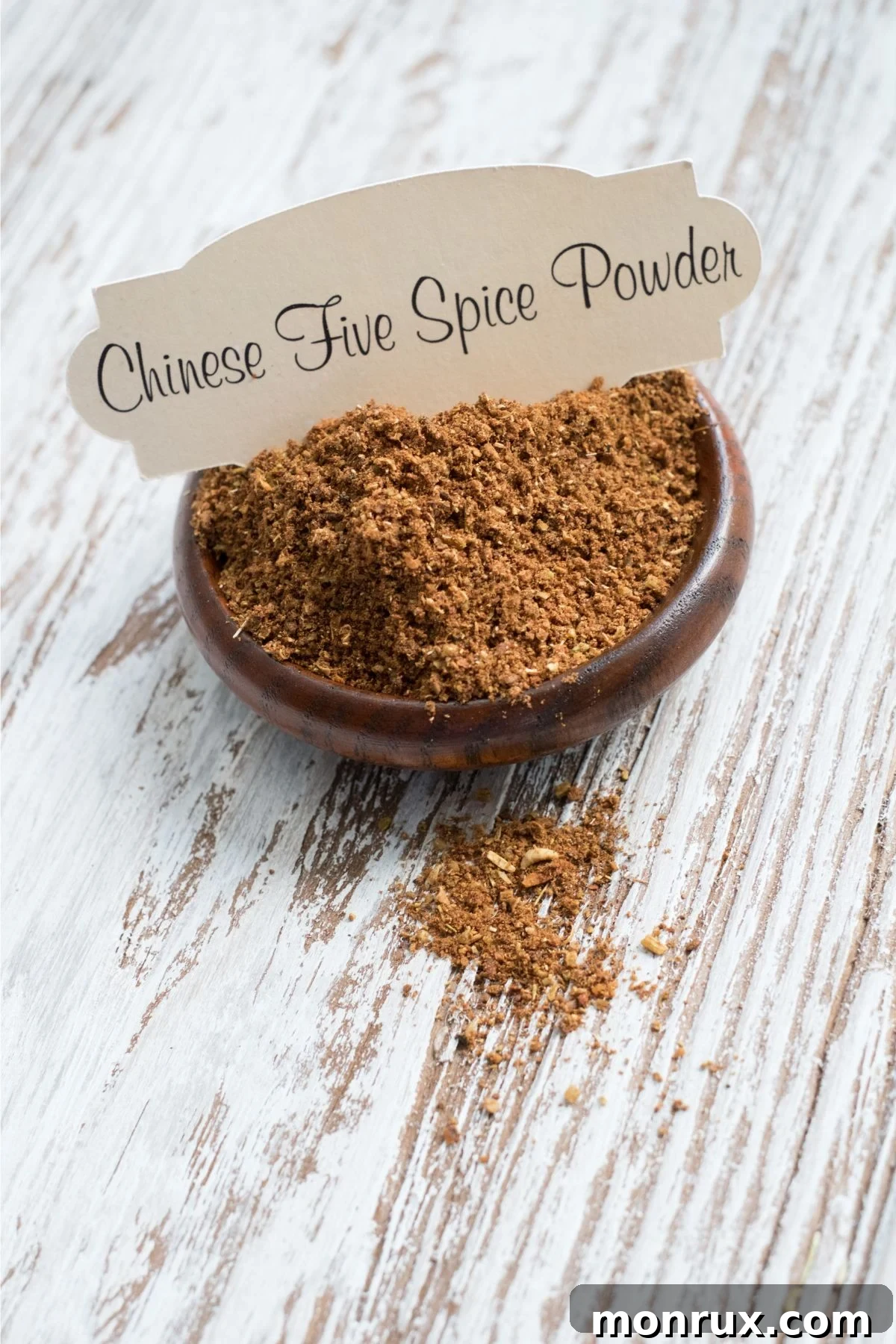
For a truly adventurous and unique substitute for Old Bay seasoning, consider reaching for Chinese Five Spice. While its flavor profile is distinctly different, the complex aromatic blend offers a similar depth and warmth that can be surprisingly complementary, especially in certain dishes.
Flavor Profile: Chinese Five Spice is a deeply aromatic and warm blend that balances sweet, sour, bitter, pungent, and salty flavors. Its typical main ingredients include star anise, cloves, cinnamon, fennel seeds, and Sichuan peppercorns. Some variations might substitute Sichuan peppercorns with ginger or white pepper, or add nutmeg or cardamom.
Key Ingredients: The presence of cloves, cinnamon, and sometimes ginger in Chinese Five Spice can echo the warming notes found in Old Bay’s allspice and ginger. The fennel and star anise bring a sweet, licorice-like aroma that creates an intriguing contrast, offering a different but equally compelling complexity.
Best Uses: This sweeter and more fragrant spice blend is exceptionally versatile, though it shines brightest with poultry (especially duck and chicken), pork, and some types of seafood (particularly grilled or roasted preparations). It can also be a unique addition to marinades, glazes, or even in savory stir-fries where you want to introduce an exotic warmth.
Substitution Ratio: Chinese Five Spice is potent, and its flavor is quite distinct. To substitute one teaspoon of Old Bay seasoning, begin with a very conservative 1/2 teaspoon of Chinese Five Spice. Always start with a smaller amount and taste before adding more, as its strong aromatic notes can quickly overwhelm a dish if overused.
Pros: Adds a unique, complex, and aromatic depth to dishes, versatile beyond traditional seafood. Cons: A very different flavor profile from Old Bay, sweeter and less savory; requires careful measurement to avoid overpowering the dish.
6. Homemade Old Bay Blend (The Ultimate DIY)
If you’re seeking the closest possible match to the original Old Bay seasoning, why not make your own? Crafting a homemade blend allows you to control the freshness, quality, and exact ratios of each spice, creating a bespoke seasoning that can rival the commercial version. This is also an excellent option if you have specific dietary needs, such as a desire to control sodium or avoid MSG.
Flavor Profile: A well-made homemade Old Bay blend will capture the iconic balance of savory, sweet, earthy, and mildly spicy notes. The beauty of DIY is that you can tweak the amounts of each spice to suit your personal preference – more cayenne for extra heat, more ginger for a brighter note, or adjusted celery salt for less sodium.
Ingredients for a Classic Homemade Old Bay Blend:
- 3 tablespoons Celery Salt (essential for the classic flavor)
- 2 tablespoons Paprika (Hungarian sweet paprika is ideal, or a mix with a touch of smoked for depth)
- 1 tablespoon Black Pepper (freshly ground is best)
- 1 teaspoon Cayenne Pepper (adjust to desired heat level)
- 1 teaspoon Ground Dry Mustard
- 1/2 teaspoon Ground Ginger
- 1/2 teaspoon Ground Nutmeg
- 1/2 teaspoon Ground Cloves
- 1/2 teaspoon Allspice
- 1/4 teaspoon Dried Bay Leaves, very finely ground (optional, but adds authentic depth)
Instructions:
- Measure all the spices into a small bowl.
- Whisk thoroughly to combine, ensuring there are no clumps and the spices are evenly distributed.
- Transfer the homemade Old Bay blend to an airtight container or spice jar.
- Store in a cool, dark place for optimal freshness. It will retain its potency for several months.
Tips for Customization:
- For More Heat: Increase the cayenne pepper, or add a pinch of red pepper flakes.
- For Smokiness: Use a portion of smoked paprika in your blend.
- For Less Sodium: Start with less celery salt and add a pinch of celery seed for the flavor without all the salt. Then, season your dish with additional salt to taste.
- Freshness Matters: Using freshly ground whole spices (like peppercorns or bay leaves) will yield the most vibrant flavor.
Pros: Complete control over ingredients and flavor, ensures freshness, can be tailored to dietary needs, and often tastes more vibrant. Cons: Requires multiple individual spices and a bit of effort; may take a few tries to perfect your ideal blend.
Summary of Old Bay Seasoning Substitutes
To help you quickly choose the best alternative for your dish, here’s a comprehensive chart summarizing the pros and cons of these excellent Old Bay seasoning substitutes:
| Substitute | Pros | Cons |
|---|---|---|
| Paprika & Celery Salt | Simple, captures core flavor, easily customizable for salt and heat. | Lacks the full complexity of Old Bay’s diverse spice blend without additions. |
| Cajun Seasoning | Rich, bold flavor profile, widely available, excellent for seafood. | Significantly spicier than Old Bay, may overwhelm some dishes, distinct herbal notes. |
| Seasoned Salt | Very convenient, enhances flavor quickly, suitable for many applications. | Less complex than Old Bay, can be high in sodium, some brands contain MSG. |
| Crab Boil | Delivers authentic seafood flavor, specifically designed for shellfish, very aromatic. | Can be very potent and spicy, best suited for seafood; less versatile for other dishes. |
| Chinese Five Spice | Unique aromatic blend, adds profound depth and warmth, versatile beyond seafood. | Very different flavor profile (sweeter), must be used sparingly to avoid overpowering. |
| Homemade Old Bay Blend | Ultimate control over ingredients, fresh, customizable to exact preferences (salt, heat). | Requires multiple individual spices and a bit of time to prepare. |
Tips for Using Spice Substitutes
When venturing into the world of spice substitution, a few golden rules can help ensure your culinary success:
- Taste as You Go: This is perhaps the most crucial tip. Spices vary in potency, especially homemade blends. Always add a little, stir, taste, and then adjust.
- Start Small: It’s easier to add more spice than to take it away. Begin with half the recommended substitute amount and gradually increase to your desired flavor intensity.
- Consider the Dish: Think about the primary flavors of your dish. A robust substitute like Cajun seasoning might be perfect for a hearty seafood gumbo but could overpower delicate fish.
- Understand Flavor Profiles: While Old Bay has a distinct savory, sweet, and mild spicy balance, substitutes will bring their own nuances. Embrace these differences as opportunities to explore new dimensions of flavor.
- Freshness Counts: The quality of your spices significantly impacts the final taste. Use fresh, aromatic spices for the best results.
More Substitute Articles You Might Like
- Substitutes for Bay Leaves
- Substitutes for Chicken Base
- Substitutes for Dill
- Substitutes for Lemongrass
- Substitutes for Marjoram
- Substitutes for Nutritional Yeast
- Substitutes for Oregano
- Substitutes for Sage
Even More Articles About Substituting Ingredients
Conclusion
The culinary world is rich with flavors, and running out of a specific ingredient like Old Bay seasoning is merely an invitation to explore new and exciting possibilities. Whether you opt for the simplicity of paprika and celery salt, the fiery zest of Cajun seasoning, the convenience of seasoned salt, the authenticity of crab boil, the aromatic intrigue of Chinese Five Spice, or the tailored precision of a homemade blend, your dishes can continue to be vibrant and delicious.
Remember to always do your own taste testing and research to find the perfect blend of spices that complements your dish and satisfies your palate. Start with smaller amounts, especially with more potent substitutes, and adjust as you go. Once you’ve discovered the right balance for your taste buds, you’ll open up a world of flavor, ready to enjoy in all your favorite recipes!
Don’t forget to join my newsletter list to get exclusive clean eating recipes and tips. The newsletter is 100% free with no spam; unsubscribe anytime.
About the Author: Carrie Forrest has a master’s degree in public health with a specialty in nutrition and is a certified holistic nutritionist. She is a top wellness and food blogger with over 5 million annual visitors to her site. Carrie has an incredible story of recovery from chronic illness and is passionate about helping other women transform their health. Send her a message through her contact form.