The culinary world is vast and full of delightful surprises, especially when it comes to fruits. While many fruits readily come to mind, some lesser-known varieties offer unique flavors, textures, and health benefits that are waiting to be discovered. If you’ve ever played a word game or simply wondered about the diversity of nature, you might be curious: what fruits start with the letter Z?
Venturing beyond the common apples and bananas, the letter ‘Z’ introduces us to an intriguing collection of fruits, each with its own story, origin, and culinary potential. From familiar garden staples often mistaken for vegetables to exotic treasures grown in distant lands, these ‘Z’ fruits promise to add a zestful twist to your diet. Exploring these unique fruits not only broadens your palate but also encourages a deeper appreciation for the global bounty of nature.
While some of these fruits might be challenging to find in your local grocery store, a quick chat with the produce manager could open up possibilities for special orders. Farmer’s markets are also excellent places to discover locally grown or specialty varieties. Prepare to embark on a delicious journey through the world of ‘Z’ fruits, where every bite offers a new experience and a host of nutritional advantages.
Exploring Fruits That Start with Z: A Diverse Collection
Dive into our curated list of fruits that begin with the letter Z. This compilation includes both scientific and common names, offering a glimpse into some truly unique varieties you might never have encountered before. Get ready to expand your fruit knowledge and perhaps find a new favorite!
1. Zabergau Reinette Apples
Hailing from the picturesque orchards of Germany, the Zabergau Reinette apple is a distinguished variety renowned for its exquisite flavor and versatility. These apples are typically small to medium in size, with a beautiful golden-yellow skin that can sometimes feature subtle russeting. The skin is notably smooth and thin, yielding easily to a crisp, juicy flesh.
What truly sets the Zabergau Reinette apart is its complex flavor profile. It delivers a perfect balance of sweet and tart notes, often with a hint of nuttiness, making it a favorite among apple connoisseurs. Ripening in the cooler months of winter, these apples are not only delightful when eaten fresh, offering a refreshing bite, but they also excel in culinary applications. Their robust flavor holds up well in baking, making them an ideal choice for pies, tarts, and crumbles. They can also be transformed into delicious jams, sauces, and even ciders, adding a gourmet touch to any recipe. Nutritionally, like most apples, they are a good source of dietary fiber and vitamin C.
2. Zalzalak
The Zalzalak, often likened to the common crab apple, is a fascinating fruit predominantly found across the Northern Hemisphere, thriving in regions spanning Europe, Asia, North Africa, and North America. This small, round fruit presents a charming appearance, typically displaying a yellowish-pink hue that can deepen to a vibrant bright red as it ripens.
In terms of size and taste, Zalzalak fruit shares similarities with familiar stone fruits like peaches and plums. It offers a delightful sweetness that is beautifully complemented by a subtle hint of sourness, creating a balanced and refreshing flavor. Traditionally, Zalzalak has been used in various culinary preparations, particularly in making jams, jellies, and fruit preserves, where its unique flavor can truly shine. While less commonly eaten fresh, some varieties are enjoyed this way. Beyond its culinary uses, Zalzalak has also been noted in some traditional medicine practices for its potential health properties, often attributed to its antioxidant content.
3. Zante Currants
Despite their name, Zante Currants are not true currants but rather a small, intensely flavored raisin derived from the Black Corinth seedless grape. Their origins trace back to the Ionian island of Zakynthos in Greece, where they have been cultivated for centuries. These miniature powerhouses are grown on sprawling vines that bask in direct sunlight, flourishing in warm climates such as those found in Greece, California, South Africa, and Australia.
Visually, Zante Currants are distinctively small and cylindrical, with a reddish-black color and remarkably thin skin. Their texture is juicy and soft, and true to their seedless nature, they offer an uninterrupted burst of flavor. They possess an intensely sweet, concentrated taste, making them a popular ingredient in a wide array of baked goods. From enriching the flavor of breads and cakes to adding sweetness to puddings and even homemade granola, Zante Currants are incredibly versatile. Many cooks use them interchangeably with regular raisins, though their smaller size and more potent flavor can offer a superior result in many recipes. They are also a good source of dietary fiber and natural sugars, providing an energy boost.
4. Zarzamora
Zarzamora is the Spanish term for a type of blackberry, a fruit beloved worldwide for its rich flavor and vibrant color. While native to Spain, Zarzamora varieties are now found growing robustly on shrubs across various continents. These fruits are typically small and round, characterized by their deep dark red or purple color, and a distinctive bumpy texture that is instantly recognizable as a blackberry.
The flavor profile of Zarzamora is a harmonious blend of sweet and tart, making it incredibly versatile in the kitchen. It’s perfect for crafting delectable desserts, from pies and crumbles to tarts and sauces. Its natural sweetness and acidity also make it an excellent choice for jams, jellies, and fruit preserves. Beyond its culinary appeal, Zarzamora, like other blackberries, is packed with nutritional benefits. It is an excellent source of antioxidants, such as anthocyanins, which contribute to its deep color and help combat oxidative stress. Additionally, it provides a good amount of Vitamin C and dietary fiber, supporting immune health and digestive regularity.
5. Zawngtah (Bitter Bean / Stink Bean)
The Zawngtah, more commonly known as the bitter bean or stink bean, is an intriguing fruit originating from India and widely cultivated across Southeast Asia. This unique legume grows on tall shade trees, producing long, flat pods containing large, almond-shaped seeds. Interestingly, the seeds closely resemble almonds not only in their shape and size but also in their firm, nutty texture.
True to its “stink bean” moniker, Zawngtah possesses a pungent, distinctive aroma, often described as a mix of sulfurous notes and a mushroom-like earthiness. Its flavor is equally unique – a rich, nutty taste with a characteristic bitterness that adds depth to dishes. Due to its strong flavor and aroma, Zawngtah is primarily used in savory dishes, where it adds a powerful punch. It is a staple ingredient in many Asian cuisines, particularly in stir-fries, curries, and sambal dishes, where its bold character complements other strong flavors. Beyond its culinary uses, Zawngtah is also revered in some traditional practices for its purported health benefits, including properties that aid digestion and act as a natural detoxifier.
6. Zebra Melon
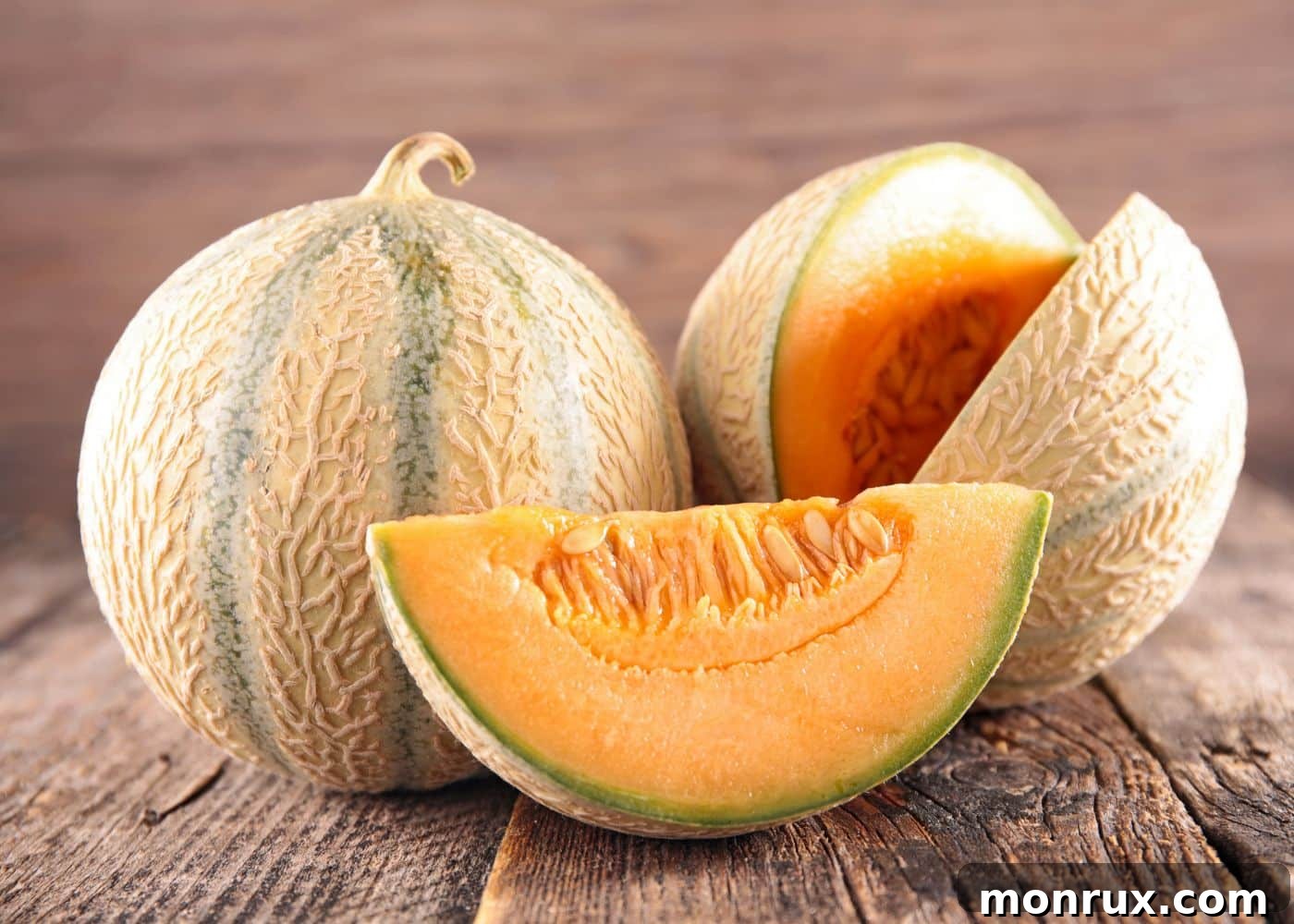
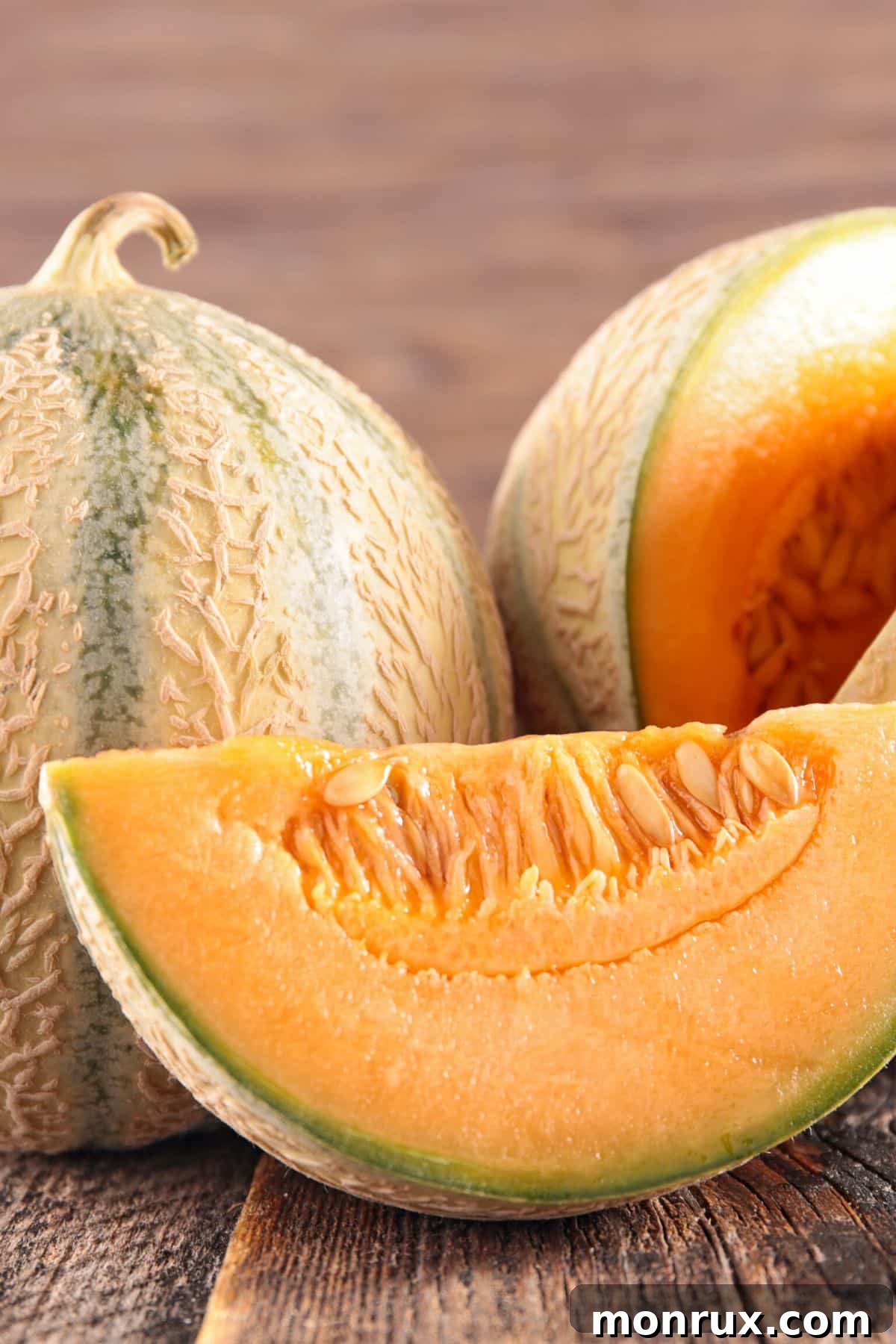
The Zebra melon, a captivating member of the melon family, shares distant relatives with various melons cultivated throughout Europe and North Africa. However, these particular melons thrive best in warmer, sun-drenched climates, where they can fully develop their distinct characteristics. Zebra melons are typically small to medium in size, presenting a charming circular or oval form.
Their most striking feature is their rough, distinctively striped skin, which typically boasts a gray-green hue with darker markings, reminiscent of a zebra’s pattern. Inside, the flesh reveals a vibrant orange color, offering a delightful contrast. The texture is notably tender and incredibly juicy, often compared to that of a honeydew melon, making it a wonderfully refreshing treat. With a musky, floral fragrance that entices the senses, the Zebra melon delivers a sweet, honeyed flavor that is truly exquisite. It makes a superb snack on its own, a refreshing addition to fruit salads, or even a sophisticated component in various desserts, offering both visual appeal and a burst of tropical sweetness.
7. Zhe Fruit (Mandarin Melon Berry)
The Zhe fruit, also known by several other fascinating names such as storehousebush, mandarin melon berry, cudrang, or kujibbong, is a unique, mulberry-like fruit native to the diverse landscapes of East Asia. This small, intriguing fruit grows on its namesake, the Zhe fruit tree, and is characterized by its vibrant red color and distinctive bumpy texture, which adds to its visual appeal.
When it comes to flavor, the Zhe fruit offers a delicate sweetness that is quite complex and often draws comparisons to other beloved fruits. Its taste profile can be described as a delightful blend of melon, mulberry, and fig, providing a subtle yet rich sweetness with a hint of something uniquely its own. Zhe fruits are primarily enjoyed fresh, either picked directly from the tree or found in local markets where they are appreciated for their refreshing qualities. They can also be incorporated into fruit salads, used as a garnish, or even processed into jams and jellies, although fresh consumption allows their nuanced flavor to truly shine. Beyond their taste, Zhe fruits contribute to a healthy diet with their natural sugars, vitamins, and antioxidants.
8. Zig Zag Tree Vine Fruit
The Zig Zag Tree Vine fruit is an exotic and often overlooked gem native to the lush rainforests of New Guinea and certain regions of Australia, specifically Queensland and New South Wales. What makes this fruit particularly unique is its availability, as it can be found on the vine year-round, offering a consistent supply of its distinctive produce.
This fruit is characterized by its red-orange color and an unusual peanut-like shape, making it visually appealing. Beneath its skin lies a soft pulp that encases a pleasant yet distinctly acidic taste. This balance of flavors makes the Zig Zag Tree Vine fruit a fantastic ingredient for culinary exploration. It is especially prized for its ability to elevate gourmet dishes, where its bright acidity and unique flavor can be harnessed to create exquisite sauces, marinades, and reductions. The fruit’s vibrant color also makes it a striking garnish. While not commonly eaten raw in large quantities due to its tartness, its culinary potential for adding a sophisticated tang to both sweet and savory preparations is highly regarded by chefs and food enthusiasts.
9. Zinfandel Grapes (Primitivo)
Zinfandel grapes, also globally recognized by their Italian name Primitivo, are a prominent variety of black-skinned grapes primarily celebrated for their significant contribution to winemaking. These grapes boast a rich history, with their cultivation tracing back to Apulia, Italy, where they were first introduced in the 18th century. Today, Zinfandel grapes are an integral part of the Californian wine landscape, cultivated in over 10% of the state’s vineyards, where they produce robust red wines and popular blush wines like White Zinfandel.
Physically, Zinfandel grapes are small, round, and possess a striking dark purple, almost black, hue. They are known for their high sugar content, which contributes to the higher alcohol levels in the wines they produce. Despite their sweetness, they also maintain a good level of acidity, creating a balanced and very sweet fruity flavor profile. Connoisseurs often detect complex notes of spice, ripe plum, and juicy blackberry within these grapes. While predominantly used for wine, fresh Zinfandel grapes are also a delicious and healthful snack, offering natural sugars, antioxidants like resveratrol (especially in the skin), and vitamins. However, consuming them in moderation is always key, whether fresh or in wine.
10. Ziziphus Jujube Fruit (Chinese Date)
The Ziziphus Jujube Fruit, commonly referred to as the Chinese Date, boasts an ancient lineage originating in Southern Asia, yet its popularity has burgeoned globally in recent times. This remarkable fruit has garnered attention not only for its distinct taste but also for its widespread use in traditional medicine as an alternative remedy, particularly lauded for its potential to help alleviate sleep problems and anxiety.
These small, round fruits are charming in appearance, growing abundantly on large shrubs and trees among delicate flowers. Each fruit contains a single pit, similar to a cherry or olive. When unripe, the jujube is green and crisp, much like a small apple. As it ripens, it undergoes a transformation, changing to a dark red or purple color and developing a slightly wrinkled texture, resembling a miniature date. This is when its flavor is at its peak—sweet, chewy, and reminiscent of a cross between an apple and a date. The scientific name for this variety is Ziziphus mauritiana, though Ziziphus jujuba is another common species. Jujubes can be enjoyed fresh, dried, or used in a variety of culinary applications, including teas, desserts, and even savory dishes. They are a good source of vitamin C, antioxidants, and dietary fiber, contributing to overall well-being.
11. Zucchini
Often mistaken for a vegetable, zucchini is botanically classified as a fruit, specifically a summer squash. Originating from Central America and Mexico, it is now widely cultivated across the United States and thrives best in warmer climates. Zucchini is a versatile and incredibly popular ingredient, appreciated for its mild flavor and impressive nutritional profile.
Typically, zucchini presents a dark green skin, though golden yellow varieties also exist, adding a splash of color to gardens and plates. It is remarkably low in calories, making it an excellent choice for health-conscious diets. Furthermore, zucchini is a commendable source of essential vitamins and minerals, including Vitamin C, which is vital for immune function; potassium, important for blood pressure regulation; and manganese, a key antioxidant mineral. It is also a good source of dietary fiber, supporting digestive health and promoting a feeling of fullness. Zucchini’s culinary versatility is vast: it can be enjoyed raw in salads, spiralized into “zoodles” as a pasta alternative, grilled, roasted, sautéed, or baked into breads and muffins. When cooked, it develops a soft texture and a subtly sweet flavor that complements a wide array of dishes. Its neutral taste makes it an ideal ingredient for blending into smoothies, adding nutrients without overpowering other flavors.
12. Zwetschge (Prune Plum)
The Zwetschge is a distinct type of plum, famously known as the prune plum, and is deeply rooted in the culinary traditions of Germany, its native land. This fruit is also sometimes referred to as the blue plum or damask plum, names that hint at its characteristic appearance. The Zwetschge fruit is notably small and oval-shaped, encased in a smooth, elegant purple skin that often develops a dusty bloom.
Its flesh is firm yet juicy, and unlike many other plums, the pit of a Zwetschge plum typically separates easily from the flesh, making it ideal for preparation. The flavor profile is a delightful blend of sweetness with a pronounced hint of tartness, making it incredibly appealing. This unique balance makes Zwetschge plums exceptionally popular for use in pies, tarts, jams, and other desserts, where their flavor can truly shine. They are also highly prized for making prunes, as their natural sugar content and firm texture are perfect for drying. Zwetschge plums are a relatively soft fruit, so care must be taken to avoid bruising. They typically ripen in the late summer months of August and September in the Northern Hemisphere, marking the peak season for enjoying their distinctive taste. Beyond their culinary uses, Zwetschge plums offer dietary fiber and antioxidants, contributing to digestive health and overall well-being.
Bonus Fruits with the Z-Factor
The world of ‘Z’ fruits extends even further! Keep an eye out for these additional intriguing varieties:
- Zweigelt Grape: A dark-skinned red wine grape, primarily grown in Austria, known for producing full-bodied red wines with a spicy, peppery note.
- Zill Mango: A specific cultivar of mango, recognized for its vibrant color, sweet taste, and fiber-free flesh, making it a favorite among mango enthusiasts.
- Zestar Apple: An early-ripening apple variety developed in Minnesota, celebrated for its sweet-tart flavor, crisp texture, and excellent storage qualities.
Each of these bonus ‘Z’ fruits offers its own unique charm and potential for culinary exploration, proving that the alphabet of fruits is far more diverse than often imagined.
Beyond the ‘Z’ List: More Fruit and Veggie Discoveries
If your curiosity for unique produce has been piqued, we have a wealth of other lists to satisfy your adventurous palate and broaden your nutritional horizons. Explore diverse collections of fruits and vegetables, organized by region, color, or even other intriguing letters of the alphabet:
- Asian Fruits List: Discovering Exotic Flavors
- The Power of Green: Benefits of Green Vegetables
- Embrace the Hue: A Guide to Purple Vegetables
- Radiant Reds: A List of Delicious Red Fruits
- Sunny Delights: Exploring Yellow Fruits
- Fruits That Start with I: An Idyllic Selection
- Notable N-Fruits: 15 Fruits That Start with N
- M-azing Veggies: Vegetables That Start with M
Don’t Miss These Essential Fruit & Veggie Guides!
Conclusion: The Zest of Discovery
As we’ve journeyed through this alphabet of taste, it’s clear that fruits starting with the letter ‘Z’ offer an exciting and diverse world of flavors, textures, and health benefits. From the crisp German Zabergau Reinette apple to the exotic Southeast Asian Zawngtah, and the versatile Zucchini often mistaken for a vegetable, each fruit presents a unique opportunity to enrich your diet and tantalize your taste buds.
Incorporating these ‘Z’ fruits into your culinary repertoire is more than just an experiment; it’s a step towards embracing a wider spectrum of nutrients and enjoying the global tapestry of produce. Whether you’re a seasoned foodie eager for new ingredients, a health enthusiast seeking novel superfoods, or simply curious about the world around you, these fruits are worth seeking out. Next time you’re at the market, challenge yourself to discover a ‘Z’ fruit—you might just find a new favorite, add an unexpected twist to your meals, and boost your health with nature’s incredible bounty. Let the zest of discovery lead you to an even more flavorful and nutritious life.
Don’t forget to join my newsletter list to get exclusive clean eating recipes and tips. The newsletter is 100% free with no spam; unsubscribe anytime.
About the Author: Carrie Forrest has a master’s degree in public health with a specialty in nutrition and is a certified holistic nutritionist. She is a top wellness and food blogger with over 5 million annual visitors to her site. Carrie has an incredible story of recovery from chronic illness and is passionate about helping other women transform their health. Send her a message through her contact form.