
In this comprehensive guide, we’ll explore which teas can effectively soothe and alleviate headaches. Discover a range of natural tea remedies that may help you find fast relief from various types of headaches. We’ll delve into the science behind these herbal infusions and discuss how they can contribute to overall well-being. Additionally, I’ll share insights from personal experiences with migraine headaches and highlight the types of tea I’ve found most beneficial.

Headaches are a universal experience, affecting nearly everyone at some point in their lives. While often dismissed as minor annoyances, they can range from dull, persistent aches to debilitating throbbing pains that significantly impact daily activities.
Understanding the different types of headaches and their potential triggers is the first step toward finding effective relief. Many conventional treatments exist, but a growing number of people are turning to natural remedies, including various teas, for their calming and pain-relieving properties.
Understanding Headaches: Types and Triggers
Before diving into specific teas, it’s helpful to understand the various forms headaches can take. While all headaches involve pain in the head or face, their causes, symptoms, and severity can differ significantly:
- Tension Headaches: The most common type, often described as a tight band around the head, a dull ache, or pressure. They are frequently triggered by stress, anxiety, poor posture, or muscle tension in the neck and shoulders.
- Migraine Headaches: More severe, often characterized by throbbing pain on one side of the head, sensitivity to light and sound, nausea, and visual disturbances (aura). Migraines can be triggered by a wide array of factors, including hormonal changes, certain foods, stress, lack of sleep, or environmental changes.
- Cluster Headaches: Intense, piercing pain typically located around one eye or temple, often accompanied by tearing, nasal congestion, and facial sweating. These are less common but extremely painful.
- Sinus Headaches: Caused by inflammation and congestion in the sinuses, leading to pain and pressure around the eyes, cheeks, and forehead. Often accompanied by nasal discharge and facial tenderness.
- Caffeine Withdrawal Headaches: Occur when a regular caffeine consumer suddenly stops or significantly reduces their intake.
Understanding your headache type can help you choose the most appropriate tea remedy, as some teas are better suited for specific triggers or symptoms. Always pay attention to your body and consult a healthcare professional if you experience frequent, severe, or unusual headaches.
Top Teas for Headache Relief
Many traditional cultures have long relied on the healing power of herbs to alleviate discomfort, and headaches are no exception. The following herbal and traditional teas are renowned for their headache-relieving properties, often backed by scientific research. Most herbal teas mentioned here are naturally caffeine-free, making them excellent choices for relaxation and avoiding stimulant-induced jitters.
While these teas can offer significant relief, it’s crucial to consult your healthcare provider about persistent or severe headaches. Headaches, especially those accompanied by extreme pain (like the worst you’ve ever had) or other severe symptoms such as fainting, vision changes, or neurological deficits, may indicate a serious underlying condition requiring immediate medical attention.
Remember, there isn’t a single “best” tea for all types of headaches or migraine attacks. Individual responses vary, so exploring different options to discover what works best for your unique situation is key.
1. Ginger Tea
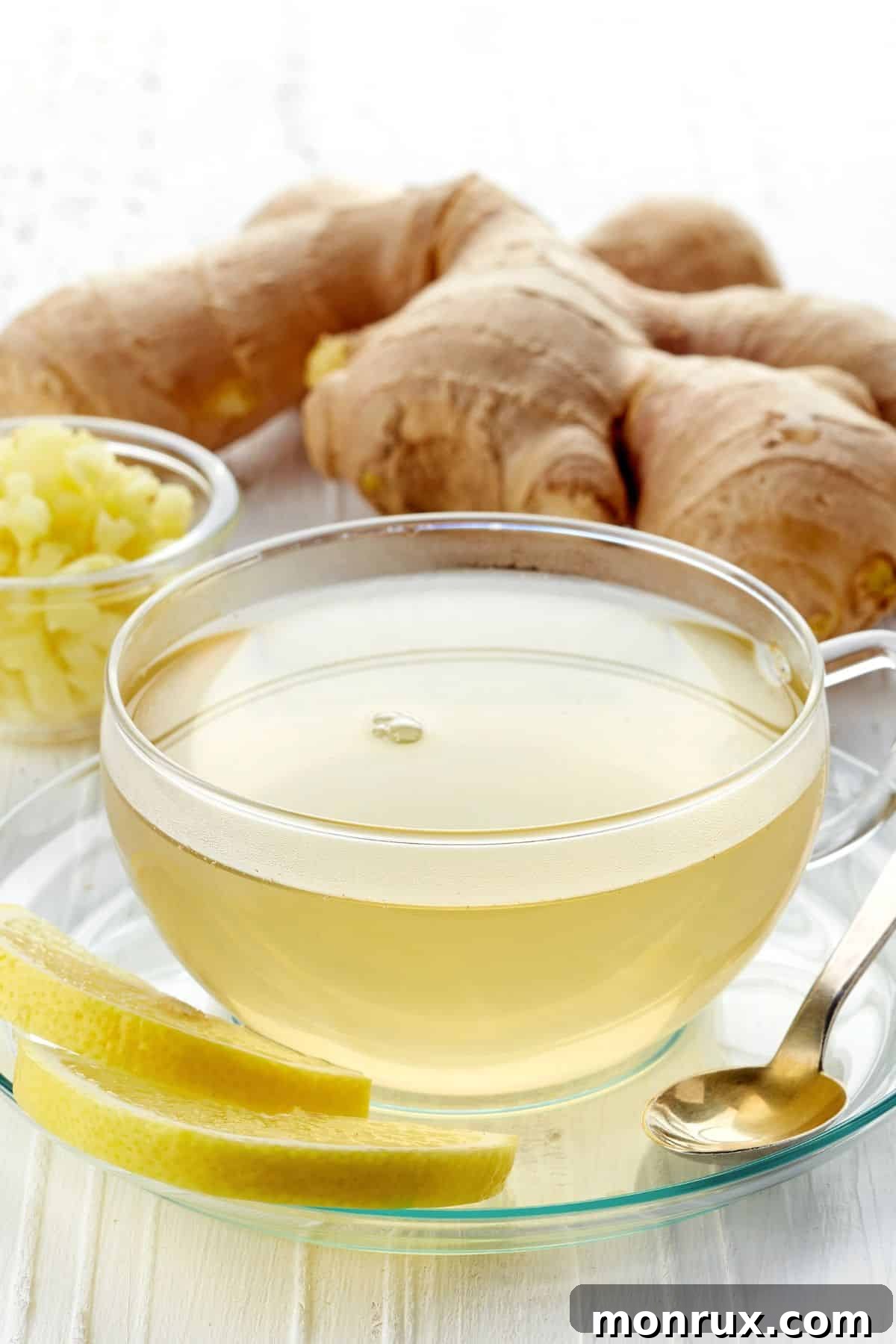
Ginger tea is a powerful natural remedy, cherished for its distinctive fiery, slightly spicy flavor and impressive medicinal properties. Preparing a cup is simple: just steep a few slices of fresh ginger root in hot water. This beverage is particularly comforting during colder months.
The magic of ginger lies in its potent anti-inflammatory and analgesic compounds, such as gingerols and shogaols. These active components are known to help reduce pain and inflammation throughout the body, making ginger tea an excellent choice for various types of headaches. Its calming effect can also help alleviate tension headaches by promoting overall body relaxation.
Research indicates that ginger can be remarkably effective in relieving migraines, often without the side effects associated with conventional pain medications. It has been shown to block prostaglandins, chemicals that promote inflammation and pain, similar to how some over-the-counter pain relievers work. Beyond headaches, ginger is also well-known for its ability to calm an upset stomach and reduce nausea, common symptoms that often accompany migraines.
For convenience, you can also purchase pre-packaged ginger tea bags online or at most grocery stores. This herbal tea is naturally decaffeinated, making it suitable for any time of day.
2. Peppermint Tea
Peppermint tea is a refreshing and highly effective natural remedy, especially for headaches stemming from tension or stress. Peppermint contains menthol, a compound known for its muscle-relaxant properties and cooling sensation, which can help soothe headache pain by relaxing tightened muscles in the head and neck.
Even the invigorating aroma of a warm cup of peppermint tea or the application of peppermint oil to the temples can induce relaxation and help ease discomfort. The tea itself boasts a refreshing, distinctively minty, and mildly sweet taste, making it a pleasant beverage to sip when you’re feeling unwell. It is naturally caffeine-free.
The benefits of peppermint extend beyond headache relief. Peppermint leaves are rich in antioxidants and possess antimicrobial, antiviral, and antiallergenic properties, contributing to overall health. It’s also a popular choice for calming an upset stomach, alleviating bloating, and can even improve alertness without caffeine, making it a versatile herbal remedy.
You can easily prepare homemade peppermint tea by steeping fresh mint leaves in hot water. For a delightful twist, try a Chocolate Mint Tea. Alternatively, readily available peppermint tea bags offer a convenient option.
3. Chamomile Tea
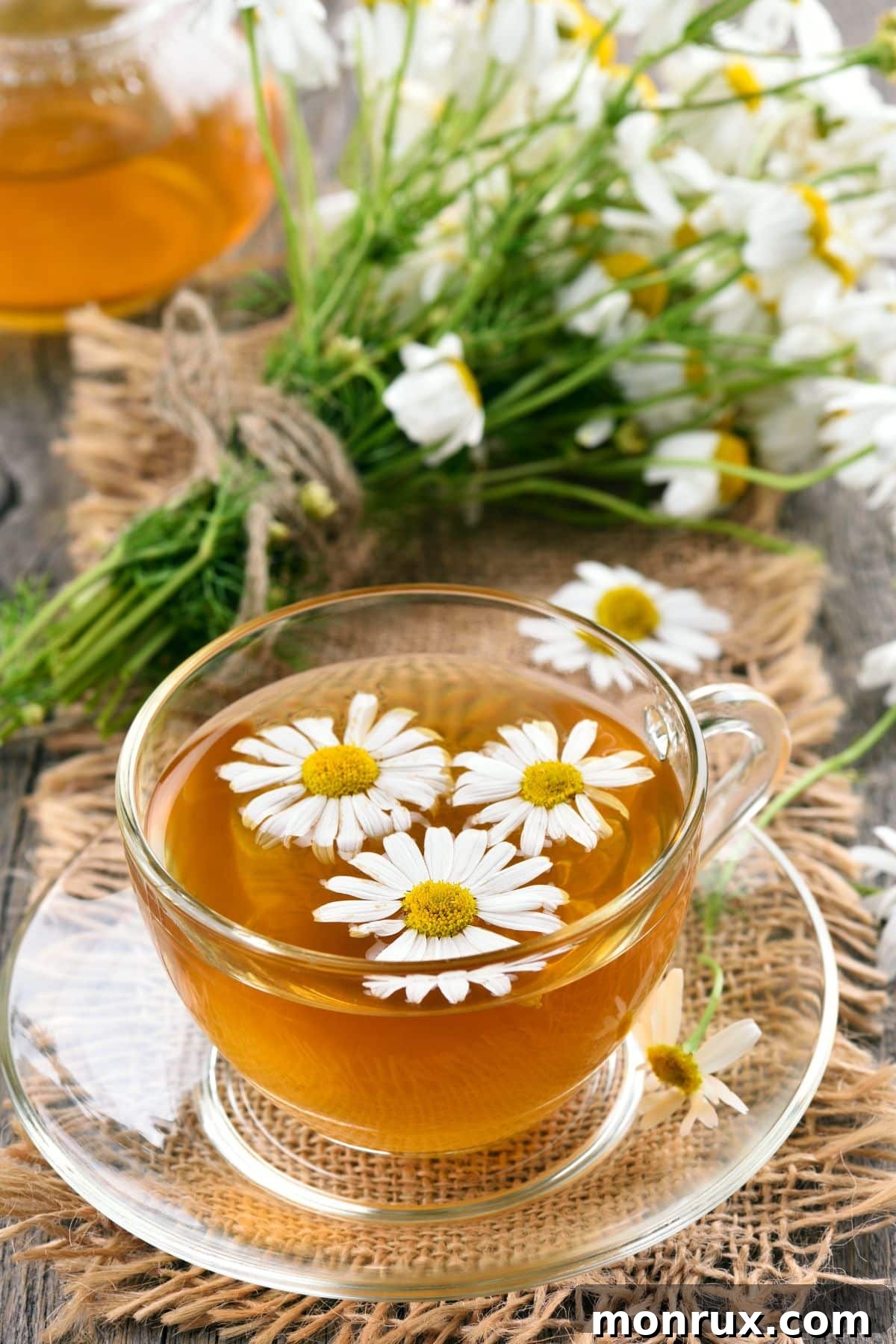
Chamomile tea, derived from the delicate chamomile flowers, is celebrated worldwide for its profound calming and soothing effects. This ancient medicinal herb has been utilized for centuries to naturally treat insomnia, reduce anxiety, and ease nervous tension – all common precursors or triggers for headaches.
Chamomile’s primary mechanism for headache relief stems from its ability to relax the nervous system. Its gentle sedative properties help reduce stress and muscle tension, which are frequent contributors to tension headaches and can exacerbate migraines. Furthermore, chamomile contains potent anti-inflammatory compounds, such as apigenin, bisabolol, and chamazulene, which can directly help alleviate headache pain by reducing inflammation in the brain and surrounding tissues.
Brewing chamomile tea at home is straightforward using either fresh or dried chamomile flowers. The tea offers a mild, distinctly floral flavor that is inherently soothing. While it can become slightly bitter if steeped too strongly, its overall taste is generally pleasant, subtly sweet, and wonderfully comforting. This tea is naturally decaffeinated, making it an ideal evening beverage to promote restful sleep, which itself can prevent headaches.
Many find relief with high-quality chamomile tea bags, a convenient option to keep on hand for when a headache strikes or simply to unwind.
4. Feverfew Tea
Feverfew is a revered herb with a long history of use in traditional medicine specifically for treating headaches and migraines. Its name, “feverfew,” is thought to be derived from the Latin word “febrifugia,” meaning “fever reducer,” highlighting its historical medicinal applications.
The key to feverfew’s effectiveness lies in its active compounds, particularly parthenolides. These compounds are believed to help reduce inflammation, inhibit the release of inflammatory substances like serotonin and prostaglandins, and prevent the constriction of blood vessels that can contribute to headache pain. Research suggests that regular consumption of feverfew may significantly reduce the frequency, intensity, and duration of migraine attacks, positioning it as a powerful preventative measure for some individuals.
You can prepare feverfew tea by steeping loose leaf feverfew leaves or flowers in hot water. Be aware that feverfew tea has a distinct aroma, often described as similar to camphor, and a noticeably bitter taste. However, for those seeking relief, the potential benefits often outweigh the less palatable flavor. It is crucial to note that feverfew is not recommended for pregnant women, individuals on blood thinners, or those allergic to ragweed or other plants in the daisy family.
Feverfew tea is completely caffeine-free, making it a safe option for consumption at any time of day without disrupting sleep patterns.
5. Lavender Tea
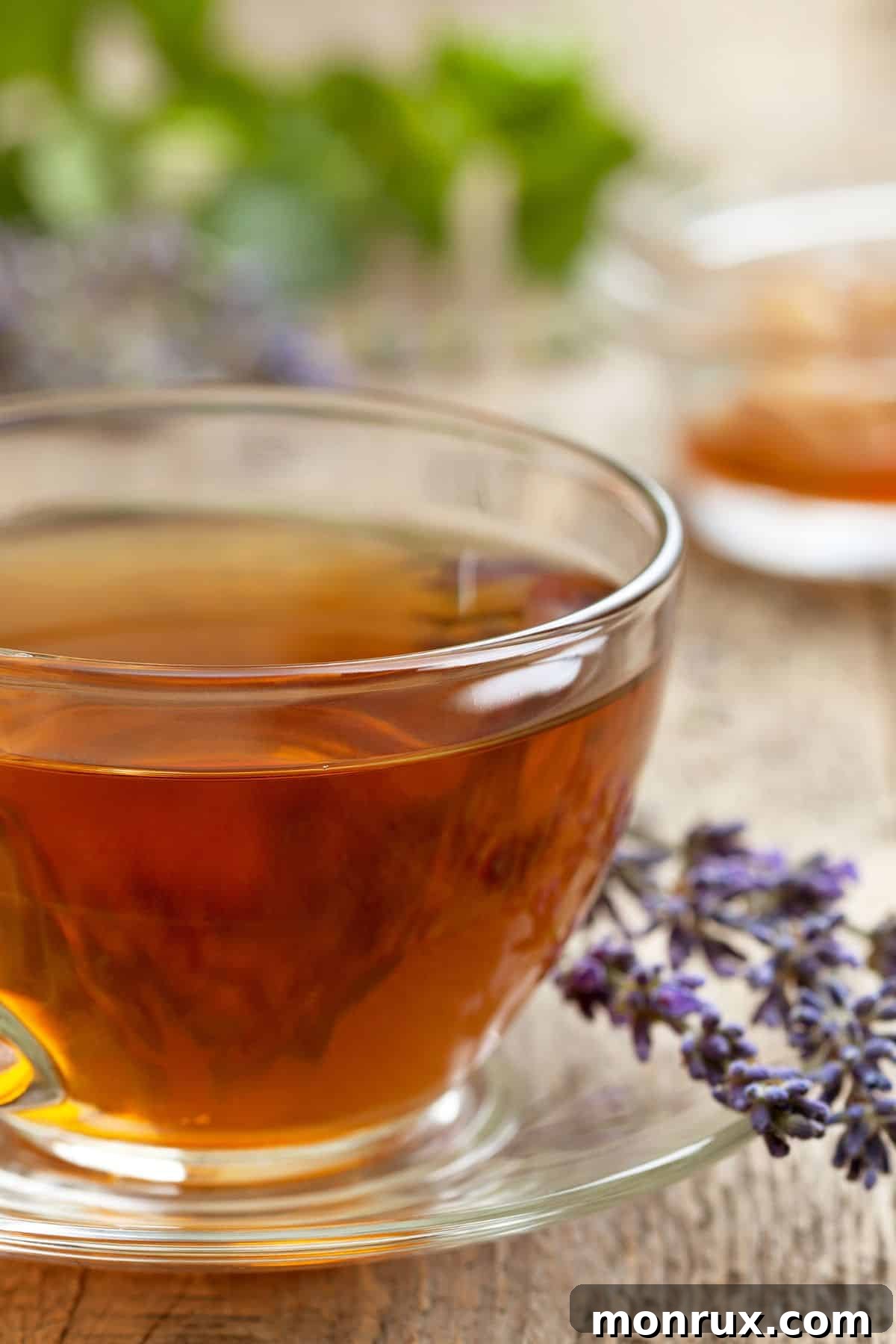
Lavender, widely recognized for its beautiful purple blooms and enchanting fragrance, is much more than just an aromatic plant; it’s a potent natural remedy for various ailments, including headaches. Lavender tea has been cherished for centuries for its therapeutic properties, particularly its ability to promote relaxation and ease pain.
According to research, the soothing aroma and delicate flavor of lavender can significantly help alleviate migraine headaches and tension-type headaches. The compounds in lavender, such as linalool and linalyl acetate, exert calming effects on the nervous system, helping to relax the mind, reduce stress, and decrease overall bodily tension—all crucial factors in mitigating headache triggers.
Sipping a warm cup of lavender tea can be a profoundly calming experience, effectively reducing both emotional stress and the physical tension that often manifests as headaches. Beyond its anxiolytic and sedative effects, lavender also possesses anti-inflammatory properties. These anti-inflammatory actions are particularly useful in relieving headache pain by targeting underlying inflammation that can contribute to discomfort.
This herbal tea is naturally caffeine-free, making it an excellent choice for a calming ritual before bedtime or whenever relaxation is needed. For an enhanced soothing experience, some individuals also find benefit in diffusing lavender essential oil, allowing its therapeutic scent to fill the air and promote an environment of tranquility.
6. Valerian Root Tea
Valerian root, often referred to as “nature’s Valium,” is a powerful herb well-known for its natural sedative properties. It has been used for centuries to promote relaxation and improve sleep, making it an excellent choice for alleviating tension headaches and those brought on by stress, anxiety, or insomnia.
The root contains compounds like valerenic acid and iridoids, which are believed to interact with GABA receptors in the brain. GABA (gamma-aminobutyric acid) is a neurotransmitter that helps regulate nerve impulses in the brain and nervous system. By enhancing GABA’s activity, valerian root can help reduce nervous tension, calm the mind, and promote a state of relaxation, thereby easing the muscular tension often associated with headaches. Studies have shown its effectiveness in promoting relaxation and reducing anxiety.
Beyond its direct impact on stress and tension, valerian root’s ability to significantly improve sleep quality is a major benefit for headache sufferers. Many headaches, especially migraines, are triggered or exacerbated by poor or insufficient sleep. By helping you achieve more restful and restorative sleep, valerian root tea can indirectly contribute to preventing and reducing the severity of headaches.
You can easily prepare valerian root tea from dried root or tea bags. It’s important to note that valerian root has a distinct, earthy, and sometimes pungent aroma and flavor that not everyone finds appealing. However, its powerful calming effects often make it a worthwhile choice. This tea is naturally decaffeinated, ensuring it won’t interfere with your sleep cycle.
7. Green Tea
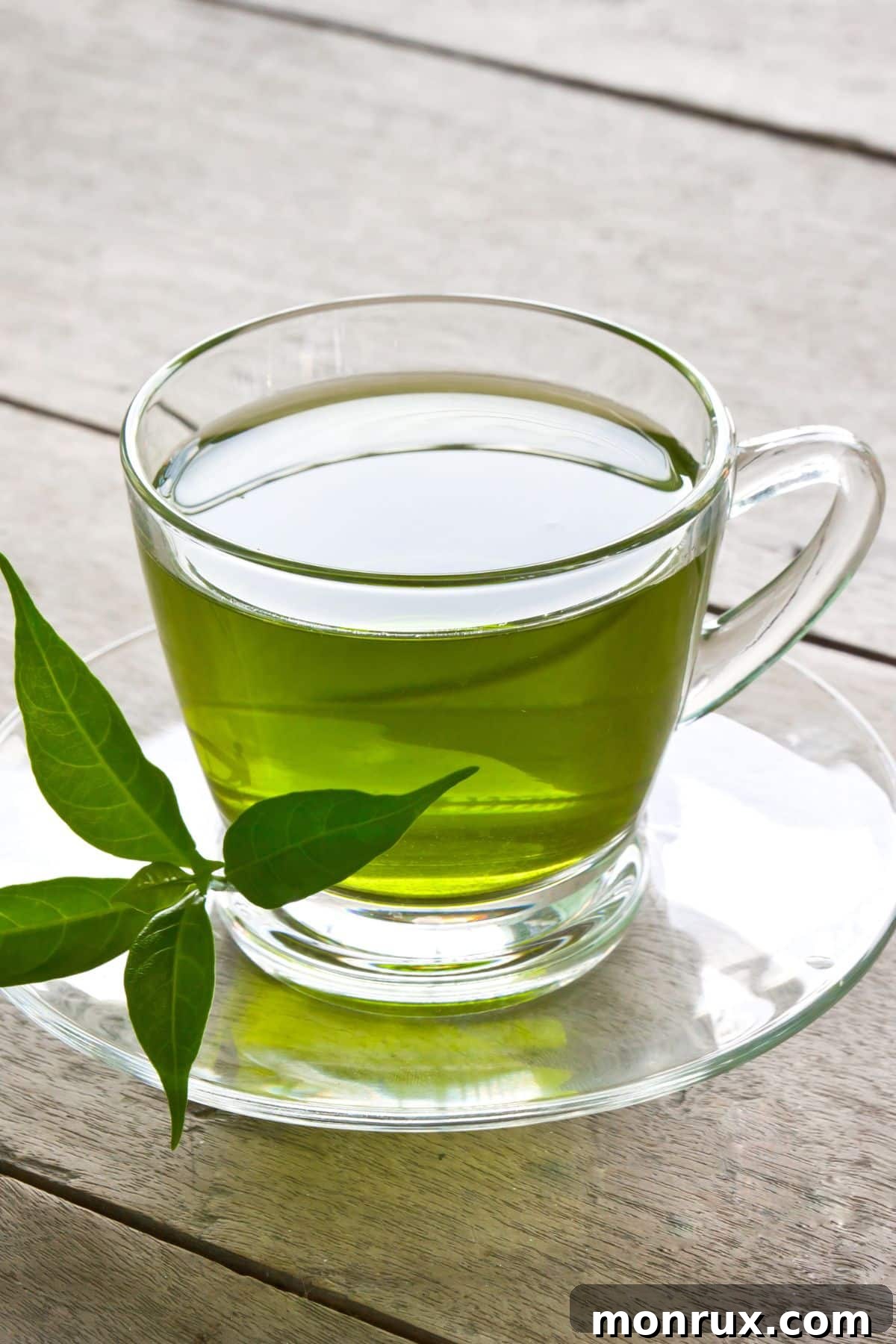
Green tea stands out among traditional teas for its impressive health benefits, including its potential to help alleviate headaches. Unlike the herbal teas mentioned above, green tea contains caffeine, which can be a key factor in its headache-relieving properties for some individuals.
The caffeine in green tea works by constricting blood vessels in the brain, which can help reduce the swelling and inflammation often associated with headaches, particularly migraines. This vasoconstrictive effect is why caffeine is frequently found in many over-the-counter pain medications for headaches. Research supports caffeine’s role in headache alleviation and pain relief for migraine symptoms.
Beyond caffeine, green tea is rich in L-theanine, an amino acid known for its unique ability to induce a state of relaxed alertness. L-theanine can have a calming effect on the body, promoting alpha brain wave activity similar to meditation. This helps to reduce stress and anxiety, both common triggers for various types of headaches, without causing drowsiness.
Furthermore, green tea is packed with potent antioxidants, particularly catechins like EGCG. Studies suggest these antioxidants play a vital role in reducing inflammation throughout the body and protecting against neurological diseases, contributing to overall brain health and potentially preventing headaches.
While various types of green tea exist, I personally enjoy the taste of jasmine green tea, which tends to be more flavorful and less bitter than some other varieties. When choosing green tea for headaches, remember its caffeine content. To avoid interference with sleep, it’s generally best to consume green tea in the mornings or early afternoons. If you are sensitive to caffeine or trying to reduce your intake, decaffeinated green tea options are also available.
For a deeper dive into green tea’s benefits, see my review: “Is Arizona Green Tea Good For You?”
Caffeinated Tea for Headaches: A Double-Edged Sword
The role of caffeine in headache relief is nuanced and often misunderstood. For some individuals, especially those who do not regularly consume caffeine, a modest amount can be surprisingly effective in alleviating headache pain. Caffeine works by acting as a vasoconstrictor, meaning it narrows blood vessels in the brain. This constriction can reduce the swelling and inflammation of blood vessels that often contribute to headache pain, particularly in migraines and some tension headaches.
However, the effectiveness of caffeine is highly dependent on individual consumption habits. If you are a regular caffeine consumer, your body can develop a dependence. In such cases, if you miss your usual dose or significantly reduce your intake, you might experience withdrawal headaches. These headaches are often characterized by a throbbing pain and can be quite severe, ironically mimicking the very pain you might be trying to relieve with caffeine.
Therefore, it’s worth reiterating and emphasizing: caffeine works best for headaches if you do not regularly consume caffeine. If you’re accustomed to daily caffeine, using it as an acute headache treatment might be less effective or even lead to a rebound headache cycle. For those with chronic headaches, managing caffeine intake carefully is essential. Strategic, occasional use, or using it at the onset of a headache if you’re not caffeine-dependent, tends to yield the best results.
Important Considerations When Using Teas for Headaches
While teas offer a wonderful natural avenue for headache relief, it’s important to approach their use with awareness and caution. To maximize benefits and ensure safety, keep the following considerations in mind:
- Consult a Healthcare Professional: This is paramount. If you experience frequent, severe, sudden, or unusual headaches, or if your headaches are accompanied by other concerning symptoms (fever, stiff neck, vision changes, weakness, numbness), seek immediate medical advice. Teas can be complementary, but they are not a substitute for professional diagnosis and treatment, especially for underlying conditions.
- Quality Matters: The potency and purity of your tea can significantly impact its effectiveness. Opt for high-quality, organic loose-leaf teas or reputable tea bag brands. Organic options reduce exposure to pesticides and ensure you’re getting the purest form of the herb.
- Listen to Your Body: Everyone responds differently to herbal remedies. What works wonders for one person might have little effect or even cause mild discomfort for another. Start with small amounts and observe how your body reacts.
- Hydration is Key: While specific teas have their unique benefits, simply increasing your fluid intake can often alleviate headaches caused by dehydration. Many teas contribute to your daily fluid intake, making them a dual-purpose remedy.
- Potential Interactions and Side Effects: Though natural, some herbs can interact with medications or cause side effects. For example, feverfew is not recommended for pregnant women or individuals on blood thinners. Valerian root can cause drowsiness. Always research potential interactions or discuss them with your doctor or pharmacist, especially if you are pregnant, nursing, or taking prescription medications.
- Consistency for Prevention: For teas that aim to prevent headaches (like feverfew or regular chamomile to manage stress), consistency can be important. Incorporating them into your daily routine might yield better long-term results than sporadic use.
- Avoid Over-Consumption: More isn’t always better. Stick to recommended serving sizes. Excessive consumption of any herb can potentially lead to adverse effects.
By keeping these points in mind, you can safely and effectively integrate teas into your headache management strategy, embracing their soothing and therapeutic potential.
Frequently Asked Questions (FAQs)
The optimal choice between herbal and caffeinated tea for headaches largely depends on the specific cause of your headache and your individual sensitivity to caffeine. Herbal teas, such as chamomile, peppermint, lavender, and valerian root, are excellent for promoting relaxation, reducing stress, and alleviating tension-type headaches. Certain herbs, like ginger and feverfew, also possess strong anti-inflammatory properties that can be beneficial for migraines. These teas are naturally caffeine-free and are a good option if you are sensitive to caffeine or prefer to avoid stimulants, especially closer to bedtime.
On the other hand, caffeinated teas, like green tea, can be highly effective for headaches caused by dilated blood vessels, such as many migraines. Caffeine acts as a vasoconstrictor, narrowing blood vessels in the brain and reducing inflammation, which can provide significant pain relief. However, this works best if you don’t regularly consume caffeine. For habitual caffeine drinkers, withdrawal can trigger headaches, and relying on caffeine for relief might lead to a cycle of rebound headaches. Consulting your healthcare professional can help you determine the most suitable approach for your specific headache type.
For migraines, several teas offer unique benefits. Ginger tea is often considered one of the best due to its potent anti-inflammatory properties (thanks to its active ingredient, gingerol) which can directly reduce pain and nausea, a common migraine symptom. Peppermint tea can also help by relaxing muscles and easing nausea. Feverfew tea is specifically renowned for its ability to reduce the frequency and intensity of migraine attacks, functioning more as a preventative measure. Green tea, with its caffeine content, can help constrict blood vessels and reduce inflammation at the onset of a migraine, while its L-theanine content can also promote calming. Additionally, relaxing herbal teas like lavender and chamomile can help by reducing stress and tension, which are frequent migraine triggers.
It’s important to remember that migraine triggers and responses to remedies are highly individual. What provides relief for one person may not work for another. It’s often a process of trial and error to find the most effective tea. Always speak to your healthcare professional for personalized advice and to ensure teas complement any existing migraine management plan.
While no tea can guarantee absolute headache prevention, several types can significantly reduce the likelihood of experiencing them, particularly by addressing common triggers like stress, inflammation, and blood vessel dilation. Feverfew tea is widely studied and highly regarded for its prophylactic effects against migraines, with research suggesting it can help reduce the frequency and intensity of attacks when consumed regularly.
Green tea, with its rich antioxidant profile, helps reduce overall inflammation in the body, which can be a headache trigger. Its caffeine content, when consumed strategically and not habitually, can also constrict blood vessels, potentially preventing headaches from occurring. Calming teas such as chamomile, valerian root, and lavender tea are excellent for preventing tension headaches by reducing stress, anxiety, and muscle tension, and by promoting better sleep quality – all key factors in headache prevention.
Incorporating these teas into a daily wellness routine, alongside proper hydration, stress management, and a balanced diet, can be a proactive step toward headache prevention.
Don’t Miss These Tea Recipes!
Conclusions
For centuries, across diverse cultures, tea has been revered for its profound medicinal properties, with headache relief standing as one of its most cherished applications. As we’ve explored, a wide array of teas – from the spicy warmth of ginger to the calming embrace of chamomile and the invigorating essence of green tea – offer significant potential to reduce, alleviate, or even prevent headaches and their associated symptoms.
These natural infusions work through various mechanisms, including reducing inflammation, relaxing tense muscles, calming the nervous system, and supporting healthy blood flow. They provide a gentle, often aromatic, and enjoyable way to approach headache management. However, it is always paramount to prioritize your health. If you are experiencing frequent, severe, or persistent headaches, consulting a qualified healthcare professional is essential. They can accurately diagnose the underlying cause of your headaches and provide an appropriate, personalized treatment plan, ensuring that teas complement rather than replace necessary medical care.
Embrace the ancient wisdom of tea as a soothing and potentially effective addition to your wellness routine, but always do so in conjunction with professional medical guidance.
Don’t forget to join my newsletter list to get exclusive clean eating recipes and tips. The newsletter is 100% free with no spam; unsubscribe anytime.
About the Author: Carrie Forrest has a master’s degree in public health with a specialty in nutrition and is a certified holistic nutritionist. She is a top wellness and food blogger with over 5 million annual visitors to her site. Carrie has an incredible story of recovery from chronic illness and is passionate about helping other women transform their health. Send her a message through her contact form.
Note: this post is for informational purposes only and is not intended as medical advice. Please consult your healthcare provider for recommendations related to your individual situation.