
Navigating the world of cooking oils can be confusing, especially with so many options promising various health benefits. But choosing the right oil for your culinary needs is paramount for both flavor and well-being. This comprehensive guide will illuminate the path to a healthier kitchen, reviewing the six best oils for cooking safely and healthily, along with a crucial list of oils you should avoid.
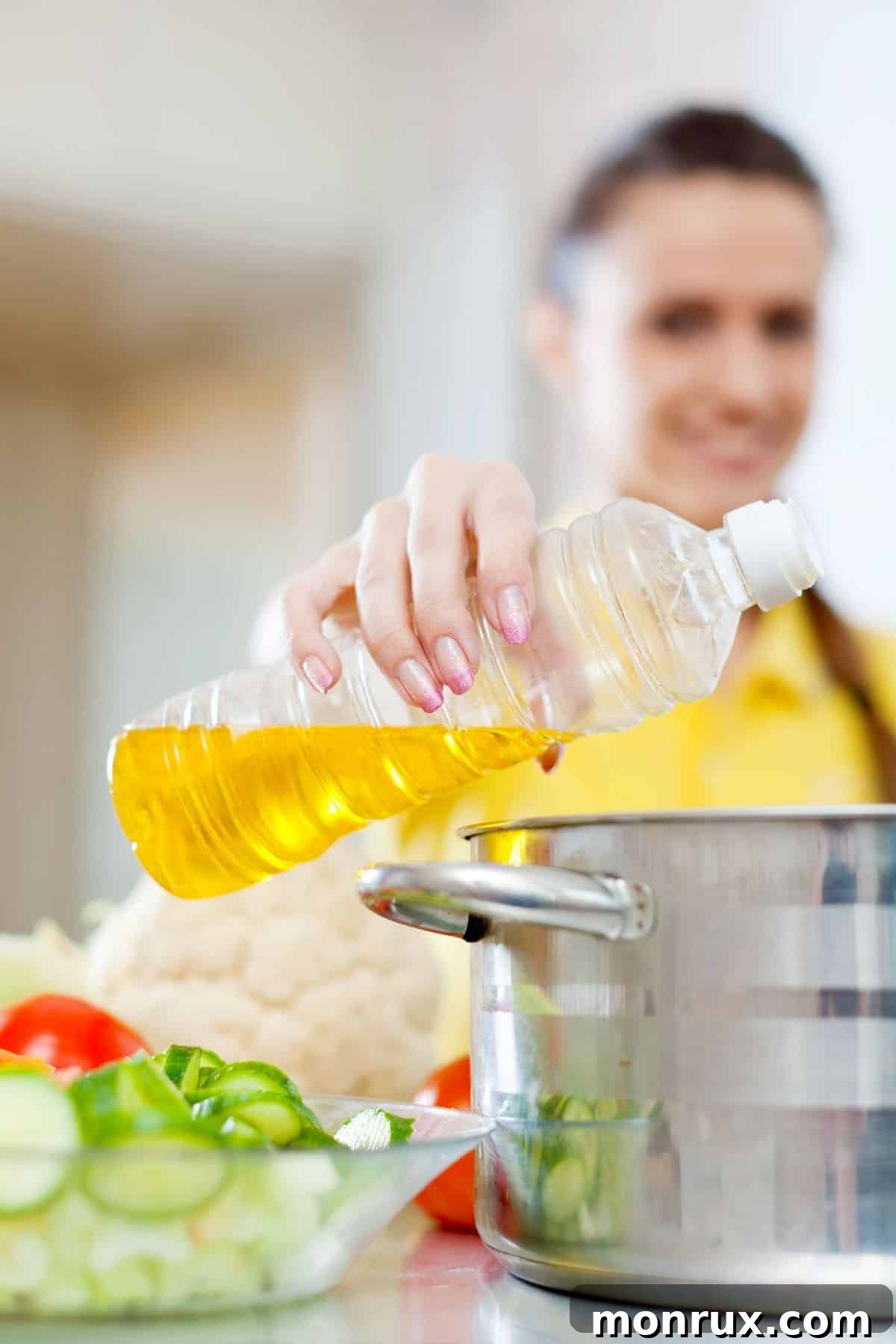
Cooking oils are essentially fats, typically liquid at room temperature (though some, like coconut oil, solidify), derived from various plant or animal sources. They serve multiple purposes in the kitchen: conducting heat for frying, roasting, and sautéing; adding moisture and richness to baked goods; and enhancing the flavor of dishes. From the light, delicate notes of a premium olive oil to the rich, savory depth of rendered animal fat, each oil brings a unique profile to your cooking.
However, not all cooking oils are created equal. The source of the oil, its extraction method, and its chemical composition significantly impact its stability and nutritional value when subjected to heat. Understanding these factors is key to making informed choices that support your health. The fundamental question revolves around identifying which oils remain stable and beneficial under high temperatures and which ones can transform into harmful compounds, compromising your meals and your long-term health.
Safe Cooking Oil (Short List)
For those looking for a quick reference, here’s a concise list of some of the healthiest and safest cooking oils that are versatile enough for various culinary applications and can withstand a good degree of heat without degrading.
- Avocado oil
- Coconut oil
- Animal fats (e.g., tallow, lard, duck fat)
- Ghee or butter
- Palm shortening (ensure sustainable sourcing)
- Olive oil
The Critical Role of Cooking Oil Smoke Points
One of the most paramount considerations when selecting a cooking oil is its smoke point. This refers to the temperature at which an oil begins to burn and produce smoke. When an oil reaches its smoke point, its chemical structure starts to break down, leading to the formation of free radicals and potentially harmful compounds like acrolein, which can impart an acrid flavor to your food and pose health risks. This breakdown also diminishes the oil’s nutritional value and can create an unpleasant smell.
Different oils possess varying smoke points due to their unique fatty acid composition and refinement levels. Refined oils generally have higher smoke points because impurities and free fatty acids, which lower an oil’s smoke point, have been removed during processing. Unrefined or virgin oils, conversely, retain more of these compounds and thus typically have lower smoke points. It is crucial to match your cooking method to the oil’s smoke point. For instance, high-heat searing requires an oil with a very high smoke point, while gentle sautéing or baking can accommodate oils with lower thresholds.
Using an oil beyond its smoke point is not just about taste; it’s a health concern. The oxidation that occurs at high temperatures can lead to the formation of aldehydes and other toxic compounds, which have been linked to various health problems. Therefore, always choose your cooking oil based on the heat intensity of your recipe. If you notice your oil smoking excessively, smelling burnt, or developing a bitter taste, it has likely exceeded its smoke point. In such cases, it’s best to discard the oil and start fresh with a new batch, either at a lower temperature or with a more heat-stable oil.
While specific smoke points can vary depending on the oil’s quality and exact composition, a general guide is helpful. For example, extra virgin olive oil has a moderate smoke point (around 375°F / 190°C), suitable for most everyday cooking, but not ideal for deep frying. Refined avocado oil, on the other hand, boasts a very high smoke point (up to 520°F / 270°C), making it excellent for high-heat applications. Always err on the side of caution and observe your oil carefully during cooking.
Safest Oils to Use for Cooking (Plus Recommended Brands)
When it comes to selecting cooking oils that promote health and perform reliably under heat, certain options stand out. Here are six top choices, known for their stability, nutritional benefits, and versatility in the kitchen.
1. Avocado Oil
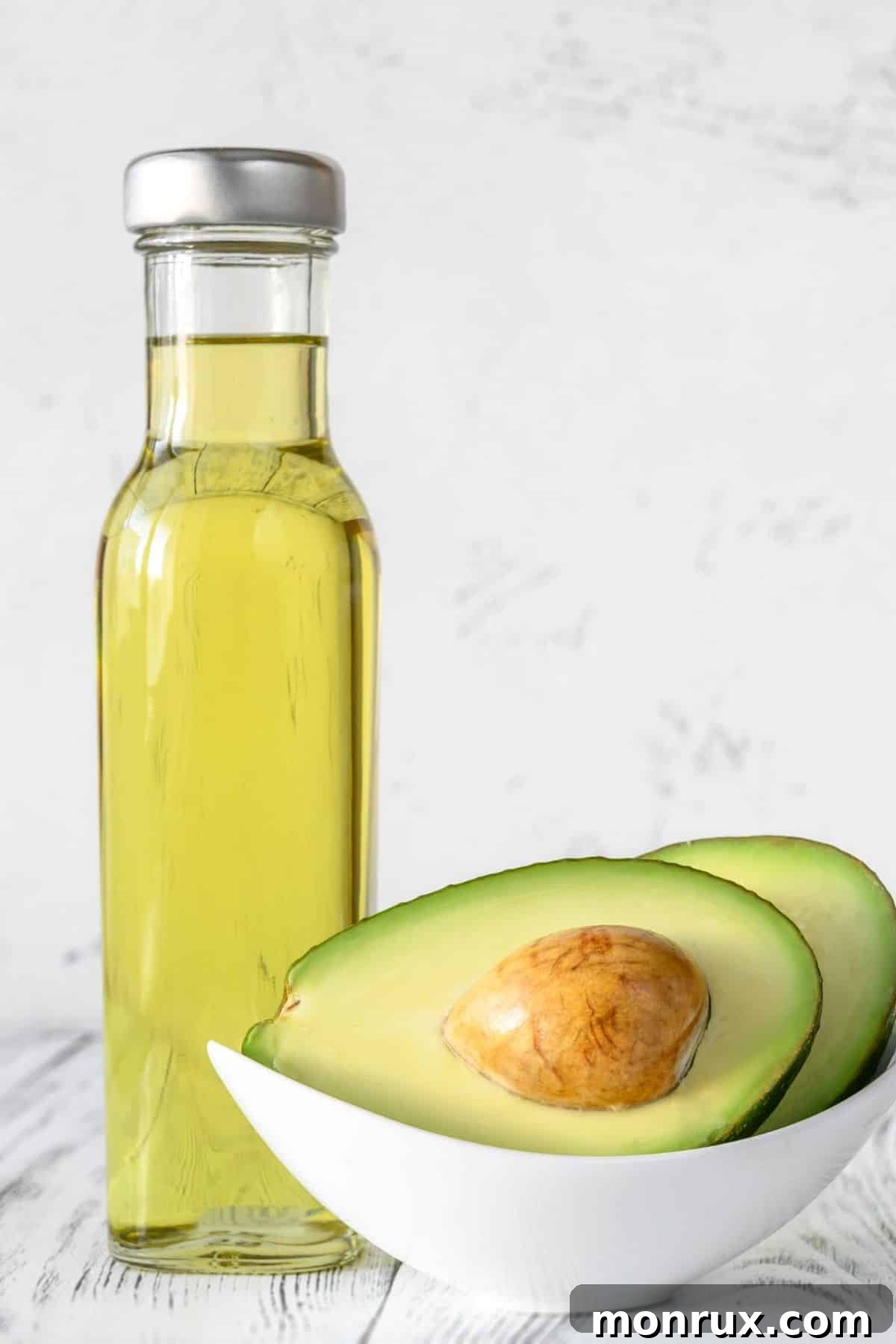
Avocado oil is a powerhouse in the healthy kitchen, renowned for its incredibly high smoke point, which can reach up to 520°F (270°C) for refined varieties. This makes it an ideal choice for high-heat cooking methods like searing, grilling, and deep frying, where other oils might quickly degrade. Its neutral flavor profile is another significant advantage, ensuring it won’t overpower the natural tastes of your ingredients. Avocado oil is primarily composed of monounsaturated fats, particularly oleic acid, which is well-known for its heart-healthy properties and ability to reduce bad cholesterol levels. It’s also rich in Vitamin E and antioxidants.
When selecting avocado oil, look for brands that guarantee purity, as some products on the market have been found to be adulterated. Chosen Foods brand of avocado oil is a popular and generally well-regarded option. While it can be more expensive than other cooking oils, especially when used in large quantities for frying, its stability and health benefits often justify the investment. For optimal quality, consider the difference between refined and unrefined avocado oil; refined versions are best for high-heat, while unrefined offers a slightly greener hue and richer flavor, suitable for dressings or lower heat cooking.
2. Coconut Oil
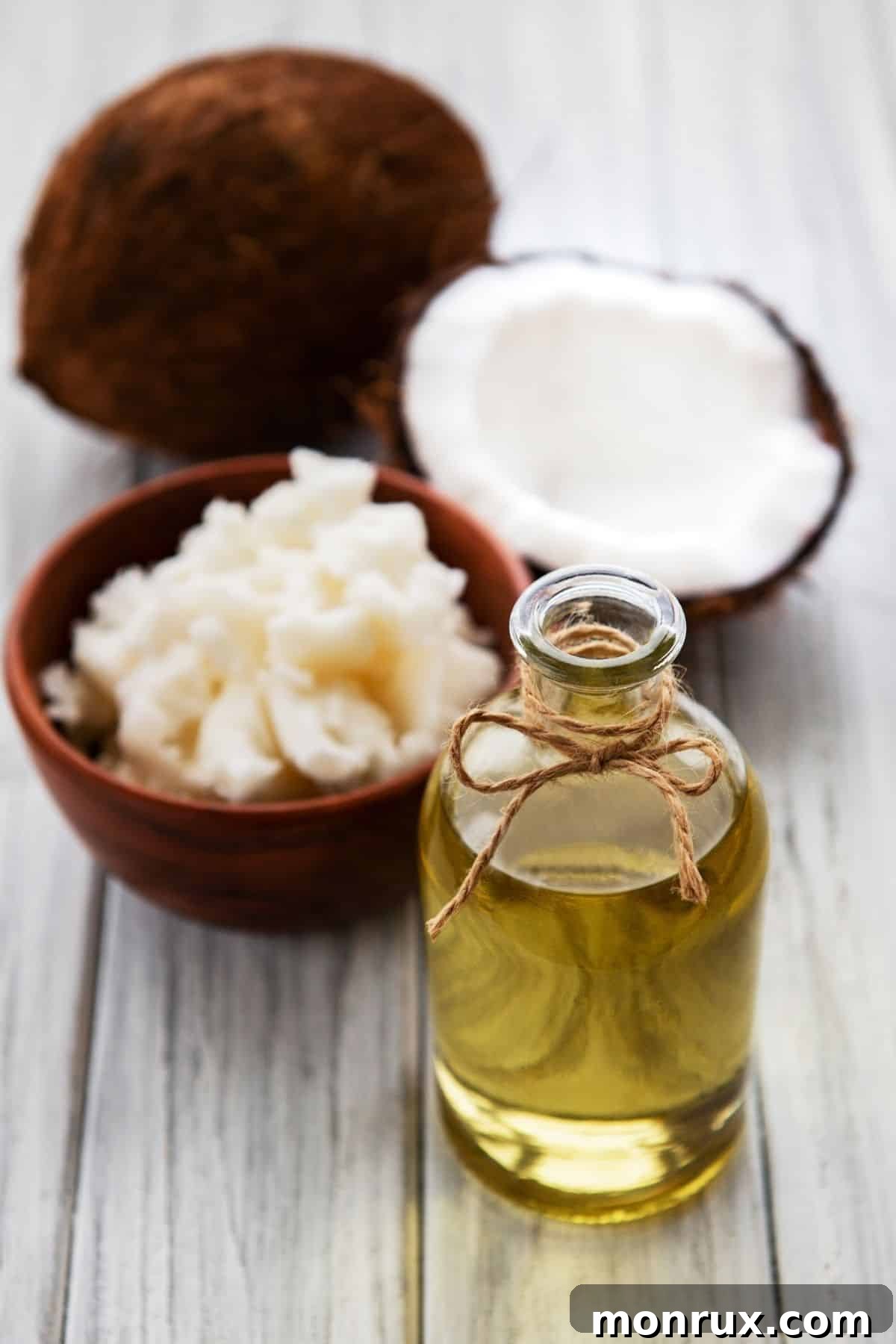
Coconut oil is a staple in many healthy kitchens, valued for its unique composition and versatility. Refined coconut oil is the best choice for high-heat cooking, boasting a smoke point of around 400°F (204°C). Its refining process removes impurities, resulting in a neutral flavor that won’t interfere with your savory dishes. Nutritionally, coconut oil is rich in medium-chain triglycerides (MCTs), including lauric acid, which are metabolized differently than longer-chain fatty acids and can provide a quick source of energy.
Alternatively, virgin coconut oil retains its distinct coconut aroma and flavor, making it excellent for baking, desserts, or dishes where a tropical note is desired. However, virgin coconut oil has a lower smoke point, typically around 350°F (177°C), so it’s best reserved for lower-heat applications or as a finishing oil. While coconut oil is a saturated fat, its impact on cardiovascular health is often debated. Recent research suggests that the consumption of naturally occurring saturated fats, particularly from sources like coconut, may not pose the same risks as artificially altered saturated fats or trans fats, and some studies even point to potential benefits. For those concerned about cardiovascular risk, moderation and variety in oil choices remain key, perhaps alternating with monounsaturated oils like olive oil. A reliable option like Nutiva brand of coconut oil is widely available and trustworthy.
3. Animal Fats
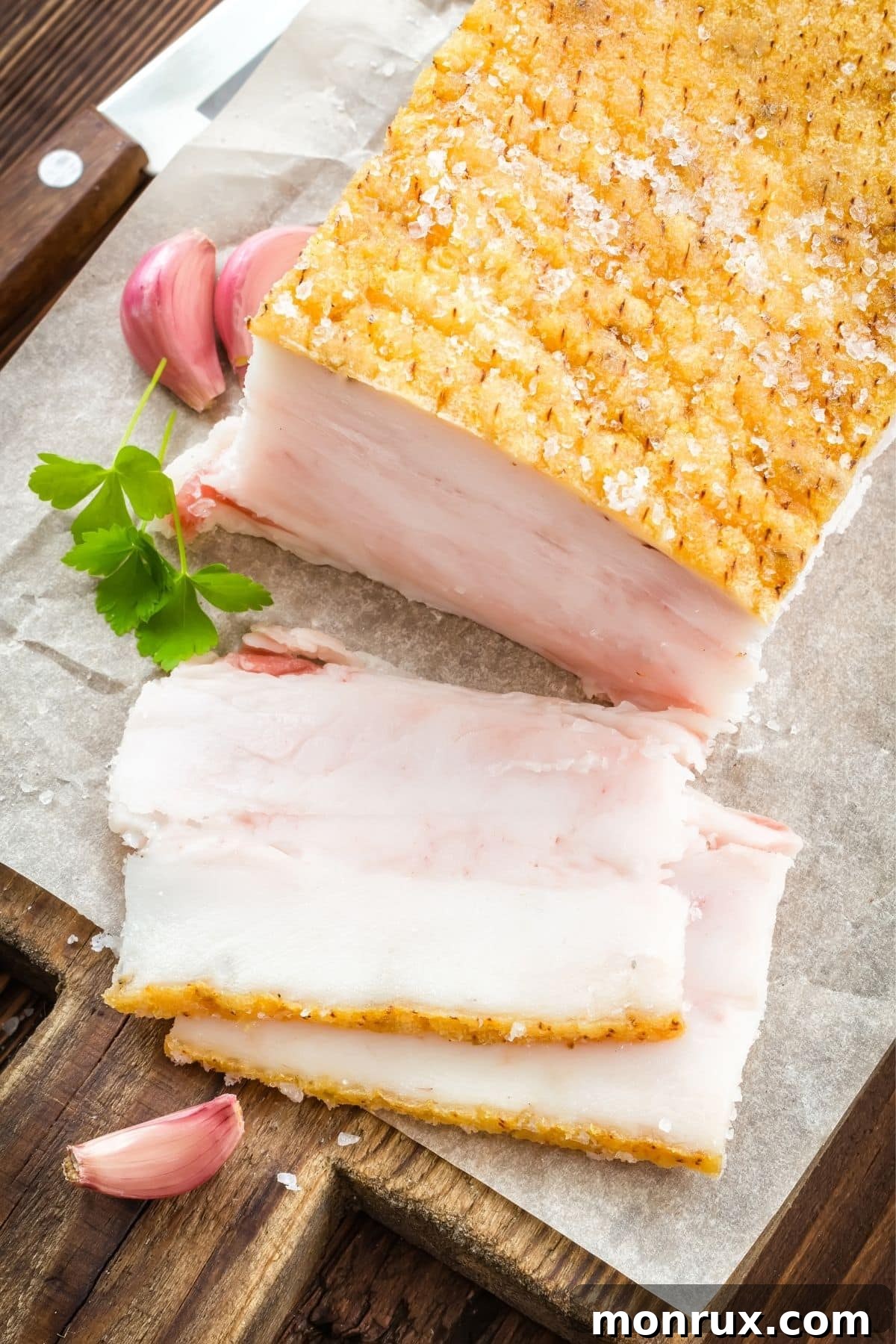
Traditional animal fats have made a significant resurgence in health-conscious kitchens, and for good reason. Rendered fats such as beef tallow, chicken schmaltz, duck fat, and lard are excellent choices for cooking due to their remarkable heat stability and rich, savory flavors. These fats are predominantly saturated, which gives them a stable molecular structure resistant to oxidation at high temperatures, making them safe for everything from roasting vegetables to pan-frying meats. Their smoke points typically range from 375°F to 400°F (190°C to 204°C), depending on the animal and rendering process.
Beyond their heat stability, animal fats impart an incomparable depth of flavor to dishes that plant-based oils often cannot replicate. For example, duck fat is prized by chefs for its ability to create exceptionally crispy roasted potatoes and confit. Lard, especially from pasture-raised pigs, makes incredibly flaky pie crusts and tortillas. When sourcing animal fats, prioritize those from pasture-raised, grass-fed animals to ensure a higher quality product with a better fatty acid profile. Brands like Epic offer high-quality duck fat that is excellent for high-heat cooking. Incorporating these traditional fats into your cooking can elevate your meals both in taste and nutritional value.
4. Ghee and Butter
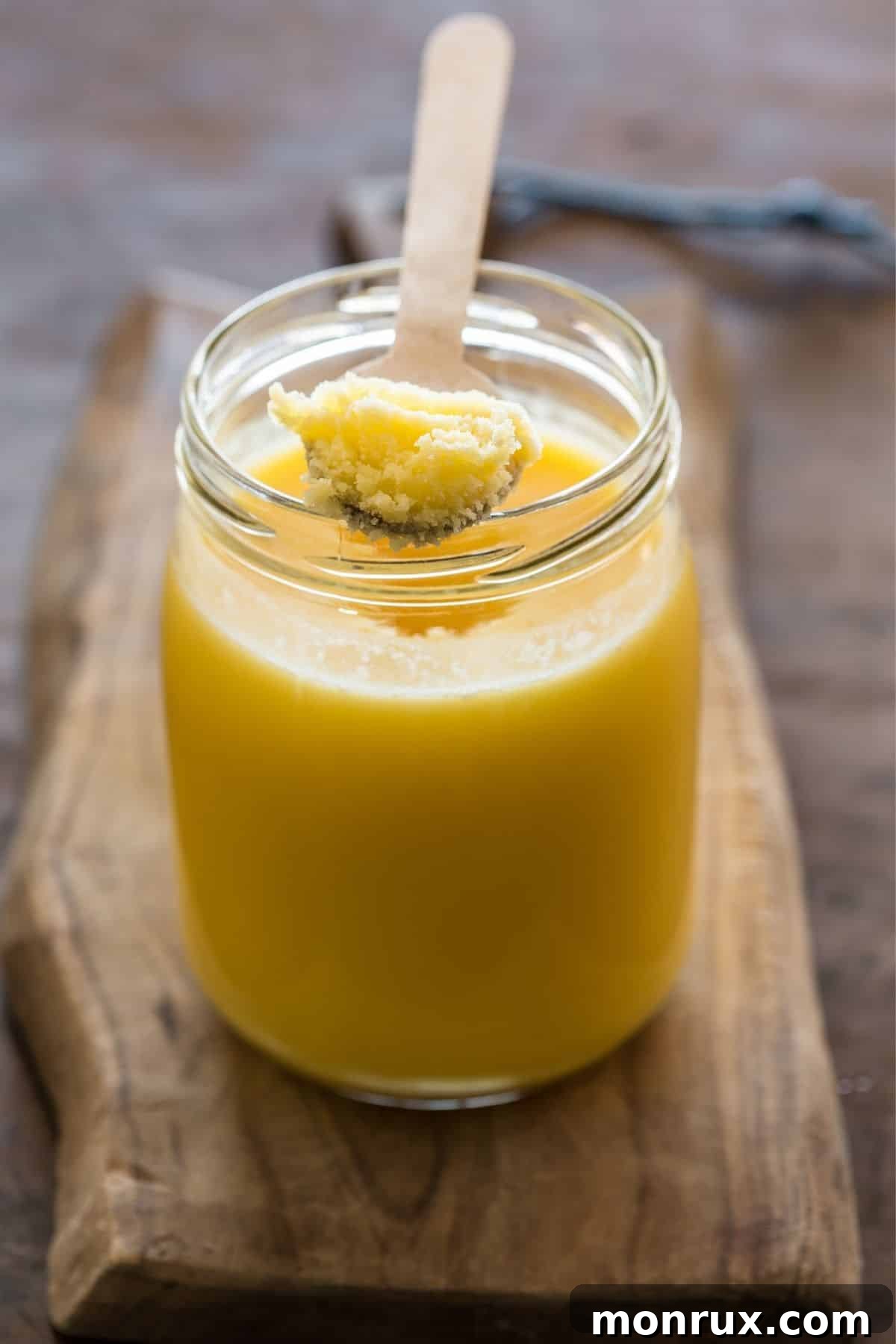
For those who tolerate dairy, butter and ghee offer delicious and healthy options for cooking fats. Butter, with its rich, creamy flavor, is excellent for sautéing at moderate temperatures (smoke point around 302°F / 150°C). However, its milk solids can burn easily at higher heats, making it less suitable for searing or deep frying.
This is where ghee, or clarified butter, shines. Ghee is made by slowly simmering butter to separate and remove the milk solids and water, leaving behind pure butterfat. This process significantly raises ghee’s smoke point to an impressive 450°F (232°C), making it a stable and safe option for higher-heat cooking, including pan-frying and roasting. Furthermore, because the lactose and casein are largely removed during clarification, ghee is often well-tolerated by individuals with lactose sensitivity or dairy allergies. Ghee retains all the wonderful buttery flavor and beneficial fat-soluble vitamins (A, D, E, K2) found in butter. Opting for grass-fed ghee, such as from Ancient Organics, provides even more nutritional benefits, including a superior fatty acid profile and higher levels of conjugated linoleic acid (CLA).
5. Palm Shortening
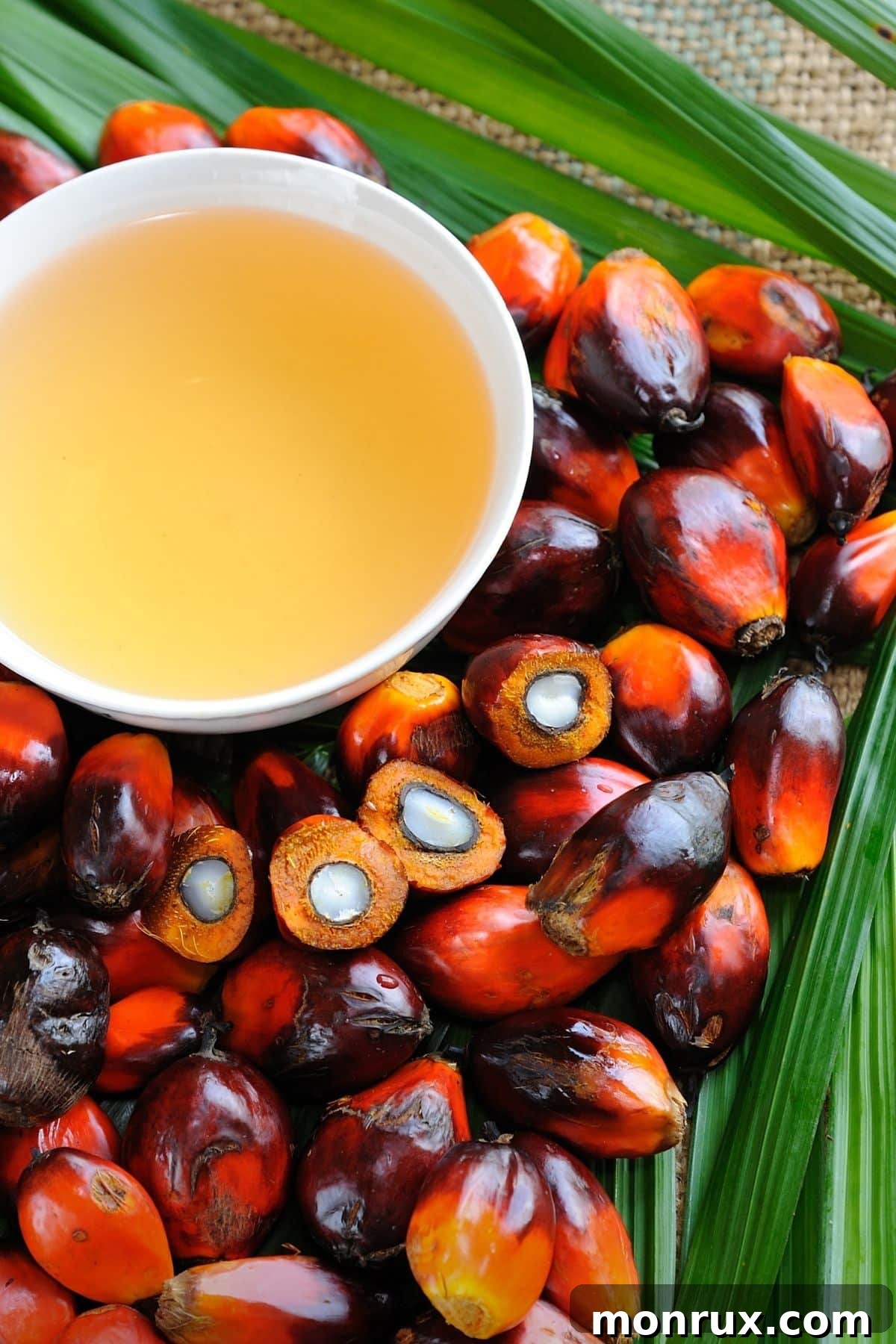
Palm shortening, often derived from red palm oil, is a highly stable and versatile cooking fat with a neutral flavor, making it an excellent choice for a variety of culinary applications. Its impressive heat stability and high smoke point (around 450°F / 232°C) make it particularly well-suited for baking, deep frying, and creating light, flaky textures in pastries. Unlike hydrogenated shortenings, pure palm shortening is naturally semi-solid at room temperature without undergoing harmful chemical processes that create trans fats.
However, it is critically important to choose sustainably-harvested palm shortening. The conventional palm oil industry has faced criticism for its environmental impact, including deforestation and habitat destruction. Look for certifications that guarantee responsible sourcing, such as those from the Roundtable on Sustainable Palm Oil (RSPO). Sustainable red palm oil, like that offered by Nutiva, not only ensures ethical production but also provides the added nutritional benefit of being a fantastic source of vitamin E and potent carotenoids, which give it its distinctive red-orange hue and act as powerful antioxidants. While quality palm shortening can be pricier, its stability and health advantages, coupled with responsible sourcing, make it a valuable addition to your cooking repertoire. For a delicious recipe, try my Red Palm Oil Roasted Zucchini.
6. Olive Oil
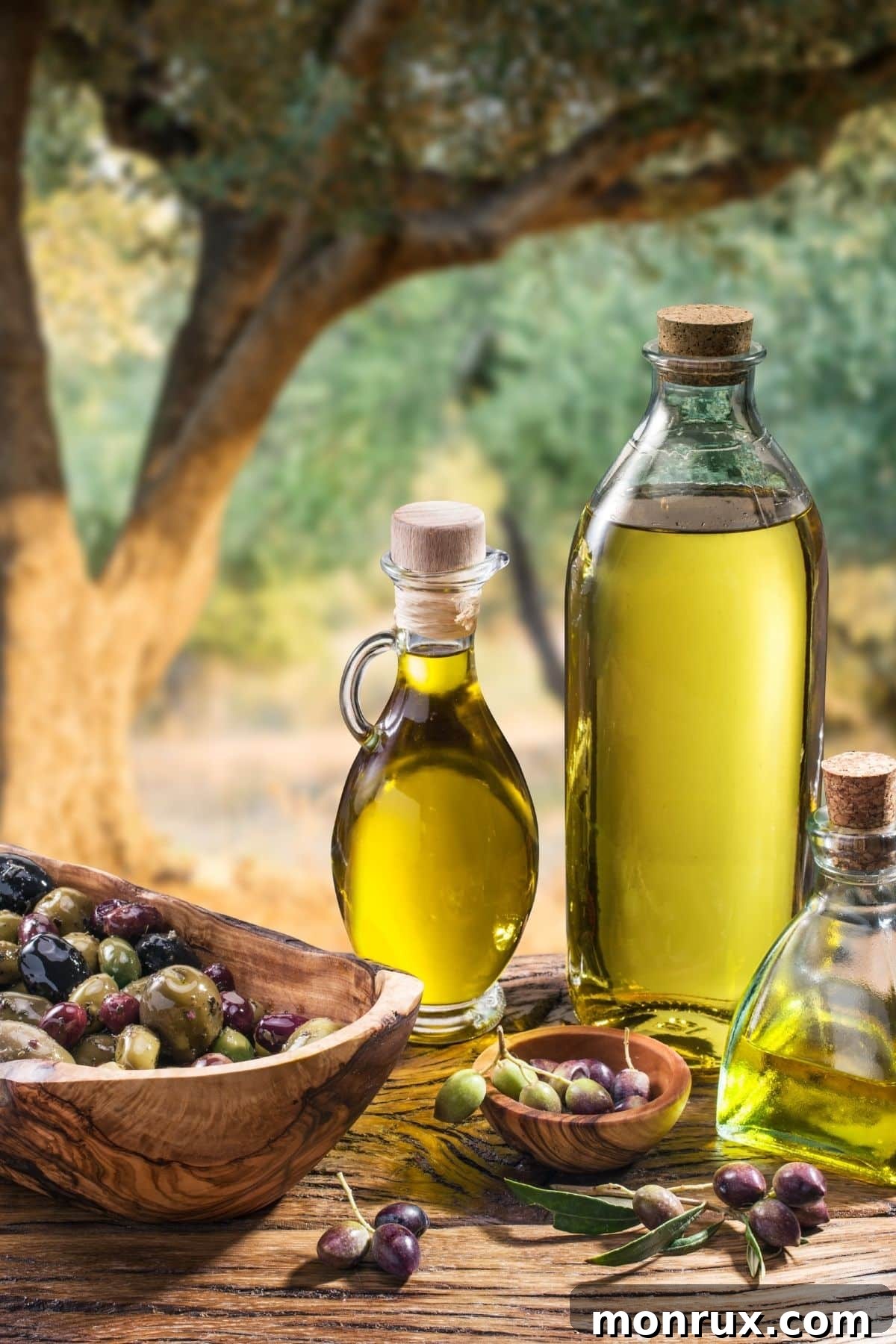
Olive oil, a cornerstone of the Mediterranean diet, is not only celebrated for its culinary versatility in dressings but also for its surprisingly robust performance in cooking. Contrary to persistent myths, high-quality extra virgin olive oil withstands heat remarkably well, enduring typical sautéing and baking temperatures with minimal degradation or loss of its precious nutrients and antioxidant compounds. Its smoke point generally ranges from 375°F to 405°F (190°C to 207°C), making it suitable for most everyday cooking tasks.
The health benefits of olive oil are extensive, primarily due to its high concentration of heart-healthy monounsaturated fats, especially oleic acid. It’s also rich in powerful antioxidants and polyphenols, which contribute to its anti-inflammatory properties and protect against cellular damage. When choosing olive oil, prioritize extra virgin varieties in dark glass bottles, as light exposure can degrade its quality. Look for harvest dates and certifications to ensure freshness and authenticity. I prefer a good California olive oil for much of my cooking, appreciating its flavor and quality.
Beyond cooking, olive oil excels in uncooked applications. It forms the base for exquisite salad dressings, such as my Honey Mustard Salad Dressing and Simple Vinaigrette, where its nuanced flavors can truly shine. While olive oil is incredibly versatile, it’s always good to have alternatives, and you can explore my list of substitutes for olive oil for different flavor profiles or cooking needs. Remember that other cold-pressed seed oils, like walnut or toasted sesame oil, offer distinct flavors and are rich in nutrients, but due to their lower smoke points, they are best reserved for finishing dishes or making salad dressings rather than high-heat cooking.
Cooking Oils to Avoid
While the market is flooded with various cooking oils, a significant category to approach with caution, or ideally to avoid altogether, comprises industrial seed oils. These oils, often marketed as “vegetable oils,” are typically highly processed and can have detrimental effects on health. They are characterized by their high concentration of Omega-6 polyunsaturated fatty acids. While Omega-6s are essential, the standard Western diet often includes them in excessive amounts, leading to an imbalance with Omega-3 fatty acids. This imbalance is strongly linked to increased systemic inflammation, a foundational factor in many chronic diseases, including heart disease, autoimmune disorders, and metabolic syndrome.
The processing of these oils is another major concern. They often undergo intense mechanical and chemical extraction methods, involving high heat, harsh solvents (like hexane), bleaching, and deodorization. This aggressive refinement can destroy delicate nutrients and antioxidants, create trans fats, and leave behind undesirable chemical residues. Furthermore, many of the crops from which these oils are derived (like soy and corn) are genetically modified and heavily sprayed with pesticides. Opting out of these industrial seed oils is a significant step towards a cleaner, less inflammatory diet.
Here is a list of common cooking oils that are generally best to avoid for optimal health:
- Soybean Oil: Often genetically modified, heavily processed, and high in Omega-6.
- Corn Oil: Similar to soybean oil, typically GM, highly refined, and pro-inflammatory.
- Cottonseed Oil: Derived from a non-food crop, often heavily treated with pesticides, and high in Omega-6.
- Canola Oil: While often touted as healthy due to lower saturated fat, it’s typically highly refined, often genetically modified, and prone to oxidation.
- Sunflower Oil (standard varieties): While high-oleic varieties can be better, standard sunflower oil is high in Omega-6 and susceptible to oxidation.
- Safflower Oil (standard varieties): Like sunflower, high in Omega-6 and generally refined.
- Grapeseed Oil: Extracted from grape seeds, it’s usually highly refined, high in Omega-6, and has a relatively low smoke point for a “refined” oil.
- Rice Bran Oil: Often highly processed and can be prone to oxidation.
- Peanut Oil (refined): While unrefined peanut oil can be used in moderation, the refined version is heavily processed and high in Omega-6.
- Sesame Oil (light/refined): Toasted sesame oil is good for flavor, but refined sesame oil is typically processed and high in Omega-6.
- Rapeseed Oil: This is essentially canola oil; it’s the raw form from which canola is derived, and carries the same concerns regarding processing and Omega-6 content.
- Margarine and Shortening: These are often made from hydrogenated industrial seed oils, potentially containing trans fats and contributing to inflammation.
- Vegetable Oil: This is a generic term often referring to a blend of various industrial seed oils listed above, thus inheriting all their associated issues.
Understanding Fats: Saturated Versus Unsaturated
The world of dietary fats is often oversimplified, leading to confusion about what constitutes a “healthy” cooking oil. A fundamental distinction lies between saturated and unsaturated fats, particularly in how their chemical structure dictates their stability and behavior under heat.
Saturated fats are characterized by hydrocarbon chains that are “saturated” with hydrogen atoms, meaning they have no double bonds in their fatty acid chains. This rigid, linear structure allows them to pack tightly together, making them solid at room temperature. Their lack of double bonds also makes them highly stable and resistant to oxidation when heated. This inherent stability is why saturated fats like butter, ghee, coconut oil, and animal fats (tallow, lard) are generally considered the safest for high-heat cooking. Their smoke points typically range from 250°F to 450°F (120°C to 232°C), making them robust choices for sautéing, baking, roasting, and even deep frying without breaking down into harmful compounds.
Unsaturated fats, on the other hand, contain one or more double bonds in their fatty acid chains. These double bonds introduce “kinks” in the molecular structure, preventing them from packing tightly and making them liquid at room temperature. Unsaturated fats are further divided into monounsaturated fats (one double bond, e.g., olive oil, avocado oil) and polyunsaturated fats (multiple double bonds, e.g., seed oils). While both are vital for health, polyunsaturated fats are inherently more reactive and susceptible to oxidation when exposed to heat, light, and air due to their multiple double bonds.
When choosing unsaturated fats for cooking, the refinement and extraction process become critical. Cold-pressed and unrefined oils, while retaining more nutrients, antioxidants, and delicate flavors, are generally more fragile and have lower smoke points. These are best reserved for low-heat cooking, gentle sautéing (200-400°F / 93-204°C), or for use in dressings where heat is not applied. Conversely, refined and expeller-pressed oils, which have had impurities and free fatty acids removed, possess higher smoke points (typically 425-575°F / 218-302°C) and are thus more suitable for higher-heat applications.
Beyond stability, it’s crucial to consider the nutritional benefits and the fatty acid balance of your cooking oils. A diverse intake of various healthy fats is recommended to ensure a broad spectrum of nutrients. Pay particular attention to the ratio of Omega-3 to Omega-6 fatty acids. While both are essential, the modern Western diet is often skewed heavily towards Omega-6s, primarily from industrial seed oils. This imbalance can promote systemic inflammation. Omega-3 fatty acids, found in sources like fatty fish, flaxseeds, and some pasture-raised animal fats, are profoundly anti-inflammatory and are often under-consumed. As a general rule of thumb, polyunsaturated cooking oils derived from seeds tend to be much higher in Omega-6 fatty acids compared to saturated cooking oils from well-sourced animal products or tropical oils like coconut and palm. Varying your oils allows you to harness the unique benefits of each fat type while maintaining a healthier overall fatty acid profile.
A Brief History of Cooking Oils
The human relationship with dietary fats is as old as humanity itself. For millennia, our ancestors consumed fats in their most natural forms, primarily from animal organs and tissues, alongside certain fruits, vegetables, nuts, and seeds. The intentional extraction and use of oils specifically for cooking and consumption emerged approximately 8,000 years ago, with the advent of olive oil production in the Mediterranean basin. This liquid gold quickly became a cornerstone of diet, medicine, and ritual, revered for its taste and versatility.
Alongside olive oil, tropical oils like palm and coconut oil also gained prominence, with evidence of their use dating back around 6,000 years in various parts of Asia and Africa. These oils were highly prized commodities, integral to ancient trade routes and culinary traditions. Soybean oil made a later appearance, introduced about 1,000 years ago in regions of Japan and China, but its delicate nature and susceptibility to rancidity limited its widespread trade and use compared to more stable fats.
A dramatic shift in cooking oil production occurred in the late 19th century with the industrial revolution and the development of new extraction techniques, most notably hexane extraction. This chemical solvent method allowed for the mass production of oils from previously overlooked sources like cottonseeds, corn, and soybeans. While these innovations made oils less prone to rancidity and significantly increased manufacturing capacity and global trade, they also introduced unprecedented levels of processing and refinement. In recent history, industrial oils have become increasingly refined, bleached, deodorized, and often hydrogenated, transforming them from nutrient-rich whole foods into highly altered products with questionable health implications.
This historical trajectory underscores a vital lesson: the quality and production method of cooking oil matter immensely. Modern industrial processing often strips oils of their natural benefits and introduces potentially harmful elements. Therefore, being selective about the oils you choose to consume, prioritizing those with minimal processing and clear origins, is a key strategy for a healthy diet. There isn’t one singular “best” oil; rather, a judicious selection of diverse, high-quality fats, as highlighted in this article, offers the most comprehensive approach to healthful cooking.
Frequently Asked Questions (FAQs)
Despite being a long-standing choice for many home cooks and restaurants, vegetable oil, which typically consists of blends like canola, soybean, or other seed oils, is generally not recommended for healthy cooking. These oils gained popularity with the advent of industrial hydrogenation in the late 1800s. The primary issue stems from their highly refined and chemically produced nature; they undergo extensive processing that strips them of nearly all nutritional value. Mass-produced vegetable oils are chemically extracted in bulk, stored in plastic bottles, and exposed to light and heat during shipping and on grocery store shelves, making them prone to rancidity even before they reach your pantry. Furthermore, the seeds used are often from genetically modified crops, and these oils are exceptionally high in Omega-6 polyunsaturated fats. While some Omega-6 is essential, excessive intake without a balanced Omega-3 ratio can contribute to inflammation and chronic diseases.
Yes, olive oil is absolutely safe and highly recommended for cooking! While it is true that olive oil is more delicate than some high-smoke-point oils, it performs very well for most everyday cooking, including sautéing, roasting, and baking. Its smoke point (around 375-405°F or 190-207°C for extra virgin) means it shouldn’t be used for deep frying or extremely high-heat searing. To ensure you’re getting the best quality and safety, always opt for real extra virgin olive oil from a reputable brand, ideally stored in a dark glass bottle to protect it from light degradation. Keeping the heat below 400°F (204°C) is a good rule of thumb to preserve its beneficial compounds and prevent it from smoking.
Unrefined, cold-pressed peanut oil is generally a less problematic choice than many other industrial seed oils like canola or soybean oil. It possesses a relatively high smoke point, making it suitable for moderate to high-heat cooking, and has a distinct nutty flavor often favored in Asian cuisine. However, quality is key: always look for unrefined, cold-pressed varieties stored in glass bottles, and ideally non-GMO. Refined peanut oil undergoes heavy processing, which diminishes its health benefits and increases its Omega-6 content. While it’s not as fragile as some oils, it’s still best consumed in moderation as part of a varied diet, keeping its Omega-6 fatty acid contribution in mind.
Sunflower oil, especially high-oleic, cold-pressed varieties, can offer some benefits due to its content of Vitamin E and oleic acid. High-oleic sunflower oil is bred to have a higher monounsaturated fat content, making it more stable for cooking compared to standard sunflower oil which is high in polyunsaturated Omega-6 fats. If you choose to use sunflower oil, always opt for the high-oleic, cold-pressed kind stored in a dark glass bottle to protect it from oxidation. However, like many seed oils, even high-oleic sunflower oil is highly susceptible to oxidation if not stored and used correctly, and standard varieties are still high in Omega-6 fatty acids. Therefore, it’s best to use high-quality sunflower oil in moderation and as part of a diet rich in diverse, healthy fats.
Proper disposal of cooking oils is crucial to prevent plumbing issues and environmental harm. Never pour cooking oils down the sink or garbage disposal, as they will solidify and clog drains and pipes, potentially causing costly damage. For saturated fats like coconut oil, bacon fat, or beef tallow, allow them to fully harden at room temperature. Once solid, you can scrape them directly into the trash or compost, or place them in a disposable container (like an old milk carton or coffee can) before tossing them. For oils that remain liquid at room temperature, such as olive oil or refined liquid coconut oil, pour them into a sealed, non-recyclable container (like an empty plastic bottle or jar) and then dispose of it in the regular trash. Some communities also offer oil recycling programs, so check with your local waste management services for options.
More Articles About Healthy Cooking Basics
Conclusion: Making Healthy Oil Choices
Choosing the right cooking oils is a foundational step toward a healthier diet and a more vibrant kitchen. By understanding the critical role of smoke points, the impact of processing methods, and the unique benefits of various fat types, you can make informed decisions that support your well-being. Prioritize stable, nutrient-dense oils like avocado oil, coconut oil, high-quality animal fats, ghee, sustainably sourced palm shortening, and extra virgin olive oil. Consciously avoid industrial seed oils and their derivatives, which are often highly processed and contribute to inflammation.
Embrace variety in your oil choices to diversify your nutrient intake and enhance the flavor profiles of your meals. Your journey to a healthier kitchen starts with thoughtful oil selection, transforming everyday cooking into an act of nourishing self-care. Don’t forget to join my newsletter list for exclusive clean eating recipes and tips that will further empower your healthy cooking journey. It’s 100% free with no spam, and you can unsubscribe anytime.
About the Author: Carrie Forrest holds a master’s degree in public health with a specialization in nutrition and is a certified holistic nutritionist. As a prominent wellness and food blogger, her site attracts over 5 million visitors annually. Carrie’s inspiring journey of recovery from chronic illness fuels her passion for empowering other women to transform their health. You can connect with her through her contact form.
Note: this post is intended for informational purposes only and does not constitute medical advice. Please consult your healthcare provider for recommendations tailored to your individual health situation.