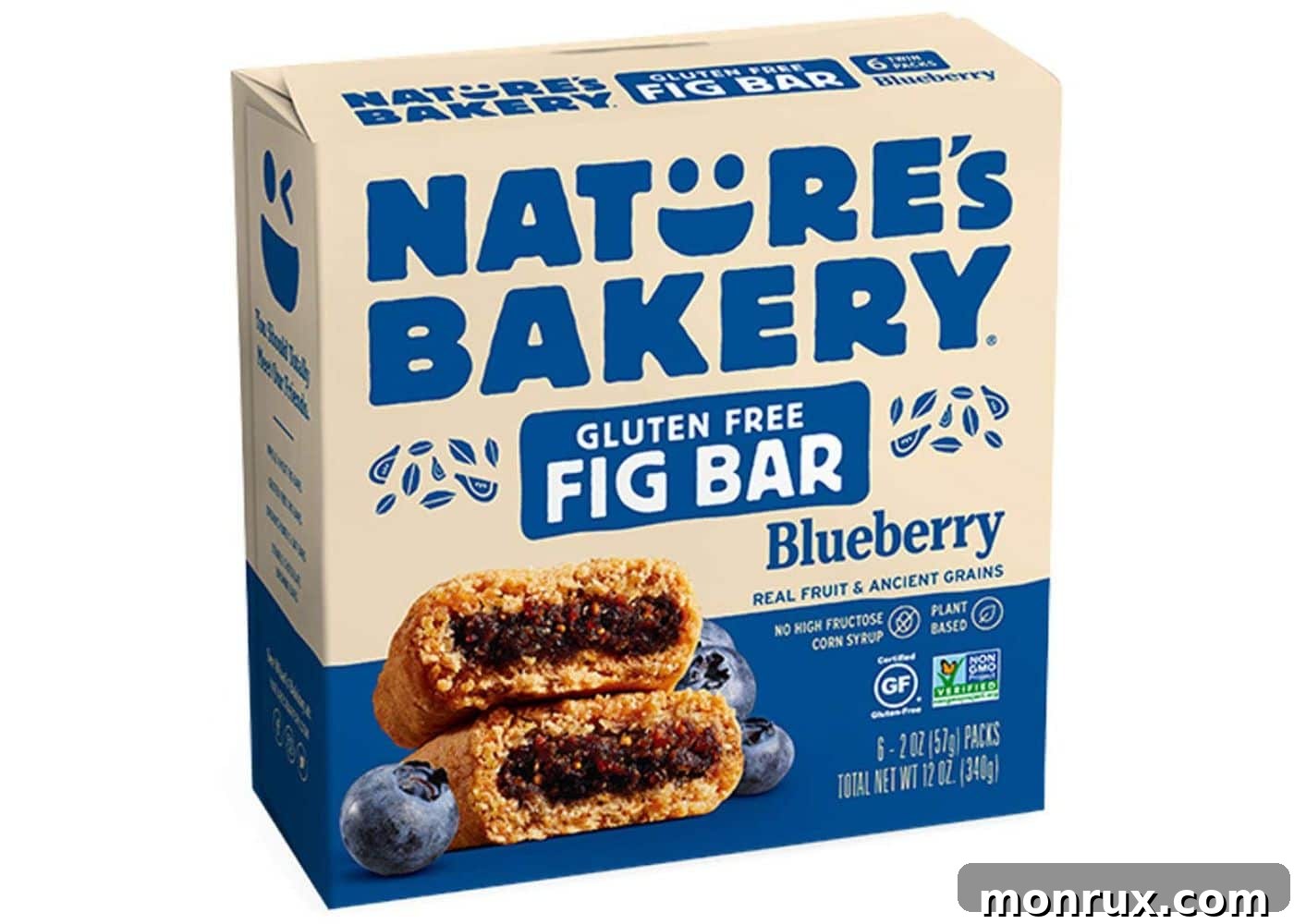
Welcome to a comprehensive review exploring the pressing question: Are Fig Bars truly healthy? In this detailed analysis, we’ll dive deep into the nutritional landscape of Nature’s Bakery Fig Bars, dissecting their ingredients, examining their benefits, and uncovering potential drawbacks. As a nutritionist, my aim is to provide an unbiased perspective, empowering you to make informed decisions about your snack choices. While these bars offer a convenient option with a commendable amount of fiber per serving, it’s crucial to scrutinize the presence of added sugars and processed ingredients. Let’s embark on this nutritional journey to discover if these popular snack bars align with a truly healthy lifestyle, and consider some wholesome alternatives that might better serve your dietary goals.
Unpacking Nature’s Bakery Fig Bars: Key Facts
Nature’s Bakery Fig Bars have carved a niche in the snack market, positioning themselves as a prime choice for active families seeking convenient and wholesome food options. Founded in 2010 by Dave and Sam Marson in Reno, Nevada, the brand quickly gained traction for its commitment to simpler ingredients. A significant milestone in their journey occurred in 2020 when KIND, a part of the Mars family of companies, acquired Nature’s Bakery. This acquisition expanded their reach and solidified their presence in the healthy snack sector. Today, Nature’s Bakery offers an array of products, including their signature Fig Bars, other snack bar varieties, and a dedicated line of gluten-free fig bars, catering to diverse dietary preferences.
These popular bars are available in a vibrant selection of flavors, each crafted with a base of ingredients like whole wheat flour, cane sugar, fig paste, and whole grain oats. A key selling point for Nature’s Bakery is their commitment to certain dietary standards: the bars are consistently plant-based, non-GMO, nut-free, and proudly contain no high fructose corn syrup. These attributes make them appealing to individuals with specific dietary restrictions or those simply looking for “cleaner” snack options. However, it’s worth noting the sugar content: the regular Fig Bars typically contain between 14g to 16g of added sugar per serving, while the gluten-free versions are slightly lower, ranging from 11g to 12g of added sugar. This is a crucial detail for anyone monitoring their sugar intake.
The extensive flavor portfolio ensures there’s a fig bar for nearly every palate. Let’s explore some of the popular varieties:
Regular Flavors:
- Apple Cinnamon
- Pumpkin Spice
- Strawberry
- Original Fig
- Peach Apricot
Available in both Regular and Gluten-Free Options:
- Blueberry
- Raspberry
Exclusive Gluten-Free Flavor:
- Pomegranate
It is important for consumers to remember that each flavor variation comes with its unique ingredient list and slight differences in nutritional composition, so always check the specific product label. From a nutritional standpoint, a single serving of a regular Fig Bar typically provides approximately 200 calories, 3g of protein, and a respectable 3g to 4g of dietary fiber. The gluten-free counterparts offer a similar profile, with 200-210 calories, 2g of protein, and 3g of fiber. The absence of high-fructose corn syrup is a consistent feature across both lines, reinforcing the brand’s health-conscious positioning.
A Closer Look at Fig Bar Ingredients
Understanding what goes into your food is paramount for making healthy choices. Nature’s Bakery Fig Bars feature a blend of ingredients designed for taste, texture, and shelf stability. Common components across the range include brown rice syrup, cane sugar, fig paste, sea salt, citric acid, whole grain oats, and natural flavor. The choice of flour distinguishes the regular bars from their gluten-free counterparts: regular bars utilize whole wheat flour, while the gluten-free options boast a unique five-grain blend comprising amaranth, quinoa, millet, sorghum, and teff. These grains are carefully selected to provide both nutritional value and a suitable texture for those avoiding gluten.
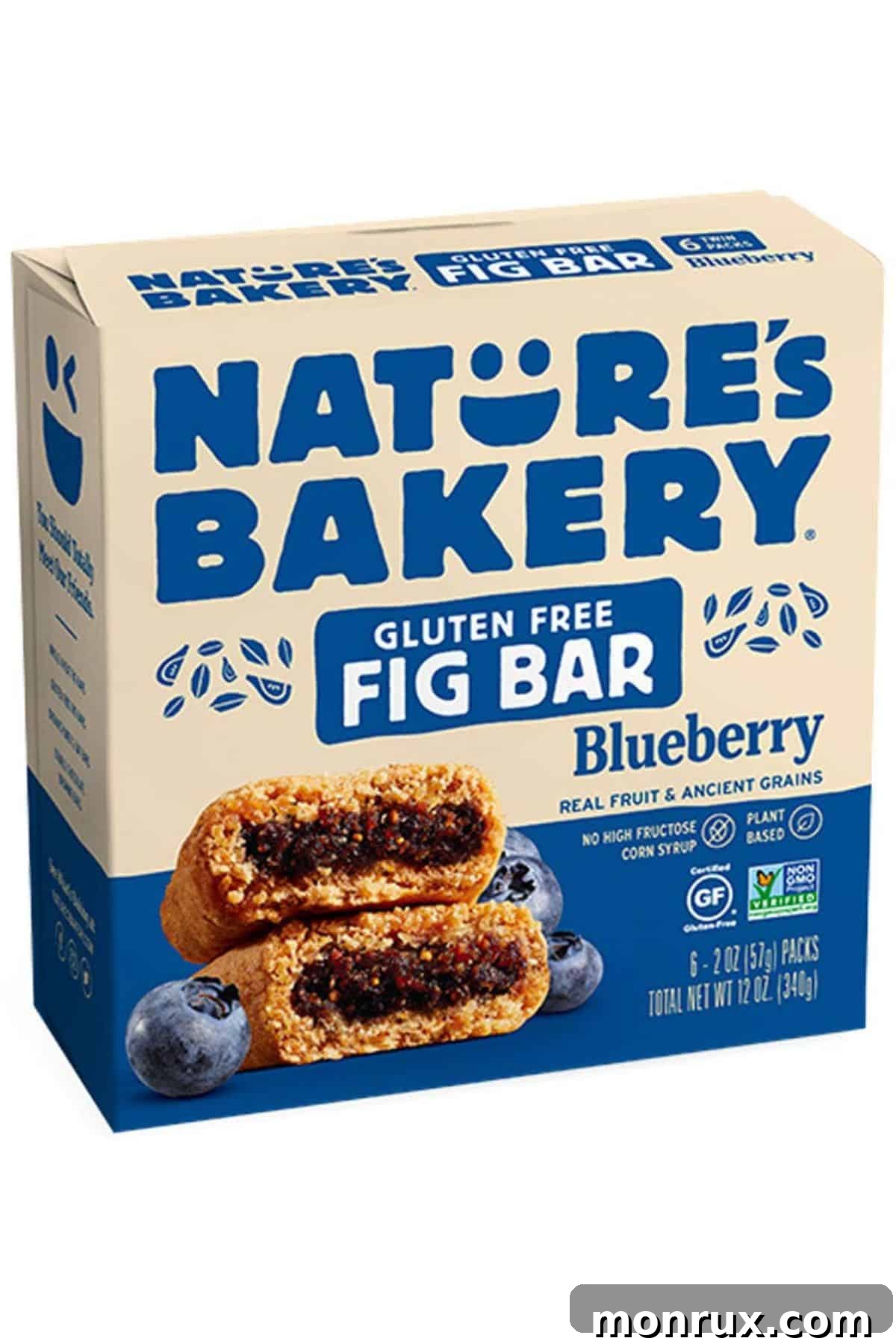
It’s important to recognize that different flavors will naturally have variations in their ingredient lists, which can subtly impact their nutritional profiles. The bars derive their sweetness and flavor from various added sugars, such as cane sugar, brown rice syrup, and the fig paste itself. While these contribute to the enjoyable taste, their collective impact on daily sugar intake is a key consideration for health-conscious individuals. Let’s take a more in-depth look at some of the specific ingredients and their potential implications for your health, using the Nature’s Bakery Blueberry Fig Bar as a representative example:
The ingredient list for Nature’s Bakery Blueberry Fig Bars typically includes:
- Whole Wheat Flour
- Cane Sugar
- Fig Paste
- Brown Rice Syrup
- Blueberry Jam (Cane Sugar, Naturally Milled Sugar, Rice Starch, Glycerin, Blueberries, Apple Powder, Natural Flavors, Pectin, Citric Acid, Locust Bean Gum)
- Canola Oil
- Whole Grain Oats
- Glycerin
- Fruit Juice (for color)
- Sea Salt
- Natural Flavor
- Citric Acid
- Baking Soda
Natural Flavors
The term “natural flavor” often sparks debate and confusion among consumers, primarily due to the lack of a precise, universally agreed-upon definition in food labeling regulations. This broad descriptor allows food manufacturers considerable latitude in how they categorize and use various additives and ingredients. While the intention might be to indicate flavors derived from natural sources, the reality can be far more complex.
Many so-called “natural flavors” undergo significant processing, often involving artificial derivatives and advanced extraction techniques like enzyme-assisted methods. These processes can employ high heat, chemical solvents, and other industrial methods to isolate and concentrate flavor compounds. Consequently, a “natural flavor” on an ingredient list might bear little resemblance to its original source once it has been processed. Without explicit disclosure from the food manufacturing company regarding their specific production methods, it becomes challenging for consumers to ascertain the true nutritional value or the health implications of these flavors. For those pursuing a clean eating approach, the ambiguity surrounding “natural flavors” can be a significant point of concern, leading many to prefer products where flavor sources are clearly and minimally processed.
Whole Wheat Flour
Whole wheat flour serves as a primary ingredient in Nature’s Bakery regular Fig Bars. Unlike refined white flour, whole wheat flour is produced by milling the entire wheat kernel, which includes the bran, endosperm, and germ. The bran is the fiber-rich outer layer, the endosperm is the starchy middle part, and the germ is the nutrient-dense embryo. This comprehensive inclusion means whole wheat flour retains a significantly higher proportion of dietary fiber, vitamins (especially B vitamins), minerals (like iron and magnesium), and antioxidants compared to its refined counterpart. The presence of the germ, which contains natural oils, typically gives whole wheat flour a shorter shelf life than white flour, necessitating careful storage.
Despite its nutritional benefits, wheat is a common allergen. Individuals with a wheat sensitivity or a gluten intolerance must exercise caution when consuming products containing whole wheat flour. For those with celiac disease, an autoimmune condition triggered by gluten (a protein found in wheat, barley, and rye), consuming wheat can lead to severe gastrointestinal damage and a host of health complications. These can include malnourishment due to impaired nutrient absorption, chronic anemia, osteoporosis, and an increased risk for certain types of cancer. Recognizing these concerns, Nature’s Bakery thoughtfully provides a dedicated line of gluten-free fig bars, formulated with alternative grains, to ensure that individuals with gluten intolerance or allergies to whole grains like wheat can still enjoy their products safely.
Canola Oil
Nature’s Bakery Fig Bars incorporate canola oil, a widely used seed oil in many processed food products. While often marketed as a healthy oil due to its relatively low saturated fat content, extensive research suggests that seed oils like canola can be a significant contributor to chronic inflammation within the body. This is a critical concern for those aiming for optimal health, as chronic inflammation is implicated in a wide array of modern diseases, including heart disease, diabetes, and autoimmune conditions.
A primary issue with industrial seed oils like canola is their high degree of processing. Most commercially available canola oil undergoes extensive refining, bleaching, and deodorizing. Furthermore, many seed oils are hydrogenated to improve their shelf life and texture in food products. This hydrogenation process unfortunately increases the levels of trans fats, which are notorious for raising “bad” cholesterol (LDL) and lowering “good” cholesterol (HDL), thereby elevating the risk of cardiovascular problems. Beyond hydrogenation, some food manufacturers extract seed oil using harsh chemical solvents, such as hexane, combined with high temperatures. These aggressive processing methods can degrade the oil’s nutritional quality and potentially leave trace contaminants in the final product. For individuals committed to a clean eating lifestyle, avoiding or minimizing consumption of such highly processed seed oils is often a recommended strategy to reduce inflammatory load and promote overall well-being.
Cane Sugar
Cane sugar, a common sweetener in Nature’s Bakery Fig Bars, is derived exclusively from sugar cane. While it is often considered less processed than granulated sugar, which can be made from both sugar beets and sugar cane, cane sugar still undergoes a refining process to achieve its crystalline form. This processing removes molasses and other natural components, leaving behind primarily sucrose.
In moderation, cane sugar can provide a quick source of energy, and its unprocessed forms (like turbinado or demerara) may contain trace minerals. However, the health benefits associated with consuming cane sugar are generally minimal and often overshadowed by the potential negative impacts of excessive intake. Consuming high amounts of added sugars, including cane sugar, has been linked to several potentially harmful effects on human health. These include an increased risk of heart disease, significant weight gain and obesity, the development of type 2 diabetes, fatty liver disease, and the pervasive problem of dental cavities. The American Heart Association recommends that women limit their added sugar intake to no more than 25 grams (about 6 teaspoons) per day, and men to no more than 36 grams (about 9 teaspoons) per day. Given that Nature’s Bakery Fig Bars contain between 11g and 16g of added sugar per serving, a single bar can contribute a substantial portion of the daily recommended limit, underscoring the importance of mindful consumption.
Fig Paste
Fig paste is a key ingredient in Nature’s Bakery Fig Bars, used primarily to impart the distinctive fig flavor and sweetness. It is essentially a fruit puree made from dried figs. While figs in their whole, natural form are celebrated for their rich fiber content, vitamins (like Vitamin K and B6), and minerals (such as potassium, manganese, and magnesium), the processing into a paste can alter some of these nutritional benefits. The extent to which the nutritional content is affected negatively depends on the specific manufacturing process, including the temperatures used and any additional ingredients.
A crucial aspect to consider with fig paste in commercially produced snacks is the lack of transparency regarding its composition. The company’s website does not explicitly specify whether the fig paste used is free from additional additives and preservatives, or if it contains artificial sweeteners or even further added sugars beyond the natural sugars inherent in figs. Some fig pastes on the market may include additional sweeteners or agents to enhance shelf life or consistency. For those striving for a diet rich in whole, unprocessed foods, it’s always preferable to opt for products where fruit purees are minimally processed and explicitly state the absence of extra sugars or questionable additives.
Gluten-Free Flour Blend
For individuals with gluten sensitivity or celiac disease, Nature’s Bakery offers a thoughtful solution in its gluten-free fig bar variations. These bars feature a unique and nutritionally robust gluten-free flour blend, combining the powers of amaranth, quinoa, millet, sorghum, and teff. This blend is not merely a substitute for wheat flour but rather a strategic choice that enhances the overall nutritional profile of the bars.
Each of these ancient grains brings its own set of essential nutrients to the table:
- Amaranth: A complete protein, rich in fiber, iron, magnesium, and phosphorus.
- Quinoa: Another complete protein source, also high in fiber, iron, magnesium, and B vitamins.
- Millet: Packed with fiber, B vitamins, and minerals like magnesium and phosphorus, known for its alkaline properties.
- Sorghum: A good source of fiber, protein, and antioxidants, and has a neutral flavor profile.
- Teff: A tiny grain that is a powerhouse of iron, calcium, and fiber, making it particularly beneficial for bone health and energy.
By integrating these nutrient-dense grains, the gluten-free fig bars not only cater to dietary restrictions but also offer a diverse array of vitamins, minerals, and dietary fiber, potentially providing greater health benefits than some single-grain options. This blend contributes to satiety, supports digestive health, and provides sustained energy, making it an excellent choice for those seeking nutrient-rich gluten-free snack options.
The Nutritional Advantages of Fig Bars
When evaluating the healthfulness of Nature’s Bakery Fig Bars, it’s essential to highlight their various nutritional advantages. These bars are a highly convenient snack option, particularly appealing for individuals following a plant-based diet or those seeking a quick, on-the-go fuel source. Their portability and pleasant taste make them an accessible choice for busy schedules, whether you’re heading to work, school, or hitting the trails.
A significant benefit is the availability of a dedicated gluten-free version, which opens up this snack category to a broader audience, including individuals with celiac disease or gluten sensitivity. Furthermore, all Nature’s Bakery products are consciously formulated to be free of common allergens such as nuts and dairy, making them a safer option for those with allergies and a suitable choice for school environments. The gluten-free options, in particular, stand out due to their inclusion of a five-grain blend – amaranth, quinoa, millet, sorghum, and teff. As discussed, these ancient grains are renowned for their impressive nutritional profiles, offering essential proteins, fibers, vitamins, and minerals, which can significantly contribute to overall health. From a personal perspective, I have enjoyed the gluten-free versions and consider them a reasonable snack choice when consumed in moderation.
Another strong positive is the complete absence of high-fructose corn syrup (HFCS) in any of the Nature’s Bakery Fig Bar variations. This is a deliberate choice that resonates with many health-conscious consumers who actively avoid HFCS due to its association with various health issues. Moreover, each bar delivers a commendable 3-4 grams of dietary fiber. Fiber is crucial for digestive health, promoting regularity, aiding in blood sugar control, and contributing to a feeling of fullness, which can assist with weight management. Finally, the ingredient lists are notably free from artificial flavors, relying instead on “natural flavors” – while the ambiguity of natural flavors can be a concern, the absence of overtly artificial ingredients is generally viewed as a step towards cleaner eating.
Understanding the Nutritional Drawbacks
While Nature’s Bakery Fig Bars offer convenience and certain positive attributes, it’s equally important to critically examine their nutritional drawbacks to gain a balanced perspective. Despite their wholesome branding, these bars are not certified organic. For consumers who prioritize organic ingredients to avoid pesticides and genetically modified organisms, this is a significant consideration. More importantly, each bar contains a substantial amount of added sugar, ranging from 11g to 16g per serving. This level of added sugar can be concerning, especially when compared to daily recommendations. Consuming a single bar can account for a large portion, or even exceed, the American Heart Association’s recommended daily limits for added sugars (25g for women, 36g for men).
Beyond the sugar content, the bars also include several ingredients that may not align with a strict clean eating approach. The use of canola oil, a highly processed industrial seed oil, is a particular point of contention for many nutrition experts. As discussed earlier, seed oils can be a source of chronic inflammation and often undergo extensive processing that may involve chemicals and high temperatures, compromising their overall health benefits. If you are actively working to reduce your intake of added sugars or industrial seed oils in your diet, it would be prudent to consider alternative snack options. Instead of relying on packaged bars, embracing whole, unprocessed foods is always the best strategy. For example, fresh fruit, a handful of nuts (if not allergic), or homemade snacks using natural sweeteners and healthy fats would be superior choices.
For those who enjoy the taste and texture of fig newtons, exploring homemade recipes offers greater control over ingredients. Using fresh figs, natural sweeteners like maple syrup or dates, and healthy fats like coconut oil or avocado oil can result in a much healthier treat. Many gluten-free recipes, such as those utilizing almond flour or a blend of gluten-free grains, are available and look delicious when prepared with a food processor. Additionally, the regular (non-gluten-free) bars are made with whole wheat flour, which, while offering fiber, is a known allergen for individuals with wheat sensitivity or celiac disease. This makes them unsuitable for a significant portion of the population with specific dietary needs, reinforcing the importance of carefully reading ingredient labels.
Frequently Asked Questions About Fig Bars
Nature’s Bakery products are promoted as nut-free, making them a seemingly safe option for school lunches and kids with nut allergies. However, the healthfulness for children requires a closer look. The regular bars contain wheat, which is an allergen and should be avoided by children with gluten sensitivity or celiac disease. More significantly, both the regular and gluten-free Fig Bars contain a considerable amount of added sugar (11g to 16g per bar) and industrial seed oil (canola oil). Health-conscious parents often aim to limit these ingredients in their children’s diets due to concerns about dental health, hyperactivity, potential long-term health issues linked to excessive sugar, and inflammatory effects of seed oils. While an occasional treat might be acceptable, relying on Fig Bars as a regular snack for children may not align with optimal nutrition. Better everyday snack options for kids include fresh fruits like apple slices, berries, or oranges, and vegetables like carrot sticks or cucumber slices, which offer essential vitamins, minerals, and fiber without the added sugar and processed fats. For more ideas, see my full list of the best gluten-free and dairy-free snacks.
Nature’s Bakery prides itself on not using “unnatural” or artificial preservatives in its Fig Bars. However, the bars do contain citric acid, which is a naturally occurring compound and a common natural preservative. Citric acid is found in citrus fruits and is used in food processing to add a sour taste, act as an antioxidant, and extend shelf life by inhibiting microbial growth. So, while they don’t contain synthetic or artificial preservatives, they do utilize a natural compound with preservative properties. This aligns with the brand’s commitment to simpler ingredients, distinguishing them from many snack bars that rely on chemical preservatives.
No, Nature’s Bakery Fig Bars are not certified organic. While the brand emphasizes other positive attributes like being plant-based, nut-free, and non-GMO, organic certification is a separate standard. Organic products are grown and processed without synthetic pesticides, herbicides, fertilizers, or genetically modified organisms (GMOs). The “non-GMO” label on Nature’s Bakery products means that the ingredients are not genetically modified, but it does not imply that they are organic or free from synthetic pesticide residues. For consumers prioritizing organic foods, Nature’s Bakery Fig Bars would not meet that specific criteria, and it’s always advisable to look for the “USDA Organic” seal on packaging if organic status is a key factor in your purchasing decisions.
Delicious and Healthy Snack Alternatives
Final Thoughts on Fig Bars
In conclusion, Nature’s Bakery Fig Bars present a mixed nutritional picture. On one hand, they contain several undeniably healthy food ingredients and generally offer a more nutritious profile compared to many conventional candy bars. The brand’s commitment to being plant-based, nut-free, dairy-free, and free from high-fructose corn syrup is commendable, appealing to a broad segment of health-conscious consumers. The gluten-free variations, in particular, stand out with their inclusion of a diverse blend of five ancient grains, each contributing significant health properties through fiber, protein, vitamins, and minerals. These aspects make them a convenient and sometimes preferable snack choice for busy individuals and families.
However, it is crucial to acknowledge the less favorable aspects. The most significant concern revolves around the substantial amount of added sugar, ranging between 11g and 16g per bar. This quantity can often exceed the added sugar content found in some regular candy bar brands, making moderation absolutely key. For those striving to minimize sugar intake, these bars should be consumed sparingly. Furthermore, the inclusion of canola oil, an industrial seed oil, is a drawback for individuals following a clean eating regimen. Highly processed seed oils are often associated with inflammatory responses in the body due to their processing methods and omega-6 fatty acid content. While convenient, these bars might not be the ideal daily snack for those meticulously avoiding processed ingredients and high levels of added sugars. Ultimately, while Nature’s Bakery Fig Bars can be a decent occasional snack, particularly the gluten-free versions, a truly healthy diet will always prioritize whole, unprocessed foods.
More Snack Bar Reviews You Might Enjoy
Don’t forget to join my newsletter list to get exclusive clean eating recipes and tips. The newsletter is 100% free with no spam; unsubscribe anytime.
About the Author: Carrie Forrest holds a master’s degree in public health with a specialization in nutrition and is a certified holistic nutritionist. She is a highly respected wellness and food blogger, attracting over 5 million visitors annually to her platform. Carrie shares an inspiring story of recovery from chronic illness and is deeply passionate about guiding other women on their journey to transform their health. You can reach out to her directly through her contact form for more information or collaborations.
Note: This post is intended solely for informational purposes and should not be considered as medical advice. Please consult with your healthcare provider for personalized recommendations pertinent to your individual health situation and dietary needs.