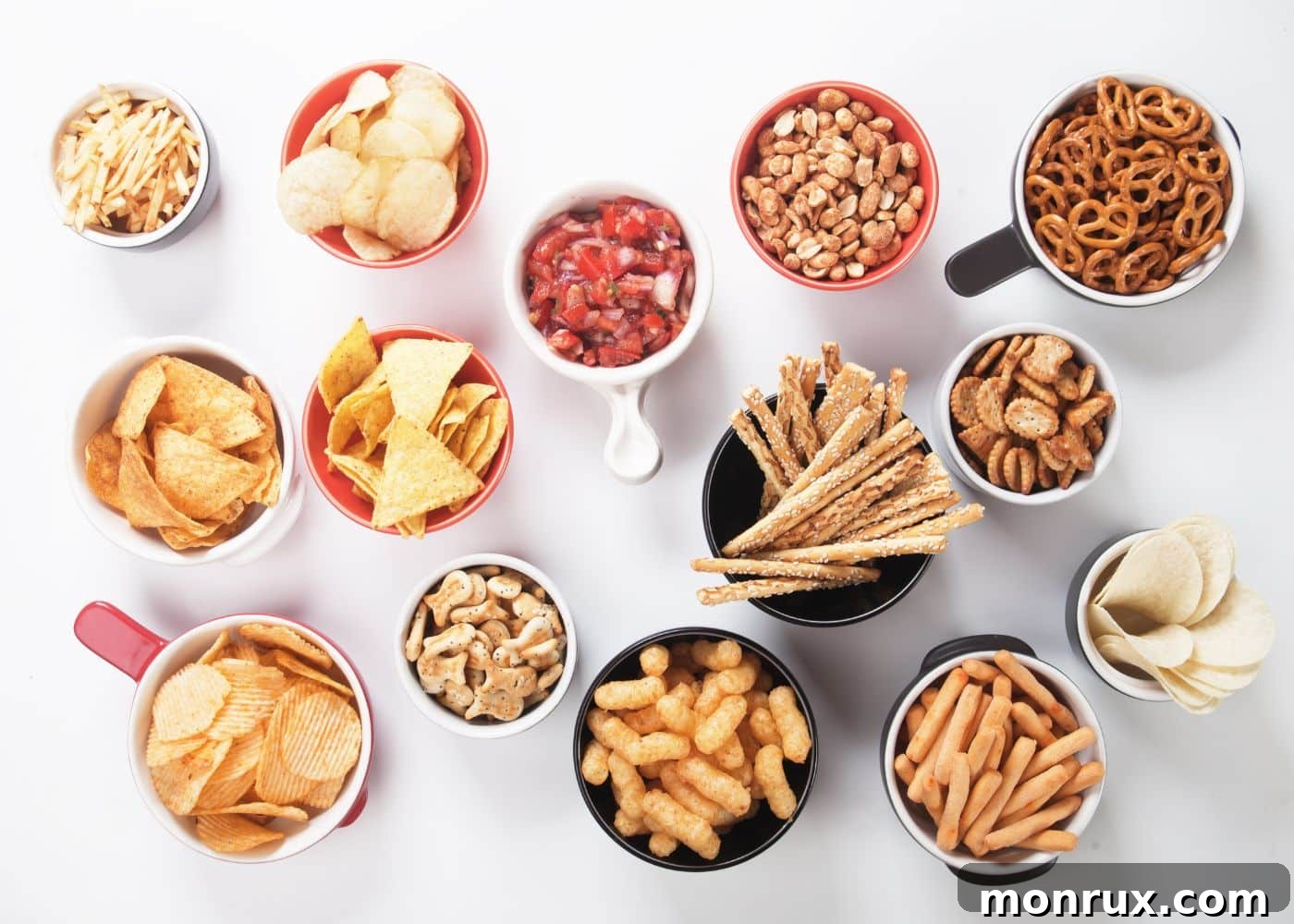
Delicious Low-Histamine Snacks: Your Guide to Symptom-Free Snacking
Living with histamine issues can often feel like navigating a minefield, especially when it comes to food. Many people find that specific foods trigger or worsen their symptoms, making meal and snack times a source of anxiety. While dietary restrictions can be challenging, the good news is that a low-histamine diet doesn’t mean sacrificing delicious and satisfying snacks. In fact, there’s a world of safe and enjoyable options waiting for you. This comprehensive guide will explore a variety of low-histamine snacks you can easily prepare at home or find in stores, ensuring your snacking remains both delightful and symptom-free.
Histamine is a naturally occurring chemical compound in the body, playing several vital roles. It acts as a neurotransmitter, transmitting messages between the brain and nervous system, and is crucial for digestion and a healthy immune response. When allergens are detected, for instance, histamine is released to protect the body.
However, for some individuals, the body’s histamine levels can become excessively high, leading to a condition known as histamine intolerance. This imbalance often occurs when there’s a deficiency in the enzyme diamine oxidase (DAO), which is responsible for breaking down histamine consumed through food. When DAO can’t keep up, histamine accumulates, triggering a range of symptoms from headaches and digestive issues to skin rashes and respiratory problems.
Adopting a low-histamine diet is a key strategy for managing histamine intolerance. By consciously avoiding foods known to contain high levels of histamine, or those that trigger its release, you can significantly reduce the frequency and severity of your symptoms. This dietary approach focuses on fresh, unprocessed foods and careful preparation methods. For a deeper dive, learn more about getting started on a low-histamine diet.
Low-Histamine Snack List Summary
Discover delicious and safe snacking options on your low-histamine journey. Click on each item below for more detailed information and recipe ideas!
- Rice cakes
- Low-histamine fruits
- Popcorn
- Tortilla chips
- Zucchini chips
- Golden milk
- Chia pudding
- Pretzels
- Carrots
- Smoothie with low-histamine fruits
- Roasted chickpeas
- Handful of low-histamine nuts
- Hard-boiled eggs
- Deviled eggs
- Trail mix with low-histamine nuts and seeds
- Hummus
- Kale chips
- Dragon fruit smoothie
- Sliced cucumber
- Cottage cheese
- Homemade energy balls
21 Low-Histamine Snacks
Embracing a low-histamine diet means finding creative and delicious alternatives to histamine-rich foods. The following list offers a diverse range of low-histamine snacks, perfect for satisfying your cravings and keeping hunger at bay without triggering unwelcome symptoms.
Each of these options is crafted from ingredients generally well-tolerated on a low-histamine regimen. Many are also suitable for individuals with other food intolerances or can be easily adapted for specific food allergies, making them versatile additions to your dietary plan.
1. Rice Cakes
Rice is a staple low-histamine food, making rice-based snacks an excellent choice for those managing histamine intolerance. Rice cakes are not only incredibly low in calories but also come in wholesome versions made from brown rice, offering added fiber and nutrients. They provide a satisfying crunch and a neutral base for a variety of toppings.
For a quick and effortless snack, enjoy them plain. The market now boasts numerous flavored rice cakes, making it simple to discover a brand that caters to your taste preferences. Be mindful of ingredients in flavored versions to avoid hidden high-histamine components.
To create a more substantial and nourishing snack, try spreading your rice cakes with plain cream cheese (if tolerated) or homemade hummus. When making hummus, consider omitting lemon juice, which can be a histamine trigger for some, and opt for a dash of apple cider vinegar instead to achieve a similar tangy flavor. Top with fresh herbs like chives or parsley for added freshness.
Packaged version recommendation: Look for brands like Lundberg Family Farms Organic Brown Rice Cakes, known for their minimal and clean ingredient lists.
2. Low-Histamine Fruits
Fortunately, the world of fruit is vast and vibrant, and many delicious varieties are perfectly safe for a low-histamine diet. The key is to always opt for fresh, ripe (but not overripe) fruit, as histamine levels can increase with fermentation or prolonged storage.
These histamine-friendly fruits include:
- Apples (especially green apples)
- Fresh Apricots
- Blackberries
- Blueberries
- Cherries
- Coconut (fresh or shredded, unsweetened)
- Cranberries
- Fresh Dates
- Fresh Figs
- Grapes
- Kiwifruit
- Lingonberries
- Lychees
- Mangoes
- Melons (cantaloupe, honeydew, watermelon)
- Nectarines
- Passion Fruit
- Peaches
- Persimmons
- Pomegranates
To add an exciting twist to your fruit snacks, consider freezing some. Frozen grapes, for example, transform into refreshing, bite-sized treats. You can also create a simple, vibrant fruit salad, enhanced with a scattering of fresh mint leaves for an aromatic touch. For a more elaborate option, try adapting this Ambrosia Salad recipe, ensuring it’s made with fresh, low-histamine fruits and free from high-fructose corn syrup or other problematic ingredients.
A crucial reminder for a low-histamine diet: always **choose fresh fruits** over dried fruits. Dried fruits undergo a process that can increase their histamine content and often contain added sulfites, which can also be problematic for sensitive individuals.
3. Popcorn

Good news for snack lovers: popcorn generally isn’t restricted on a low-histamine diet. However, individual sensitivities vary, so it’s wise to start with a small portion and observe how your body reacts. This “test and see” approach is often valuable when introducing new foods on a restricted diet.
The safest and most recommended option is to **make your own popcorn at home**. This allows you complete control over the ingredients, ensuring no hidden histamine triggers. Try air-popping kernels or popping them on the stovetop in a small amount of low-histamine oil, such as coconut oil, which is also well-tolerated. Finish with a simple sprinkle of sea salt for a classic, whole-grain treat.
For additional flavor without the histamine risk, consider adding a drizzle of pure honey or a dusting of low-histamine spices like cinnamon, turmeric, or ginger powder. These spices not only enhance flavor but also offer their own anti-inflammatory benefits.
If you opt for a **store-bought variety**, meticulously check the ingredient label. Seek out brands with the fewest additional ingredients, ideally just popcorn, oil, and salt. Avoid microwave popcorn, which often contains problematic additives and chemicals. A good option to consider is LesserEvil Organic Popcorn with Coconut Oil.
For further insights into commercial popcorn brands, you might find my related article, “Is Skinny Pop Good For You?” helpful.
4. Tortilla Chips
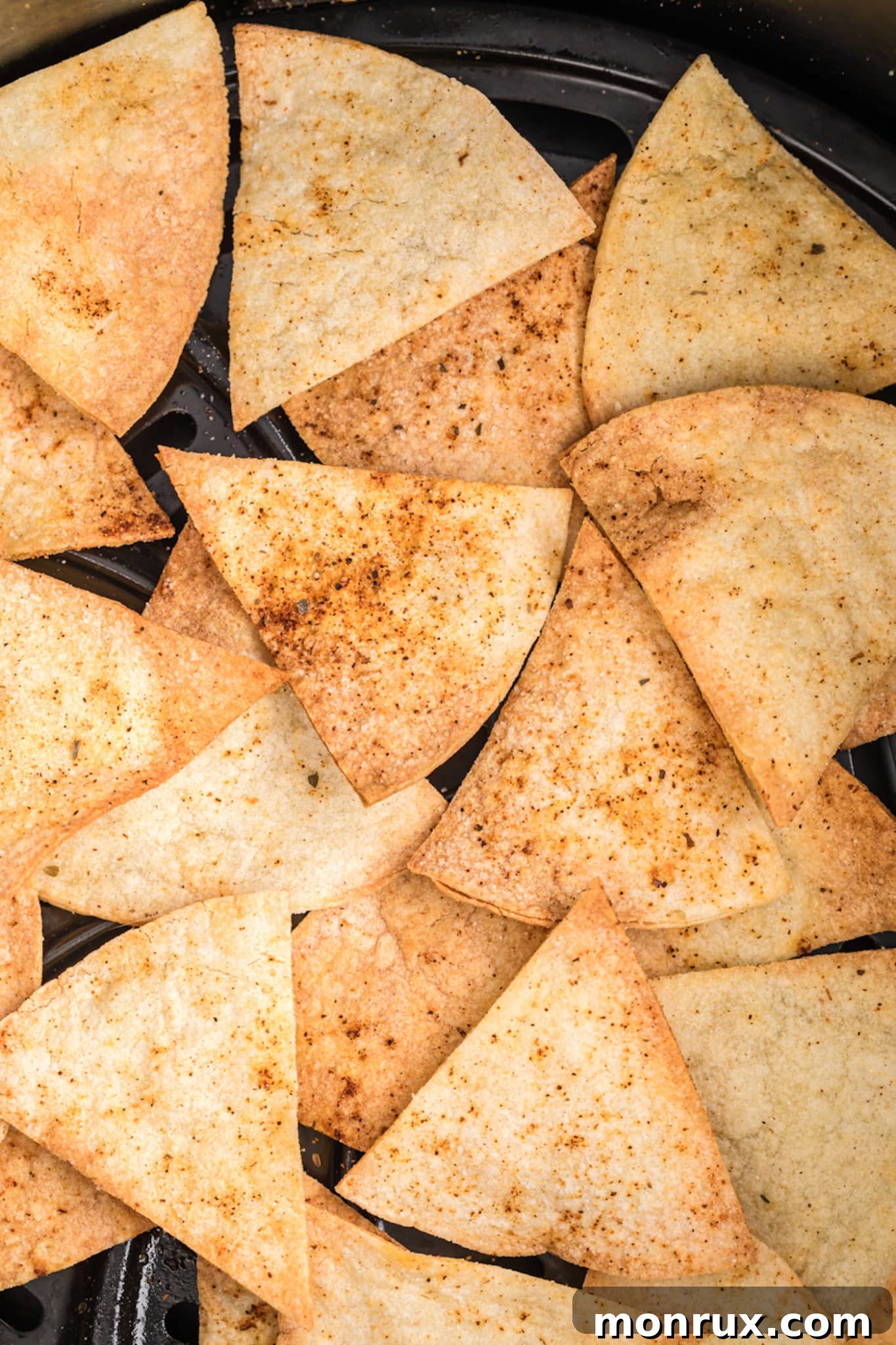
Since corn is a low-histamine food, tortilla chips made from 100% corn can be a delightful and worry-free snack on your low-histamine diet. These crispy chips offer a satisfying crunch and are incredibly versatile for dipping.
Elevate your tortilla chip experience by pairing them with homemade hummus (remembering to adjust for lemon juice sensitivity, perhaps using apple cider vinegar instead), a histamine-friendly veggie puree, or a fresh salsa crafted without tomatoes (think mango or cucumber salsa). This adds both flavor and nutritional value to your snack.
For an even healthier and fresher low-histamine snack, consider making your own baked tortilla chips. It’s surprisingly simple:
- Preheat your oven to 350°F (175°C).
- Cut fresh corn tortillas into wedges.
- Arrange the wedges in a single layer on a baking tray.
- Bake for about 5 minutes, then flip them, sprinkle lightly with sea salt, and bake for another 6 to 8 minutes, or until they turn a pale golden color and are crisp. Keep a close eye on them to prevent burning.
Alternatively, try this convenient recipe for Air Fryer Tortilla Chips for a quick and easy method.
If you prefer to buy your tortilla chips, my packaged version recommendations include Late July Organic Sea Salt Thin & Crispy Tortilla Chips or Siete Grain-Free Tortilla Chips (Sea Salt), both known for their quality ingredients and minimal processing.
5. Zucchini Chips
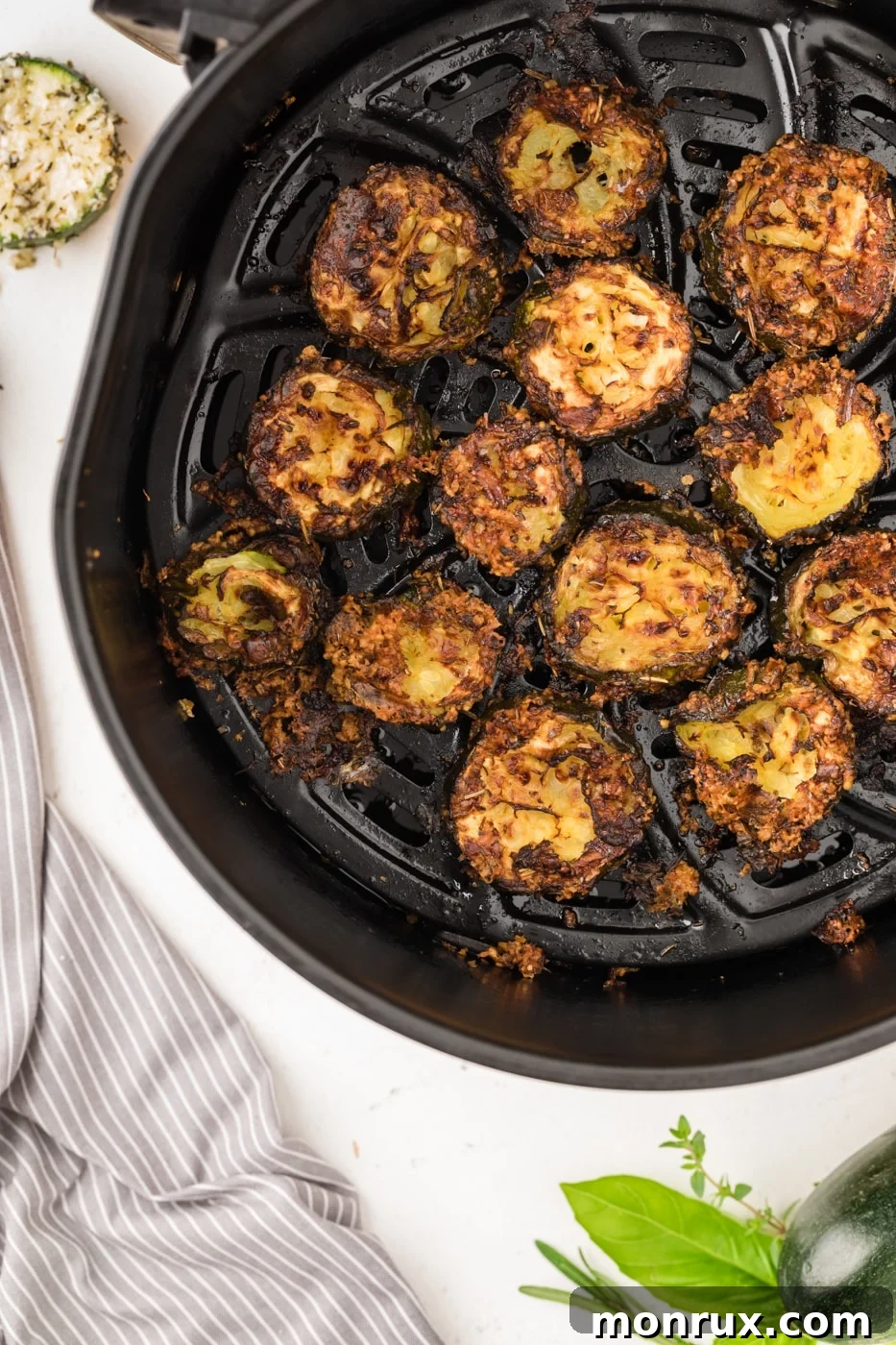
Zucchini is a fantastic choice for a low-histamine diet, being naturally low in both histamines and calories, yet rich in essential nutrients like Vitamin C and potassium. While a plain plate of cooked zucchini might not inspire every palate, transforming it into crispy chips offers a highly satisfying and savory snack alternative.
Zucchini chips are remarkably easy to prepare and brilliantly satisfy that craving for something crunchy. Here’s how you can make them at home:
- Preheat your oven to a low 225ºF (107°C) and line a baking sheet with parchment paper.
- Slice your zucchini as thinly as possible. A mandoline slicer is ideal for achieving uniform, paper-thin slices, which are crucial for crispiness.
- Blot the zucchini slices thoroughly with paper towels to remove as much moisture as possible. This step is critical for preventing soggy chips.
- Arrange the slices in a single layer on the prepared baking sheet.
- Lightly brush them with a low-histamine oil (like olive oil or coconut oil) and sprinkle with sea salt.
- Bake for approximately 2 hours, flipping them halfway through, until they are dried out and delightfully crisp. Cooking time may vary depending on slice thickness and oven.
For an even quicker method, you can also try this recipe for Air Fryer Zucchini Chips, which significantly cuts down on cooking time.
If you prefer to **buy zucchini chips** suitable for a low-histamine diet, look for simple, sea salt-flavored options like Rhythm Superfoods Organic Zucchini Chips, ensuring no problematic seasonings or additives are included.
6. Golden Milk
Golden milk, a traditional Indian beverage, is a soothing and flavorful snack that can be wonderfully adapted for a low-histamine diet. It’s typically made from a warming blend of milk, potent turmeric, and other beneficial spices like ginger. Turmeric, in particular, is lauded for its anti-inflammatory properties and its potential to act as a natural antihistamine.
Fresh, pasteurized cow’s milk is generally well-tolerated by many on a low-histamine diet. However, if dairy is a concern for you, excellent plant-based alternatives exist. Rice milk or coconut milk are both fantastic choices that complement the spices beautifully and often have a natural sweetness that enhances the drink’s flavor profile.
To prepare your own homemade golden milk, which offers the freshest and most potent benefits:
- Gently warm 2 cups of your chosen milk (dairy or plant-based) in a saucepan.
- Add a teaspoon of finely grated fresh ginger, a teaspoon of grated fresh turmeric (or ½ teaspoon of high-quality turmeric powder), and a pinch of ground ginger. While ground cinnamon is a common ingredient, it’s often recommended to avoid it on a low-histamine diet, so consider skipping it or opting for a very small amount if you know you tolerate it.
- Simmer gently for 5-10 minutes, allowing the flavors to meld and the milk to take on a deep yellow hue.
- Strain the mixture into your cup to remove any solids and enjoy this comforting, health-boosting beverage.
While prepared golden milk mixes and powders are available online, they can be more expensive and may not offer the same fresh taste and health benefits as a homemade version. If you choose to buy, look for clean ingredient lists. Some brand options that might be suitable include Gaia Herbs Golden Milk or Turmaquik Golden Milk Blend, but always review the full ingredient list for any potential triggers.
7. Chia Pudding
Chia seeds are an exceptional ingredient for a low-histamine diet. They are naturally low in histamine and packed with an impressive array of nutrients, including dietary fiber, plant-based protein, and essential omega-3 fatty acids. Their unique ability to absorb liquid and form a gel makes them perfect for creating a satisfying and nutrient-dense snack.
A chia pudding is a fun and easy way to incorporate these super seeds into your diet. Chia seeds are hydrophilic, meaning they can absorb up to 12 times their weight in liquid, developing a unique mucilaginous coating that gives the pudding its signature gel-like texture. This also contributes to a feeling of fullness, making it an excellent snack to curb hunger between meals.
There are countless ways to customize your chia pudding, but one of the simplest and most effective recipes involves just a few ingredients:
- Combine 2 tablespoons of chia seeds with ½ cup of your preferred milk in a jar or container. You can use cow’s milk (if well-tolerated) or any plant-based milk like rice, oat, or coconut milk.
- If desired, add a touch of natural sweetness with honey or agave syrup.
- Stir well to ensure the seeds are evenly distributed and don’t clump at the bottom.
- Allow the mixture to soak for a minimum of 2 hours, or ideally, overnight in the refrigerator. This allows the seeds to fully expand and create that desirable pudding consistency.
For a specific and delicious recipe, try this Whole30 Vanilla Bean Chia Pudding, which can be easily adapted for your low-histamine needs. Serve your finished pudding topped with slices of any of the low-histamine fruits mentioned earlier or a sprinkle of shredded, unsweetened coconut for added texture and flavor. It’s a truly delicious and guilt-free treat!
As an easy packaged version for on-the-go, try the Mamma Chia Organic Chia Squeeze, but always check the specific flavor for additional ingredients. You can also read my Mamma Chia nutrition review for more details.
8. Pretzels
Hard pretzels can be a surprisingly convenient and satisfying snack option for a low-histamine diet. Unlike many common snack foods, pretzels are typically baked rather than fried, making them a generally healthier choice. Their crisp texture and savory flavor make them a popular alternative to chips or crackers.
However, when selecting store-bought pretzels, vigilance is key. Many commercial brands can be quite high in sodium, which some individuals prefer to limit. Look specifically for low-sodium or unsalted varieties to maintain better control over your salt intake. These plain pretzels are excellent on their own, or they can be paired with a low-histamine dip, such as homemade lemon-free hummus, for an enhanced snacking experience.
If you enjoy baking, you’ll find numerous recipes online for making your own pretzels. This allows for complete control over ingredients, ensuring they are free from any potential histamine triggers or unwanted additives. If the traditional pretzel shape seems daunting, don’t worry – you can easily bake pretzel rods or even small pretzel bites, which are just as delicious and much simpler to form.
Some reliable packaged versions to consider include Snyder’s of Hanover Unsalted Mini Pretzels, which are widely available, or Quinn Snacks Gluten-Free Pretzels (Touch of Honey), for those seeking gluten-free options. Always double-check ingredient lists for any new varieties you consider.
9. Carrots
Carrots are a nutritional powerhouse and an ideal low-histamine snack. Fresh carrot sticks offer a delightful crunch and a naturally sweet, refreshing flavor. Beyond their simple appeal, carrots are an excellent source of vitamins, minerals, and dietary fiber, and are particularly rich in beta-carotene, an antioxidant that the body converts to Vitamin A, crucial for supporting eye health and immune function.
While plain carrot sticks are a classic, carrots are incredibly versatile and can be transformed into a variety of more exciting snacks:
- Carrot Chips: Thinly slice carrots and bake or air fry them until crispy for a sweet and savory chip alternative.
- Honey-Glazed Roasted Carrots: Roast carrot chunks with a light drizzle of honey (if tolerated) and a pinch of salt for a warm, comforting snack.
- Carrot Fritters: Grate carrots and mix them with a simple batter of eggs and a low-histamine flour (like rice flour or gluten-free oat flour) to create savory fritters.
For more inspiration and specific recipes, explore some of my favorite carrot preparations: Air Fryer Baby Carrots, Instant Pot Carrots, and a refreshing Carrot Juice Recipe with Orange & Ginger (ensure ginger is well-tolerated).
You might also find complementary snack ideas in my related article detailing the best gluten-free and dairy-free snacks, many of which are also naturally low in histamine.
10. Smoothie with Low-Histamine Fruits
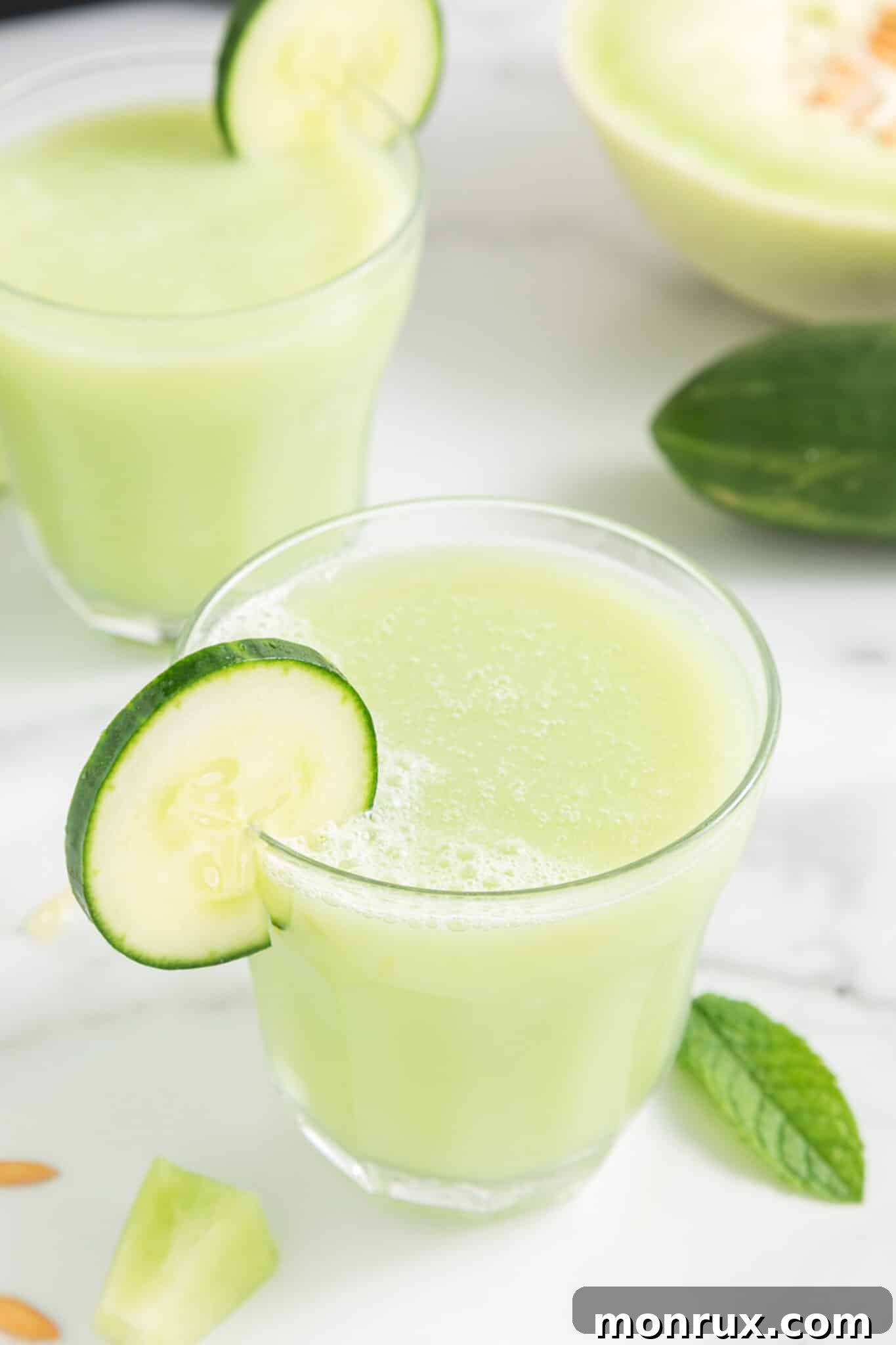
Smoothies are an incredibly efficient and delicious way to incorporate a generous serving of healthy fruits into your diet, even on the most hectic days. For those managing histamine intolerance, smoothies offer a distinct advantage: you can carefully select ingredients to ensure they are low in histamine, preventing any aggravation of your symptoms.
The key to a histamine-friendly smoothie lies in your choice of fruits and liquids. Combine any of the delightful low-histamine fruits mentioned earlier, such as blueberries, mangoes, peaches, or honeydew melon. These fruits provide natural sweetness, vibrant color, and a wealth of vitamins and antioxidants without the histamine risk.
For the liquid base, coconut milk is an excellent dairy-free alternative if cow’s milk presents issues for you. Other fantastic options include rice milk or oat milk, both of which are generally well-tolerated. To boost the nutritional content and achieve a thicker, more satisfying texture, consider adding a tablespoon of chia gel (chia seeds soaked in water) or a sprinkle of flax seeds. These additions provide healthy fats, fiber, and protein, making your smoothie a more complete snack.
My website features a multitude of smoothie recipes, many of which utilize low-histamine fruits. For instance, my Honeydew Smoothie is a perfect example of a refreshing and safe option. Remember to **avoid smoothie recipes that include high-histamine fruits** like strawberries, raspberries, citrus fruits, or bananas, which can trigger symptoms for sensitive individuals.
11. Roasted Chickpeas
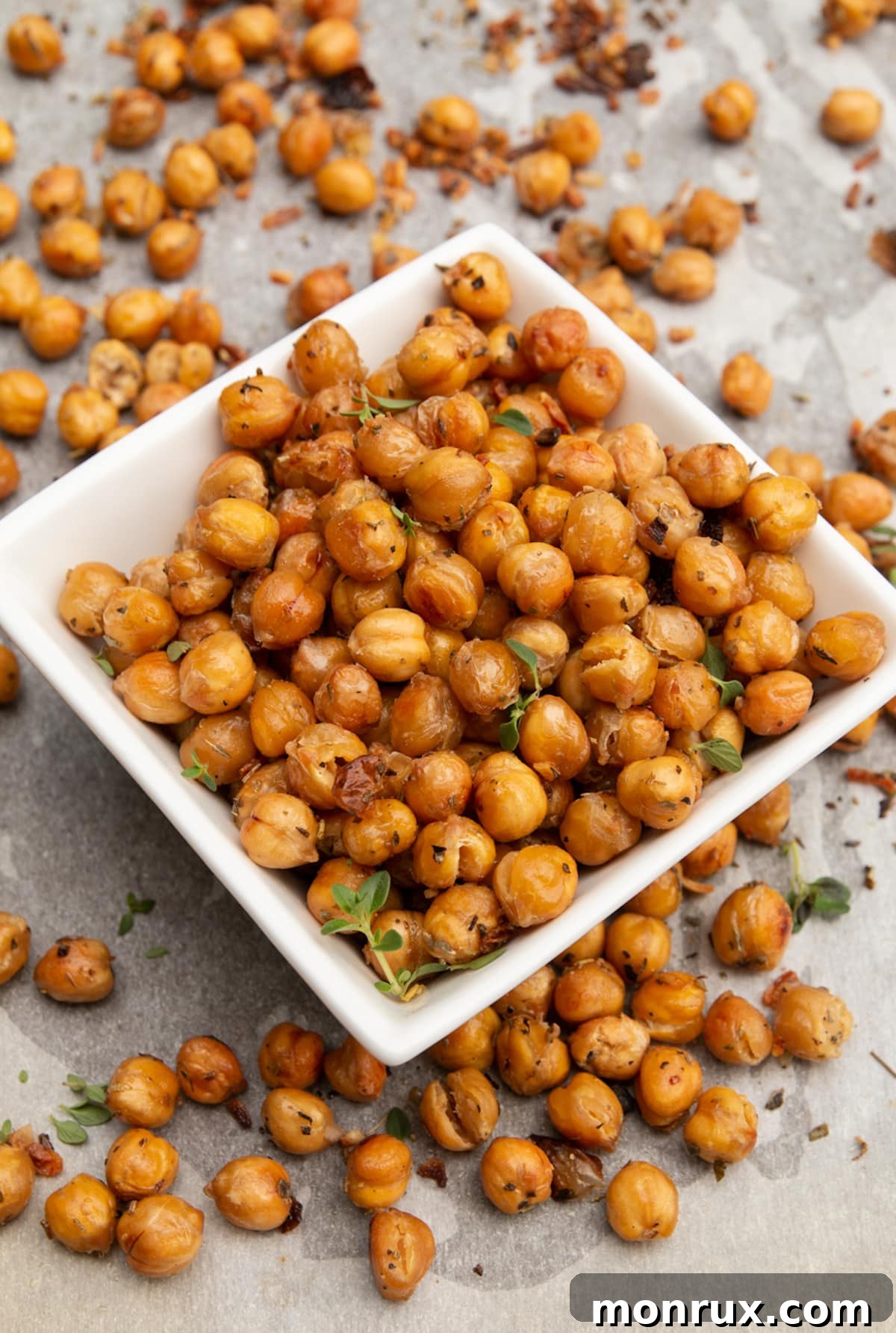
Once you discover the irresistible crunch and savory flavor of roasted chickpeas, they are sure to become a staple in your low-histamine snack repertoire! These legumes are packed with plant-based protein and dietary fiber, making them incredibly satisfying and a smart choice for sustained energy. As a bonus, chickpeas are generally considered a low-histamine food, and their versatility allows for endless flavor combinations.
While you can find roasted chickpeas in most grocery stores, making your own at home is far more economical and gives you complete control over the ingredients, ensuring no unwanted additives or high-histamine spices. Here’s a simple method to achieve perfectly crispy roasted chickpeas:
- Start with one can of chickpeas (drained and rinsed thoroughly) or an equivalent amount of cooked chickpeas.
- Preheat your oven to a high 425°F (220°C).
- The most crucial step for crispiness: spread the chickpeas out on a clean kitchen towel and dry them thoroughly. Any residual moisture will prevent them from becoming crunchy. You can even gently rub them to help remove some of the skins, which can also aid in crisping.
- Toss the dried chickpeas with a small amount of olive oil (a low-histamine fat) and a generous pinch of sea salt. You can also add other low-histamine flavorings like garlic powder, onion powder, or a dash of turmeric.
- Spread the seasoned chickpeas in a single layer on a baking sheet lined with parchment paper.
- Roast for approximately 20 to 30 minutes, stirring halfway through, until they are golden brown and wonderfully crispy. Keep a close watch, as they can go from perfectly roasted to burnt very quickly.
For a quicker preparation, try these Air Fryer Chickpeas. If purchasing, **consider these brands** known for clean ingredients: Biena Chickpea Snacks (Sea Salt) or The Good Bean Crispy Chickpeas (Sea Salt).
12. Handful of Low-Histamine Nuts
Nuts are an exceptional snack choice, renowned for their concentrated nutrition. They are packed with healthy fats, protein, and fiber, making them superb for boosting energy levels and keeping you feeling full and satisfied throughout the day. However, navigating nuts on a low-histamine diet requires some careful selection, as not all varieties are created equal in terms of histamine content.
Certain nuts, most notably peanuts (which are technically legumes), cashews, and walnuts, are generally considered higher in histamine and are often best avoided by those with sensitivities. Fortunately, this still leaves you with a fantastic array of delicious and beneficial options that are typically well-tolerated. These include:
- Almonds
- Brazil nuts
- Hazelnuts
- Macadamia nuts
- Pecans
- Pistachios
When selecting nuts, it’s crucial to **opt for raw, unsalted varieties**. Avoid heavily processed options like salted, dry-roasted, or honey-roasted nuts, as these often contain unhealthy oils, excessive sodium, added sugars, and sometimes even problematic preservatives or flavorings that could trigger symptoms.
If you find plain raw nuts a bit uninspiring, try lightly roasting them yourself in the oven for a few minutes. This simple step can significantly enhance their natural flavor and aroma. You can also experiment with adding your favorite low-histamine sweet spices like a pinch of cinnamon (if tolerated) or savory spices such as a tiny amount of sea salt or a dash of garlic powder.
If you prefer to buy packaged versions, look for brands committed to minimal processing and pure ingredients, such as Raw Organic Almonds by Terrasoul Superfoods or Now Foods Raw Macadamia Nuts. Always ensure the product is just the nut itself, without any added oils, salts, or sugars.
13. Hard-Boiled Eggs
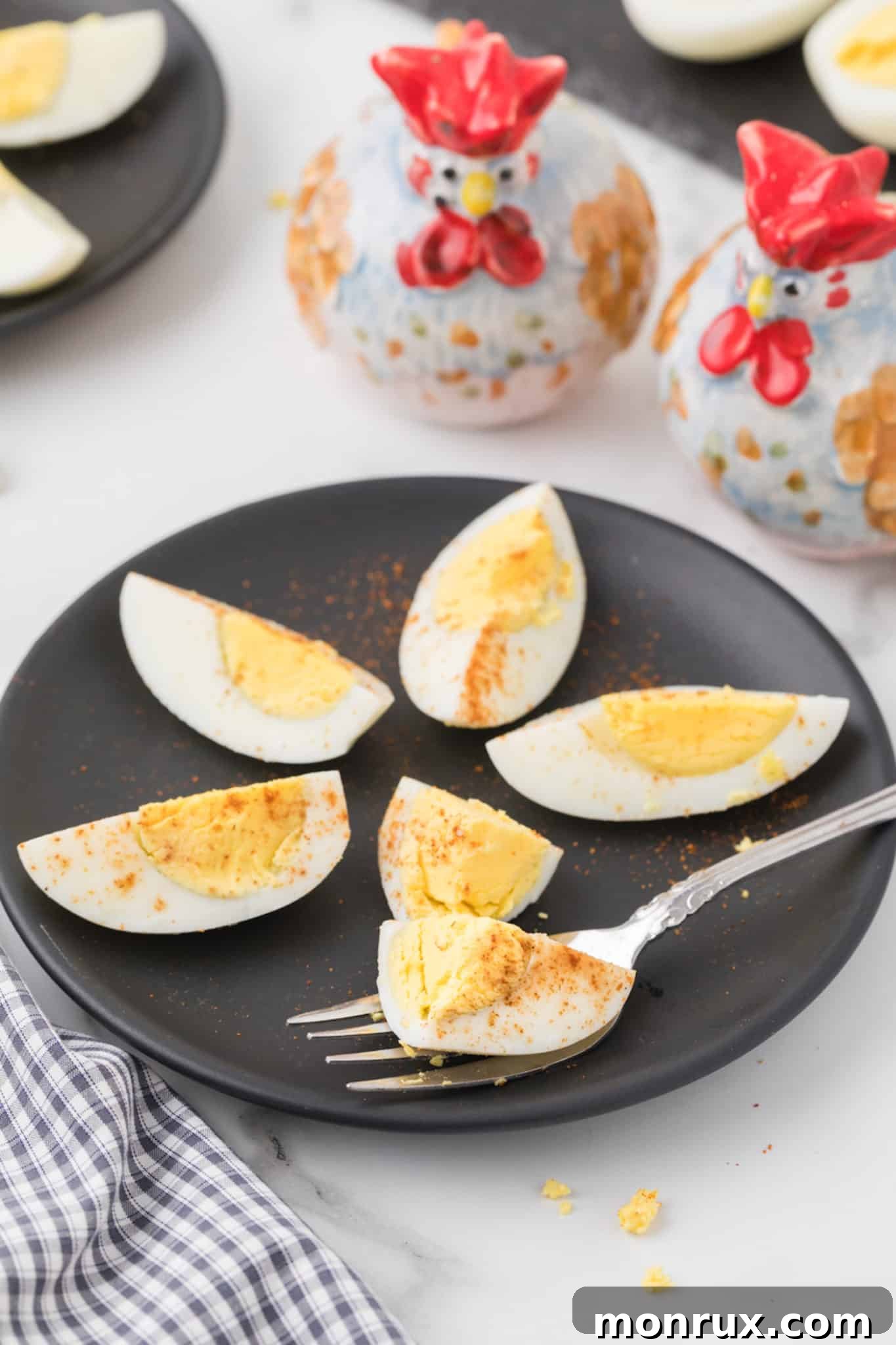
Hard-boiled eggs are a nutritional powerhouse and an exemplary choice for a low-histamine snack. They are not only packed with high-quality protein, making them incredibly satisfying and energy-boosting, but they are also naturally low in histamine. Furthermore, their convenience is unmatched: a batch of hard-boiled eggs can be prepared in advance and stored in the refrigerator for up to 7 days, providing a readily available, grab-and-go snack throughout your week.
While easy to prepare, perfect hard-boiled eggs require a little technique to avoid common pitfalls like a rubbery texture or the unattractive greenish-grey ring around the yolk. Here’s a reliable method:
- Place your eggs in a single layer in a pot.
- Cover the eggs completely with cold water, ensuring there’s about an inch of water above them.
- Place the lid on the pot and bring the water to a rolling boil over high heat.
- Once boiling, immediately remove the pot from the heat (keeping the lid on) and let it stand.
- For large eggs, allow them to stand for approximately 10-12 minutes for a firm, perfectly cooked yolk. Adjust the time slightly if your eggs are smaller or larger.
- Once done, immediately transfer the eggs to an ice bath to stop the cooking process, making them easier to peel.
Hard-boiled eggs are delicious simply seasoned with a pinch of sea salt. If you desire a bit of extra texture or flavor, try slicing them and sprinkling with low-histamine seeds like pumpkin or sunflower seeds. For alternative cooking methods, check out my recipes for Instant Pot Hard Boiled Eggs or Crockpot Hard Boiled Eggs.
14. Deviled Eggs
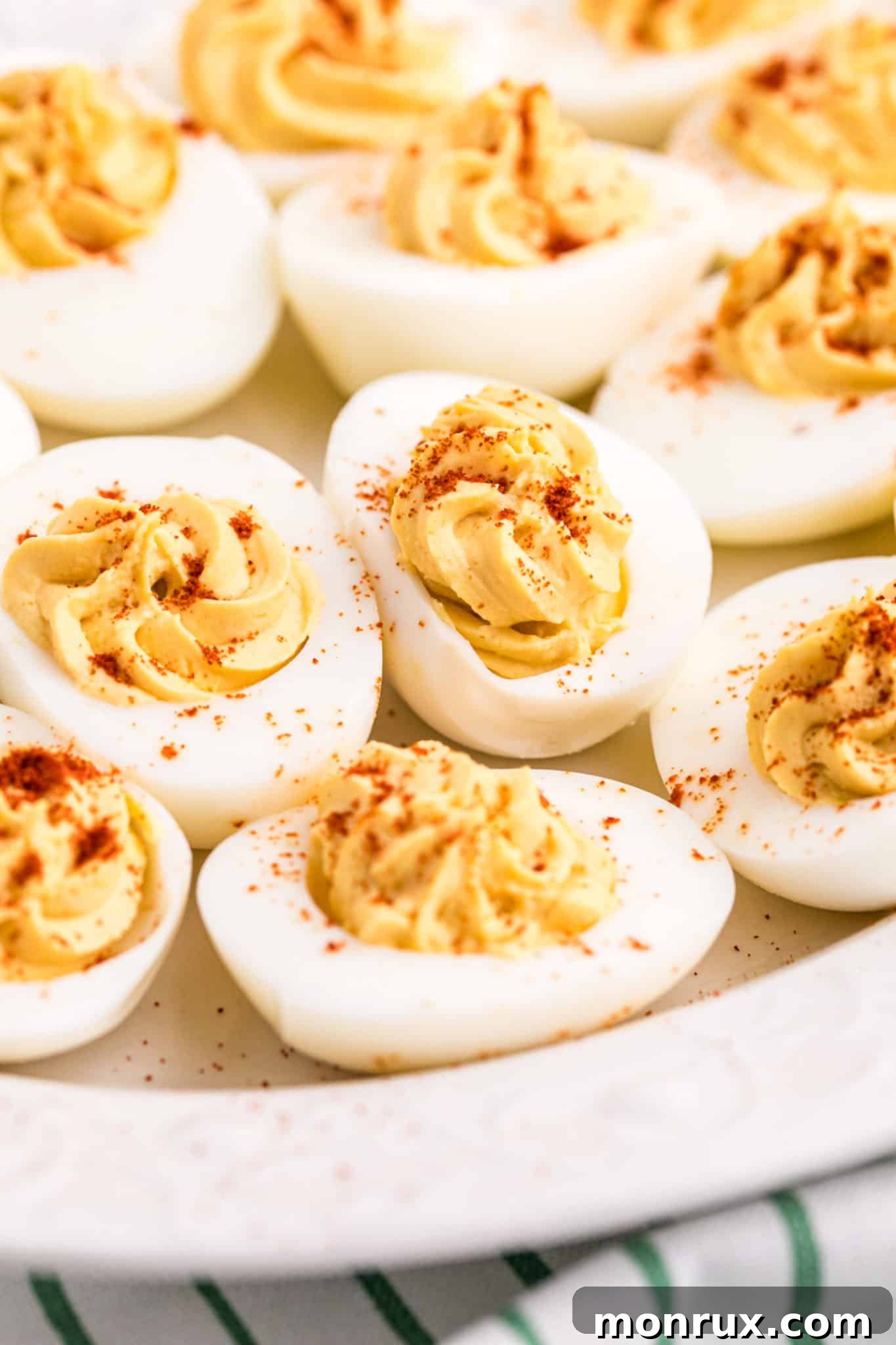
Deviled eggs offer a delightful and flavorful variation on the classic hard-boiled egg, transforming a simple snack into an elegant and satisfying treat. They are remarkably versatile, allowing for a wide range of histamine-friendly ingredient combinations to suit your personal taste.
To prepare deviled eggs, begin by making your hard-boiled eggs as usual (refer to the previous section for best practices). Once cooked and cooled, peel them carefully and slice each egg lengthwise. Gently scoop out the yolks and transfer them to a small bowl. Mash the yolks thoroughly and then mix them with a creamy binder until smooth. Traditionally, mayonnaise is used; however, if mayonnaise is a potential histamine trigger for you (due to ingredients like vinegar or oils that might be inflammatory), a fantastic alternative is to puree plain cottage cheese. Blended cottage cheese provides a similar creamy texture and a mild flavor that works beautifully with the yolks.
See my favorite recipe for Keto Deviled Eggs, which can be easily adapted to be histamine-friendly.
Once you have your creamy yolk mixture, you can get creative with your favorite low-histamine additions. Consider:
- **Salsa (tomato-free):** Opt for a homemade salsa made from diced cucumbers, bell peppers, and fresh herbs.
- **Garlic powder or onion powder:** For a savory kick.
- **Paprika:** A classic deviled egg spice, providing color and mild flavor.
- **Homemade hummus:** A dollop of your lemon-free hummus can add a unique creaminess and flavor.
- **Chopped fresh chives or dill:** For freshness and a hint of oniony flavor.
Spoon or pipe the flavored yolk mixture back into the egg white halves, garnish as desired, and serve. Deviled eggs are a perfect make-ahead snack for gatherings or simply to have on hand for a quick, protein-rich bite.
15. Trail Mix with Low-Histamine Nuts and Seeds
Trail mix is celebrated as a convenient, energy-boosting, and wonderfully satisfying snack, typically comprising a blend of nuts, seeds, dried fruit, and sometimes granola. However, store-bought trail mixes often contain ingredients that are problematic for a low-histamine diet, such as peanuts, cashews, walnuts, and various dried fruits that can elevate histamine levels or contain sulfites.
The optimal solution for enjoying trail mix while managing histamine intolerance is to **create your own homemade version**. This grants you full control over every ingredient, ensuring it aligns with your dietary needs.
To assemble a delicious and safe low-histamine trail mix, begin with a foundation of any of the low-histamine nuts listed previously (almonds, Brazil nuts, hazelnuts, macadamia nuts, pecans, pistachios). Combine these with an assortment of histamine-friendly seeds: shredded unsweetened coconut, chia seeds, flax seeds, hemp seeds, pumpkin seeds, sesame seeds, or sunflower seeds. It’s crucial to **omit dried fruits**, as they are generally high in histamine and can trigger symptoms.
To bind and flavor your mix, gently toss the dry ingredients with a small amount of melted coconut oil and a touch of honey for natural sweetness. A pinch of sea salt and a dash of vanilla extract can further enhance the flavor profile. Once thoroughly mixed, spread the trail mix evenly on a baking sheet.
Bake at a low temperature of 325°F (160°C) for approximately 30 minutes, stirring well every 10-15 minutes, until the mixture is dry, lightly toasted, and crisp. Allow it to cool completely before storing in an airtight container. This DIY approach not only ensures histamine compatibility but also allows you to customize the flavors and textures to your liking.
For a specific recipe, refer to my Keto Trail Mix, which offers a great starting point for customization. If you do consider purchasing pre-made mixes, look for options like Go Raw Sprouted Organic Trail Mix or PaleoValley Superfood Trail Mix, but always meticulously **check for low-histamine ingredients** as formulations can vary significantly.
16. Hummus
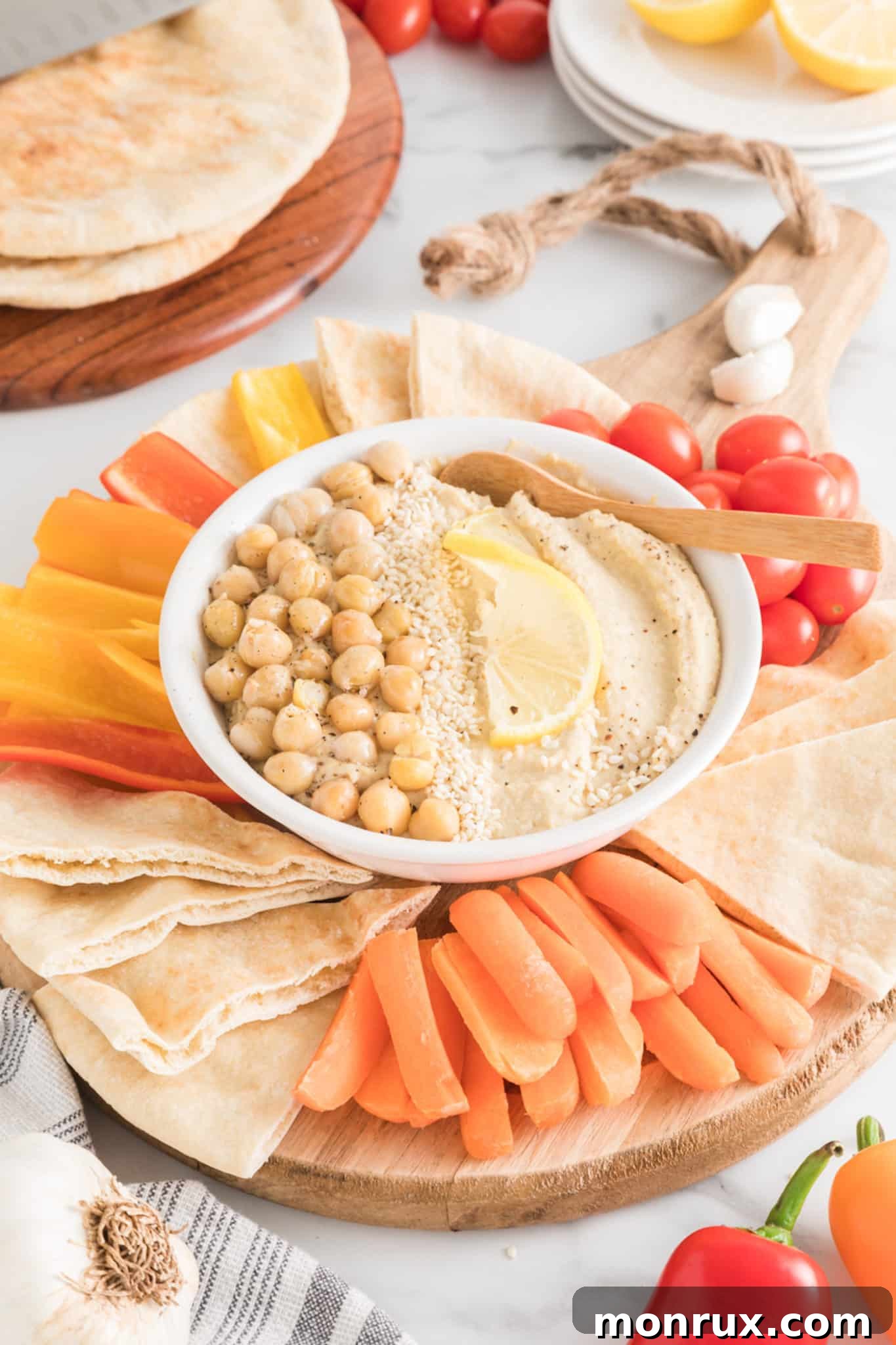
Hummus, a delightful and versatile dip, is typically made from chickpeas, tahini, lemon juice, and various spices. It’s a popular choice for snacking due to its creamy texture and rich, earthy flavor. However, for individuals managing histamine intolerance, the traditional recipe can pose a challenge, primarily due to the lemon juice, which is a known histamine liberator for some. Store-bought hummus can also be problematic due to preservatives or prolonged storage.
To safely enjoy hummus on a low-histamine diet, **making it at home is highly recommended**. This allows you to control the ingredients and avoid potential triggers. The simplest modification is to **omit the lemon juice** entirely. To retain that essential tangy brightness, consider substituting it with a small amount of apple cider vinegar, which is generally better tolerated, or simply rely on fresh herbs for flavor.
In rare instances, some individuals might find even chickpeas difficult to tolerate. If this is your experience, don’t despair! You can still enjoy a “hummus-like” dip by replacing some or all of the chickpeas with roasted and blended vegetables. Excellent low-histamine alternatives include:
- Roasted carrots: lending a sweet and vibrant orange hue.
- Roasted beets: creating a strikingly colored and subtly earthy dip.
- Roasted cauliflower: offering a milder flavor and creamy texture.
These vegetable-based purees can be combined with tahini, olive oil, and histamine-friendly spices to create a delicious and safe dip. You can also try making a legume-free version with this Cashew Hummus recipe, provided you tolerate cashews well.
17. Kale Chips
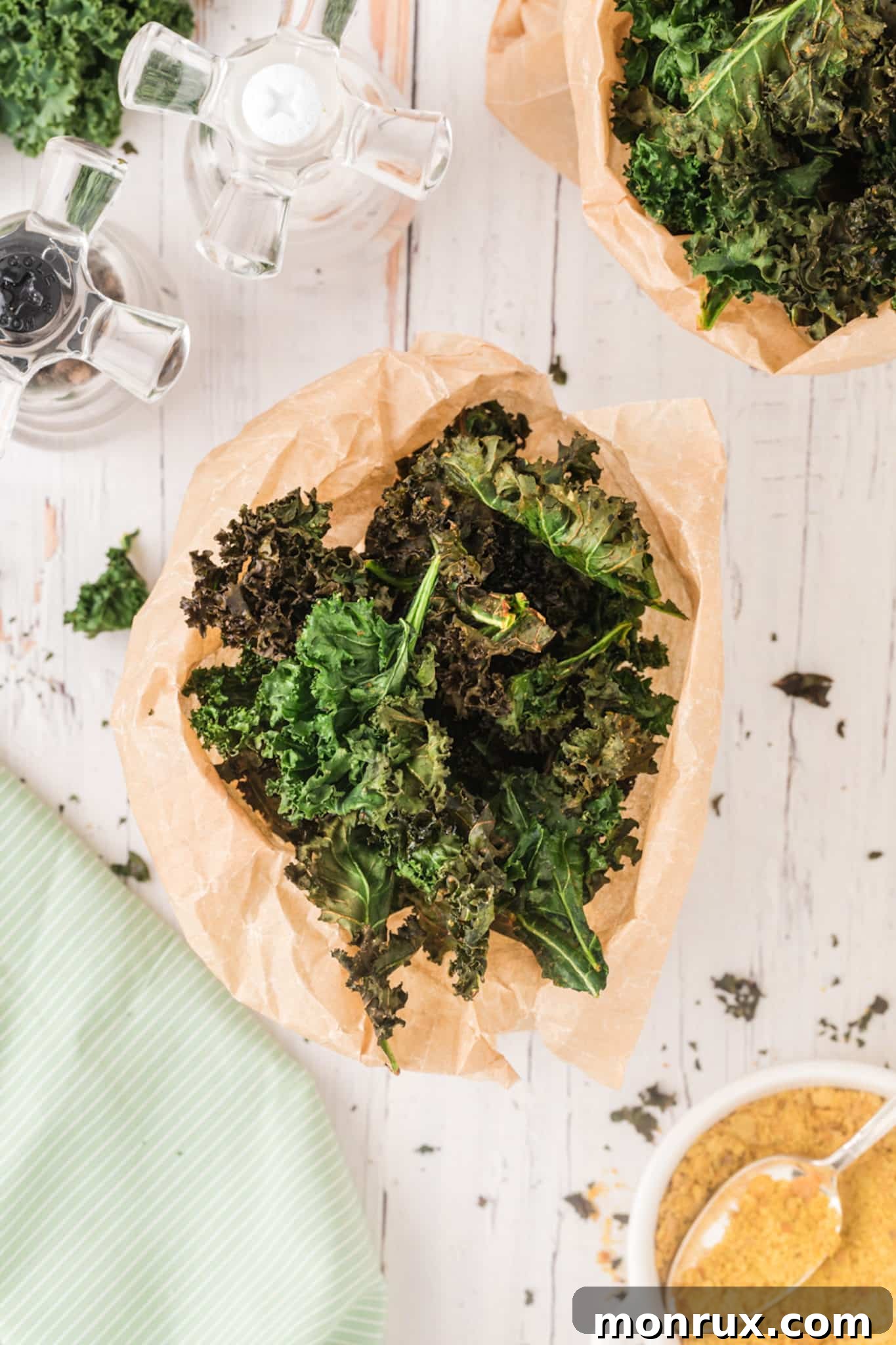
Kale holds the esteemed title of one of the world’s most nutrient-dense green vegetables. It’s brimming with vitamins (especially A, C, and K), minerals, and powerful antioxidants. Regular consumption of kale has been linked to benefits such as helping to lower cholesterol and potentially protecting against certain cancers. Happily, kale is also considered relatively low in histamine, making it a valuable addition to your diet.
While some people enjoy kale in salads or cooked dishes, its often bitter flavor isn’t universally loved. However, when transformed into crispy kale chips, it becomes an utterly delicious and addictive snack that even kale skeptics often enjoy! Store-bought kale chips are available, but they can be quite pricey, and ingredient lists should always be checked carefully. Making them at home is a simple, cost-effective alternative that only takes around 30 minutes from start to finish.
Here’s how to create your own perfectly crispy kale chips:
- Preheat your oven to 300°F (150°C) and line a large baking sheet with parchment paper.
- Take a bunch of fresh kale (curly kale works best) and thoroughly wash it. Remove the tough stems, then tear the leaves into bite-sized pieces.
- This step is crucial for crispiness: dry the kale leaves thoroughly. A salad spinner works wonders, or you can pat them dry with paper towels. Any residual moisture will lead to soggy chips.
- In a large bowl, toss the dried kale pieces with a small amount of olive oil until lightly coated. Then, sprinkle with sea salt to taste. You can also add a pinch of garlic powder or onion powder for extra flavor.
- Spread the kale in a single layer on the prepared baking sheet, ensuring pieces don’t overlap too much for even crisping.
- Bake for 15-20 minutes, or until the edges begin to turn brown and the leaves are delightfully crispy. Watch them carefully, as they can burn quickly.
For more specific guidance, explore my recipes for Oven Baked Kale Chips or my quick and easy Air Fryer Kale Chips.
If you prefer to buy, **packaged versions include**: Rhythm Superfoods Kale Chips (Original) or Brad’s Plant Based Kale Chips (Naked), but always scrutinize the ingredient labels for histamine-friendly components.
18. Dragon Fruit Smoothie
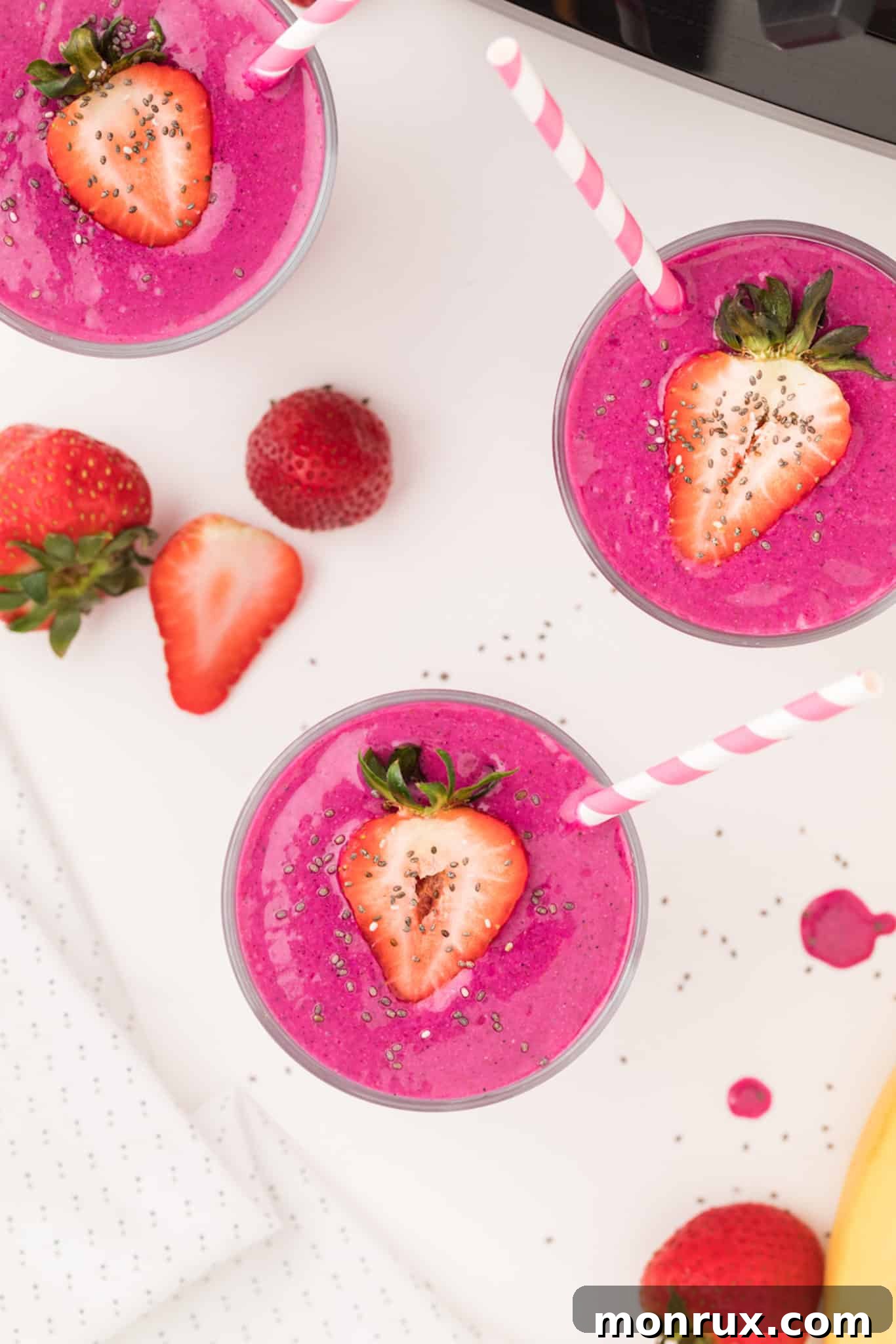
Dragon fruit, with its striking appearance and vibrant color, is a tropical gem that offers more than just aesthetic appeal. This beautiful fruit is a nutritional powerhouse, high in immune-boosting Vitamin C and notable for being one of the few fruits to contain a significant amount of iron. Crucially, dragon fruit is also a fantastic low-histamine choice, making it a perfect base for a refreshing and safe smoothie.
Because fresh dragon fruit has a subtle, mildly sweet flavor, it pairs wonderfully with other naturally sweeter, low-histamine fruits to create a balanced and delicious smoothie. Consider combining it with blueberries, mangoes, or watermelon for a delightful flavor harmony. To enhance the nutritional profile and add some healthy fats and fiber, blend in a tablespoon of chia seeds.
For the liquid base, use your favorite type of low-histamine milk (rice, oat, or coconut milk), or opt for coconut water for an extra hydrating boost. The resulting smoothie will be not only delicious but also visually stunning, making your low-histamine snack truly enjoyable.
Try this specific recipe for a Dragon Fruit Smoothie (ensure banana is ripe but not overripe, or replace with another low-histamine fruit if sensitive). You might also be interested in learning more about the unique characteristics and benefits of Yellow Dragon Fruit.
19. Sliced Cucumber
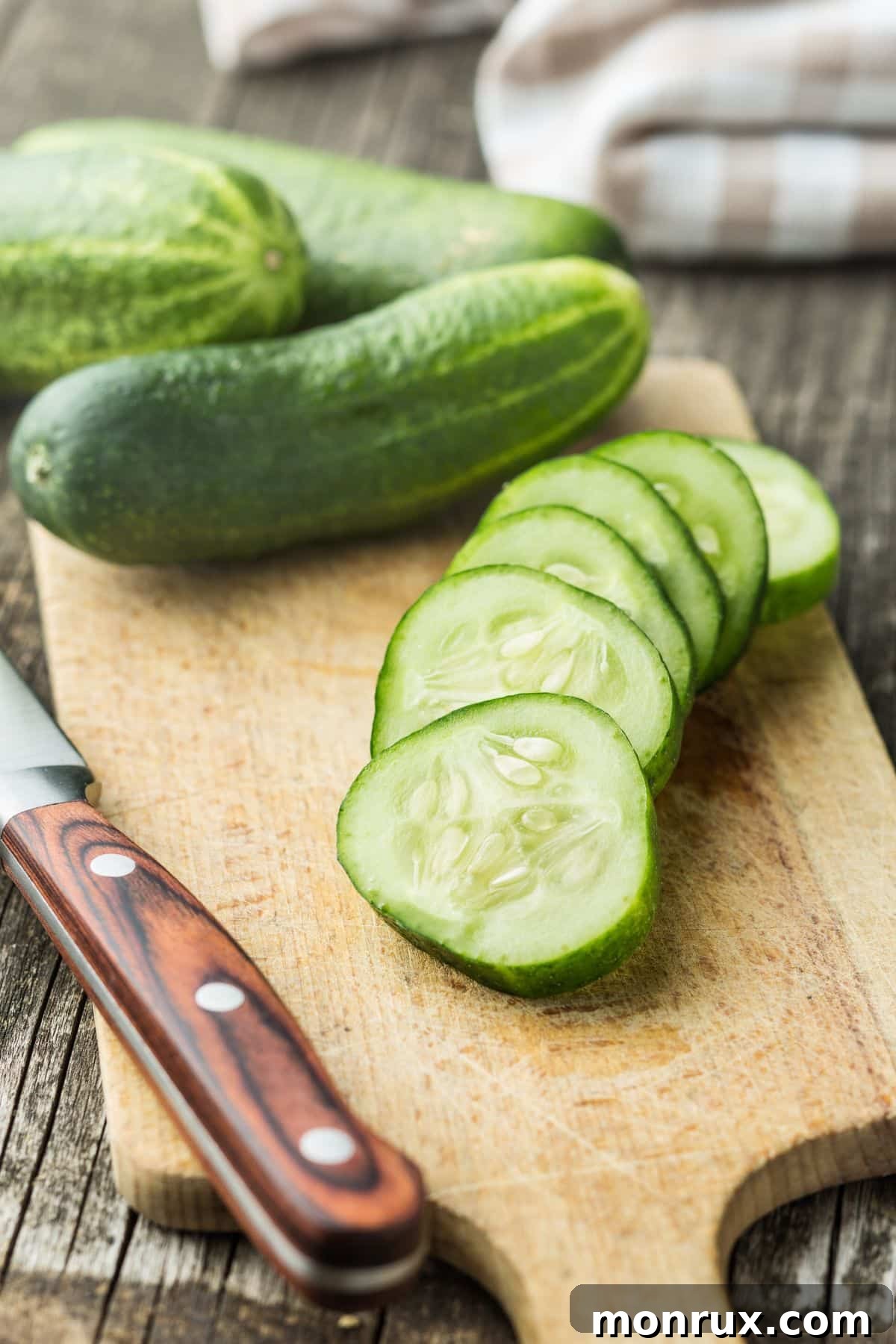
When it comes to simple, refreshing, and genuinely low-histamine snacks, sliced cucumber stands out as a top contender. Composed primarily of water, cucumbers are incredibly hydrating and offer a delightful crispness, making them a perfect palate cleanser and a gentle option for sensitive systems. They are virtually histamine-free and exceptionally versatile.
The beauty of sliced cucumber lies in its simplicity and adaptability. You can enjoy them plain, which is wonderfully refreshing on its own, or elevate their flavor with minimal effort:
- **Herb-infused:** Sprinkle fresh cucumber slices with your favorite low-histamine herbs like fresh dill, mint, or parsley. Dill, in particular, has a natural affinity for cucumber and creates an amazing flavor combination.
- **Creamy Toppings:** For a more substantial snack, top cucumber rounds with a dollop of plain cottage cheese (if tolerated) and a sprinkle of low-histamine seeds like sunflower or pumpkin seeds for added crunch and nutrients.
- **Savory Dips:** Cucumber slices are excellent vehicles for dips. Pair them with homemade, lemon-free hummus, or a creamy blend of pureed cottage cheese for a satisfying and flavorful bite.
Cucumbers are also a fantastic addition to salads, smoothies, or infused water for a burst of fresh flavor. Their mild taste means they won’t overwhelm other ingredients, making them a foundational vegetable for anyone on a low-histamine diet.
20. Cottage Cheese
Cottage cheese is one of the standout dairy options for low-histamine snacking, making it an excellent source of calcium and high-quality protein. Unlike aged cheeses, which are notoriously high in histamine, fresh, unaged cottage cheese is typically well-tolerated by individuals with histamine intolerance. Its unique texture and mild flavor make it a versatile base for both sweet and savory snack preparations.
It’s true that cottage cheese often evokes strong opinions – people tend to either love its lumpy texture or dislike it. However, it’s genuinely worth experimenting with to find a way to incorporate it that suits your preferences. If the characteristic lumpy texture isn’t to your liking, a simple solution is to blend it until completely smooth and creamy. This transforms it into a texture similar to yogurt or a thick dip, opening up new possibilities.
Cottage cheese pairs beautifully with a range of ingredients:
- **Sweet Combinations:** For a delightful sweet snack, serve a bowl of cottage cheese with slices of fresh, low-histamine fruits such as peaches, melons (like watermelon or cantaloupe), or blueberries. To add contrasting texture and a boost of healthy fats, top it with a small handful of low-histamine nuts (like almonds or pecans) or seeds.
- **Savory Combinations:** If you prefer savory flavors, cottage cheese makes an excellent topping for rice cakes or crisp cucumber slices. It can also be enjoyed as a dip with homemade tortilla chips or fresh vegetable sticks.
A crucial **note for dietary restrictions**: cottage cheese is a dairy product, so it is **not suitable for dairy-free or vegan diets**. Always ensure it aligns with all your dietary needs.
21. Homemade Energy Balls
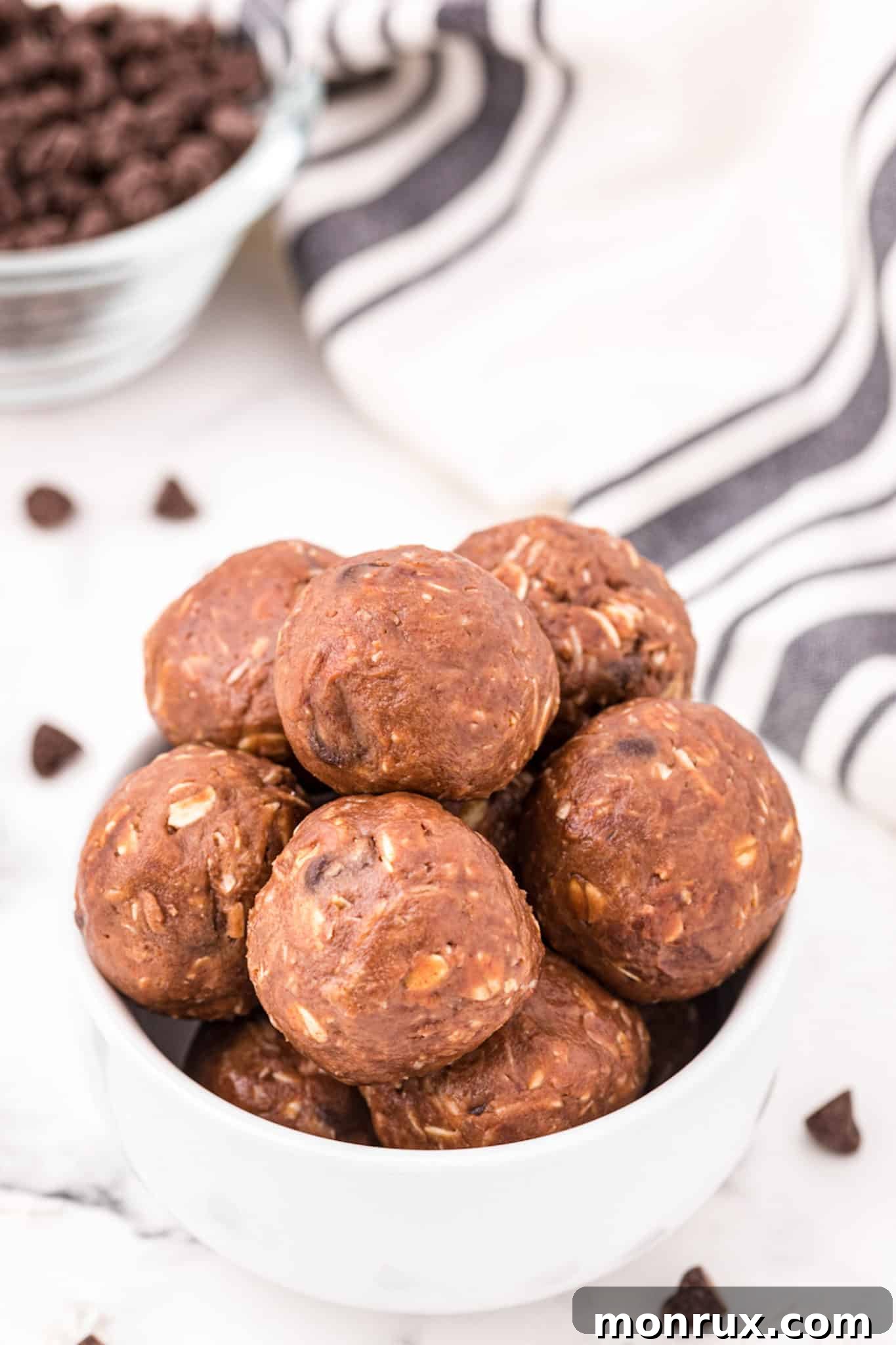
Homemade energy balls are a fantastic, customizable snack designed to provide a sustained release of energy throughout your day. They are typically made with a base of two main ingredients: nut butter and oats. The oats serve as an excellent binder, absorbing oils and holding the ingredients together, while providing complex carbohydrates for lasting fuel. These little powerhouses are packed with both carbohydrates and protein, making them an ideal on-the-go snack.
When preparing energy balls for a low-histamine diet, careful selection of ingredients is paramount. While oats are generally well-tolerated and perfect for this snack, not all nut butters are suitable. It’s essential to **avoid peanut butter**, which is high in histamine. Instead, opt for low-histamine alternatives like **almond butter** or cashew butter (if tolerated). These provide healthy fats and a creamy texture without the histamine risk.
Once you have your base, you can get creative with other healthy, low-histamine additions to taste. Consider incorporating:
- Melted coconut oil: to help with binding and add healthy fats.
- Chia seeds or flax seeds: for an extra boost of fiber and omega-3s.
- A little honey or agave syrup: for natural sweetness.
- Unsweetened shredded coconut: for texture and flavor.
The beauty of energy ball recipes lies in their flexibility. Your primary goal is to create a mixture that, when pressed, forms a cohesive dough that can be easily rolled into balls. Once formed, these energy balls can be stored in an airtight container in your refrigerator for up to 7 days, making them perfect for meal prep. For even longer storage, energy balls freeze exceptionally well, allowing you to prepare a large batch in advance and grab them as needed.
Check out my recipe for Almond Butter Energy Balls as a starting point. If you’re looking for **convenient pre-made options**, consider brands like GoMacro MacroBar Protein Paradise (almond butter-based) or RXBAR Almond Butter Protein Bars, but always thoroughly **check the ingredient list** to ensure all components are low-histamine and suitable for your specific needs.
Low Histamine Snack FAQs
When selecting low-histamine snacks, it’s crucial to steer clear of foods known to be high in histamine or those that act as histamine liberators. Key foods to avoid include aged cheeses, processed meats (like sausages, pepperoni, bacon), fermented foods (such as sauerkraut, kimchi, kombucha, yogurt with live cultures), and anything that has been stored for extended periods, as histamine levels naturally increase over time. Additionally, certain fresh foods like very ripe bananas, avocados, and tomatoes can be problematic. Always avoid leftovers that have been reheated, as histamine accumulates quickly after cooking.
Finding truly low-histamine pre-packaged snacks can be challenging because many contain preservatives, additives, or ingredients that have undergone aging processes. However, some simpler options can be safe. Look for plain rice cakes made with minimal ingredients, unsweetened coconut chips, and certain types of plain crackers that do not contain yeast or aged ingredients. Always make it a habit to meticulously read ingredient labels to identify any hidden high-histamine components, artificial colors, flavors, or problematic additives.
To effectively keep your snacks low in histamine, focus on freshness and minimal processing. Always use the freshest ingredients possible, and prepare snacks immediately before consumption. It’s best to prepare small portions to avoid having leftovers, as histamine begins to accumulate as soon as food is cooked and cooled. If you must store extras, freezing them promptly can help to halt histamine build-up more effectively than refrigeration. Consuming snacks shortly after preparation is the most reliable way to minimize histamine accumulation.
Excellent low-histamine protein sources for snacks include freshly cooked chicken breast or turkey. These meats should be cooked thoroughly and consumed as soon as possible after preparation. Hard-boiled eggs are also a great option, provided they are fresh and eaten shortly after boiling to keep histamine levels at their lowest. Plant-based protein can come from well-tolerated legumes like fresh chickpeas (roasted) or low-histamine nuts and seeds.
When it comes to dairy on a low-histamine diet, freshness is paramount. Fresh, unaged dairy products such as plain cottage cheese and fresh, pasteurized cow’s milk are generally considered lower in histamine than aged cheeses or fermented dairy like traditional yogurt. However, dairy can be a significant trigger for some individuals with histamine intolerance due to other sensitivities, such as lactose intolerance or casein allergy. Therefore, it is essential to monitor your individual response carefully and introduce dairy products cautiously.
Don’t Miss These Low Histamine Diet Resources!
Conclusions
Embarking on a low-histamine diet can initially seem daunting, with worries about severely limited food choices. However, as this comprehensive guide has demonstrated, there’s an abundance of delicious, satisfying, and perfectly safe snacks you can enjoy without the concern of aggravating your symptoms. From crunchy homemade chips and refreshing fruit smoothies to hearty energy balls and savory protein-rich bites, the world of low-histamine snacking is vibrant and full of possibilities.
The key lies in mindful ingredient selection, focusing on fresh, unprocessed foods, and often, simple home preparation. Experiment with different flavors and textures, listen to your body, and discover your personal favorites. Managing histamine intolerance is a journey of discovery, and with these snack ideas, it can be a truly flavorful one!
Don’t forget to join my newsletter list to get exclusive clean eating recipes and tips. The newsletter is 100% free with no spam; unsubscribe anytime.
About the Author: Carrie Forrest has a master’s degree in public health with a specialty in nutrition and is a certified holistic nutritionist. She is a top wellness and food blogger with over 5 million annual visitors to her site. Carrie has an incredible story of recovery from chronic illness and is passionate about helping other women transform their health. Send her a message through her contact form.
Note: this post is for informational purposes only and is not intended as medical advice. Please consult your healthcare provider for recommendations related to your individual situation.