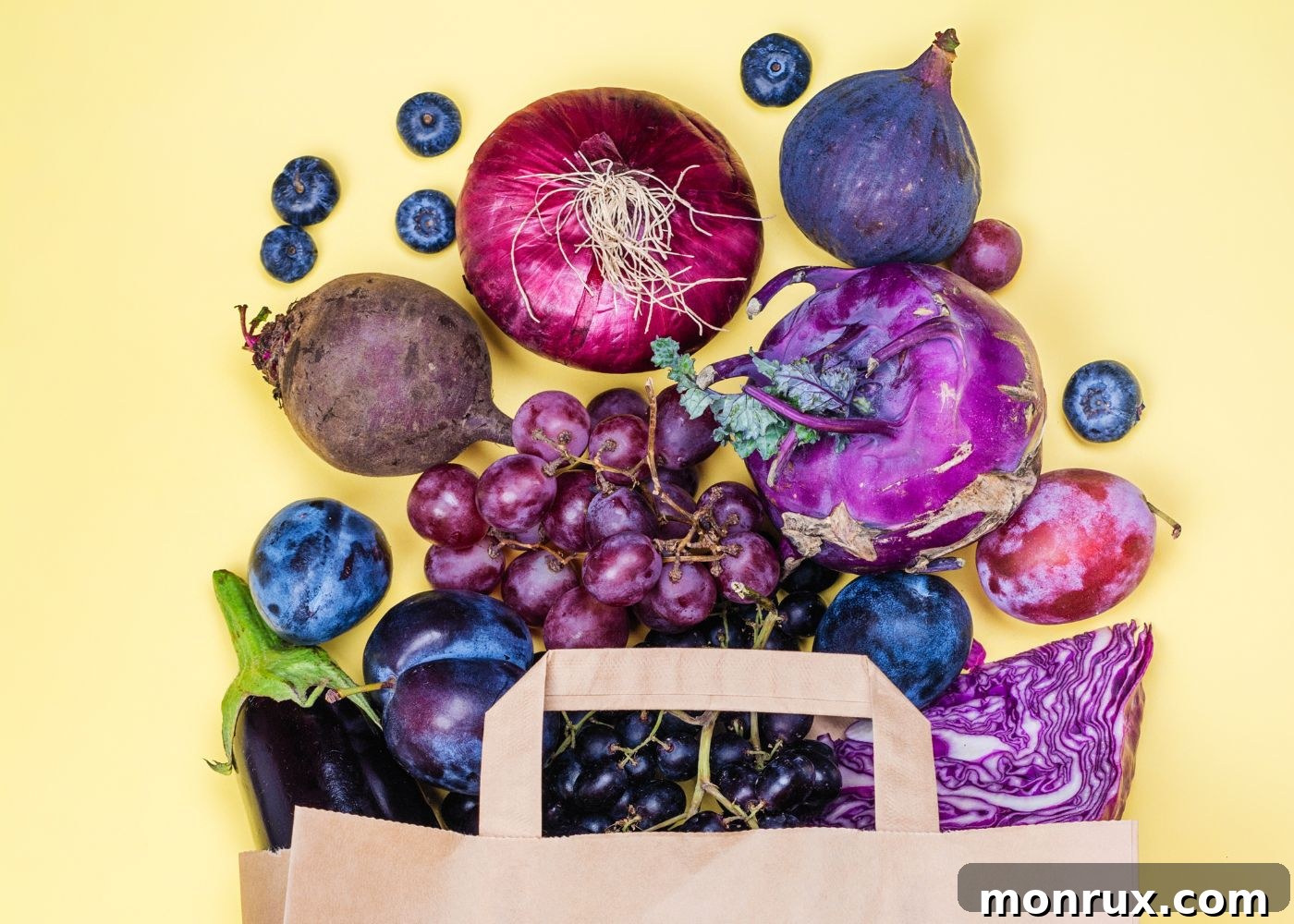
Step into a world where your plate becomes a canvas of vibrant hues, not just for aesthetic appeal, but for profound health benefits. While green, red, and orange vegetables often steal the spotlight, a lesser-known yet equally powerful group exists: blue vegetables. These naturally indigo, violet, and true-blue marvels are more than just a feast for the eyes; they’re packed with unique nutrients that can elevate your health and culinary experience. From unexpected varieties to familiar favorites with a colorful twist, we’re diving deep into the realm of blue produce.
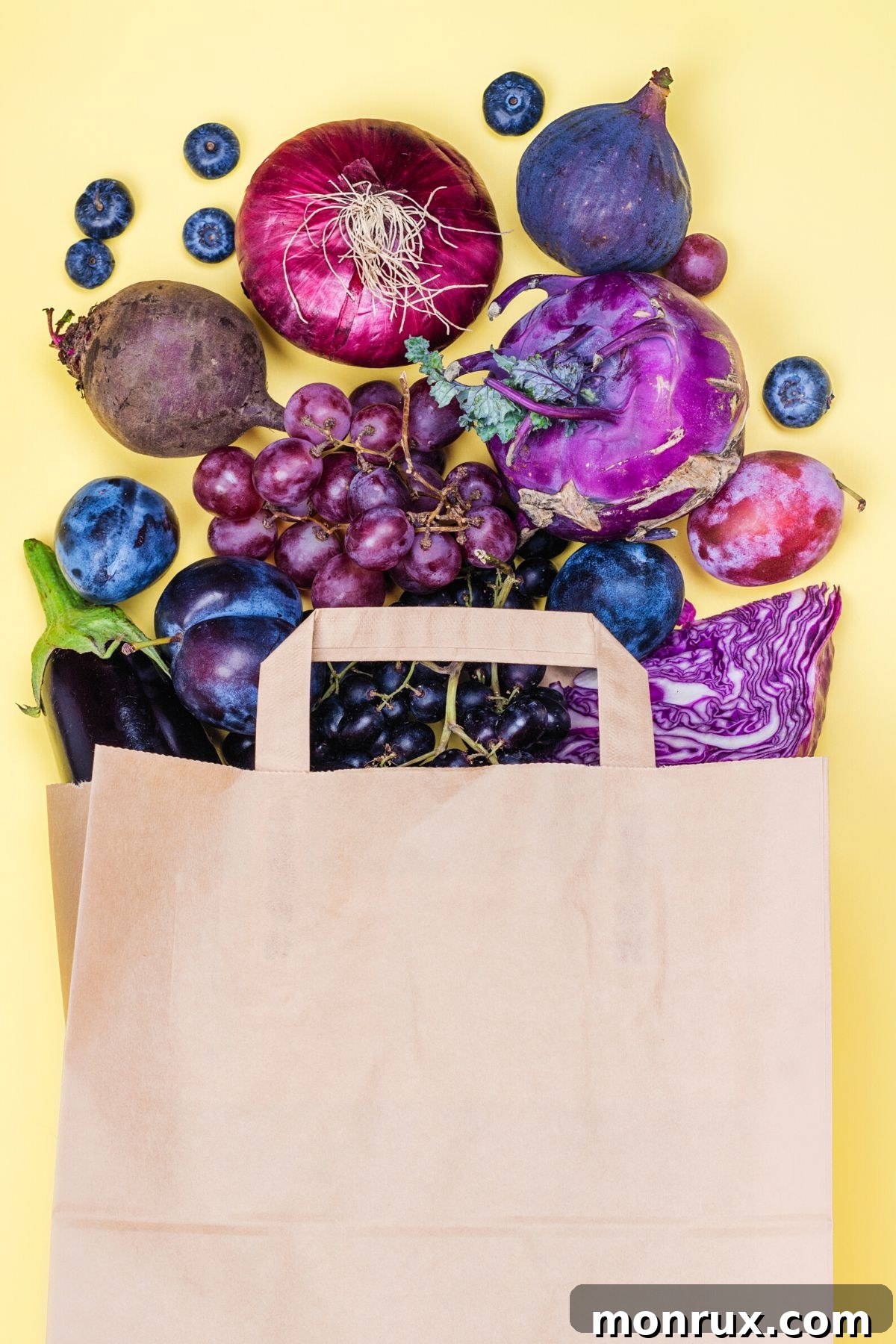
It’s a well-established fact that all vegetables contribute to a healthy diet, offering a spectrum of vitamins, minerals, and fiber. However, brightly colored veggies, particularly those sporting rich blues and purples, often boast even higher concentrations of powerful antioxidants compared to their paler counterparts. This captivating color isn’t just for show; it’s a direct indicator of potent phytonutrients at work, signaling a rich presence of health-promoting compounds.
In this comprehensive guide, we’ll uncover a delightful list of some of the best blue vegetables you can find. Beyond their striking appearance, we’ll explore their impressive health properties, provide creative cooking ideas, and explain why integrating these natural blue foods into your diet is a smart move for both your well-being and your taste buds. Get ready to add some exciting new items to your next grocery shopping list, transforming your meals into a spectrum of health and flavor!
The Power of Blue: Why Eat Colorful Vegetables?
The striking blue, purple, and even black pigments found in these remarkable vegetables are primarily due to a group of plant compounds called anthocyanins. These powerful antioxidants belong to the flavonoid family and are responsible for the vibrant hues in many fruits and vegetables. But their role extends far beyond aesthetics; they are biological powerhouses for human health.
Anthocyanins are renowned for their incredible health benefits. They act as potent scavengers of free radicals in the body, which are unstable molecules that can cause cellular damage, contributing to aging and chronic diseases like cancer, heart disease, and neurodegenerative conditions. By neutralizing these free radicals, anthocyanins offer a protective shield to your cells, potentially reducing oxidative stress throughout your system.
Beyond their antioxidant prowess, research suggests that anthocyanins possess significant anti-inflammatory properties. Chronic inflammation is a root cause of many modern ailments, and incorporating foods rich in these compounds can help mitigate inflammatory responses throughout the body. Furthermore, studies indicate potential benefits for cardiovascular health, including supporting healthy blood pressure and cholesterol levels, as well as promoting brain health by enhancing cognitive function and memory. Some research also points to improved vision and enhanced gut health, making blue vegetables truly comprehensive superfoods worthy of a regular spot in your diet.
A Spectrum of Indigo and Azure: Our Top Blue Vegetables List
1. Blue Bayou Tomatoes
While botanically a fruit, tomatoes are culinarily enjoyed as a vegetable in savory dishes, and the ‘Blue Bayou’ variety is a spectacular example of nature’s artistry. These gorgeous tomatoes feature skin that transitions from a deep navy blue to a rich purple, often with splashes of red as they ripen. Grown on vigorous plants, their firm texture and attractive coloration make them a standout in any garden or kitchen.
Blue Bayou Tomatoes offer a delightful balance of sweet and fruity flavors, making them an excellent choice for fresh consumption. Their vibrant hue signals a high concentration of anthocyanins, contributing to their impressive antioxidant capacity. They are perfect for adding a pop of color and unique flavor to salads, gourmet sandwiches, or even roasted with a drizzle of olive oil and herbs for a simple yet elegant side dish. Their firm flesh also makes them suitable for quick grilling or adding to light sauces where their color can truly shine. Don’t be shy about experimenting with these beauties!
2. Blue Cabbage
Often referred to as red or purple cabbage, this cruciferous vegetable actually contains anthocyanins that can shift in color depending on the pH level of its environment. When cooked in an alkaline liquid, the component responsible for its “red” color can beautifully transform into a vivid blue, offering a surprising culinary trick for vibrant dishes!
Blue Cabbage is a nutritional powerhouse, dense with vitamins C and K, fiber, and an array of beneficial plant compounds. It’s lauded for its potential to fight inflammation, support detoxification pathways, and enhance gut health by providing prebiotics that nourish beneficial gut bacteria. Its slightly milder and sweeter flavor than green cabbage makes it incredibly versatile in various culinary applications, from raw slaws to hearty cooked dishes.
Traditionally prepared as a vibrant side dish, blue cabbage can be braised with butter, onion, green apples, bay leaves, cloves, and peppercorns, often with a splash of red wine or vinegar to maintain its purple hue, or a pinch of baking soda to lean towards blue. For a quicker, healthier option, try preparing Air Fryer Cabbage, which allows its natural sweetness to shine while retaining its nutrients and beautiful color. It also makes a fantastic addition to stir-fries or fermented into a colorful sauerkraut.
3. Blue Carrots
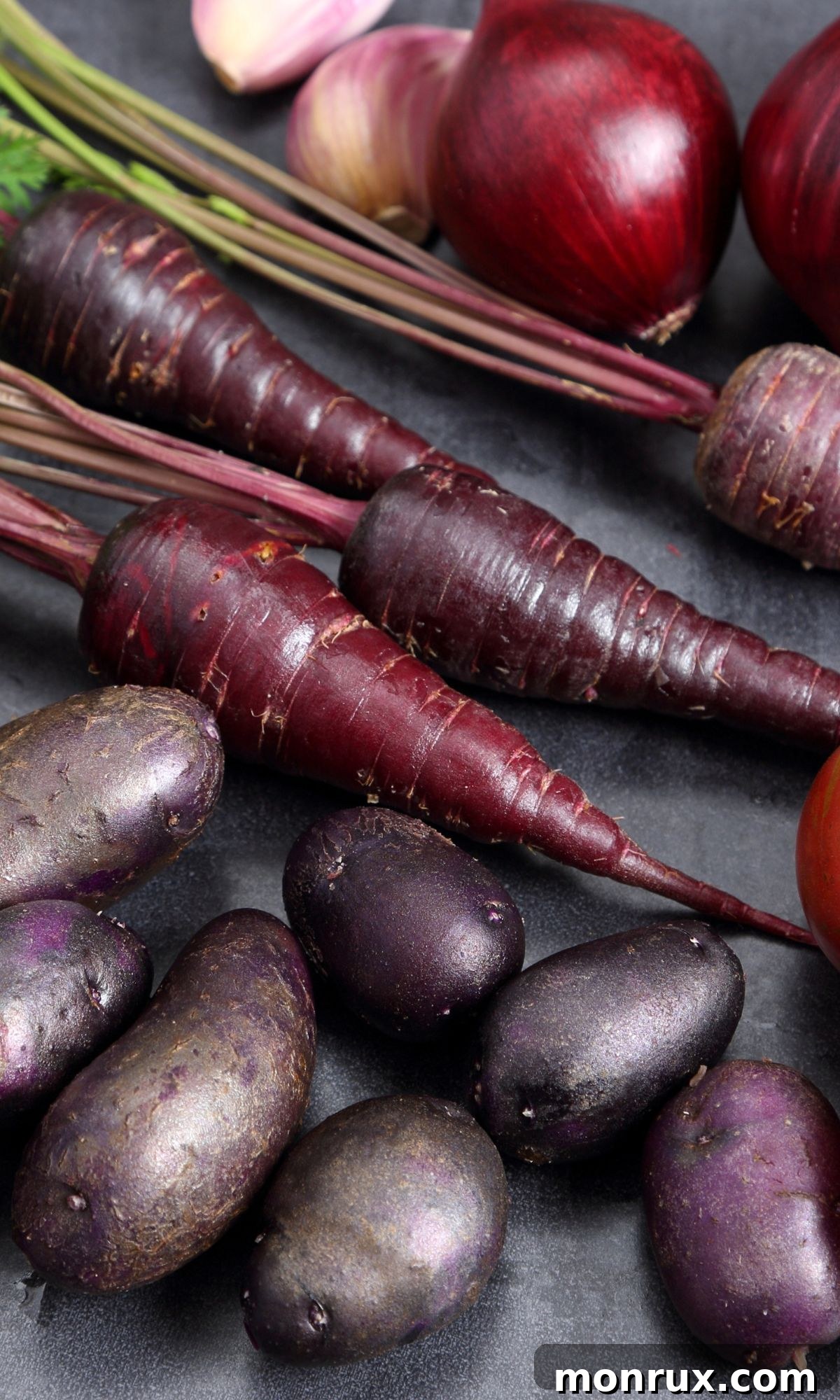
While orange carrots are famous for their beta-carotene, blue carrots offer a powerful combination: beta-carotene for vision and anthocyanins for broad-spectrum antioxidant protection. This unique duo makes them exceptional for boosting memory, vision, and overall cellular health, providing all the health benefits of regular orange carrots, plus an extra antioxidant punch and anti-inflammatory support.
Blue carrots have a slightly earthier and sweeter flavor than their orange counterparts, with a firmer texture that holds up well to cooking. For a quick, gourmet-looking snack or side, simply roast them with a touch of olive oil, salt, and pepper, then serve with your favorite dip. They can also be a delightful addition to stews and stir-fries, pureed into a vibrant soup, or grated raw into salads for crunch and color. Explore recipes like Air Fryer Carrots or Instant Pot Carrots for quick and easy preparation methods that truly bring out their natural flavors and maintain their striking color. Their unique appearance makes them a fantastic way to entice picky eaters.
4. Blue Corn
A culturally significant staple, Blue Corn (also known as purple corn or indigenous maize) is cultivated in regions like Mexico and the Southwestern United States. It’s a cornerstone for traditional dishes such as “tlacoyos” in Southern and Central Mexico, valued not only for its distinct flavor but also its profound nutritional profile.
The deep blue hue of this corn variety is indicative of its rich anthocyanin content. These compounds, along with other polyphenolic flavonoids, endow blue maize with potent antioxidant properties that have been linked to numerous human health benefits, including anti-inflammatory effects and potential protection against chronic diseases. Blue corn typically has a slightly sweeter and nuttier flavor compared to yellow corn, with a firmer, chewier texture.
Most commonly, blue corn is ground into flour to make distinctively colored chips, tortillas, and masa for tamales or sopes. However, the fresh kernels can also be enjoyed in soups, stews, or as a colorful side dish. Imagine a vibrant blue corn chowder, a unique blue polenta, or fresh blue corn on the cob grilled with a sprinkle of chili lime salt to surprise and delight your dinner guests. It offers a healthful and visually appealing alternative to yellow or white corn.
5. Blue Milk Mushroom
An intriguing entry on our list, the Blue Milk Mushroom (Lactarius indigo) is also known as Indigo Lactarius, Indigo Milk Cap, or Indigo Milky. This fascinating fungus belongs to the Russulaceae family and is a type of agaric mushroom, easily identifiable by its vibrant indigo blue color, which persists even when sliced or bruised, thanks to its unique blue “milk” latex.
While its exact nutritional profile is still being extensively studied, like many mushrooms, it’s considered a source of certain vitamins, minerals, and dietary fiber. Its striking appearance makes it a gourmet curiosity among fungi enthusiasts. The flavor of the Blue Milk Mushroom is often described as slightly peppery, earthy, or even subtly bitter, appealing to adventurous palates. It holds its color exceptionally well when cooked, making it an excellent visual addition to dishes.
You can use blue milk mushrooms to create a uniquely colored vegetable broth, or sauté them with garlic, butter, and herbs to enjoy on their own as a side, or as an exotic garnish for various meals like pasta, risottos, or omelets. A critical note: always be absolutely sure to purchase mushrooms from a qualified, reputable source. Never forage for your own mushrooms unless you are an expert mycologist, as many wild mushrooms are poisonous and can be easily confused with edible varieties. Safety first when it comes to wild fungi!
6. Blue Pansy Flowers (Edible)
Bringing a touch of delicate beauty to our list, blue pansy blossoms are not just ornamental; they are entirely edible. These extra-large blue pansy flowers, with their robust, thick stems, are known to be high in antioxidants, particularly flavonoids and phenolic acids, which contribute to their health benefits and vibrant pigmentation. The stamen, pistil, and sepals are all edible, meaning you can simply snip the bloom from its stem and enjoy.
Blue pansies possess a mild, slightly sweet, and herbaceous flavor, often compared to fresh lettuce or a very delicate wintergreen, making them a subtle yet delightful addition to dishes. They make exquisite dessert decorations, adding elegance and a natural blue pop to cakes, pastries, fruit salads, or cocktails. You can sprinkle them fresh into a bowl of berries or press them into cake frosting for an artistic touch. Many chefs also opt to candy the blossoms, which not only extends their shelf life but also enhances their sweetness, making them even more dessert-like and delightful, perfect for gourmet presentations or special occasions.
7. Blue Potatoes
Also known by specific varieties such as ‘Adirondack Blue’ or ‘All Blue,’ these captivating potatoes boast a faint purple tinge on their skin and a strikingly blue, sometimes even purplish, flesh. Their vibrant color is a clear indicator of their rich nutritional content, setting them apart from conventional potatoes.
Blue potatoes are particularly abundant in anthocyanins, the very same compounds found in blueberries and blackberries. These potent antioxidants are exceptional at “mopping up” free radicals, which in turn can significantly lower the risk of various chronic conditions, including certain cancers, heart disease, and stroke. Beyond anthocyanins, blue potatoes provide a good source of fiber, vitamin C, and potassium, making them a healthier and more colorful alternative to conventional white potatoes, with a lower glycemic index in some varieties.
The beauty of blue potatoes is that you can cook them just like any other potato, transforming ordinary dishes into culinary masterpieces with their unique color. They hold their color exceptionally well through cooking, whether you choose to roast them until crispy, mash them into a vibrant side dish, boil them for salads, or fry them into dazzling chips. Popular recipes on my site that work wonderfully with blue potatoes include Instant Pot Boiled Potatoes, Instant Pot Potato Salad, and Mexican Potatoes, all of which will gain an eye-catching appeal and enhanced nutritional value with blue varieties. Try making a visually stunning blue potato salad for your next picnic!
8. Blue Pumpkins
Prepare to be enchanted by Blue Pumpkins, which are select types of winter squash characterized by their naturally blue-grey or slate blue rinds. Notable varieties include the Australian-native Jarrahdale Pumpkin and the Queensland Blue Pumpkin, both celebrated for their unique appearance and culinary excellence. These heirloom varieties are not only visually stunning but also incredibly versatile in the kitchen.
Like their orange cousins, pumpkins are highly nutritious, brimming with vitamins (especially A and C), minerals like potassium, and a range of antioxidants. The blue varieties, with their unique pigmentation, also contribute to a diverse intake of phytonutrients, enhancing their overall health benefits. Blue pumpkins typically have a denser, less watery flesh and a subtly sweeter, sometimes nuttier flavor than standard orange pumpkins, making them a preferred choice for many gourmands.
Blue Pumpkins can be prepared in all the same delightful ways you would a regular pumpkin. They roast beautifully, making for a superb savory side, a hearty addition to stews, or a vibrant base for curries. Their flavor is not excessively sweet, making them a terrific option for individuals who prefer a more savory taste in their pie fillings, purees, or even in bread. Imagine a velvety blue pumpkin soup, a roasted blue pumpkin gratin, or a unique blue pumpkin bread to impress your guests and elevate your autumn cooking.
9. Fahrenheit Blue Tomatoes
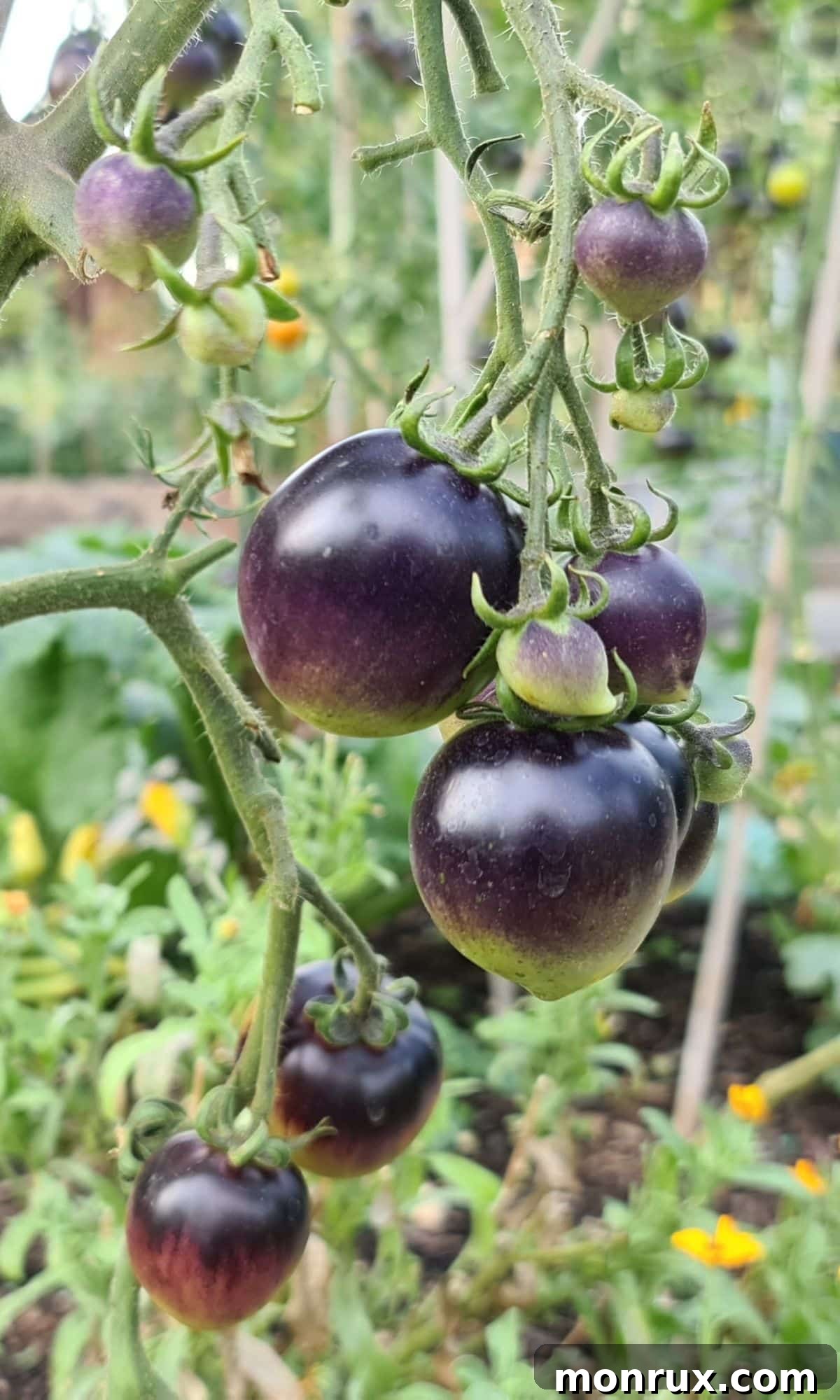
Another fascinating entry in the world of blue-hued nightshades, Fahrenheit Blue Tomatoes are a specialized variety of cherry tomato. Their most striking feature is the dark blue tint of their skin, which contrasts beautifully with their vibrant crimson flesh when sliced open. This deep blue exterior is, once again, thanks to a high concentration of anthocyanins, making them a powerhouse of beneficial compounds.
These blue tomatoes offer powerful anti-inflammatory properties and, like all other tomato hues, are incredibly beneficial for blood pressure, heart health, and overall cardiovascular well-being due to their lycopene content, vitamins, and antioxidants. They boast a rich, slightly tangy-sweet flavor, characteristic of excellent cherry tomatoes, making them a delightful culinary ingredient.
Fahrenheit Blue Tomatoes are wonderfully versatile. They can be enjoyed fresh in salads for a pop of color, as a healthy and colorful snack, or threaded onto skewers for a unique appetizer. They also hold up exceptionally well to cooking, making fantastic additions to sauces, salsas, or roasted vegetable medleys. Try them halved in a pasta salad, scattered over a pizza, or simply popped whole for a burst of flavor and nutrition. Their unusual color will undoubtedly be a conversation starter.
10. Filius Blue Pepper
For those who enjoy a bit of heat with their vibrant colors, the Filius Blue Pepper is an excellent choice. This ornamental and edible chili pepper is a traditional Mexican variety, often compared to a poblano pepper in terms of its culinary uses, though it generally packs a bit more heat. The small plant typically grows no taller than 2 feet, making it an ideal container plant, adored for its blue-tinged foliage and delicate white blossoms that produce beautiful, changing pepper colors.
Filius Blue Peppers are nutritional powerhouses, particularly high in vitamin C and vitamin A, and also provide valuable amounts of copper and iron. They begin as a deep blue or purple, transitioning through shades of red and orange as they mature, with the blue stage offering a unique visual appeal and antioxidant benefits. Their flavor is typically described as medium-hot, with a pleasant fruity undertone, making them more complex than just pure heat.
You can harness the unique flavor and heat of Filius Blue Peppers to create delicious, visually stunning salsas, hot sauces, or chili powders. Their fresh crunch also makes them a fantastic addition to salads and sandwiches for those who appreciate a spicy kick and a dash of unexpected color. They can be roasted, grilled, or pickled to preserve their flavor and heat, or even used to infuse oils and vinegars. Experiment with them in your favorite Mexican dishes for an authentic and colorful twist.
11. Indigo Rugby Tomatoes
Rounding out our blue tomato selection, the ‘Indigo Rugby’ (Solanum Lycopersicum Hybrid) is another exceptional variety known for its distinctive appearance and robust flavor. These tomatoes, often plum or oval-shaped, showcase a striking dark blue or almost black skin where exposed to sunlight, with the bottom ripening to a rich red. This strong pigmentation is, once again, a testament to their high anthocyanin content, making them a nutritional standout.
The flavor of Indigo Rugby tomatoes is celebrated for being sweet, complex, and highly aromatic, making them a gourmet favorite among tomato connoisseurs. Nutritionally, they are an outstanding source of various vitamins, including vitamin E, alongside other antioxidants and essential minerals. They offer all the general health benefits associated with tomatoes, amplified by their unique blue pigments, contributing to anti-inflammatory and cardiovascular support.
These versatile tomatoes can be enjoyed in all the customary ways. They are fantastic eaten raw, sliced into salads, layered in sandwiches, or used to create intensely flavored sauces and roasted preparations. Their firm texture and rich flavor also make them suitable for sun-drying or canning, preserving their delicious taste and striking color for year-round enjoyment. Use them to make a visually stunning Caprese salad or a rich, dark tomato paste.
12. Tall Blue Lettuce
While most people associate lettuce with shades of green, an intriguing heirloom variety known as ‘Tall Blue Lettuce’ exists, offering a subtle yet distinct bluish-green hue to its leaves. This unique characteristic makes it a captivating addition to any garden and a delightful surprise on your plate, hinting at ancient botanical diversity.
Tall Blue Lettuce, like other lettuce varieties, is an excellent source of vitamins K and A, as well as folate and dietary fiber. Its slight blue tint signifies a presence of phytonutrients, though perhaps not as concentrated as in deeply pigmented blue foods, still contributing to its overall health profile. Its flavor is typically mild, tender, and crisp, similar to other loose-leaf lettuces, making it incredibly versatile for fresh applications.
Since it’s an heirloom variety, you might need to seek out seeds from specialty growers to cultivate it yourself, as it’s less commonly found in commercial grocery stores. However, if you can find it, Tall Blue Lettuce is perfect for adding volume and a unique visual element to fresh salads, sandwiches, and wraps. Its delicate leaves are best enjoyed raw to preserve their color and texture, offering a fresh, crisp, and slightly unusual twist to everyday greens, and a talking point at the dinner table.
13. Vates Blue Curled Scotch Kale
Kale, already celebrated as a superfood, takes on an even more intriguing persona in its ‘Vates Blue Curled Scotch’ variety. This leafy green vegetable displays a beautiful blue-green, almost slate-colored hue, with distinctively ruffled, curled leaves that make it as ornamental as it is nutritious. Its robust nature means it can withstand cooler temperatures, making it a favorite for late-season gardens.
Vates Blue Curled Scotch Kale shares all the impressive health benefits of its green counterparts, being packed with vitamins K, A, and C, as well as manganese, calcium, and potent antioxidants. The bluish tint suggests a specific blend of phytonutrients contributing to its overall health profile, including potential anti-inflammatory and anti-cancer properties. It has a slightly milder and sweeter flavor than some other kale varieties, making it more palatable for those new to kale or those seeking a less bitter option.
You can prepare this blue-hued kale in countless ways. It’s excellent massaged with lemon juice and olive oil into salads, sautéed with garlic and olive oil as a vibrant side, blended into smoothies for a nutrient boost, or baked into crispy kale chips. Its sturdy leaves hold up well to cooking, making it a versatile ingredient for soups, stews, and casseroles. Check your local farmers’ market or specialty produce stores for this special variety to experience a new dimension of kale and add a touch of blue to your leafy greens!
Beyond the List: More Blue and Purple-Hued Produce
The world of naturally blue and purple foods is vast and enchanting. While we’ve highlighted some distinctively blue vegetables, many more exist that lean towards a deep purple, often having similar nutritional profiles due to their anthocyanin content. This list of the best blue and blue-ish veggies is by no means exhaustive, but serves as a fantastic starting point for your colorful culinary journey.
Consider varieties like certain types of blue beans, which can offer a fascinating color transformation when cooked, adding an element of surprise to your meals. Don’t forget the incredibly nutrient-dense purple sweet potatoes, which, while purple, often have such deep pigmentation they border on blue, offering tremendous health benefits including complex carbohydrates and fiber. Exploring these options further broadens your palate and nutrient intake, adding even more color and wellness to your culinary adventures. Keep an eye out for other lesser-known varieties in specialty stores or farmers’ markets.
Explore More Colorful Produce Guides
- Best Asian Fruits: A Culinary Journey
- Best Green Vegetables: A Comprehensive Guide to Health
- Discover the Power of Blue Fruits for Optimal Health
- Explore the Benefits of Green Fruits for Your Diet
- Purple Veggies List: Boost Your Health with Nature’s Darks
- The Health Benefits of Red Fruits: Antioxidants & More
- Brighten Your Plate with Yellow Fruits: A Taste of Sunshine
- Unique Vegetables That Start with T: Expand Your Palate
Essential Vegetable Resources for a Healthier You
Embrace the Blue: A Conclusion to Colorful Eating
Nature’s palette offers an incredible array of colors, and the often-overlooked blue vegetables are a testament to this diversity. Far from being a mere novelty, these striking foods are packed with unique pigments, especially anthocyanins, that contribute significantly to their antioxidant and anti-inflammatory power, offering a profound boost to your overall health and well-being.
Embracing variety in your diet, particularly when it comes to vegetables, is truly the “spice of life.” By integrating these special and lovely blue vegetables into your meals, you not only elevate the visual appeal of your dishes but also supercharge your body with a unique spectrum of beneficial nutrients. So, on your next trip to the market or while planning your garden, dare to be different. Pick up some blue potatoes, try a blue pumpkin, or add some blue-hued tomatoes to your basket. Your taste buds and your health will thank you for the vibrant journey into the world of blue produce.
Don’t forget to join my newsletter list to get exclusive clean eating recipes and tips directly to your inbox. The newsletter is 100% free with no spam; you can unsubscribe anytime.
About the Author: Carrie Forrest holds a master’s degree in public health with a specialization in nutrition and is a certified holistic nutritionist. As a top wellness and food blogger, her site welcomes over 5 million annual visitors. Carrie shares an inspiring story of recovery from chronic illness and is deeply passionate about empowering other women to transform their health journeys. You can reach out to her through her contact form for any inquiries or to share your own health success stories.