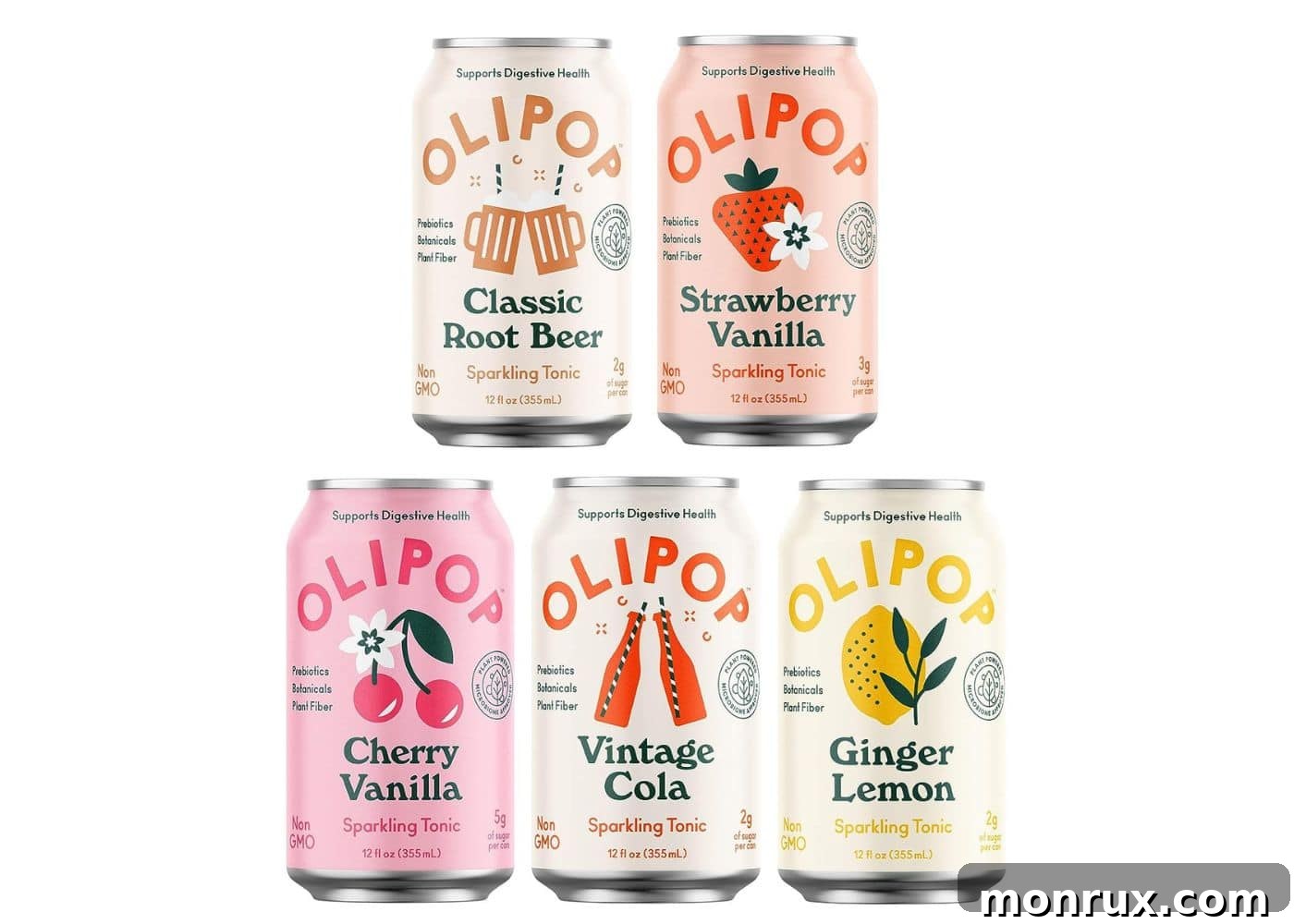
In the vast sea of beverages, Olipop has emerged as a compelling alternative to traditional sugar-laden sodas. But is this trendy drink truly good for you? This comprehensive review delves into the nutritional profile of Olipop, examining its ingredients, benefits, and potential drawbacks. We’ll explore its suitability for various demographics, including children, and answer common questions about its health claims. For most individuals seeking a healthier option, Olipop stands out as an excellent replacement for conventional sugar-sweetened sodas.
Olipop Overview
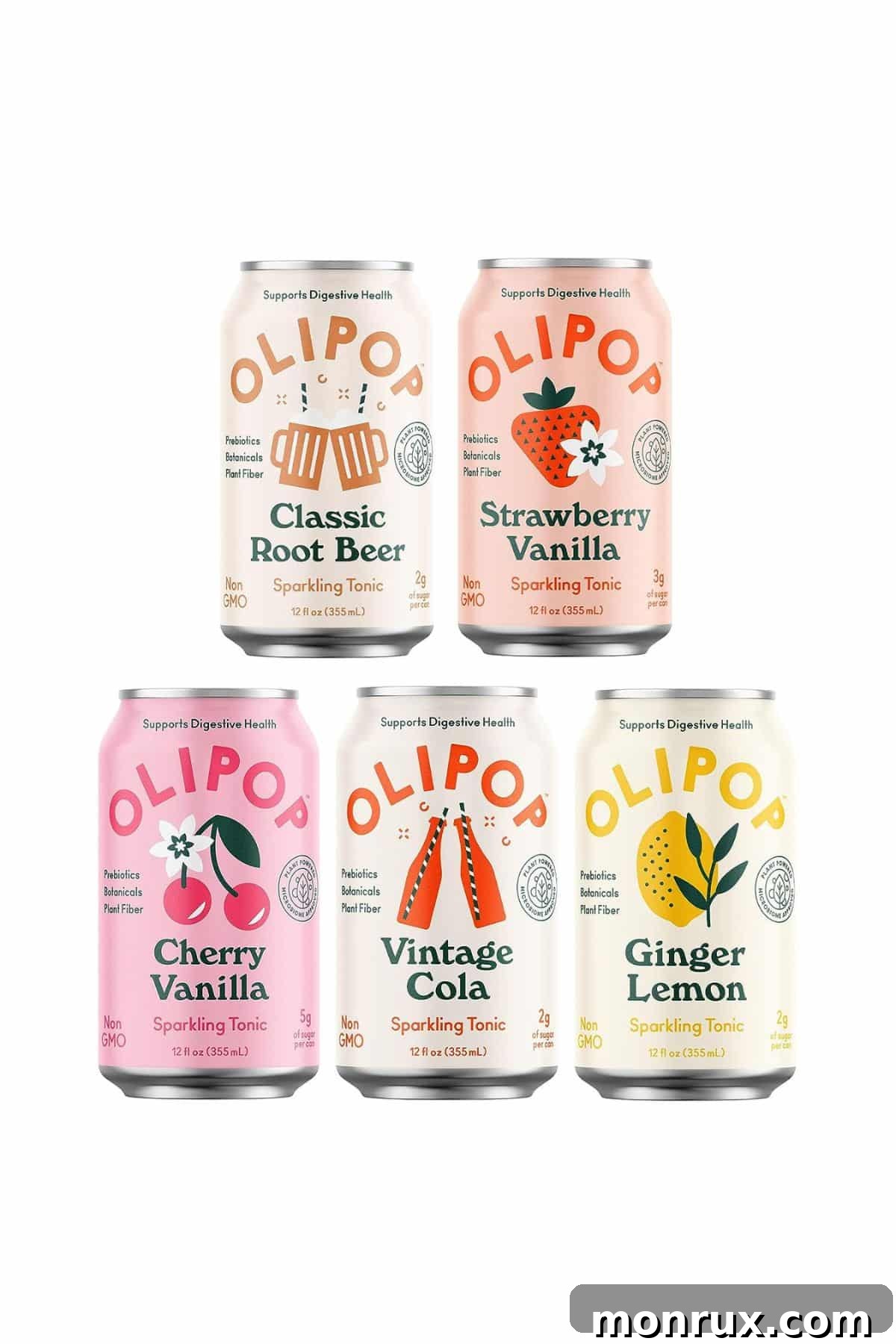
Olipop represents a refreshing take on the classic soda, launched in 2017 by visionary co-founders Ben Goodwin and David Lester. Their mission was clear: to create a soda that not only tastes great but also actively supports gut health. Available in convenient 355 ml cans, Olipop has quickly carved out a niche as a health-conscious beverage choice.
The brand boasts an impressive and expanding range of nostalgic flavors, designed to appeal to those who miss the taste of traditional sodas but seek a healthier twist:
- Vintage Cola
- Classic Root Beer
- Lemon Lime
- Cream Soda
- Doctor Goodwin
- Strawberry Vanilla
- Cherry Cola
- Watermelon Lime
- Classic Grape
- Tropical Punch
- Cherry Vanilla
- Orange Squeeze
- Banana Cream
- Ginger Lemon
Olipop positions itself as a revolutionary beverage for individuals of all ages, offering the familiar comfort of classic soda flavors without the typical downsides of high sugar content and artificial additives. The brand emphasizes its commitment to supporting digestive health through a blend of prebiotic fibers and eliminating the excessive sugar and synthetic ingredients found in conventional sodas. This focus on gut wellness, combined with a clean ingredient list, makes Olipop a popular choice among health-conscious consumers.
Each Olipop product proudly carries certifications as gluten-free, vegan, and non-GMO, and is marketed as both paleo and keto-friendly. Crucially, the company pledges to use no artificial sweeteners, colors, flavors, or preservatives, aligning with the growing demand for transparent and natural food products.
The backbone of Olipop’s health benefits lies in its proprietary formula, known as OLISMART. This unique blend features a synergistic combination of cassava root fiber, chicory root inulin, Jerusalem artichoke inulin, nopal cactus, marshmallow root, calendula flower, and kudzu root. These botanical extracts and fibers are carefully selected for their prebiotic properties, which are essential for a thriving gut microbiome.
Beyond the OLISMART blend, Olipop sodas are crafted with a base of carbonated water, real fruit juices, and stevia for natural sweetness. Certain flavors may also include additional ingredients like marshmallow root and a modest amount of caffeine derived from green tea extract, catering to diverse palates and preferences.
Olipop Ingredients Explained
While Olipop strives for a cleaner label, most of its soda varieties contain a thoughtful blend of at least 15 ingredients. The company asserts that these components are derived from natural sources, a claim that resonates with consumers seeking transparency. However, specific details regarding the extraction and manufacturing processes, particularly whether chemicals are involved, are not extensively disclosed by the company.
To provide a clear understanding, let’s examine the ingredient list for the popular Olipop Vintage Cola flavor:
- Carbonated Water
- OLISMART (Cassava Root Fiber, Chicory Root Inulin, Jerusalem Artichoke Inulin, Nopal Cactus, Marshmallow Root, Calendula Flower, Kudzu Root)
- Cassava Root Syrup
- Apple Juice Concentrate
- Lime Juice
- Natural Cola Flavor
- Alpinia Galanga Root
- Stevia Leaf
- Himalayan Pink Salt
- Green Tea Caffeine
- Natural Vanilla Flavor
- Natural Caramel Flavor
- Cinnamon
Below, we delve deeper into some of the key ingredients found in Olipop, exploring their properties and what consumers should be aware of.
Caffeine
For those Olipop flavors that include it, a single serving typically contains approximately 50mg of caffeine, sourced naturally from green tea extract. Caffeine, a well-known stimulant found in teas and coffee, is associated with various health benefits when consumed in moderation. Research suggests it can enhance brain function, potentially lower the risk of cardiovascular disease, and may play a role in preventing neurodegenerative conditions like Alzheimer’s and Parkinson’s disease.
Despite these advantages, it’s crucial to consume caffeinated beverages responsibly. Excessive intake can lead to undesirable side effects such as headaches, dizziness, insomnia, and elevated blood pressure. Health authorities generally advise against caffeine consumption for children under the age of 12, a critical consideration for parents evaluating Olipop for younger family members.
Cassava Root Fiber
Cassava, a versatile woody shrub native to South America, is celebrated for its slightly earthy, nutty flavor and its rich nutritional profile. The root of the cassava plant is a significant source of carbohydrates, essential B and C vitamins, and notably, pure resistant starch. This particular type of prebiotic fiber is highly beneficial for digestive health because it resists digestion in the small intestine, instead traveling to the large intestine where it is fermented by beneficial gut bacteria.
The unique property of resistant starch means it does not significantly raise blood glucose levels, making it a potentially suitable ingredient for individuals managing diabetes. Its role in promoting a healthy gut environment contributes to overall digestive well-being.
Chicory Root Inulin
Chicory root is a powerhouse of inulin, a type of prebiotic fiber, constituting about 40% of its composition. Inulin is a crucial component for gut health, as it journeys through the digestive system undigested until it reaches the intestines. Here, it profoundly influences the structure and metabolic activity of the gut microbiota, with minimal impact on blood sugar levels.
The beneficial bacteria residing in your gut eagerly utilize this fiber as fuel, which in turn supports the proper functioning of the digestive system, enhances the absorption of vital minerals and vitamins from food, and bolsters your immune system. This intricate relationship between prebiotic fiber and gut bacteria is fundamental to holistic health.
While chicory root inulin is generally recognized as safe for consumption in food products, some individuals with a sensitivity to the root may experience minor gastrointestinal side effects. These can include bloating, gas, or belching, as indicated by relevant research. It’s always wise to observe your body’s response when introducing new ingredients into your diet.
Kudzu Root
Kudzu, a vigorous vine native to Southeast Asia, has a long history in traditional herbal medicine, where its root is highly valued. It has been used to address a range of health conditions, including digestive issues like diarrhea, fever, and even chronic conditions such as cardiovascular diseases and diabetes. Its inclusion in Olipop is not only for its historical medicinal uses but also for its significant modern application as a prebiotic fiber.
As an indigestible fiber, kudzu root contributes to the overall health of the gut microbiome by feeding beneficial bacteria. This support helps maintain a balanced and robust digestive system, reinforcing Olipop’s commitment to gut-centric wellness.
Stevia
Stevia is a prominent natural sweetener utilized in Olipop, derived from the leaves of the Stevia rebaudiana plant. Its appeal lies in its extremely low-calorie content, earning it the classification of a non-nutritive sweetener. In stark contrast to table sugar, which provides approximately 16 calories per teaspoon, stevia contributes negligible calories and, crucially, is not stored in the body as fat.
Despite its plant-based origin and calorie-free nature, the health implications of stevia are not entirely black and white for everyone. Some research has explored the potential side effects of stevia consumption, including its impact on fertility, which warrants further investigation. Furthermore, concerns have been raised regarding stevia’s potential negative effects on the gut microbiome, suggesting that even “natural” sweeteners can have complex interactions within the body. While generally considered safe by regulatory bodies, individual responses to stevia can vary, making it a point of consideration for sensitive individuals.
Calendula Flower
Calendula, often recognized for its role in skincare products and traditional wound healing, offers more than just external benefits. This vibrant, sweet-tasting flower is packed with health-promoting compounds, particularly beta-carotene and lutein, which are renowned for their positive impact on eye and brain health. Its rich antioxidant profile contributes to overall cellular protection.
Beyond these, calendula possesses significant anti-inflammatory properties, which may help in alleviating muscle spasms and menstrual cramps, making it a valuable botanical extract. While generally safe for both consumption and topical application, it is important to note that individuals with allergies to ragweed or other plants within theAsteraceaefamily (such as daisies and chrysanthemums) might experience allergic reactions. This highlights the importance of checking ingredients if you have known plant sensitivities.
Nutrition Benefits of Olipop
Olipop drinks are designed with a clear focus on health, boasting several impressive nutritional advantages that set them apart from conventional carbonated beverages. Each can is certified gluten-free, GMO-free, and vegan, making it accessible to a wide range of dietary preferences. Furthermore, its formulation is considered paleo-friendly and keto-friendly, aligning with popular health trends.
One of Olipop’s most significant appeals is its substantially lower content of added sugar compared to regular sodas and other soft drinks. This reduction in sugar is a critical step towards mitigating the negative health impacts associated with high sugar consumption, such as increased risk of type 2 diabetes, obesity, and cardiovascular disease.
A typical serving of Olipop provides approximately 35 calories, a modest 16g of carbohydrates, and a robust 9 grams of dietary fiber. This high fiber content is derived from a strategic blend of plant-based prebiotics, including well-researched ingredients like cassava root and chicory root. These prebiotic fibers are not merely fillers; they are active components that nourish beneficial gut bacteria, promoting a healthy and diverse microbiome.
By providing such a significant amount of prebiotic fiber, Olipop actively contributes to improved digestive health, better nutrient absorption, and enhanced immune function. If you’re accustomed to drinking regular soda, making the switch to Olipop would undoubtedly be considered a healthier choice. This dietary change could even support weight management efforts by reducing overall calorie and sugar intake, while simultaneously offering tangible digestive benefits that contribute to a feeling of fullness and well-being.
Potential Nutrition Cons
While Olipop offers numerous health advantages over conventional sodas, it’s essential to consider potential drawbacks and individual sensitivities. Despite its generally positive profile, it may not be suitable for everyone, especially those sensitive to caffeine or specific botanical ingredients like calendula flower. Individuals with known allergies or sensitivities should review the ingredient list carefully.
Although Olipop sodas are significantly lower in sugar than their traditional counterparts, they are not entirely sugar-free. Therefore, they may not be universally suitable for diabetics, very young children, or breastfeeding women without prior consultation with a healthcare provider. While the sugar content (typically 2 to 5 grams per can) is minimal, it still contributes to overall intake, which must be managed in specific health conditions.
A final point of contention revolves around the use of “natural flavors” in Olipop’s cola-flavored beverages and other varieties. The term “natural flavoring” lacks a strict official definition, allowing manufacturers considerable leeway in its interpretation. This broad classification means that some so-called “natural flavors” can be complex concoctions, potentially manufactured using various chemicals or processes that might not align with a consumer’s expectation of “natural.” This ambiguity raises valid concerns for individuals who prioritize complete transparency in their food choices and wish to avoid any ingredients that may have been chemically synthesized, even if derived from a natural source initially.
Is Olipop Suitable for Kids?
Many parents frequently ponder whether Olipop is a safe and beneficial beverage for their children, particularly when seeking alternatives to sugary sodas or diet drinks. Here’s a detailed look at the factors to consider:
- Sugar Content: Olipop boasts significantly less sugar than regular sodas, a definite improvement for children’s diets. However, it’s still crucial for parents to diligently monitor their child’s overall daily sugar intake from all sources to prevent excessive consumption.
- Prebiotics: The inclusion of prebiotics in Olipop is beneficial for gut health, fostering a healthy environment for gut bacteria. While prebiotics are generally safe for children, introducing them in large quantities can sometimes lead to digestive discomfort, such as gas or bloating, particularly in younger or more sensitive children whose digestive systems are still developing.
- Natural Sweeteners and Additives: Olipop often uses natural sweeteners like stevia or monk fruit. While these are generally considered safe for children in moderation, a cautious approach is recommended. The long-term effects of non-nutritive sweeteners on children’s developing bodies and microbiomes are still a subject of ongoing research, and limiting intake is a prudent strategy.
- Caffeine: It’s important to check the specific Olipop flavor, as some contain caffeine (approximately 50mg per can). Caffeine is not recommended for children, especially those under 12, due to potential effects on sleep, anxiety, and heart rate.
Given these considerations, Olipop can serve as an occasional treat for older children, particularly if they are accustomed to consuming high-sugar sodas and you are actively looking for a healthier transitional alternative. However, for younger children, water, milk, or unsweetened fruit juices remain the best options.
As with any significant dietary change or introduction of new beverages, it is always a good practice to consult with a pediatrician or a registered dietitian before integrating Olipop into a child’s regular diet to ensure it aligns with their individual health needs.
Frequently Asked Questions About Olipop
Olipop is a carbonated beverage that undergoes processing, yet it stands out by incorporating beneficial prebiotics, dietary fiber, and various botanical extracts specifically chosen to support gut health. Compared to the leading, larger brands of sodas that are typically loaded with sugar and artificial ingredients, Olipop offers a significantly healthier profile with lower sugar content and a focus on natural ingredients.
Therefore, if you enjoy the taste of soda, Olipop presents itself as a considerably healthier choice. However, for optimal health, crafting your own refreshing drinks at home using whole, natural ingredients remains the superior option. Consider infusing carbonated water with fresh herbs and fruits for a truly revitalizing and health-boosting beverage.
Yes, Olipop does contain sugar, though in very modest amounts. While it’s marketed as a low-calorie soda, it’s not sugar-free. A single can of Olipop typically contains between 2 to 5 grams of sugar, which is roughly equivalent to just one teaspoon. This is a stark contrast to many popular soda brands, which can pack around 44 grams, or about 10.5 teaspoons, of sugar per can. This makes Olipop a much better option for reducing sugar intake.
No, Olipop is committed to avoiding artificial sweeteners. It is primarily sweetened with a combination of stevia, natural fruit juices, and cassava syrup. However, it’s worth noting that the manufacturing processes for some “natural” sweeteners can sometimes involve chemicals, and certain individuals may experience sensitivities to these ingredients. Personally, some people find the sweetness level of Olipop to be quite intense and occasionally unnatural-tasting, despite its natural origins.
An average 12-ounce can of Olipop contains approximately 35 calories. This is considerably lower than a standard 12-ounce can of conventional soda, which typically contains around 150 calories. This lower calorie count is another factor contributing to Olipop’s appeal as a healthier beverage choice.
Absolutely. Olipop is specifically formulated to include prebiotic fiber, which plays a vital role in supporting gut health. Prebiotics act as nourishment for the beneficial bacteria residing in your digestive system, creating an optimal environment for them to thrive. In turn, a healthy gut microbiome contributes to better overall health, enhanced digestion, and a more effectively functioning bodily system. The primary sources of prebiotic fiber in Olipop sodas are key ingredients like chicory root, Jerusalem artichokes, and nopal cactus, all part of its unique OLISMART blend.
Yes, Olipop is proudly gluten-free. In addition to being gluten-free, the brand ensures its products are non-GMO, vegan, and suitable for those following a paleo-friendly diet, catering to a broad spectrum of dietary needs and preferences.
Explore More Healthy Drink Reviews!
Final Thoughts on Olipop
Soda holds a dominant position among consumed beverages globally, with iconic brands recognized in nearly every corner of the world. However, the widespread popularity of these drinks often comes at a significant health cost due to their high sugar content and artificial ingredients. In this context, Olipop emerges as a notably healthier alternative to traditional sodas.
While Olipop excels in offering a better choice by reducing sugar and incorporating beneficial prebiotics, it remains a commercially produced, processed product. It contains natural sweeteners and, in some flavors, a moderate amount of caffeine. For those who frequently reach for a sugary soda, switching to Olipop can be a beneficial step towards improving dietary habits and supporting gut health.
Nevertheless, it is crucial to remember that the gold standard for healthy hydration always involves preparing your own drinks at home using whole, real food ingredients. Simple options like infused water, unsweetened teas, or homemade fruit spritzers offer the purest form of refreshment and nutrition. Olipop serves as an excellent stepping stone for those transitioning away from less healthy options, but conscious, homemade choices will always provide the most profound health benefits.
Don’t forget to join my newsletter list to get exclusive clean eating recipes and tips. The newsletter is 100% free with no spam; unsubscribe anytime.
About the Author: Carrie Forrest has a master’s degree in public health with a specialty in nutrition and is a certified holistic nutritionist. She is a top wellness and food blogger with over 5 million annual visitors to her site. Carrie has an incredible story of recovery from chronic illness and is passionate about helping other women transform their health. Send her a message through her contact form.
Note: this post is for informational purposes only and is not intended as medical advice. Please consult your healthcare provider for recommendations related to your individual situation.