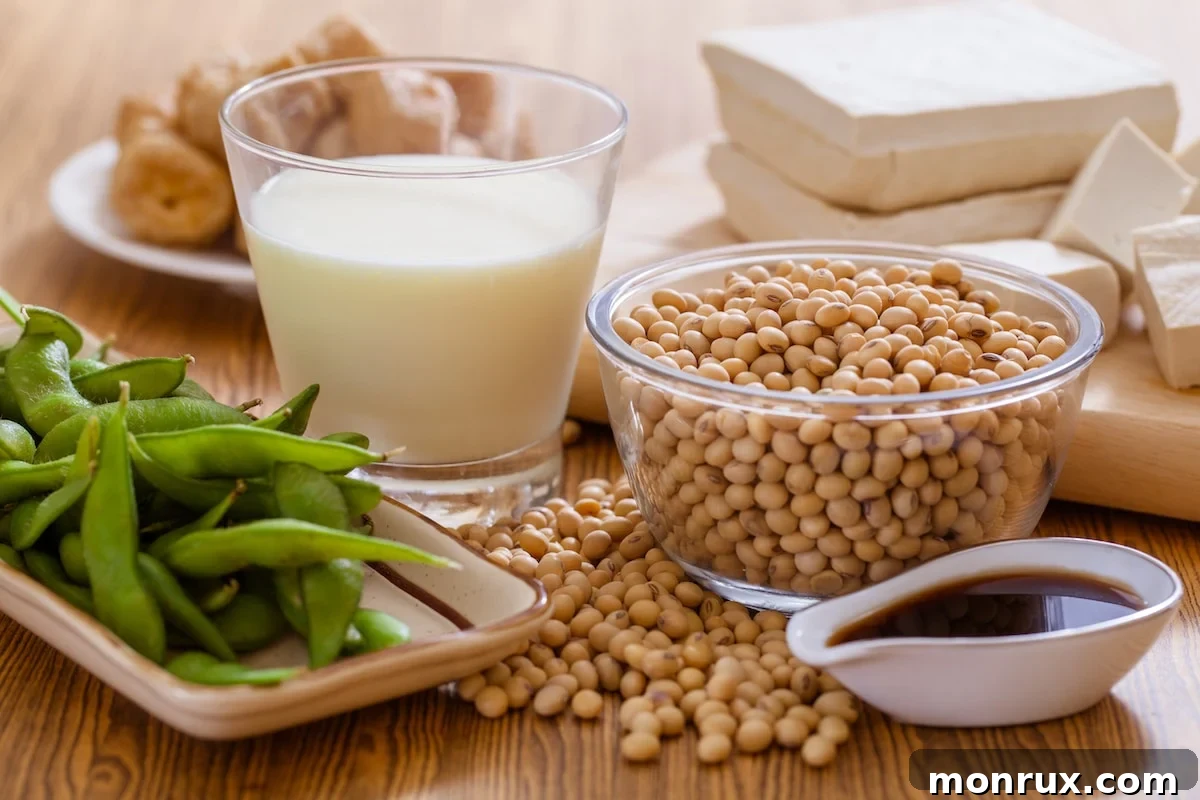
Soy has become a dietary staple for millions, revered by some as a powerhouse plant-based protein and viewed with skepticism by others due to potential health concerns. While its versatility and nutritional profile are undeniable, it’s crucial to understand the full spectrum of its impact on the human body. So, if you’re asking, “What are the dangers of eating soy?” you’re exploring a complex and often debated topic. This comprehensive guide will delve into the potential risks and benefits of soy consumption, offering insights into how to integrate it safely and effectively into your diet.
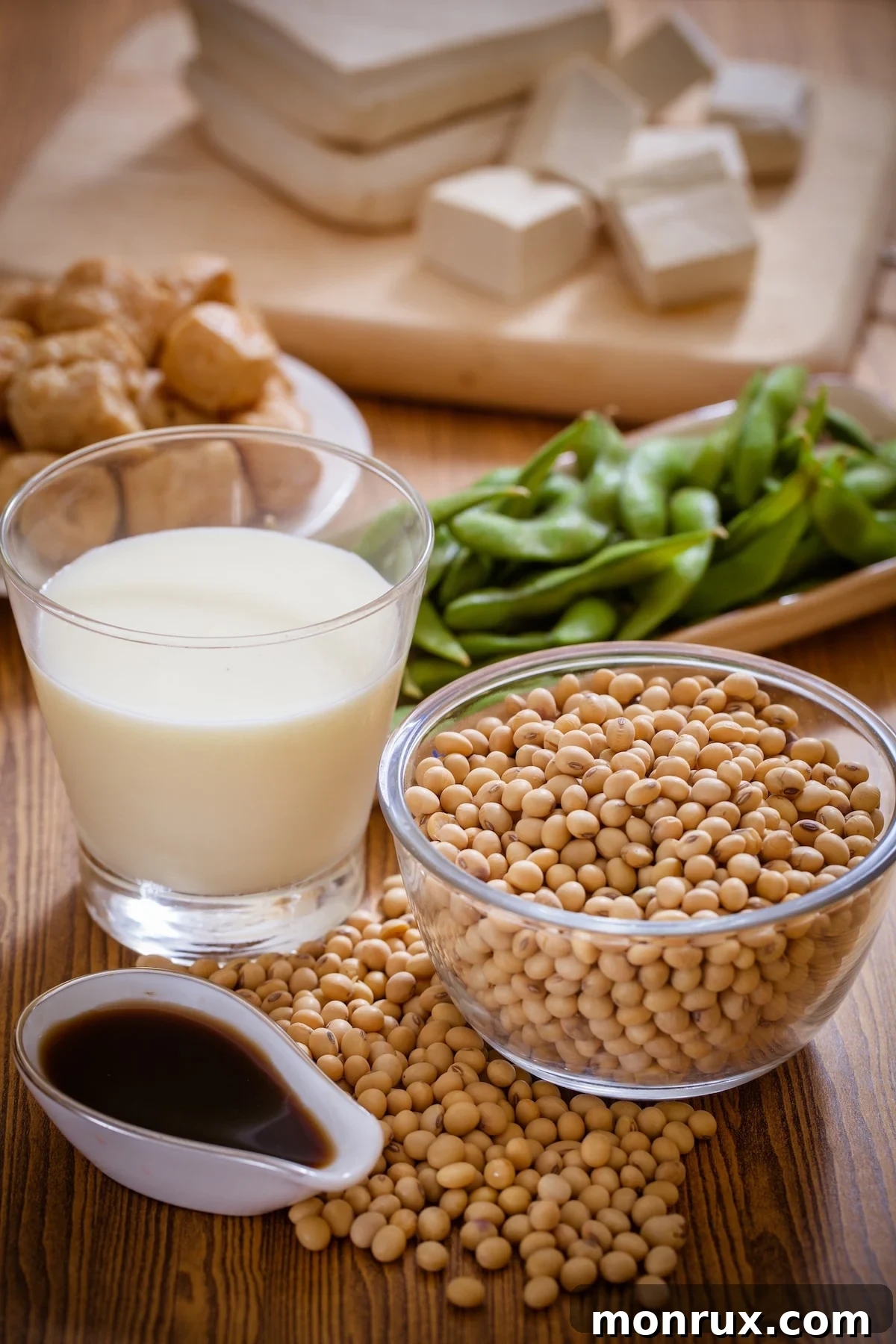
In recent years, the growing popularity of vegetarian and vegan diets has propelled soy into the spotlight as a leading source of plant-based protein. This unassuming legume is incredibly versatile, gracing our tables in myriad forms—from whole soybeans to a vast array of processed foods. You’ll find it in plant-based meat alternatives, non-dairy milks, protein powders, and even infant formulas.
Nutritionally, soy is impressive. A single cup of boiled soybeans boasts approximately 29 grams of protein, a figure comparable to a serving of meat. Beyond protein, soy is packed with essential vitamins and minerals such, including copper and phosphorus, and contains all nine essential amino acids, making it a complete protein source.
However, despite its nutritional accolades, soy remains a highly debated food. Concerns surrounding its consumption have been highlighted by various dietary movements, notably the Paleo diet. These concerns range from the presence of phytoestrogens to its antinutrient content, prompting many to question the long-term health implications of regular soy intake.
Where is Soy Found in Food?
Soy’s pervasive presence in the modern diet often goes unnoticed. In Western countries, it’s widely adopted as a plant-based alternative to animal products, a common emulsifier in processed foods, and a staple in condiments like soy sauce. Its diverse applications mean it can be found in a surprising number of grocery items.
Beyond the obvious, soy lurks in many everyday products. Be aware that soy can appear in various forms, making label reading essential for those looking to monitor their intake or avoid it due to allergies or health concerns.
- Soy Infant Formula: A primary replacement for breast milk or cow’s milk-based formulas for infants, particularly those with dairy allergies or following vegan diets.
- Soy Lecithin: Used as an emulsifier and stabilizer in countless processed foods, including chocolate bars, baked goods, cereals, and many supplements. It helps preserve shelf life and improve texture.
- Traditional Soy Foods (Tempeh, Tofu, Miso, Natto): These are whole or fermented soy products commonly used as meat substitutes, flavor enhancers, or side dishes, particularly in Asian cuisines.
- Soy Milk: A popular dairy milk alternative, found in various flavors and often fortified with vitamins and minerals.
- Soy Sauce: A fundamental condiment in Asian cooking, along with miso paste, used to add umami and depth of flavor.
- Edamame: Whole, immature soybeans often enjoyed steamed as a snack or appetizer.
- Soy Protein Isolate and Concentrates: Highly refined forms of soy used in plant-based protein powders, protein bars, and many “meatless” products to boost protein content.
- Processed Meats and Animal Feed: Surprisingly, soy is also used as a filler in some processed meat products. Furthermore, conventionally raised livestock are frequently fed genetically modified (GMO) soy, meaning even non-vegan animal products can indirectly contribute to soy consumption and its associated controversies.
- Vegetable Oils: Soybean oil is one of the most widely used cooking oils globally, making it a ubiquitous ingredient in many processed and restaurant foods.
Potential Dangers of Eating Soy
The health implications of soy consumption are a subject of considerable debate within the scientific and nutritional communities. While many champion its benefits, others raise valid concerns. The most frequently cited issues revolve around the unique compounds found in soy, known as isoflavones, as well as its status as a common allergen, the prevalence of genetically modified varieties, and its content of antinutrients and goitrogens.
It’s important to remember that individual responses to soy can vary significantly. Factors such as your overall health, existing medical conditions (like heart disease or a history of breast cancer), gut microbiome, gender, and age can all influence how your body interacts with soy. For instance, premenopausal and postmenopausal women may experience different effects from soy phytoestrogens.
Ultimately, the decision to include soy or soy isolates in your diet is a personal one. This article aims to provide a balanced overview of the potential advantages and disadvantages, along with strategies to minimize potential adverse effects, empowering you to make the most informed choices for your health.
1. Phytoestrogens and Hormonal Imbalance
Soy is particularly rich in compounds called isoflavones, often referred to as phytoestrogens. These naturally occurring plant compounds possess a chemical structure strikingly similar to human estrogen. When consumed, these phytoestrogens can bind to estrogen receptor sites throughout the body, potentially influencing natural estrogen production and metabolism, a phenomenon that lies at the heart of much of the soy controversy.
The possible manipulation of estrogen levels due to soy intake is a significant concern for many. This effect may be further exacerbated by non-organic, highly processed forms of soy, which often contain higher concentrations of isolated isoflavones and other questionable additives. While some research points to potential benefits, such as a lower risk of breast cancer in women who consume soy (particularly in traditional Asian diets and when consumed early in life), other studies have raised alarms.
Excess estrogen in the body, whether from endogenous production, environmental xenoestrogens, or high phytoestrogen intake, can lead to a range of health consequences. These include, but are not limited to:
- Breast Cancer Risk: While some studies suggest a protective effect, particularly with early, consistent consumption of whole soy, other research indicates that soy might turn on genes linked to cancer, especially in certain contexts or with highly processed soy. The relationship is complex and often depends on the individual’s genetic predisposition, the type of soy consumed, and the timing of consumption.
- Estrogen Dominance: This imbalance, where estrogen levels are disproportionately high relative to progesterone, can manifest as symptoms like irregular periods, weight gain, fatigue, and mood swings.
- Acne and Skin Issues: Hormonal imbalances, including estrogen dominance, are frequently implicated in various skin conditions.
- Endometriosis: Some evidence suggests a link between high estrogen levels and the development or exacerbation of endometriosis.
- Male Infertility and Hormonal Impact: Concerns have been raised regarding soy’s potential impact on male hormones, including a possible link to male infertility. While more extensive human studies are needed, some research suggests that high soy intake might influence testosterone levels.
- Gynecomastia: In rare cases, excessive soy consumption has been anecdotally linked to gynecomastia (male breast growth), though scientific evidence is limited and typically associated with extremely high intake.
It’s important to note that the impact of soy isoflavones is often nuanced. They can act as weak estrogens (estrogenic) or as anti-estrogens, blocking stronger natural estrogens. The effect depends on factors like the individual’s existing hormone levels, gut bacteria, and overall health status.
2. GMOs: The Soy Debate
A significant proportion of soybeans cultivated in the United States and globally are genetically modified (GMO). These “Roundup Ready” soybeans are engineered to be resistant to specific herbicides, allowing farmers to spray fields with weed killers like glyphosate without harming the soy crops. While proponents argue that GMOs improve crop yields and reduce pesticide use, critics raise several concerns.
GMOs were only introduced into the public food supply in the mid-1990s, meaning there has been limited opportunity for comprehensive, long-term studies on their effects, safety, or potential long-term risks in humans. Key concerns include:
- Herbicide Residue: GMO soy is often heavily sprayed with glyphosate, a chemical that has been classified as a “probable human carcinogen” by the World Health Organization’s International Agency for Research on Cancer (IARC). Consuming foods with glyphosate residues is a significant worry for many health-conscious individuals.
- Allergenicity: There are ongoing discussions about whether genetic modification could alter the allergenic potential of foods, although current research doesn’t conclusively show GMO foods are more allergenic.
- Environmental Impact: Critics also point to environmental concerns, such as the development of herbicide-resistant weeds, increased reliance on certain chemicals, and potential impacts on biodiversity.
For those seeking to avoid GMOs and associated pesticide exposure, choosing certified organic soy products is the most reliable strategy, as organic standards prohibit the use of GMOs.
3. Antinutrients and Nutrient Absorption
Like many other legumes, grains, and nuts, soy contains compounds known as antinutrients. These are plant compounds that can interfere with the absorption of essential vitamins and minerals, acting as the plant’s natural protective mechanism against predators.
The primary antinutrient in soy is phytic acid (or phytate). If you’re consuming soy specifically for its rich nutrient profile, phytic acid can bind to minerals like iron, zinc, calcium, and magnesium, making them unavailable for absorption in your digestive tract. This means that even if soy is high in a particular nutrient, you might not be fully benefiting from it due to the presence of phytic acid.
Beyond phytic acid, soy also contains protease inhibitors, which can interfere with the activity of digestive enzymes like trypsin, hindering protein digestion. Some soy products also contain lectins, which can potentially irritate the gut lining in sensitive individuals.
However, it’s crucial to understand that traditional preparation methods, such as soaking, sprouting, and fermentation, can significantly reduce the levels of these antinutrients, enhancing nutrient bioavailability and digestibility. This is why many traditional soy-consuming cultures emphasize these preparation techniques.
4. Goitrogens and Thyroid Health
Soybeans naturally contain higher levels of goitrogens, compounds that can interfere with proper thyroid function, particularly when consumed in excess or by individuals with pre-existing thyroid conditions. Goitrogens work by inhibiting the body’s ability to absorb iodine, an essential mineral for the production of thyroid hormones. They can also interfere with the thyroid gland’s enzymatic processes involved in hormone synthesis.
For individuals with hypothyroidism (underactive thyroid) or those taking thyroid replacement hormone, the impact of goitrogens from soy can be a significant concern. Some healthcare practitioners may advise patients to avoid consuming soy for several hours after taking thyroid medication to prevent interference with absorption. Even better, people with existing thyroid issues might consider reducing or even avoiding soy products altogether, especially unfermented varieties, or ensuring their iodine intake is sufficient and monitored by a doctor.
While the effects of goitrogens in healthy individuals with adequate iodine intake are generally considered minimal, caution is warranted for those with compromised thyroid function.
5. Soy Allergies: A Common Concern
Soy is recognized as one of the top eight food allergens in the United States, alongside milk, eggs, peanuts, tree nuts, wheat, fish, and shellfish. This classification underscores its potential to trigger allergic reactions in a significant portion of the population. A soy allergy occurs when the immune system mistakenly identifies proteins in soy as harmful, leading to a range of symptoms.
If you have a soy allergy, consuming soy products can lead to various allergic reactions, which can range from mild to severe. Common symptoms include:
- Skin Reactions: Hives, eczema, redness, swelling, or itching.
- Digestive Problems: Nausea, vomiting, stomach cramps, diarrhea.
- Respiratory Issues: Wheezing, shortness of breath, difficulty breathing, nasal congestion.
- Oral Symptoms: Tingling or itching in the mouth.
- Anaphylaxis: In severe cases, a soy allergy can trigger anaphylaxis, a life-threatening reaction requiring immediate medical attention, characterized by a sudden drop in blood pressure, constricted airways, and shock.
For individuals experiencing these symptoms after consuming soy, or those with known food allergies, avoiding soy is imperative. Due to soy’s widespread use as an ingredient and emulsifier, careful label reading is crucial to identify hidden soy in processed foods.
Potential Benefits of Eating Soy
While the potential dangers of soy deserve careful consideration, it’s equally important to examine its reported health benefits. Many health experts advocate for soy consumption, particularly as a nutrient-dense replacement for animal protein. Like most foods, soy presents both downsides and upsides, and its health impact is often contingent on the form in which it’s consumed.
To maximize the potential benefits and minimize risks, the consensus among many nutritionists is to prioritize organic, non-GMO soy in its whole, minimally processed, and ideally fermented forms. These traditional preparations often yield the most nutrient density and bioavailability.
Here are some of the commonly perceived benefits of eating soy, supported by various research findings.
1. Cancer Prevention (Breast and Prostate)
The relationship between soy and cancer prevention, particularly for breast and prostate cancer, is one of the most extensively studied and debated areas. Some research has indicated that females who consume soy during childhood and adolescence, particularly prior to and during breast development, may experience a lower risk for breast cancer later in life. This protective effect is often observed in studies of Asian women from cultures with lifelong, high consumption of traditional soy products, who tend to have significantly lower rates of breast cancer compared to Western women.
For instance, studies consistently show that Asian populations consuming more soy products tend to exhibit a protective effect. This suggests that the timing and lifelong dietary pattern of soy consumption, particularly of whole, fermented soy, may be crucial.
Furthermore, these potential benefits may extend to males, with research suggesting a lower risk of prostate cancer among men with higher soy intake. The isoflavones in soy are believed to play a role in modulating hormone-dependent cancers. However, it’s important to note that more human studies and clinical trials are needed to draw definitive conclusions and understand the exact mechanisms and optimal forms of soy for cancer prevention in diverse populations.
2. Cardiovascular Health: Cholesterol and Blood Pressure
For many years, soy was heavily promoted for its potential to lower high levels of low-density lipoprotein (LDL), often referred to as “bad” cholesterol. While early research showed promise, subsequent, more rigorous studies have clarified this claim. The cholesterol-lowering effect of soy is generally considered indirect and modest, not significant enough to be a primary intervention for high cholesterol.
Current scientific consensus suggests that while there may be a small, albeit negligible, cholesterol-lowering benefit from consuming soy, its primary contribution to cardiovascular health might come from other mechanisms and by displacing less healthy food choices. For example, replacing high-saturated-fat animal proteins with soy protein can naturally lead to improved cholesterol profiles.
Beyond cholesterol, there is compelling data to suggest that soy is hypotensive, meaning it can help lower blood pressure. This effect is attributed to several compounds in soy, including its protein and specific peptides formed during digestion. Lowering blood pressure is a key strategy in reducing the risk of cardiovascular disease, heart attacks, and strokes, making soy a potentially beneficial dietary component for maintaining heart health.
3. Rich Nutrient Profile
Beyond protein, soy boasts an impressive nutritional profile, making it a valuable addition to a balanced diet when consumed appropriately. Whole soybeans are particularly high in iron, a crucial mineral for oxygen transport and energy production. They are also a good source of calcium, vital for bone health, and potassium, important for blood pressure regulation and nerve function.
Further enriching its profile, soy provides significant amounts of phosphorus, essential for bone and teeth formation, and copper, a trace mineral involved in energy production and antioxidant defense. It also contains B vitamins, including folate, and various trace minerals like manganese and selenium. Its fiber content supports digestive health and can contribute to feelings of fullness, aiding in weight management.
As a complete plant-based protein source, soy offers all the essential amino acids necessary for muscle repair and growth, making it an excellent choice for vegetarians, vegans, and anyone looking to diversify their protein intake. However, when considering soy as a protein source, it’s generally advisable to stick to whole soy foods rather than highly processed “fake meats” and soy protein isolates (see my related article on the potential dangers of plant-based meats for more details).
4. Bone Health
Some research indicates that soy isoflavones may play a role in maintaining bone density, particularly in postmenopausal women. The phytoestrogens in soy can weakly mimic estrogen in the body, which is known to play a protective role in bone health. As estrogen levels decline after menopause, bone loss can accelerate, increasing the risk of osteoporosis. By potentially binding to estrogen receptors in bone cells, soy isoflavones might help to mitigate some of this bone loss.
While the evidence is not entirely conclusive and more research is needed, particularly on the optimal intake and specific compounds responsible, incorporating traditional, whole soy foods into the diet might be a supportive strategy for bone health alongside other lifestyle factors like adequate calcium, vitamin D, and weight-bearing exercise.
Navigating Soy Consumption: Strategies for Safer Enjoyment
Given the nuanced nature of soy’s health effects, a mindful approach to its consumption is paramount. If you choose to incorporate soy into your diet, focusing on moderation, quality, and proper preparation can significantly mitigate potential risks and maximize its benefits. The key is to make informed choices that align with your individual health needs and dietary preferences.
Ideally, for safer soy consumption, consider these guidelines:
- Choose Organic and Non-GMO: Almost all conventional soy in the United States is genetically modified and often treated with herbicides like glyphosate. By choosing certified organic soy, you can effectively avoid both GMOs and the heavy use of synthetic pesticides, reducing your exposure to potentially harmful chemicals. This ensures a cleaner, more natural product.
- Prioritize Fermented Soy Products: Fermentation is a traditional method that transforms soybeans, offering an impressive nutrient profile, beneficial probiotics, and significantly increased digestibility. The fermentation process breaks down antinutrients like phytic acid and protease inhibitors, making minerals more bioavailable and proteins easier to digest. Excellent examples include:
- Tempeh: A fermented soybean cake with a firm, nutty texture.
- Miso: A fermented soybean paste used as a seasoning in Japanese cuisine.
- Natto: Fermented soybeans with a distinctive smell and sticky texture, rich in vitamin K2.
- Traditional Soy Sauce (Tamari): Naturally brewed and fermented soy sauce, often gluten-free.
- Opt for Whole, Minimally Processed Soy: Whenever possible, select whole soy foods that have undergone minimal processing. These include whole soybeans (edamame), tofu (curdled soy milk), and tempeh. Avoid highly processed soy protein isolates, concentrates, and textured vegetable protein (TVP), which are often stripped of beneficial fibers and nutrients, and can be chemically processed. These isolated forms are more likely to contain higher concentrations of phytoestrogens without the buffering effects of other compounds found in whole soy.
- Proper Preparation for Whole Beans: If consuming whole soybeans (like edamame or preparing dried soybeans), consider traditional preparation methods like soaking and sprouting. Soaking helps to reduce antinutrients and improve digestibility, while sprouting further enhances nutrient bioavailability and reduces compounds that can cause digestive discomfort. While these methods help, they may not eliminate all antinutrients, highlighting the advantage of fermented options.
- Moderation is Key: Even with high-quality, properly prepared soy, moderation is advisable, especially if you are new to soy or have concerns about its effects. Incorporating a diverse range of plant proteins into your diet rather than relying solely on soy is a balanced approach.
- Listen to Your Body: Pay attention to how you feel after consuming soy. If you experience digestive issues, hormonal imbalances, or other adverse reactions, it may be a sign that soy doesn’t agree with your body. Consulting with a healthcare provider or a registered dietitian can help you determine the best approach for your individual health.
FAQs About Eating Soy Foods
The answer to whether soy is “bad” for you is complex and highly individual. Soy offers a desirable macronutrient profile, being high in protein and healthy fats while lower in carbohydrates compared to many other beans. It also contains a rich array of vitamins and minerals. However, the isoflavones (phytoestrogens) and antinutrients present in soy can have potential detrimental effects on hormone levels, digestion, and nutrient absorption, particularly if consumed in large quantities, in highly processed forms, or by sensitive individuals. The consensus is that whole, organic, and fermented soy consumed in moderation is generally safe and potentially beneficial for most healthy individuals, while highly processed, unfermented soy products may carry more risks.
Some argue that the negative impacts of soy, especially unprocessed or highly processed forms, can outweigh its potential benefits. For the female body, the primary concern revolves around soy’s high concentration of isoflavones. These naturally occurring phytoestrogens can mimic estrogen in the body, binding to estrogen receptors and potentially contributing to elevated estrogen levels. We are already exposed to higher levels of estrogen than ever before due to xenoestrogens—environmental estrogens found in plastics, personal care products, and medications like birth control. High exposure to xenoestrogens, coupled with a poor diet, inadequate lifestyle (which can hinder proper estrogen metabolism and overall hormonal balance), and excessive consumption of phytoestrogens from soy, can collectively contribute to estrogen dominance in women. This hormonal imbalance can manifest in various symptoms, including irregular menstrual cycles, heavy bleeding, PMS, breast tenderness, weight gain, and an increased risk for conditions like endometriosis and fibroids. It’s crucial for women to consider their overall hormonal health when evaluating soy intake.
Generally, yes, fermented soy is considered healthier than unfermented soy. The fermentation process significantly reduces the levels of antinutrients like phytic acid and protease inhibitors, making the vitamins and minerals (such as iron, zinc, and calcium) more bioavailable and easier for the body to absorb. Fermentation also partially breaks down complex proteins, improving digestibility and reducing the potential for digestive discomfort. Furthermore, fermented soy products like miso, tempeh, and natto introduce beneficial probiotics, which support gut health. While unfermented soy (like edamame and regular tofu) still offers nutritional value, the enhanced digestibility and nutrient availability make fermented soy a superior choice for many, especially those concerned about antinutrient intake or digestive sensitivity.
Don’t Miss These Helpful Health Articles
Conclusions
The journey to understanding soy’s role in a healthy diet is one of nuance and individual consideration. There are indeed potential dangers associated with eating soy, particularly when it comes to highly processed, unfermented forms, and for individuals with specific sensitivities or health conditions. Concerns surrounding phytoestrogens, GMOs, antinutrients, goitrogens, and allergies warrant careful attention.
However, it’s equally clear that soy, especially when consumed as properly prepared, high-quality, organic, and fermented varieties (like tempeh, miso, or natto), offers a wealth of potential benefits. It is a complete plant-based protein, rich in essential vitamins and minerals, and may contribute positively to cardiovascular health and even offer some cancer-protective effects.
Ultimately, the decision to include soy in your diet should be an informed one, based on your personal health goals, dietary preferences, and any specific health concerns. Prioritizing whole, organic, and traditionally prepared soy in moderation, while listening to your body’s unique response, is the most balanced approach to harnessing its potential benefits while minimizing its risks.
Don’t forget to join my newsletter list to get exclusive clean eating recipes and tips. The newsletter is 100% free with no spam; unsubscribe anytime.
About the Author: Carrie Forrest has a master’s degree in public health with a specialty in nutrition and is a certified holistic nutritionist. She is a top wellness and food blogger with over 5 million annual visitors to her site. Carrie has an incredible story of recovery from chronic illness and is passionate about helping other women transform their health. Send her a message through her contact form.
Note: this post is for informational purposes only and is not intended as medical advice. Please consult your healthcare provider for recommendations related to your individual situation.