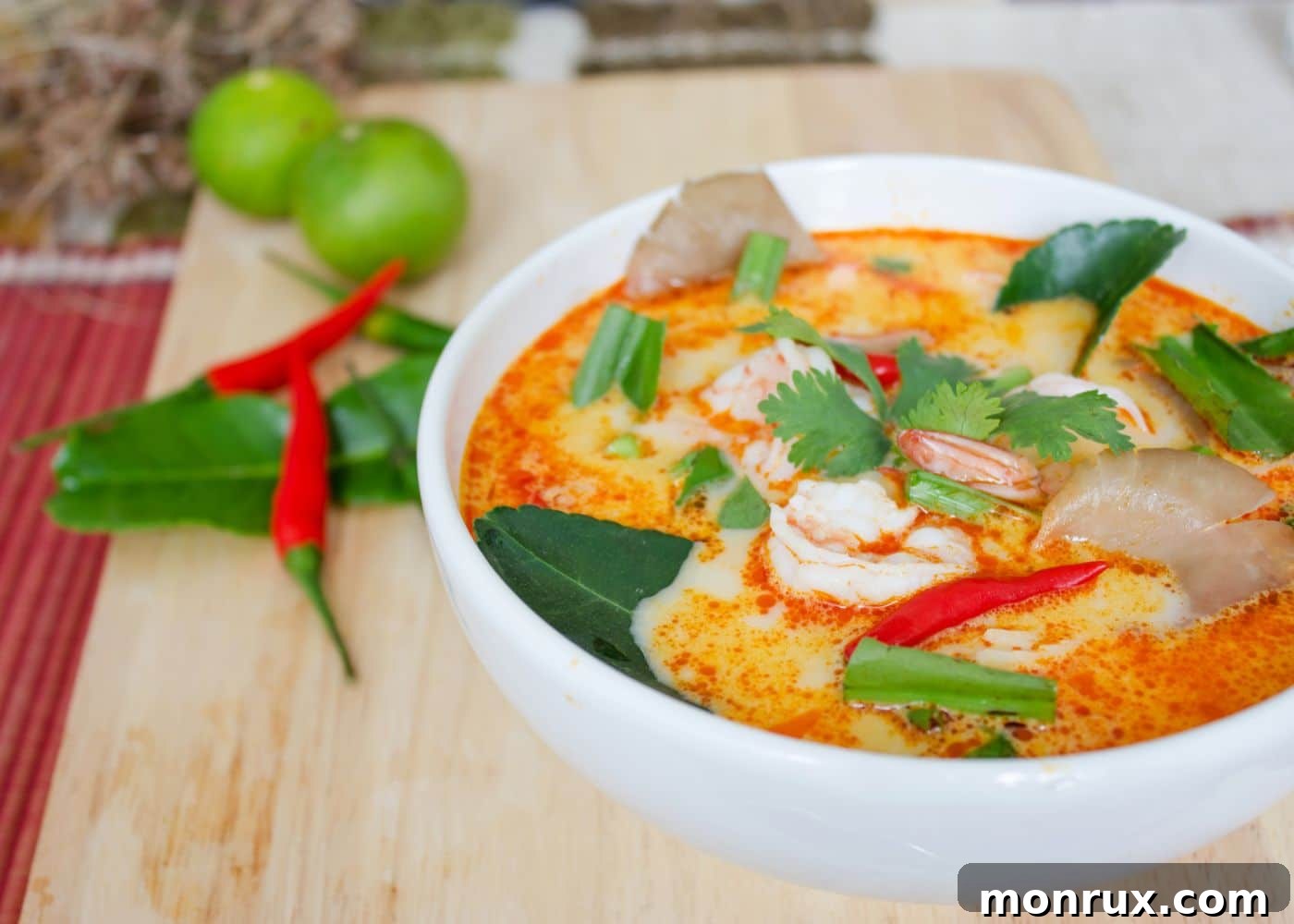
Welcome to a flavorful journey where we explore a question on many minds: Is Thai food healthy? This comprehensive guide delves deep into the nutritional landscape of one of the world’s most beloved cuisines. From aromatic spices to fresh vegetables, we’ll uncover the health benefits and potential drawbacks of Thai dishes, helping you make informed choices whether you’re dining out or cooking at home. Get ready to discover the true essence of healthy Thai food, understand its core ingredients, and learn how to savor this vibrant cuisine in its most nutritious forms.
Thai Food Overview: A Culinary Tapestry
Thai cuisine, celebrated globally for its intricate flavors and fragrant aromas, is far more than just “spicy.” It’s a culinary art form rooted in balancing five fundamental tastes: spicy, sour, sweet, salty, and sometimes bitter. Originating from Thailand, this cuisine has captivated palates worldwide, with Thai restaurants becoming a staple in many cities. The dishes are typically characterized by their light preparation, strong aromatic components, and a unique complexity that distinguishes them from other Asian cuisines.
The influences on Thai food are vast, drawing inspiration from neighboring countries like India, Cambodia, Malaysia, and Indonesia, as well as ancient Chinese cooking traditions. This rich tapestry of influences has led to diverse regional cuisines within Thailand, each offering distinct flavors and ingredients. Broadly, Thai cooking can be categorized into various traditional styles, including boiled dishes, vibrant spicy salads, deeply flavored pounded foods, and rich curries. Beyond these, you’ll find an array of deep-fried, stir-fried, and steamed dishes, many of which show clear Chinese culinary heritage.
This immense variety means that there truly is a Thai dish for every preference. Whether you prefer mild and creamy, intensely spicy, or light and refreshing, Thai cuisine has something to offer. Throughout this article, we’ll specifically highlight how to identify and choose the healthiest options available on a Thai menu, helping you navigate the delicious world of Thai food without compromising your well-being.
Some of the most popular and recognizable Thai dishes include:
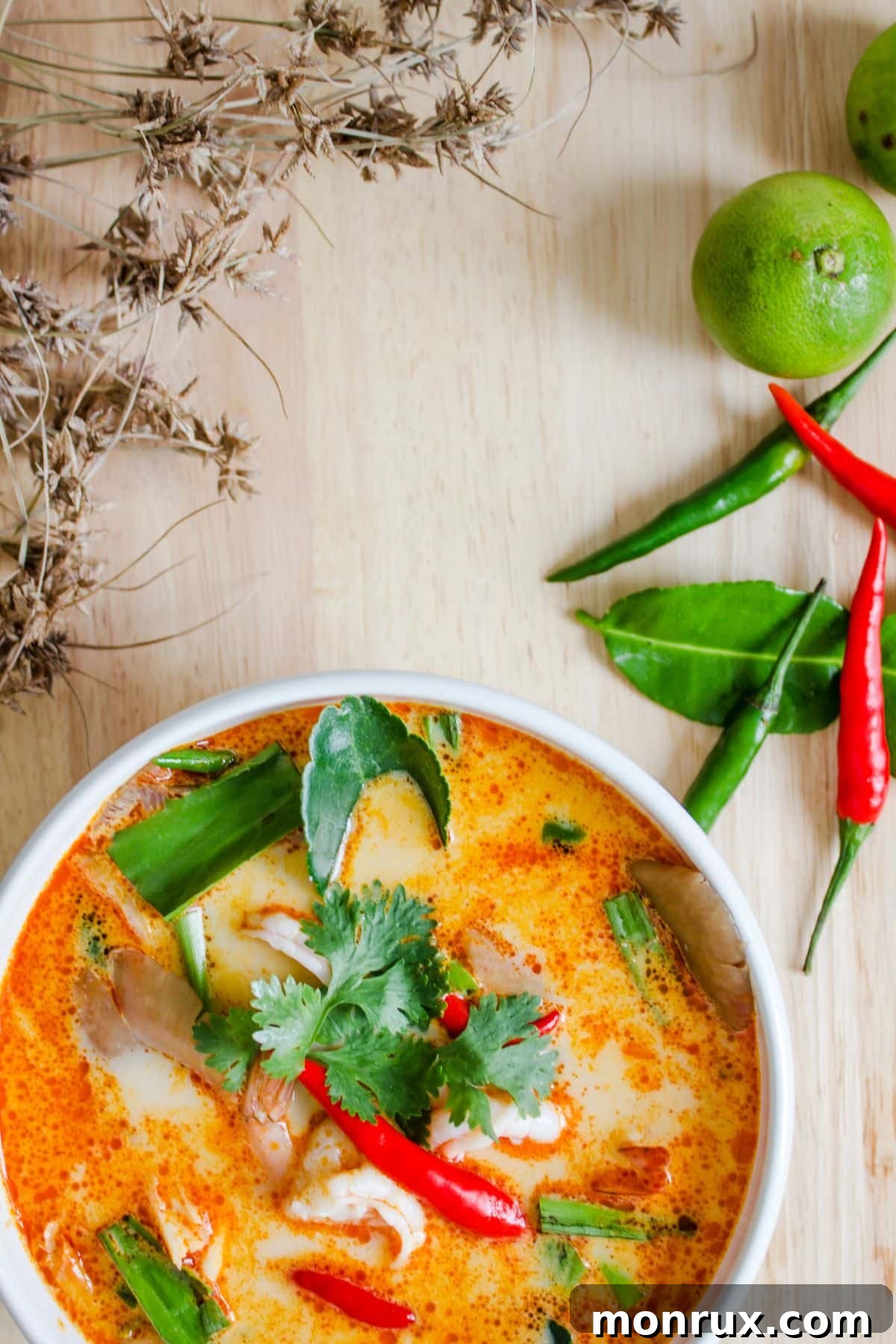
- Tom Yum Goong: A quintessential hot and sour soup, bursting with flavors from lemongrass, galangal, kaffir lime leaves, and fiery chilies, typically featuring succulent shrimp.
- Pad Thai: Perhaps the most famous dish outside of Thailand, this stir-fried rice noodle dish combines a balance of sweet, sour, and savory, often with peanuts, eggs, tofu or meat, and fresh bean sprouts.
- Som Tum (Green Papaya Salad): A refreshing and spicy salad made from shredded unripe papaya, mixed with chilies, lime, fish sauce, peanuts, and sometimes dried shrimp.
- Pad Krapow Moo Saap (Stir-fried Basil Pork): A quick and aromatic stir-fry featuring minced pork (or chicken/beef) with holy basil, chilies, and garlic, often served over rice with a fried egg.
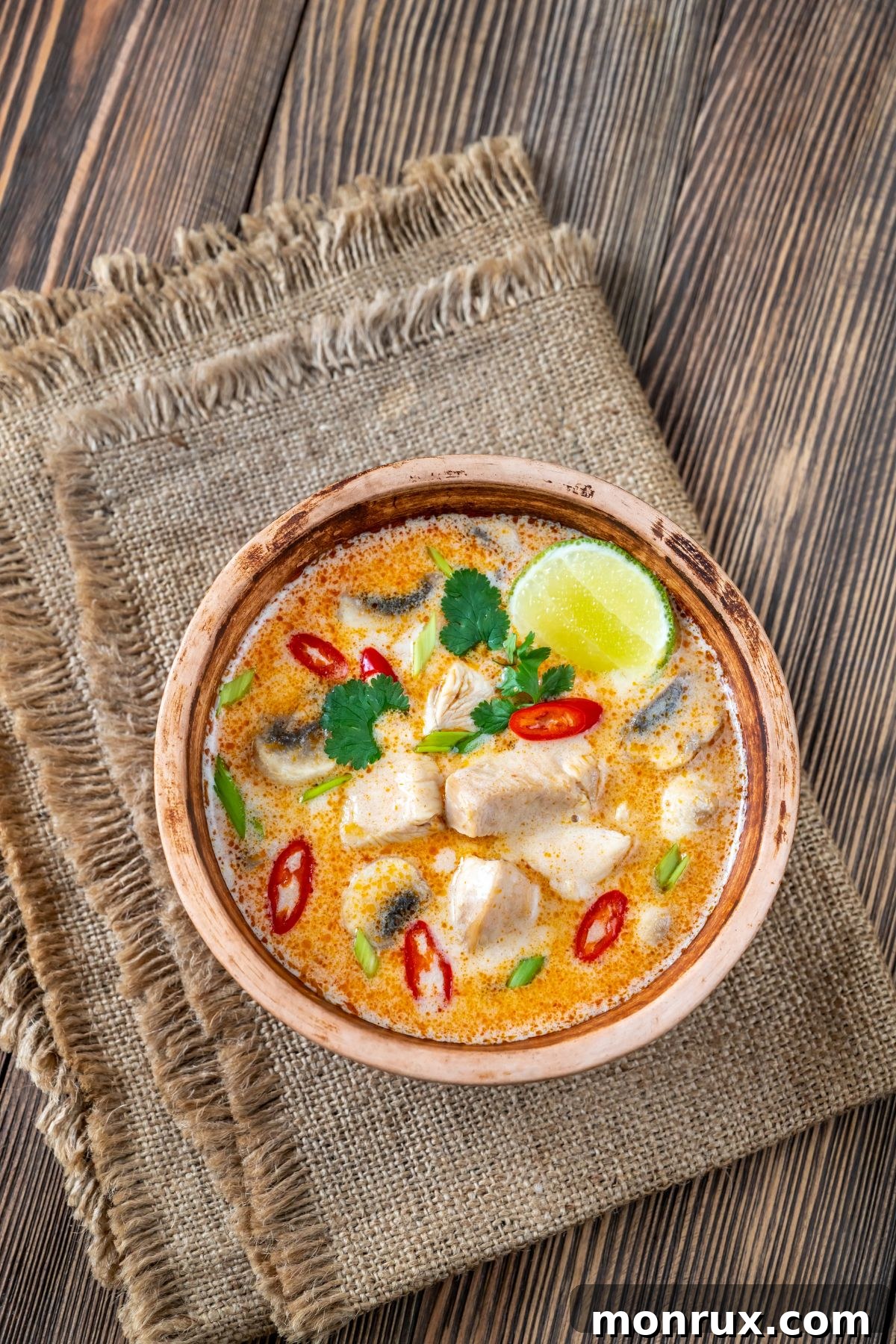
- Tom Kha Kai (Chicken Coconut Soup): A milder and creamier counterpart to Tom Yum, this soup features chicken simmered in coconut milk with galangal, lemongrass, and lime juice.
- Khao Pad (Fried Rice): A comforting and versatile dish of stir-fried jasmine rice with egg, vegetables, and your choice of protein, seasoned with soy sauce and other aromatics.
Healthiest Ingredients in Thai Food: Nature’s Pharmacy
The secret to Thai cuisine’s profound flavors and many of its health benefits lies in its exceptional use of fresh, wholesome ingredients. Beyond taste, many of these components are packed with nutrients and medicinal properties. Let’s explore some of the cornerstones of healthy Thai cooking.
Galangal: The Aromatic Powerhouse
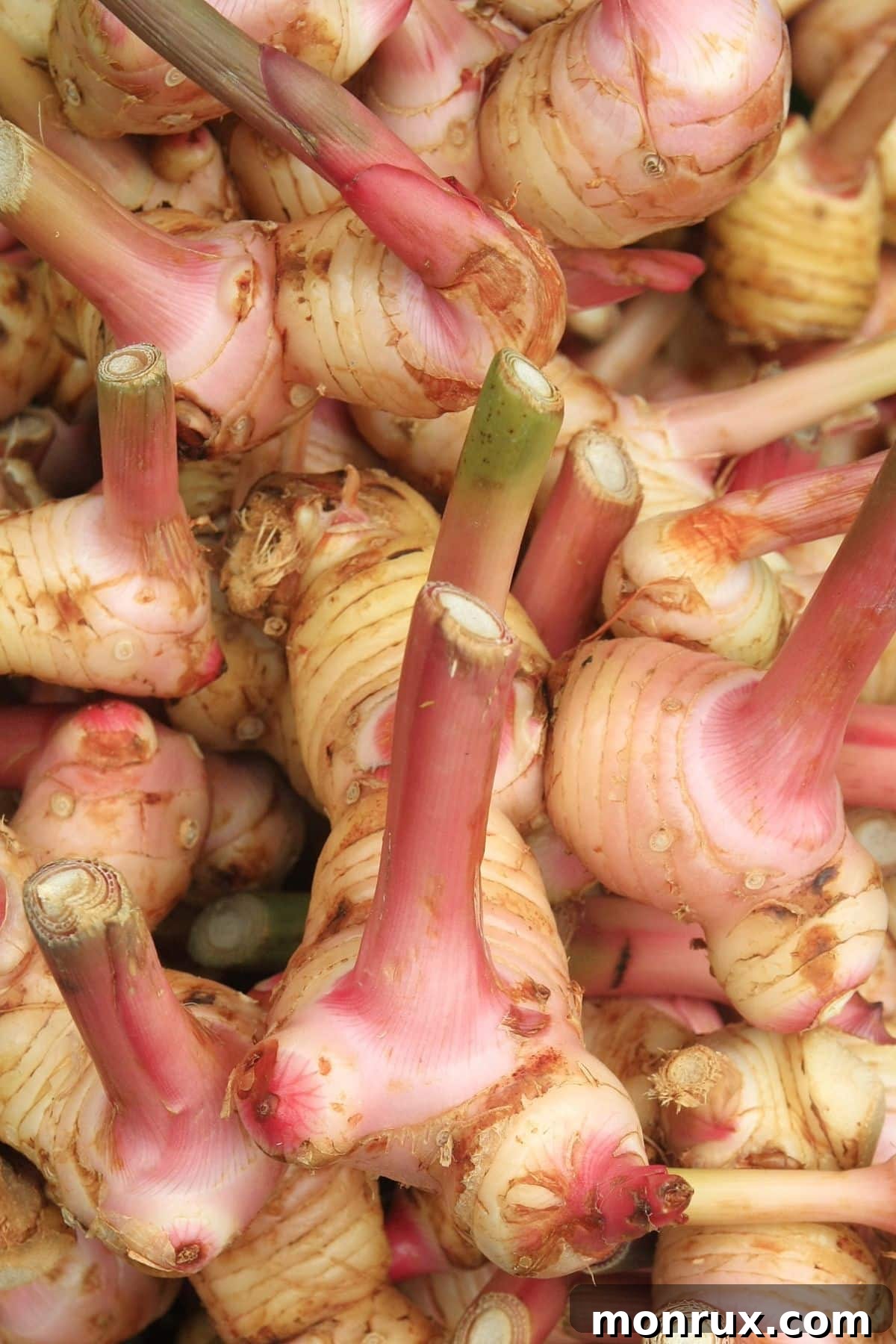
Often mistaken for ginger, galangal (Alpinia galanga) is a rhizome from the ginger family, yet it boasts a distinctly different flavor profile. It’s milder than ginger, with a unique citrusy, peppery, and slightly piney undertone that is indispensable to authentic Thai taste. From a health perspective, galangal is a marvel. Studies suggest it possesses potent anti-inflammatory and antioxidant properties, and research has even explored its potential benefits in various cancer treatments. Its bioactive compounds contribute to overall well-being and digestive health, making it an excellent addition to any meal.
Thai chefs commonly incorporate galangal into a wide array of dishes, including fried rice, flavorful stir-fries, and especially robust soups and curries. Its unique aroma deepens with cooking, making it perfect for slow-simmered dishes where its essence can fully infuse. For true authentic Thai flavor, galangal is irreplaceable; ginger, while similar in appearance, cannot replicate its complex notes.
Fish Sauce: The Umami Essence
Known as Nam Pla in Thai, fish sauce is undeniably the backbone of Thai cooking, much like salt in Western cuisine. This essential condiment is crafted from salted and fermented oily fish, such as mackerel or anchovies, resulting in a liquid brimming with intense salty, sweet, and savory notes. Its primary role is to impart a profound umami flavor, elevating and harmonizing all other ingredients in a dish. While rich in sodium, when used judiciously, fish sauce adds a depth that is central to Thai authenticity.
For those with a fish allergy or adhering to a vegan diet, suitable substitutes like coconut aminos, soy sauce, or tamari can be used. These alternatives can provide a salty and savory element, but it’s important to note that they will not fully replicate the distinctive umami and fermented character of traditional fish sauce. Nevertheless, they offer viable options to enjoy Thai-inspired flavors.
Coconut Milk: Creamy Indulgence, Healthy Fats
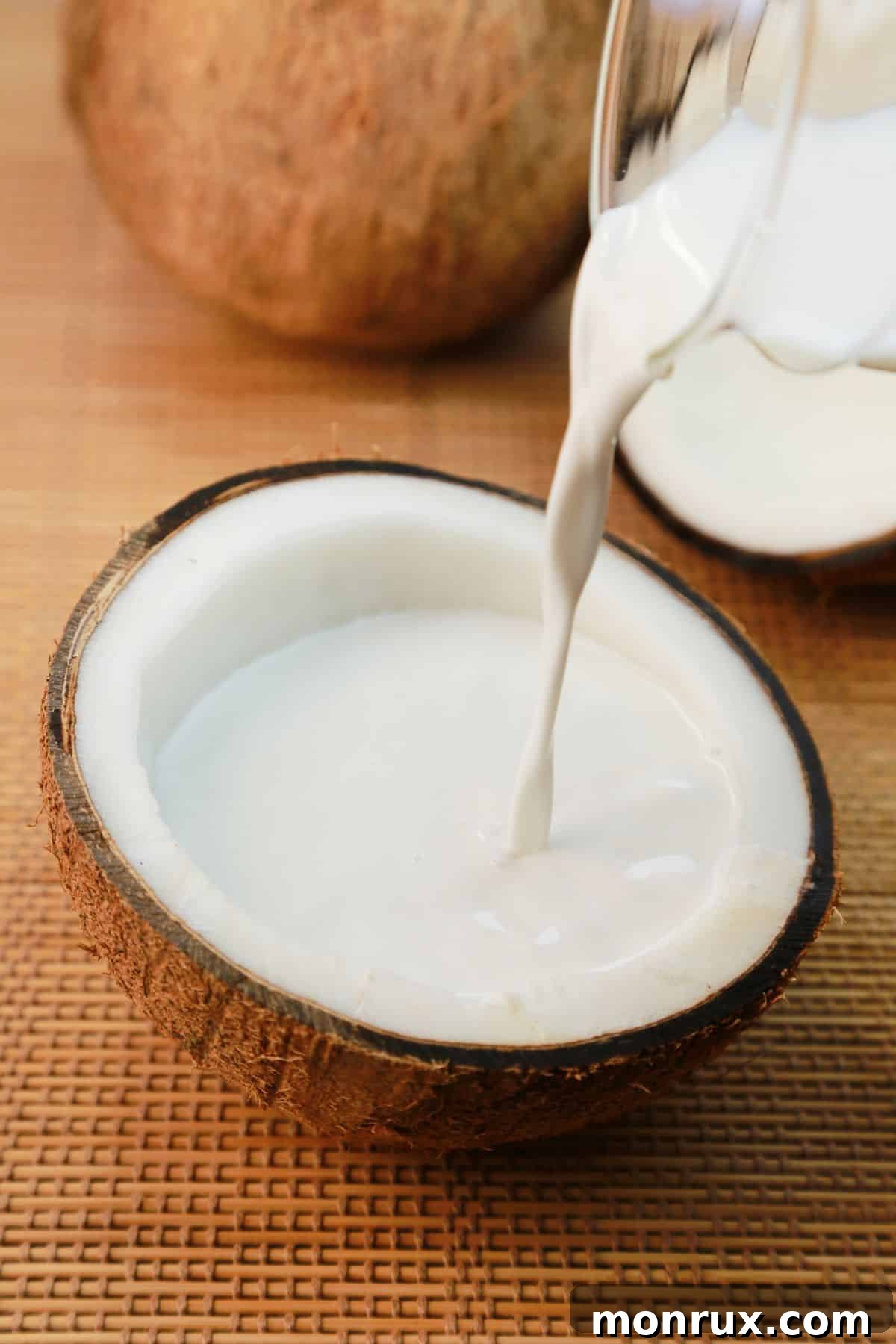
Coconut milk is a cornerstone ingredient in many Thai soups and curries, providing an inimitable richness, creamy texture, and a subtle sweetness that perfectly balances spicier elements. It’s produced by finely grating the flesh of mature coconuts and simmering it in water before straining. This plant-based milk is celebrated for being naturally dairy-free and is an excellent source of healthy fats, particularly medium-chain triglycerides (MCTs). MCTs are known for their easy digestibility and ability to provide a quick source of energy, potentially aiding in weight management and metabolic health.
Beyond its nutritional profile, coconut milk brings a luxurious mouthfeel and can temper the heat of chili-laden dishes, offering a soothing counterpoint. It’s a favorite base for vibrant Thai green curry, hearty massaman curry, and the comforting Tom Kha Kai soup. Its versatility makes it a beloved ingredient for adding creaminess without relying on animal products.
Fresh Herbs: The Aromatic Heartbeat
The vibrant essence of Thai cuisine often stems from its generous use of fresh herbs, which are rarely substituted with their dried counterparts due to the significant difference in flavor and aroma. The most common and essential herbs include fresh Thai basil, lemongrass, and cilantro, each playing a critical role in the overall flavor profile.
- Thai Basil: Distinct from Western basil, Thai basil offers a sweet, slightly anise-like, peppery flavor. It’s often added at the very end of cooking to preserve its delicate aroma and vibrant color, especially in stir-fries like Pad Krapow. While regular or holy basil can be used as a substitute, they will subtly alter the authentic taste.
- Lemongrass: This fragrant, citrusy herb with a hint of mint is crucial for many Thai soups and curries. Its sturdy stalks stand up well to longer cooking times, allowing its essential oils to deeply infuse dishes. Lemongrass is also known for its digestive benefits and refreshing properties.
- Cilantro (Coriander): Thai cuisine utilizes both the fresh leaves and roots of cilantro. The leaves provide a bright, fresh, and slightly floral garnish, while the roots are often pounded into curry pastes, adding a deep, earthy, and pungent flavor that forms the aromatic base of many dishes.
- Kaffir Lime Leaves: These distinctively shaped, double leaves contribute an intense citrusy and floral aroma. They are used whole in soups and curries, or finely shredded as a garnish, adding a bright, zesty note.
These fresh herbs are not just flavor enhancers; they are packed with antioxidants, vitamins, and minerals, contributing significantly to the health quotient of Thai food.
Allium Vegetables and Other Key Ingredients
The allium family of vegetables – including shallots, scallions, onions, and garlic – forms a foundational aromatic layer in Thai cuisine. Used raw, cooked, crunchy, or softened, they contribute diverse intense flavors and potent health benefits, such as immune support and anti-inflammatory effects.
Beyond these core ingredients, Thai cuisine embraces a rich pantry of fresh produce and other components, ensuring a vibrant and varied diet:
- Tamarind: Provides a distinctive sour and tangy flavor, often used in Pad Thai and sour curries.
- Lime and Lime Juice: Essential for adding brightness, acidity, and a dose of Vitamin C.
- Bird’s Eye Chili: The fiery heart of Thai spice, rich in capsaicin which offers various health benefits including pain relief and metabolic boost.
- Shrimp Paste and Dried Shrimp: Provide intense umami and salty notes, especially in curry pastes and salads.
- Soy Sauce: A common seasoning, particularly influenced by Chinese cuisine, offering a salty, savory depth.
- Spices: Beyond fresh herbs, Thai cooking utilizes a range of dried spices like peppercorn, black cardamon, fennel, and cumin, each contributing unique flavors and medicinal properties.
- Rice Noodles and Jasmine Rice: Staple carbohydrates, providing energy. Brown rice is an excellent whole-grain alternative for increased fiber.
- Bean Sprouts and Bamboo Shoots: Crunchy vegetables often added for texture and freshness.
- Palm Sugar: A traditional sweetener derived from palm sap, often used in moderation to balance flavors.
- Fresh Vegetables: An abundance of fresh vegetables like bell peppers, carrots, broccoli, mushrooms, and eggplant are commonly used, ensuring a high intake of vitamins, minerals, and fiber.
The sheer number of incredible and naturally healthy ingredients in traditional Thai cuisine is truly remarkable. It’s unfortunate that in some adaptations, particularly Westernized versions, the focus shifts away from these fresh components towards less healthy additions like excessive seed oils or high amounts of refined sugar. If you’re aspiring to create healthy Thai food at home, prioritize recipes that showcase fresh vegetables as the main ingredient. Be mindful of oil usage, opting for minimal amounts or healthy alternatives, and always pay attention to portion sizes. Furthermore, choose lean proteins like chicken, fish, or tofu, and generously add extra vegetables to boost nutrient content, especially if you’re on a weight management journey.
Nutrition Pros: Why Traditional Thai Food Shines
When prepared authentically, Thai food offers a wealth of nutritional benefits, making it an excellent choice for a healthy diet:
- Rich in Fresh Produce: Traditional Thai cuisine heavily relies on a vibrant array of fresh vegetables and fruits, providing essential vitamins, minerals, fiber, and antioxidants. This focus on plant-based ingredients contributes to better digestive health, lower risk of chronic diseases, and enhanced overall well-being.
- Lean Protein Sources: Thai dishes frequently feature lean proteins such as chicken, fish, shrimp, and tofu. These provide high-quality protein necessary for muscle repair, satiety, and energy, without excessive saturated fats.
- Power of Herbs and Spices: The extensive use of fresh herbs like lemongrass, galangal, cilantro, and basil, along with potent spices and chilies, isn’t just for flavor. Many of these ingredients are celebrated for their medicinal properties. For instance, lemongrass is high in antioxidants, iron, and potassium, while lime is an excellent source of vitamin C and helps prevent kidney stones. Chilies contain capsaicin, known for its metabolism-boosting and anti-inflammatory effects.
- Naturally Dairy-Free: Most traditional Thai dishes are naturally dairy-free, relying on coconut milk for creaminess, which is a great alternative for those with dairy sensitivities or allergies.
- Gluten-Free Friendly: Many core Thai ingredients like rice, rice noodles, fresh herbs, vegetables, and most proteins are naturally gluten-free. With simple swaps like using tamari instead of soy sauce, many Thai dishes can easily be adapted for a gluten-free diet.
- Efficient Cooking Methods: Traditional Thai cooking often employs quick stir-frying in a wok over high heat with minimal oil, which helps to preserve the nutrients in vegetables. Steaming and grilling are also common, promoting healthier preparation methods.
Nutrition Cons: Pitfalls to Watch Out For
While traditional Thai food is undeniably healthy, certain modern adaptations and common restaurant practices can introduce less desirable nutritional aspects. It’s crucial to be aware of these potential drawbacks to ensure your Thai dining experience remains beneficial:
- Excessive Sugar Content: A significant concern, particularly in Americanized versions of Thai food, is the overuse of processed sugar. While traditional Thai cuisine uses a touch of palm sugar to balance flavors, many restaurants add excessive amounts to dishes like Pad Thai, curries, and sauces, turning them into high-sugar meals. This added sugar contributes to calorie intake without nutritional value and can lead to blood sugar spikes.
- Unhealthy Oils and Deep Frying: While authentic Thai cooking utilizes minimal oil for stir-frying, many commercial establishments resort to cheaper, highly processed vegetable oils (like soybean or canola oil) and often use too much of it. Furthermore, the popularity of deep-fried Thai dishes, such as spring rolls, fried wontons (like cream cheese wontons, which are not traditionally Thai), and certain fried fish or chicken preparations, significantly increases the fat and calorie content. Deep-fried foods have been linked to numerous health problems, including increased risk of heart disease and obesity.
- High Sodium Levels: Ingredients like fish sauce, soy sauce, and shrimp paste are naturally high in sodium. While essential for flavor, excessive use, especially in combination with processed sauces, can lead to high sodium intake, which is a concern for blood pressure and cardiovascular health.
- Cream-Based Additions: Though traditional Thai food is dairy-free, some restaurants may add dairy cream or milk products to curries and soups for extra richness, deviating from authentic preparation and adding unnecessary saturated fats for those seeking dairy-free options.
- Portion Sizes: Restaurant portion sizes can often be overly generous, leading to unintentional overeating. While the ingredients might be healthy, consuming them in large quantities can still contribute to excess calorie intake.
- Limited Vegetable Variety in Some Dishes: While many dishes are vegetable-rich, some popular choices, like certain types of fried rice or noodle dishes, might contain fewer vegetables than ideal, especially if you don’t specifically request extra.
Frequently Asked Questions About Healthy Thai Food
Is Thai food healthy?
Yes, traditional Thai food can be exceptionally healthy, provided it’s prepared with fresh, whole ingredients and minimal processed additives. Dishes like clear soups (e.g., Tom Yum), fresh salads (e.g., Green Papaya Salad), and stir-fries with lean protein and plenty of vegetables are great examples of healthy Thai options. The cuisine’s emphasis on fresh herbs, spices, and a balanced flavor profile contributes to its nutritional value. However, it’s crucial to be mindful of where you’re eating and how the food is prepared. Many commercial restaurants, especially outside Thailand, may use excessive amounts of sugar, unhealthy oils, or rely on deep-frying, which can compromise the health benefits. For instance, popular dishes like Pad Thai often contain surprisingly high amounts of added sugar.
Is Thai food dairy-free?
Traditionally, yes, most authentic Thai food is naturally dairy-free. Historically, Thai people did not consume cow’s milk or dairy products, relying instead on coconut milk for its creamy texture and rich flavor in curries and soups. Coconut trees are abundant in Thailand, making coconut milk a natural and readily available substitute. However, it’s important to note that some modern Thai restaurants, particularly in Western countries, might incorporate dairy cream or milk into their dishes to achieve extra richness or cater to Western palates. If you have a dairy allergy or dietary restriction, it’s always best to confirm with the restaurant. Furthermore, while dairy-free, traditional Thai food is typically not vegan as many recipes include fish sauce or shrimp paste, which are animal products. For a vegan option, these ingredients can often be substituted with soy sauce, tamari, or coconut aminos.
Can you make a healthy version of Thai food at home?
Absolutely! Making healthy Thai food at home is not only possible but also highly recommended. By preparing Thai dishes yourself, you gain complete control over the ingredients, allowing you to choose fresh, unprocessed components and adjust the amounts of sugar, salt, and oil. Many traditional Thai recipes are inherently healthy, focusing on lean proteins, abundant fresh vegetables and herbs, and balanced flavors. To ensure your homemade Thai food is healthy, prioritize recipes that call for real, whole ingredients. Opt for brown rice or quinoa instead of white rice, load up on extra vegetables, use minimal healthy oils (like coconut oil or avocado oil in moderation), and be conservative with added sugars and high-sodium sauces. The simplest Thai dishes are often the healthiest and most flavorful, making home cooking an excellent way to enjoy this cuisine guilt-free.
Explore More Nutrition Insights
Conclusions: Savoring Healthy Thai Cuisine
In conclusion, traditional Thai food, with its emphasis on fresh ingredients, vibrant herbs, lean proteins, and balanced flavors, is inherently healthy and incredibly beneficial for well-being. Its natural dairy-free composition and ease of adaptation to gluten-free diets make it accessible to many. The key to enjoying Thai cuisine in its healthiest form lies in understanding the distinction between authentic, traditional preparations and their often-modified, Westernized counterparts. While dining out, opt for clear soups, request less oil and sugar, and prioritize dishes rich in vegetables and lean meats. When cooking at home, you have the ultimate control to ensure every ingredient contributes to a nutritious and delicious meal.
Embrace the complexity and freshness of Thai food, and you’ll find a cuisine that not only tantalizes your taste buds but also supports your health journey. Don’t forget to join my newsletter list to get exclusive clean eating recipes and tips. The newsletter is 100% free with no spam; you can unsubscribe anytime.
About the Author: Carrie Forrest holds a master’s degree in public health with a specialization in nutrition and is a certified holistic nutritionist. She is a highly regarded wellness and food blogger, attracting over 5 million visitors to her site annually. Carrie shares an inspiring story of recovery from chronic illness and is passionately dedicated to empowering other women to transform their health. Feel free to connect with her through her contact form.
Note: This post is for informational purposes only and should not be considered medical advice. Please consult your healthcare provider for recommendations tailored to your individual health needs.