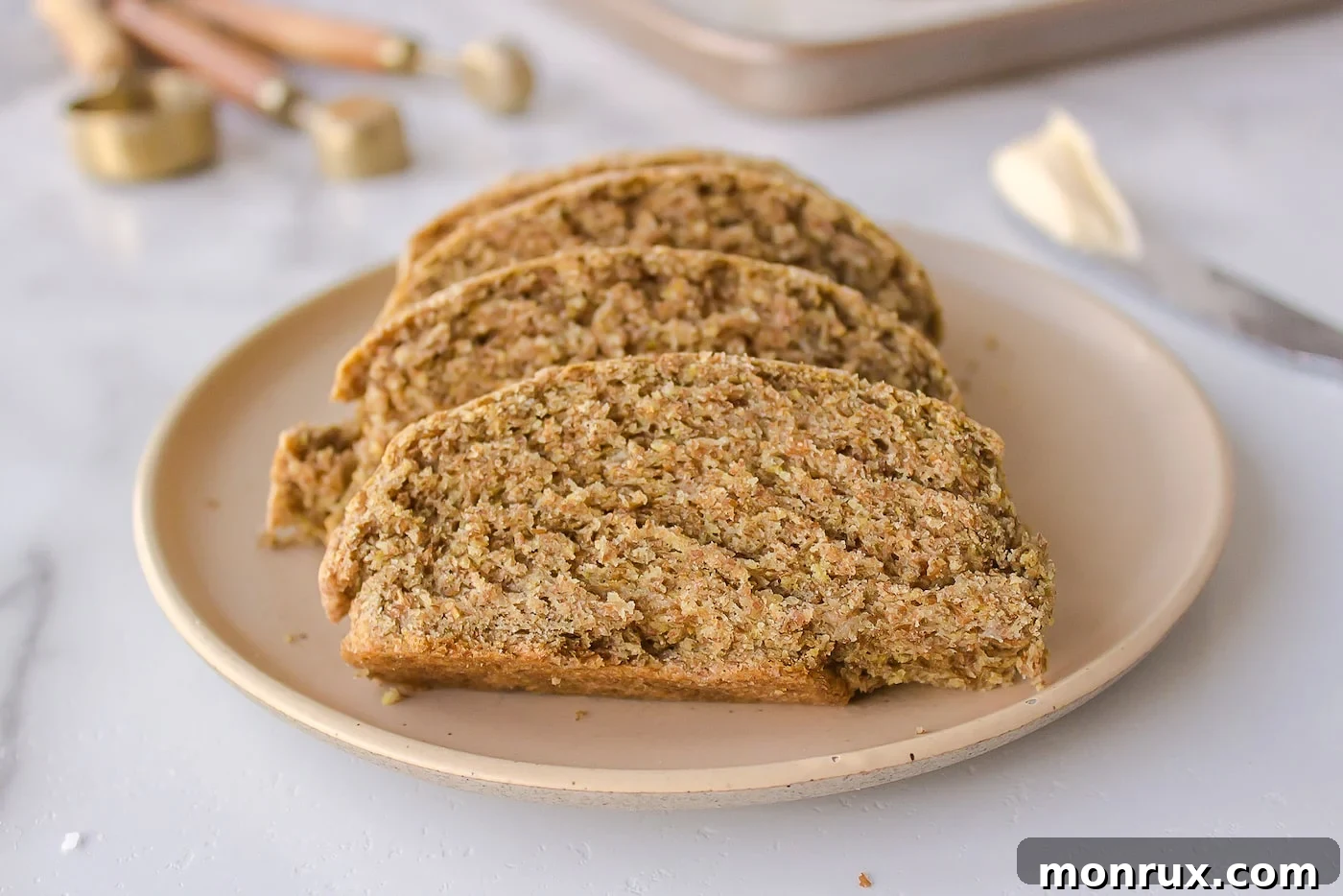
Homemade Buckwheat Bread: Your Guide to a Delicious, Gluten-Free & Yeast-Free Loaf
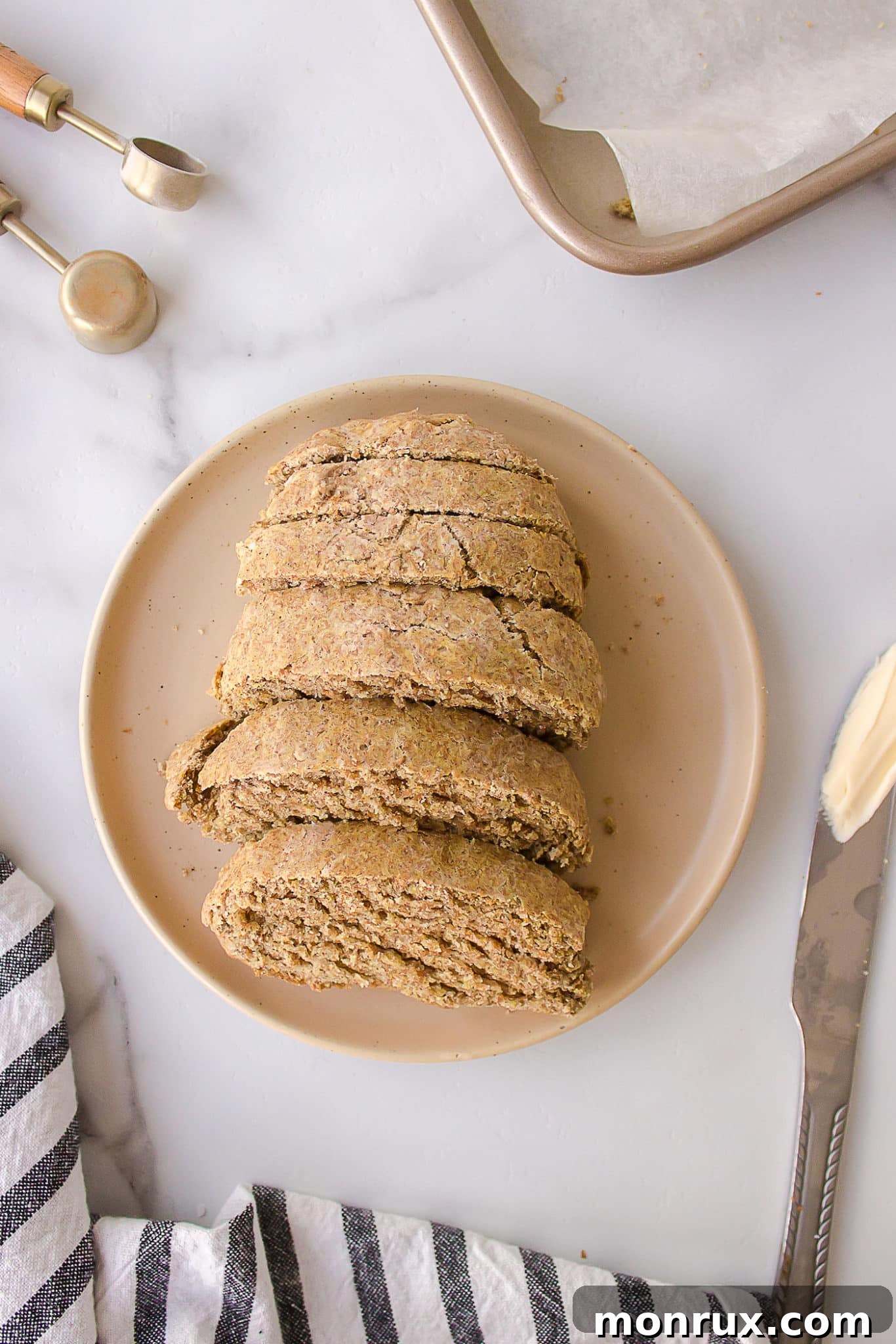
Imagine the warm, inviting aroma of freshly baked bread filling your home. Now imagine that bread is not only incredibly simple to make but also perfectly suited for a wide range of dietary preferences. This guide will walk you through crafting a comforting and delicious loaf of homemade Buckwheat Bread. This incredibly straightforward recipe is designed to be naturally gluten-free, vegan, dairy-free, egg-free, and completely yeast-free, making it an accessible and healthy option for everyone in your family.
Baking gluten-free bread can often feel daunting, even for seasoned bakers, due to the complexities of working with alternative flours and yeast. However, this particular recipe eliminates those worries entirely. Our buckwheat bread rises beautifully with the help of baking soda, not yeast. This means you can skip the time-consuming proofing and rising steps. Simply mix your ingredients, shape your loaf, and bake! It’s truly a mix-and-bake marvel that delivers on taste and texture.
Understanding Buckwheat: The Powerhouse “Grain” That’s Actually Gluten-Free
If the name “buckwheat” has ever given you pause, making you wonder if it contains gluten, rest assured, that confusion is common but easily cleared up! Despite having “wheat” in its name, buckwheat is not related to wheat at all. It’s actually a grain-like seed, often referred to as a pseudocereal, derived from a plant in the rhubarb family. This means buckwheat is naturally 100% gluten-free, making it a safe and nutritious choice for those with celiac disease or gluten sensitivity.
Beyond its gluten-free status, buckwheat is a nutritional powerhouse. It’s packed with essential antioxidants, including rutin and quercetin, which are known for their anti-inflammatory properties and benefits for heart health. Furthermore, it’s a rich source of vital minerals such as magnesium, manganese, copper, and phosphorus, all of which are crucial for healthy growth, development, and overall well-being. Incorporating buckwheat into your diet is a fantastic way to boost your nutrient intake with a wholesome, earthy flavor.
For those interested in the scientific benefits, explore more about buckwheat’s nutritional impact via this nutritious punch study.
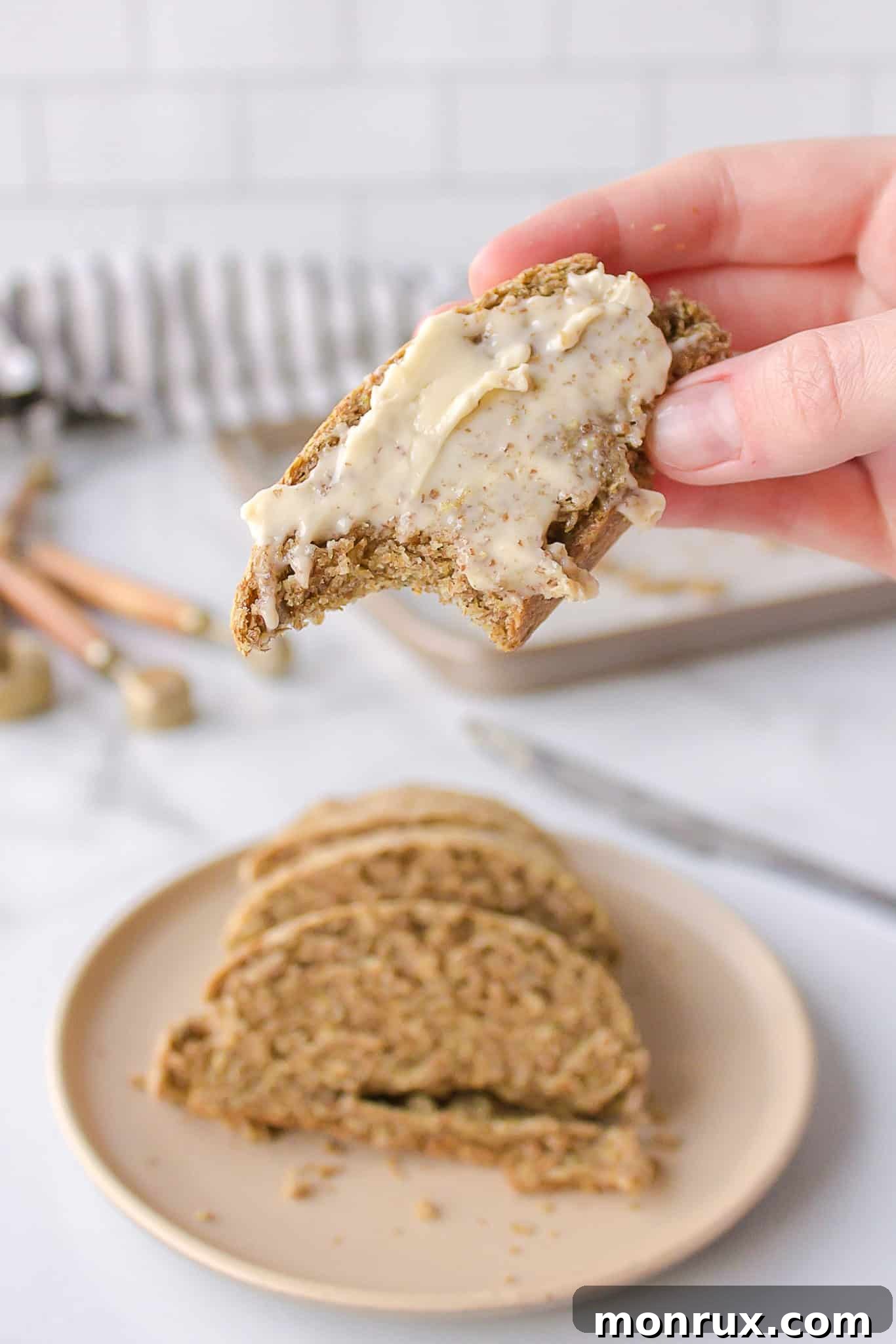
There’s genuinely nothing quite like a warm slice of freshly baked bread, especially when it’s slathered in a generous pat of butter (or your favorite vegan butter). And when that bread is as healthy and wholesome as this buckwheat loaf, it’s an undeniable win-win! We are confident that this simple buckwheat flour bread recipe will quickly become a cherished staple in your kitchen.
If you find yourself without buckwheat flour on hand, don’t worry! You can explore excellent alternatives by reading our detailed article on the Best Substitutes for Buckwheat Flour.
Unveiling the Health Benefits of Buckwheat Bread
This homemade buckwheat bread isn’t just easy and delicious; it also boasts a remarkable array of health benefits and caters to a wide variety of dietary needs. Here’s why this recipe stands out:
- Minimal Ingredients, Maximum Flavor: This Buckwheat Bread recipe calls for only 5 core ingredients! In a world of complex gluten-free baking that often requires a lengthy list of specialized flours, gums, and binders like xanthan gum, tapioca starch, or psyllium husk powder, this recipe offers a refreshing and clean alternative. Its simplicity doesn’t compromise on taste, making it a major win-win for busy kitchens.
- Effortless, Yeast-Free Baking: Say goodbye to the demanding processes of proofing and waiting for dough to rise. Since this recipe utilizes baking soda for leavening, it eliminates the need for yeast entirely. This dramatically cuts down on preparation time and simplifies the baking process, making homemade bread accessible to even the most novice bakers. For those using sprouted buckwheat flour, the bread is also naturally easier to digest, adding another layer of health benefit.
- Wholesome & Allergen-Friendly: This hearty, soft, and utterly delicious loaf is crafted from 100% buckwheat flour, ensuring it is naturally gluten-free. But its benefits extend further; it’s also entirely dairy-free, yeast-free, egg-free, and vegan, making it suitable for a broad spectrum of dietary restrictions and preferences. Furthermore, this recipe is made without any added sugars, such as maple syrup or cane sugar, focusing on the natural goodness of its ingredients.
- Rich in Nutrients: As highlighted earlier, buckwheat is a nutritional powerhouse. Each slice of this bread delivers valuable antioxidants, fiber, and essential minerals, contributing positively to your daily nutritional intake and supporting overall health.
- Versatile and Satisfying: The dense, yet tender texture of this buckwheat bread makes it incredibly versatile. It’s perfect for toasting, creating hearty sandwiches, or simply enjoying with your favorite spreads. Its satisfying nature will keep you feeling full and energized.
Essential Ingredients for Your Buckwheat Loaf
Crafting this simple yet satisfying buckwheat bread requires just a handful of wholesome ingredients. Each component plays a crucial role in achieving the perfect texture and flavor. Here’s a closer look at what you’ll need:
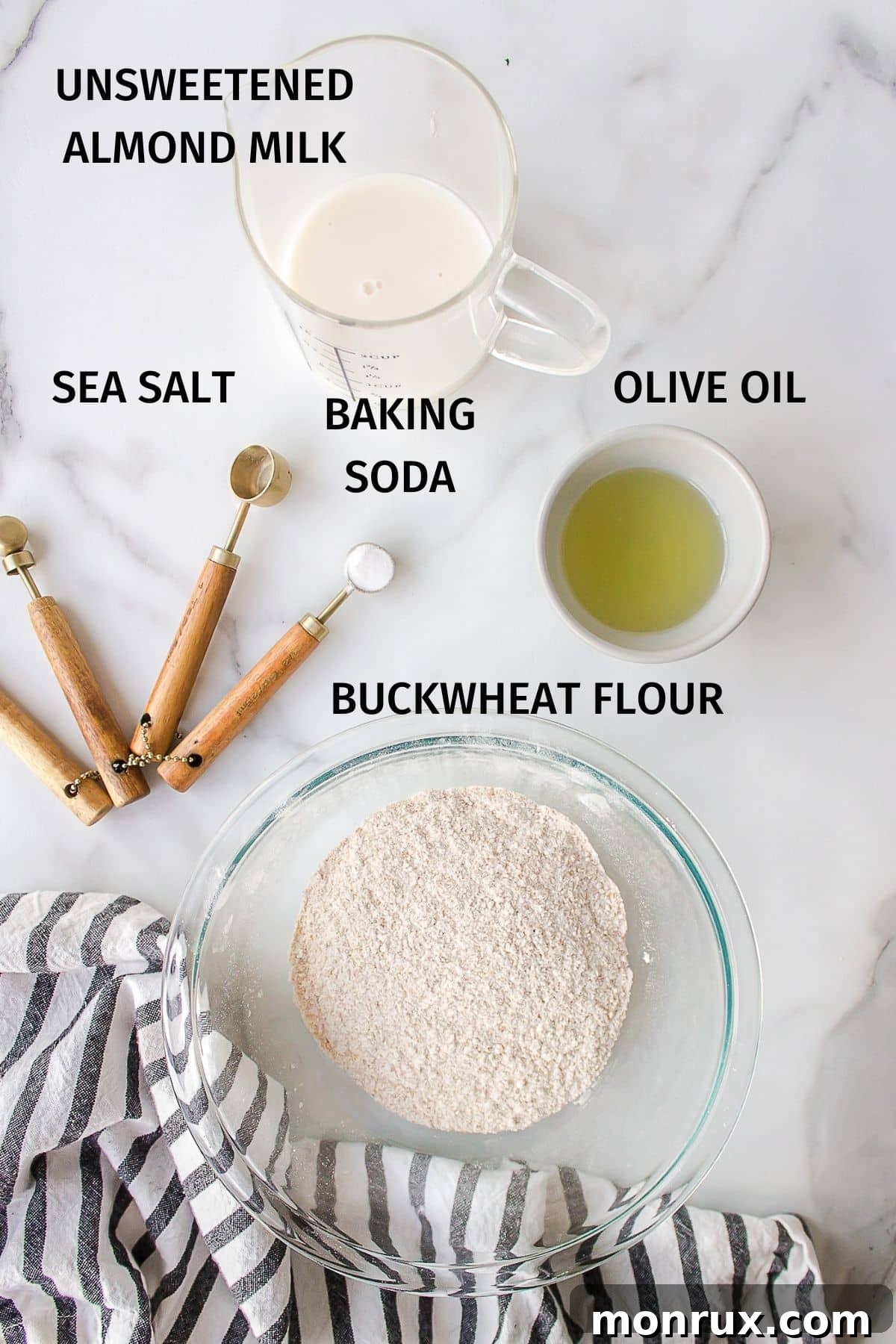
- Unsweetened Almond Milk: This plant-based milk is essential for moistening the dough and creating a cohesive batter without the need for eggs. Buckwheat flour is naturally more absorbent than traditional wheat flour, so the right amount of liquid is critical to prevent a dry, crumbly loaf. If you are not following a dairy-free or vegan diet, you can easily substitute unsweetened almond milk with regular dairy milk. Other plant-based milks like unsweetened oat milk or cashew milk can also work, but almond milk typically provides the best texture for this recipe.
- Olive Oil: A good quality olive oil not only enhances the subtle, earthy flavor of the buckwheat but also plays a vital role in keeping the bread tender and preventing it from drying out during baking. Its healthy fats contribute to the bread’s texture and shelf life. For alternative options, melted coconut oil or a neutral-flavored avocado oil can be used effectively. Ensure your coconut oil is melted but not hot to avoid cooking the other ingredients.
- Buckwheat Flour: The star of our recipe! This bread is made entirely with wholesome buckwheat flour, which imparts a unique, slightly nutty flavor and a hearty texture. We love using buckwheat flour not just for bread, but also for delicious recipes like buckwheat pancakes. Its naturally gluten-free nature makes this bread accessible to many. If you find yourself needing to substitute, refer to our comprehensive guide on the best substitutes for buckwheat flour.
- Baking Soda: This is our primary leavening agent, taking the place of yeast. Baking soda reacts with the acidic components in the batter (like some plant milks) to produce carbon dioxide, creating air pockets that give the bread a soft, airy crumb. While it won’t yield the dramatic rise of a yeast-leavened bread, it provides sufficient lift for a dense yet tender loaf, and significantly speeds up the baking process, ensuring a delicious result much quicker.
- Sea Salt: Do not underestimate the power of salt in baking! A touch of sea salt is absolutely vital for enhancing all the other flavors in the bread and preventing it from tasting bland. Without salt, bread can feel incomplete and lacking, even if you can’t quite pinpoint what’s missing. It balances the sweetness and brings out the natural earthiness of the buckwheat flour.
For precise measurements and detailed nutritional information, please consult the dedicated recipe card conveniently located at the end of this post.
Step-by-Step Guide: Crafting Your Yeast-Free Buckwheat Bread
Follow these simple instructions to bake a perfect loaf of homemade buckwheat bread. This no-fuss method ensures a delicious result every time, even for beginner bakers.
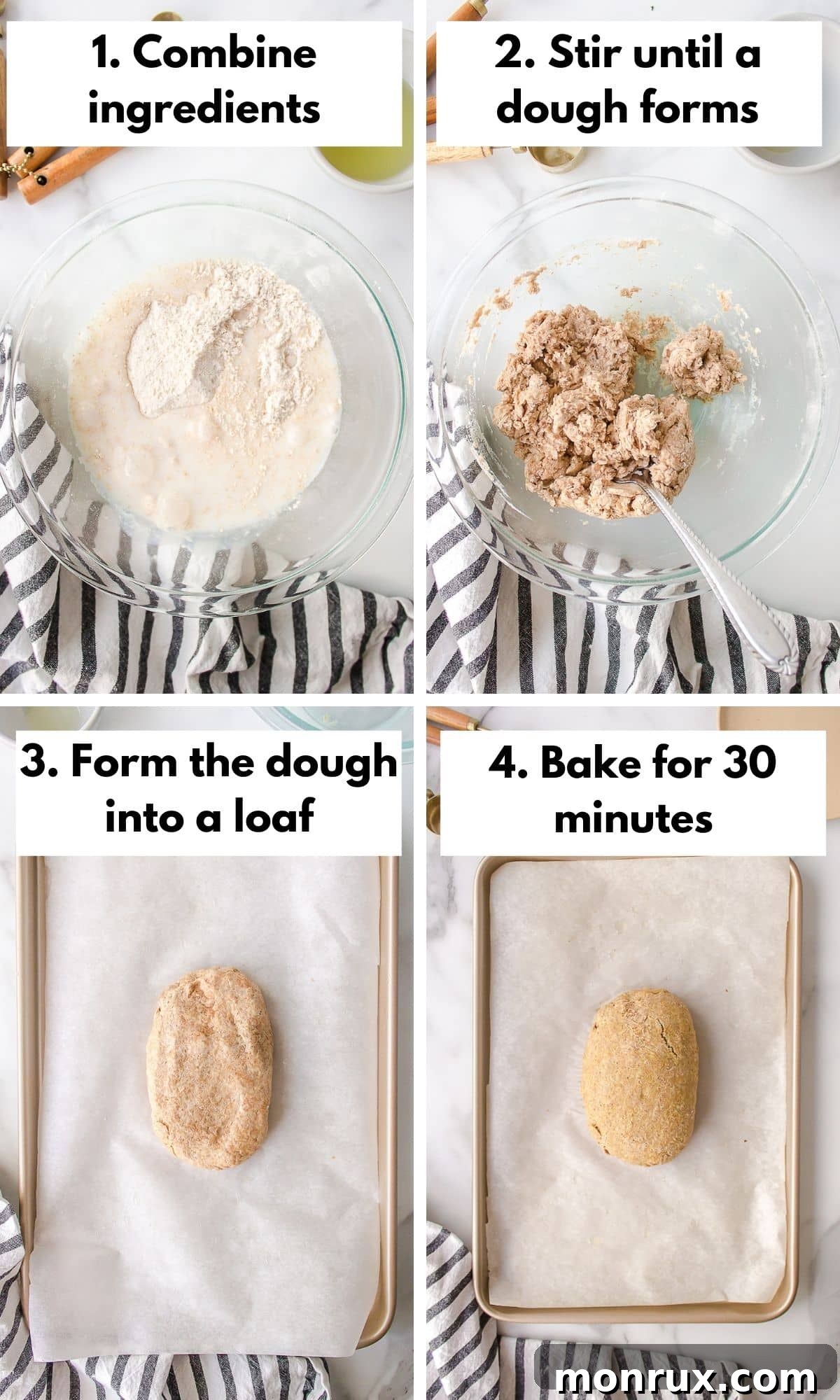
Step One: Prepare Your Oven and Baking Surface
Begin by preheating your oven to 350 degrees Fahrenheit (approximately 175 degrees Celsius). While the oven heats up, prepare your baking sheet. Line a standard baking sheet with parchment paper, ensuring it covers the entire surface. Lightly spray the parchment paper with a nonstick cooking spray. This crucial step prevents the bread from sticking and ensures easy removal after baking. Set the prepared baking sheet aside until needed.
In a medium or large mixing bowl, combine all of your measured ingredients: unsweetened almond milk, olive oil, buckwheat flour, baking soda, and sea salt. Ensure you have all components ready before proceeding. For the exact quantities, refer to the detailed recipe card at the conclusion of this article.
Step Two: Mix the Ingredients to Form a Batter
Using a sturdy spoon or spatula, stir all the ingredients in the large bowl thoroughly until they are well combined and a cohesive batter forms. The batter will be relatively thick. Once mixed, allow the dough to rest for a few minutes. This brief resting period allows the buckwheat flour to fully hydrate and the batter to thicken slightly, which is important for the final texture of the bread. For an even quicker mixing process, you can also use a food processor to combine both the dry and wet ingredients until a uniform batter is achieved.
Step Three: Shape Your Loaf
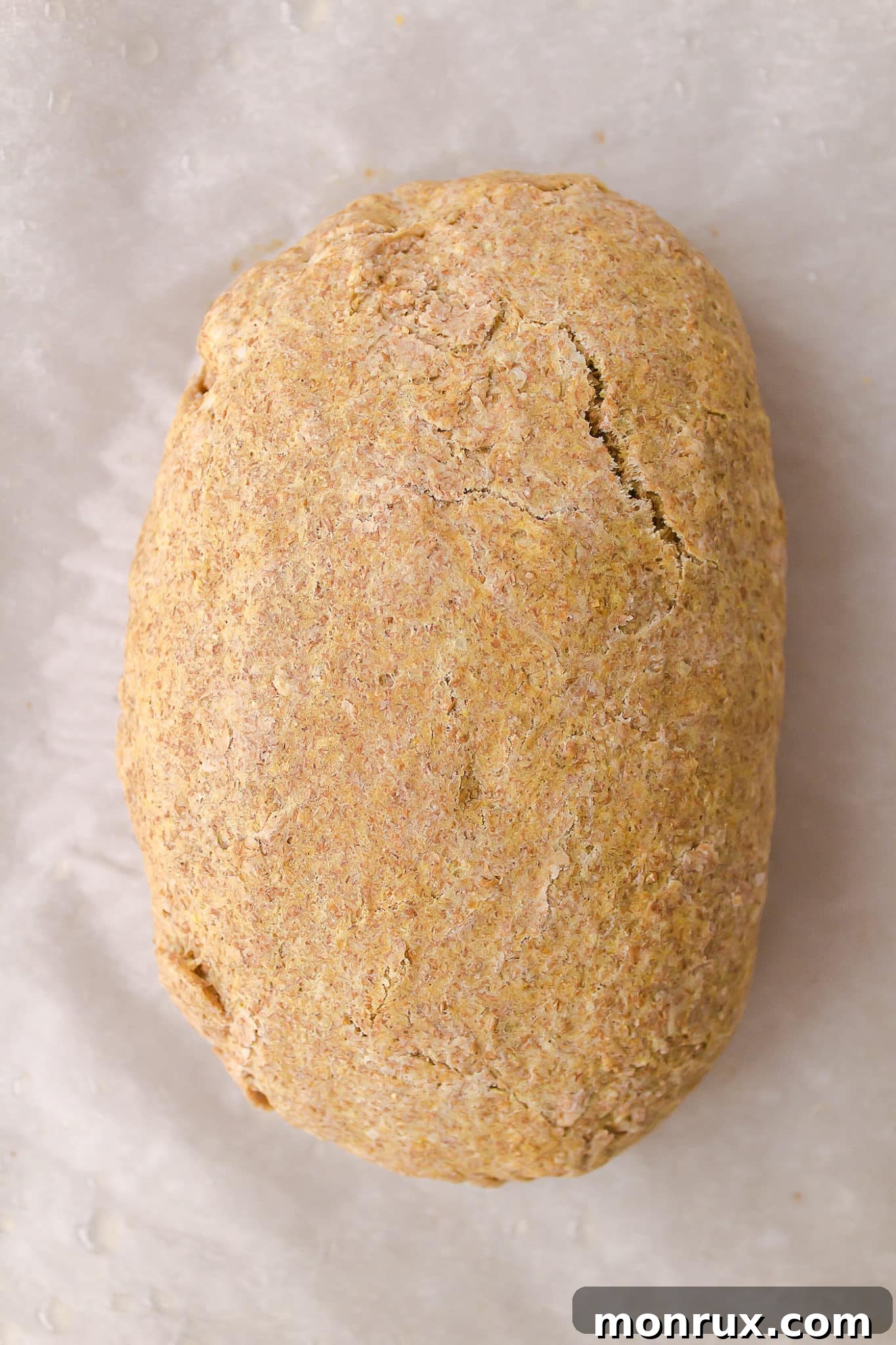
Once the batter has rested and thickened slightly, transfer it from the mixing bowl directly onto your prepared baking sheet. Using your clean hands, gently form the dough into a rectangular loaf. The loaf should be relatively flat on top and somewhat smaller than traditional yeast breads, typically around 2 inches wide and 1 ½ inches tall. Don’t worry about perfection; the rustic shape adds to its homemade charm.
Step Four: Bake to Golden Perfection
Carefully place the baking sheet with your shaped loaf into the preheated oven. Bake for approximately 30 minutes. Keep an eye on the bread; it’s ready when the top turns a beautiful golden brown and a toothpick inserted into the center comes out clean. The exact baking time can vary slightly depending on your oven, so trust your visual cues.
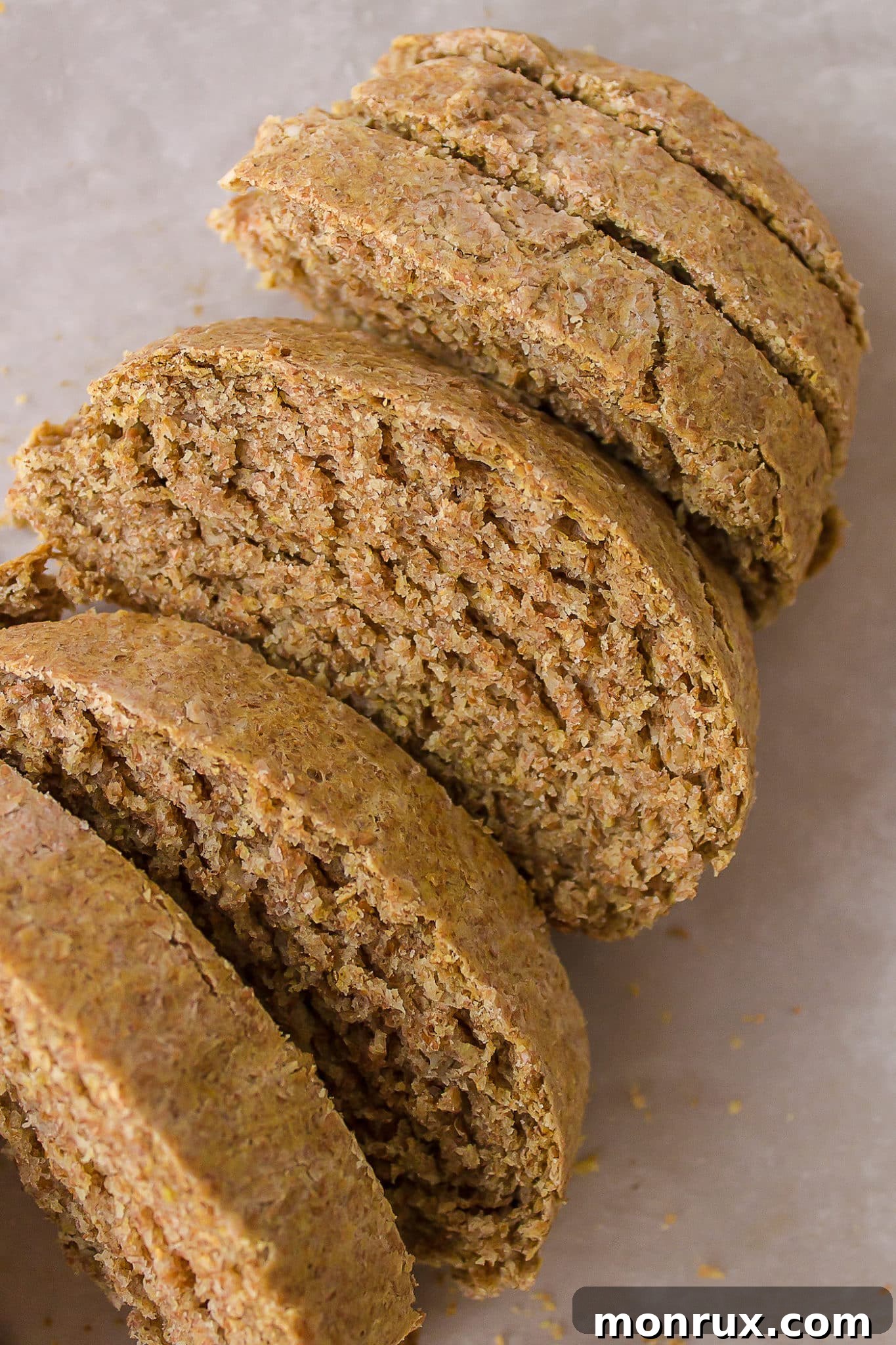
Once baked, remove the bread from the oven and carefully transfer it to a wire rack. Allow the loaf to cool for at least a few minutes before attempting to slice it. This cooling period is crucial as it allows the internal structure of the bread to set, preventing it from crumbling. Enjoy your delicious homemade buckwheat bread warm or at room temperature!
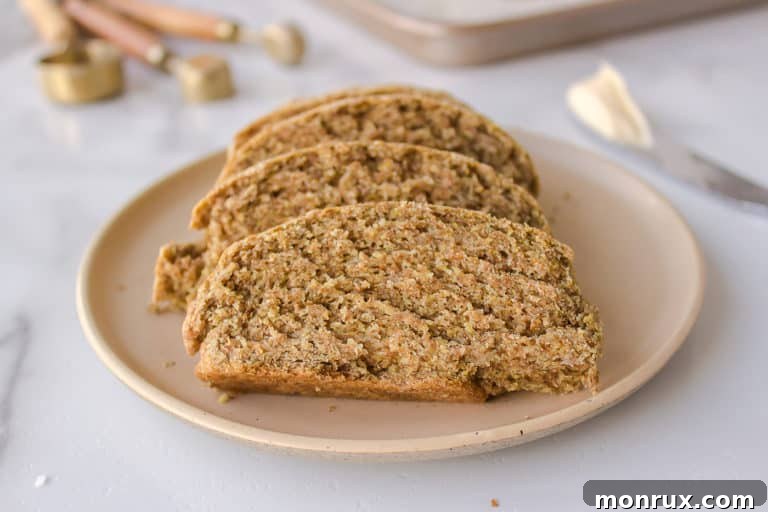
We trust that this incredibly easy, no-yeast bread will become one of your new go-to gluten-free bread recipes. It consistently yields a hearty, satisfying loaf that is simply perfect for slicing and enjoying as a wholesome sandwich, a delightful piece of toast, or alongside your favorite meal.
Expert Baking Tips for Perfect Buckwheat Bread
Achieving a consistently delicious loaf of buckwheat bread is easy with these helpful tips and tricks:
- Milk Substitutions: While unsweetened almond milk is recommended for its neutral flavor and ideal consistency, if you are not adhering to a dairy-free diet, regular dairy milk can be used as a direct substitute. Ensure it’s plain and unsweetened.
- Serving Suggestions: This bread is truly a delight when served warm. Enhance its flavor and texture with a generous pat of butter or your preferred vegan butter. It also pairs wonderfully with various spreads. For another delicious vegan baked good, try our related recipe for Vegan Drop Biscuits.
- Expect a Denser Loaf: Because this recipe is both yeast-free and egg-free, the bread will not achieve the same airy, high rise as conventional yeasted breads. Instead, anticipate a denser, heartier loaf, which is a characteristic and appealing quality of buckwheat bread. It’s still incredibly delicious and satisfying!
- Versatile Pairings: This robust bread makes an excellent accompaniment to a variety of meals and snacks. Serve it simply with butter, or elevate it with toppings like peanut butter, your favorite fruit jam, creamy avocado, or even as a sturdy side to a warm bowl of soup or chili.
- Proper Slicing Technique: To ensure clean, even slices and prevent the bread from getting compressed or “smooshed,” always use a serrated knife when cutting into your cooled loaf. A regular chef’s knife can tear the delicate texture.
- Storage Guidelines: To maintain its freshness, store any leftover buckwheat bread in an airtight container. It will keep well on the countertop for up to 3 days. For extended freshness, transfer it to the refrigerator, where it can last for up to 5 days.
- Flour Quality Matters: The quality of your buckwheat flour can impact the final texture. Opt for finely milled, fresh buckwheat flour for the best results. Sprouted buckwheat flour is also an excellent choice, as it can enhance digestibility.
- Don’t Overmix: As with most quick breads, overmixing the batter can lead to a tougher texture. Mix just until the ingredients are combined and no dry streaks of flour remain. A few small lumps are perfectly fine.
Frequently Asked Questions About Buckwheat Bread
Here are answers to some common questions you might have about baking and enjoying this delicious buckwheat bread:
- Can I freeze buckwheat bread?
- Yes, buckwheat bread freezes exceptionally well, making it perfect for meal prep or enjoying a fresh slice anytime. For best results, ensure the bread is completely cool before freezing. Wrap the entire loaf or individual slices tightly in plastic wrap, then place it in a zip-top freezer bag, removing as much air as possible. Don’t forget to label it with the date. It will maintain its quality for up to 3 months. To reheat, you can warm it through in the oven, or thaw slices at room temperature and then toast them to restore their delicious texture.
- Can I use coconut milk to make this bread?
- This recipe was specifically developed and tested using unsweetened almond milk to achieve its desired light yet hearty texture. While coconut milk (especially full-fat varieties) can be used, it may yield a noticeably denser loaf due to its higher fat content and different consistency. For optimal results, we recommend sticking with unsweetened almond milk or another lighter nut milk, such as cashew milk, for a similar outcome.
- Why is my buckwheat bread dense?
- Buckwheat bread is naturally denser than traditional wheat-based or yeasted breads. This is due to the lack of gluten and yeast in the recipe. Gluten provides elasticity and traps gas, leading to a lighter, airier crumb. Without it, and using only baking soda for leavening, the bread will have a more compact, hearty texture. This is a characteristic feature of buckwheat bread, not a flaw, and contributes to its satisfying chewiness.
- How should I store leftover buckwheat bread?
- For optimal freshness, store your cooled buckwheat bread in an airtight container at room temperature for up to 3 days. If you need to keep it longer, transfer it to the refrigerator, where it will stay fresh for up to 5 days. For longer storage, freezing is an excellent option as detailed above.
- Can I add seeds or nuts to this bread?
- Absolutely! Adding seeds or chopped nuts can introduce delightful texture and additional nutrients to your buckwheat bread. Consider incorporating a quarter to half a cup of sunflower seeds, pumpkin seeds, flax seeds, or chopped walnuts/pecans into the batter along with the dry ingredients. This can enhance the bread’s flavor profile and nutritional value. Just ensure not to add too much, as it could alter the dough’s consistency too much.
Explore More Gluten-Free Recipes You’ll Love
If you’re enjoying the delicious world of gluten-free baking and cooking, you’ll be thrilled to discover more of our favorite recipes:
- Gluten-Free Bread Pudding with Raspberries: A delightful dessert or brunch treat.
- Easy Gluten Free Zucchini Bread: A moist and flavorful classic, perfect for using up garden zucchini.
- Gluten Free Apple Muffins: Deliciously spiced muffins for a quick breakfast or snack.
- Gluten-Free Sweet Potato Bread: A comforting and nutritious loaf with a hint of sweetness.
- Gluten-Free Zucchini Bread: Another fantastic zucchini bread option for your clean eating journey.
Or, browse our entire collection of gluten-free breads for even more inspiration.
Don’t Miss These Gluten-Free Recipe & Resources!
Embarking on a gluten-free journey or looking for more delicious, healthy options? These resources are designed to support your clean eating lifestyle:
We genuinely hope you try this fantastic recipe! If you do, please consider leaving a comment and a starred review below to share your experience. Your feedback is invaluable to us and other home bakers.
Additionally, we’d love for you to connect with us on social media to stay updated with our latest recipes and healthy eating tips. You can find us on Facebook, Pinterest, Instagram, and YouTube! Join our community of clean eaters today.
Full Recipe Card: Yeast-Free Buckwheat Bread (Gluten-Free)
Average Rating: 4 out of 8 reviews
Learn how to make super simple comforting and delicious homemade Buckwheat Bread for your family. This recipe is gluten-free, vegan, dairy-free, egg-free, and yeast-free.
- Total Time: 50 minutes
- Yield: 8 servings
Ingredients
Units
Scale
- Nonstick cooking spray
- 1/2 cup unsweetened almond milk or oat milk
- 1/4 cup olive oil
- 1 cup plus 2 tablespoons buckwheat flour
- 1/2 teaspoon baking soda
- 1/2 teaspoon sea salt
Instructions
- Preheat your oven to 350°F (175°C). Line a baking sheet with parchment paper and spray the top lightly with nonstick cooking spray. Set the baking sheet aside.
- In a large mixing bowl, combine the almond milk, olive oil, buckwheat flour, baking soda, and sea salt.
- Stir thoroughly to combine all ingredients until a uniform batter forms. Let the batter sit for a few minutes to thicken.
- Then, transfer the batter onto the prepared baking sheet. Use your hands to form a rectangular loaf that is approximately 2 inches wide and 1 ½ inches tall. The loaf should have a flat top and be smaller than most traditional bread loaves.
- Bake the bread for 30 minutes, or until the top begins to turn a golden brown and a toothpick inserted into the center comes out clean.
- Let the bread cool on a wire rack for a few minutes before slicing and serving warm. Enjoy!
Notes
- If you are not on a dairy-free diet, you can use regular dairy milk in place of the plant milk.
- This bread is fantastic served warm with a pat of butter or your favorite vegan butter.
- Because this bread is yeast-free and egg-free, it will naturally have a denser texture and won’t rise as much as conventional bread. However, it is still incredibly delicious and satisfying!
- Author: Carrie Forrest, MPH in Nutrition
- Prep Time: 20 minutes
- Cook Time: 30 minutes
- Category: Side dish
- Method: Oven
- Cuisine: Healthy
- Diet: Gluten Free, Vegan, Dairy-Free, Egg-Free, Yeast-Free
Nutrition Facts (per 1/8 of recipe)
- Serving Size: 1/8 of recipe
- Calories: 113
- Sugar: 0.4 g
- Sodium: 237.3 mg
- Fat: 7.7 g
- Saturated Fat: 1.1 g
- Carbohydrates: 10.7 g
- Fiber: 1.5 g
- Protein: 2 g
- Cholesterol: 0 mg
Don’t forget to join my newsletter list to get exclusive clean eating recipes and tips delivered straight to your inbox. The newsletter is 100% free with no spam; you can unsubscribe anytime.
About the Author: Carrie Forrest holds a master’s degree in public health with a specialty in nutrition and is a certified holistic nutritionist. She is a prominent wellness and food blogger, attracting over 5 million annual visitors to her site. Carrie shares an inspiring story of recovery from chronic illness and is deeply passionate about empowering other women to transform their health through wholesome eating. Feel free to send her a message through her contact form.