
Embarking on a journey towards a healthier lifestyle often begins with conscious food choices. If your goal is to enhance your well-being through a real food diet, integrating organic options into your meals is a crucial step. This comprehensive guide provides practical tips for eating organic for beginners, along with ingenious strategies to make an organic, GMO-free diet affordable and sustainable.
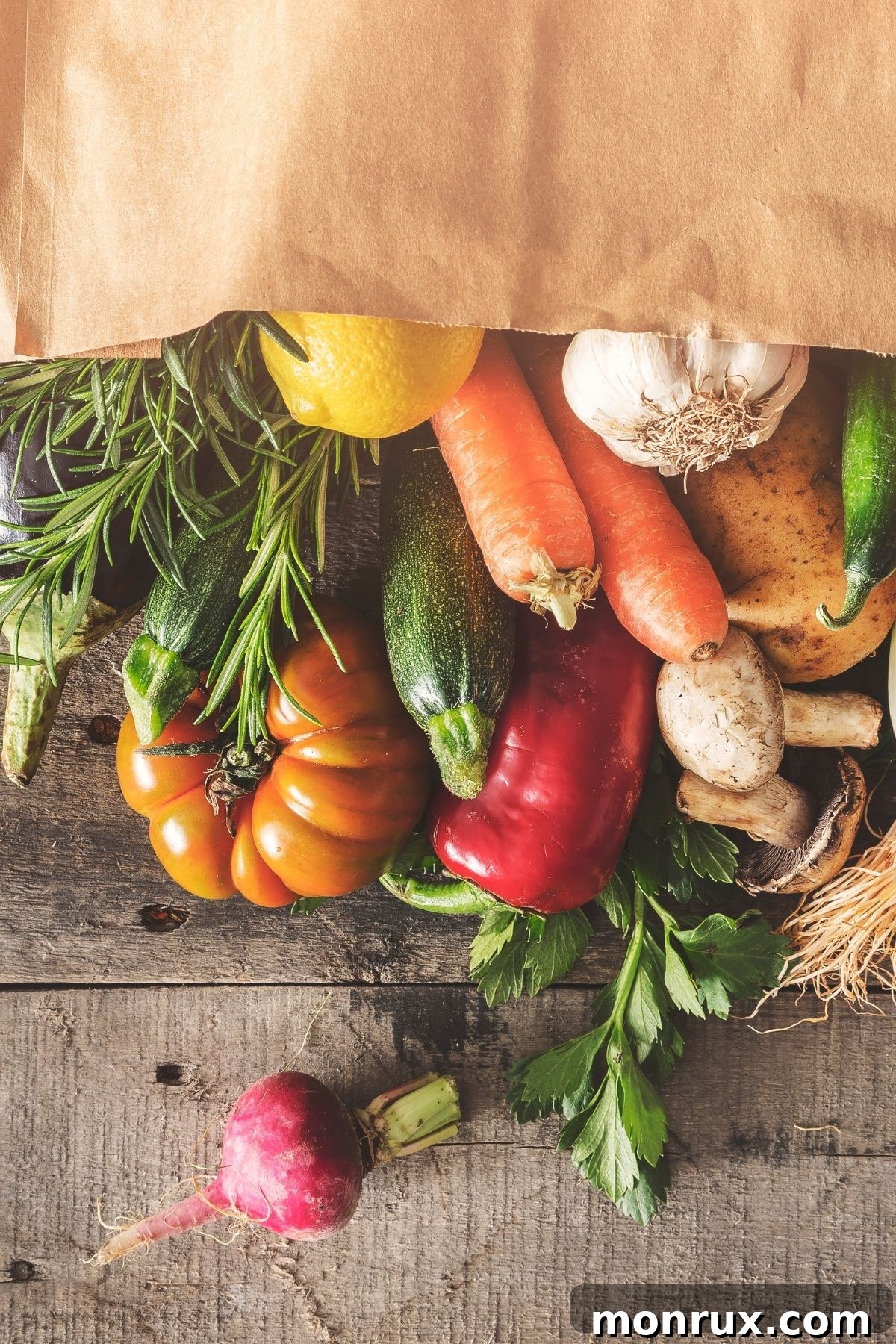
Understanding Organic: What Does Organic Really Mean?
Before diving into how to incorporate more organic foods into your diet, it’s essential to grasp what “organic” truly signifies. At its core, organic food is produced without the use of synthetic pesticides, herbicides, or fertilizers, and it is free from genetically modified organisms (GMOs). This commitment extends beyond just the final product, encompassing the entire farming ecosystem.
For a product to be certified as organic, especially in the United States, it must adhere to stringent guidelines set by the United States Department of Agriculture (USDA). These guidelines cover several critical areas:
- Soil Practices: Organic farming emphasizes soil health, promoting methods that enrich the soil naturally, such as composting, cover cropping, and crop rotation. Land used for organic crops must be free from prohibited substances for at least three years prior to harvest.
- Animal Raising Practices: For organic meat, poultry, eggs, and dairy products, animals must be raised in living conditions accommodating their natural behaviors, fed 100% organic feed, and managed without antibiotics or hormones.
- Pest and Weed Control: Organic farmers rely on natural methods like beneficial insects, traps, mulches, and hand-weeding, rather than synthetic pesticides or herbicides.
- GMO-Free: Organic products are strictly prohibited from containing genetically modified organisms.
This comprehensive approach means that when you choose organic produce, you’re selecting foods grown in healthier soil, without synthetic chemical residues on the surface, and without genetic modification. For animal products, it means supporting practices that prioritize animal welfare and avoid routine antibiotic use.
Beyond the reduction of chemical exposure, the choice to eat organic also supports sustainable farming efforts that are kinder to the environment, promoting biodiversity and soil longevity. While scientific research on the nutritional superiority of organic foods compared to conventional ones is ongoing, existing studies, such as those indicating potential health benefits, suggest a positive correlation. Many consumers also report a noticeable difference in taste and freshness.

Tips for Eating Organic for Beginners
Transitioning to an organic diet can seem daunting, especially with concerns about cost and availability. However, with a strategic approach, you can significantly increase your organic intake without breaking the bank. Here are actionable tips to get started:
1. Prioritize Strategically: The Dirty Dozen and Clean Fifteen
One of the most effective ways to maximize your organic budget is by understanding which fruits and vegetables are most likely to retain pesticide residues. Pesticides are primarily applied to the skin of produce. If a fruit or vegetable has a thick, inedible peel that you discard, your exposure to potential residues is naturally reduced. Conversely, produce with thin or edible skins tends to have higher residue levels.
This is where the Environmental Working Group’s (EWG) “Dirty Dozen” and “Clean Fifteen” lists become invaluable. The “Dirty Dozen” highlights produce with the highest pesticide residues, making them a top priority for organic purchase. Examples typically include berries (strawberries, blueberries), leafy greens (spinach, kale), celery, tomatoes, peppers, potatoes, and pears. These items are often consumed with their skin, directly exposing you to any applied chemicals.
On the other hand, the “Clean Fifteen” lists produce with the lowest pesticide residues, where buying organic is less critical if budget is a concern. These usually feature items like avocados, bananas, pineapples, onions, corn, mangoes, and citrus fruits, all of which have a protective, thick outer layer that is typically removed before eating. By focusing your organic purchases on the “Dirty Dozen,” you make the biggest impact on reducing your chemical intake while managing costs.
2. Explore Your Local Grocery Store (and Beyond)
The landscape of organic food availability has transformed dramatically. What was once niche is now mainstream. Your local grocery store, even conventional ones, is likely to stock a significantly larger selection of organic produce and pantry staples than ever before. If you haven’t checked recently, it’s time to revisit the aisles.
Beyond traditional supermarkets, consider exploring:
- Specialty Health Food Stores: These stores often have the widest variety of organic options, including unique produce, bulk items, and specialized organic products.
- Farmers’ Markets: A fantastic source for fresh, seasonal organic produce directly from local growers. You can often speak directly to the farmers about their practices.
- Community Supported Agriculture (CSAs): Subscribing to a CSA means you receive a weekly or bi-weekly box of seasonal produce directly from a local farm, often organic or grown with sustainable practices.
- Online Retailers: Many online platforms now offer organic groceries, often delivered right to your door, providing convenience and access to a broader selection.
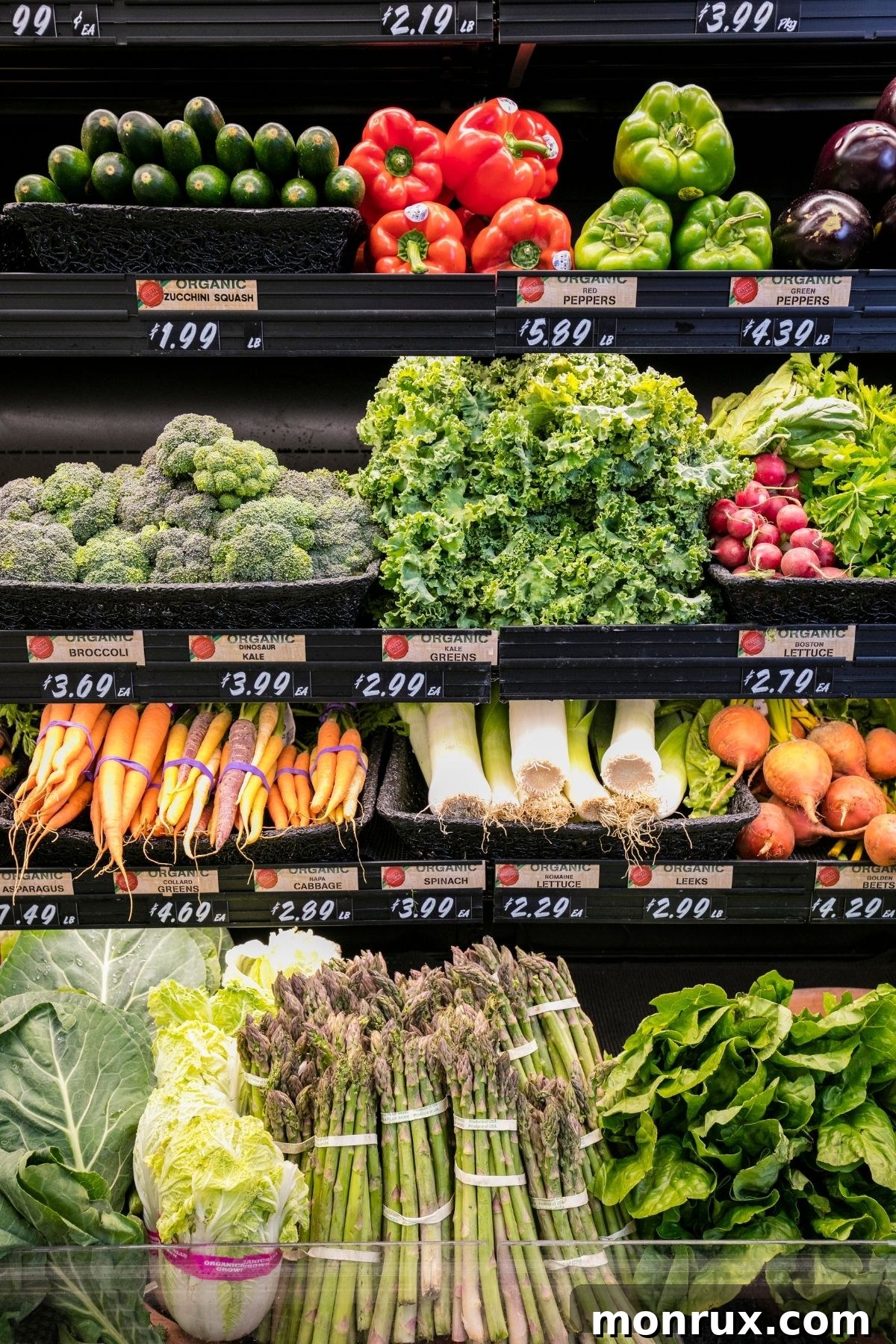
3. Embrace Seasonal Eating
Eating with the seasons is not only more environmentally friendly but also a smart strategy for saving money on organic foods. When produce is in season locally, it’s more abundant, requires less transportation, and is therefore typically less expensive and fresher.
For example, during the summer months in many regions, you’ll find an incredible bounty of organic berries, peaches, corn, and tomatoes at their peak ripeness and most reasonable prices. In contrast, winter will bring a greater availability of organic root vegetables like carrots, potatoes, sweet potatoes, and various squashes. By adjusting your meal planning to incorporate seasonal organic produce, you naturally capitalize on lower prices and superior flavor.
Familiarize yourself with a seasonal produce calendar for your region, or simply observe what’s plentiful and prominently displayed at your local farmers’ market or grocery store.
4. Master the Art of Shopping Sales and Deals
Just like conventional products, organic foods frequently go on sale. Developing a keen eye for promotions and planning your meals around these deals can lead to significant savings. Regularly check grocery store flyers, subscribe to newsletters from your favorite stores, and look for digital coupons or loyalty program discounts.
The rising demand for organic products means that even warehouse clubs and discount retailers are expanding their organic selections. While these often require buying in larger quantities, it can be an excellent way to save money on staples like organic grains, nuts, frozen fruits, and certain packaged goods. If you have the storage space, consider buying in bulk and freezing or preserving items to use throughout the year.
Don’t be afraid to compare prices between different stores. A few extra minutes of research can yield substantial savings over time, making your organic diet more budget-friendly.
5. Connect with Local Farmers or Start Your Own Garden
Building relationships with local farmers can be incredibly rewarding. Visiting farmers’ markets allows you to ask questions directly about their growing practices. You might find farmers who are not certified organic but use organic methods, offering high-quality produce at a more accessible price point. Many farmers are responsive to customer feedback; encouraging them to pursue organic certification or adopt more organic practices can contribute to a larger shift in your community.
Taking it a step further, consider starting your own organic garden, even if it’s just a small one. Growing your own food gives you complete control over the growing process, ensuring it’s 100% organic and free from synthetic chemicals. Even a simple window box with herbs or a few pots of tomatoes can make a difference, providing fresh, nutrient-dense ingredients. Gardening is not only a source of food but also a therapeutic hobby that connects you more deeply with what you eat.
For those interested in starting, resources like organic gardening tips can provide a great starting point for beginners.
6. Leverage the Power of Frozen Organic Produce
Don’t underestimate the value of frozen organic fruits and vegetables. Often picked at their peak ripeness and flash-frozen soon after, they retain a high nutritional value, sometimes even surpassing fresh produce that has traveled long distances. Frozen organic berries, spinach, peas, and corn are readily available and typically more budget-friendly than their fresh counterparts, especially when out of season.
Frozen produce is incredibly convenient for smoothies, soups, stews, and baking, making it easy to incorporate organic ingredients into your daily meals without the pressure of a short shelf-life. Stocking your freezer with these items ensures you always have organic options on hand, reducing food waste and potentially saving money.
This strategy allows you to enjoy a wider variety of organic foods year-round, regardless of seasonal availability or price fluctuations of fresh items.

7. Cook at Home More Often: The Ultimate Control
One of the most significant steps you can take toward a truly organic diet is to cook at home more frequently. Restaurants, with very few exceptions, rarely use organic ingredients unless explicitly stated and highlighted on their menu. The cost and logistical challenges of sourcing organic for commercial kitchens make it a rarity.
When you prepare your own meals, you have complete control over the quality and origin of every ingredient. This allows you to consciously select organic produce, meats, and pantry items, ensuring that your meals align with your health goals. Cooking at home also encourages meal planning, reduces food waste, and can be considerably more economical than eating out, further stretching your organic food budget. It’s an empowering way to take charge of your health.
8. Release the Pressure of Perfection
Adopting an organic diet is a journey, not a destination. It’s crucial to let go of the idea of needing to be “100% perfect” from day one. Striving for absolute perfection can lead to frustration and burnout, especially when faced with budget constraints or limited availability (e.g., when traveling or eating at a friend’s house).
Instead, focus on making gradual, sustainable improvements. Start with the “Dirty Dozen,” then expand as your budget and access allow. Celebrate small victories and acknowledge that every organic choice you make contributes positively to your health and the environment. Don’t let occasional non-organic meals derail your overall progress. The goal is to make consistent, conscious choices that fit your lifestyle and budget, rather than pursuing an unattainable ideal. Progress, not perfection, is the key to long-term success in healthy eating.
Frequently Asked Questions (FAQs)
While eating organic offers significant advantages by reducing exposure to synthetic pesticides, hormones, and GMOs, it’s not the *only* path to good health. A “clean eating” philosophy prioritizes whole, unprocessed foods, regardless of their organic certification. However, choosing organic whenever possible is an excellent way to further enhance the nutritional quality and safety of your diet. The key is to find a balance that works for your personal health goals, budget, and lifestyle, focusing on a diet rich in fruits, vegetables, lean proteins, and healthy fats, with an emphasis on organic choices where it matters most.
Conclusion: Making Organic Eating a Sustainable Choice
Embracing an organic diet is a powerful decision for your personal health and the planet. While it might initially seem overwhelming or expensive, the evidence supporting the benefits of choosing organic over conventionally grown foods is compelling, pointing towards reduced chemical exposure, improved animal welfare, and more sustainable farming practices. By being strategic in your organic food purchases – prioritizing the “Dirty Dozen,” shopping seasonally and on sale, exploring local and frozen options, and cooking at home – you can make this healthier lifestyle accessible and affordable.
Remember that the journey doesn’t demand perfection, but consistent effort. Every organic choice, no matter how small, contributes to a healthier you and a healthier world. Take these tips, apply them gradually, and enjoy the benefits of a diet rich in clean, wholesome, organic foods.
Don’t forget to join my newsletter list to get exclusive clean eating recipes and tips. The newsletter is 100% free with no spam; unsubscribe anytime.
About the Author: Carrie Forrest has a master’s degree in public health with a specialty in nutrition and is a certified holistic nutritionist. She is a top wellness and food blogger with over 5 million annual visitors to her site. Carrie has an incredible story of recovery from chronic illness and is passionate about helping other women transform their health. Send her a message through her contact form.