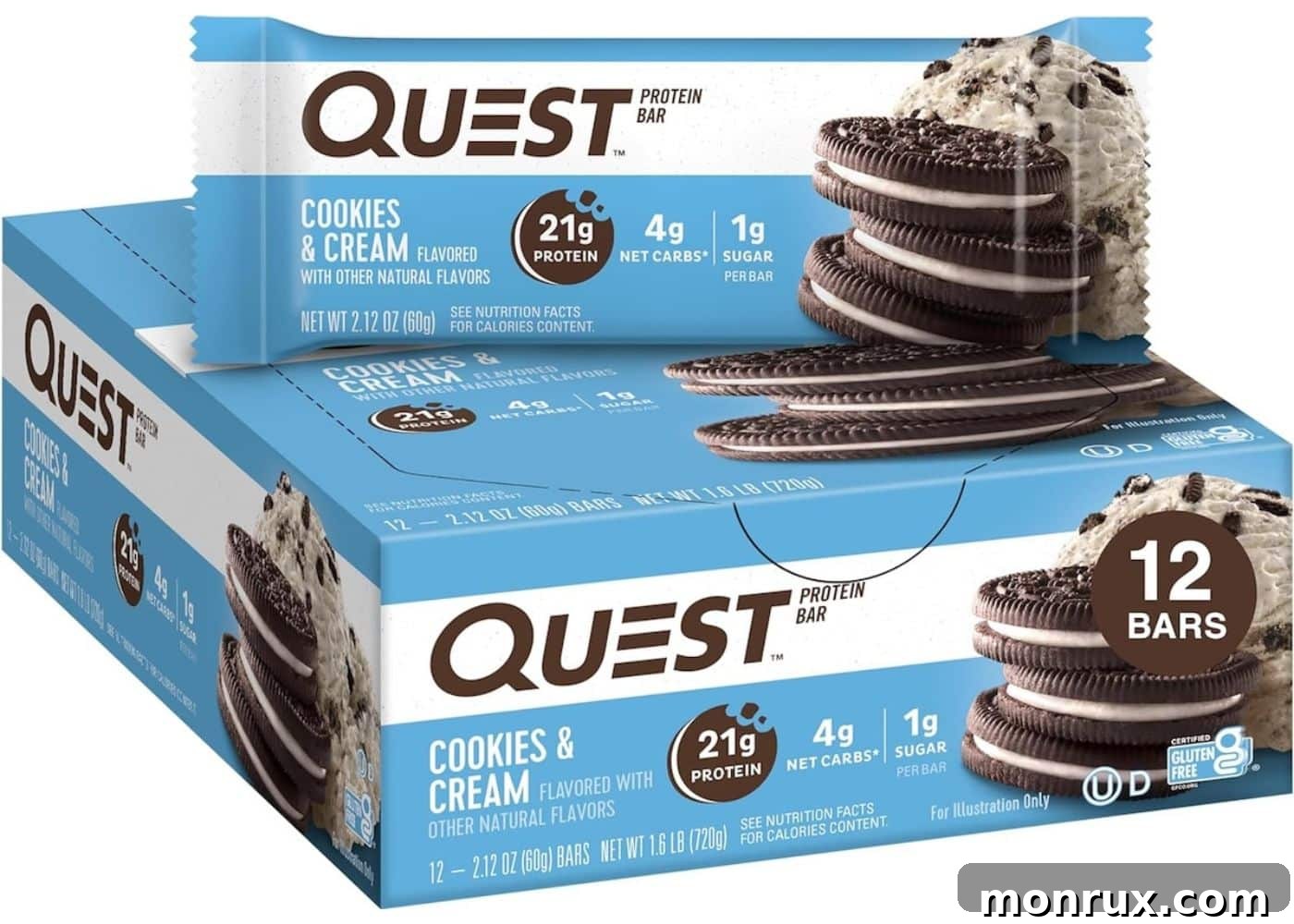
In the evolving world of health and wellness, protein bars have emerged as a go-to snack for many looking for convenience and a quick protein boost. Among the myriad options, Quest Bars frequently top the list for their high protein, high fiber, and low sugar content. But are Quest Bars truly healthy? As a nutritionist, I delve deep into the ingredients, nutritional profile, and overall implications of consuming these popular bars. My professional opinion leans towards caution: Quest Bars are highly processed foods. For optimal health, prioritizing whole, real food protein snacks is always the superior choice.
Quest Bar History and Nutritional Profile
Quest Nutrition was founded in 2010 by Tom Bilyeu, Ron Penna, and Mike Osborn. Their vision was to create a protein-rich snack for the burgeoning fitness industry, born from a recipe developed by fitness trainer Shannan Penna (Ron’s wife). Their goal was to revolutionize healthy eating by making nutritious, convenient products without compromising on taste, specifically targeting individuals seeking to manage their diet and fitness goals.
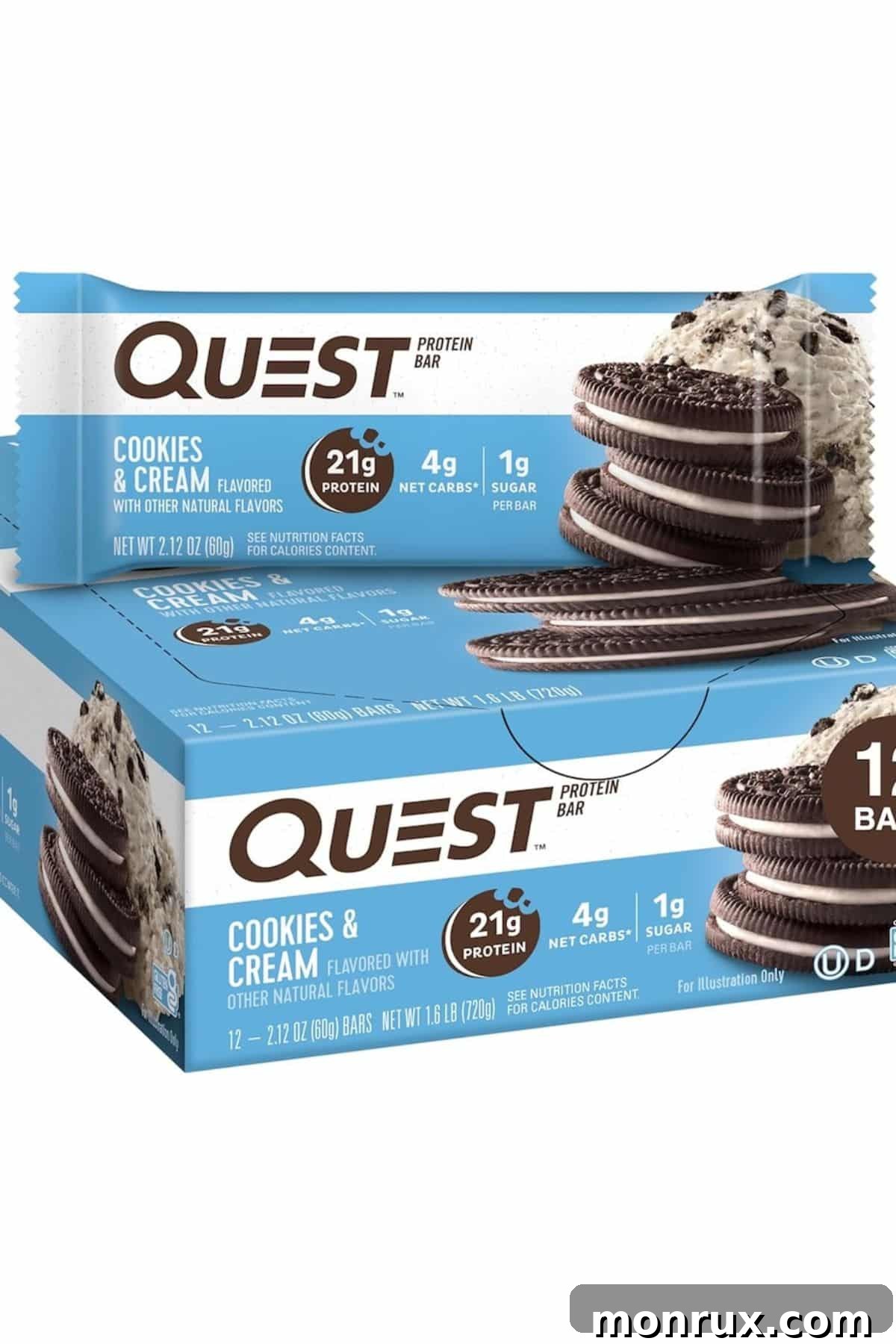
Quest Bars quickly gained popularity, becoming a staple for athletes, bodybuilders, and health-conscious consumers due to their impressive macronutrient profile. They are celebrated for their distinctive blend of ingredients, available in an extensive array of flavors and combinations designed to mimic popular desserts and treats. Each bar typically delivers a substantial 18g to 21g of protein, a remarkable 8g to 15g of dietary fiber, and a minimal 1g to 2g of sugar, often with no added sugar. This combination is particularly appealing to those on low-carb or ketogenic diets.
These bars are readily accessible, found in major grocery chains, health food stores, and various online retailers, making them an incredibly convenient option for a quick snack on the go. The brand boasts an impressive variety of flavors, catering to diverse palates. Some of their most popular and unique offerings include:
- Pumpkin Pie
- Peppermint Bark
- Dipped Cookies & Cream
- Chocolate Chip Cookie Dough
- Oatmeal Chocolate Chip
- Chocolate Peanut Butter
- S’Mores
- White Chocolate Raspberry
- Dipped Chocolate Chip Cookie Dough
- Cookies & Cream
- Caramel Chocolate Chunk
- Lemon Cake
- Chocolate Brownie
- Chocolate Sprinkled Doughnut
- Mint Chocolate Chunk
- Birthday Cake
- Blueberry Muffin
- Double Chocolate Chunk
Deconstructing Quest Bars: Key Ingredients Examined
While Quest Bars are lauded for their macro-friendly composition, a closer inspection of their ingredient list reveals a different story, especially from a whole-food nutrition perspective. Common components include a protein blend, various fibers, and non-nutritive sweeteners. However, many of these ingredients are highly processed and may carry potential health implications that warrant careful consideration. Although marketed as low in sugar with no added sugars, certain elements like polydextrose, palm kernel oil, and specific artificial sweeteners may not align with a genuinely clean eating philosophy.
Furthermore, Quest Bars contain common allergens such as nuts and dairy, making them unsuitable for individuals with sensitivities to these ingredients. Let’s delve into some of the prominent ingredients found in Quest Bars and explore their potential effects on your health.
The Protein Blend: Milk and Whey Isolates
Whey Protein Isolate
Quest Bars prominently feature whey protein isolate, a protein source that undergoes extensive processing. Whey protein is derived from milk during cheese production. To create whey protein isolate, manufacturers employ advanced filtration techniques to remove most of the fat and lactose, resulting in a product that is extremely high in protein concentration (typically over 90%). While this process yields a potent protein source, it also strips away many of the beneficial micronutrients naturally found in whole milk.
Despite its low lactose content, some individuals, particularly those with a sensitive digestive system or underlying dairy intolerance, may still experience gastrointestinal distress such as bloating, gas, or stomach cramps after consuming whey protein isolate. Beyond digestive concerns, some studies have suggested potential adverse effects on liver and kidney function with very high, consistent intake of highly concentrated protein supplements. While moderate consumption is generally considered safe for most healthy individuals, it’s a point of consideration for those with pre-existing conditions or those who rely heavily on such supplements.
Milk Protein Isolate
Another component of the Quest Bar protein blend is milk protein isolate. Like whey protein isolate, it is a highly refined protein supplement extracted from skim milk. This ingredient is a favorite among food manufacturers for its cost-effectiveness and its ability to significantly boost the protein content of products like bars and shakes without altering their flavor profile or texture substantially. It is a complete protein, containing all nine essential amino acids, which is beneficial for muscle repair and growth.
However, similar to whey protein isolate, milk protein isolate undergoes considerable processing. Although it contains a minimal amount of lactose (around 1% to 3%), it is not entirely lactose-free. Individuals with lactose intolerance or milk sensitivity might still experience digestive side effects, including cramping, bloating, gas, and nausea, especially when consumed in larger quantities. It’s also crucial to note that this ingredient is entirely unsuitable for anyone with a diagnosed milk allergy, as even trace amounts can trigger severe reactions.
Palm Kernel Oil: Environmental and Health Concerns
Many Quest Bars include palm kernel oil in their formulations. This ingredient raises both health and significant ethical concerns. Palm kernel oil, like many seed oils, is typically highly processed. It often undergoes hydrogenation, a chemical process that solidifies the oil and extends its shelf life. While partial hydrogenation, which creates trans fats, has been largely phased out, even fully hydrogenated oils can impact health by increasing saturated fat intake, which some studies link to elevated LDL (“bad”) cholesterol levels.
Beyond its nutritional profile, the environmental and social impact of palm oil production is a critical concern. According to the World Wildlife Fund (WWF), the expansion of palm oil plantations is a primary driver of deforestation in some of the world’s most biodiverse rainforests. This destruction leads to irreversible habitat loss for critically endangered species such as orangutans, pygmy elephants, and Sumatran rhinos. Furthermore, deforestation contributes significantly to climate change by releasing vast amounts of stored carbon into the atmosphere.
The human cost of palm kernel oil production is equally disturbing. Reports frequently highlight unethical labor practices, including the exploitation of workers and widespread use of child labor in plantations. For these compelling environmental and humanitarian reasons, many health-conscious consumers and organizations advocate for avoiding products containing palm oil. If you’re looking for more information on products that contain palm oil, you might find my Yasso Bar Review insightful, as that product also includes this controversial ingredient.
Sweeteners: Erythritol, Stevia, and Sucralose
To achieve their signature sweetness without high sugar content, Quest Bars utilize a blend of sugar alcohols and non-nutritive artificial sweeteners. While these keep the calorie and sugar counts low, their health implications are often debated and can be a concern for those seeking truly wholesome foods.
Unveiling Erythritol
Erythritol is a sugar alcohol commonly found in Quest Bars. It’s distinctive for being nearly calorie-free and having no nutritional value. This sweetener is unique among sugar alcohols because it’s largely absorbed into the bloodstream before reaching the large intestine, meaning it’s less likely to cause the digestive upset often associated with others like xylitol or sorbitol. It generally has a minimal impact on blood glucose and insulin levels, making it popular for diabetics and those on ketogenic diets.
Despite these benefits, erythritol is often a by-product of fermentation from wheat or corn starch, meaning it’s not always a “natural” product in its final form. While better tolerated than some other sugar alcohols, consuming large amounts can still lead to digestive issues such as bloating, gas, and cramping in sensitive individuals. Research has shown that other sugar alcohols like Mannitol, Sorbitol, and Xylitol are more prone to causing laxative effects or significant digestive discomfort, and while erythritol is milder, it’s not entirely without risk.
The Truth About Stevia Leaf Extract
Stevia Leaf Extract is another sweetener found in some Quest Bar formulations. Derived from the leaves of the Stevia rebaudiana plant, it can be up to 400 times sweeter than conventional sugar but contributes virtually no calories and typically does not affect blood sugar levels. This natural origin often leads to its perception as a “healthy” alternative to sugar.
However, the Stevia Leaf Extract used in food products is not simply the raw leaf. It undergoes significant processing to isolate the sweet compounds (steviol glycosides). While some research suggests potential health benefits, such as assisting in lowering cholesterol and even showing anti-cancer properties in specific contexts, other studies present a more cautious view. One notable study indicated that even small amounts of Stevia Leaf Extract could disrupt the gut microbiome, which is crucial for overall health, immunity, and even mood. As with other sugar alcohols, individuals sensitive to these compounds may also experience digestive distress.
Sucralose: A Controversial Artificial Sweetener
Certain Quest Bar flavors contain sucralose, a highly processed, zero-calorie artificial sweetener that the human body cannot metabolize effectively. While approved by the FDA, sucralose remains a controversial ingredient among health-conscious consumers and nutrition experts.
Research has increasingly raised concerns about the long-term consumption of sucralose. Studies suggest it can lead to significant health implications, including inducing inflammation that may contribute to metabolic disorders like diabetes and obesity. Furthermore, sucralose has been shown to negatively impact the delicate balance of beneficial bacteria in the gut microbiome, which is essential for proper digestion, nutrient absorption, and immune function. This disruption can potentially lead to a range of digestive issues and broader health problems. Given these potential risks, a cautious approach is recommended, and avoiding long-term, regular consumption of sucralose is often advised for optimal health.
Natural Flavors: The Ambiguity in Our Food
The term “natural flavors” frequently appears on food labels, including Quest Bars, yet its definition remains remarkably vague and often misleading within the food industry. Unlike a specific ingredient, “natural flavors” is a blanket term that can encompass a complex blend of substances derived from plant or animal sources. The critical distinction, however, is that these “natural” sources are often subjected to highly artificial processes, using various solvents, high heat, and other chemical agents to extract and concentrate flavor enzymes.
The lack of transparency is a major concern. Food manufacturers are not required to disclose the specific components or the extraction methods used in their “natural flavors.” This makes it impossible for consumers to ascertain whether these flavorings are genuinely healthful, contribute any nutritional value, or even if they contain unexpected additives or by-products. For individuals committed to clean eating and understanding precisely what they consume, the inclusion of “natural flavors” represents a significant gray area and a potential red flag. For a deeper dive into common processed food ingredients, you might find my article on why Pure Protein Bars Are Bad For You to be helpful.
Polydextrose: The Fiber Additive
Quest Bars often contain polydextrose, a synthetic polymer of glucose that functions as a soluble fiber. It’s a complex carbohydrate that is resistant to digestion in the upper gastrointestinal tract. Upon reaching the colon, polydextrose acts as a prebiotic, meaning it feeds beneficial bacteria in the gut microbiome. This can contribute to digestive health by promoting a healthy gut environment and improving regularity.
However, despite its classification as a fiber and prebiotic, polydextrose is an additive and can have downsides. For some individuals, particularly in larger quantities, it can cause various digestive issues. According to sources like WebMD, side effects such as gas, bloating, and diarrhea are possible. While generally recognized as safe, those with sensitive digestive systems or conditions like IBS may want to monitor their intake or avoid products containing high amounts of polydextrose.
The Perceived Advantages of Quest Bars
From a macronutrient perspective, Quest Bars do offer several compelling benefits that contribute to their widespread appeal. Their high protein content (18-21g per bar) is excellent for satiety, helping to curb hunger and keep you feeling full for longer periods, thereby reducing the urge for frequent snacking. Similarly, the substantial fiber content (8-15g per bar) aids in digestive health, contributes to fullness, and can help regulate blood sugar levels, preventing sharp spikes and crashes.
Another significant advantage is their low sugar profile, with typically only 1-2g of sugar and no added sugar. This makes them an attractive option for individuals managing blood sugar, following low-carb diets, or simply aiming to reduce their overall sugar intake. The sheer convenience of a grab-and-go snack that provides these macros is undeniable, fitting easily into busy lifestyles and offering a better alternative than highly sugary processed snacks like candy bars.
However, it is crucial to balance these nutritional “pros” with the broader picture of food quality. While a Quest Bar might be a nutritionally superior choice compared to a candy bar in terms of macros, it remains an ultra-processed food. From a nutritionist’s perspective, such “Frankenfoods,” created from isolated components and numerous additives rather than whole ingredients, should generally be consumed sparingly, primarily in situations where real food alternatives are genuinely unavailable.
Significant Disadvantages: The Case Against Quest Bars
Despite their popular image as a healthy snack, Quest Bars come with several notable disadvantages, particularly for those striving for a genuinely clean and natural diet. Foremost among these is their status as a highly processed food product. They are engineered from isolated protein components, synthetic fibers, artificial sweeteners, and industrial oils rather than being composed of whole, recognizable ingredients. This ultra-processed nature often means they lack the synergistic nutrients and beneficial compounds found in natural foods.
The inclusion of common allergens like dairy (from milk and whey protein isolates) and nuts makes these bars unsuitable and potentially dangerous for individuals with allergies or sensitivities to these ingredients. Beyond overt allergens, many of their ingredients—such as palm kernel oil, various sugar alcohols (erythritol, stevia), and sucralose—are considered unhealthy by many health-conscious consumers. These components have been linked to potential digestive discomfort (bloating, gas, cramping), adverse effects on the gut microbiome, and long-term health concerns like inflammation and metabolic issues, particularly with regular consumption.
A far healthier and often more economical approach is to create your own protein-rich snacks at home using real, whole food ingredients. This allows complete control over the quality and type of ingredients, ensuring freshness and avoiding undesirable additives. For example, my recipe for Peanut Butter Oatmeal Bars offers a delicious and nutritious alternative. You can easily boost its protein content by adding a scoop of your preferred healthy protein powder, making it a fantastic whole foods option that typically provides at least 5 grams of protein per serving before any additions.
If time constraints prevent you from baking, there are also excellent gluten-free packaged snacks available that prioritize fewer, higher-quality ingredients. Lastly, Quest Bars are not certified organic. This means their ingredients may be derived from crops treated with synthetic pesticides, herbicides, and potentially genetically modified organisms (GMOs), which many people prefer to avoid for health and environmental reasons.
Frequently Asked Questions About Quest Bars
Yes, there are potential risks and side effects to consider. Individuals with lactose intolerance or dairy sensitivities may experience digestive issues due to the milk and whey protein isolates. Those with nut allergies must be cautious due to nuts being a common ingredient and the potential for cross-contamination. Furthermore, sugar alcohols like erythritol and non-nutritive sweeteners such as stevia and sucralose can cause gastrointestinal discomfort like bloating, gas, and diarrhea in sensitive individuals. It’s also important to note that while Quest Bars are marketed as gluten-free, their ingredient labels often carry a cross-contamination warning, indicating they are processed in facilities that handle wheat, peanuts, and other tree nuts, posing a risk for those with severe allergies.
Quest Bar flavors utilize non-caloric artificial sweeteners like sucralose and sugar alcohols such as stevia and erythritol as sugar substitutes. While these ingredients aim to prevent blood sugar spikes, their long-term health effects, particularly on gut health and metabolism, are still under scientific debate and may not be ideal for everyone, especially those managing diabetes. For individuals with dairy or nut allergies/sensitivities, avoiding Quest Bars is generally recommended due to their ingredient profile and potential for cross-contamination. Always consult with a healthcare provider or a registered dietitian to determine if Quest Bars align with specific dietary restrictions or health conditions.
For teenagers, particularly those with allergies to dairy or nuts, Quest Bars should be avoided due to the risks of allergic reactions. While these bars offer high protein and fiber with low sugar, their highly processed nature means they are not the healthiest choice for regular consumption. A balanced diet focused on whole, unprocessed foods is crucial for growing teenagers. If teenagers choose to consume Quest Bars, it should be done in moderation, understanding that they are a convenient processed snack rather than a foundational part of a healthy diet. Encouraging whole-food snacks like fruits, nuts, seeds, and yogurt is always preferable.
Discover More Bar Reviews!
Final Thoughts: Are Quest Bars a Healthy Choice?
While Quest Bars offer an appealing combination of high protein, abundant fiber, and low sugar, they are fundamentally a highly processed food product. From a holistic nutritionist’s perspective, their reliance on isolated protein isolates, industrial oils like palm kernel oil, and various artificial sweeteners and sugar alcohols raises concerns about their overall health impact. These ingredients can lead to digestive issues, potential gut microbiome disruption, and may not align with a diet focused on whole, natural foods.
For health-conscious individuals and those with specific dietary sensitivities or allergies, Quest Bars may not be the optimal snack choice. Instead, prioritize protein-rich snacks derived from real, unprocessed ingredients. Excellent alternatives include:
- Beef jerky or meat sticks: Choose options with minimal additives and no added sugar.
- Nuts and seeds: Almonds, walnuts, chia seeds, and pumpkin seeds are packed with protein, healthy fats, and fiber.
- Greek yogurt: A fantastic source of protein and probiotics, especially plain, unsweetened varieties.
- Hard-boiled eggs: A simple, complete protein source.
- Cheese: Provides protein and calcium, ideally in moderation.
- Homemade protein smoothies: Blend real fruits, vegetables, a clean protein powder, and healthy liquids for a truly nutritious boost.
- Homemade protein bars: Control your ingredients and avoid processed additives with recipes that use whole foods like oats, nut butters, and seeds.
Opting for these whole-food alternatives not only provides superior nutrition but also supports overall digestive health and well-being, helping you avoid the hidden downsides of ultra-processed snacks. Make informed choices that nourish your body with the goodness of nature.
Don’t forget to join my newsletter list to get exclusive clean eating recipes and tips. The newsletter is 100% free with no spam; unsubscribe anytime.
About the Author: Carrie Forrest has a master’s degree in public health with a specialty in nutrition and is a certified holistic nutritionist. She is a top wellness and food blogger with over 5 million annual visitors to her site. Carrie has an incredible story of recovery from chronic illness and is passionate about helping other women transform their health. Send her a message through her contact form.
Note: this post is for informational purposes only and is not intended as medical advice. Please consult your healthcare provider for recommendations related to your individual situation.