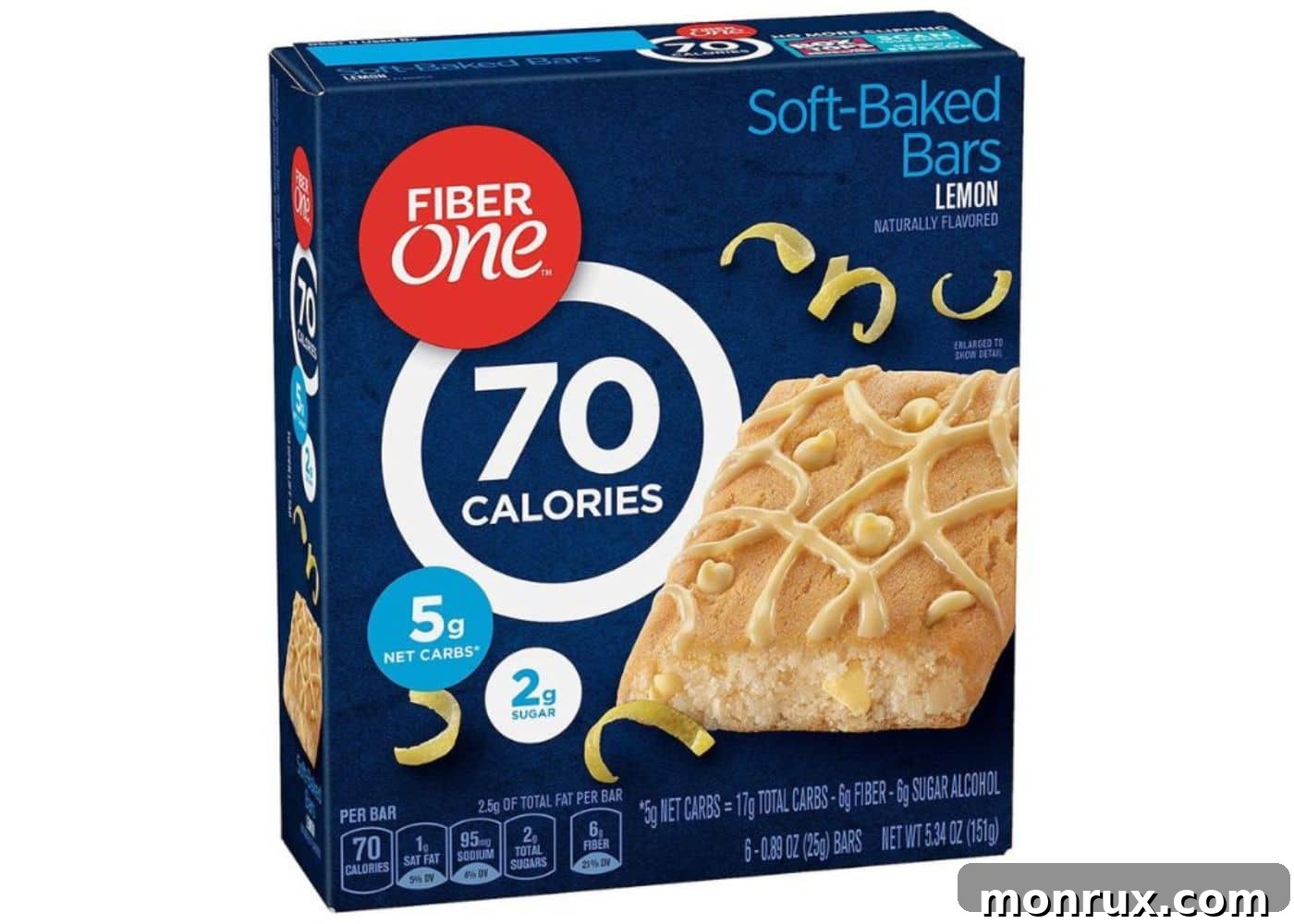
In the quest for convenient and seemingly healthy snack options, many consumers turn to products like Fiber One Bars. Marketed as a guilt-free way to boost your fiber intake, these bars have become a staple in many pantries. But are they truly a healthy choice, or are we being swayed by clever marketing? As a nutritionist, my perspective is clear: while Fiber One Bars do offer a significant amount of dietary fiber, their overall nutritional profile, dominated by highly processed ingredients, makes them difficult to recommend as a genuinely healthy snack.
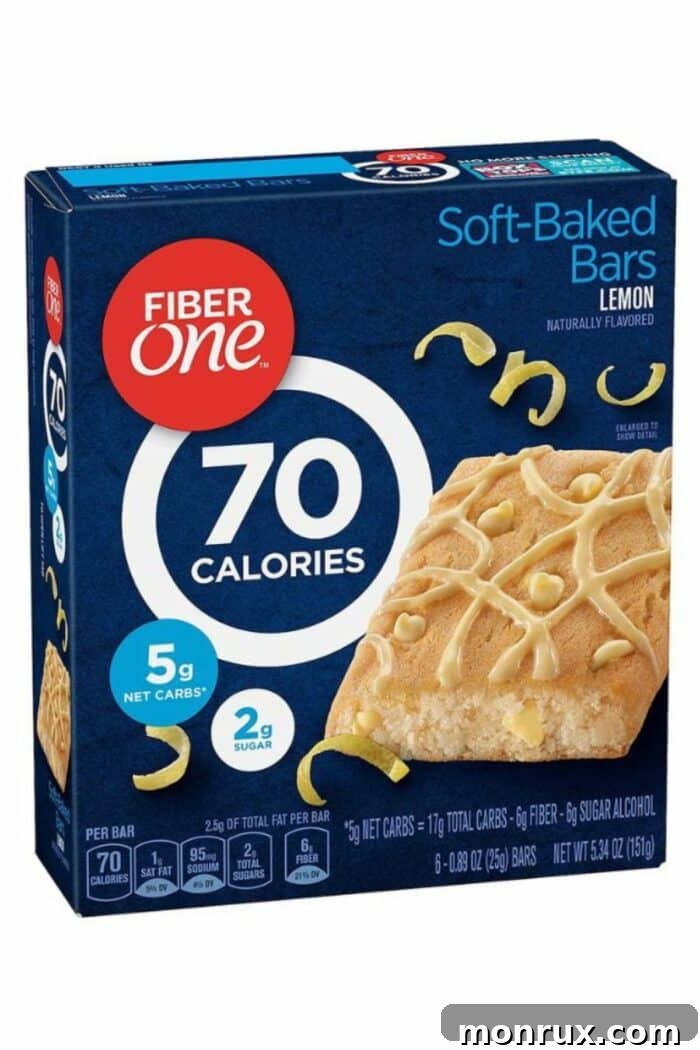
Fiber One Bar Facts: What You Need to Know
Fiber One bars are a popular line of granola-style bars produced by General Mills, known for their focus on dietary fiber. They come in an array of flavors, each promising a low-calorie, high-fiber snacking experience. The marketing often positions these bars as an ideal solution for individuals aiming to increase their fiber intake without consuming excessive calories or fat.
A typical Fiber One bar, depending on the flavor, is formulated with a blend of ingredients including whole-grain oats, chicory root extract (a common source of added fiber), corn syrup, and various vegetable oils. While the presence of whole-grain oats is a positive, it’s crucial to examine the full ingredient list to understand the complete nutritional picture. These bars are specifically designed and marketed to health-conscious consumers seeking a convenient fiber boost.
Let’s look at the general nutritional breakdown of a single Fiber One bar (this may vary slightly by flavor, so always check the specific product label):
- Calories: Approximately 70
- Total Carbohydrates: Around 17 grams
- Dietary Fiber: A notable 6 grams
- Protein: Roughly 4 grams
- Iron: Provides about 4% of the daily recommended value
While 6 grams of fiber in a 70-calorie snack seems impressive, it’s important to consider the source of this fiber and the other ingredients accompanying it. The recommended daily fiber intake for adults is typically 25-30 grams. So, while one bar contributes to this goal, it doesn’t fulfill a substantial portion of daily needs on its own.
A Closer Look at Fiber One Bar Ingredients
Understanding the ingredients in any packaged food is paramount to assessing its healthfulness. For the lemon-flavored Fiber One bars, a typical ingredient list reveals a combination of both naturally derived and highly processed components:
- Vitamin E (Alpha Tocopherol) added to retain freshness
- Chicory Root Extract
- Erythritol
- Bleached Wheat Flour
- Sugarcane Fiber
- Vegetable Glycerin
- Canola Oil
- Sugar
- Calcium Caseinate
- Palm Kernel and Palm Oil
- Polydextrose
- Sorbitol
- Whey Protein Isolate
- Egg White
- Leavening Agents (Baking Soda, Sodium Aluminum Phosphate)
- Salt
- Citric Acid
- Natural Flavor
- Malic Acid
- Soy Lecithin
- Color Additives
- Nonfat Dry Milk
- Stevia Leaf Extract
This extensive list highlights a key concern: the presence of multiple processed ingredients. It’s crucial for consumers to meticulously read the ingredient label of the specific Fiber One bar flavor and type they are considering, as formulations can vary, potentially including other common additives like additional natural flavors or various oils. Let’s delve deeper into some of the most notable ingredients and their implications for your health.
Chicory Root Extract (Inulin)
Chicory root extract is a common source of inulin, a soluble fiber that is extracted from the chicory plant. It is frequently used in food products as a dietary supplement or as a bulk ingredient to boost fiber content without adding significant calories. While inulin can contribute to gut health by feeding beneficial bacteria and aiding digestion, consuming it in large quantities or in a concentrated form can lead to digestive discomfort such as gas, bloating, and abdominal cramps in some sensitive individuals.
Soy Protein Isolate
Soy protein isolate is a highly concentrated form of protein derived from soybeans, often used as a dietary supplement or an ingredient in processed foods. While soy itself can be part of a healthy diet in its whole, minimally processed forms (like edamame or tofu), soy protein isolate undergoes extensive processing, which can raise concerns for some consumers. This processing often involves chemical solvents and can alter the natural composition of soy. For more insights, you might want to explore the potential dangers of consuming processed soy.
Puffed Durum Wheat
Puffed durum wheat is a form of wheat that has been processed to create a light, airy texture. It’s commonly found in cereals and granola products. While it originates from wheat, the “puffing” process can reduce some of its nutritional value compared to whole, unprocessed durum wheat grains.
Rice Flour
Rice flour is a type of flour produced by finely milling rice. It’s a common ingredient in gluten-free products and can contribute to the texture of baked goods. However, like refined wheat flour, it lacks the bran and germ of whole grains, meaning it has a lower fiber and nutrient content compared to whole rice.
Erythritol
Erythritol is a sugar alcohol commonly used as a low-calorie sweetener. It occurs naturally in some fruits and fermented foods, but the erythritol used in processed products is typically synthetically produced. While it’s generally well-tolerated compared to other sugar alcohols like sorbitol or xylitol, consuming large amounts can still cause digestive distress, including bloating and diarrhea, in some sensitive individuals. It provides sweetness without significant calories, but it doesn’t offer the nutritional benefits of natural sugars found in whole foods. Explore more about natural sweeteners for healthier alternatives.
Polydextrose
Polydextrose is a synthetic polymer of glucose used primarily as a food additive. It functions as a bulking agent, stabilizer, and humectant, and it also contributes to the fiber content of foods. Like chicory root extract, it’s a form of added fiber, which while beneficial for boosting fiber numbers, doesn’t always come with the full spectrum of nutrients found in naturally occurring fibers in whole foods.
Palm Kernel Oil and Palm Oil
Palm kernel oil and palm oil are types of vegetable oils extracted from the palm fruit and its kernel, respectively. They are widely used in processed foods due to their stability and texture-enhancing properties. Both are high in saturated fats, which, when consumed in excess, can raise LDL (“bad”) cholesterol levels. Furthermore, the extensive cultivation of oil palms has raised significant environmental concerns regarding deforestation and habitat destruction.
Corn Syrup
Corn syrup is a liquid sweetener made from corn starch, produced by breaking down the starch into glucose. It’s a common ingredient in many processed foods, contributing to sweetness and texture. High intake of added sugars, including corn syrup, is linked to an increased risk of obesity, type 2 diabetes, heart disease, and other health issues. Its presence signifies a higher sugar content despite the overall low calorie count of the bar.
Whey Protein Concentrate
Whey protein concentrate is a dairy-based protein isolated from whey, the liquid byproduct of cheese production. It’s a popular ingredient in protein supplements and food products due to its high biological value and amino acid profile. While beneficial for muscle repair and growth, especially for those with active lifestyles, its inclusion in a snack bar contributes to the overall processed nature of the product, especially for those with dairy sensitivities.
Vegetable Glycerin
Vegetable glycerin, derived from vegetable fats, is a thick, clear liquid with a slightly sweet taste. It’s used in processed foods as a humectant (to retain moisture), sweetener, and thickener, contributing to the bar’s chewy texture and shelf life. While generally recognized as safe, it’s another processed component that indicates a deviation from whole, natural food sources.
Whole Grain Oats
Whole-grain oats are one of the most positive ingredients in Fiber One Bars. Unlike refined grains, whole-grain oats retain their bran, germ, and endosperm, making them a rich source of dietary fiber, vitamins, and minerals. Fiber from oats and other whole grains offers numerous health benefits, including aiding in weight management, lowering cholesterol levels, improving insulin sensitivity, stabilizing blood sugar, promoting digestive health, and reducing the risk of heart disease. Their presence is a definite pro, but it’s important to weigh this against the other less desirable ingredients.
Maltodextrin
Maltodextrin is a polysaccharide derived from starch (often corn, potato, or rice). It’s used as a food additive to thicken, stabilize, and improve the texture of products, as well as to extend shelf life. It has a high glycemic index, meaning it can cause a rapid spike in blood sugar levels, which can be a concern for individuals managing diabetes or those sensitive to blood sugar fluctuations. Its presence further contributes to the processed nature of the bar.
The Limited Nutrition Pros of Fiber One Bars
Despite the concerns regarding processed ingredients, Fiber One bars do offer a few discernible advantages, especially when viewed in a specific context:
- Decent Source of Fiber: The most significant “pro” is undeniably their fiber content. With 6 grams of fiber per bar, they can help individuals increase their daily fiber intake, which is often lacking in modern diets. This fiber, primarily from chicory root extract and polydextrose, can contribute to satiety and digestive regularity.
- Low in Calories and Fat (Relatively): At around 70-90 calories per bar and relatively low fat, they can fit into a calorie-controlled diet or serve as a lighter snack option compared to many other high-calorie alternatives.
- Convenience and Portability: Fiber One bars are incredibly convenient. They are individually wrapped, easy to carry, and require no preparation, making them a readily available snack for busy schedules, office desks, or travel.
- Better Than a Candy Bar: While not a health food, a Fiber One bar is generally a better choice than a high-sugar, low-nutrient candy bar. It provides some fiber and protein, offering slightly more satiety and nutritional value than pure sugar and unhealthy fats.
These advantages, however, are often overshadowed by the extensive list of processed ingredients, which we will discuss in the “cons” section.
The Significant Nutrition Cons of Fiber One Bars
The primary critique of Fiber One bars from a nutritional standpoint centers on their composition. While they deliver on fiber, the method of delivery is far from ideal for optimal health:
- Dominated by Highly Processed Ingredients: The most glaring drawback is the reliance on a multitude of highly processed ingredients. Components like corn syrup, maltodextrin, soy protein isolate, various refined flours, and synthetic sweeteners contribute to a product that lacks the holistic nutritional benefits of whole foods. These ingredients are often stripped of natural vitamins, minerals, and phytonutrients.
- Potential Digestive Discomfort: The high amount of added soluble fibers (like chicory root extract and polydextrose) and sugar alcohols (like erythritol and sorbitol) can cause gastrointestinal distress in many people. Symptoms can include gas, bloating, abdominal pain, and diarrhea, especially if consumed in large quantities or by individuals with sensitive digestive systems.
- Added Sugars and Artificial Sweeteners: Despite being low in calories, many Fiber One bars contain added sugars (like sugar and corn syrup) alongside artificial or alternative sweeteners (like erythritol and stevia leaf extract). A diet high in added sugars is linked to numerous health problems. While alternative sweeteners aim to reduce calorie count, their long-term health effects and impact on gut microbiota are still subjects of ongoing research.
- Allergen Concerns: Fiber One bars often contain common allergens such as wheat (gluten), peanuts, soy, and milk ingredients. This makes them unsuitable for individuals with allergies or sensitivities to these common food components, limiting their accessibility as a “healthy” snack option for a broad audience.
- Lack of Micronutrients: While providing macronutrients like fiber and some protein, these bars generally do not offer a rich spectrum of vitamins, minerals, and antioxidants that are naturally abundant in whole, unprocessed foods. The micronutrients they do contain are often added synthetic forms.
- “Fiber Washing” or Health Halo Effect: The prominent marketing of “fiber” can create a “health halo” effect, leading consumers to believe the product is healthier than it truly is. This can distract from the fact that the majority of ingredients are far from natural or minimally processed. Relying on such products for fiber can displace the consumption of whole fruits, vegetables, legumes, and whole grains that provide fiber along with a wealth of other essential nutrients.
In essence, while Fiber One bars excel at delivering fiber, they do so through a vehicle largely constructed from ingredients that offer minimal intrinsic nutritional value and may even pose digestive challenges for some. This makes them a less-than-ideal choice for consistent, health-conscious snacking.
Don’t Miss These Healthy Snack Resources and Alternatives
Understanding what makes a snack truly healthy is the first step toward making better dietary choices. Instead of relying on processed bars, consider integrating whole, nutrient-dense foods into your snack routine. Here are some resources and ideas for genuinely healthy snack options that prioritize natural ingredients, essential nutrients, and digestive comfort:
For truly healthy snacking, focus on whole foods. Think fresh fruits like apples, berries, or bananas, paired with a handful of nuts or seeds for healthy fats and protein. Vegetables like carrot sticks, cucumber slices, or bell pepper strips with hummus offer fiber and vitamins. Homemade energy balls made with oats, nut butter, and dried fruit provide customizable, nutrient-dense options. Consider making your own fiber-rich muffins using ingredients like high-fiber flax muffins. These choices allow you to control ingredients, avoid excessive processing, and tailor snacks to your specific dietary needs and preferences.
Nutrition FAQs About Fiber One Bars and Healthy Snacking
Fiber One bars are often positioned as a healthy snack, largely due to their high fiber content and low-calorie count. However, from a comprehensive nutritional perspective, they are not ideal for daily consumption. The truth is that they are formulated with numerous highly processed ingredients, including soy isolates, maltodextrin, various sugar alcohols, and refined flours. These ingredients, while contributing to the bar’s texture and shelf life, are not particularly nutrient-dense and can lead to digestive discomfort in some individuals. While they offer fiber, the overall nutritional quality is compromised by the degree of processing. If you’re looking for a genuinely healthy snack, consider whole food options or making your own fiber-rich bars at home, where you have full control over the ingredients. For example, explore my Nature’s Bakery Fig Bar review for another popular snack analysis.
Making your own fiber bar at home using non-processed ingredients is a superior choice. This allows you to select whole grains, nuts, seeds, and natural sweeteners, adapting them to be gluten-free, nut-free, or dairy-free according to your needs. Better yet, opt for naturally fibrous whole foods such as overnight oats, apples with almond butter, or any of the best sugar-free jerkies. Refer to my complete list of the best clean homemade snacks for more ideas.
While Fiber One bars contain a significant amount of fiber for a single snack (typically 6 grams), they do not provide enough of the daily recommended fiber for most adults. Health authorities generally recommend a daily fiber intake of at least 25-30 grams. Therefore, one Fiber One bar only fulfills a fraction of this requirement. It’s essential to obtain fiber from a diverse range of whole food ingredients within a balanced diet to ensure you meet your specific daily fiber needs and gain the full spectrum of associated nutrients.
Due to the high concentration of added soluble fibers (like chicory root extract, polydextrose) and sugar alcohols (like erythritol, sorbitol), some individuals may experience digestive discomfort after consuming Fiber One Bars. Common side effects include gas, bloating, abdominal cramping, and diarrhea. These symptoms are more likely to occur if you are sensitive to these ingredients or consume multiple bars. Always start with small amounts if you’re new to high-fiber products to assess your tolerance.
Absolutely. The best way to increase your daily fiber intake is by consuming a variety of whole, unprocessed foods. Excellent sources of natural fiber include fruits (berries, apples, pears), vegetables (broccoli, spinach, carrots), legumes (beans, lentils, chickpeas), whole grains (oats, quinoa, brown rice, whole wheat bread), nuts, and seeds (chia seeds, flax seeds, almonds). These foods not only provide fiber but also a wealth of essential vitamins, minerals, and antioxidants that processed bars often lack. Gradually increasing fiber intake and ensuring adequate hydration can help prevent potential digestive issues.
Conclusions: Fiber One Bars – A Balanced Perspective
In summary, while Fiber One bars are highly effective at delivering a significant dose of dietary fiber, their overall health profile is compromised by the inclusion of numerous highly processed ingredients, added sugars, and artificial sweeteners. From a nutritionist’s perspective, these bars are not considered a truly healthy snack option for regular consumption. While they may be a marginally better choice than a pure candy bar in a pinch, they fall short when compared to the nutritional richness of whole, unprocessed foods.
For those genuinely seeking to improve their fiber intake and overall health, the emphasis should always be on whole food sources. Opt for fresh fruits, vegetables, legumes, whole grains, nuts, and seeds. These provide not only dietary fiber but also a complete spectrum of essential vitamins, minerals, and antioxidants that are vital for long-term well-being. By prioritizing minimally processed foods, you can ensure your snacks contribute positively to your nutritional goals without unwanted additives or potential digestive side effects.
More Snack Product Reviews to Inform Your Choices
Navigating the world of packaged snacks can be challenging, with many products making bold health claims. To help you make informed decisions, I’ve reviewed several other popular snack items, dissecting their ingredients and nutritional value from a nutritionist’s standpoint:
Don’t forget to join my newsletter list to get exclusive clean eating recipes and tips. The newsletter is 100% free with no spam; unsubscribe anytime.
About the Author: Carrie Forrest has a master’s degree in public health with a specialty in nutrition and is a certified holistic nutritionist. She is a top wellness and food blogger with over 5 million annual visitors to her site. Carrie has an incredible story of recovery from chronic illness and is passionate about helping other women transform their health. Send her a message through her contact form.
Note: this post is for informational purposes only and is not intended as medical advice. Please consult your healthcare provider for recommendations related to your individual situation.