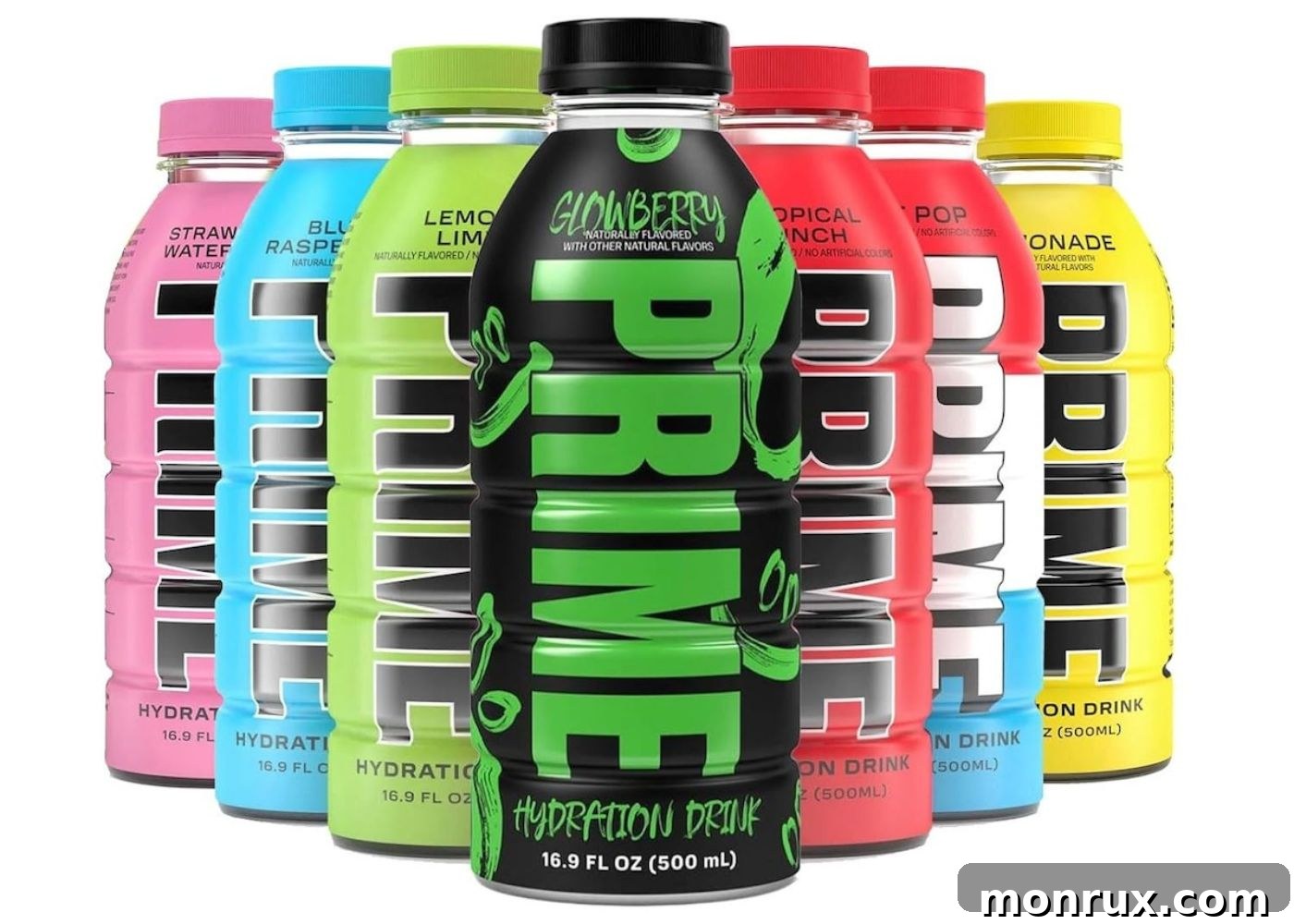
In the bustling world of sports beverages and energy drinks, one brand has rapidly risen to prominence: Prime Drink. Co-founded by YouTube sensations Logan Paul and KSI, Prime has captured significant attention, especially among younger demographics and active individuals. But beyond the hype and vibrant marketing, a crucial question remains: Is Prime Drink truly healthy, or is it just another sugary or artificially laden beverage?
This comprehensive article delves into the nutritional profile of Prime Hydration and Prime Energy drinks, examining their ingredients, potential benefits, and notable drawbacks. We’ll explore what makes these drinks unique, scrutinize their claims, and provide a clear perspective for anyone looking to make informed choices about their hydration and energy sources. For those committed to a clean eating lifestyle, the verdict on Prime Drink may come as a surprise.
Prime Drink Facts: Understanding the Brand
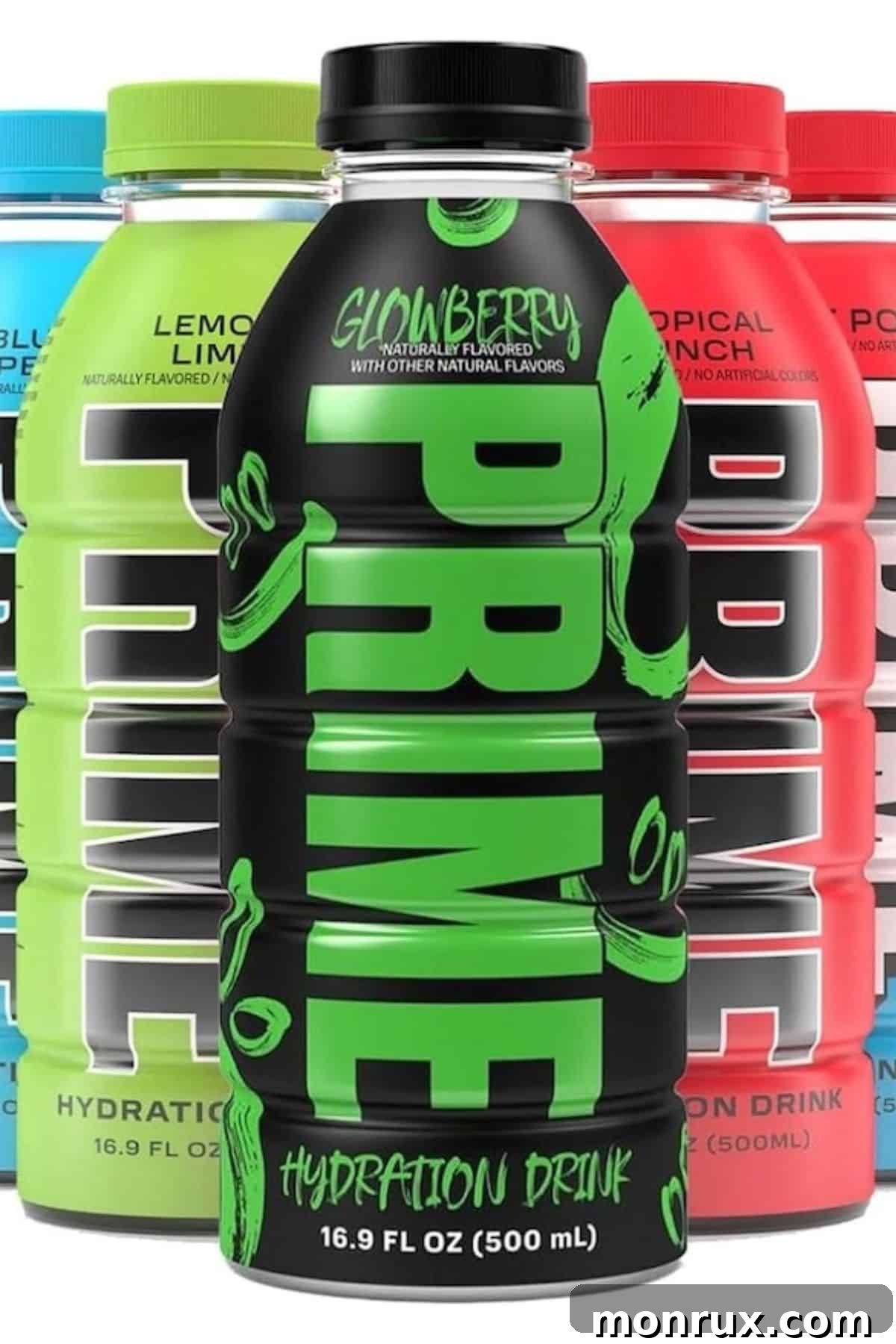
Prime Drink is a relatively new player in the highly competitive beverage market, launched in early 2022 by internet personalities Logan Paul and KSI. These former boxing rivals joined forces to create a brand focused on hydration and energy, quickly garnering a massive following thanks to their immense online influence. The brand targets active individuals, athletes, and anyone seeking a flavored beverage to support their fitness goals or provide a quick boost.
The Prime product line is primarily split into two distinct categories: Prime Hydration and Prime Energy. Both ranges are designed to cater to different needs, though they share some foundational ingredients. Prime Hydration, as its name suggests, is formulated for electrolyte replenishment and fluid intake without stimulants. Prime Energy, on the other hand, is designed to provide a significant caffeine kick for enhanced focus and alertness.
Common to both lines are base ingredients like filtered water and coconut water from concentrate. The flavor profiles are diverse and appealing, ranging from popular choices like Blue Raspberry and Tropical Punch to more unique options, designed to offer a palatable alternative to traditional sports drinks. A key marketing point for Prime is its claim of offering fewer calories and being sugar-free compared to many competitors, leveraging artificial sweeteners to achieve this.
The rapid rise of Prime Drink highlights the power of influencer marketing, turning a celebrity-backed product into a global sensation. However, for health-conscious consumers, it’s essential to look beyond the branding and evaluate the actual nutritional content and potential health implications of these widely popular drinks.
A Closer Look at Prime Drink Ingredients
Understanding what goes into your beverage is the first step to assessing its healthfulness. According to the official Prime website, the typical ingredient list for their drinks includes:
- Filtered Water
- Coconut Water from Concentrate
- Citric Acid
- Dipotassium Phosphate
- Trimagnesium Citrate
- Natural Flavor
- Sucralose
- Acesulfame Potassium
- L-Isoleucine
- L-Leucine
- L-Valine
- D-Alpha Tocopheryl Acetate (Vitamin E)
- Beta Carotene
- Retinyl Palmitate (Vitamin A)
- Zinc Aspartate
- Pyridoxine Hydrochloride (Vitamin B6)
- Cyanocobalamin (Vitamin B12)
It’s important to note that some variations may also contain additional ingredients such as calcium lactate, erythritol, potassium sorbate, gum arabic, and ester gum (also known as glycerol ester of rosin). The Prime Energy line distinctly features a significant amount of caffeine. Let’s break down the primary ingredients and their implications for your health.
Filtered Water and Coconut Water from Concentrate
At its core, Prime Drink uses filtered water, which is a fundamental component for hydration. Complementing this, coconut water from concentrate serves as a key base ingredient. Coconut water is celebrated for being naturally rich in essential nutrients, minerals, and electrolytes, particularly potassium, making it a popular choice for rehydration.
Numerous studies highlight the health benefits of coconut water, including its high electrolyte content, which is crucial for maintaining fluid balance in the body, especially after physical exertion. However, it’s vital to distinguish between fresh coconut water and “coconut water from concentrate.” The latter implies a processing stage where water is removed, and then re-added, which can sometimes impact the nutritional integrity, though it generally retains its core benefits. Individuals with allergies to coconut or tree nuts should exercise caution and ideally avoid Prime Drink products to prevent adverse reactions.
Branch Chain Amino Acids (BCAAs)
The Prime Energy range, and sometimes the Hydration range, includes Branch Chain Amino Acids (BCAAs): L-isoleucine, L-valine, and L-leucine. These are essential amino acids, meaning your body cannot produce them on its own and must obtain them through diet or supplementation. BCAAs are popular in the fitness community, with manufacturers often claiming they can support muscle growth, aid in recovery by reducing muscle fatigue and soreness, and improve overall athletic performance. Some research also suggests potential benefits for liver health and glucose metabolism.
Despite these claims, the scientific consensus on the effectiveness of BCAA supplementation, particularly for well-nourished individuals, is mixed. Certain research indicates that isolated BCAAs may not be as effective as a complete protein source in stimulating muscle protein synthesis. Furthermore, emerging studies raise concerns about potential adverse health effects associated with high BCAA intake, including an increased risk of stroke in individuals with pre-existing cardiovascular conditions and potential links to insulin resistance in some populations. It’s crucial for consumers to weigh these potential risks against the purported benefits, especially given the ongoing debate in the scientific community.
Another critical point regarding BCAAs in Prime Drink products is the dosage. While BCAAs are present, the total content (less than 123.9mg per serving) is significantly lower – estimated to be over 40 times less – than the minimum effective dose often cited in studies showing benefits. This raises questions about the actual physiological impact of BCAAs at such low concentrations within these beverages.
Non-Nutritive Sweeteners: Sucralose, Acesulfame Potassium, and Erythritol
Prime Drink proudly markets itself as “sugar-free,” a feature achieved through the use of non-nutritive sweeteners. These artificial or sugar alcohol-based compounds provide sweetness without significant calories or impact on blood sugar. The primary sweeteners found in Prime products are sucralose and acesulfame potassium (Ace-K), with some variations also incorporating erythritol. While they help keep the calorie count low, their long-term health implications are a subject of considerable scientific and public debate.
Sucralose, a highly processed artificial sweetener derived from sugar, is often criticized for its potential adverse effects. Research suggests it may negatively impact the gut microbiome, leading to dysbiosis and inflammation. Some studies have also indicated concerns regarding its potential for toxicity and its influence on glucose metabolism and insulin sensitivity, even in the absence of calories.
Acesulfame Potassium (Ace-K) is another artificial sweetener commonly used in combination with sucralose. Concerns have been raised about Ace-K’s safety, with early scientific studies in animals linking it to carcinogenic activity, although regulatory bodies generally deem it safe at approved levels. However, its potential effects on the gut microbiota and metabolic health continue to be investigated.
Erythritol, a sugar alcohol, is naturally found in some fruits but is typically produced commercially through the fermentation of corn or wheat starch. While generally well-tolerated, consuming large quantities of erythritol can lead to digestive issues such as bloating, gas, and diarrhea, especially in individuals sensitive to sugar alcohols. More recent studies have also explored potential links between erythritol consumption and cardiovascular risks, prompting calls for further research.
For individuals adhering to a strict clean eating diet, the presence of these non-nutritive sweeteners is often a significant deterrent. The philosophy of clean eating emphasizes whole, unprocessed foods, and artificial additives like sucralose and Ace-K typically do not align with this approach. While occasional consumption might not pose an immediate threat, it is generally recommended to use such products in moderation and avoid long-term, high-volume intake, opting for naturally sweetened or unsweetened alternatives instead.
Citric Acid
Citric acid is a weak organic acid naturally occurring in citrus fruits like lemons and limes. In manufactured beverages such as Prime Drink, it serves a dual purpose: acting as a preservative to extend shelf life and imparting a tart, refreshing, and often citrusy flavor profile that enhances the overall taste experience. It’s a very common food additive, generally recognized as safe (GRAS) by regulatory bodies.
While citric acid itself isn’t inherently unhealthy, its highly acidic nature can be problematic with frequent and prolonged consumption. Over time, consistent exposure to acidic beverages can erode tooth enamel, leading to increased tooth sensitivity, cavities, and other dental problems. This is particularly relevant for drinks like Prime, which are often consumed by younger demographics who may not be fully aware of the long-term dental health implications of acidic beverages.
Ester Gum (Glycerol Ester of Rosin)
Ester gum, also known as glycerol ester of rosin (or E445 in Europe), is a food additive primarily used as an emulsifier and stabilizer in beverages, helping to keep flavors suspended and preventing separation. It’s typically manufactured from the resin of pine trees, particularly long-leaf pine stumps, through a chemical process.
The U.S. Food and Drug Administration (FDA) currently classifies ester gum as a safe additive for consumption. However, despite its GRAS status, the scientific understanding of many food additives is continually evolving. Some research and ongoing discussions suggest a need for further, more comprehensive studies into the long-term effects and potential toxicological impacts of such additives. For those who prefer to minimize their intake of synthetic or highly processed ingredients, ester gum would be a component to note.
Caffeine Content in Prime Energy
A defining feature of the Prime Energy drink line is its significant caffeine content, boasting 200 mg of caffeine per 12 oz. serving. Caffeine is a widely consumed natural stimulant found in coffee, tea, and many energy drinks. In moderation, it has been associated with several potential health benefits, including improved cognitive function, enhanced athletic performance, and a reduced risk of certain chronic diseases like Parkinson’s, Alzheimer’s, and some types of cancer. It can also offer protective effects against DNA damage and even contribute to heart health in non-pregnant adults.
However, the high concentration of caffeine in Prime Energy warrants careful consideration. The recommended maximum daily caffeine intake for healthy adults is generally 400 mg. Consuming just one 12 oz. serving of Prime Energy accounts for half of this daily limit. It’s crucial for individuals to monitor their total caffeine intake from all sources – including coffee, tea, sodas, and other supplements – to avoid exceeding this threshold. More than two servings of Prime Energy, or one serving combined with other caffeinated beverages, can easily push an individual over the recommended daily maximum.
Excessive caffeine consumption can lead to a range of undesirable side effects, including jitters, anxiety, insomnia, rapid heartbeat, increased blood pressure, headaches, and digestive upset. Importantly, caffeine is a potent stimulant and is emphatically not suitable for everyone. Children and adolescents should avoid caffeinated beverages entirely, as their bodies are more sensitive to its effects and it can disrupt sleep patterns and lead to other health issues. Pregnant or nursing women, individuals with pre-existing heart conditions (such as irregular heartbeat or high blood pressure), or those sensitive to stimulants should also steer clear of Prime Energy drinks. For all adults, moderation is key, and it’s advisable to limit consumption and be mindful of individual tolerance.
Prime Drink Nutrition: The Pros
Despite some of the concerns raised about its ingredients, Prime Drink does offer a few advantages, particularly for certain consumer segments:
- Sugar-Free Formulation: A major selling point, Prime Hydration and Prime Energy are both sugar-free, making them an attractive option for individuals looking to reduce their sugar intake or manage blood sugar levels. This differentiates them from many traditional sports drinks that are often laden with high fructose corn syrup or other added sugars.
- Low Calorie: The “Hydration” line contains only 25 calories per 500ml serving, and the “Energy” line has a mere 10 calories per 12 oz. serving. This low-calorie count is appealing for those mindful of their caloric intake.
- Electrolyte Replenishment: The Prime Hydration drink is designed to help replenish electrolytes like potassium and magnesium, which are lost during physical activity. This can be beneficial for athletes or individuals engaging in intense exercise.
- Added Vitamins and Minerals: Both Prime lines are fortified with various vitamins, including B vitamins (B6, B12), Vitamin A, and Vitamin E, along with zinc. These micronutrients play essential roles in overall health and bodily functions.
- Gluten-Free and Vegan-Friendly: Prime products cater to specific dietary needs, being free from gluten and suitable for a vegan lifestyle, which broadens their accessibility.
- Caffeine for Energy (Prime Energy): For healthy adults seeking a controlled energy boost, the 200mg of caffeine in Prime Energy can provide enhanced alertness and focus, potentially improving performance in specific situations.
These pros primarily benefit those who are actively seeking low-sugar, low-calorie, and stimulant-containing options, and who may not be strictly adhering to a whole-foods-only diet.
Prime Drink Nutrition: The Cons
While Prime Drink offers some benefits, it also comes with several significant nutritional drawbacks and considerations, especially for health-conscious individuals:
- Highly Processed Nature: At its core, Prime Drink is a highly processed beverage. It contains a range of artificial and synthetic ingredients, moving it far from a “clean” or natural food choice. This level of processing contradicts the principles of clean eating, which advocates for whole, minimally altered foods.
- Non-Nutritive Sweeteners: The use of sucralose, acesulfame potassium, and erythritol, while making the drink sugar-free, introduces controversial artificial sweeteners. As discussed, these have been linked to potential negative impacts on gut microbiome health, metabolic function, and other long-term health concerns in ongoing research.
- Potential Digestive Issues: Ingredients like erythritol and other processed components can lead to gastrointestinal distress, including bloating, gas, and diarrhea, particularly in sensitive individuals or when consumed in larger quantities.
- Acidity and Dental Health: The presence of citric acid contributes to the drink’s acidity, which can erode tooth enamel over time with regular consumption, increasing the risk of dental cavities and sensitivity.
- Questionable BCAA Efficacy: While BCAAs are included, the very low dosage present in Prime drinks makes their purported muscle-building or recovery benefits highly unlikely to be significant, if at all effective, for most consumers.
- High Caffeine Content (Prime Energy): The 200mg of caffeine per serving in Prime Energy is a substantial amount, equivalent to two cups of coffee. This makes it unsuitable for children, pregnant or nursing women, individuals sensitive to caffeine, or those with underlying heart conditions. Overconsumption can lead to anxiety, jitters, insomnia, and heart palpitations.
- Lack of Whole Food Nutrients: While fortified with some vitamins, these are synthetic additions and do not offer the complete spectrum of phytonutrients, antioxidants, and fiber found in whole food sources of hydration like fruits, vegetables, or plain water.
- Environmental Impact: The widespread use of single-use plastic bottles for Prime products raises environmental concerns regarding plastic waste and sustainability.
For individuals prioritizing a natural, whole-foods-based diet and those with sensitivities to artificial ingredients or high caffeine, Prime Drink products are generally not recommended for regular consumption. It’s crucial to consider these cons and individual health needs when deciding whether to incorporate Prime into one’s routine. Moderation, if consumed at all, is strongly advised, especially concerning the caffeinated varieties.
Frequently Asked Questions About Prime Drink Nutrition
Yes, there are potential side effects and risks. Prime Drink products are formulated with several highly processed ingredients, including non-nutritive sweeteners and various additives, which can lead to digestive issues such as bloating, gas, or stomach upset in some individuals. The long-term effects of regular consumption of these artificial ingredients on gut health and metabolism are also a subject of ongoing scientific inquiry and concern.
Specifically for Prime Energy, the high caffeine content (200mg per 12 oz. serving) can cause adverse effects if you are sensitive to caffeine or consume too much. These can include anxiety, jitters, nervousness, insomnia, elevated heart rate, increased blood pressure, headaches, and even nausea or vomiting. It’s essential to be mindful of your total daily caffeine intake from all sources to avoid these potential risks.
For individuals with diabetes or specific dietary restrictions, consuming Prime Drink products requires careful consideration and ideally, consultation with a healthcare provider. While Prime products are sugar-free, relying on artificial sweeteners like sucralose, acesulfame potassium, and erythritol, these ingredients are not entirely without potential impact on blood sugar. Some research suggests that non-nutritive sweeteners may still influence glucose metabolism and insulin sensitivity, although more studies are needed to confirm these effects definitively in humans.
Prime Drink products are generally marketed as vegan and gluten-free, which addresses some common dietary needs. However, for those following a strict clean eating diet, the presence of numerous highly processed or chemical ingredients makes Prime unsuitable. It lacks the whole, natural composition that clean eating advocates prioritize. If you have any underlying health conditions, diabetes, or other specific dietary concerns, always consult your doctor or a registered dietitian before incorporating Prime Drink or similar processed beverages into your diet.
Prime Drink, particularly its Hydration line, differentiates itself from plain bottled water primarily through its added ingredients and flavor profile. Unlike plain water, Prime Hydration contains electrolytes (like potassium and magnesium), B vitamins, and coconut water from concentrate, all designed to enhance hydration and provide additional nutrients, especially beneficial after exercise. It is also sugar-free and low in calories, distinguishing it from sugary sports drinks.
A key difference, according to the company, is also taste. Many traditional hydration drinks with electrolytes can have a slightly salty or unappealing taste. Prime’s various fruit flavors are designed to mask this, offering a more palatable and enjoyable drinking experience. However, plain bottled water remains the purest form of hydration, free from any additives, natural flavors, or artificial sweeteners found in Prime.
The Prime Energy range is absolutely unsuitable for children and adolescents due to its very high caffeine content (200mg per serving). Pediatric health organizations strongly advise against caffeine consumption for children, as it can interfere with their developing nervous systems, disrupt sleep, cause anxiety, and lead to other health problems.
Regarding the Prime Hydration range, while it is caffeine-free, caution is still strongly advised for children. These popular sports drinks contain artificial sweeteners (sucralose, acesulfame potassium) and other chemical additives (like ester gum, citric acid) which are not ideal for regular consumption by growing children. While an occasional drink might not cause immediate harm, regular intake of highly processed beverages with artificial ingredients is generally discouraged by nutrition experts for optimal child health and development. Pure water, diluted fruit juices, or milk are far healthier and more appropriate choices for children’s hydration needs.
More Energy & Hydration Drink Reviews You Might Like
Conclusions: Is Prime Drink a Healthy Choice?
In conclusion, while Prime Drink products offer a sugar-free, low-calorie, and hydrating option, especially for active individuals seeking electrolyte replenishment, a closer examination of their ingredients reveals a more nuanced picture. The inclusion of several highly processed and artificial components, such as non-nutritive sweeteners (sucralose, acesulfame potassium, erythritol), citric acid, and ester gum, raises significant questions about their overall healthfulness, particularly for regular consumption.
From a clean eating perspective, Prime Drink products generally fall short due to their reliance on synthetic additives rather than whole, natural ingredients. While an occasional Prime Hydration might not cause immediate adverse effects, frequent or high-quantity consumption could potentially contribute to digestive issues, dental erosion, and, according to ongoing research, might have broader implications for gut microbiome health and metabolic function.
Furthermore, the Prime Energy line, with its substantial 200mg caffeine content per serving, is decidedly unsuitable for children, adolescents, pregnant or nursing women, and individuals sensitive to stimulants. For healthy adults, careful moderation is paramount to avoid exceeding recommended daily caffeine limits and experiencing adverse side effects.
Ultimately, making an informed choice about Prime Drink involves balancing its convenience and marketing appeal against its ingredient profile. For optimal hydration and energy, pure water, unsweetened coconut water (not from concentrate), or natural fruit-infused waters remain superior, unprocessed alternatives. If you do choose to consume Prime Drink, do so in moderation and be aware of its potential pros and cons relative to your individual health goals and dietary philosophy.
Don’t forget to join my newsletter list to get exclusive clean eating recipes and tips. The newsletter is 100% free with no spam; unsubscribe anytime.
About the Author: Carrie Forrest has a master’s degree in public health with a specialty in nutrition and is a certified holistic nutritionist. She is a top wellness and food blogger with over 5 million annual visitors to her site. Carrie has an incredible story of recovery from chronic illness and is passionate about helping other women transform their health. Send her a message through her contact form.
Note: this post is for informational purposes only and is not intended as medical advice. Please consult your healthcare provider for recommendations related to your individual situation.