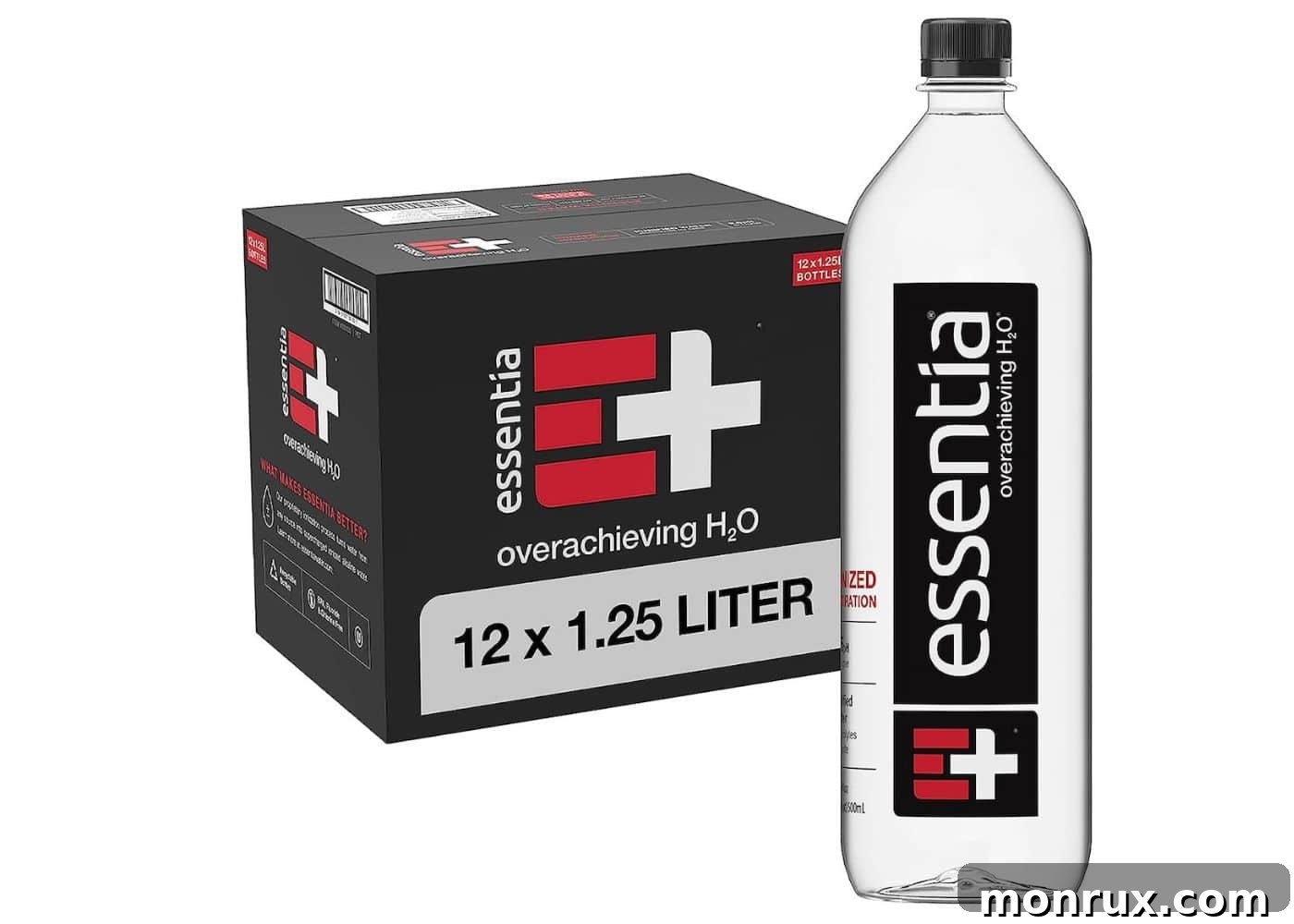
Welcome to an in-depth exploration of one of the market’s most popular premium bottled waters: Essentia Water. In this comprehensive review, we’ll dive deep into whether Essentia Water lives up to its claims, assessing its nutritional aspects, potential benefits, and notable drawbacks. For many, Essentia offers a refreshing and hydrating experience, but it’s crucial to understand its unique properties and whether its premium price tag is justified. We’ll also consider less expensive hydration alternatives and examine the scientific consensus around alkaline water. Our goal is to provide a clear, unbiased perspective to help you make informed choices about your hydration.
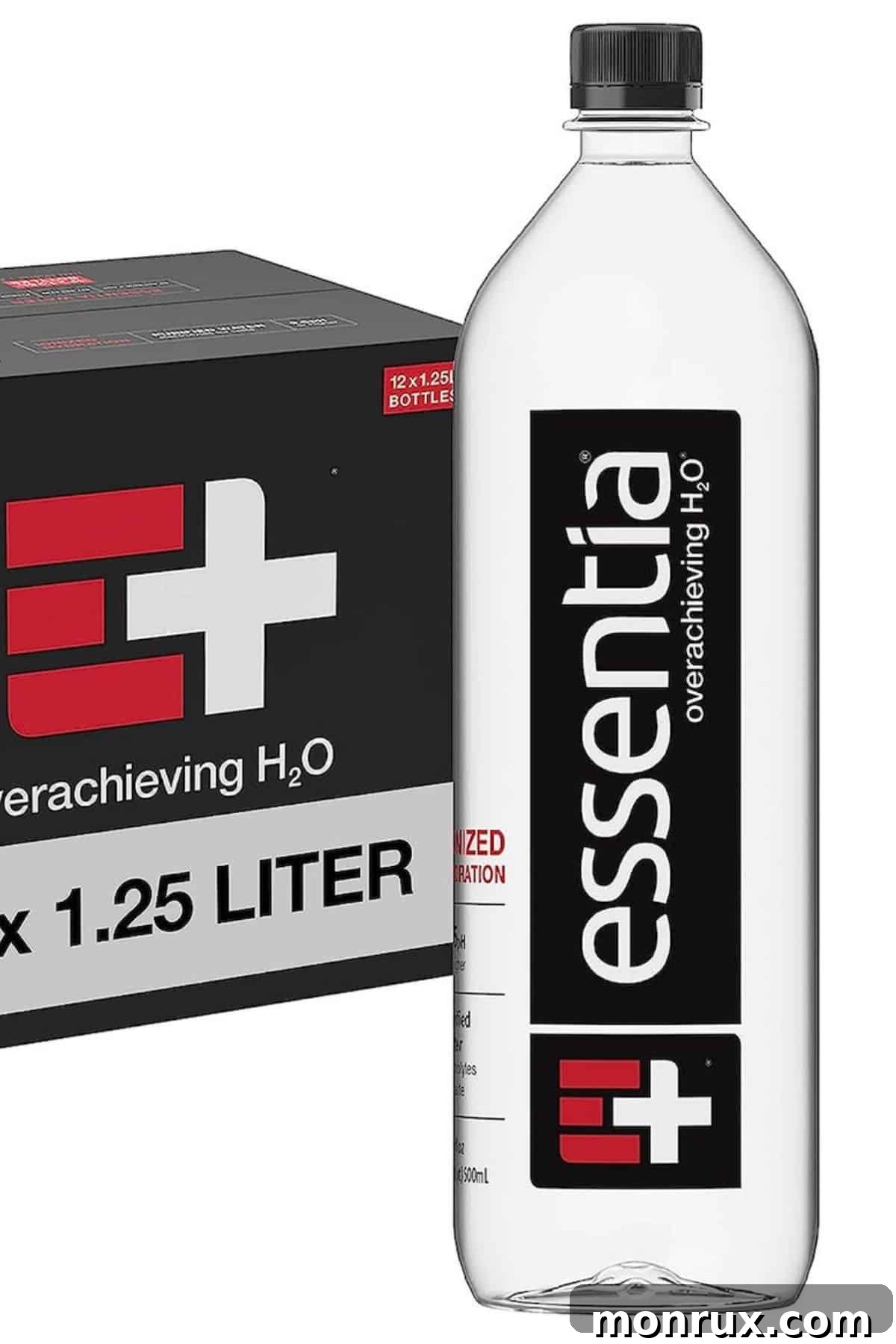
What is Essentia Water?
Essentia Water has carved a significant niche in the bottled water market, renowned for its distinct purification process and high alkaline pH. The journey of Essentia began in 1998 when entrepreneur Ken Uptain, inspired by alkaline water and ionization technology he encountered in Japan, set out to create a superior hydration product. His vision led to the creation of Essentia, which quickly gained popularity among health-conscious consumers and athletes seeking enhanced hydration.
In March 2021, the brand’s success attracted the attention of Nestlé USA, a global leader in the food and beverage industry. Nestlé acquired Essentia Water, integrating it into its prestigious portfolio of premium bottled waters. This acquisition further solidified Essentia’s position as a leading choice for consumers looking for more than just ordinary water. The brand positions itself towards individuals who prioritize optimal hydration, appreciate a remarkably smooth taste, and are interested in the potential benefits of ionized alkaline water. Essentia is not just water; it’s presented as an experience designed to “overachieve” in hydration, setting it apart from countless other bottled water brands.
The Science Behind Essentia Water: Ingredients and Process
At its core, Essentia Water is characterized by its meticulous purification and enhancement process, which transforms ordinary water into its signature alkaline form with trace electrolytes. Unlike many bottled waters that rely solely on natural sourcing, Essentia’s distinction lies in its sophisticated manufacturing journey.
The process begins with regular water, which undergoes an extensive purification regimen. This includes advanced reverse osmosis and microfiltration. These steps are crucial for removing contaminants, impurities, chlorine, and fluoride, ensuring the water is 99.9% pure, according to the company’s claims. Reverse osmosis, a technology widely used for desalination and water purification, forces water through a semi-permeable membrane, effectively filtering out dissolved solids and larger molecules. Microfiltration further refines this by removing smaller particulate matter, contributing to the water’s exceptional clarity and purity.
Following purification, Essentia water is infused with trace amounts of a proprietary blend of minerals. While the exact composition of these minerals remains a trade secret, their purpose is clear: to complement the body’s natural mineral balance and enhance the water’s taste profile. These added electrolytes are often cited as contributing to better hydration and overall well-being, though the amounts in Essentia are minimal.
The final and perhaps most defining step is the ionization process. This innovative technique removes bitter-tasting acidic ions, resulting in water with a remarkably smooth and clean taste. Crucially, this process elevates the water’s pH level to 9.5 or higher, making it significantly more alkaline than standard tap water, which typically has a pH between 6.5 and 8.5. The higher pH is a central tenet of Essentia’s appeal, catering to consumers who believe in the benefits of an alkaline diet. The company states that its water is sourced locally, underscoring its commitment to efficiency, and that the entire purification and ionization process ensures all traces of chlorine and fluoride are effectively eliminated.
Potential Benefits of Essentia Water (Pros)
Understanding the potential advantages of Essentia Water involves looking at both universally accepted hydration benefits and the specific claims associated with alkaline ionized water.
First and foremost, like any clean drinking water, Essentia Water is excellent for hydration, which is absolutely vital for overall health. Adequate water intake supports numerous bodily functions, including regulating body temperature, lubricating joints, delivering nutrients to cells, and maintaining organ function. For individuals who find the taste of ordinary tap water unappealing, Essentia’s “smooth, clean taste” (a direct result of its unique processing) might encourage them to drink more, thereby improving their daily hydration habits. This is a significant advantage, especially when compared to sugary drinks or stimulating beverages like Celsius Drink, which often come with their own set of potential health drawbacks.
Beyond basic hydration, the appeal of Essentia Water largely hinges on its alkaline properties. Proponents of alkaline water suggest that maintaining a slightly alkaline pH in the body can help counteract the effects of an acidic diet and modern lifestyle. The theory posits that consuming alkaline water can help neutralize acid waste, thereby promoting overall health, boosting energy levels, and even aiding in disease prevention. While scientific evidence rigorously supporting these broad claims is limited and often debated, many consumers report subjective improvements in their well-being, digestion, and energy after switching to alkaline water. For these individuals, Essentia Water offers a product aligned with their wellness philosophy.
Furthermore, the presence of trace amounts of electrolytes, while minimal, can contribute to the water’s hydrating properties. Electrolytes like sodium, potassium, and magnesium are crucial for nerve and muscle function, maintaining fluid balance, and supporting normal blood pressure. Though Essentia doesn’t boast high electrolyte content like sports drinks, their presence can be seen as an added benefit for those seeking more than just pure H2O.
Finally, Essentia’s rigorous purification process, utilizing reverse osmosis and microfiltration, removes common tap water contaminants. For consumers concerned about the quality of their local tap water, this purification step provides reassurance of a cleaner, purer drinking experience, free from chlorine, fluoride, and other potential impurities.
Understanding the Drawbacks and Criticisms (Cons)
Despite its popularity and marketing, Essentia Water, like any product, comes with its own set of potential drawbacks and criticisms that consumers should consider.
Perhaps the most significant criticism revolves around the **limited scientific evidence** supporting many of the specific health claims made by alkaline water brands. While proponents tout benefits like improved hydration, detoxification, and better pH balance, robust, peer-reviewed clinical studies that conclusively prove these advantages are largely insufficient. For instance, a research review indicated that alkaline water does not significantly impact the gut microbiome, fitness performance, urine pH, or various blood parameters in healthy individuals. Moreover, long-term consumption of demineralized water, especially if not adequately re-mineralized, can potentially lead to reduced absorption of certain essential nutrients, raising concerns about its overall nutritional impact if relied upon as a sole water source.
Another practical consideration is the **cost**. Essentia Water is considerably more expensive than regular tap water or even many standard filtered bottled waters. For daily hydration needs, this premium price point can add up significantly, making it an unsustainable option for many households. While some may justify the cost based on perceived health benefits or taste preference, it’s important to weigh this against more affordable and equally effective hydration methods.
Environmental concerns are also a major point of contention. Essentia Water is primarily sold in **plastic bottles**. While the company states its bottles are recyclable and made from phthalate- and BPA-free plastic, the broader issue of plastic waste remains. Despite recyclability claims, a large percentage of plastic bottles still end up in landfills, incinerators, or polluting oceans and natural ecosystems. The production of plastic also relies on petroleum, a non-renewable resource, and contributes to greenhouse gas emissions. Even BPA-free plastics can still leach other chemicals, and more importantly, microplastic contamination is a growing concern. Research shows that plastic bottles can release tiny plastic particles into the water, and the long-term health effects of consuming these microplastics are still being studied. Opting for reusable glass or stainless steel bottles filled with filtered tap water is generally a more environmentally friendly and potentially healthier choice.
Furthermore, there are potential digestive concerns. Consuming too much alkaline water, especially with meals, might interfere with the body’s natural digestive processes. The stomach relies on a highly acidic environment (hydrochloric acid) to break down food, activate digestive enzymes, and kill harmful bacteria. Introducing a high pH beverage during meals can neutralize some of this essential stomach acid, potentially leading to inefficient digestion, nutrient malabsorption, and digestive discomfort. It is generally advised to limit consumption of alkaline water around meal times.
Lastly, for individuals with certain health conditions, particularly **kidney disease**, consuming alkaline water may not be advisable. The kidneys play a critical role in maintaining the body’s acid-base balance, and introducing highly alkaline substances could potentially overwork them or interfere with necessary medical treatments. Anyone with pre-existing health conditions should always consult their doctor before making significant dietary changes, including switching to alkaline water.
Frequently Asked Questions About Essentia Water
Essentia Water can be considered good for you primarily because, like all water, it promotes essential hydration, which is fundamental for nearly every bodily function. Its high pH, making it alkaline, is a key selling point. Some individuals believe that maintaining a slightly alkaline pH within the body offers various health advantages, such as neutralizing acid build-up from diet or stress. However, it’s crucial to acknowledge that the scientific community’s support for these specific health claims remains limited and often inconclusive.
On the downside, Essentia Water is packaged in plastic bottles. While the brand emphasizes the use of phthalate and BPA-free plastic, mitigating concerns about certain chemical leachates, the issue of microplastic contamination persists. Studies have indicated that plastic bottles can release microscopic plastic particles into the water, and the long-term health implications of ingesting these particles are still under active investigation by scientists. Therefore, for those prioritizing absolute purity and minimizing potential risks, consuming filtered water from glass or reusable stainless steel containers generally presents a more secure and environmentally sound alternative.
While Essentia Water’s website highlights a strong commitment to sustainability and states that its plastic bottles are fully recyclable, the broader environmental impact of plastic water bottles is a significant concern. The production of plastic bottles requires petroleum, a non-renewable fossil fuel, and contributes to carbon emissions and environmental degradation. Moreover, despite being recyclable, a substantial portion of plastic bottles never actually gets recycled, often ending up in landfills, incinerators, or as pervasive litter in our oceans, rivers, and terrestrial ecosystems. This pollution poses severe threats to wildlife, disrupts delicate ecosystems, and can persist for hundreds of years. Opting for reusable water bottles made from glass or stainless steel is consistently a more eco-friendly choice, significantly reducing your plastic footprint and supporting global sustainability efforts.
Currently, Essentia Water is not available in glass bottles. It is primarily sold in recyclable plastic bottles or in a two-gallon boxed format, which uses less plastic and incorporates recycled corrugated material. For consumers committed to reducing plastic waste and embracing sustainable practices, it is always advisable to choose reusable containers, such as glass bottles or stainless steel flasks, for their daily hydration needs. These alternatives not only minimize environmental impact but also offer a chemical-free way to enjoy your drinking water.
While a small amount of alkaline water with a meal is unlikely to cause significant issues, it’s generally recommended to limit larger quantities around meal times. Your stomach plays a crucial role in digestion, relying on a highly acidic environment (hydrochloric acid) to effectively break down food, particularly proteins, and to neutralize harmful bacteria. The alkalinity of Essentia Water can reduce this essential stomach acidity, potentially interfering with the digestive process. This interference might lead to discomfort, slower digestion, or even hinder the proper absorption of nutrients. For optimal digestion, it’s often suggested to consume alkaline beverages approximately 30 minutes to an hour before or after your meal, allowing your stomach’s pH to remain acidic during the digestive phase.
No, drinking alkaline ionized water is not a necessity for health. The human body is equipped with sophisticated and highly effective mechanisms, including the kidneys and respiratory system, to maintain a remarkably stable pH balance within a very narrow range, regardless of the pH of the water consumed. There is currently insufficient robust scientific evidence to support the claims that drinking alkaline water significantly alters the body’s internal pH levels or offers unique health benefits beyond what regular, clean water provides. For most healthy individuals, a balanced diet rich in fruits and vegetables, coupled with a healthy lifestyle, is far more effective in supporting the body’s natural alkalinity and overall well-being. The purported benefits of alkaline water lack substantiation from rigorous clinical studies.
Alternatives to Essentia Water and Optimal Hydration Strategies
While Essentia Water offers a premium hydration experience, it’s important to recognize that excellent hydration can be achieved through various more accessible and often more sustainable means. For most individuals, the fundamental goal is simply to drink enough clean, safe water throughout the day. Here are some effective alternatives and strategies:
- Filtered Tap Water: This is arguably the most cost-effective and environmentally friendly option. Investing in a quality water filter (pitcher, faucet-mounted, or whole-house system) can remove chlorine, lead, and other impurities, providing clean-tasting water directly from your tap. This drastically reduces plastic waste and ongoing costs.
- Spring Water: Sourced from natural springs, this water often contains a natural balance of minerals. While it may come in plastic bottles, some brands offer larger dispensers or glass options, and for those who enjoy the distinct taste of natural spring water, it’s a good alternative to highly processed waters.
- Sparkling Water: For those who prefer a bit of fizz, sparkling water (plain or naturally flavored with fruit slices) is a healthier alternative to soda and other sugary carbonated drinks. Ensure you choose brands without added sugars or artificial sweeteners.
- Coconut Water: A natural source of electrolytes, coconut water is an excellent hydrating beverage, especially after exercise. It offers potassium, magnesium, and a refreshing taste, making it a great option for replenishing fluids and minerals.
- Homemade Electrolyte Drinks: You can easily make your own electrolyte-rich drinks using water, a pinch of sea salt, a squeeze of fresh lemon or lime juice, and a spoonful of honey or maple syrup. This allows you to control ingredients and avoid artificial additives found in many commercial sports drinks.
- Water-Rich Foods: Don’t forget that a significant portion of your daily water intake can come from foods! Fruits and vegetables like watermelon, cucumbers, strawberries, and lettuce have very high water content and provide essential vitamins, minerals, and fiber.
The key to optimal hydration isn’t necessarily about choosing the most expensive or technologically advanced water, but rather about consistent, adequate intake of clean fluids. Listening to your body, drinking proactively throughout the day, and making water your primary beverage choice are the most effective strategies for maintaining health and vitality.
More Water Product Reviews You Might Like
Final Verdict: Is Essentia Water Worth It?
After a thorough review, it’s clear that Essentia Water presents a mixed bag of attributes. On the one hand, it offers a refreshing, exceptionally smooth-tasting water that encourages consistent hydration – a fundamental pillar of good health. Its rigorous purification process and the presence of trace electrolytes can be appealing to those seeking pure water with a slight enhancement. For individuals who genuinely prefer its taste over other waters and are willing to pay a premium for that experience, Essentia can certainly contribute to their daily fluid intake.
However, it’s equally important to consider the drawbacks. The scientific evidence supporting the unique health claims associated with alkaline ionized water remains limited and often inconclusive. For the vast majority of people, the human body is perfectly capable of maintaining its own pH balance through natural physiological processes, rendering external alkaline interventions largely unnecessary. Furthermore, the significant cost difference compared to filtered tap water, combined with the environmental impact of plastic bottles, raises questions about its overall value and sustainability. While Essentia’s efforts towards recyclable, BPA- and phthalate-free plastics are commendable, the broader issue of microplastic contamination and the global plastic crisis cannot be ignored.
Ultimately, while Essentia Water is undoubtedly a healthier choice than sugary sodas or artificial beverages, it’s not a magical elixir. For effective hydration, alternatives like filtered tap water, natural spring water, or even simple sparkling water are equally beneficial and often more economical and environmentally conscious. If you are considering alkaline water for specific health reasons, particularly if you have underlying health conditions, always consult with a medical professional to ensure it aligns with your individual needs. Prioritizing consistent intake of clean, pure water, alongside a balanced diet and healthy lifestyle, remains the most proven path to optimal well-being.
Don’t forget to join my newsletter list to get exclusive clean eating recipes and tips. The newsletter is 100% free with no spam; unsubscribe anytime.
About the Author: Carrie Forrest has a master’s degree in public health with a specialty in nutrition and is a certified holistic nutritionist. She is a top wellness and food blogger with over 5 million annual visitors to her site. Carrie has an incredible story of recovery from chronic illness and is passionate about helping other women transform their health. Send her a message through her contact form.
Note: this post is for informational purposes only and is not intended as medical advice. Please consult your healthcare provider for recommendations related to your individual situation.