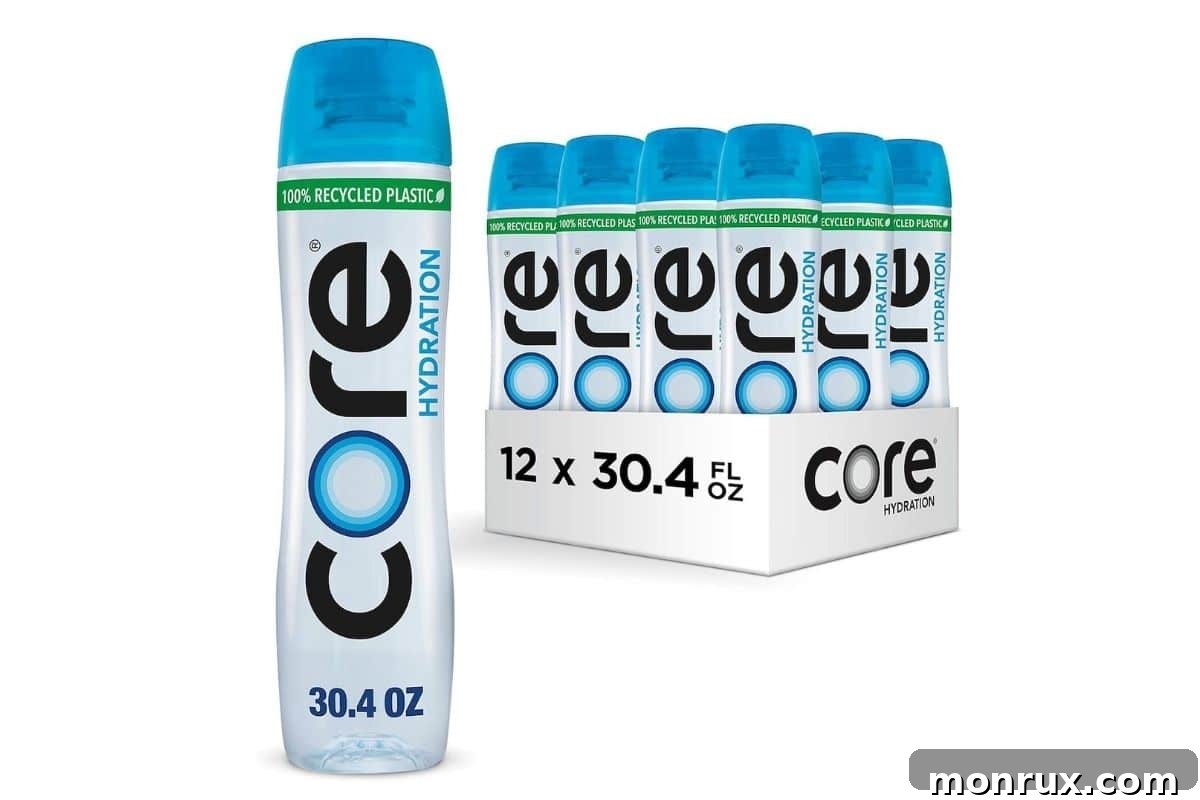
In the vast and often confusing world of bottled waters, Core Hydration Water has carved out a niche for itself, promising purified water infused with electrolytes for optimal balance and hydration. But with so many options available, a critical question arises: is Core Hydration Water truly good for you? This comprehensive article aims to delve deep into Core Hydration, examining its nutritional aspects, identifying its pros and cons, and exploring whether its benefits truly justify its premium price tag. We’ll uncover what makes this product unique, discuss potential environmental impacts, and even suggest more sustainable and cost-effective alternatives for staying perfectly hydrated.
Core Hydration Water: An Overview
Core Hydration Water, a product of Core Nutrition Company, made its debut in 2015, quickly positioning itself as a premium bottled water choice. It’s marketed primarily as a purified water option that’s enhanced with electrolytes, aiming to offer superior hydration compared to standard bottled or tap water. The brand targets health-conscious consumers, active individuals, and athletes who are looking for a beverage that supports optimal bodily functions and quick recovery.
The company emphasizes a unique approach to hydration by ensuring its water is free from impurities and then carefully balanced to a pH of 7.4, which it claims matches the body’s natural pH. This alkaline balance is a key selling point, appealing to those interested in the potential benefits of alkaline water, despite the ongoing scientific debate surrounding its efficacy.
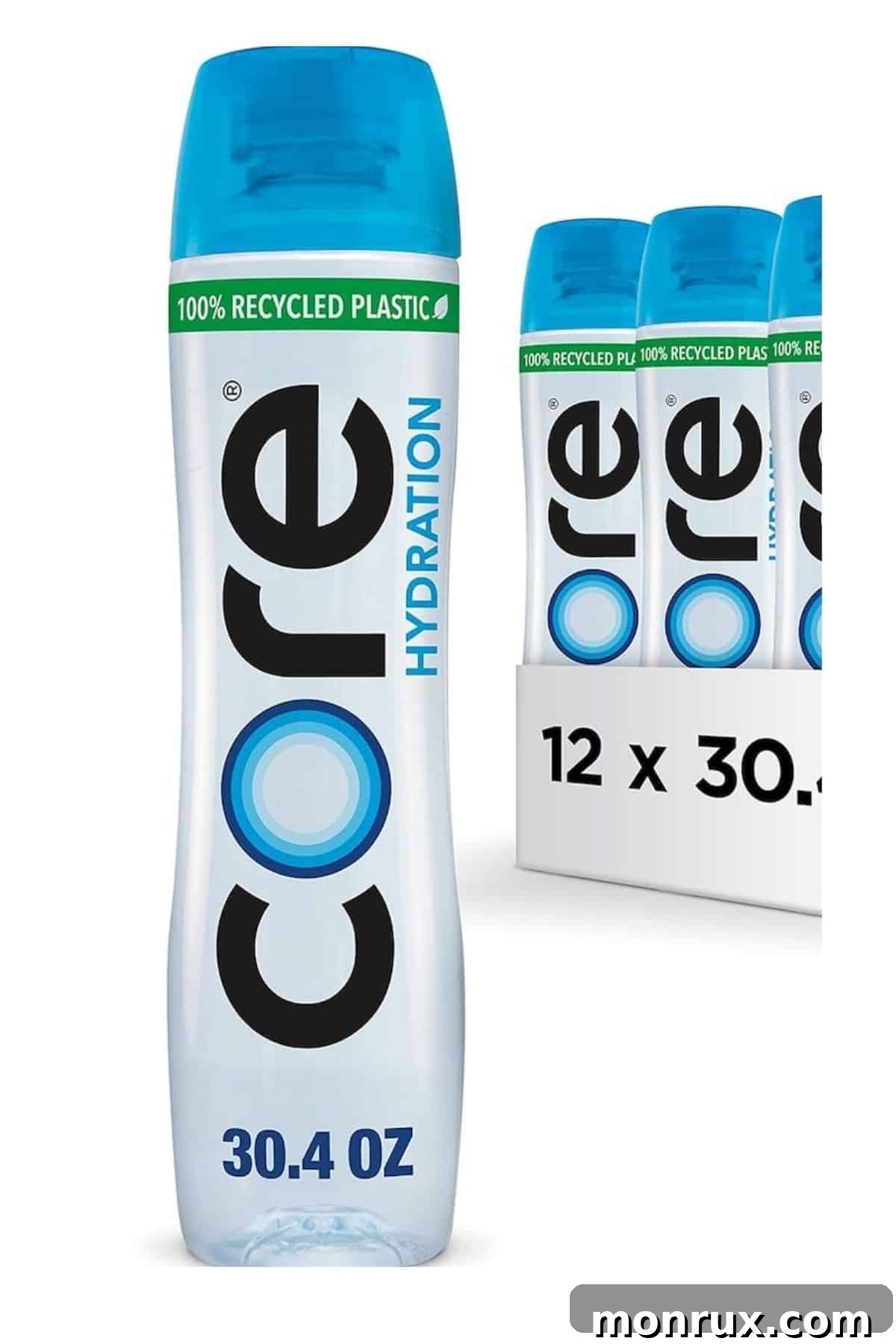
Core Hydration Water is widely available in various convenient sizes, catering to different consumption needs. Consumers can find it in common sizes like 16.9 fluid ounces (a standard single-serving bottle), 23.9 fluid ounces, 30.4 fluid ounces, and larger 44 fluid ounce bottles, ideal for longer workouts or at-home use. Beyond its original offering, the brand has also introduced Core Hydration+, a line of flavored waters featuring natural extracts such as lemon, pink grapefruit, and cucumber essence, all without added sugars or artificial sweeteners, maintaining its commitment to a “clean” profile.
A quick glance at Core Hydration Water’s nutrition label reveals a minimalist approach: it contains only purified water, electrolytes, and essential minerals. Notably, it boasts no calories, no sugars, and no artificial flavors or sweeteners, making it a compelling choice for those strictly monitoring their intake of these components. This simple ingredient list reinforces the brand’s image as a pure and beneficial hydration source.
What’s in Core Water? Ingredients Deep Dive
To fully understand the potential benefits of Core Hydration Water, let’s take a closer look at its key ingredients and what each contributes to your health and hydration.
Purified Water: The Foundation
The primary ingredient in Core Hydration is purified water, which undergoes a rigorous reverse osmosis filtration process. This advanced purification method is designed to effectively remove a wide array of impurities, contaminants, and dissolved solids that can be found in source water. Reverse osmosis operates by forcing water through a semipermeable membrane under high pressure, which acts as a sophisticated filter. This process is highly effective at eliminating substances such as chlorine, heavy metals, pesticides, herbicides, and other industrial pollutants, resulting in exceptionally clean and pure water.
While reverse osmosis is excellent at removing undesirable elements, it also removes beneficial naturally occurring minerals. To counteract this, Core Hydration reintroduces specific electrolytes: calcium, magnesium, and potassium. This re-mineralization is crucial not only for taste but also for enhancing the water’s hydrating properties and supporting various physiological functions. The careful balance of these added minerals helps achieve the desired pH of approximately 7.4, mirroring the body’s natural pH and contributing to Core’s claim of optimal hydration.
Potassium Bicarbonate: Electrolyte and Acidity Regulator
Potassium bicarbonate is a compound frequently utilized in premium beverages like Core Hydration for its dual role in balancing electrolytes and regulating acidity. Potassium itself is an essential mineral vital for numerous bodily functions. It plays a critical role in maintaining proper fluid balance, which is fundamental for preventing dehydration and supporting cellular health. Furthermore, potassium is indispensable for heart health, contributing to normal blood pressure and rhythm, and is crucial for optimal muscle and nerve function.
For individuals engaged in physical activity or those experiencing fluid loss due to various factors, replenishing electrolytes like potassium is key to effective hydration and can significantly help in preventing uncomfortable muscle cramps. Beyond its role as an electrolyte, potassium bicarbonate also contributes to neutralizing acidity in the body, promoting a more alkaline internal environment. In the moderate amounts found in Core Hydration, potassium bicarbonate is considered a healthy and beneficial ingredient, posing no significant risks and actively supporting overall well-being.
Magnesium Chloride: Essential for Body Functions
Magnesium chloride is another vital mineral compound intentionally added to Core Hydration to bolster electrolyte balance and support comprehensive health. As a primary source of magnesium, this compound is involved in over 300 enzymatic reactions within the body, highlighting its broad importance. Magnesium is fundamental for proper muscle contraction and relaxation, nerve transmission, and maintaining stable blood pressure levels. Its role in cellular energy production is critical, powering countless physiological processes.
For athletes and individuals leading active lifestyles, adequate magnesium intake is particularly beneficial. It helps prevent muscle cramps and spasms, aids in recovery, and supports sustained energy levels during physical exertion. By facilitating water absorption and balancing other electrolytes, magnesium chloride contributes significantly to effective hydration. In the quantities present in Core Hydration, magnesium chloride is a safe and healthy addition, offering substantial benefits without any associated health risks, making it an excellent component for supporting active and healthy bodies.
Calcium Chloride: For Bones and Balance
Calcium chloride is the third essential mineral compound found in Core Hydration, serving as a source of both calcium and crucial electrolytes. Calcium, widely recognized as a cornerstone mineral, is absolutely critical for maintaining strong and healthy bones and teeth throughout life. Beyond its structural roles, calcium also plays a pivotal part in muscle function, enabling smooth contractions and movements, and is indispensable for regulating nerve signaling, ensuring proper communication throughout the nervous system.
In beverages formulated for hydration and performance, such as Core Hydration, calcium chloride assists in restoring the body’s electrolyte balance. This is particularly important during and after physical activity, when electrolytes are lost through sweat. Replenishing calcium levels aids in preventing muscle cramps and supports the overall functional integrity of the body. The amounts of calcium chloride present in Core Hydration are carefully calibrated to offer these health benefits without posing any significant risks, making it a safe and highly beneficial ingredient for enhanced hydration and essential mineral replenishment.
The Good: Nutrition Pros of Core Hydration
Core Hydration water boasts several compelling nutritional advantages that make it an attractive option for consumers prioritizing health and wellness. Here’s a breakdown of its key benefits:
- Pure and Clean Formulation: One of the most significant pros is its incredibly clean ingredient list. Core Hydration contains no calories, no sugars, and no artificial ingredients, including artificial flavors or sweeteners. This makes it an ideal choice for individuals monitoring their caloric intake, managing blood sugar levels (such as those with diabetes), or simply seeking to avoid synthetic additives in their diet. It’s a truly “pure” hydration option that aligns with clean eating principles.
- Balanced pH of 7.4: Core Hydration is meticulously balanced to a pH of 7.4, which is designed to closely match the human body’s natural pH level. This feature is often marketed as beneficial for promoting overall bodily balance and well-being. While scientific research on the broad health benefits of drinking alkaline water is still evolving and not fully conclusive, many consumers are drawn to the concept, believing it can help neutralize acidity in the body and contribute to a healthier internal environment.
- Enhanced with Essential Electrolytes: This water is specifically formulated with a blend of key electrolytes, including potassium, magnesium, and calcium. These minerals are absolutely vital for maintaining proper hydration, especially as they are lost through sweat during physical activity. Electrolytes play critical roles in numerous bodily functions, such as supporting optimal muscle function, regulating nerve signaling, balancing fluid levels, and even contributing to bone health. For athletes, active individuals, or anyone needing to replenish these essential salts, Core Hydration offers a convenient way to do so beyond plain water.
- Superior Purification Process: The water undergoes a rigorous reverse osmosis purification process, ensuring it is largely free from contaminants, impurities, and dissolved solids. This commitment to high-quality purification provides consumers with peace of mind, knowing they are drinking clean, safe water without unwanted substances often found in tap water or less processed bottled waters.
- Convenience and Accessibility: Core Hydration is available in a variety of sizes, from small grab-and-go bottles to larger containers for sustained hydration. This convenience makes it easy to incorporate into daily routines, whether for a gym session, office work, or simply staying hydrated throughout the day.
These benefits collectively position Core Hydration as a premium choice for those seeking purified, electrolyte-enhanced water free from unnecessary additives, particularly appealing to a health-conscious and active demographic.
The Not-So-Good: Nutrition Cons of Core Hydration
While Core Hydration water offers several compelling benefits, it also comes with a few significant drawbacks that consumers should consider:
- Environmental Impact of Plastic Bottles: Perhaps the most prominent concern is the reliance on single-use plastic bottles. Despite being recyclable, a vast majority of plastic bottles do not get recycled and end up in landfills or, worse, polluting oceans and natural ecosystems. The production of plastic bottles also consumes significant energy and resources, contributing to carbon emissions. For environmentally conscious consumers, the ecological footprint of bottled water, including Core Hydration, is a serious consideration.
- Concerns Over Microplastics: A growing body of research highlights the pervasive issue of microplastics – tiny plastic particles that can break off from bottles and containers. These microplastics have been found in drinking water, food, air, and even within the human body. While the long-term health effects of microplastic ingestion are still being studied, their presence raises concerns about potential impacts on human health, including inflammation, oxidative stress, and disruption of endocrine systems. Even if Core Hydration bottles are BPA-free (which many premium bottled waters claim), other plastic chemicals or microplastic shedding remain a concern.
- High Cost Compared to Alternatives: Core Hydration is significantly more expensive than standard tap water and even many filtered bottled waters. For many consumers, this premium price point is difficult to justify when the core offering is purified water with added electrolytes – a combination that can often be achieved much more affordably at home. Investing in a quality home water filter system and adding a pinch of sea salt or a few drops of electrolyte liquid can provide similar benefits at a fraction of the cost, making Core Hydration an expensive convenience rather than a necessity for daily hydration.
- Questionable Necessity for the Average Person: While beneficial for athletes or individuals with specific medical needs that require electrolyte replenishment (e.g., severe dehydration, certain illnesses), the average person leading a moderately active lifestyle typically gets sufficient electrolytes from a balanced diet and does not necessarily require electrolyte-enhanced water for daily hydration. For them, regular filtered water is perfectly adequate and often more sustainable and economical. The marketing of “enhanced” hydration can sometimes create a perceived need that doesn’t exist for the general population.
Considering these cons, consumers must weigh the convenience and specific benefits against the environmental impact and higher cost, particularly when more sustainable and budget-friendly hydration solutions are readily available.
Who is Core Hydration For? Understanding the Target Audience
Given its specific formulation and market positioning, Core Hydration Water is particularly suited for certain demographics and situations:
- Athletes and Highly Active Individuals: People engaged in intense physical activity, prolonged exercise, or endurance sports lose significant electrolytes through sweat. Core Hydration can be a convenient option for quickly replenishing these lost minerals, aiding in recovery and maintaining performance.
- Individuals Seeking “Clean” and “Pure” Hydration: For those who are highly particular about the purity of their water and want to avoid any contaminants, chlorine taste, or artificial additives, Core Hydration’s reverse osmosis purification and simple ingredient list are very appealing.
- Followers of Alkaline Diets: While scientific evidence remains debated, individuals who subscribe to the principles of an alkaline diet may choose Core Hydration due to its pH-balanced formulation, believing it supports overall bodily balance.
- People with Specific Dietary Restrictions: With no calories, sugar, or artificial ingredients, Core Hydration is suitable for those on strict diets, managing diabetes, or simply avoiding added sugars and sweeteners.
- Consumers Prioritizing Convenience: For busy individuals who value grab-and-go hydration options and are willing to pay a premium for bottled water, Core Hydration offers a convenient way to stay hydrated without the need for filters or adding supplements.
Conversely, for the average person with a balanced diet and moderate activity levels, or those on a budget and concerned about environmental impact, the added benefits of Core Hydration might not outweigh its cost and ecological footprint. Regular filtered tap water often serves as an equally effective and much more sustainable hydration solution.
Making Informed Choices: Conclusions
In conclusion, Core Hydration Water presents a nuanced picture. It undeniably offers several health advantages, primarily stemming from its meticulously purified water and the strategic inclusion of essential electrolytes like potassium, calcium, and magnesium. These minerals are crucial for supporting optimal hydration, facilitating robust muscle function, and contributing to overall physiological well-being. Its pH-balanced formulation and complete absence of calories, sugars, and artificial ingredients make it a compelling choice for health-conscious consumers, especially athletes or those maintaining active lifestyles who require efficient electrolyte replenishment.
However, the benefits must be weighed against several notable drawbacks. The reliance on single-use plastic bottles poses significant environmental challenges, exacerbating plastic waste and raising concerns about microplastic contamination, whose long-term health effects are still being investigated. Furthermore, Core Hydration’s premium price point makes it a more expensive option compared to readily available alternatives, challenging its value proposition for the average consumer.
For most individuals, Core Hydration may be an indulgent convenience rather than a health necessity. A more cost-effective and environmentally friendly approach to superior hydration is often achievable right at home. Consider making your own electrolyte-rich drink by combining filtered tap water with a small amount of high-quality sea salt (which provides a spectrum of trace minerals) and a squeeze of fresh lemon or lime juice for natural flavor and a touch of vitamin C. For a hint of natural sweetness, a teaspoon of honey or maple syrup can be added. This homemade concoction delivers similar hydration benefits using whole food ingredients, without contributing to plastic pollution or incurring the premium cost associated with bottled products. Ultimately, making an informed choice about your hydration source involves balancing personal health goals with environmental responsibility and economic considerations.
Sustainable and Homemade Hydration Solutions
Don’t forget to join my newsletter list to get exclusive clean eating recipes and tips. The newsletter is 100% free with no spam; unsubscribe anytime.
About the Author: Carrie Forrest has a master’s degree in public health with a specialty in nutrition and is a certified holistic nutritionist. She is a top wellness and food blogger with over 5 million annual visitors to her site. Carrie has an incredible story of recovery from chronic illness and is passionate about helping other women transform their health. Send her a message through her contact form.