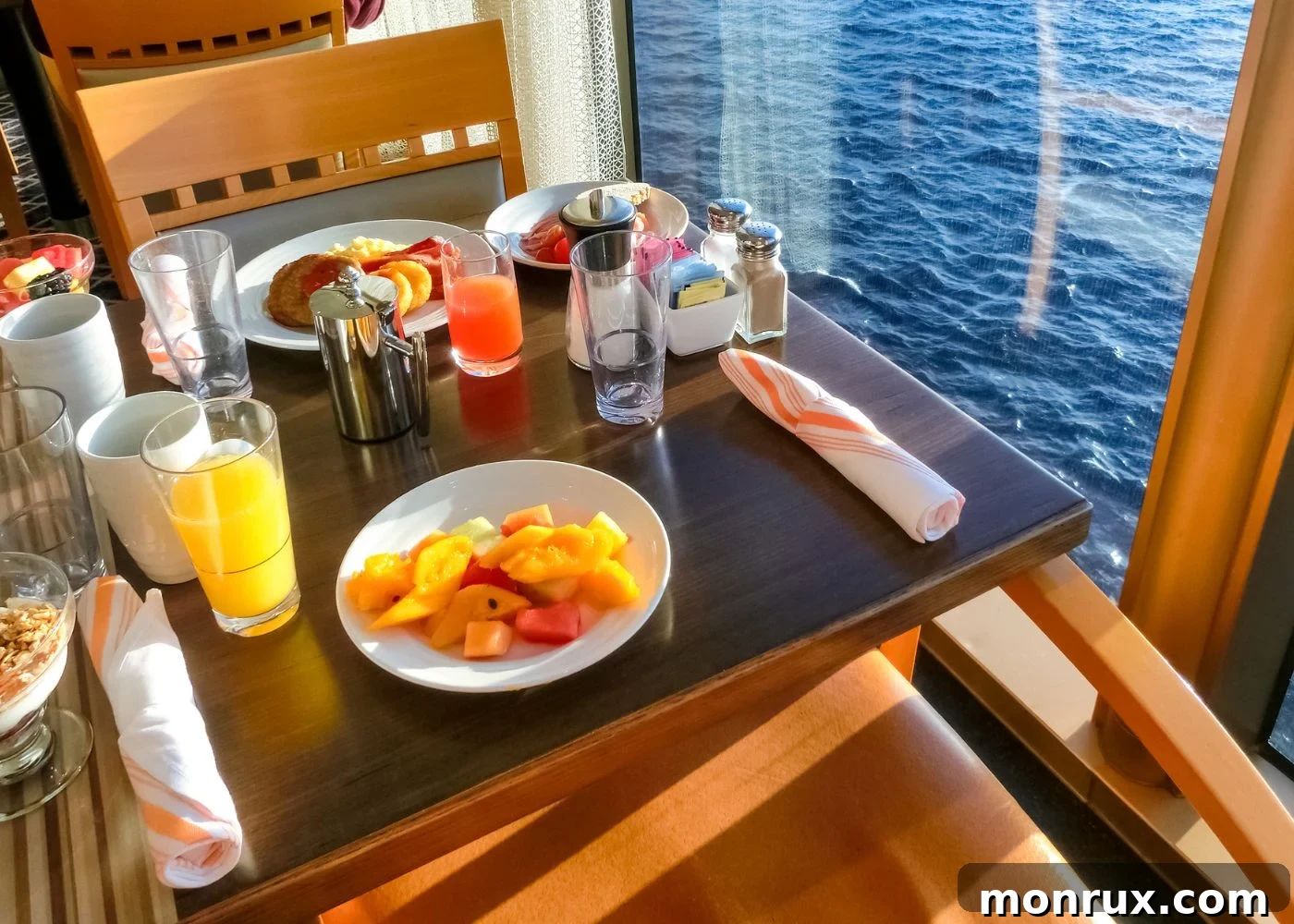
Embarking on a cruise offers an incredible escape, a chance to explore new destinations, and indulge in unparalleled luxury. However, maintaining your health and wellness routine while surrounded by endless culinary temptations can be a significant challenge. This comprehensive guide provides expert strategies and actionable tips for how to eat healthy while on a cruise ship, ensuring you return home feeling refreshed, energized, and without compromising your well-being. From managing specific dietary needs to making smarter choices in dining rooms and buffets, these tricks are designed to help you navigate the gastronomic delights of your cruise vacation responsibly.

While many view vacations as an opportunity to set aside all rules and indulge without restraint, there are compelling reasons why individuals choose to prioritize healthy eating on a cruise. The most paramount reason often revolves around managing chronic health conditions, such as diabetes or heart disease, and maintaining the consistent healthy habits meticulously cultivated at home. Travel should not be an excuse to derail progress, especially when health is a primary concern.
Beyond managing existing conditions, other motivations for mindful eating on a cruise include strengthening your immune system (cruises can be breeding grounds for germs), preventing unwanted weight gain, maintaining a stable weight, and crucially, preserving high energy levels to fully enjoy every aspect of your journey and excursions. Feeling sluggish or unwell can significantly detract from the overall vacation experience.
Regrettably, the allure of cruise ship dining and the pursuit of optimal health don’t always align seamlessly. With 24-hour room service, opulent dessert buffets boasting every conceivable sweet treat, and dishes often prepared with rich sauces and excessive fats, cruise ships have gained a notorious reputation for fostering potentially unhealthy eating environments. It’s easy to succumb to the “all-you-can-eat” mentality, leading to overconsumption and subsequent discomfort.
Like many travelers, I’ve personally experienced the trap of overeating on cruises, only to suffer the regrettable consequences of feeling less healthy and fit upon returning home. This cycle motivated me to find a better way.
After decades of cruising, I am delighted to share a collection of effective strategies for how to eat healthy while cruising. While perfection is never the goal—neither on a cruise nor in daily life—these methods have allowed me to return feeling good, without the lingering regret of having missed out on the incredible culinary adventures a cruise offers. It’s about finding balance and making informed choices that support both enjoyment and well-being.
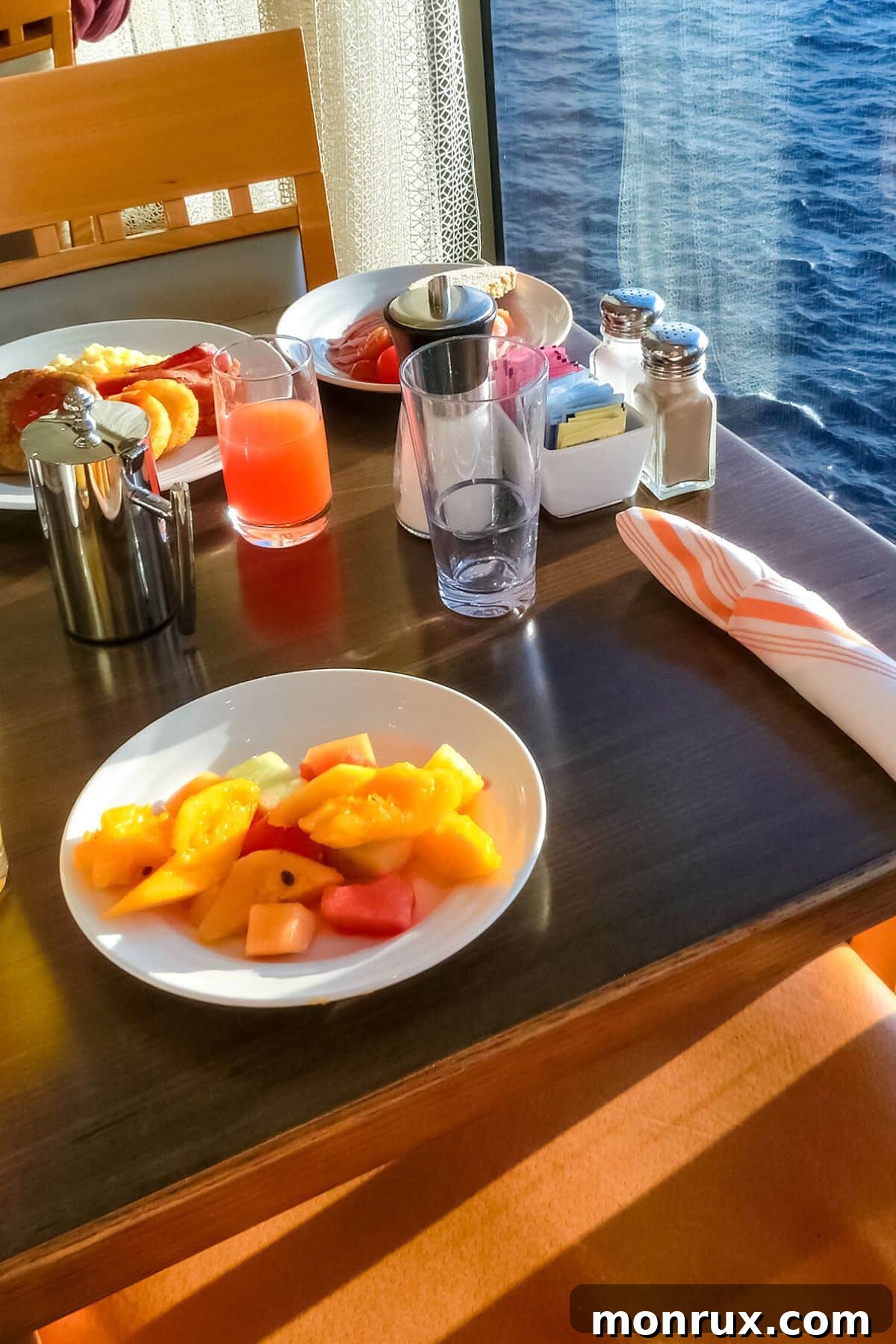
10 Healthy Cruising Tips
Navigating the culinary landscape of a cruise ship doesn’t have to mean sacrificing your health goals. These are my tried-and-true tips, developed over many voyages, to help you maintain a healthy diet during your cruise vacation. Whether you’re sailing with Royal Caribbean, Disney Cruise Line, Celebrity Cruises, or any other operator, these expert recommendations will empower you to make smarter choices and feel your absolute best throughout your journey.
1. Disclose Your Dietary Preferences at the Time of Booking
One of the most crucial steps to ensuring a healthy and stress-free cruise experience, especially if you have specific dietary requirements, is to alert your cruise line to your needs well in advance. This should ideally be done at the time of booking your trip. Proactive communication is key.
For individuals like myself, who adhere to gluten-free and dairy-free diets, this step is non-negotiable. I’ve learned that selecting cruise operators often depends on their proven willingness and capability to accommodate various special dietary needs, a practice that is thankfully becoming more widespread and sophisticated across the industry. When you disclose your dietary preferences during the booking process, the information is typically relayed to the catering manager and culinary staff, allowing them to prepare and stock appropriate ingredients. This significantly reduces stress and ensures suitable meal options are available throughout your voyage.
Beyond allergies or intolerances, you can also inform them if you are managing diabetes, or require low-calorie, low-fat, low-sodium, vegetarian, or vegan meals. Most reputable cruise lines are well-equipped to cater to a broad spectrum of dietary restrictions and preferences, ensuring your health is supported from embarkation to disembarkation. Always follow up a few weeks before your cruise, and reconfirm upon boarding to ensure all arrangements are in place.
2. Embrace the Salad Bar: Eat a Big Salad Every Day
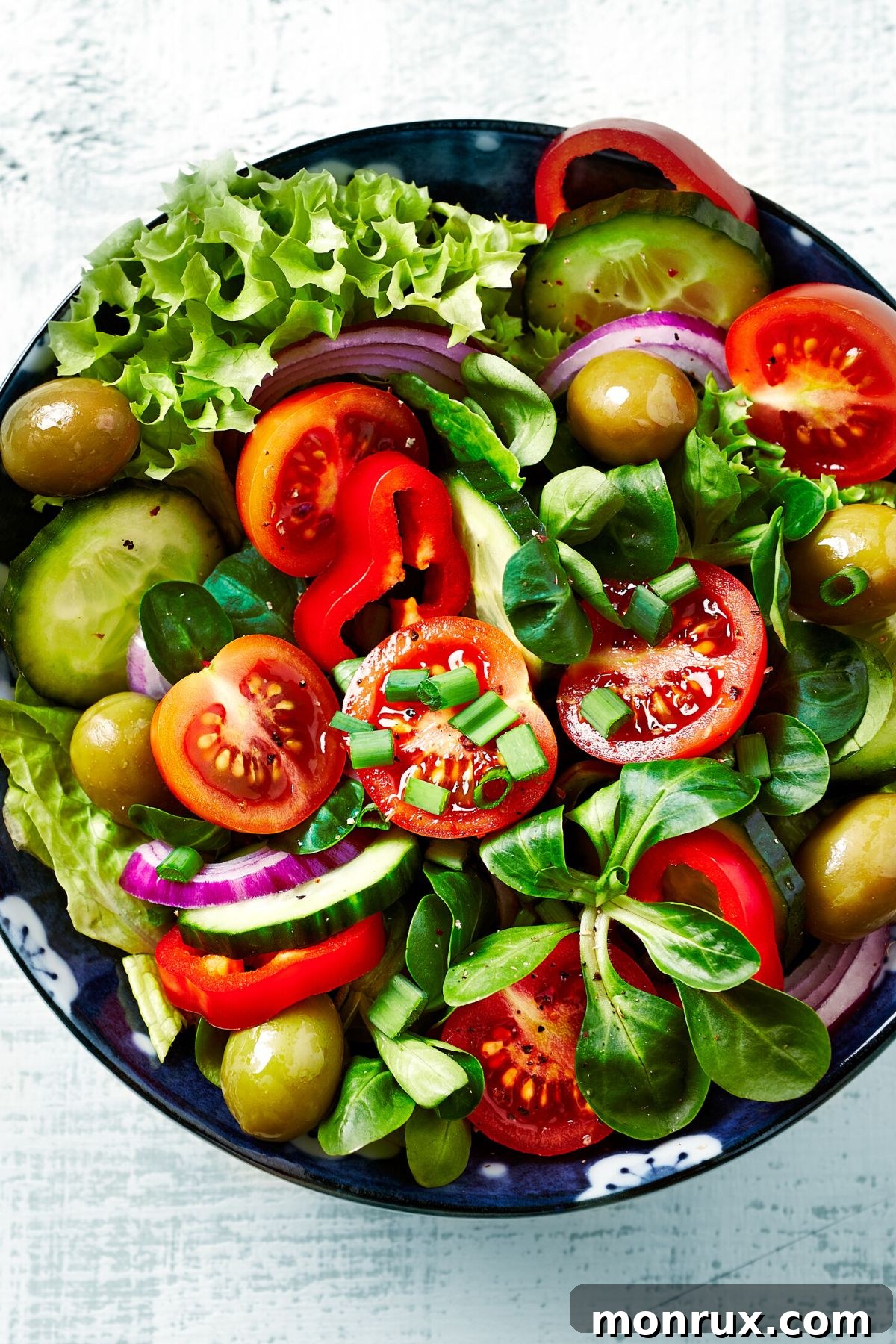
Cruise ship salad bars are often a hidden gem, typically overflowing with an impressive array of fresh, vibrant vegetables, crisp greens, wholesome grains, and an assortment of toppings. Don’t overlook this abundant resource! Make it a point to incorporate a large, fresh green salad into your daily diet at least once. This simple habit is an excellent way to ensure you’re getting a significant intake of essential fiber, vitamins, and minerals that are crucial for overall health.
The benefits extend beyond just nutrition. Consuming enough vegetables and fiber daily plays a vital role in maintaining digestive regularity. Many travelers experience “traveler’s constipation” due to changes in diet, routine, and hydration. By prioritizing fiber-rich salads, you can help keep your bowel habits consistent and comfortable, preventing discomfort and ensuring you feel light and energetic throughout your trip. Be mindful of dressings, opting for vinaigrettes or requesting olive oil and vinegar on the side to control portions and avoid hidden sugars or unhealthy fats.
3. Pack Your Own Healthy Snacks and Staples
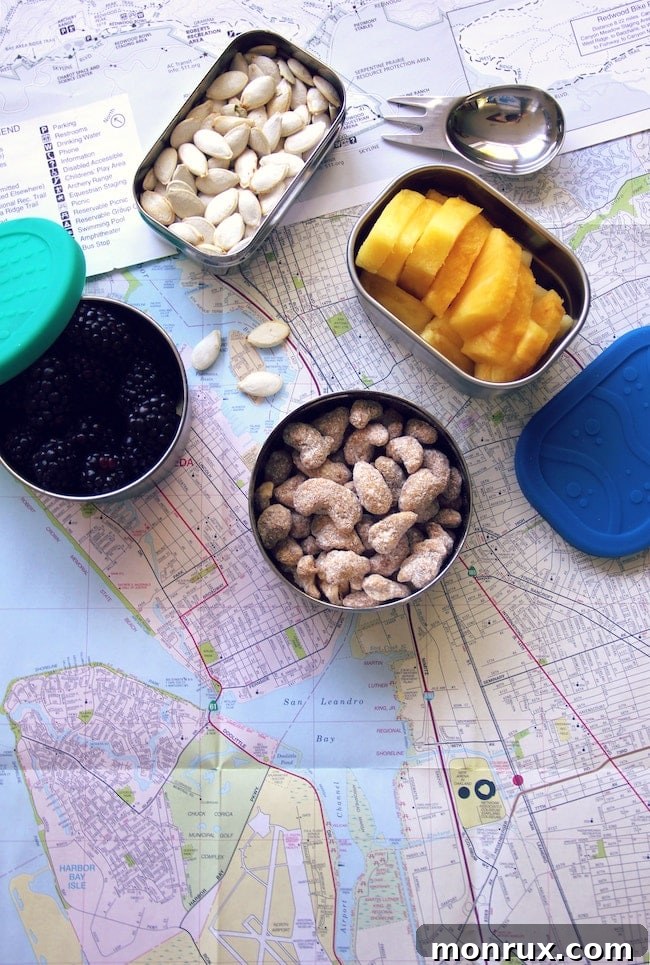
While cruises are famous for their endless food options, it’s wise to acknowledge that not all available food may align with your specific healthy eating guidelines or personal preferences. To bridge this gap, consider bringing some of your favorite healthy snacks or dietary staples from home. For instance, if you rely on a particular type of granola to enhance your breakfast, or have a strong preference for a certain herbal tea, packing them can make a significant difference.
I often pack a bag of high-quality granola to sprinkle over the gluten-free porridge offered at the breakfast bar. This small addition provides healthy fats, extra fiber, and a satisfying crunch, elevating a simple meal. Think about items that are easily packable and non-perishable. My go-to choices for healthy travel snacks typically include:
- Organic, unsulfured dried fruit (in moderation due to sugar content)
- A variety of organic nuts and seeds for sustained energy
- Lean beef jerky or other protein bars
- High-quality dark chocolate for a healthier treat
These provisions are not only convenient for enjoying on the ship between meals but also invaluable for excursions ashore, where healthy options might be scarce. Furthermore, if you find your appetite naturally diminishing, or you’re trying to manage portion sizes, having a satisfying snack on hand can prevent you from reaching for less healthy alternatives out of sheer hunger. Conversely, if you notice yourself snacking out of boredom, try skipping afternoon snacks altogether and tune into your true hunger cues.
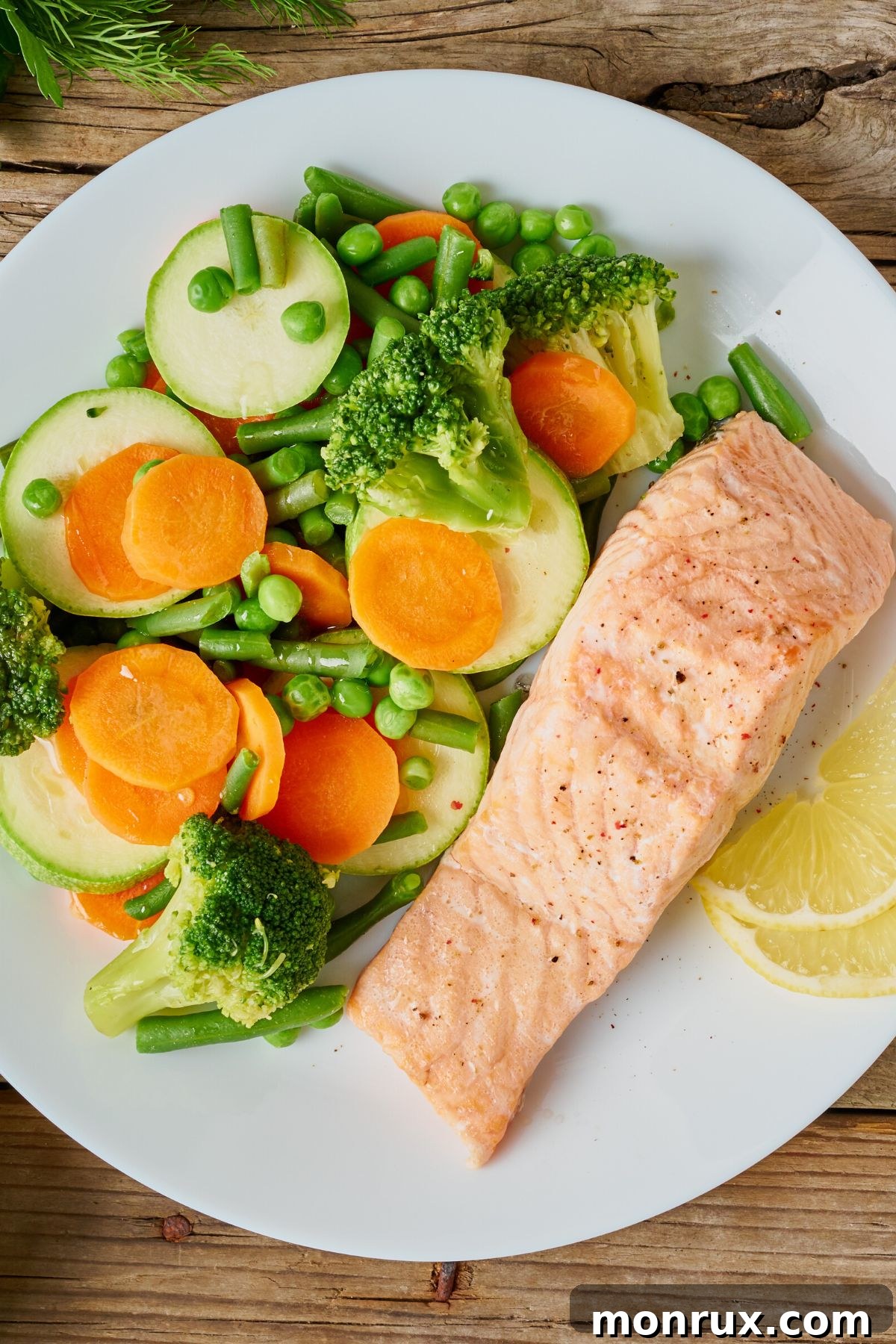
4. Opt for Steamed Vegetables Over Sautéed
Healthy fats are an essential component of a balanced, clean-eating diet. However, many cruise ship kitchens, much like conventional restaurants, tend to use an excessive amount of less-than-ideal vegetable oils (like soybean or canola oil) when sautéing or frying. These oils, when heated, can become unstable and contribute to inflammation.
To significantly reduce your exposure to potentially unhealthy cooking oils and unnecessary added fats, a simple yet effective strategy is to politely ask for your vegetables to be steamed rather than sautéed. This request is usually easily accommodated and ensures your vegetables retain more of their natural nutrients while minimizing extra calories and unwanted ingredients. This small tweak can have a substantial impact on the overall health profile of your meal. For more insights on healthier options, refer to a guide on healthy cooking oils.
This principle extends beyond just vegetables. If you’re ordering items like eggs for breakfast, you can request them to be cooked in butter or olive oil instead of standard vegetable oil. Making these thoughtful adjustments to your meals is one of the most effective ways to maintain control over what you consume and stick to your healthy eating principles while enjoying your cruise.
5. Mindful Eating: Avoid Tea Time Baked Sweets and Combat Boredom Eating
The elaborate afternoon tea service on a cruise ship, with its tempting array of pastries, cakes, and finger sandwiches, can be a significant hurdle for healthy eating. While the tradition is charming, the abundance of sugary and rich baked goods can quickly derail your efforts. Instead of succumbing to these calorie-dense options, consider healthier snack alternatives like fresh fruit, or protein-rich choices such as a hard-boiled egg (if available) or a handful of nuts you brought.
Crucially, if you realize you’re not truly hungry in the afternoon, there’s absolutely no need to partake in tea time. Instead, seize the opportunity to skip the tea lounge and take a brisk walk on the ship’s deck. This brings up a broader point: boredom eating. Cruises, particularly on sea days, can sometimes lead to an abundance of free time, and it’s easy to find oneself reaching for food simply to pass the hours.
To counteract eating out of boredom, cultivate mindfulness around your hunger cues. Before you eat, pause and ask yourself: “Am I truly hungry, or am I just bored, stressed, or seeking entertainment?” If it’s the latter, redirect your attention. Try having a refreshing glass of sparkling water with a slice of lemon or lime, read a book, attend a lecture, visit the gym, or explore other onboard activities to engage your mind and body without resorting to unnecessary snacking.
6. Make Smarter Dessert Choices (or Savor a Small Portion)
Eating healthy while traveling doesn’t necessitate a complete ban on dessert. The key lies in making more conscious choices. Instead of reaching for the rich, creamy cakes, tarts, and ice creams, explore lighter alternatives. Many cruise ships offer refreshing sorbets, which are often fruit-based and considerably lower in fat and calories. Fresh fruit platters are another excellent and naturally sweet option, providing vitamins and fiber.
It’s also worth inquiring about sugar-free dessert options, which are becoming increasingly common. However, always ask what sweeteners they use, as some artificial sweeteners may not align with your personal health goals. For those who want a small indulgence without overdoing it, consider my favorite trick: ask your waiter for a very small, sample-sized portion of your desired dessert. This way, you can enjoy a few satisfying bites of a richer treat without feeling deprived or consuming an entire serving. It’s about savoring the experience, not the quantity.

7. Prioritize a Protein-Rich Breakfast
Starting your day with a high-protein breakfast is a well-researched strategy that can significantly aid in weight loss and effective weight management, as detailed in various studies including those published in journals like Nature. The good news is that obtaining a satisfying, cooked breakfast on a cruise ship is usually effortless and offers numerous healthy options.
Even if your plans involve an early shore excursion, you can typically arrange for room service to deliver a protein-packed breakfast directly to your cabin. Aim for a minimum of 20-25 grams of protein in your morning meal. Excellent choices include scrambled eggs, omelets with vegetables, Greek yogurt with berries and nuts (if dairy is permitted), or lean meats. A substantial protein intake will help stabilize blood sugar levels, provide sustained energy, and promote satiety, effectively fueling you for a day full of adventures and making you less prone to mid-morning hunger pangs or unhealthy snacking.

8. Consciously Minimize Alcohol Intake
Alcoholic beverages can become a significant challenge for many individuals while on a cruise. Often, packages include unlimited beer, wine, or cocktails, creating a perception that these drinks are “free” and should be consumed liberally. However, alcoholic drinks are notorious for being sources of “empty calories”—high in calories but devoid of nutritional value, contributing to unwanted weight gain and sluggishness.
Beyond the caloric impact, alcohol can impair judgment, making it easier to succumb to unhealthy food choices that you would typically avoid. It also contributes to dehydration, which can compound feelings of fatigue and lead to headaches. If complete abstinence isn’t your goal, practice moderation. Allow yourself a single glass of red wine with dinner, or a small, carefully chosen cocktail. Alternately, make a refreshing glass of sparkling water with fresh lemon or lime your go-to beverage. Many cruise lines also offer an array of delicious mocktails, providing a festive alternative without the alcohol content.

9. Stay Adequately Hydrated Throughout Your Journey
Proper hydration is a cornerstone of overall health, especially crucial when traveling. The combination of different climates, increased activity, and potentially higher sodium intake from rich foods can quickly lead to dehydration. Drinking plenty of water is vital to ensure your body’s metabolic processes are functioning optimally, your energy levels remain high, and your detoxification systems are working efficiently.
While there isn’t a universally fixed amount of water everyone needs, a good rule of thumb is to consistently sip water throughout the day and make sure you are not experiencing thirst. Thirst is often a sign that you are already mildly dehydrated. Keep a reusable water bottle handy and refill it at the numerous water stations available around the ship. Opt for plain water over sugary sodas or fruit juices, which contribute unnecessary calories. Adequate hydration also supports healthy digestion and can sometimes be mistaken for hunger, helping you avoid unnecessary snacking.

10. Savor the Experience and Embrace Balance
Ultimately, making healthier choices on a cruise ship should enhance, not detract from, the sheer joy of your travel experience. The goal is not rigid perfection, but rather finding a harmonious balance between mindful eating and allowing yourself to indulge in the unique culinary adventures a cruise offers. Remember that a vacation is also for mental relaxation and enjoyment.
Find ways to strategically splurge a little bit each day or with a specific meal, rather than feeling deprived and then overcompensating. Perhaps it’s a small portion of a specialty dish you’ve been wanting to try, or a bite of a decadent dessert. Most importantly, immerse yourself in the experience, embrace the new sights, sounds, and flavors, and revel in the adventures you’re having. Remind yourself that you will return to your regular routine soon enough, and that you are doing your very best to stay healthy while creating wonderful memories. A healthy mindset is just as important as healthy food choices.

Bonus Tips for a Healthier Cruise
While the ten tips above form a strong foundation, there are additional strategies you can employ to further support your well-being on a cruise. Firstly, consider actively avoiding large, sprawling buffets where people tend to overeat due to the sheer volume and variety of food. Instead, prioritize dining in the main dining rooms, where meals are served to you. This environment encourages portion control and allows for more mindful eating, as you’re not constantly tempted by endless options.
When ordering your meals, don’t hesitate to ask for smaller portions if you feel the standard serving size is too generous. The culinary staff are usually happy to accommodate such requests. Secondly, incorporating some form of physical activity into your daily routine is incredibly beneficial. Most cruise ships feature well-equipped fitness centers, and many offer group classes like yoga, Pilates, or spinning. Even a brisk walk around the deck each morning or evening can make a significant difference. Physical activity not only helps burn extra calories but also enhances your mood, reduces stress, and keeps you feeling more connected and aware of your body’s needs.
FAQs About Healthy Cruising
Absolutely. Most major cruise lines are increasingly adept at providing a wide array of gluten-free meals and options. To ensure your specific needs are met without hassle, it is highly recommended to communicate your dietary requirements to your travel agent or directly to a cruise representative as early as possible, ideally at the time of booking or even before you finalize your reservation. Many cruise lines have dedicated staff to manage special dietary requests, ensuring you have safe and delicious choices available at every meal.
While the abundance of food on a cruise might suggest otherwise, it is indeed possible to stick to a healthy approach and even maintain your weight or work towards weight loss goals. Success hinges on proactive planning and clear communication. Informing the cruise ship representative about your health objectives, such as requesting low-calorie options or smaller portion sizes, can make a significant difference. The dining staff can often work with you to tailor meals to your specific needs, providing lighter preparations and controlled quantities. Combining mindful eating with regular physical activity available onboard, such as visiting the fitness center or taking stairs instead of elevators, will further support your weight management efforts.
Have you embarked on a cruise recently? Do you have any additional tips for healthy eating that I might have missed? Share your insights and experiences in the comments below – your input could help fellow travelers!
Don’t Miss These Additional Resources
Don’t forget to join my newsletter list to receive exclusive clean eating recipes, practical tips, and wellness insights directly to your inbox. It’s 100% free, spam-free, and you can unsubscribe anytime.
About the Author: Carrie Forrest holds a master’s degree in public health with a specialization in nutrition and is a certified holistic nutritionist. She is a prominent wellness and food blogger, attracting over 5 million visitors to her site annually. Carrie shares an inspiring story of recovery from chronic illness and is deeply committed to empowering other women to transform their health journeys. Feel free to reach out to her through her contact form.
Note: This post is intended for informational purposes only and does not constitute medical advice. Please consult with your healthcare provider for personalized recommendations pertinent to your individual health situation.