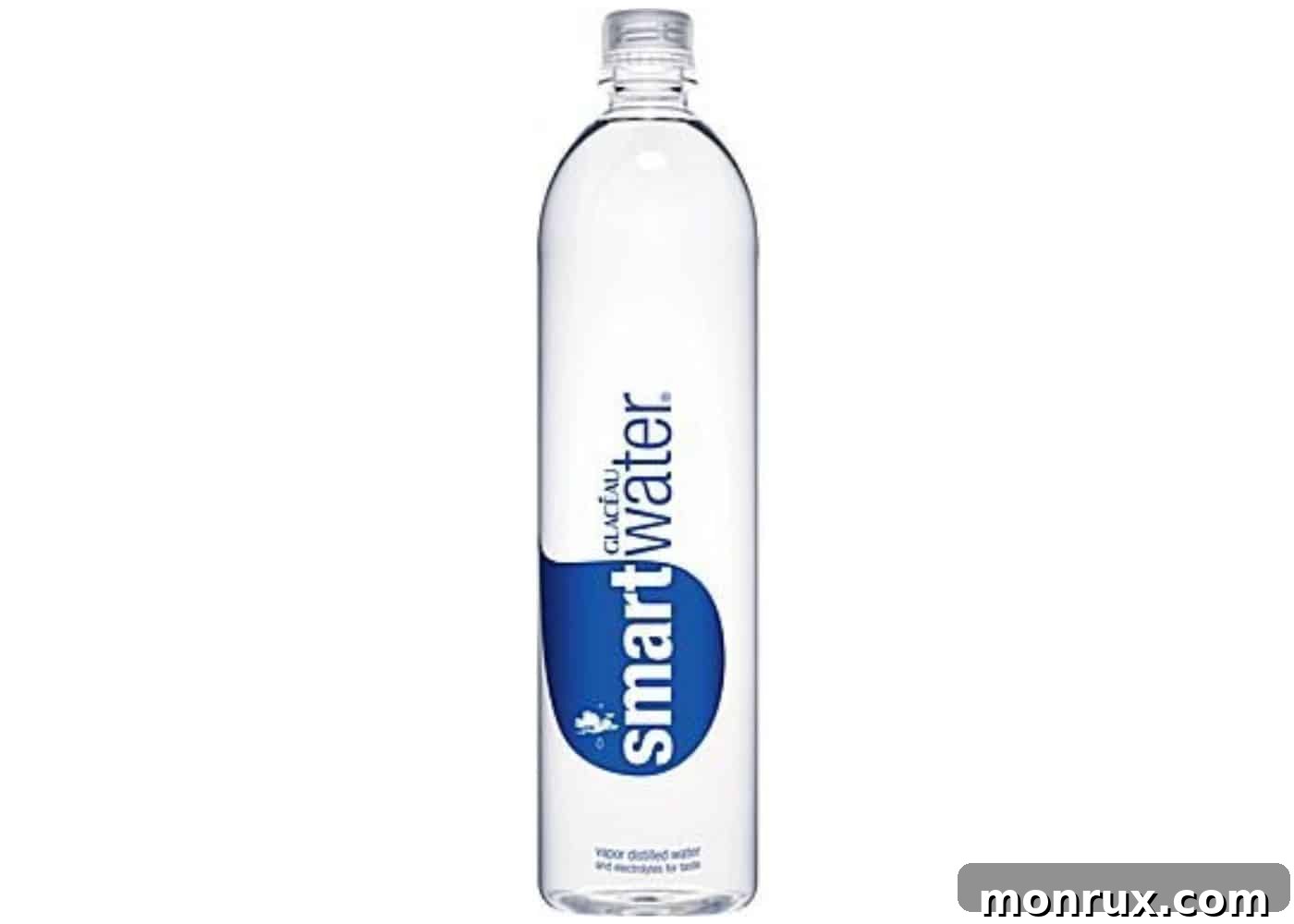
In the vast landscape of hydration options, one brand consistently captures attention: Smartwater. Marketed as a premium choice, it boasts vapor distillation and added electrolytes, promising a crisp, pure taste and superior hydration. But beyond the sleek branding and enticing claims, a critical question remains: is Smartwater truly healthy, and does it offer significant advantages over regular tap water or other bottled varieties? This comprehensive review delves into Smartwater’s nutritional profile, examines its ingredients, explores its purported benefits, and addresses the environmental and practical concerns associated with its consumption. Join us as we uncover the truth behind Smartwater, helping you make an informed decision about your hydration choices.
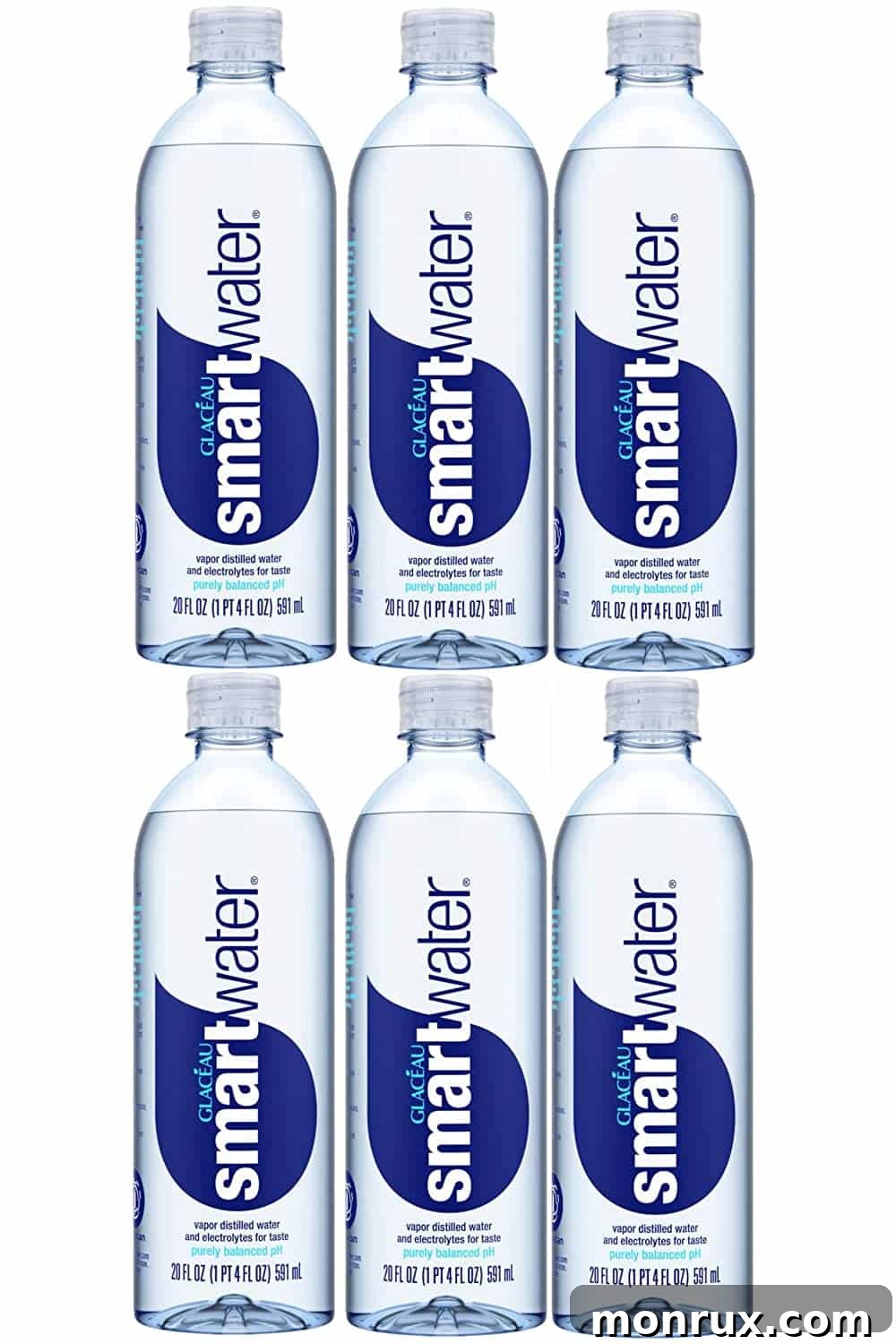
Smartwater Unveiled: Key Facts and Evolution
Smartwater, a distinctive player in the bottled water market, made its debut in 1996. It was introduced with the promise of being “vapor-distilled with added electrolytes to give it a crisp, pure taste.” This innovative approach aimed to differentiate it from standard purified waters and natural spring waters, appealing to consumers seeking a premium hydration experience. The core process, vapor distillation, involves heating water to create steam, which separates pure water from impurities. This steam is then condensed back into liquid form, resulting in highly purified water. However, this process also removes naturally occurring minerals, leading to the need for added electrolytes.
The brand is owned by Energy Brands, a subsidiary of The Coca-Cola Company. This backing by a global beverage giant has undoubtedly contributed to Smartwater’s widespread availability and strong market presence. From its inception, Smartwater has targeted individuals interested in healthy living and mindful hydration, positioning itself as a sophisticated choice for everyday wellness.
Initially, the product’s nutrition label highlighted its simplicity: zero calories, no sugar, and minute quantities of calcium chloride, magnesium chloride, and potassium bicarbonate. These compounds are added back into the vapor-distilled water primarily for taste, mimicking the mouthfeel and flavor often found in natural mineral waters.
In response to evolving consumer trends and demands for enhanced hydration, Smartwater expanded its product lines significantly in 2019. This expansion included the introduction of Smartwater Alkaline and Smartwater Antioxidant, which offered additional functional benefits. The brand further diversified with a range of flavored and infused options, catering to a broader palate and lifestyle preferences. Today, Smartwater is available in various formulations designed to meet different hydration needs and tastes, reinforcing its position as a versatile premium bottled water brand.
Current Smartwater variations include:
- Smartwater (original vapor-distilled with electrolytes)
- Smartwater Alkaline (enhanced pH level)
- Smartwater Antioxidant (with added selenium)
- Smartwater Cucumber Lime (naturally flavored)
- Smartwater Passionfruit Mango (naturally flavored)
- Smartwater Pineapple Kiwi (naturally flavored)
- Smartwater Strawberry Blackberry (naturally flavored)
- Smartwater +Clarity (infused with ginseng and green tea extracts)
- Smartwater +Renew (infused with dandelion and lemon extracts)
- Smartwater +Support (with added zinc and selenium)
- Smartwater +Tranquility (infused with ashwagandha and tangerine extracts)
The Ingredients List: A Closer Look
At its core, Smartwater is vapor-distilled water. The distillation process effectively removes impurities, contaminants, and also any natural minerals, resulting in demineralized water. To enhance its taste and align with consumer expectations for “premium” water, a carefully selected blend of electrolytes is added back. These typically include calcium chloride, magnesium chloride, and potassium bicarbonate.
While these electrolytes are indeed beneficial in larger dietary quantities, it’s crucial to understand their role in Smartwater. They are added primarily for taste profile and mouthfeel, and the amounts present are generally too small to make a significant nutritional impact compared to the nutrients obtained from a balanced diet or even from some natural mineral waters. For instance, Smartwater Alkaline and Antioxidant lines incorporate selenium, and Smartwater +Support includes zinc, offering slightly enhanced nutritional aspects in specific formulations.
To help you determine whether Smartwater aligns with your health goals, let’s explore some of its key ingredients in more detail:
Natural Flavors: Beyond the Fruit
The term “natural flavors” can often be a source of confusion for consumers. Despite its wholesome-sounding name, there is no strict formal definition from regulatory bodies, allowing for a broad range of substances to fall under this category. This means natural flavors may include lab-produced compounds derived from natural sources, rather than being simply a direct extract of the named fruit or plant.
Smartwater’s flavored varieties are infused with essences derived from various fruits, as well as botanicals like ashwagandha, ginseng, green tea, and dandelion. These essences are typically obtained through processes such as heating the fruits and plants or utilizing enzymes to extract their specific flavor compounds. While these additions aim to enhance the sensory experience and taste of the water, it’s important to recognize that they do not contribute significant nutritional value to the product itself. Their primary function is purely for flavor enhancement, making the water more palatable for some consumers who prefer a hint of taste over plain water.
Calcium Chloride: The Mineral Enhancer
Calcium chloride is an inorganic compound commonly found in many bottled water brands, including Smartwater. Its primary role in these products is as an added electrolyte, contributing to the water’s taste profile and sometimes its mouthfeel. While calcium is an essential mineral vital for strong bones, teeth, nerve transmission, and muscle function, the amount of calcium chloride added to Smartwater is typically very small. Consequently, it does not provide significant nutritional value or contribute meaningfully to your daily calcium intake.
Beyond bottled water, calcium chloride has diverse applications. It is frequently used in food processing for making cheese, brewing beer, and as a firming agent in canned vegetables like pickles. It also serves as a preservative. While generally recognized as safe in food-grade quantities, ingesting calcium chloride in large quantities can potentially have harmful effects on the human body, such as gastrointestinal irritation. However, the trace amounts in Smartwater are not expected to pose such risks.
Magnesium Chloride: Essential, But In What Quantity?
Magnesium chloride is another inorganic compound crucial for various bodily functions. As a source of magnesium, it plays a vital role in over 300 enzymatic reactions in the body, supporting cell health, muscle and nerve function, bone density, and heart rhythm. Adequate magnesium intake has been linked to numerous health benefits, from improving sleep to reducing chronic disease risk. However, like calcium chloride, the quantity of magnesium chloride added to Smartwater is primarily for taste enhancement.
In the context of Smartwater, the added magnesium chloride contributes to the “crisp” taste and mouthfeel, but it does not provide any significant nutritional value that would contribute substantially to your daily magnesium requirements. To obtain meaningful amounts of magnesium for its health benefits, it is far more effective to consume real, magnesium-rich foods such as pumpkin seeds, almonds, spinach, black beans, and avocados. Relying on bottled water for essential minerals, especially in such trace amounts, is not an efficient or effective strategy for nutrient intake.
Potassium Bicarbonate: For Balance
Potassium bicarbonate is an inorganic compound that is vital for maintaining proper fluid balance, nerve signals, and muscle contractions, including those of the heart. It plays a key role in heart health, ensuring muscles contract effectively, and is also important for bone health by helping to neutralize dietary acids. Studies suggest that potassium bicarbonate can be beneficial in preventing and treating osteoporosis by supporting bone mineral density.
Despite its significant physiological roles, the amount of potassium bicarbonate included in Smartwater, similar to the other electrolytes, is minimal. It’s added to fine-tune the water’s taste and pH balance, rather than to deliver a substantial nutritional boost. Therefore, Smartwater’s contribution to your daily potassium intake is negligible. For robust potassium intake, it is recommended to consume whole foods rich in this mineral, such as avocados, bananas, spinach, potatoes, sweet potatoes, and beans.
Selenium: A Trace Mineral Booster
Selenium is a vital trace mineral that offers a multitude of potential health benefits. It is a powerful antioxidant, meaning it helps protect cells from damage caused by free radicals, which can contribute to chronic diseases. Selenium supports healthy thyroid function, is important for DNA synthesis, and contributes to the body’s defense against infection by boosting the immune system. Research indicates its potential role in managing conditions like coronary heart disease.
Some Smartwater variations, specifically Smartwater Alkaline and Smartwater Antioxidant, contain added selenium. These products typically provide about 10% of the recommended daily allowance (RDA) for selenium per serving. While this offers a small contribution, it’s important to remember that you can readily obtain selenium from a variety of dietary sources such as Brazil nuts (which are exceptionally high in selenium), seafood, poultry, and organ meats. Furthermore, caution is advised with selenium intake; consuming too much can lead to adverse health problems, including hair loss, digestive issues, muscle tremors, and respiratory distress. Therefore, if you consume multiple servings of these enhanced Smartwater products daily, it’s wise to consider your total selenium intake from all sources.
Zinc: The Immune System Ally
Zinc is another essential trace mineral that the body requires in small but crucial amounts. It is fundamental for numerous biological processes, playing a key role in immune function, wound healing, protein synthesis, and cell growth and division. Zinc is also essential for maintaining senses of taste and smell. Its involvement in creating DNA and supporting overall cellular health makes it an indispensable nutrient.
Smartwater +Support is a specific formulation designed to include added zinc, typically providing around 20% of the recommended daily allowance per serving. While this can contribute to your daily zinc intake, relying solely on bottled water for this nutrient is not necessary or the most effective strategy. Zinc is abundant in a variety of natural food sources, including red meat, poultry, seafood (especially oysters), dairy products, and plant-based options like whole grains, legumes, nuts, and seeds. A balanced diet generally provides sufficient zinc for most individuals. As with all micronutrients, maintaining a balanced intake from diverse food sources is usually the most reliable way to meet your body’s needs without over-relying on fortified beverages.
The Pros of Choosing Smartwater
Despite some of the caveats regarding its nutritional claims, Smartwater does offer several benefits that make it a popular choice for many consumers. Understanding these advantages can help you weigh whether it’s the right hydration option for you.
Firstly, one of Smartwater’s strongest points is its purity and simplicity. It contains no artificial sweeteners, flavors, or colors, and the original version boasts zero calories. This makes it a significantly healthier alternative to sugary beverages like sodas, fruit juices with added sugar, or many sports drinks that are loaded with calories and artificial additives. It is also sugar-free, gluten-free, and dairy-free, and notably free from common allergens such as eggs, peanuts, tree nuts, fish, shellfish, soy, or wheat. This clean profile appeals to health-conscious individuals and those with specific dietary restrictions or allergies.
Secondly, and most fundamentally, Smartwater provides essential hydration. As plain water, it effectively quenches thirst and contributes to maintaining optimal body fluid levels, which is crucial for overall health, cognitive function, and physical performance. The convenience and portability of bottled water brands like Smartwater can serve as a helpful reminder and motivator for people to drink enough water throughout their busy days, especially when on the go or when access to potable tap water is limited.
Moreover, the vapor distillation process employed by Smartwater is highly effective at filtering water. This method removes a wide array of impurities, heavy metals, chlorine, and other contaminants that can sometimes be found in tap water. For individuals concerned about tap water quality or taste, Smartwater offers a purified option. Many consumers report that Smartwater has a “crisp, clean taste” that they prefer over tap water, which can encourage greater water consumption and improved hydration habits. This perceived superior taste can be a significant factor for those who struggle to drink enough plain water.
In essence, Smartwater stands as a clean, convenient, and palatable option for hydration, especially when compared to less healthy beverage choices. While it may not offer groundbreaking nutritional advantages, its purity and agreeable taste certainly contribute positively to promoting consistent water intake. For further insights into advanced water purification, see my related article on the benefits of reverse osmosis water.
The Cons: Is Smartwater Worth It?
While Smartwater undeniably offers the fundamental benefit of hydration, a closer examination reveals several significant drawbacks related to its cost, packaging, and specific formulations. These factors often lead consumers to question whether the premium price tag truly justifies the product.
One of the most immediate concerns for many is the **cost**. Smartwater is considerably more expensive than tap water or even many other brands of purified or spring water. For regular consumption, this expense can quickly accumulate, making it a financially unsustainable option for daily hydration. When considering that tap water, often filtered at home, can provide comparable hydration benefits at a fraction of the cost, the value proposition of Smartwater becomes debatable.
A major environmental and potential health concern stems from Smartwater’s packaging: it primarily comes in **plastic bottles**. Single-use plastic bottles contribute significantly to global plastic pollution, impacting landfills, oceans, and ecosystems. The production and transportation of bottled water also carry a substantial carbon footprint. Beyond the environmental damage, plastic bottles can pose health risks. Research increasingly highlights the prevalence of microplastics leaching into bottled water, especially when bottles are exposed to heat or stored for extended periods. There are also concerns about chemicals like BPA (Bisphenol A) and phthalates, which can migrate from plastic into water, potentially acting as endocrine disruptors. For optimal health and environmental responsibility, it is generally recommended to opt for reusable containers made from glass or stainless steel, paired with a reliable home water filtration system.
Furthermore, specific formulations like Smartwater Alkaline raise particular health considerations. Individuals with **kidney disease or certain medical conditions** should exercise caution and consult their healthcare provider before consuming alkaline water. The body’s intricate systems work diligently to maintain a stable pH balance, and introducing highly alkaline substances regularly might interfere with these natural regulatory mechanisms in sensitive individuals. While generally safe for healthy individuals, those with pre-existing conditions should always seek medical advice.
It’s also important to remember that even with the purest water, there can be too much of a good thing. **Excessive daily water intake, or overhydration**, can lead to a dangerous condition called hyponatremia, where sodium levels in the blood become dangerously low. This can result in symptoms ranging from nausea and headaches to more severe complications like seizures, coma, and even death. While uncommon, it’s a reminder that hydration needs are individual and depend on factors like overall health, activity levels, climate, and diet. Always consult your doctor or healthcare provider if you have concerns about your daily hydration needs or potential risks.
Lastly, while Smartwater includes electrolytes for taste, it’s critical to reiterate that these quantities are generally insufficient to provide significant nutritional benefits. Unlike true sports drinks designed to replenish substantial electrolyte losses during intense exercise, Smartwater’s electrolyte content is minimal. For those needing significant electrolyte replenishment, whole food sources or specially formulated electrolyte beverages are far more effective. For comparison, you may also like my article, Is Blk Water Good for You?
Frequently Asked Questions About Smartwater
Smartwater is essentially water, making it inherently healthy and a far superior choice to sugary sodas or artificial sports drinks. It provides essential hydration without calories or artificial additives. However, it’s crucial to understand that Smartwater is likely not *more* beneficial or nutritious than most other bottled water options, nor does it necessarily offer a substantial health advantage over high-quality filtered tap water. The added electrolytes are primarily for taste, and their nutritional impact is minimal. Regular tap water, pure filtered water, purified water, reverse osmosis water, or natural mineral water can be just as healthy, if not more so, especially when consumed from reusable, non-plastic containers. Moderation in water intake is also key; over-consuming any type of water can lead to health issues like hyponatremia.
Currently, Smartwater is exclusively available in recyclable plastic bottles. While the bottles are designed to be recycled, their single-use nature contributes significantly to environmental concerns like plastic pollution and resource depletion. From both an environmental and a potential health perspective (due to microplastic leaching), it is almost always better to choose hydration methods that involve reusable containers. Opting for a high-quality glass or stainless steel bottle that can be used repeatedly, filled with filtered tap water or home-purified water, is a more earth-friendly and often healthier choice. The environmental impact of single-use plastic bottles, like those from Smartwater, is a major concern, contributing to issues from climate change to ecosystem damage.
No, Smartwater is not classified as a sports drink. While it contains added electrolytes, the quantities are insufficient to effectively replenish the significant electrolyte losses that occur during intense exercise or prolonged physical activity through sweat. True sports drinks are specifically formulated with higher concentrations of carbohydrates and electrolytes (like sodium and potassium) to support energy levels and rapid rehydration for athletes. For general hydration during moderate activity, Smartwater is perfectly fine. However, if you’re engaging in strenuous workouts and need to replace lost electrolytes, it’s more effective to opt for homemade sports drinks using real food ingredients, or simply add a pinch of sea salt to regular drinking water. This provides a balance of minerals without the excessive calories often found in commercial sports drinks.
While consuming a small amount of alkaline water with meals is generally considered acceptable and poses no significant health risks for most healthy individuals, it’s often recommended to drink larger quantities of alkaline water either about 30 minutes before a meal or approximately one to two hours after eating. The rationale behind this suggestion is that your stomach naturally produces strong hydrochloric acid to aid in the digestion of food. The alkalinity of the water, if consumed in large volumes alongside a meal, could potentially decrease the stomach’s acidity. This reduction in acidity might, in theory, interfere with optimal digestion, particularly the breakdown of proteins. For best digestive function, it’s usually preferable to let your stomach maintain its natural acidic environment during meal times.
Explore These Hydrating Recipes!
Final Thoughts on Smartwater
In conclusion, Smartwater offers a convenient and purified source of hydration, presenting a healthier alternative to many sugar-laden beverages on the market. Its vapor-distilled process removes impurities, and the addition of electrolytes contributes to its distinctive “crisp, pure taste” that many consumers appreciate. For those who find plain tap water unappealing or are frequently on the go, Smartwater can certainly encourage consistent fluid intake.
However, it’s essential to approach Smartwater with a balanced perspective. While it provides hydration, its premium price point and packaging in single-use plastic bottles raise significant concerns regarding environmental impact and potential health risks associated with microplastics. Furthermore, the trace amounts of added electrolytes, while contributing to taste, do not offer substantial nutritional benefits compared to a balanced diet or specially formulated sports drinks for electrolyte replenishment after intense activity. For everyday hydration, filtered tap water consumed from a reusable glass or stainless steel bottle remains the most cost-effective and environmentally friendly option. When additional electrolytes are truly needed, creating your own hydrating beverages with real food ingredients offers a superior nutritional profile.
Ultimately, the choice to consume Smartwater depends on individual priorities. If convenience and a specific taste profile outweigh cost and environmental considerations for you, it can be a part of a healthy hydration strategy. However, for those seeking optimal value, sustainability, and robust nutritional benefits, exploring alternatives like home filtration systems and nutrient-rich infused waters may be a more beneficial path.
About the Author: Carrie Forrest has a master’s degree in public health with a specialty in nutrition and is a certified holistic nutritionist. She is a top wellness and food blogger with over 5 million annual visitors to her site. Carrie has an incredible story of recovery from chronic illness and is passionate about helping other women transform their health. Send her a message through her contact form.
Note: this post is for informational purposes only and is not intended as medical advice. Please consult your healthcare provider for recommendations related to your individual situation.